
Topical Studies
-
The Great Exodus – Journey from Bondage to Freedom
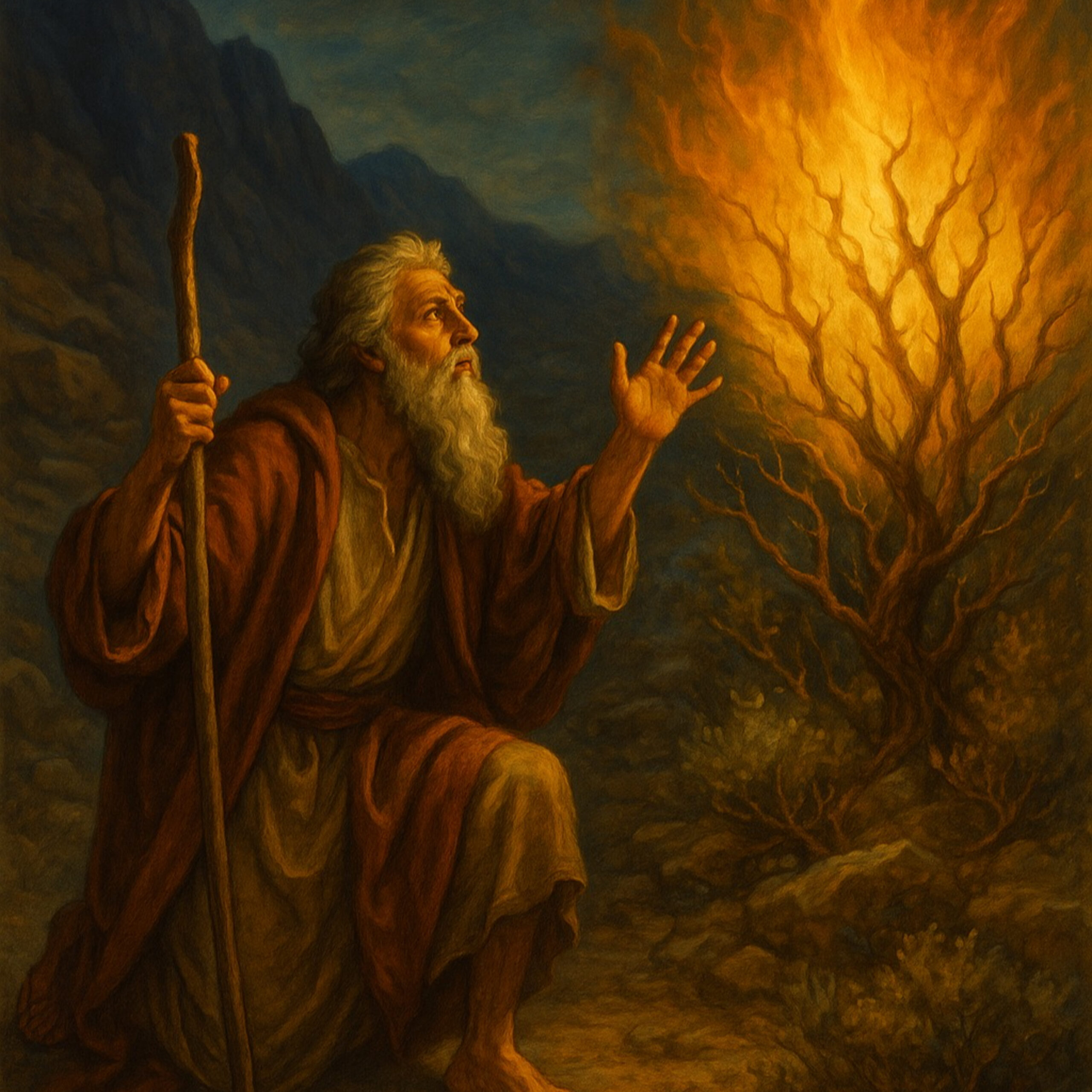
The Exodus is one of the most defining events in biblical history. It marks God’s deliverance of His people from slavery in Egypt and His covenantal formation of Israel as a nation. The narrative stretches from the closing chapters of Genesis through Exodus, and its theological impact reverberates throughout the Old and New Testaments. The…
-
Israel in Egypt and the Exodus
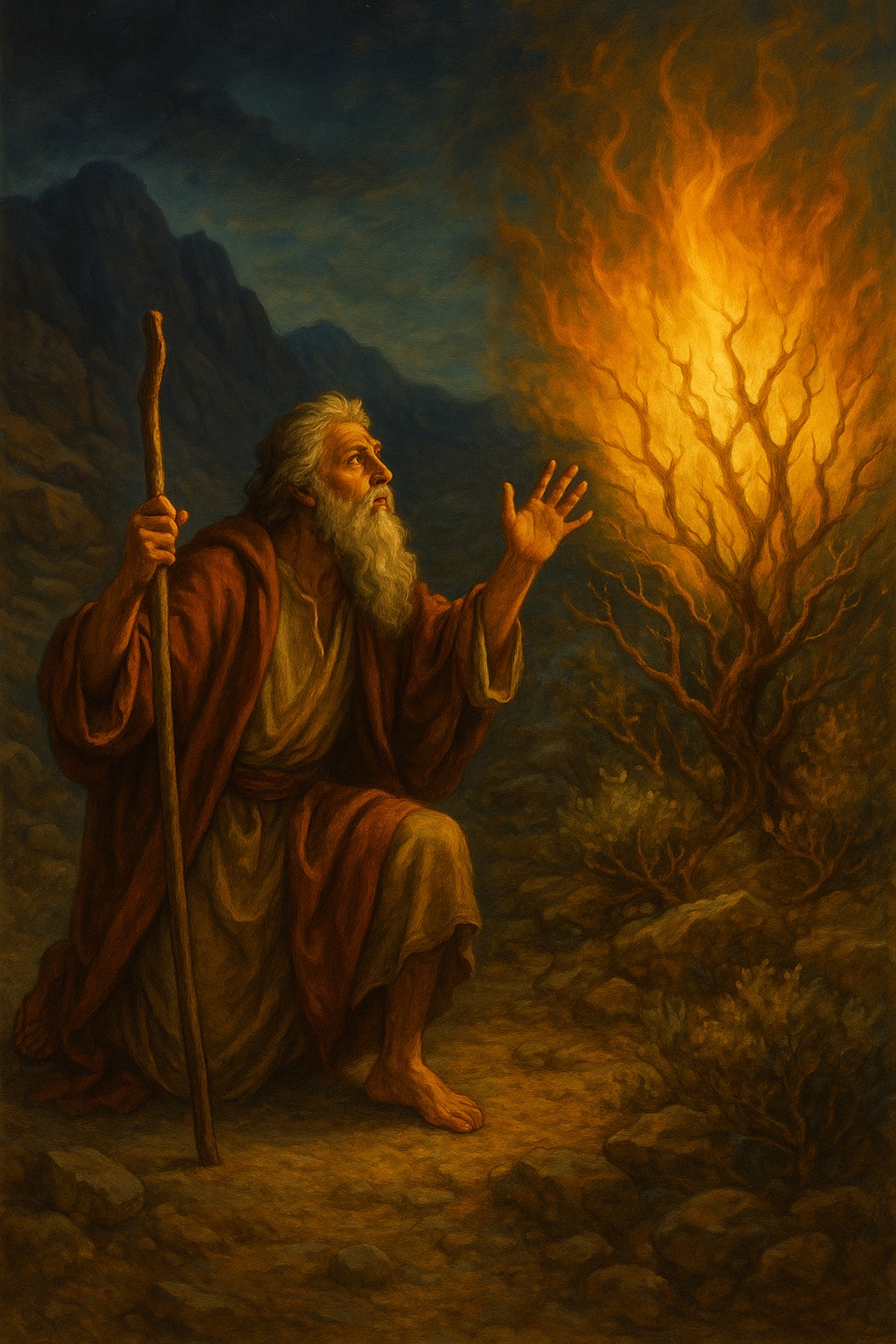
The Exodus is one of the most defining events in biblical history. It marks God’s deliverance of His people from slavery in Egypt and His covenantal formation of Israel as a nation. The narrative stretches from the closing chapters of Genesis through Exodus, and its theological impact reverberates throughout the Old and New Testaments.
-
Abraham, the Patriarchs, and Covenant Foundations
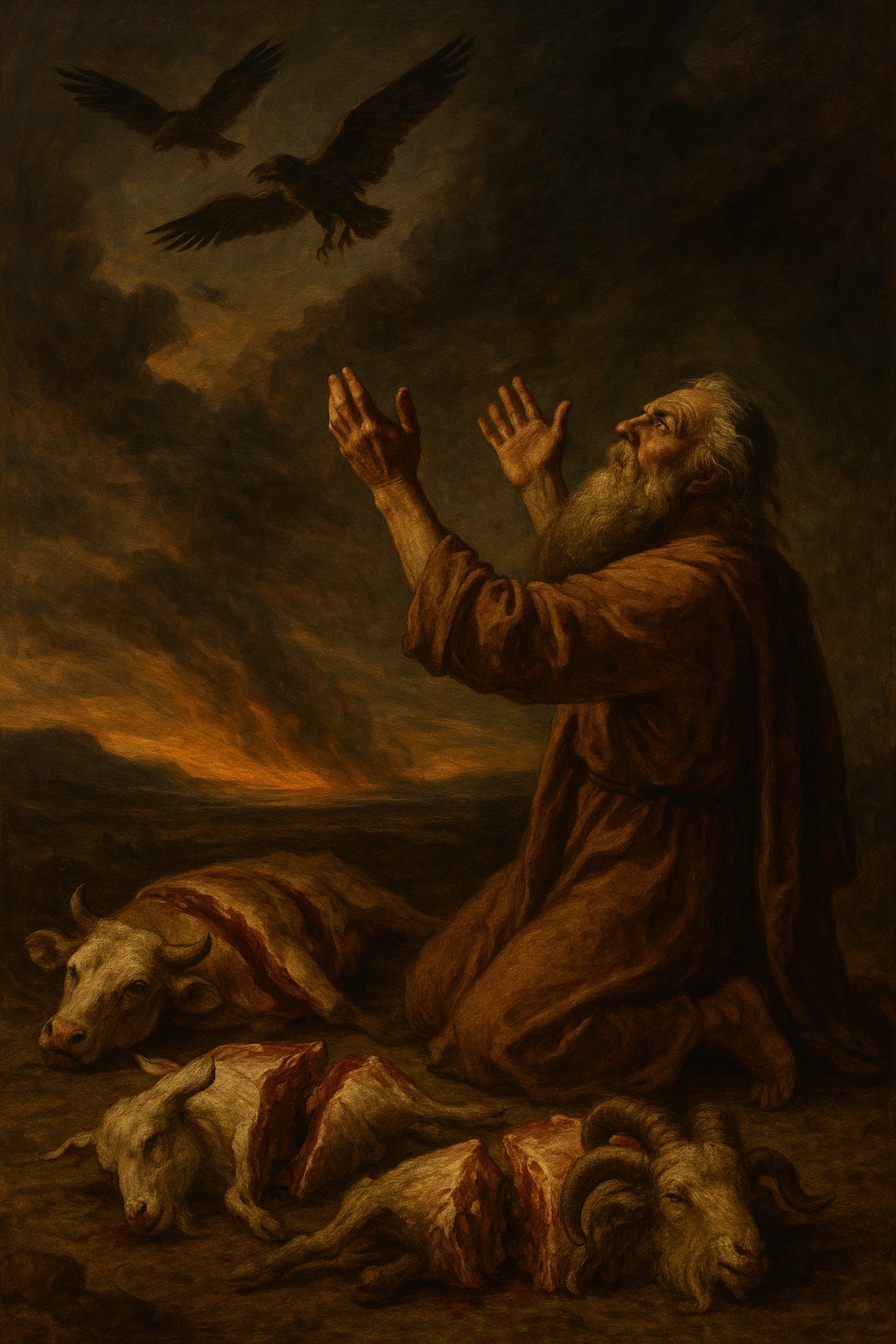
The story of Abraham and the patriarchs (Isaac, Jacob, and Joseph) forms the backbone of biblical history. It is in their lives that God reveals His covenant purposes, establishes the line of promise, and sets the stage for the coming Messiah. These narratives, spanning Genesis 12–50, are not merely family stories but foundational accounts of…
-
Revelation’s Final Visions and Old Testament Echoes

The Book of Revelation, the final book of the Bible, is rich in imagery and language drawn from the Old Testament. From Genesis to Malachi, echoes of earlier prophecies resound in John’s visions. Far from being a new or disconnected revelation, the Apocalypse weaves together centuries of prophecy into one climactic conclusion.
-
Prophecies of the Nations in Ezekiel
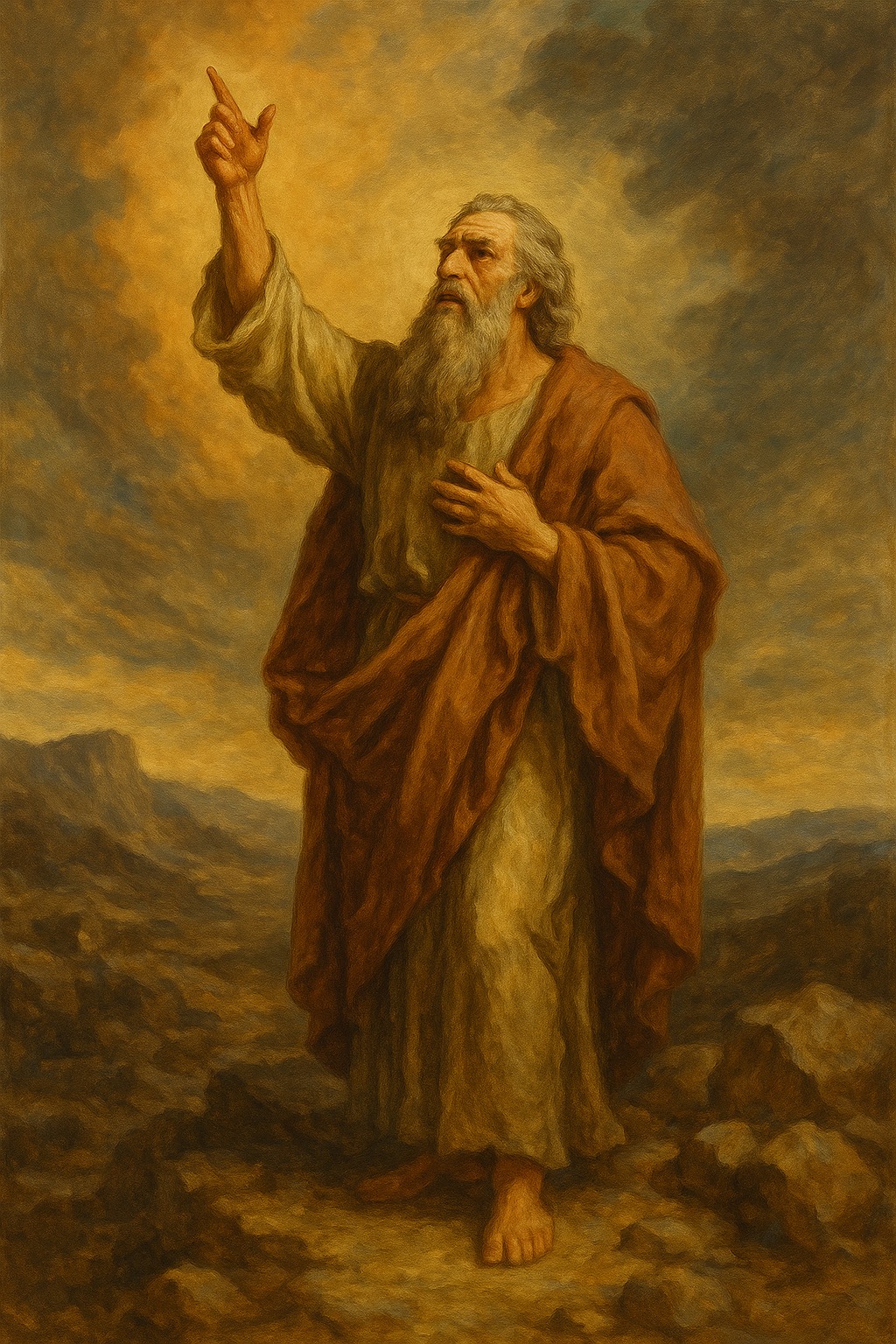
The prophet Ezekiel ministered during one of the most turbulent times in Israel’s history: the Babylonian exile of the sixth century B.C. While much of his prophecy focused on the sins and restoration of Israel, Ezekiel also recorded detailed oracles against surrounding nations.
-
Daniel’s Seventy Weeks and Messianic Fulfillment
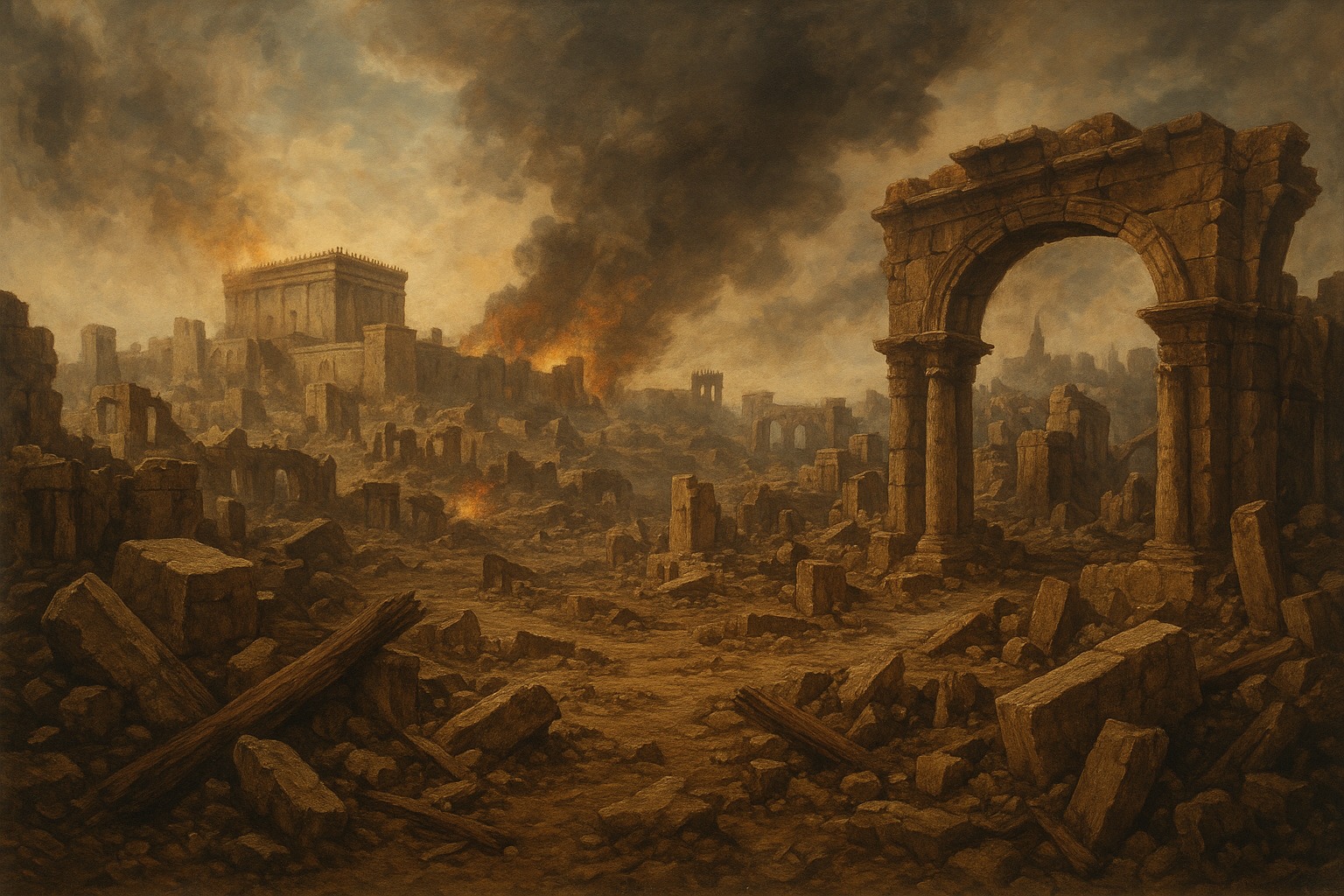
Among the most remarkable prophecies in Scripture is the vision of the Seventy Weeks in Daniel 9:24–27. Delivered to Daniel by the angel Gabriel, this prophecy outlines a precise timetable for God’s redemptive plan, culminating in the coming of the Messiah and the ultimate triumph of God’s kingdom. Scholars and believers alike regard it as…
-
Archaeology and the Historicity of Israel
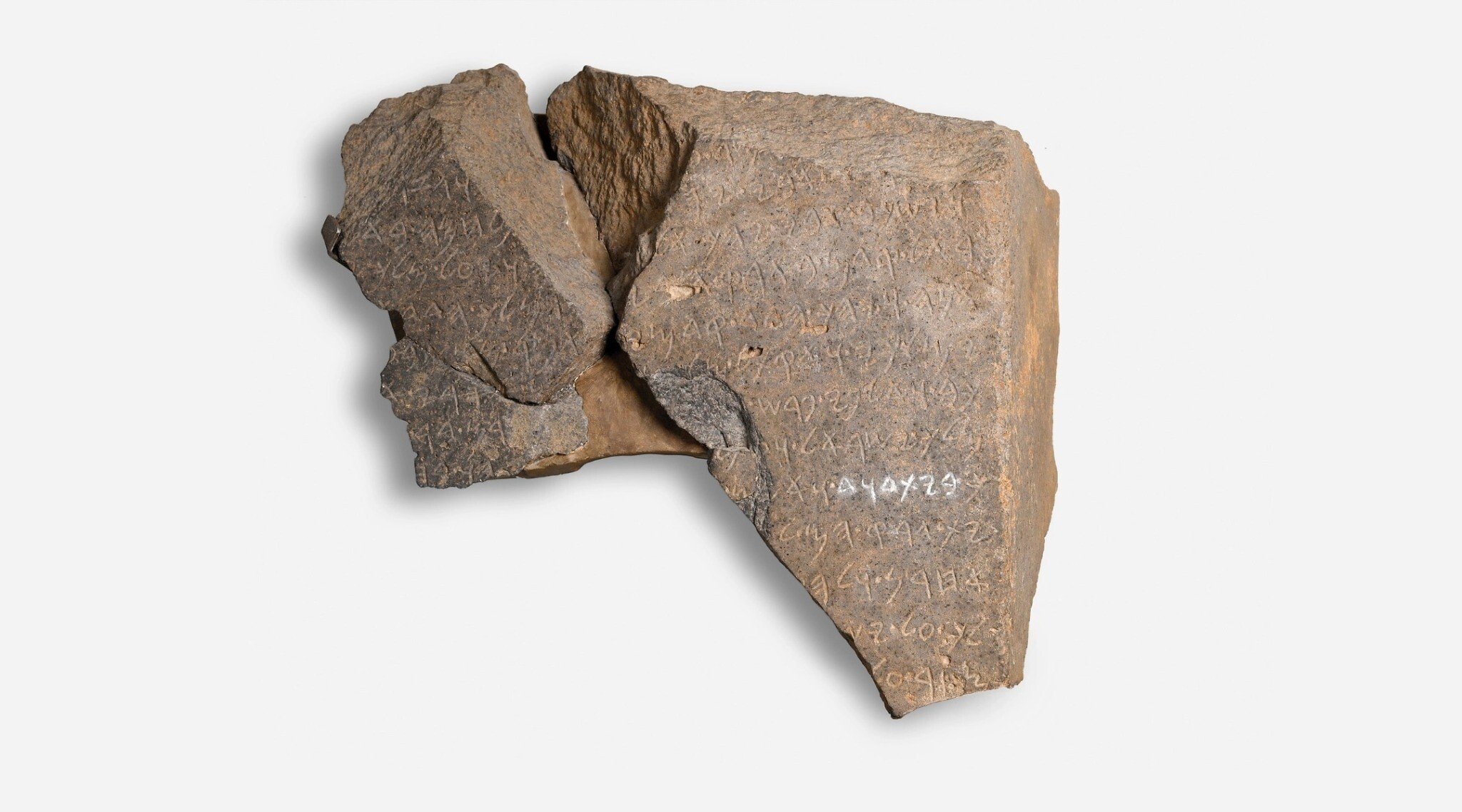
Archaeology has become one of the most powerful tools in understanding the Bible’s historical setting. While archaeology cannot prove every detail of Scripture, discoveries repeatedly confirm the reality of Israel’s existence, the authenticity of its kings, and the accuracy of biblical events. Critics have often doubted Israel’s history, but spades in the ground continue to…
-
Dating Methods for Human, Animal, and Plant Material
The content discusses various dating methods used to estimate the ages of organic and geological materials, such as radiocarbon and potassium-argon dating. It highlights their implications for understanding biblical accounts of creation and emphasizes the limitations of these methods, advocating for a faith that reconciles science and Scripture while affirming God’s role as Creator.
-
Science, Faith, and the Limits of Human Knowledge

Science and faith, while often seen in conflict, both aim to uncover truth. Science explains how things work, while faith addresses meaning and purpose. Each has limits, and proper engagement fosters humility, allowing believers to harmonize the two. Together, they enrich understanding of God’s creation and ultimate purposes.
-
Flood Geology and the Debate Over Noah’s Flood
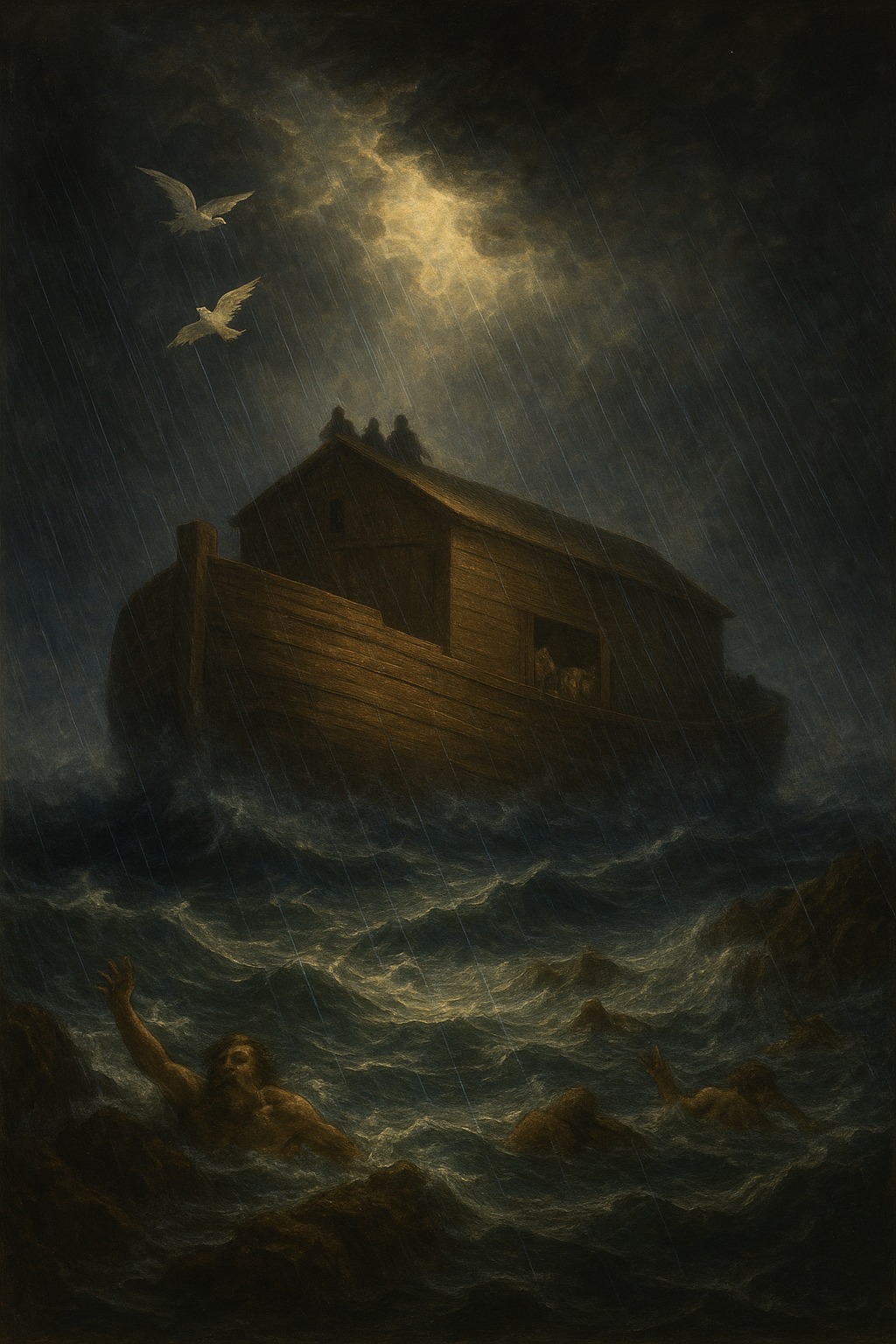
The account of Noah’s flood in Genesis depicts a global deluge, challenging interpretations from both faith and modern geology. While traditional views see it as a literal event, geology often regards it as myth or local. The narrative emphasizes God’s judgment, mercy, and the promise of salvation, reinforcing theological significance amidst scientific debate.


