
Topical Studies
-
David – The Flawed King and Eternal Covenant
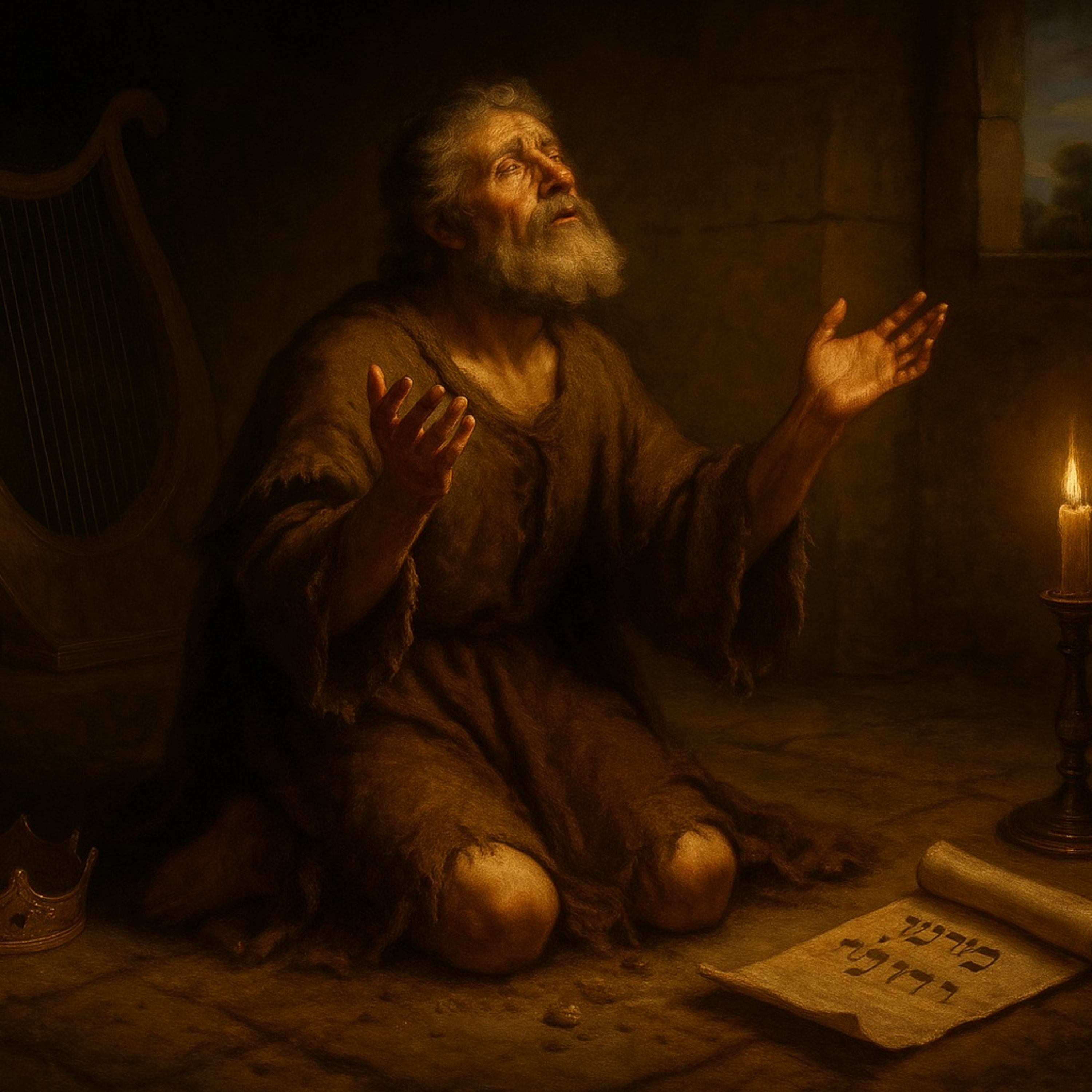
Among all the figures in the Old Testament, David stands out uniquely as both a warrior and a worshiper, a shepherd and a king. He was the man after God’s own heart (1 Samuel 13:14), chosen not for his appearance or status but for the sincerity of his devotion.
-
The Dead Sea Scrolls: Preserving the Integrity of Scripture Through Millennia
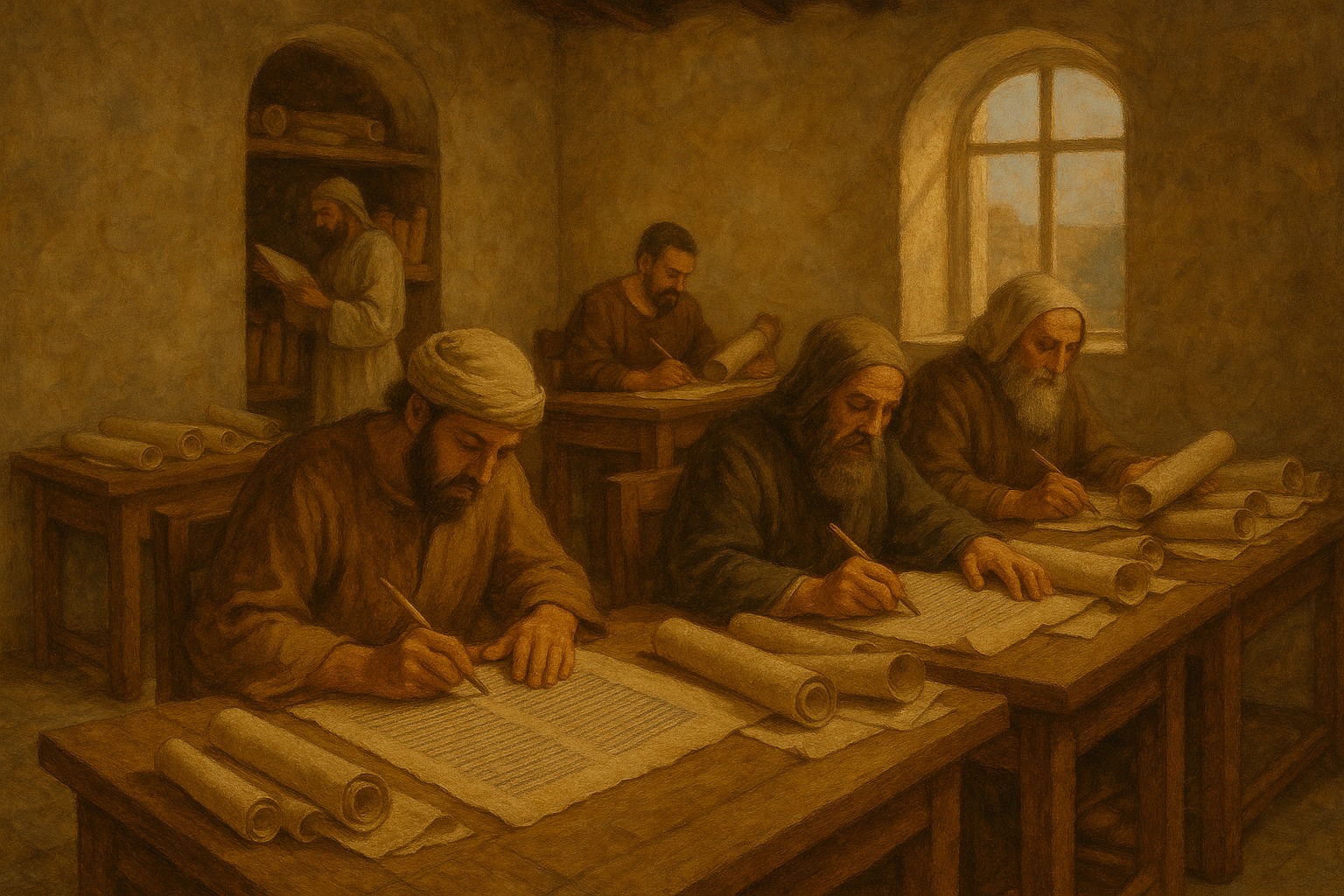
Few archaeological discoveries have had as profound an impact on biblical studies as the Dead Sea Scrolls. Unearthed between 1947 and 1956 in the caves of Qumran near the Dead Sea, these ancient manuscripts provided an unprecedented window into Jewish life, theology, and Scripture during the Second Temple period. Their significance lies not only in…
-
Moses – Lawgiver, Deliverer, and Prophet
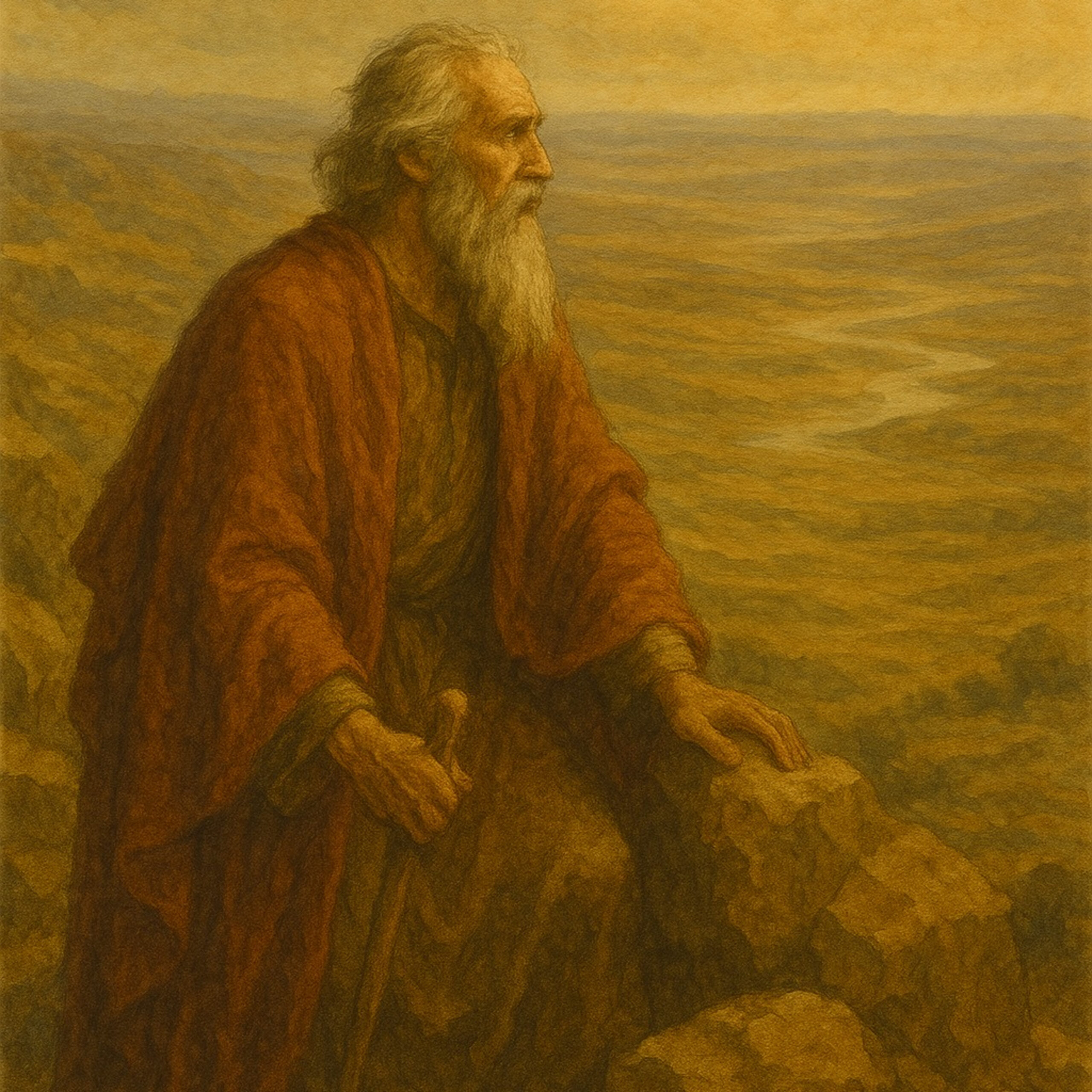
Moses stands as one of the most influential figures in all of Scripture, a man chosen by God to deliver His people from bondage, reveal His law, and mediate His covenant. His life bridges promise and fulfillment, slavery and freedom, law and grace. More than a leader or prophet, Moses prefigures Christ as the Redeemer…
-
The Exodus Route and the Red Sea Crossing: Tracing the Path of Deliverance
in : Evidenceby :
Tags :Archaeology, covenant, Discipleship, evidence, Exodus, Gospel, History, Israel, Messiah, Podcast, Prayer, prophecy, Reliability, Ruth, Scripture, Watchfulness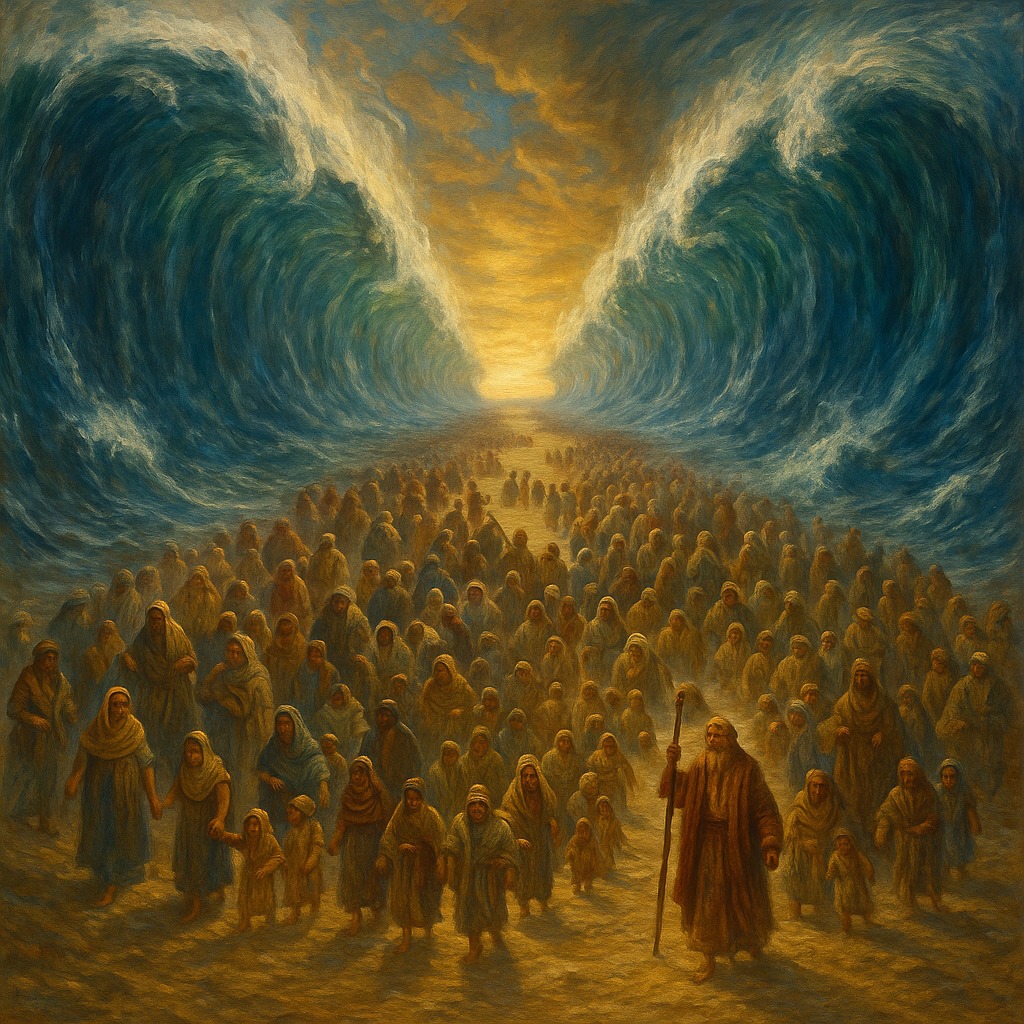
The Exodus remains one of the most defining and miraculous events in biblical history, a divine act that liberated Israel from bondage and revealed God’s redemptive power before the nations. From the cries of Egypt to the waters of the Red Sea, the story of the Exodus is more than a chronicle of escape; it…
-
Abraham – The Blueprint of Unconditional Faith
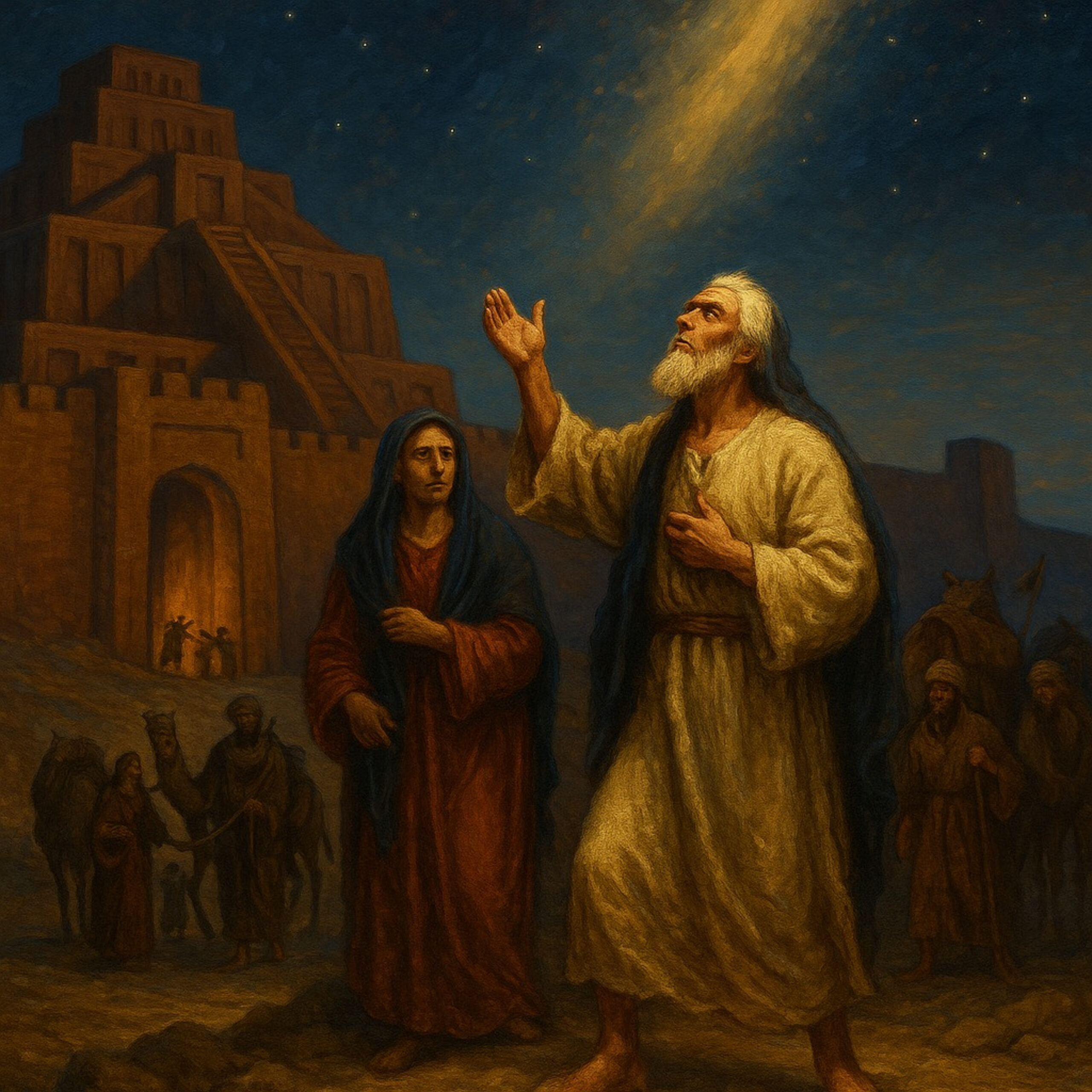
Among all the figures in Scripture, few stand as prominently in both Testaments as Abraham. Known as “the father of faith,” Abraham’s life marks the beginning of God’s covenant relationship with a chosen people through whom all nations would be blessed. His story, beginning in Genesis 12, is the foundation for the unfolding plan of…
-
The Fall of Jericho: Archaeological Layers and the Sound of Faith
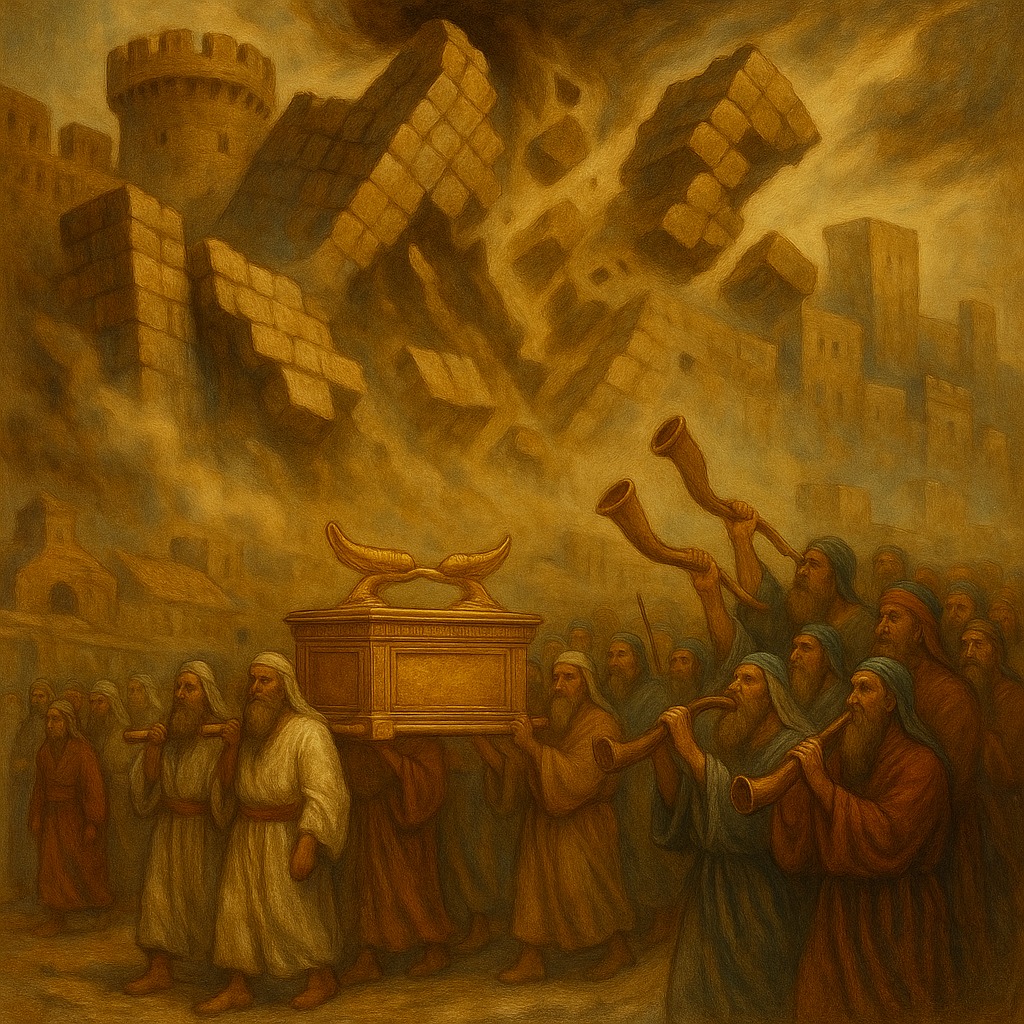
The fall of Jericho remains one of the most dramatic and symbolically charged events in the biblical record. The scene of ancient walls collapsing before the faith-filled obedience of God’s people captures the essence of divine power working through human trust. For centuries, archaeologists and theologians alike have sought to understand how the fortified city…
-
The Final Roadmap – Unpacking the Dual Phases of Christ’s Return
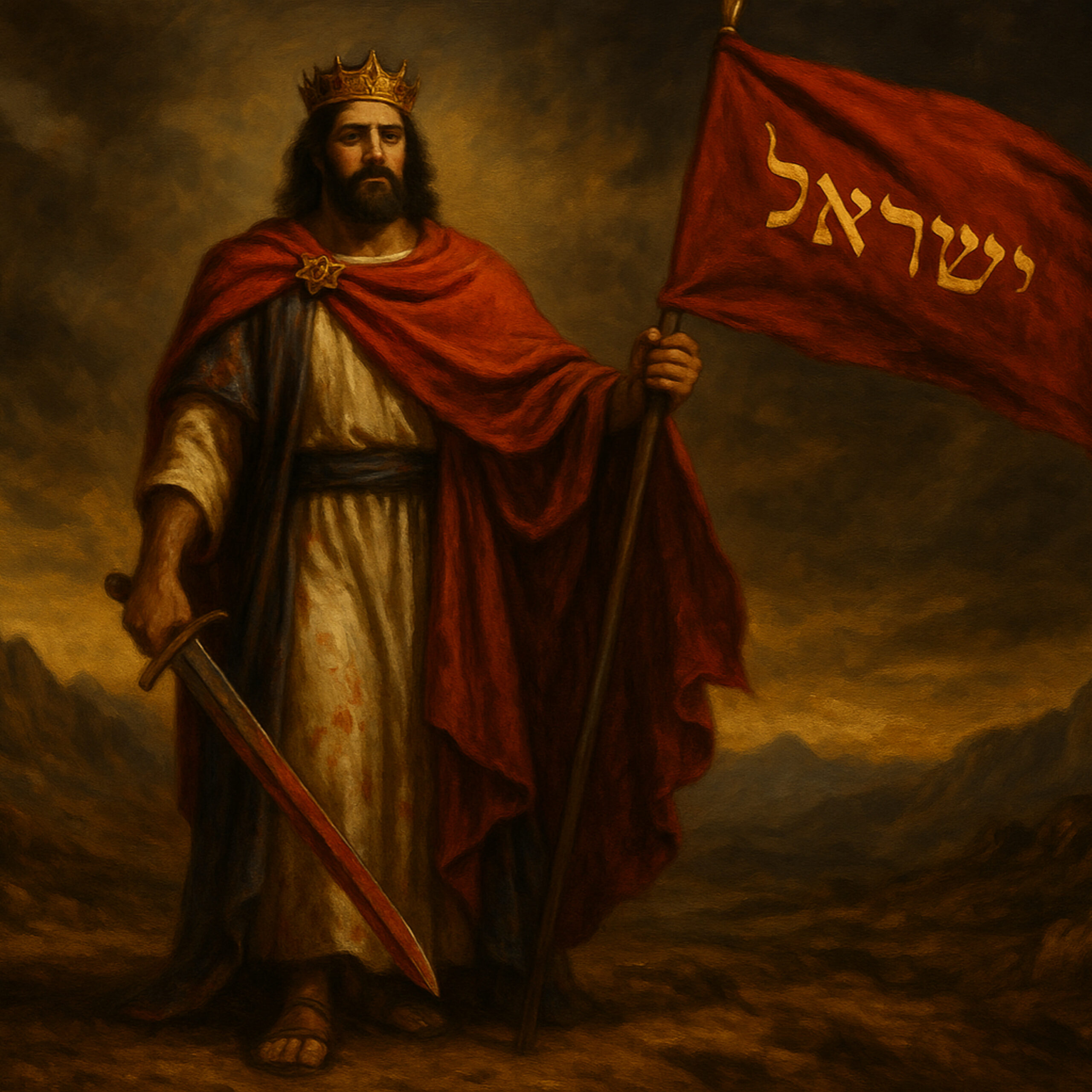
The return of Jesus Christ stands as the blessed hope of all believers and the climax of God’s redemptive plan. From Genesis to Revelation, Scripture points toward this moment when the King of kings will return to establish righteousness, defeat evil, and renew creation. The Second Coming is not merely an event in prophecy; it…
-
The Bronze Serpent and the Cross: Archaeological Echoes of Healing and Redemption in the Ancient World
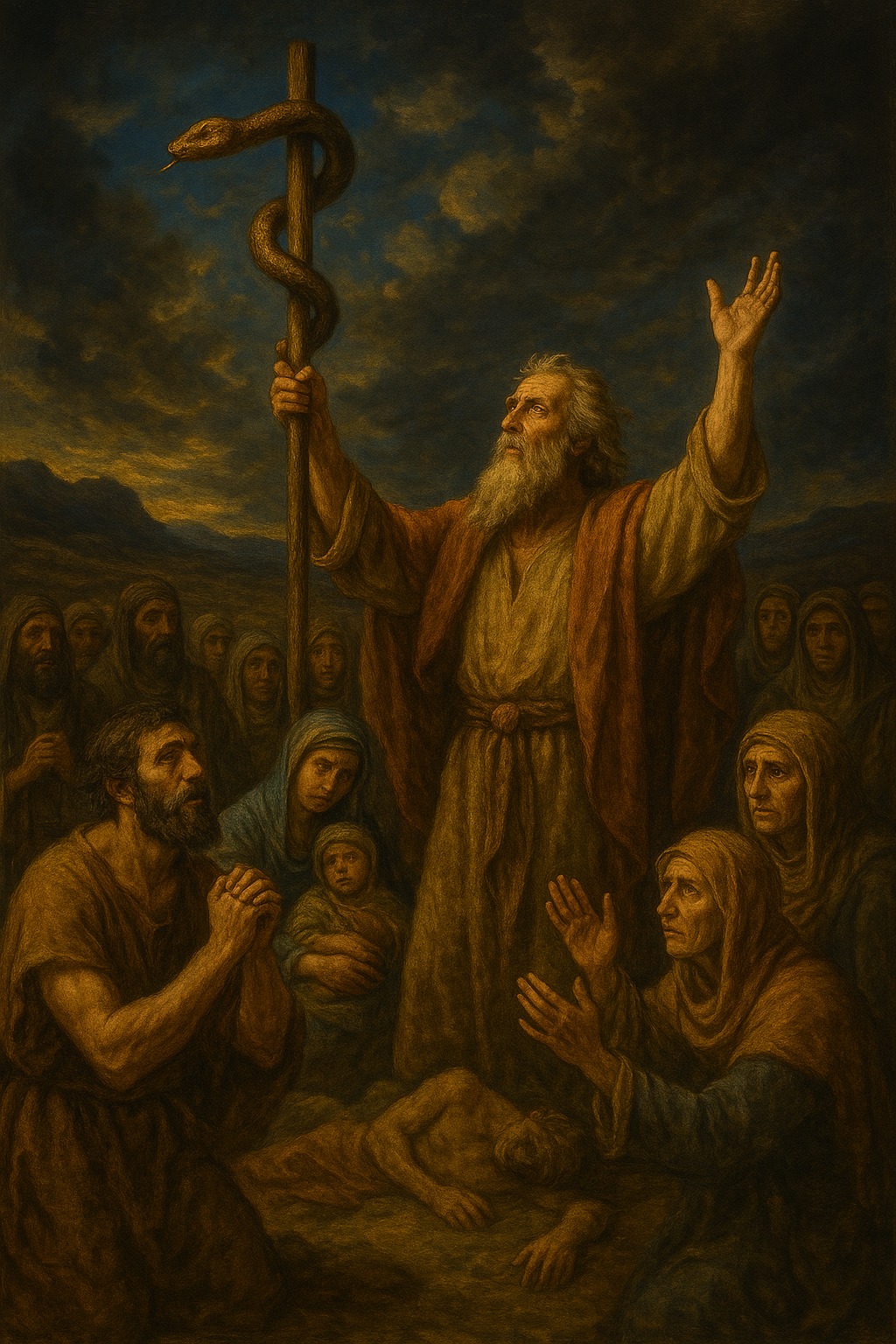
Among the many symbols woven into the tapestry of Scripture, few carry as much paradox and prophetic depth as the bronze serpent raised by Moses in the wilderness. What appears at first as an act of desperation, lifting a bronze image to heal a plague of venomous bites, emerges in the New Testament as one…
-
The Tabernacle, the Ark, and Archaeological Corroboration of Israel’s Worship in the Wilderness
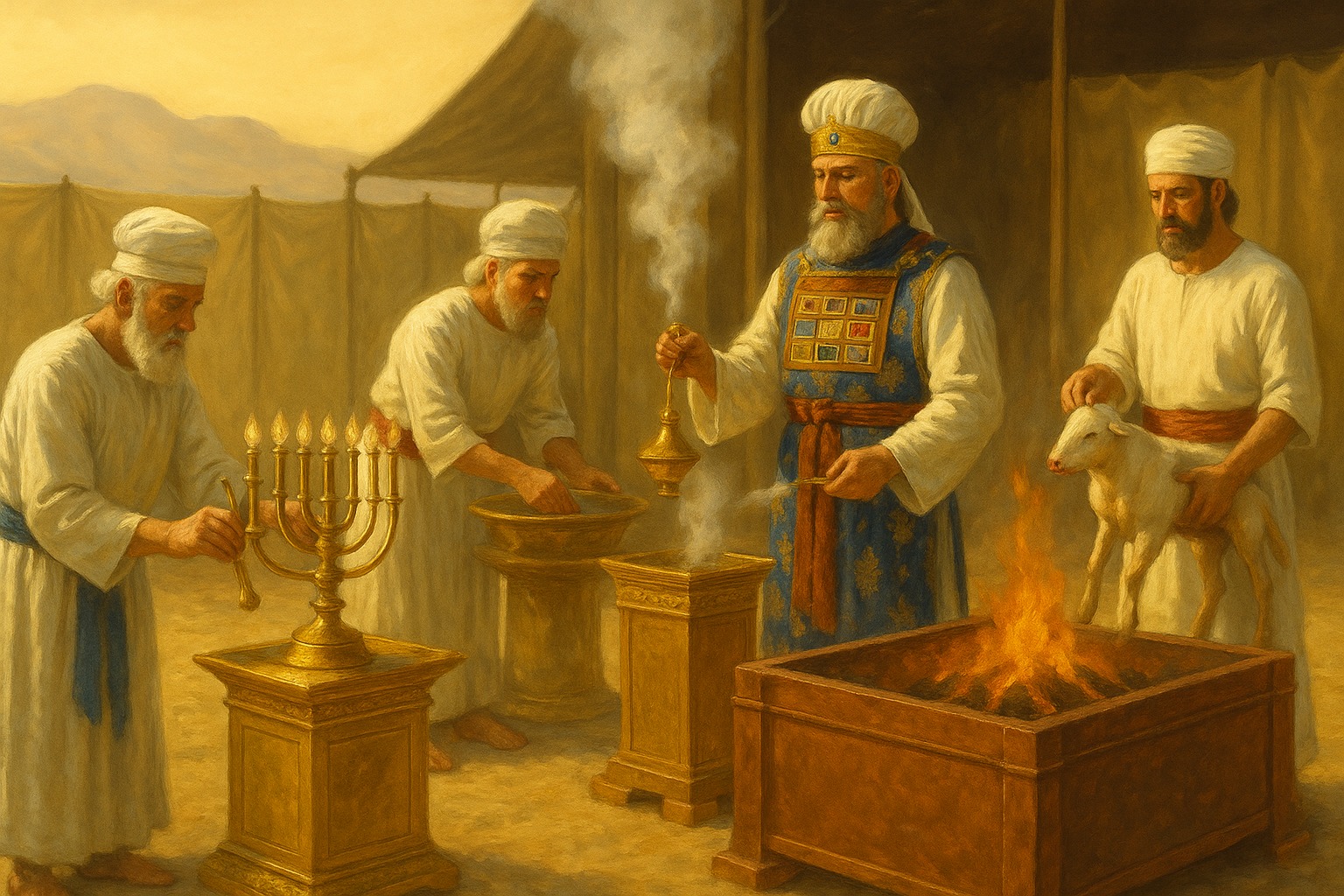
The tabernacle stands as one of the most significant structures in biblical history, not because of grandeur or permanence, but because it symbolized the dwelling of God among His people. In the wilderness, long before the construction of Solomon’s Temple, Israel carried a portable sanctuary designed according to divine revelation.
-
The Historical Reliability of the Exodus and Mount Sinai
in : Evidenceby :
Tags :Archaeology, covenant, evidence, Exodus, History, Israel, Kingdom, Leviticus, Messiah, prophecy, Reliability, Scripture, Watchfulness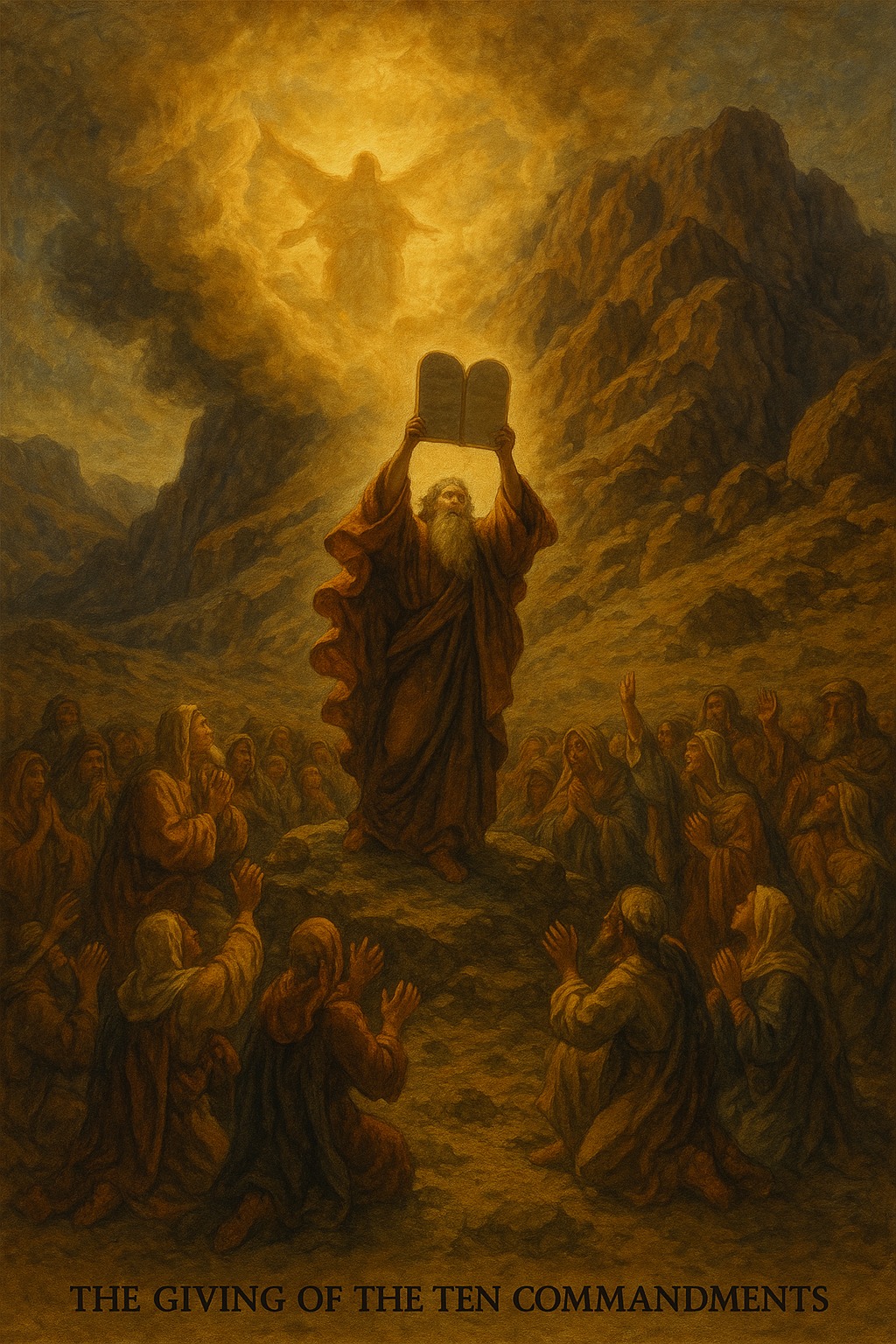
The Exodus stands at the heart of Israel’s national and spiritual identity. It is the story of God’s mighty deliverance, how He brought His people out of bondage in Egypt with a strong hand and an outstretched arm. Yet, modern critics have often dismissed the Exodus as a legend or theological symbolism rather than a…
