
Topical Studies
-
The Person and Work of the Holy Spirit

The Holy Spirit, often misunderstood as an impersonal force, is recognized in Scripture as the personal and divine presence of God within believers. He guides, comforts, and empowers individuals for service, playing a vital role in salvation, sanctification, and communion with God. His indwelling signifies a transformative relationship essential for victorious Christian living.
-
The Nature of God’s Covenant Grace
God relates to humanity through covenants, reflecting His redemptive plan throughout biblical history. These agreements, whether conditional or unconditional, showcase God’s faithfulness and grace. The covenants culminate in Christ’s work, offering believers salvation, assurance, and a transformative relationship, emphasizing God’s enduring love and commitment to His people across generations.
-
Moabites, Edomites, and Israel: Kinship and Conflict

The Moabites and Edomites were two of Israel’s closest neighbors, both geographically and genealogically. Descended from Lot and Esau, these peoples shared kinship with Israel yet often lived in hostility toward them. Throughout the Old Testament, Moab and Edom appear in stories of conflict, uneasy alliances, and prophetic warnings. Their history with Israel sheds light…
-
The Divided Kingdom and the Prophets
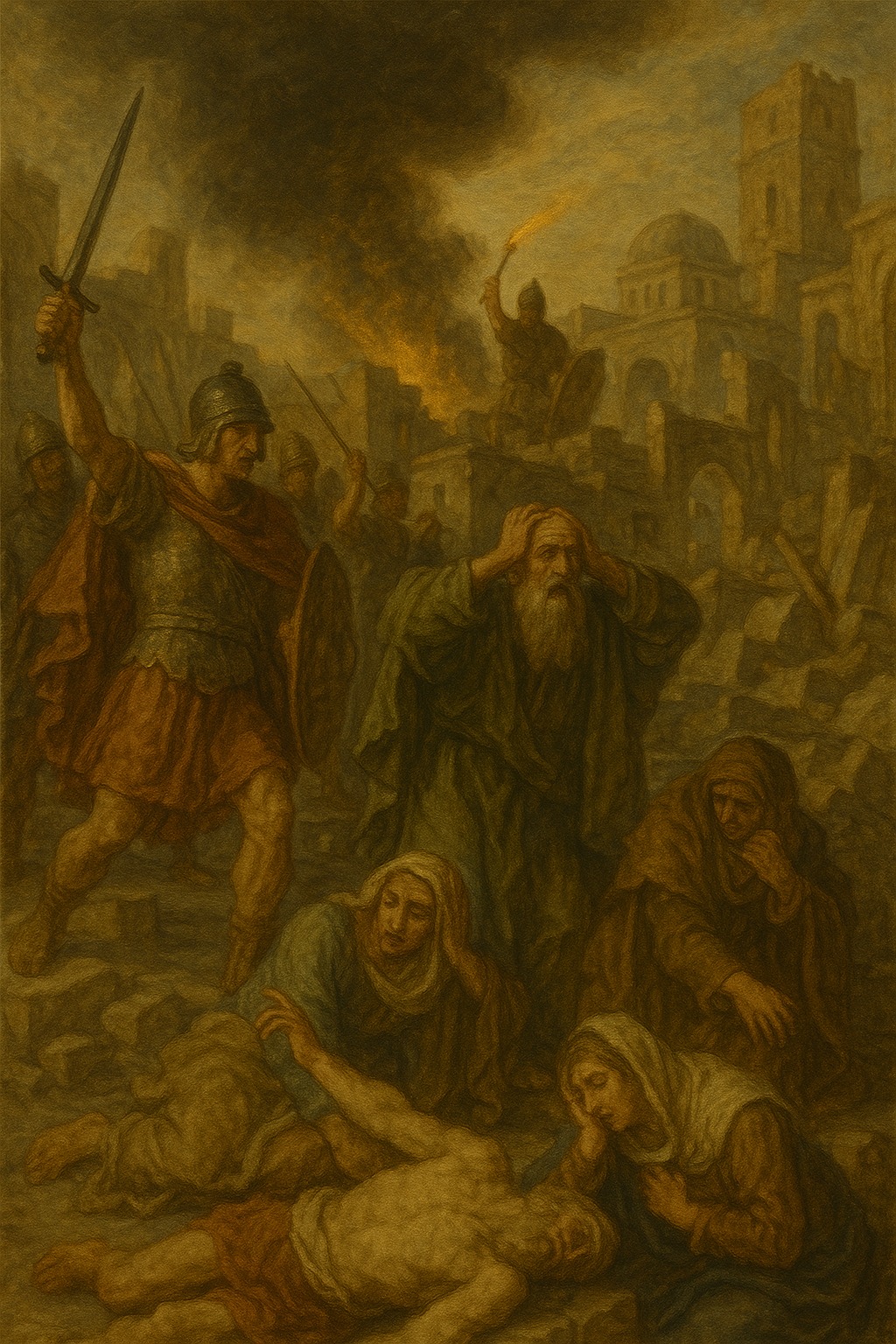
The united monarchy of Israel fractured after Solomon’s reign, resulting in the northern kingdom of Israel and the southern kingdom of Judah. This division led to idolatry, prophetic warnings, exile, and spiritual decline. Despite unfaithfulness, God promised restoration through prophets, ultimately fulfilled in Christ, the hope for eternal unity and covenant.
-
The Coming Millennium: A Biblical Perspective
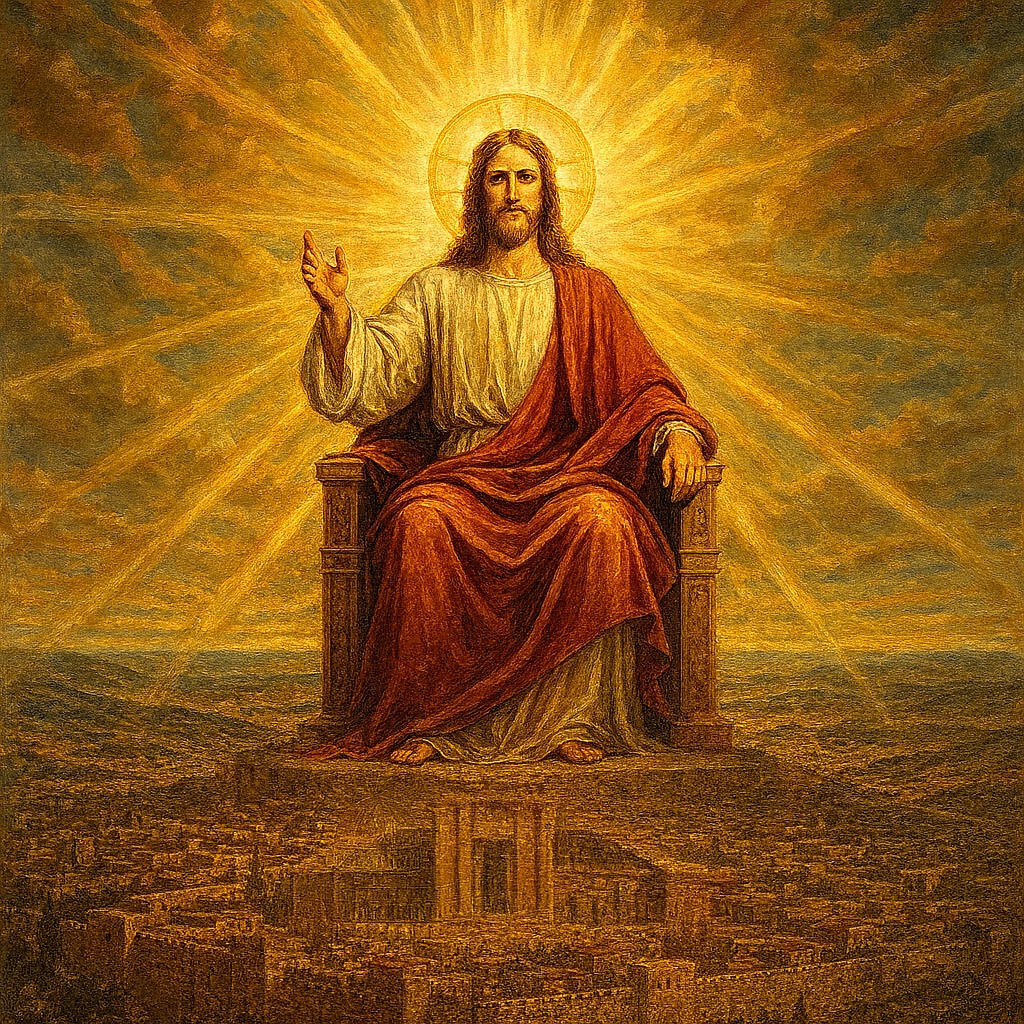
The Millennium represents the anticipated thousand-year reign of Christ on earth, fulfilling God’s promises to Israel and other nations. It features diverse groups, including glorified believers and the 144,000 Jews. This period showcases God’s justice and sovereignty, leading towards the eternal state, affirming hope and encouraging faithfulness among believers.
-
God’s Unconditional Covenants with Israel on the Horizon
The story of Abraham and the patriarchs (Isaac, Jacob, and Joseph) forms the backbone of biblical history. It is in their lives that God reveals His covenant purposes, establishes the line of promise, and sets the stage for the coming Messiah. These narratives, spanning Genesis 12–50, are not merely family stories but foundational accounts of…
-
The Rise of the Monarchy in Israel
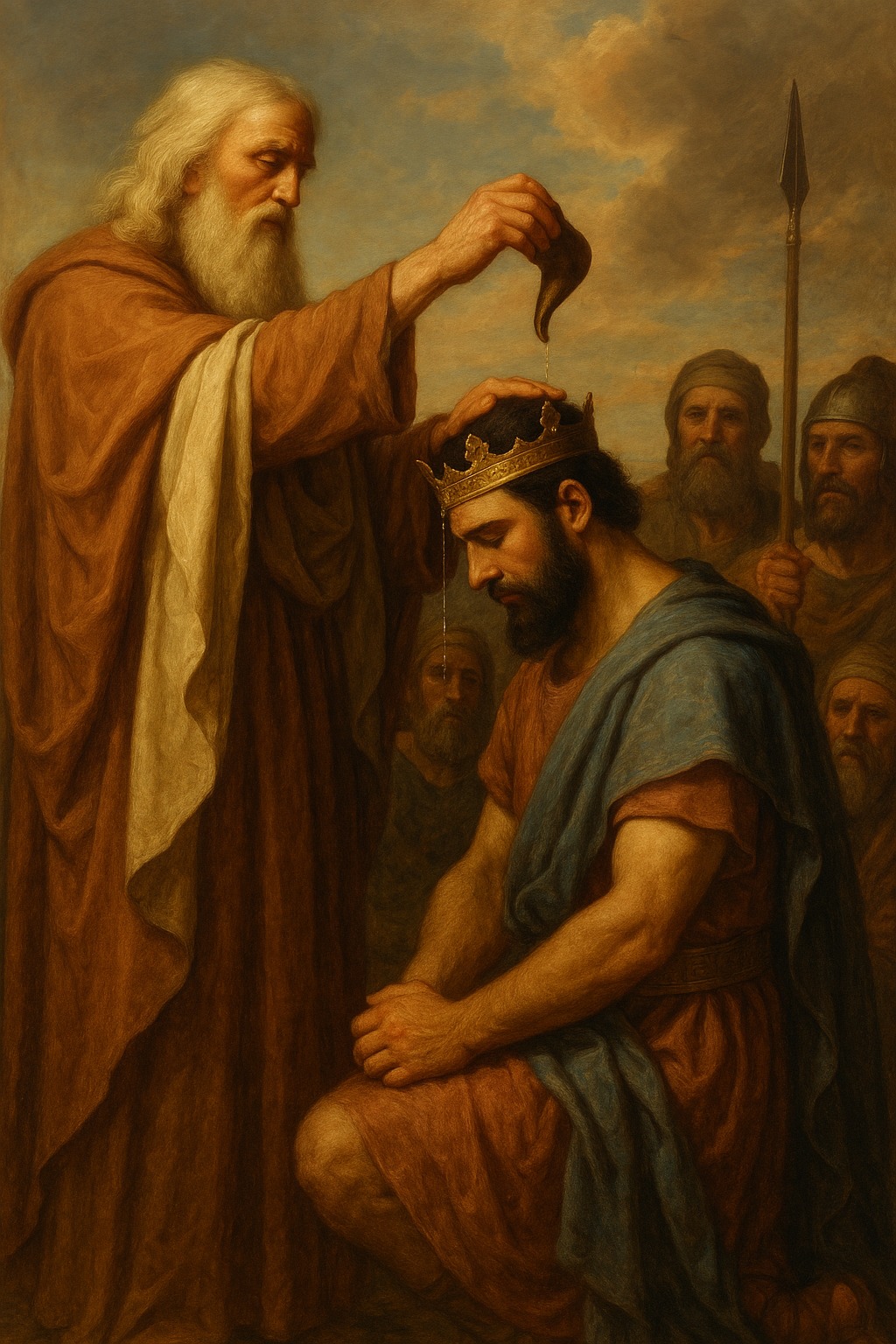
The rise of the monarchy in Israel marked a pivotal moment in biblical history, transitioning from judges to kings, beginning with Saul, followed by David and Solomon. This evolution reflects Israel’s spiritual struggles and God’s enduring covenant. Ultimately, it highlights the importance of obedience and the foreshadowing of Christ, Israel’s true King.
-
God’s Unconditional Covenants with His People – Introduction
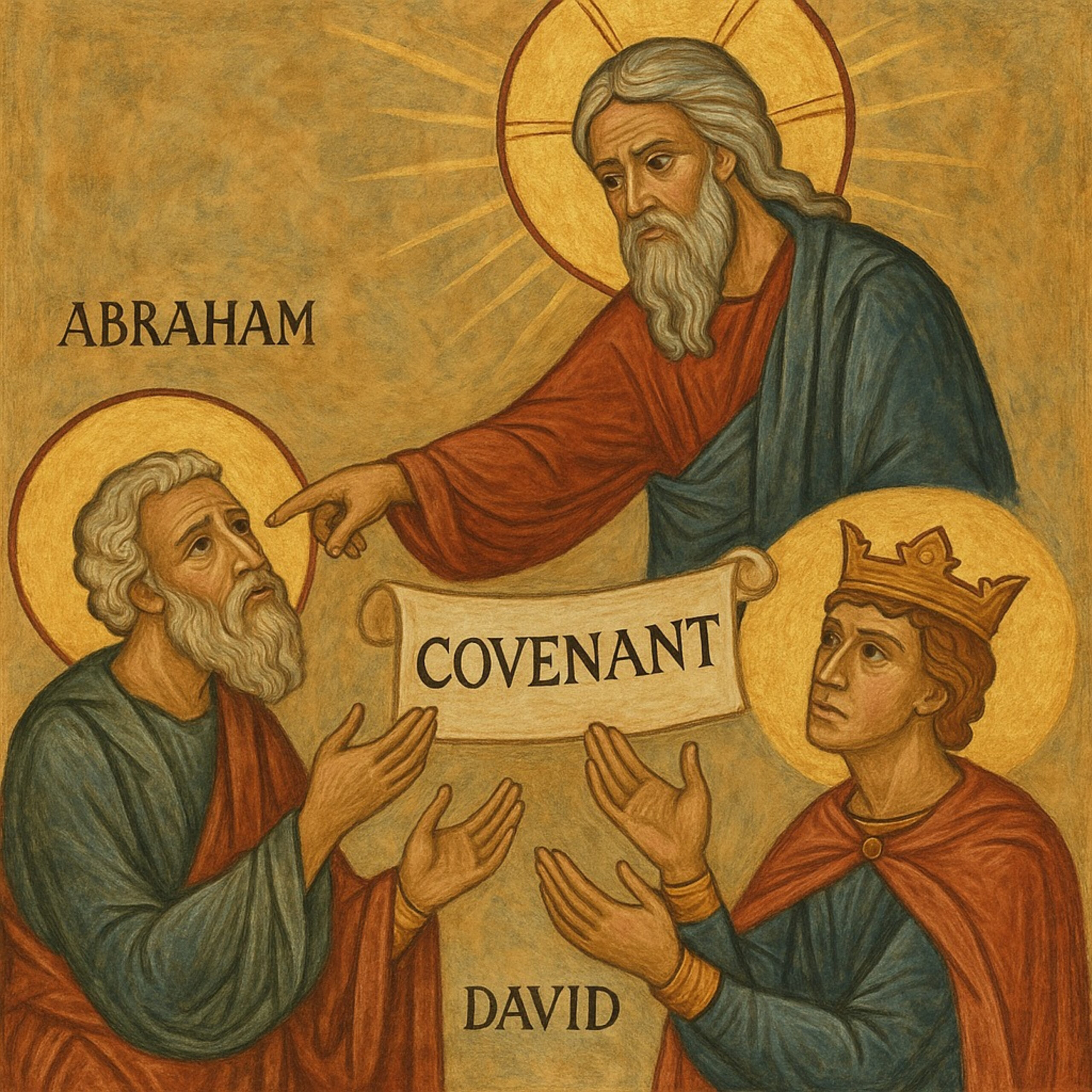
The Bible records several covenants God made with His people. Some were conditional, requiring obedience for blessing (e.g., the Mosaic covenant). Others were unconditional, depending solely on God’s faithfulness. Among these, the covenants with Abraham, David, and the promise of the New Covenant stand out as everlasting. These covenants anchor Israel’s history, frame prophecy, and…
-
Conquest and Settlement in the Promised Land
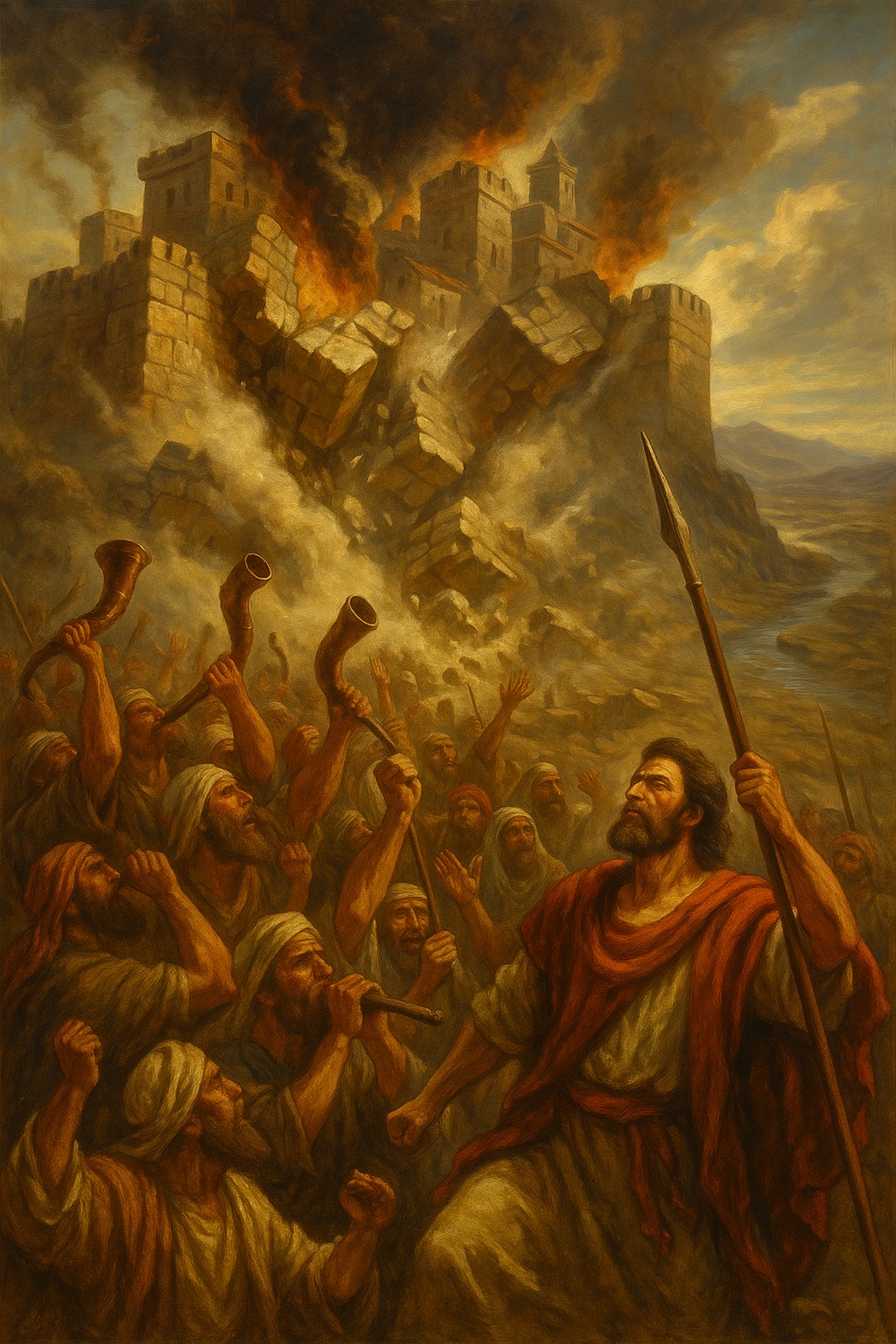
The conquest of Canaan under Joshua fulfilled God’s promises to the patriarchs, integrating military triumphs with spiritual obedience. Key events included the miraculous Jordan crossing, the fall of Jericho, and subsequent victories, alongside themes of faithfulness and judgment. The struggles in Judges underscore the need for obedience, foreshadowing Christ’s ultimate salvation.
-
The Great Exodus – Journey from Bondage to Freedom
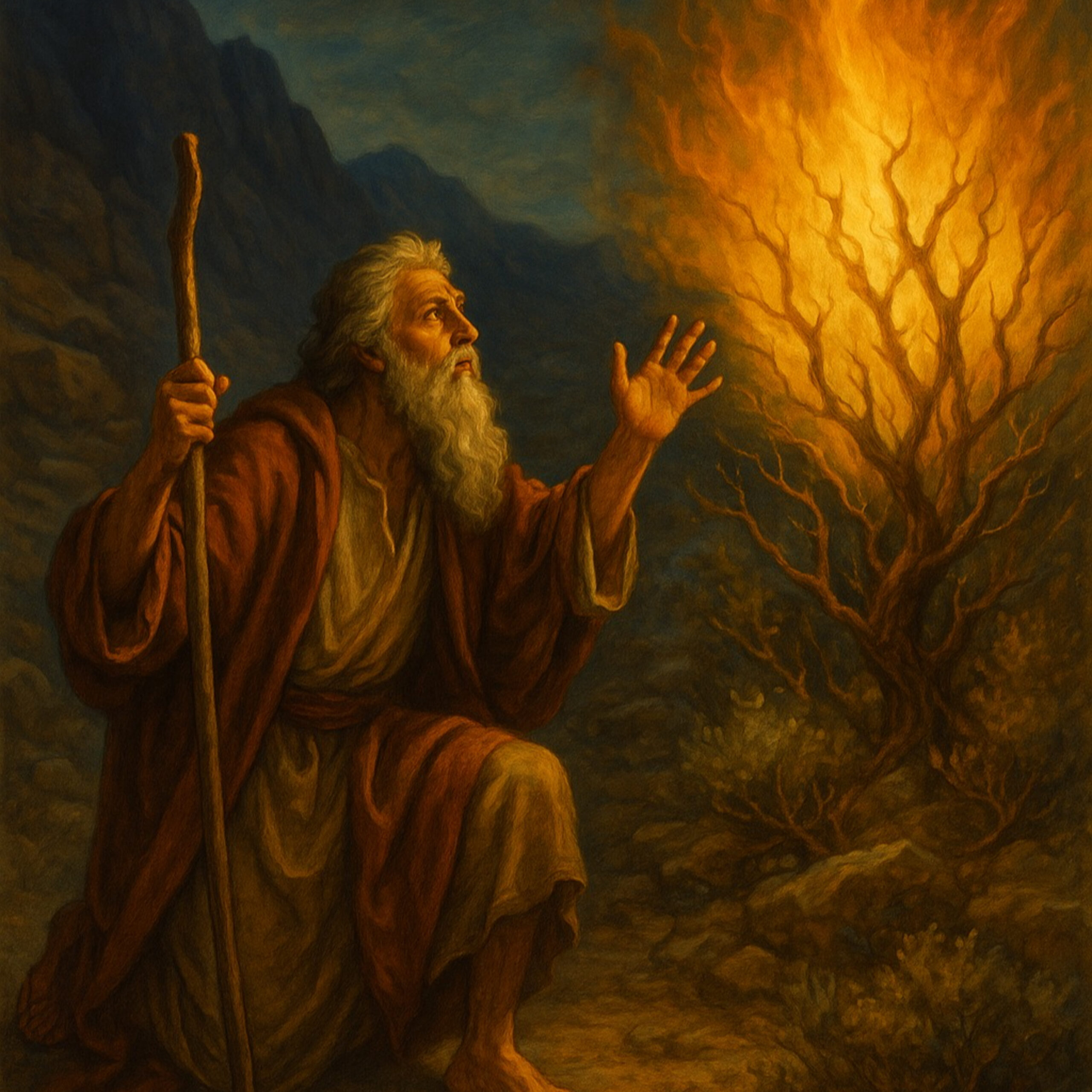
The Exodus is one of the most defining events in biblical history. It marks God’s deliverance of His people from slavery in Egypt and His covenantal formation of Israel as a nation. The narrative stretches from the closing chapters of Genesis through Exodus, and its theological impact reverberates throughout the Old and New Testaments. The…
