
Topical Studies
-
Global Watch Daily – December 6, 2025
A concise summary of major developments in Israel and the world through a grounded Christian worldview. Global Watch Daily – December 6, 2025 Israel & Jerusalem Israel recently hosted a visit from a friendly German leader as both nations seek to restore relations strained by recent conflicts and historical tensions (Times of Israel). In reflection…
-
Tracing God’s Sovereign Plan: The Bible’s Grand Redemptive History

The Bible presents history not as a mere sequence of human events, but as the unfolding of God’s sovereign plan to redeem a fallen world. From the creation of all things to the consummation of all things in Christ, Scripture reveals a divine narrative that is both historical and theological.
-
Reflecting Divine Holiness: Embracing Sanctification Through Christ’s Grace

The holiness of God stands at the very heart of biblical theology. It is a foundational attribute that shapes our understanding of who God is and how He relates to His creation.
-
Global Watch Daily – December 5, 2025
in : Newsby :
Tags :Archaeology, covenant, Discipleship, End times, Gospel, History, Israel, Kingdom, Messiah, Prayer, prophecy, WatchfulnessA concise summary of major developments in Israel and the world through a grounded Christian worldview. Global Watch Daily – December 5, 2025 Israel & Jerusalem Recent developments in Israel highlight ongoing security, social, and political dynamics within the country. The former legal chief of the Israel Defense Forces (IDF) was discharged from a month-long…
-
Assyria Prophecy and Archaeology Converge
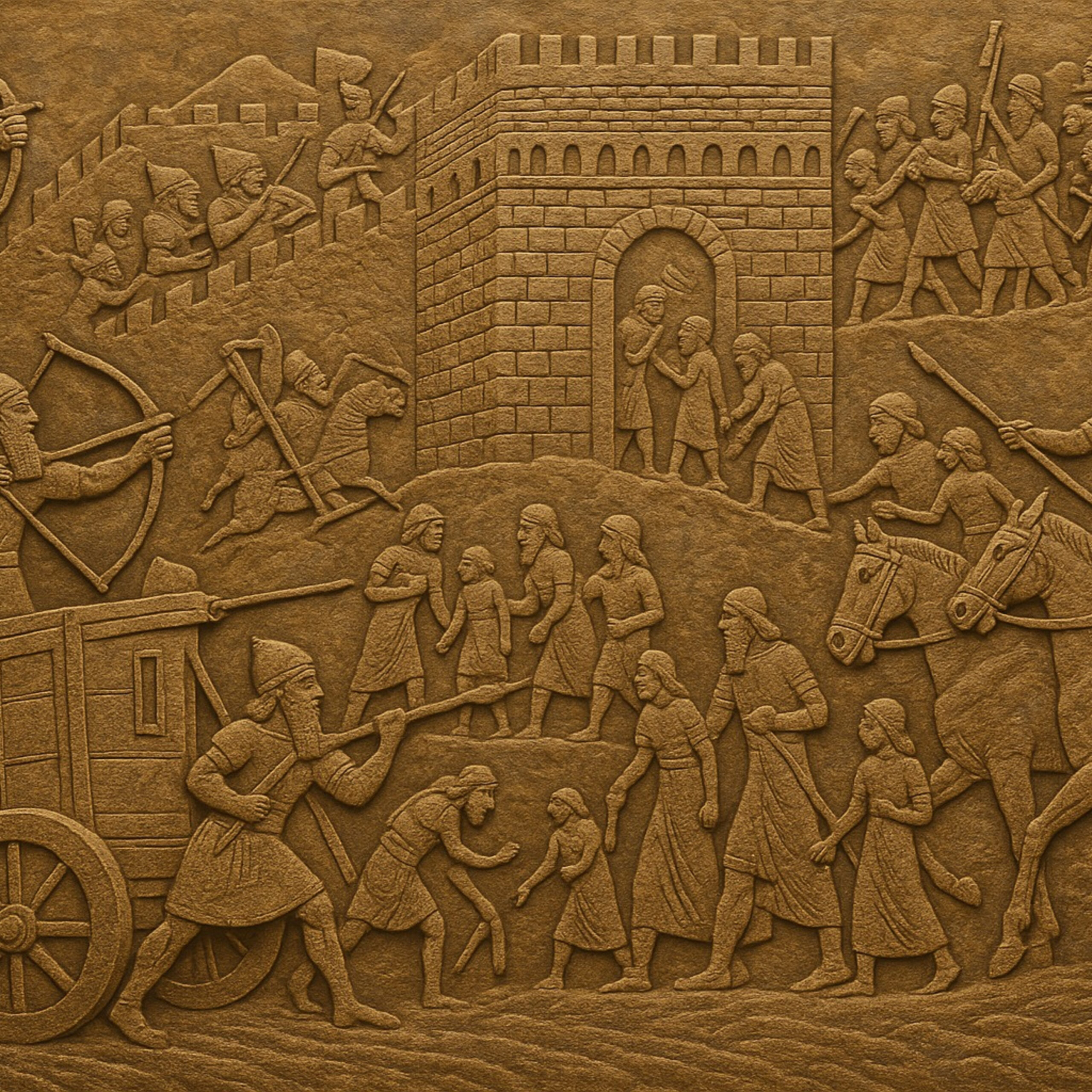
The Assyrian invasions of the eighth and seventh centuries B.C. represent one of the most devastating periods in the history of Israel and Judah. These invasions reshaped the political landscape of the ancient Near East and fulfilled prophetic warnings that had echoed through the ministries of Amos, Hosea, Isaiah, and Micah.
-
Global Watch Daily – December 4, 2025
A concise summary of major developments in Israel and the world through a grounded Christian worldview. Global Watch Daily – December 4, 2025 Israel & Jerusalem Recent developments in Israel and Jerusalem highlight ongoing tensions and significant political and military actions. A Lithuanian court convicted the leader of a coalition party for inciting hatred against…
-
Global Watch Daily – December 1, 2025
A concise summary of major developments in Israel and the world through a grounded Christian worldview. Global Watch Daily – December 1, 2025 Israel & Jerusalem On World AIDS Day, Israel’s Health Ministry reported a significant 22% decrease in new HIV cases for the year 2024, marking progress in the nation’s public health efforts (Times…
-
Tracking the Exodus: The True Mount Sinai Route

The Exodus remains one of the most defining and miraculous events in biblical history, a divine act that liberated Israel from bondage and revealed God’s redemptive power before the nations.
-
Global Watch Daily – November 30, 2025
in : Newsby :
Tags :Archaeology, covenant, Discipleship, Gospel, History, Israel, Messiah, Prayer, prophecy, WatchfulnessA concise summary of major developments in Israel and the world through a grounded Christian worldview. Global Watch Daily – November 30, 2025 Israel & Jerusalem Recent developments in Israel and Jerusalem highlight ongoing conflict, political maneuvers, and cultural tensions. The Israel Defense Forces (IDF) reported the killing of a Hamas commander attempting to flee…
-
God’s Sovereignty Revealed: Trusting His Providence from Creation to Christ

The doctrine of the sovereignty of God stands at the very heart of biblical theology. It affirms that God is supreme over all creation, ruling with absolute authority and wisdom. This truth is not merely theoretical but deeply pastoral, offering comfort and assurance to believers amid life’s uncertainties.
