
Topical Studies
-
The Promised Land of Israel – Conquest and Covenant

The conquest of Canaan under Joshua fulfills God’s promises to Abraham, Isaac, and Jacob. After centuries of anticipation, Israel finally entered the land God had sworn to give them. This period, described in the book of Joshua and echoed in Judges, is both a story of triumph and a sober reminder of the dangers of…
-
Israel’s Exodus – The Journey from Egypt
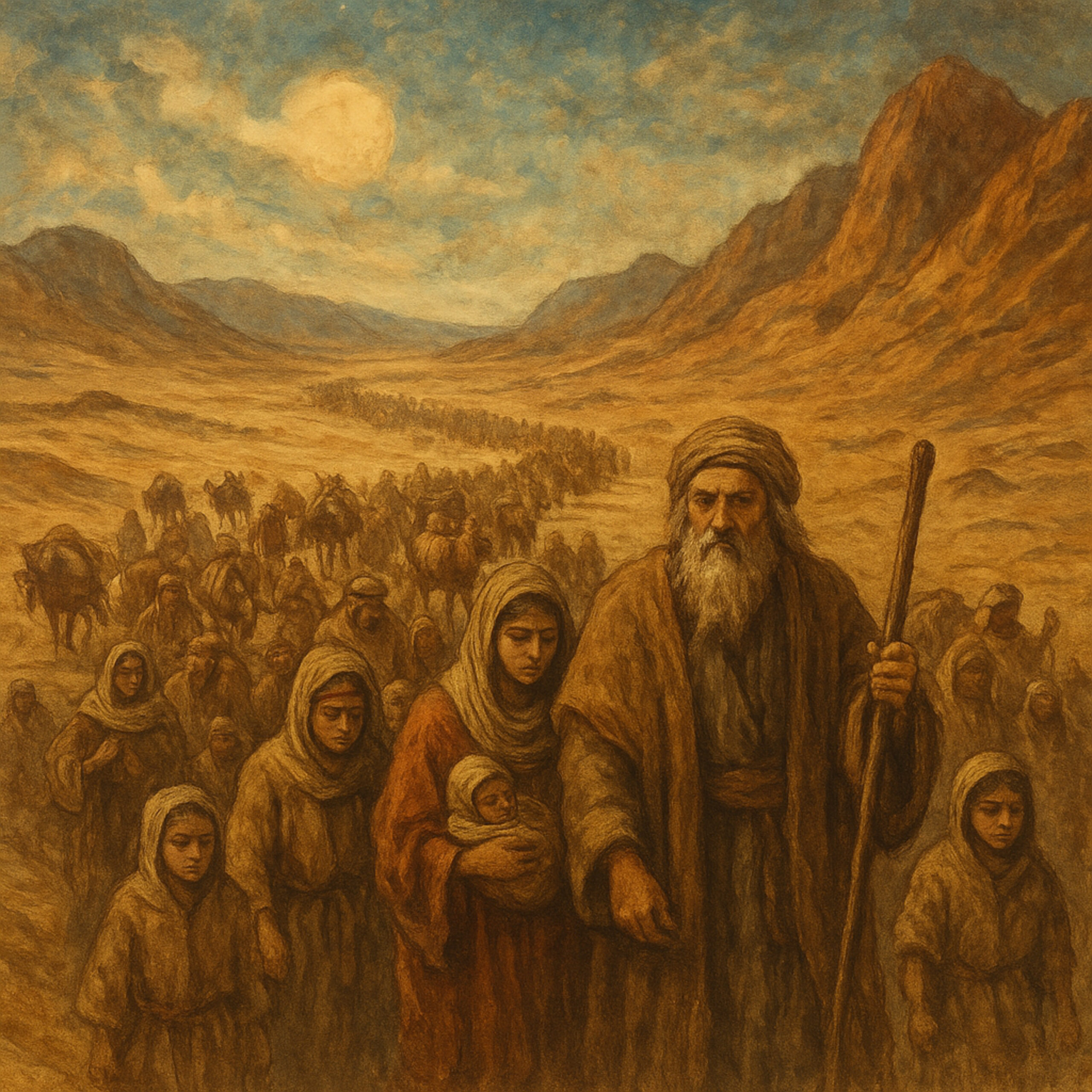
The Exodus is one of the most defining events in biblical history. It marks God’s deliverance of His people from slavery in Egypt and His covenantal formation of Israel as a nation. The narrative stretches from the closing chapters of Genesis through Exodus, and its theological impact reverberates throughout the Old and New Testaments. The…
-
David — The Shepherd King and Covenant Promise
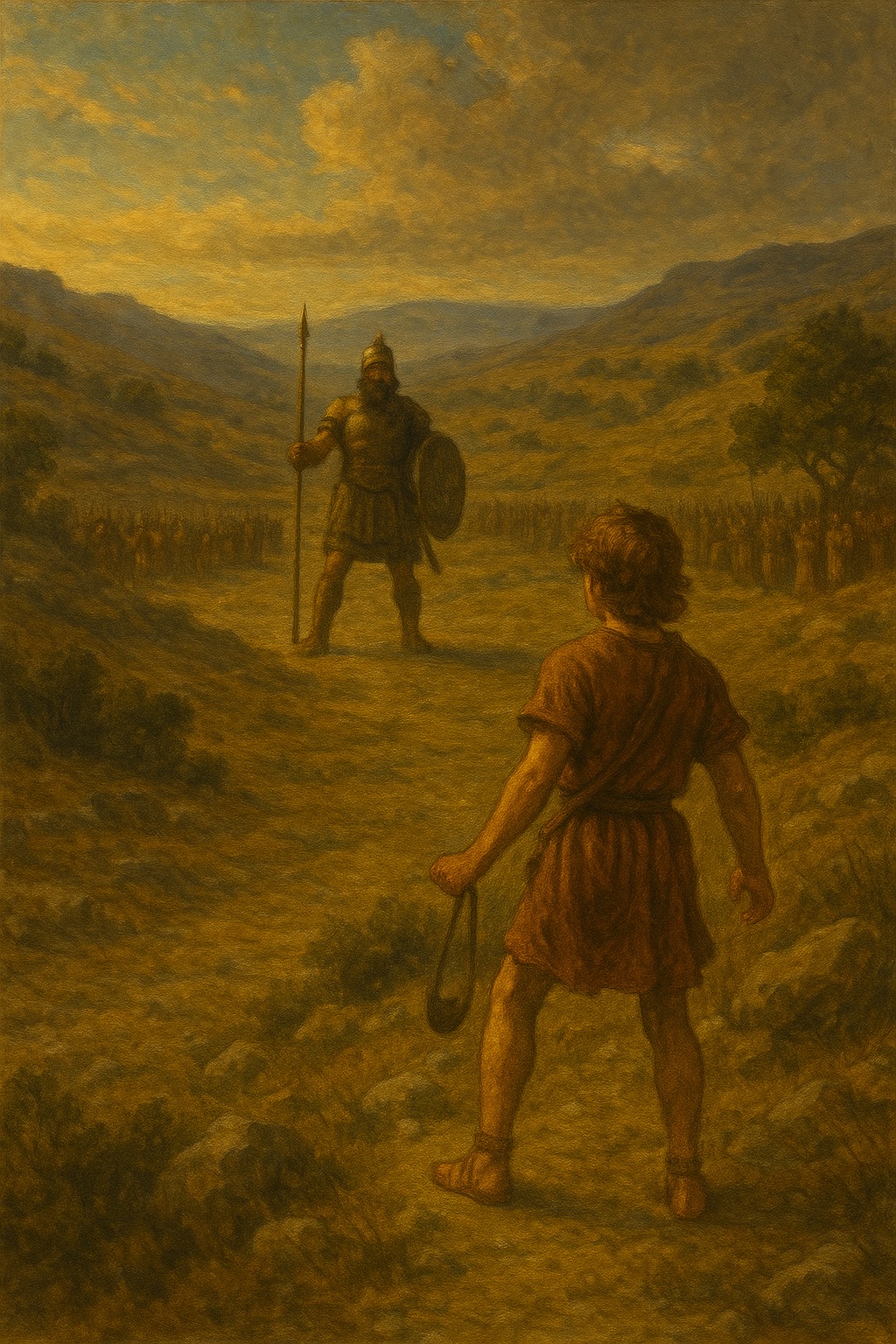
Among all the figures in the Old Testament, David stands uniquely as both warrior and worshiper, shepherd and king. He was the man after God’s own heart (1 Samuel 13:14), chosen not for his appearance or status but for the sincerity of his devotion. Through David, God established an everlasting covenant that pointed directly to…
-
Moses — The Deliverer and Lawgiver
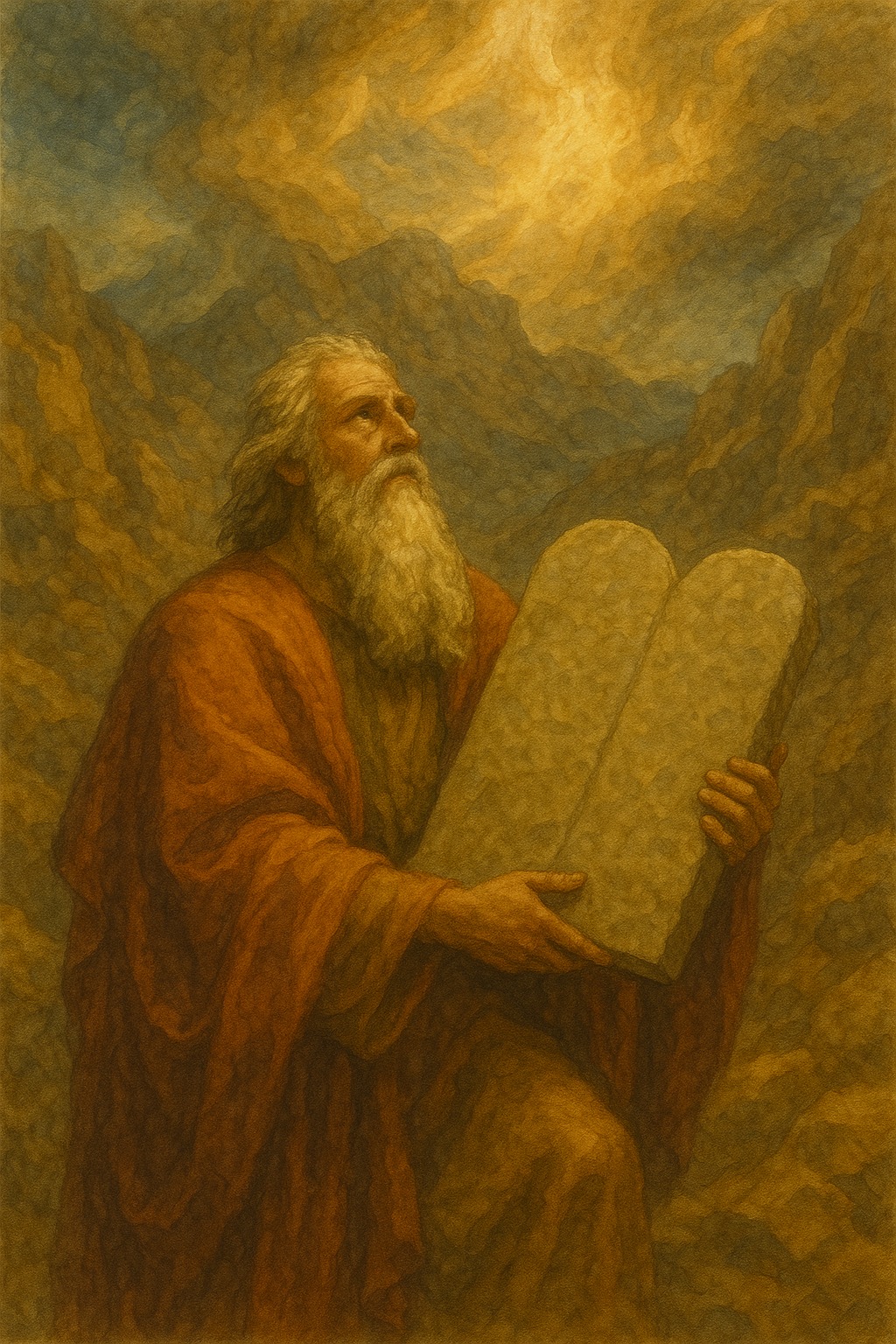
Moses stands as one of the most influential figures in all of Scripture, a man chosen by God to deliver His people from bondage, reveal His law, and mediate His covenant. His life bridges promise and fulfillment, slavery and freedom, law and grace. More than a leader or prophet, Moses prefigures Christ as the Redeemer…
-
Abraham – The Father of Faith
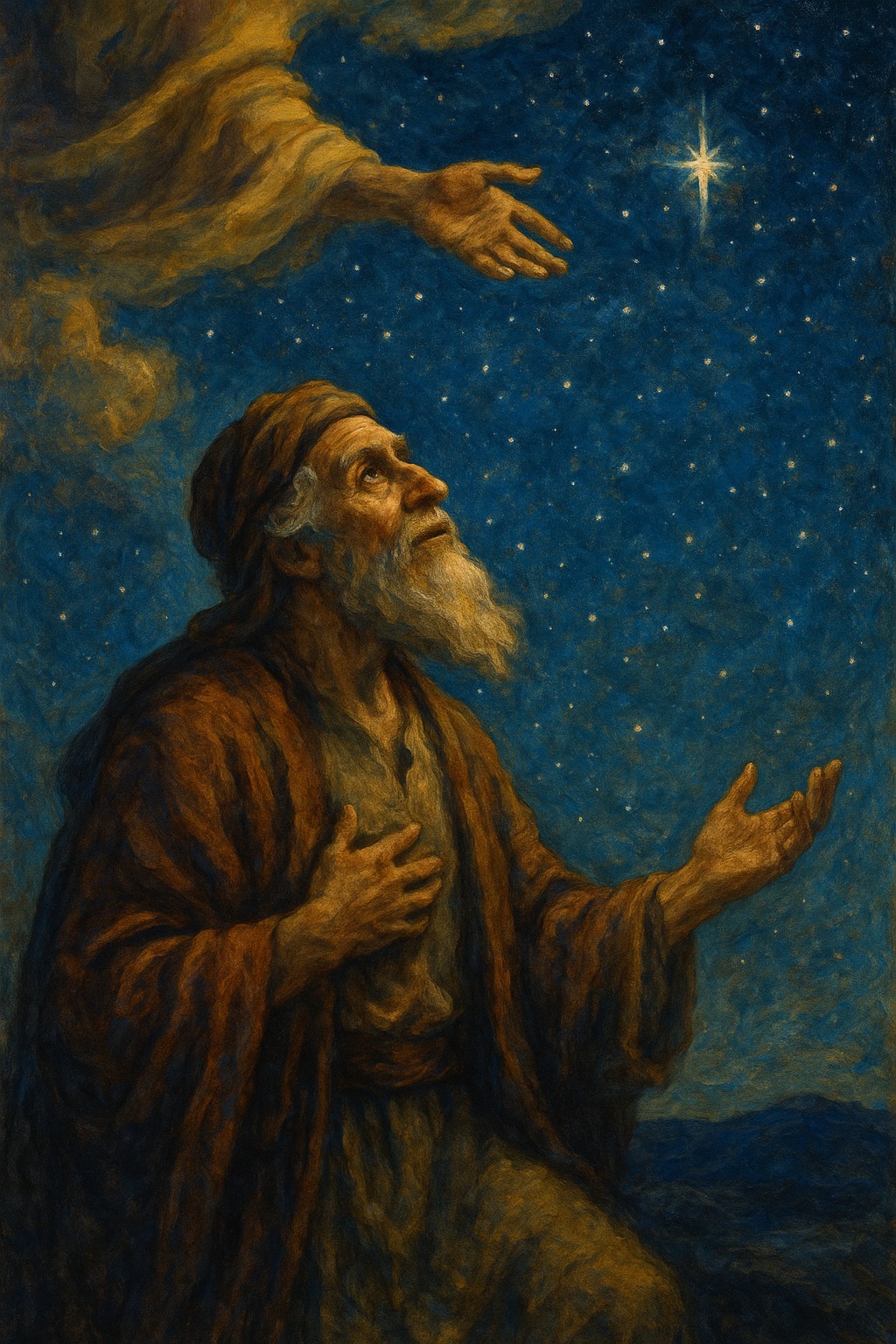
Among all the figures in Scripture, few stand as prominently in both Testaments as Abraham. Known as “the father of faith,” Abraham’s life marks the beginning of God’s covenant relationship with a chosen people through whom all nations would be blessed. His story, beginning in Genesis 12, is the foundation for the unfolding plan of…
-
The Return of Christ and the Final Kingdom
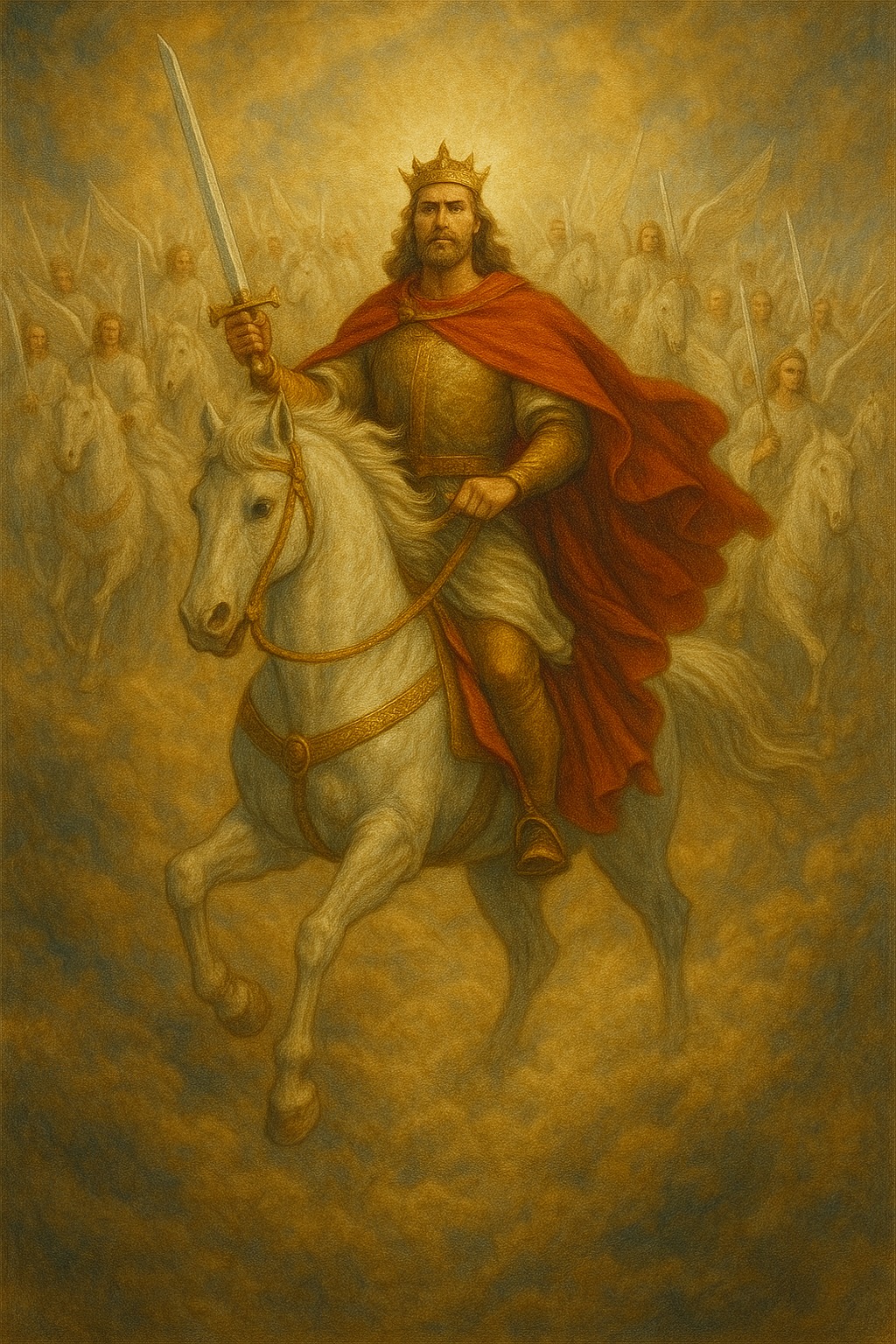
The return of Jesus Christ is central to Christian hope, marking the culmination of God’s redemptive plan. It offers comfort to believers and judgment for the wicked. Key events include the Rapture, Tribulation, and final judgment, ultimately leading to the establishment of God’s eternal kingdom, where peace and righteousness prevail forever.
-
The Person and Work of the Holy Spirit

The Holy Spirit, often misunderstood as an impersonal force, is recognized in Scripture as the personal and divine presence of God within believers. He guides, comforts, and empowers individuals for service, playing a vital role in salvation, sanctification, and communion with God. His indwelling signifies a transformative relationship essential for victorious Christian living.
-
The Nature of God’s Covenant Grace
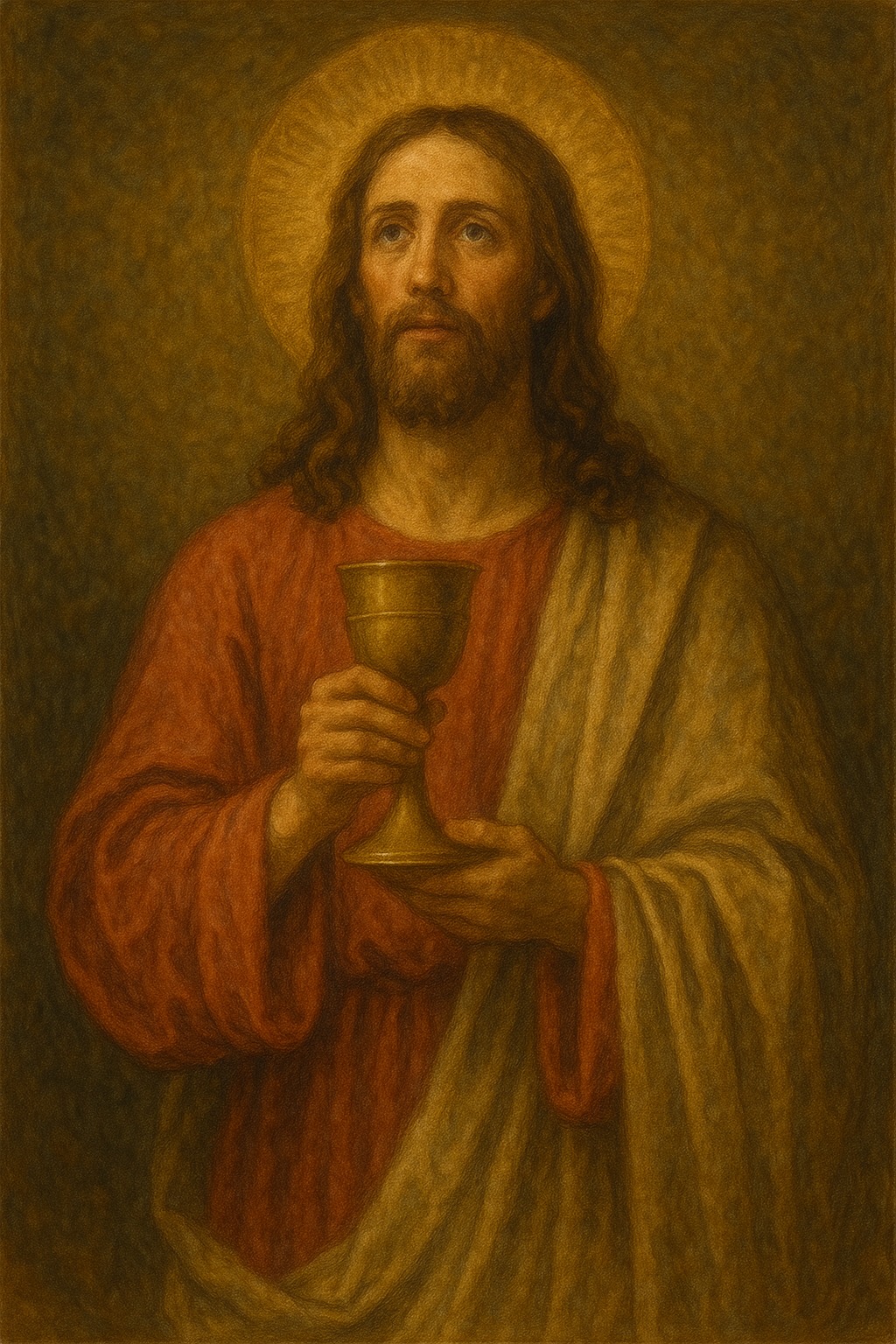
God relates to humanity through covenants, reflecting His redemptive plan throughout biblical history. These agreements, whether conditional or unconditional, showcase God’s faithfulness and grace. The covenants culminate in Christ’s work, offering believers salvation, assurance, and a transformative relationship, emphasizing God’s enduring love and commitment to His people across generations.
-
Moabites, Edomites, and Israel: Kinship and Conflict

The Moabites and Edomites were two of Israel’s closest neighbors, both geographically and genealogically. Descended from Lot and Esau, these peoples shared kinship with Israel yet often lived in hostility toward them. Throughout the Old Testament, Moab and Edom appear in stories of conflict, uneasy alliances, and prophetic warnings. Their history with Israel sheds light…
-
The Divided Kingdom and the Prophets
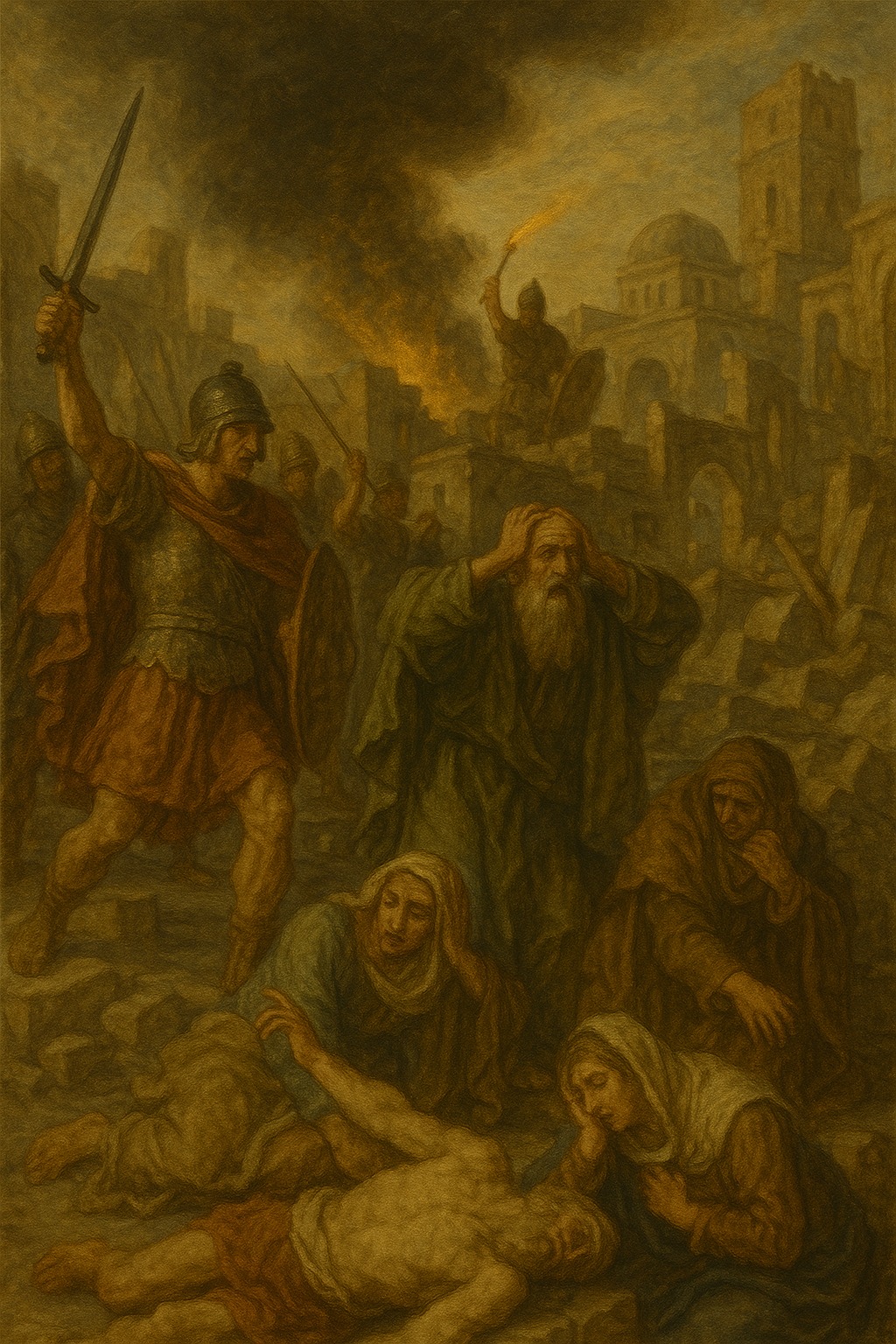
The united monarchy of Israel fractured after Solomon’s reign, resulting in the northern kingdom of Israel and the southern kingdom of Judah. This division led to idolatry, prophetic warnings, exile, and spiritual decline. Despite unfaithfulness, God promised restoration through prophets, ultimately fulfilled in Christ, the hope for eternal unity and covenant.


