
Topical Studies
-
Order and Glory: Order, design, and the Creator’s wisdom

The beauty of creation stands as a testament to the wisdom and majesty of the Creator, reflecting His perfect design in every detail. As declared in Genesis 1:31, God beheld all that He had made, and it was very good, revealing a harmonious order that invites reflection and awe.
-
God’s Blueprint in DNA and Cosmos

The relationship between Scripture and science is often portrayed as adversarial, yet a careful biblical study reveals a profound harmony. The Bible, as the inspired and inerrant Word of God (2 Timothy 3:16), provides the foundation for understanding the natural world. Far from contradicting scientific inquiry, Scripture invites us to behold the wonders of creation…
-
Wearing the Armor of the Divine Warrior
When Paul described the “armor of God” in Ephesians 6:10–18, he was not inventing a new metaphor but rather revealing a divine reality that extends from the visions of Ezekiel to the struggles of early believers living under Roman rule. His description of spiritual armor connects the prophetic image of the Lord as the divine…
-
God in the Cosmic Control Room

The more science peers into the universe, the clearer it becomes that the cosmos is balanced on a razor’s edge. The physical constants of nature, gravity, electromagnetism, nuclear forces, the speed of light, and the expansion rate of the universe, are so precisely set that even a slight variation would render life impossible. This remarkable…
-
DNA Software Proves a Divine Programmer

Modern science has achieved extraordinary progress in understanding the natural world. Medicine, technology, physics, and astronomy testify to the power of the scientific method. Yet alongside these advances, science has often been interpreted through the lens of naturalism—the worldview that holds that nature is all that exists and that purely natural causes must explain all…
-
Science Explains Mechanisms But Not Meaning
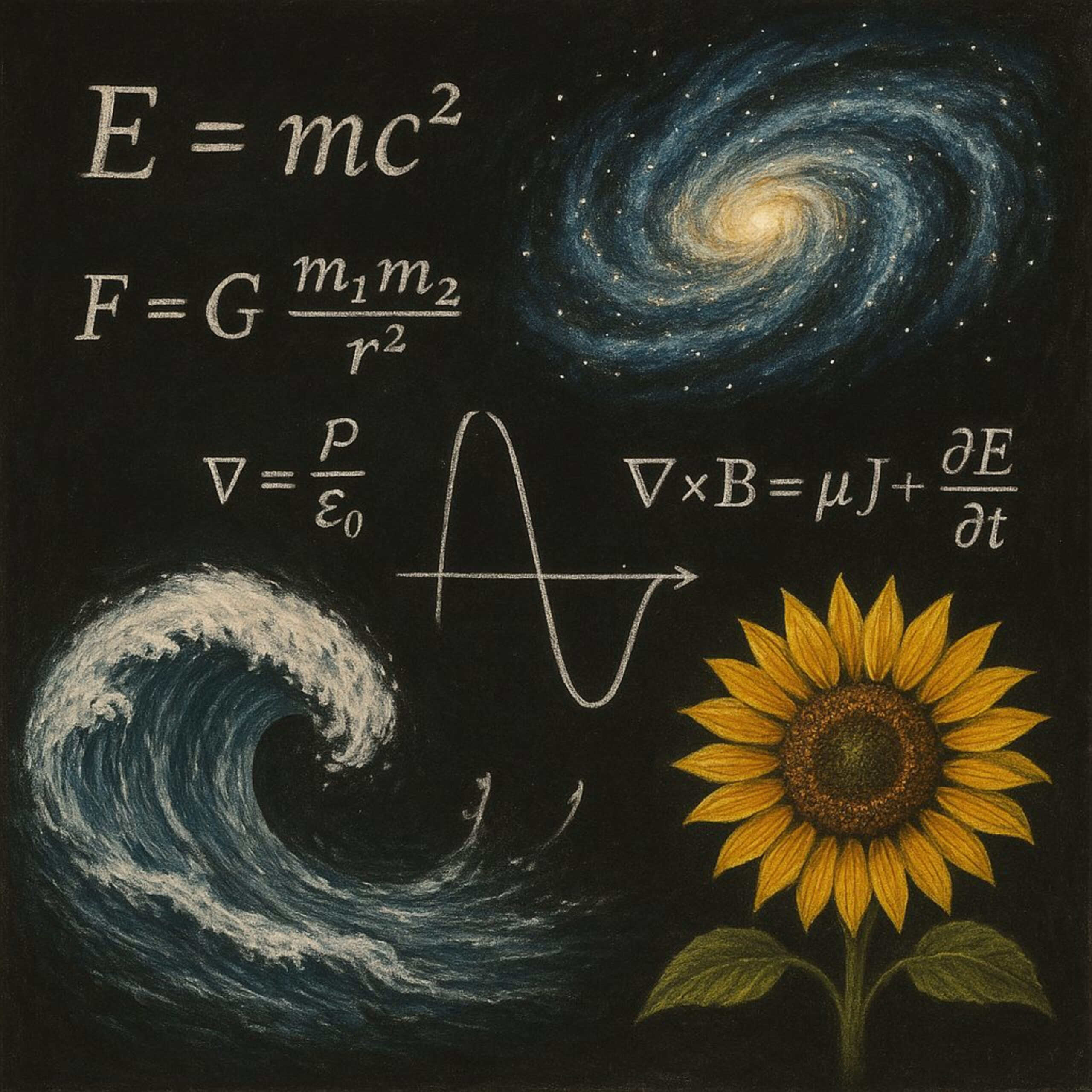
Science and faith often appear in conflict, yet both seek truth. Science investigates the natural world through observation and experimentation, while faith trusts in God’s revelation as recorded in Scripture. Both are limited: science cannot answer ultimate questions of meaning, and faith is not designed to measure natural processes. The Bible calls us to humility,…
-
Prophecy is Architecture, Not Accidents
Prophecy holds a vital place in the life of faith, serving as a divine assurance of God’s unchanging character and His sovereign plan for humanity. As believers reflect on the words of the prophets, they are reminded of the steadfastness of God’s promises, which are fulfilled in the person of Christ and throughout Scripture. The…
-
Biblical Prophecy as the Architecture of Trust
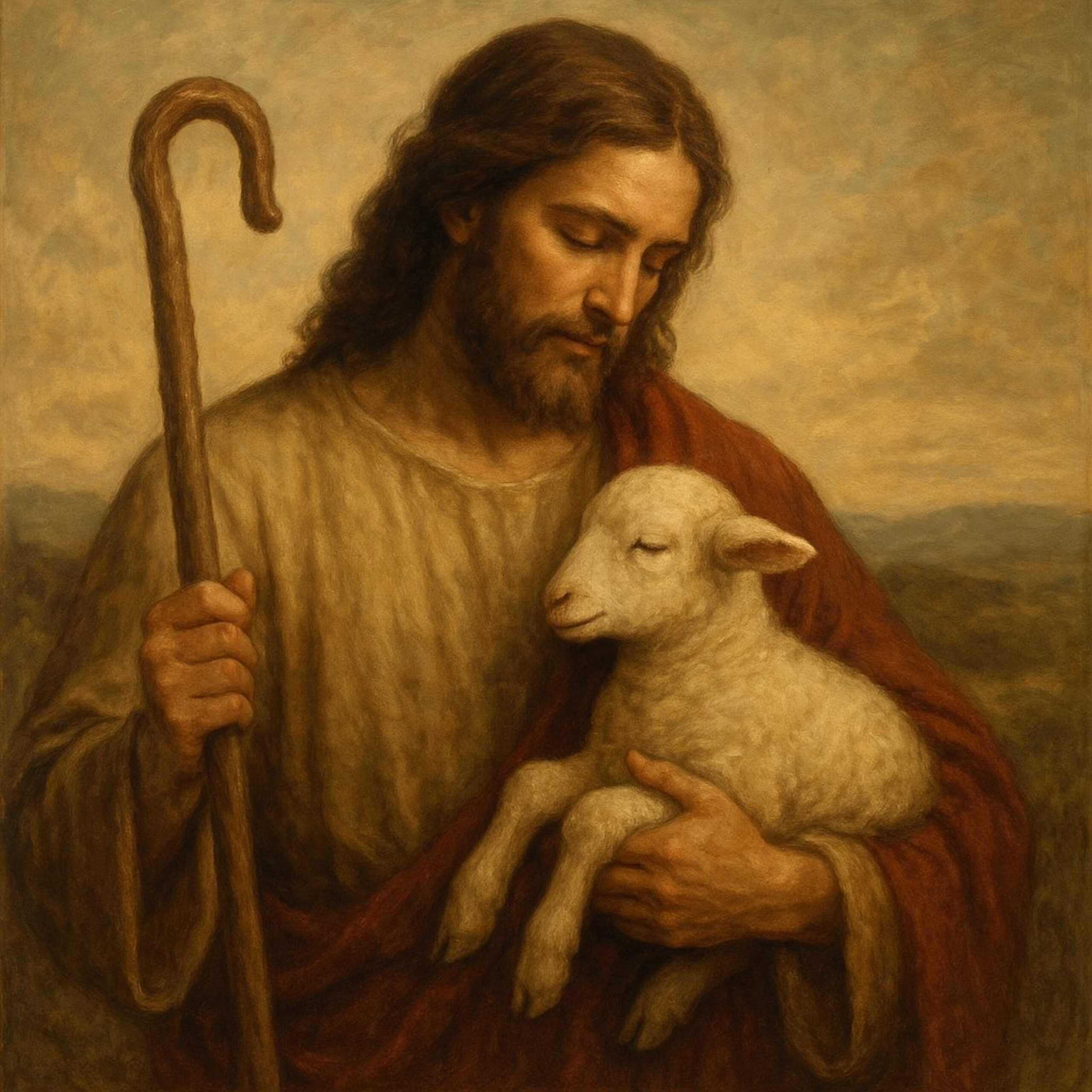
The significance of prophecy in the life of faith lies not in mere prediction but in the demonstration of God’s sovereignty and faithfulness, as affirmed in 2 Peter 1:19-21. Prophecy serves as a divine beacon, guiding believers through the fog of uncertainty, reaffirming that God’s Word is firmly established and trustworthy. Each fulfilled prophecy stands…
-
Manuscripts and Archaeology Confirm the Bible
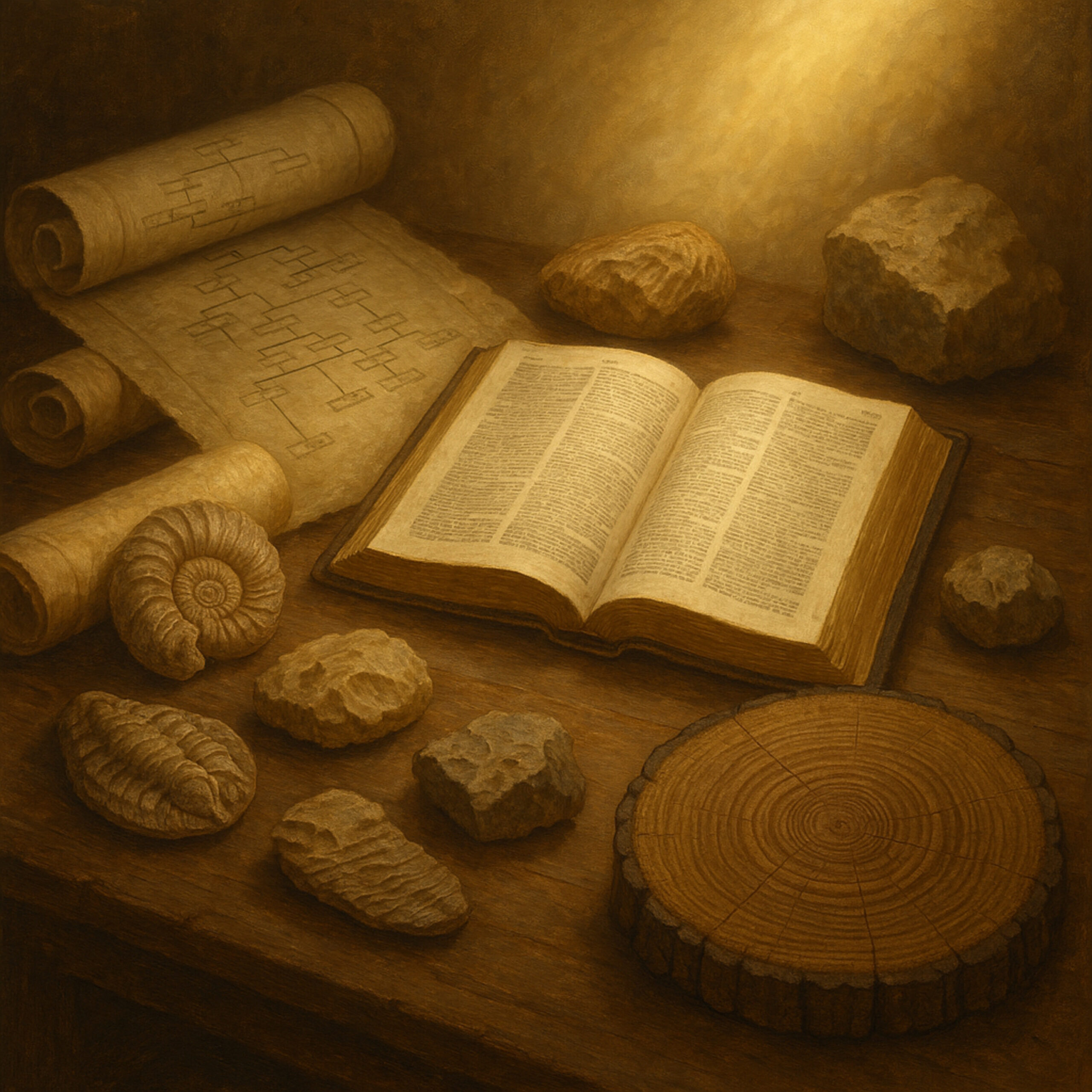
The historical credibility of Scripture has long been a focal point of theological inquiry, particularly regarding its manuscript evidence and archaeological corroboration. The writings of Luke, for example, provide a meticulous account of Jesus’ life, underscoring the importance of verifiable sources in the pursuit of truth (Luke 1:1–4).
-
Why God Had to Become Man
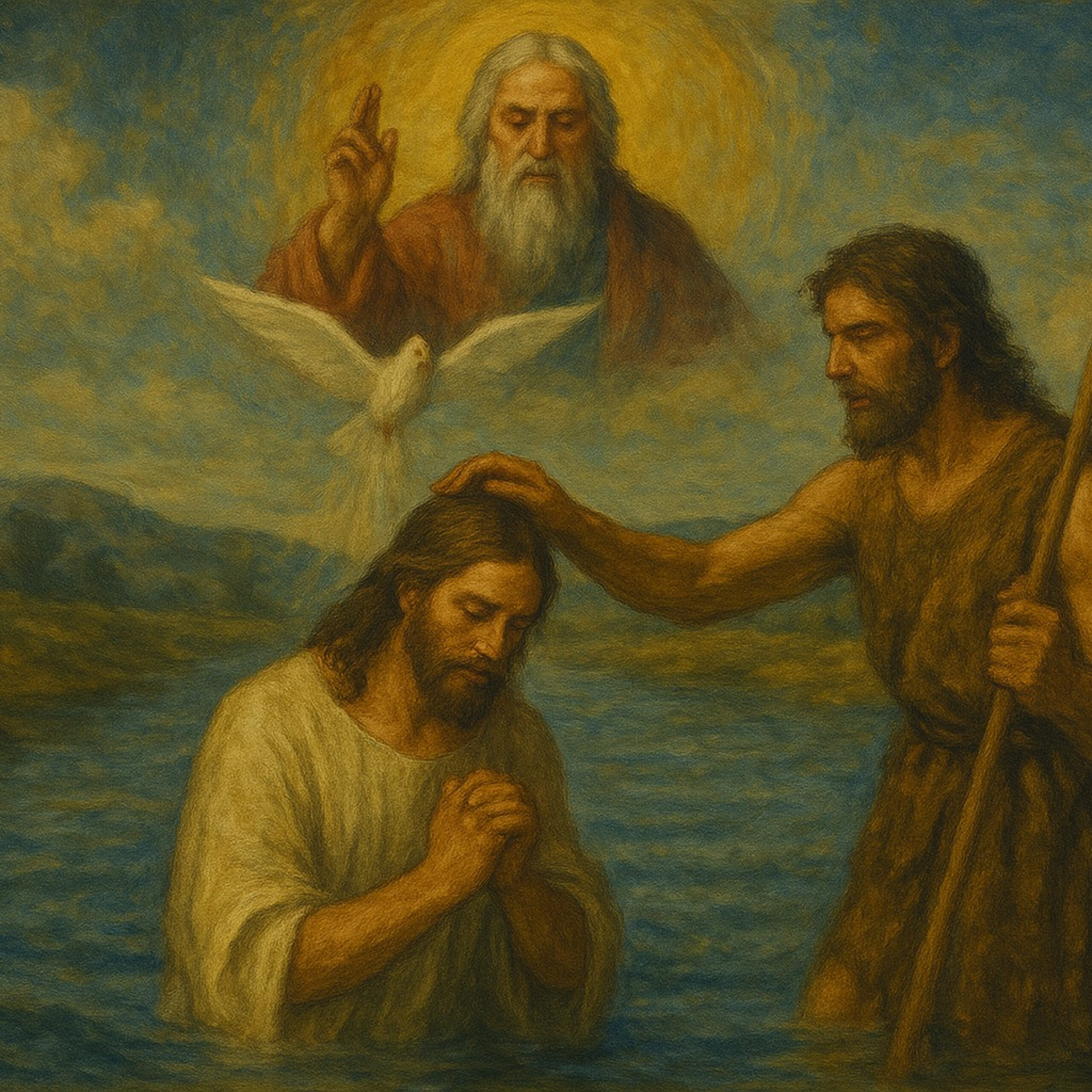
The doctrine of the Incarnation stands as one of the most profound and foundational truths of Christian theology. It declares that the eternal Son of God, the second Person of the Trinity, took upon Himself human nature and became flesh. This mystery, far beyond human comprehension, is the cornerstone of our redemption and the revelation…
