
Topical Studies
-
Covenant and Kingdom: The role of prophecy in discipleship and watchfulness
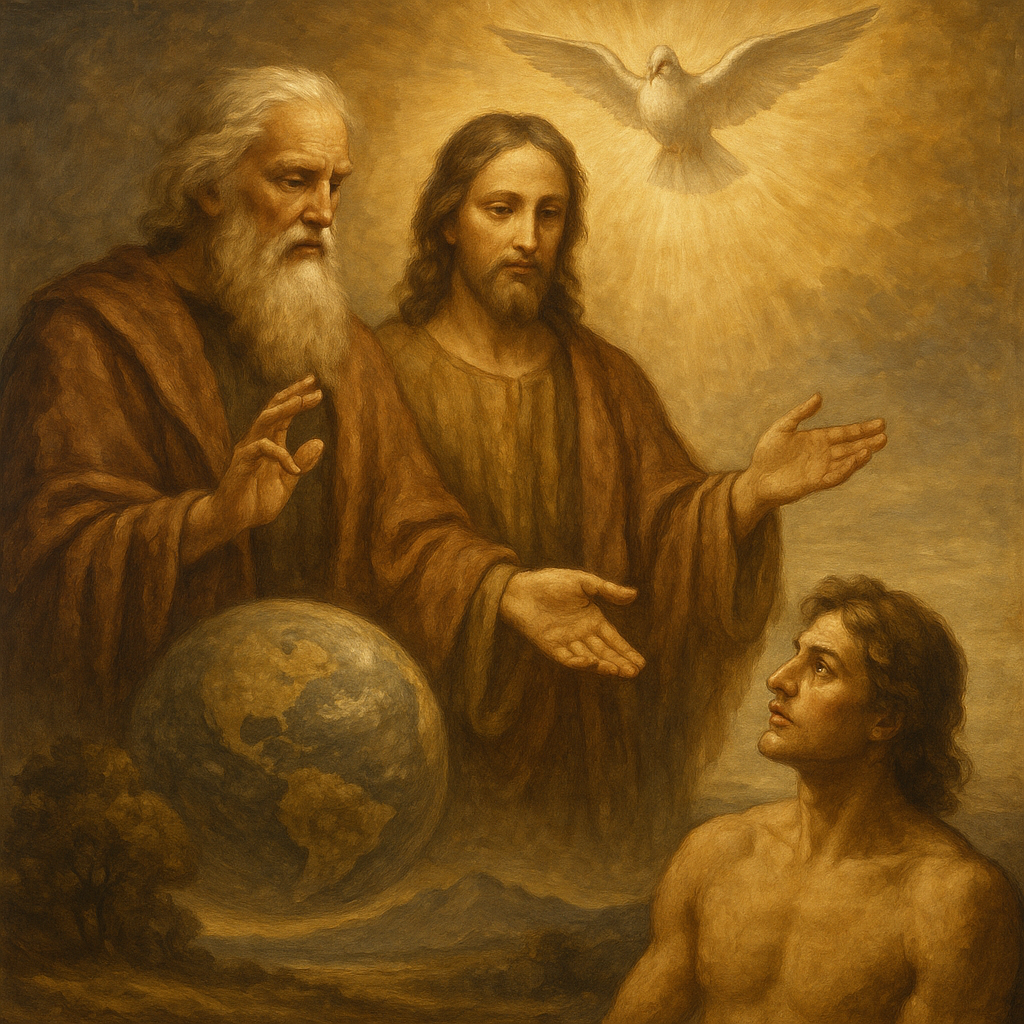
Prophecy holds a vital place in the life of faith, serving as a divine assurance of God’s unchanging character and His sovereign plan for humanity. As believers reflect on the words of the prophets, they are reminded of the steadfastness of God’s promises, which are fulfilled in the person of Christ and throughout Scripture. The…
-
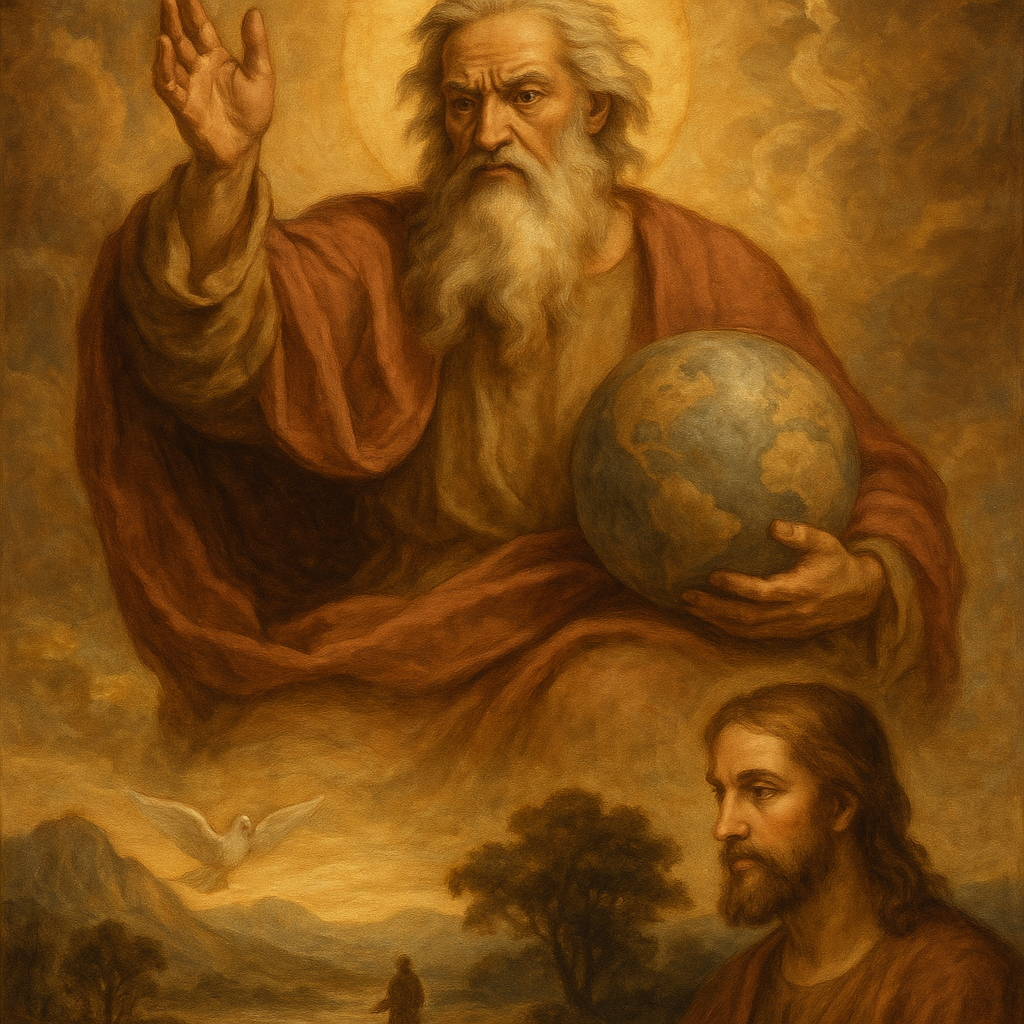
Trusting the Promises: The reliability of Scripture through the ages
-
Manuscript Evidence and Archaeological Findings: Assessing the Historical Credibility of Scripture
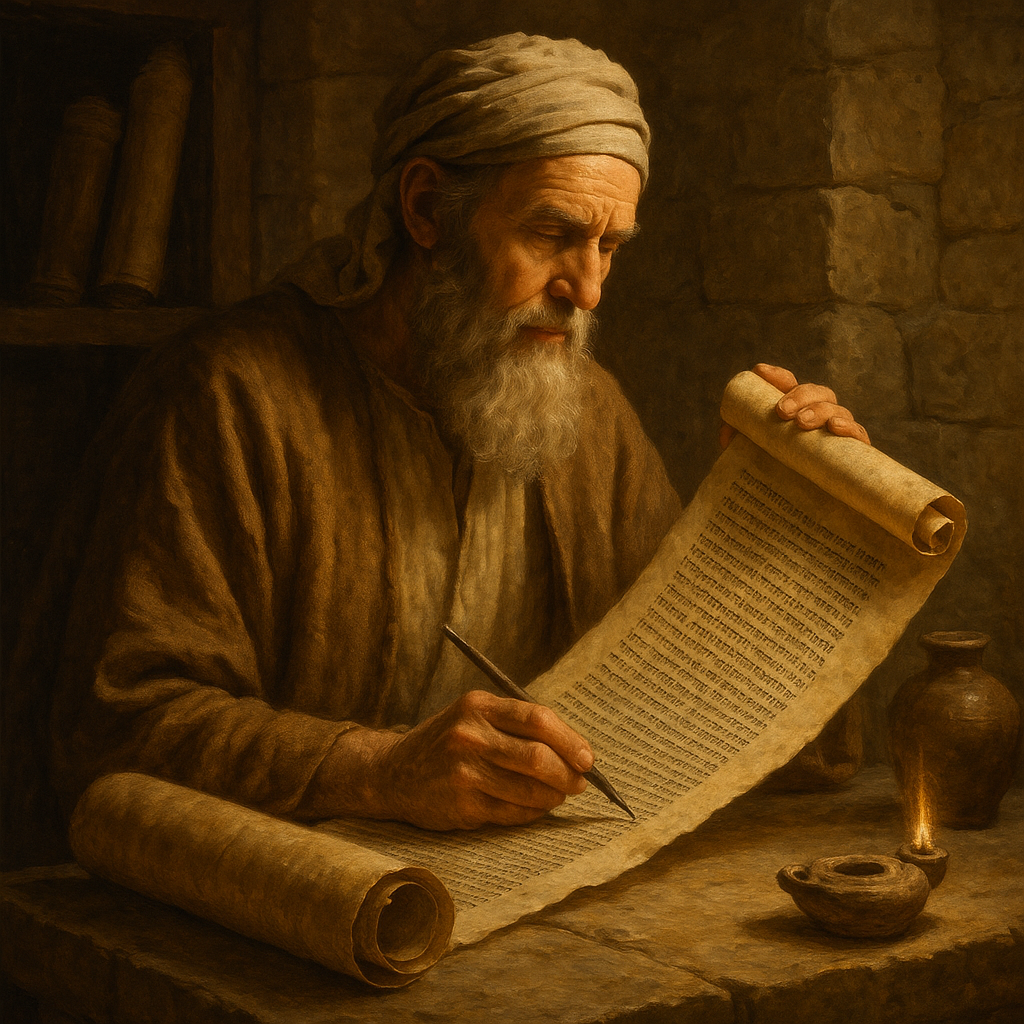
The historical credibility of Scripture has long been a focal point of theological inquiry, particularly regarding its manuscript evidence and archaeological corroboration. The writings of Luke, for example, provide a meticulous account of Jesus’ life, underscoring the importance of verifiable sources in the pursuit of truth (Luke 1:1–4).
-
The Incarnation: God Became Man
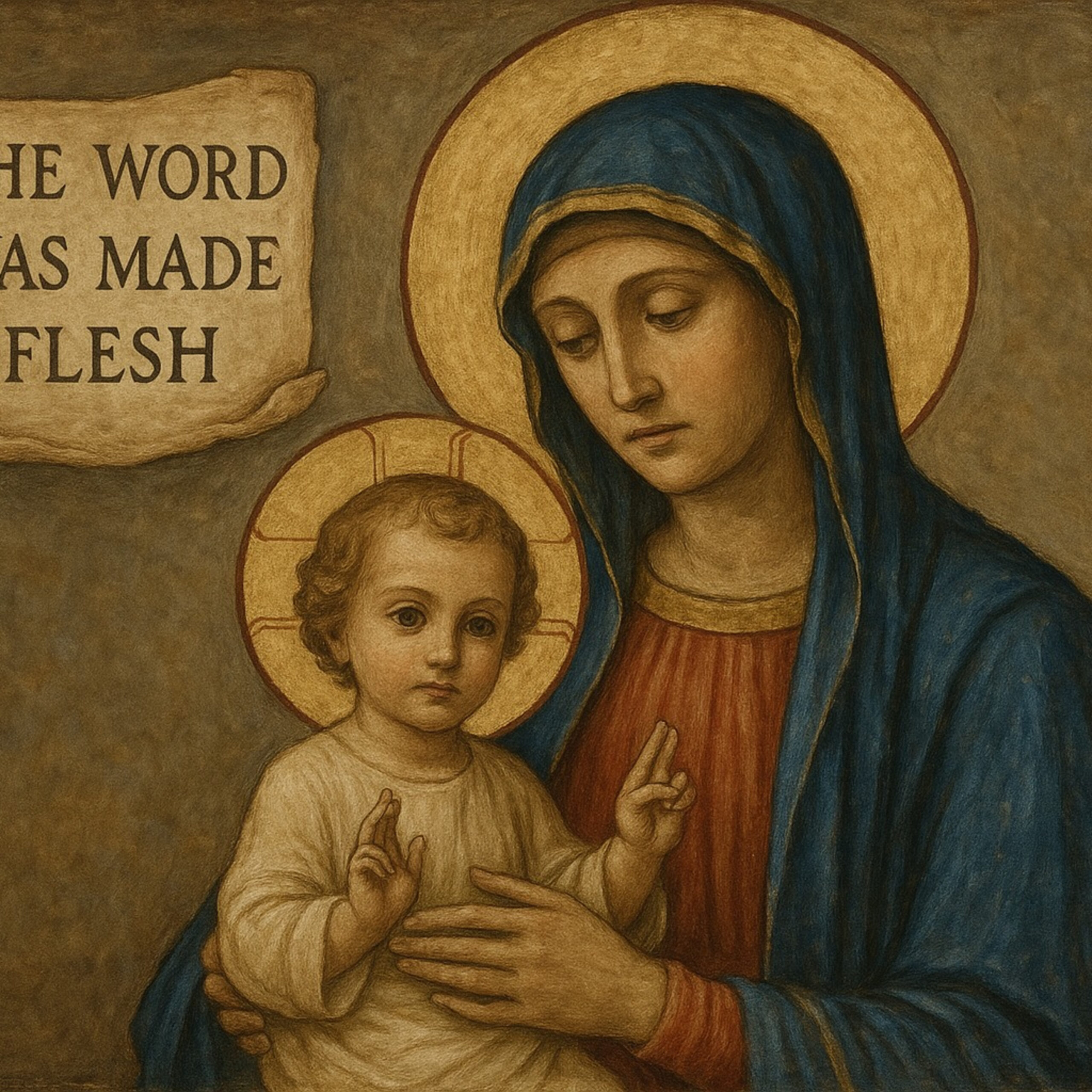
The doctrine of the Incarnation stands as one of the most profound and foundational truths of Christian theology. It declares that the eternal Son of God, the second Person of the Trinity, took upon Himself human nature and became flesh.
-
Redemptive History Through the Bible
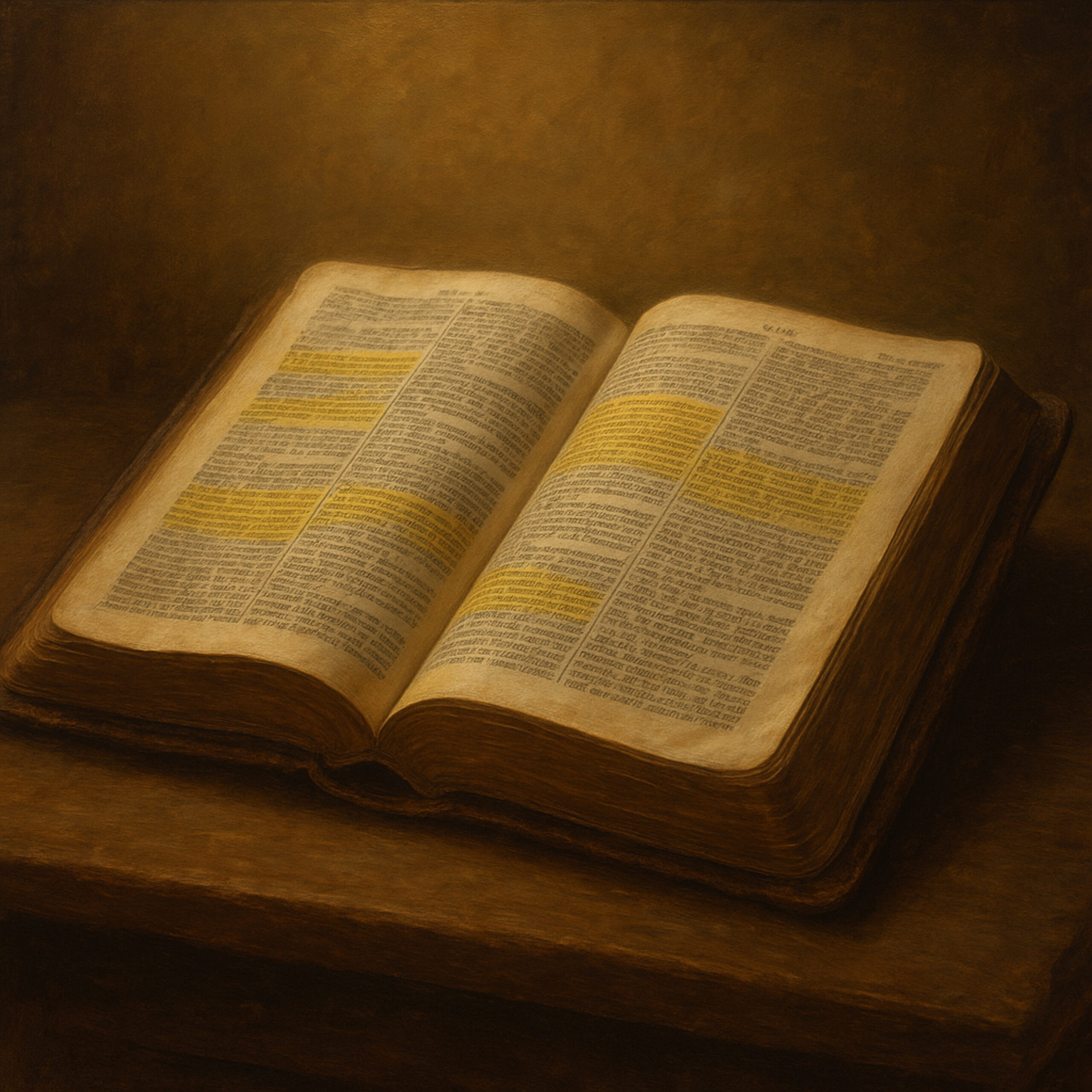
The unfolding of history is not a random sequence of events but a divinely orchestrated narrative that reveals the glory of God and His redemptive purposes. From the creation of the heavens and the earth to the consummation of all things, Scripture presents a grand tapestry woven by the sovereign hand of God. This podcast…
-
Reading the Bible as One Unified Story

The Bible is not merely a collection of ancient writings; it is the grand narrative of God’s redemptive work throughout history. From the opening chapters of Genesis to the prophetic visions of Revelation, Scripture reveals a divine plan to restore fallen humanity through Jesus Christ. This unfolding story, known as redemptive history, traces God’s interactions…
-
The Coherence of Redemptive History
The Bible is not merely a collection of ancient writings; it is the grand narrative of God’s redemptive work throughout history. From the opening chapters of Genesis to the prophetic visions of Revelation, Scripture reveals a divine plan to restore fallen humanity through Jesus Christ. This unfolding story, known as redemptive history, traces God’s interactions…
-
The Doctrine of the Incarnation: God Manifest in the Flesh
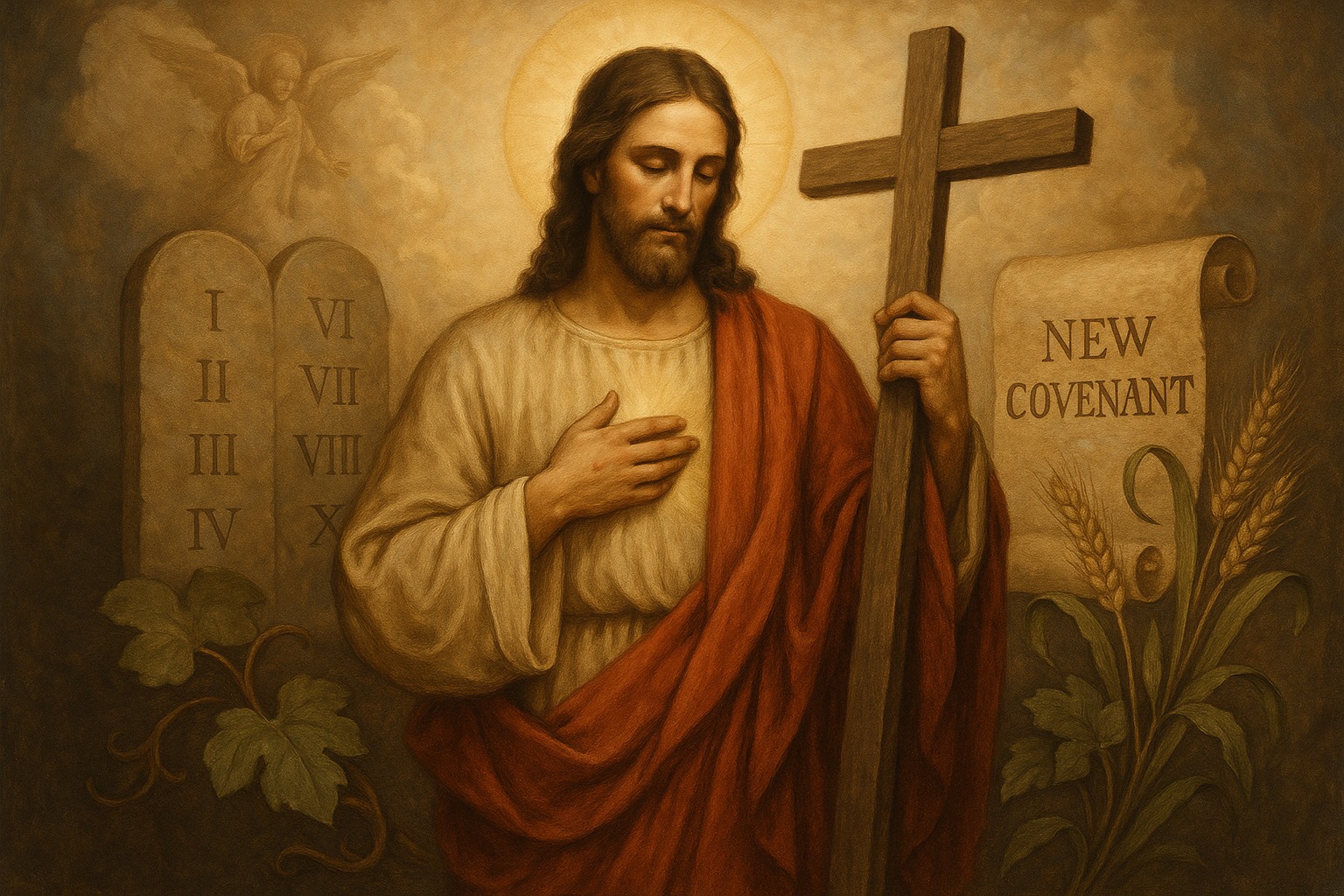
The doctrine of the Incarnation stands as one of the most profound and foundational truths of Christian theology. It declares that the eternal Son of God, the second Person of the Trinity, took upon Himself human nature and became flesh. This mystery, far beyond human comprehension, is the cornerstone of our redemption and the revelation…
-
God’s Sovereign Hand in the Flow of History
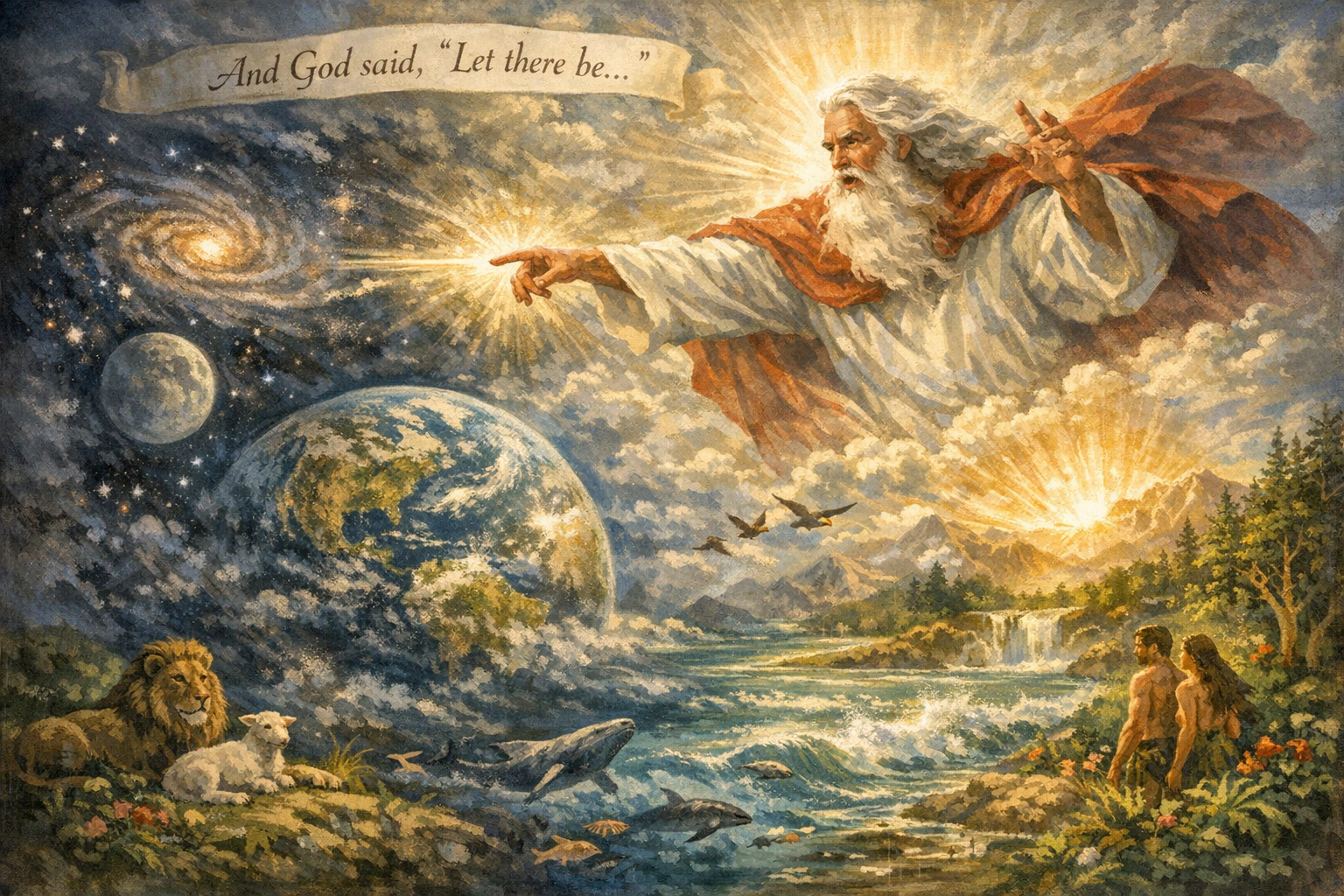
The unfolding of history is not a random sequence of events but a divinely orchestrated narrative that reveals the glory of God and His redemptive purposes. From the creation of the heavens and the earth to the consummation of all things, Scripture presents a grand tapestry woven by the sovereign hand of God. This study…
-
The Unfolding Story of Redemption: A Biblical History
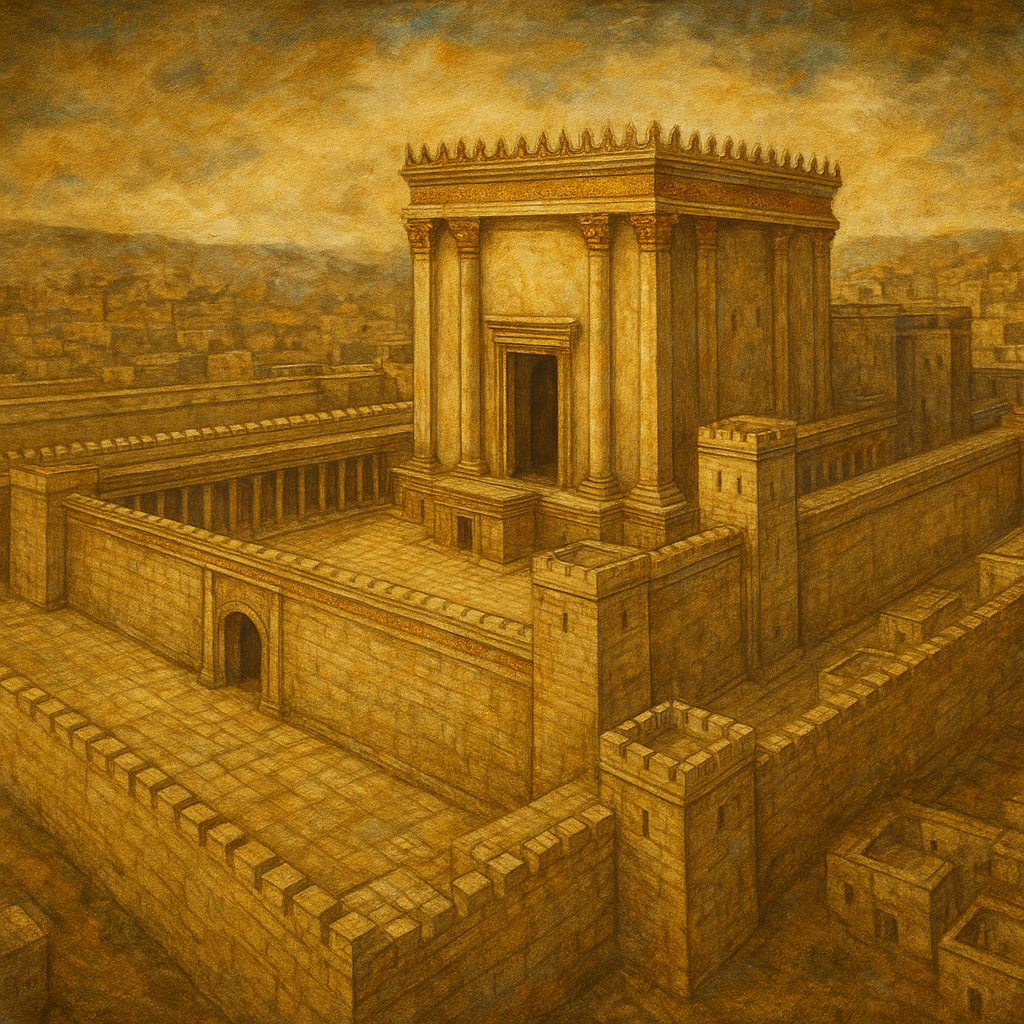
The Bible is not merely a collection of ancient writings; it is the grand narrative of God’s redemptive work throughout history. From the opening chapters of Genesis to the prophetic visions of Revelation, Scripture reveals a divine plan to restore fallen humanity through Jesus Christ.
