
Topical Studies
-
The Exodus Route and the Red Sea Crossing: Tracing the Path of Deliverance
in : Evidenceby :
Tags :Archaeology, covenant, Discipleship, evidence, Exodus, Gospel, History, Israel, Messiah, Podcast, Prayer, prophecy, Reliability, Ruth, Scripture, Watchfulness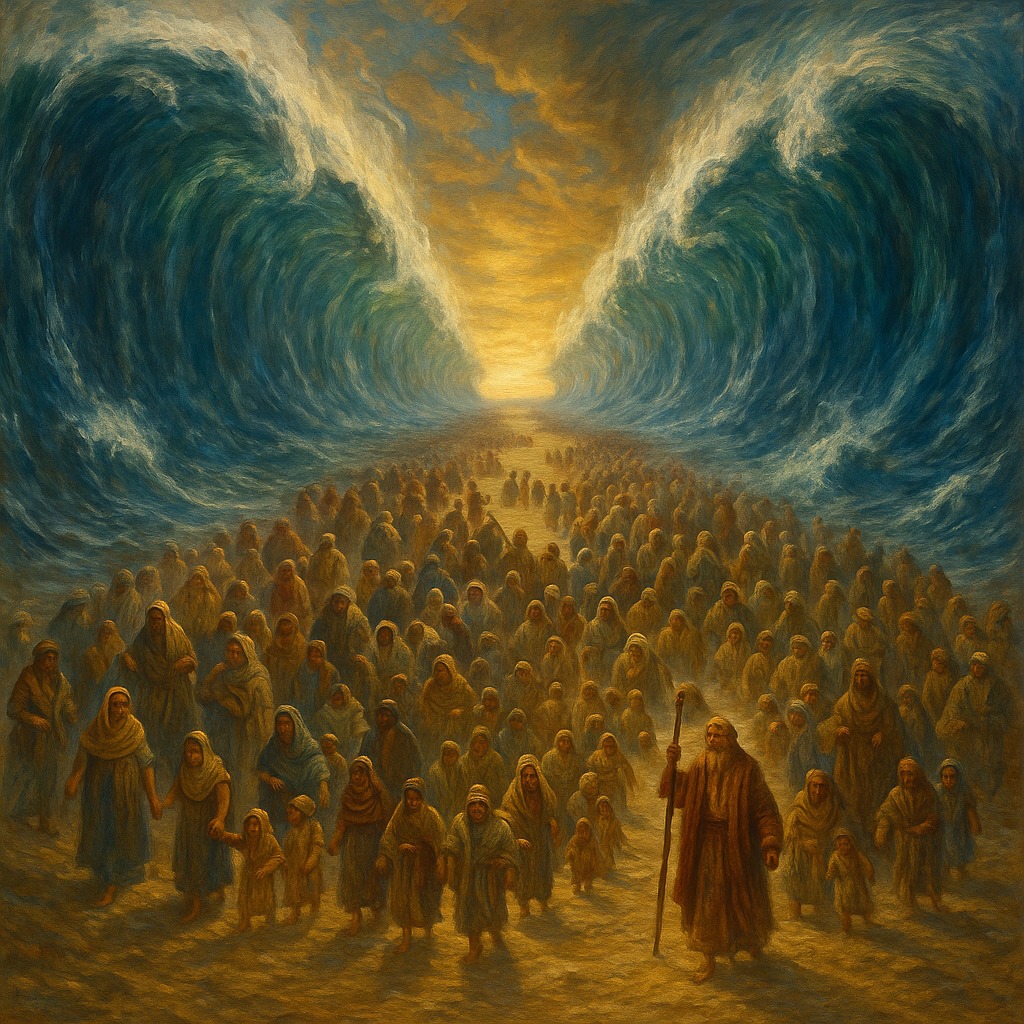
The Exodus remains one of the most defining and miraculous events in biblical history, a divine act that liberated Israel from bondage and revealed God’s redemptive power before the nations. From the cries of Egypt to the waters of the Red Sea, the story of the Exodus is more than a chronicle of escape; it…
-
Peter — The Rock of Restoration and Witness of Grace
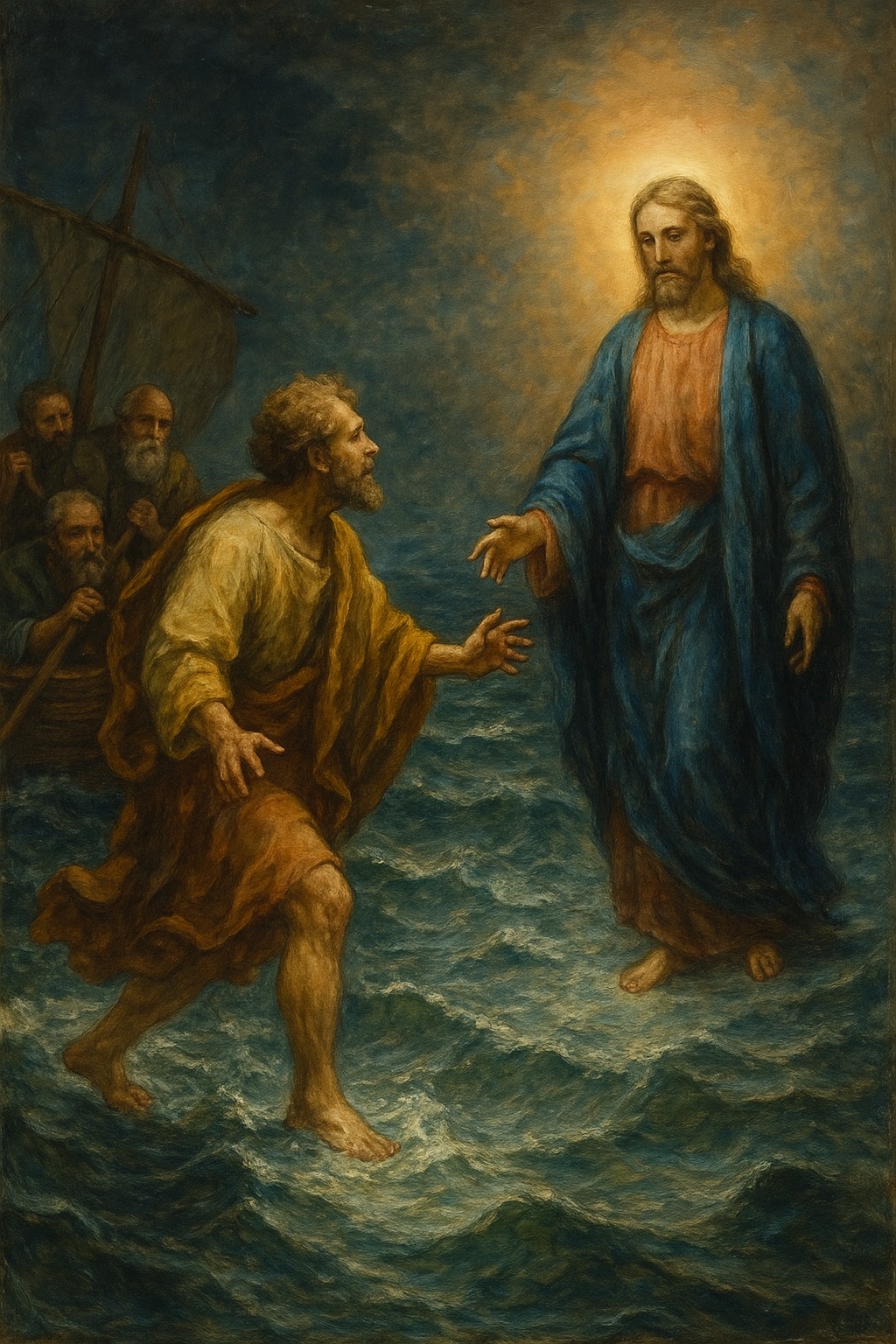
Among the apostles of Jesus Christ, none embodies the journey from weakness to strength more profoundly than Peter. Impulsive yet passionate, bold yet flawed, Peter’s life traces the transformation of an ordinary fisherman into a foundational leader of the early Church. His name, given by Christ, means “rock,” and though he wavered at times, he…
-
Elijah — The Prophet of Fire and the Voice of Revival
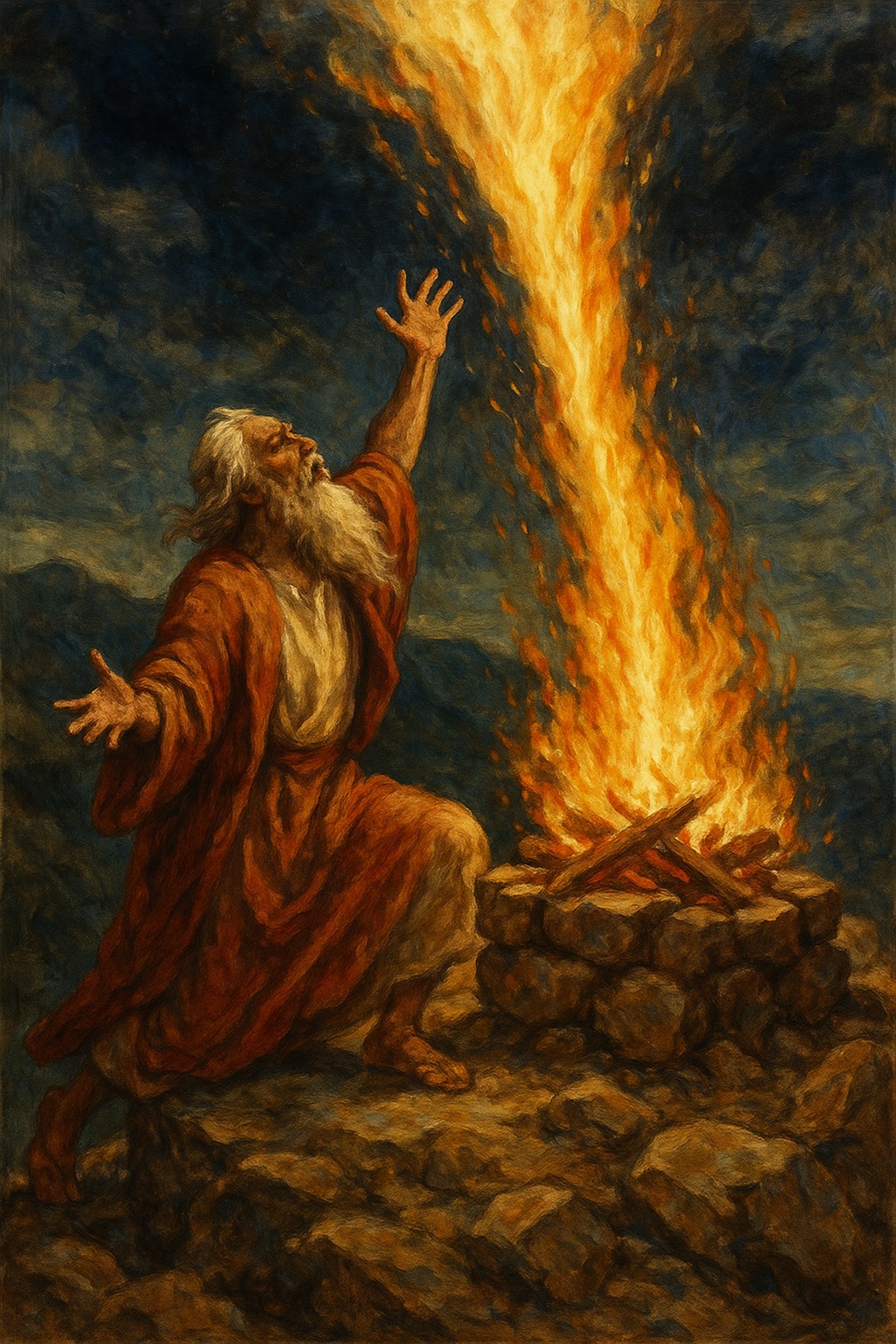
Elijah stands as one of the most powerful and enigmatic figures in the Old Testament. His very name means “My God is the LORD,” and his ministry embodied that declaration in an age of widespread apostasy. Appearing suddenly during the reign of King Ahab, Elijah’s prophetic voice called Israel to repentance, confronted idolatry, and demonstrated…
-
David — The Shepherd King and Covenant Promise
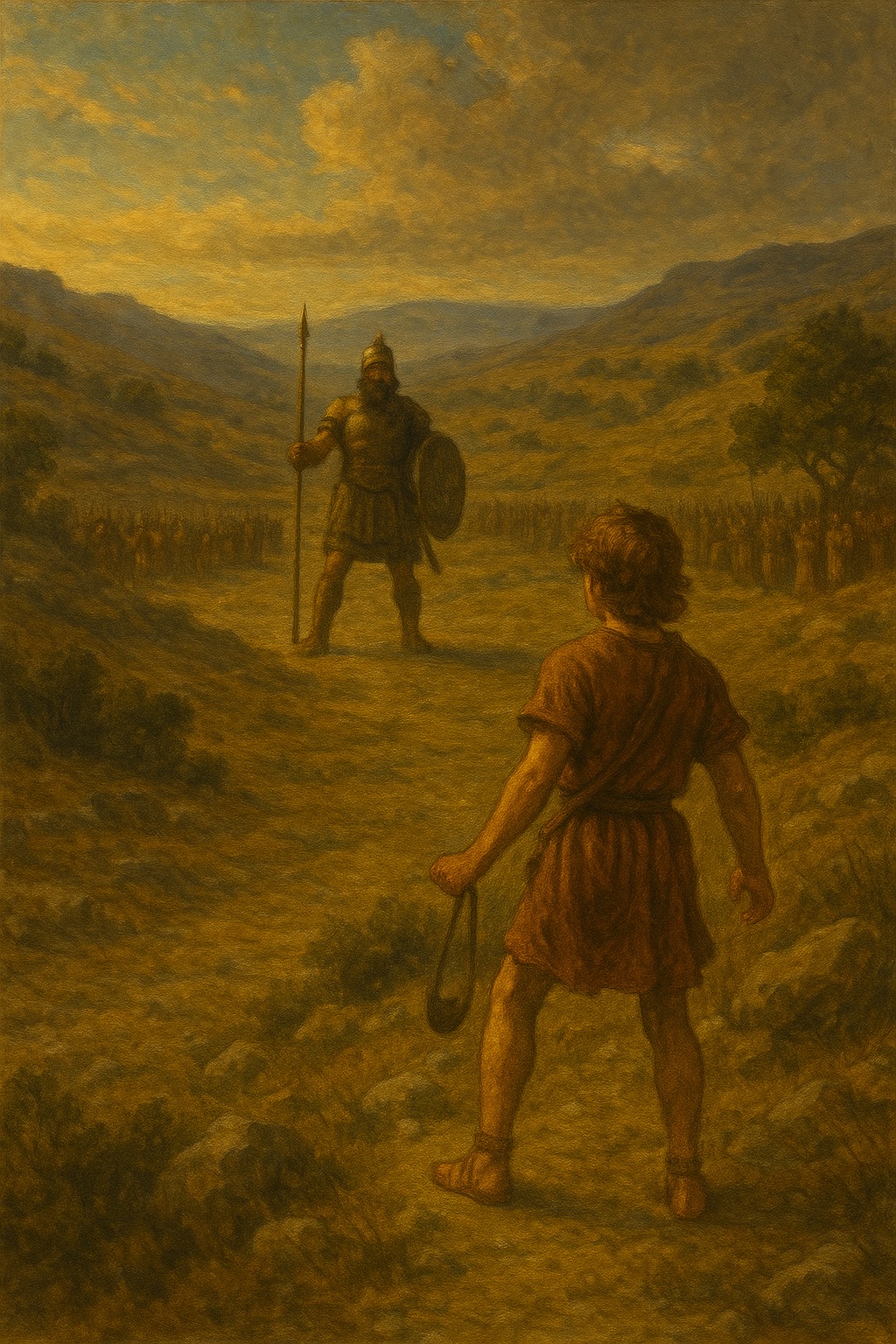
Among all the figures in the Old Testament, David stands uniquely as both warrior and worshiper, shepherd and king. He was the man after God’s own heart (1 Samuel 13:14), chosen not for his appearance or status but for the sincerity of his devotion. Through David, God established an everlasting covenant that pointed directly to…
-
Moses — The Deliverer and Lawgiver
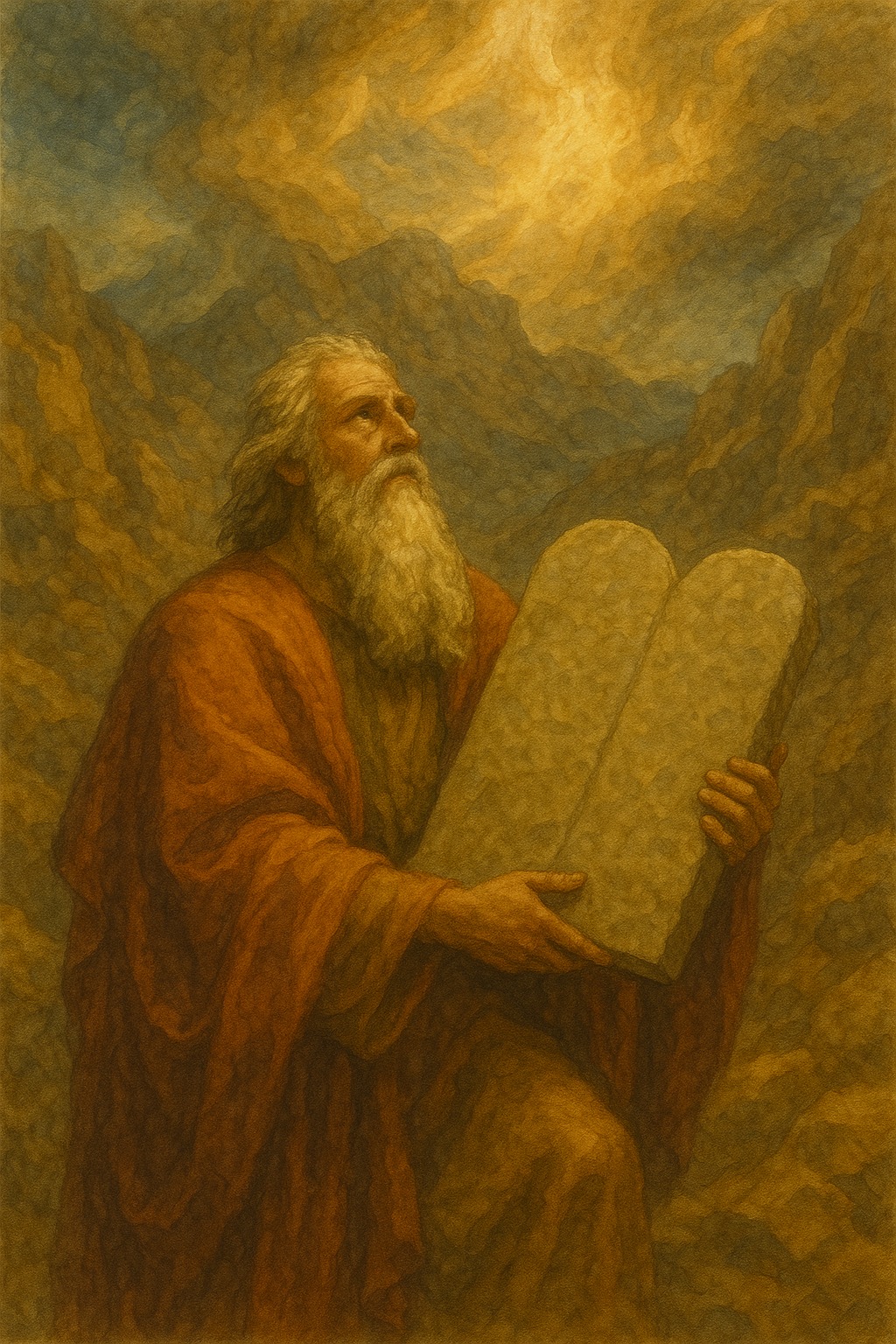
Moses stands as one of the most influential figures in all of Scripture, a man chosen by God to deliver His people from bondage, reveal His law, and mediate His covenant. His life bridges promise and fulfillment, slavery and freedom, law and grace. More than a leader or prophet, Moses prefigures Christ as the Redeemer…
-
Abraham – The Father of Faith
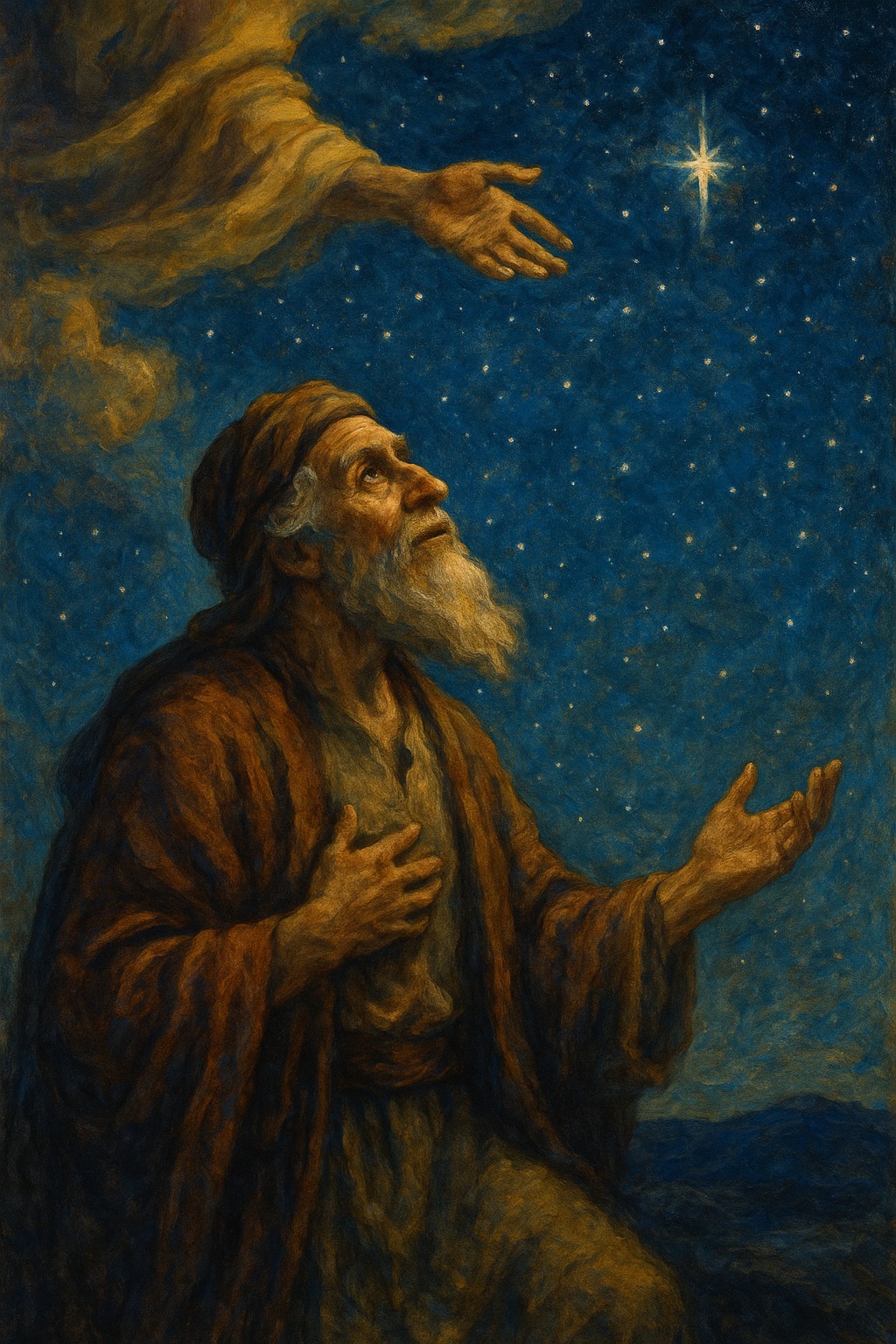
Among all the figures in Scripture, few stand as prominently in both Testaments as Abraham. Known as “the father of faith,” Abraham’s life marks the beginning of God’s covenant relationship with a chosen people through whom all nations would be blessed. His story, beginning in Genesis 12, is the foundation for the unfolding plan of…
-
The Return of Christ and the Final Kingdom
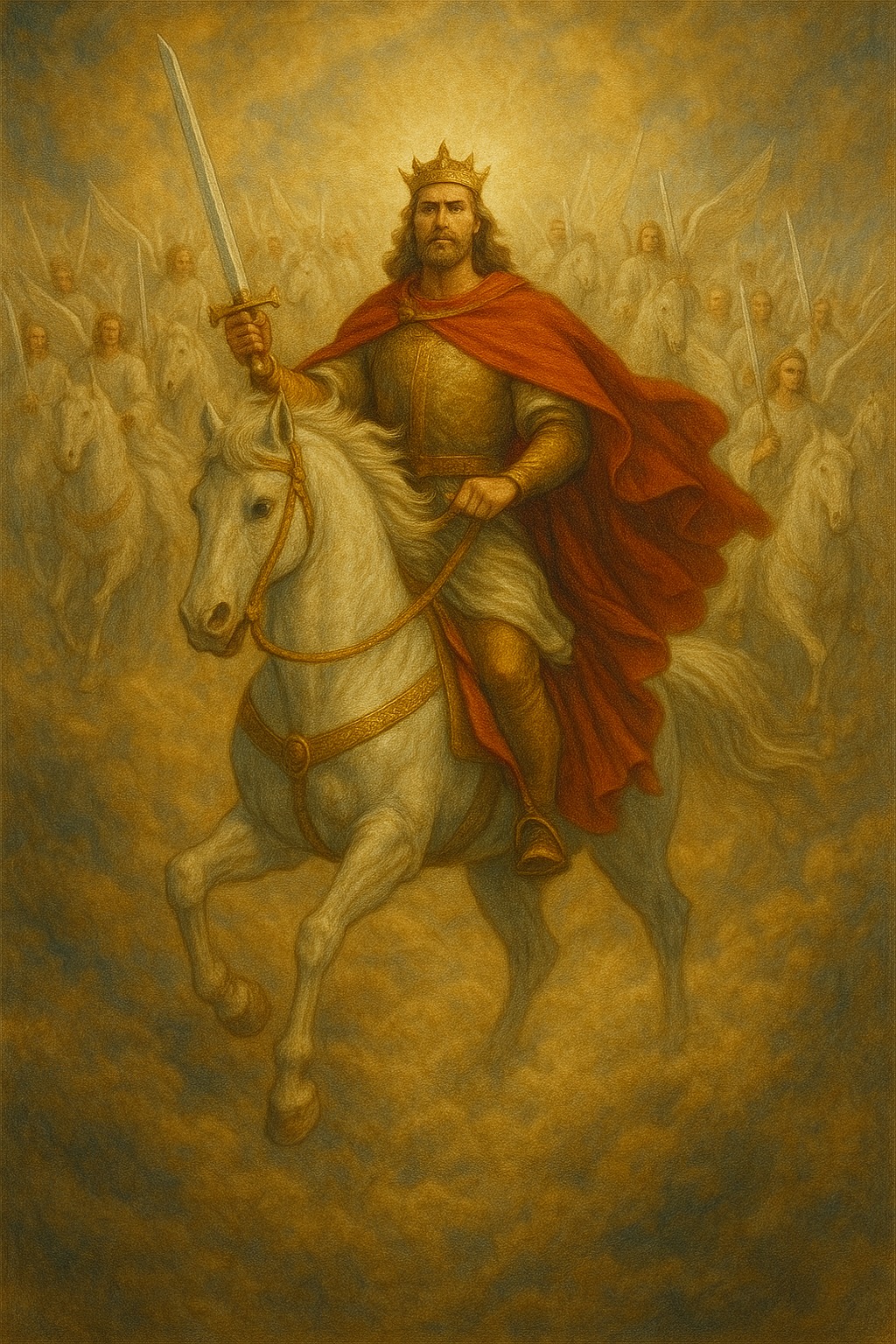
The return of Jesus Christ is central to Christian hope, marking the culmination of God’s redemptive plan. It offers comfort to believers and judgment for the wicked. Key events include the Rapture, Tribulation, and final judgment, ultimately leading to the establishment of God’s eternal kingdom, where peace and righteousness prevail forever.
-
The Person and Work of the Holy Spirit

The Holy Spirit, often misunderstood as an impersonal force, is recognized in Scripture as the personal and divine presence of God within believers. He guides, comforts, and empowers individuals for service, playing a vital role in salvation, sanctification, and communion with God. His indwelling signifies a transformative relationship essential for victorious Christian living.
-
The Trinity – Unity and Diversity in the Godhead

The doctrine of the Trinity is central to Christian theology, describing God as one Being in three coequal Persons: Father, Son, and Holy Spirit. This concept distinguishes biblical faith and deepens understanding of God’s love, unity, and redemptive plan. The Trinity influences worship, the Church, and believers’ lives, inviting participation in divine fellowship.
-
Leaders During Isaiah 3

Isaiah 3 provides a sobering picture of leadership collapse in Judah. God declares that He will remove the nation’s strong leaders and replace them with immature, unqualified rulers. This passage reveals how corrupt leadership is both a judgment from God and a sign of societal decline. By studying Isaiah 3 in its historical and prophetic…
