
Topical Studies
-
Study Guide: Genesis – Chapter 2
Genesis Chapter 2 serves as a crucial complement to the creation account presented in Genesis 1. While the first chapter offers a broad, cosmic overview of creation, Chapter 2 zooms in on the formation of humanity and the establishment of the human environment.
-
Study Guide: Genesis – Chapter 1
in : Bible Studyby :
Genesis Chapter 1 serves as the foundational opening to the entire Bible, presenting the account of God’s creation of the universe. This chapter sets the theological and narrative tone for the book of Genesis and the entire biblical story.
-
Anchors of Faith: Prophecy and fulfillment as testimony
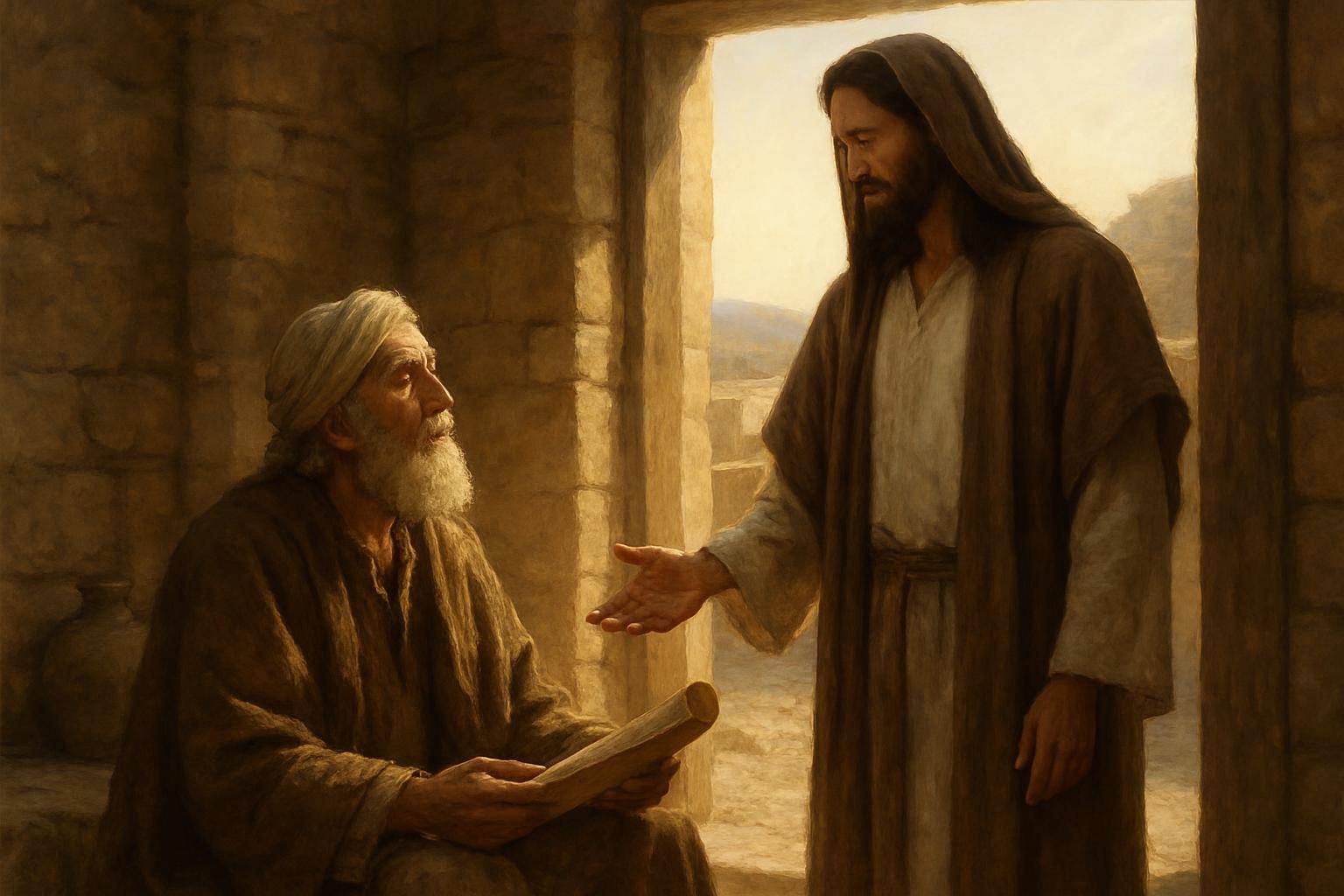
The connection between prophecy and fulfillment serves as a profound testament to God’s sovereign plan, woven throughout the tapestry of Scripture and history. In Isaiah 46:10, the Lord declares His purpose will stand, emphasizing His omniscience and control over all events.
-
Prophecy is Architecture, Not Accidents
Prophecy holds a vital place in the life of faith, serving as a divine assurance of God’s unchanging character and His sovereign plan for humanity. As believers reflect on the words of the prophets, they are reminded of the steadfastness of God’s promises, which are fulfilled in the person of Christ and throughout Scripture. The…
-
Promises and Fulfillment: Messianic prophecy and fulfillment patterns
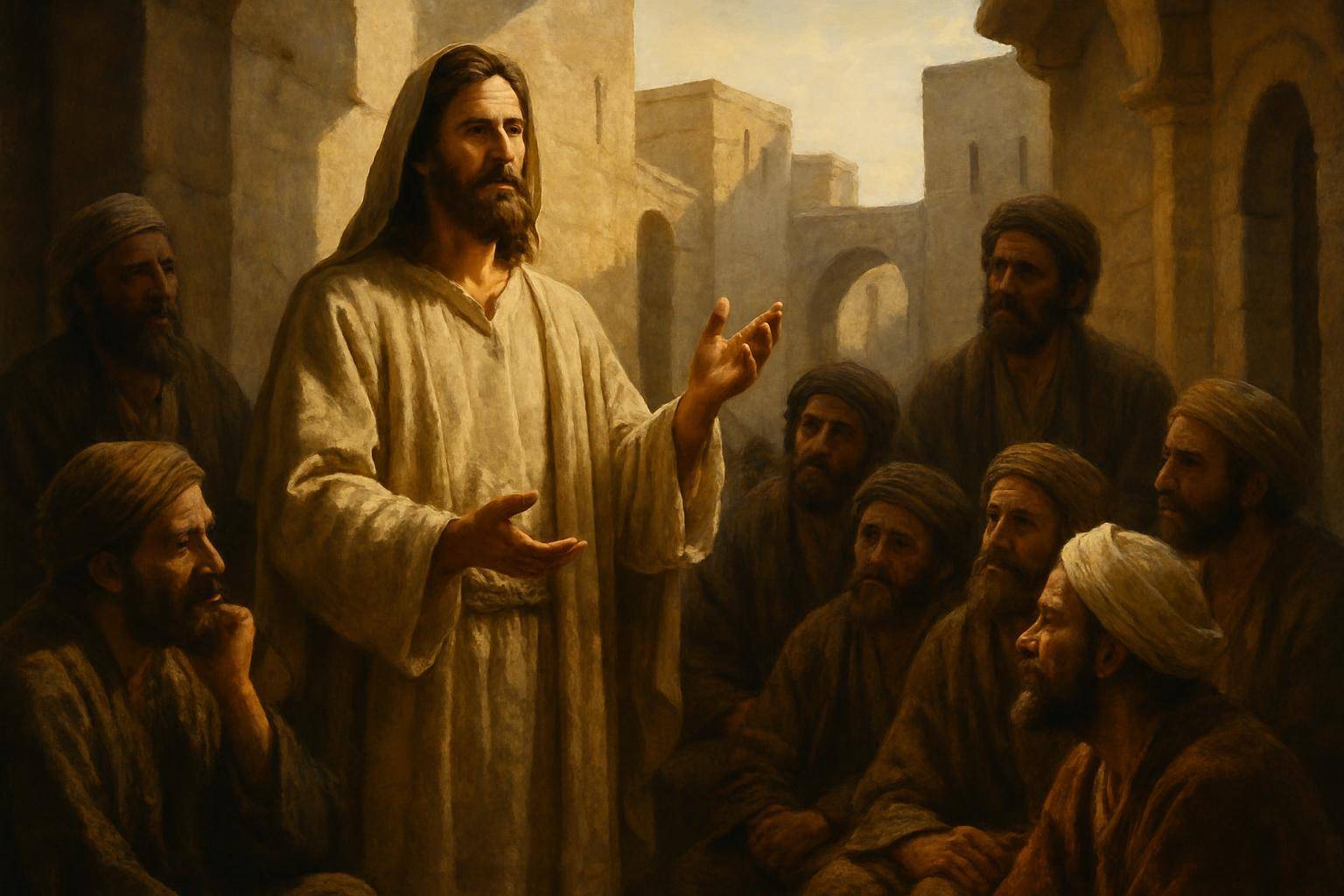
Messianic prophecy unveils the divine plan for redemption, offering a glimpse into the coming Savior who would transform the world. Isaiah 9:6 proclaims the titles of the Messiah, emphasizing His role as Wonderful Counselor and Prince of Peace, while Micah 5:2 foretells His humble birthplace in Bethlehem, underscoring the paradox of greatness emerging from lowliness.
-
Lives That Witness: Leadership, courage, and repentance

Leadership within the church is a sacred calling, as articulated in 1 Timothy 3:1, where the aspiration to oversee the flock is deemed a noble pursuit. This divine appointment carries a weight of responsibility, emphasizing the need for wisdom and integrity, as Proverbs 11:14 reminds us: “In the multitude of counselors there is safety.”
-
Stones and Scripture: Text and terrain: Scripture in its world

The relationship between Scripture and its historical context is vital for understanding its messages, for all Scripture is given by inspiration of God and is profitable for doctrine, reproof, correction, and instruction in righteousness (2 Timothy 3:16). The living Word of God, sharper than any two-edged sword, discerns the thoughts and intents of the heart…
-
Covenant and Kingdom: Obedience rooted in grace and truth
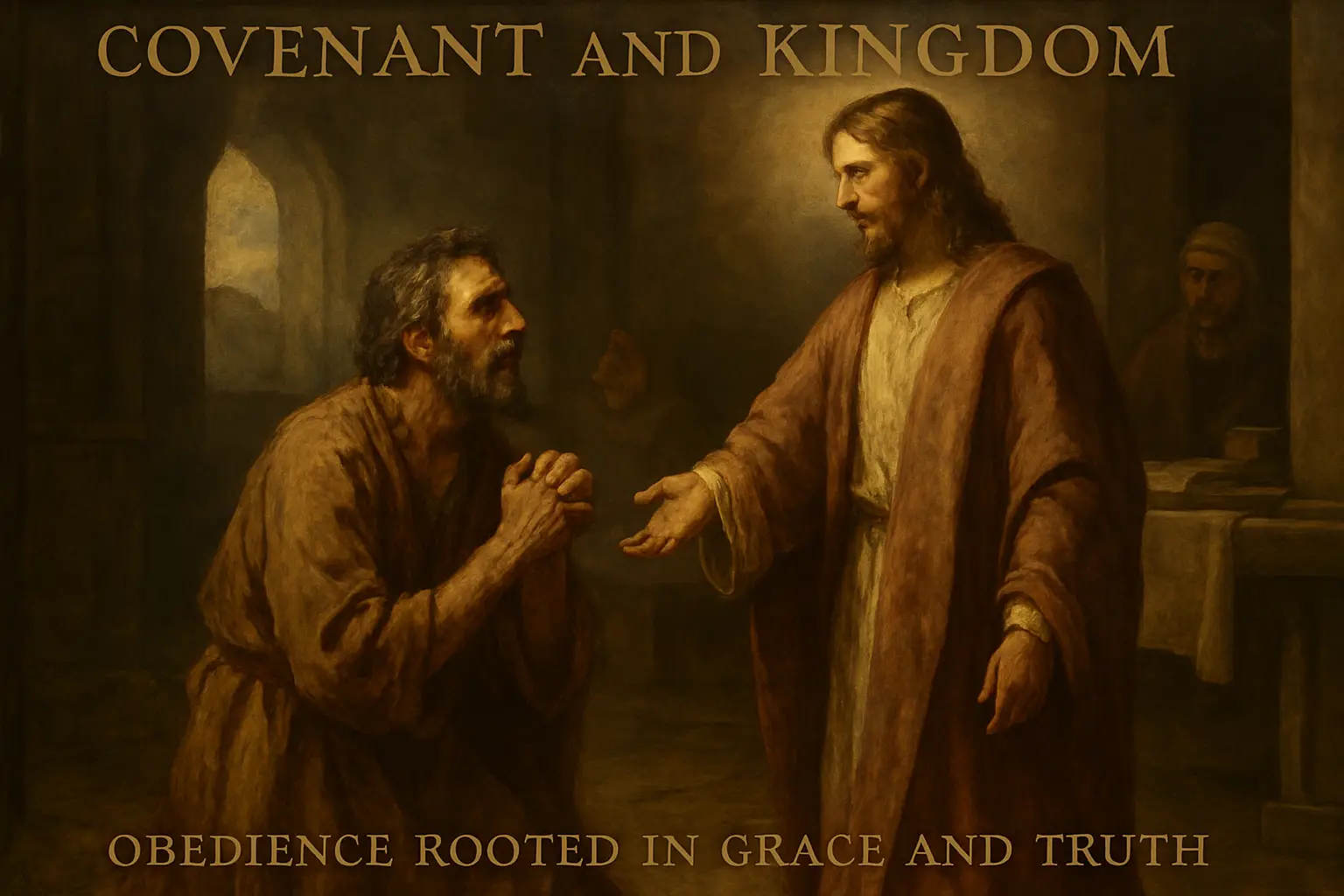
The sure foundation of faith and obedience is rooted in the unerring nature of God’s Word, which serves as a guiding light for believers amid life’s uncertainties. As Peter affirms, the prophetic word is more than mere human insight; it is divinely inspired and attests to God’s faithfulness in revealing His truth through Scripture (2…
-
Holiness in Practice: Courage and conscience under pressure

In the pursuit of truth and understanding, the Scriptures stand as the ultimate authority, guiding the hearts and minds of believers. As stated in 2 Timothy 3:16, “All scripture is given by inspiration of God, and is profitable for doctrine, for reproof, for correction, for instruction in righteousness,” affirming the divine origin and purpose of…
-
Covenant and Kingdom: The role of prophecy in discipleship and watchfulness

Prophecy holds a vital place in the life of faith, serving as a divine assurance of God’s unchanging character and His sovereign plan for humanity. As believers reflect on the words of the prophets, they are reminded of the steadfastness of God’s promises, which are fulfilled in the person of Christ and throughout Scripture. The…
