
Topical Studies
-
Baptism in the Old and New Testaments
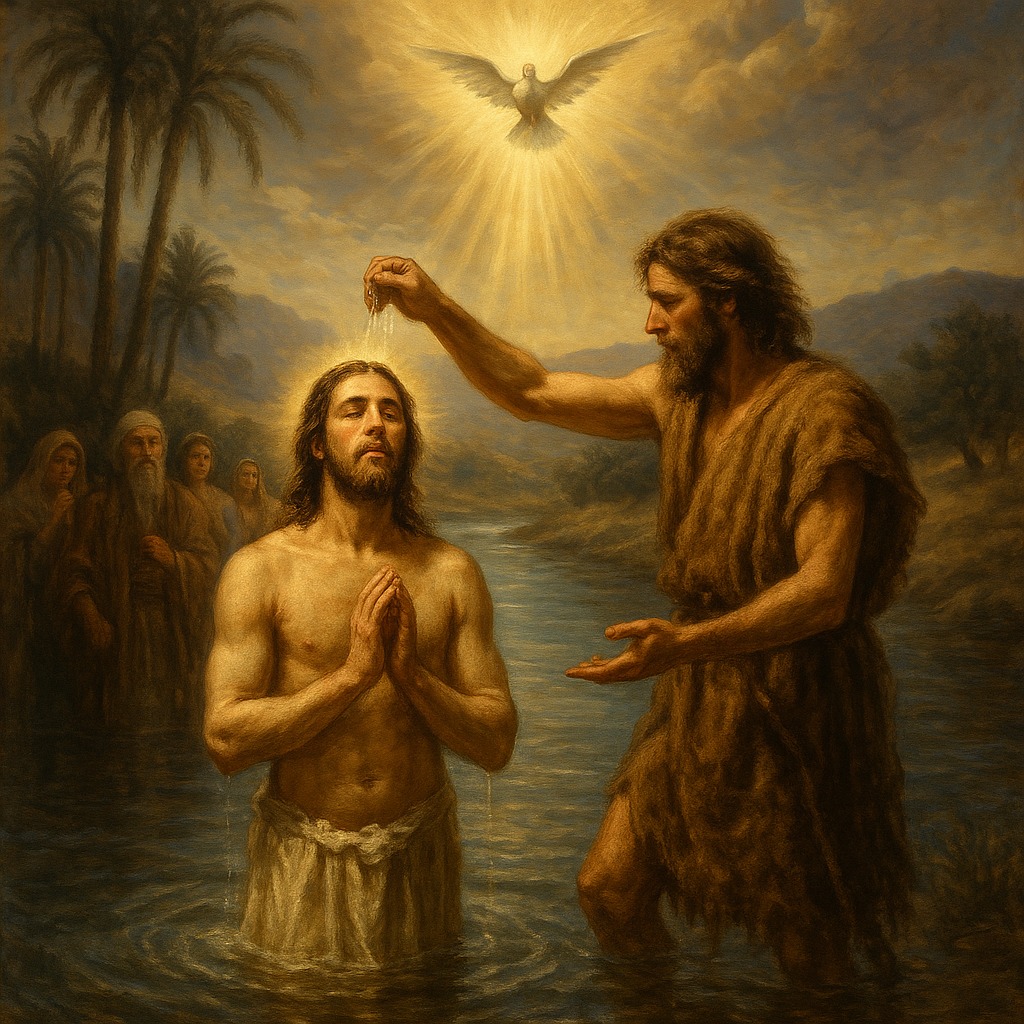
Baptism is one of the most recognized and debated practices in Christianity. While the New Testament clearly emphasizes baptism as a sign of faith and obedience, the roots of the practice can be traced back to the Old Testament through ritual washings, consecrations, and prophetic imagery. To understand baptism biblically, we must explore its foreshadowing…
-
The Unconditional Covenants of God with Israel
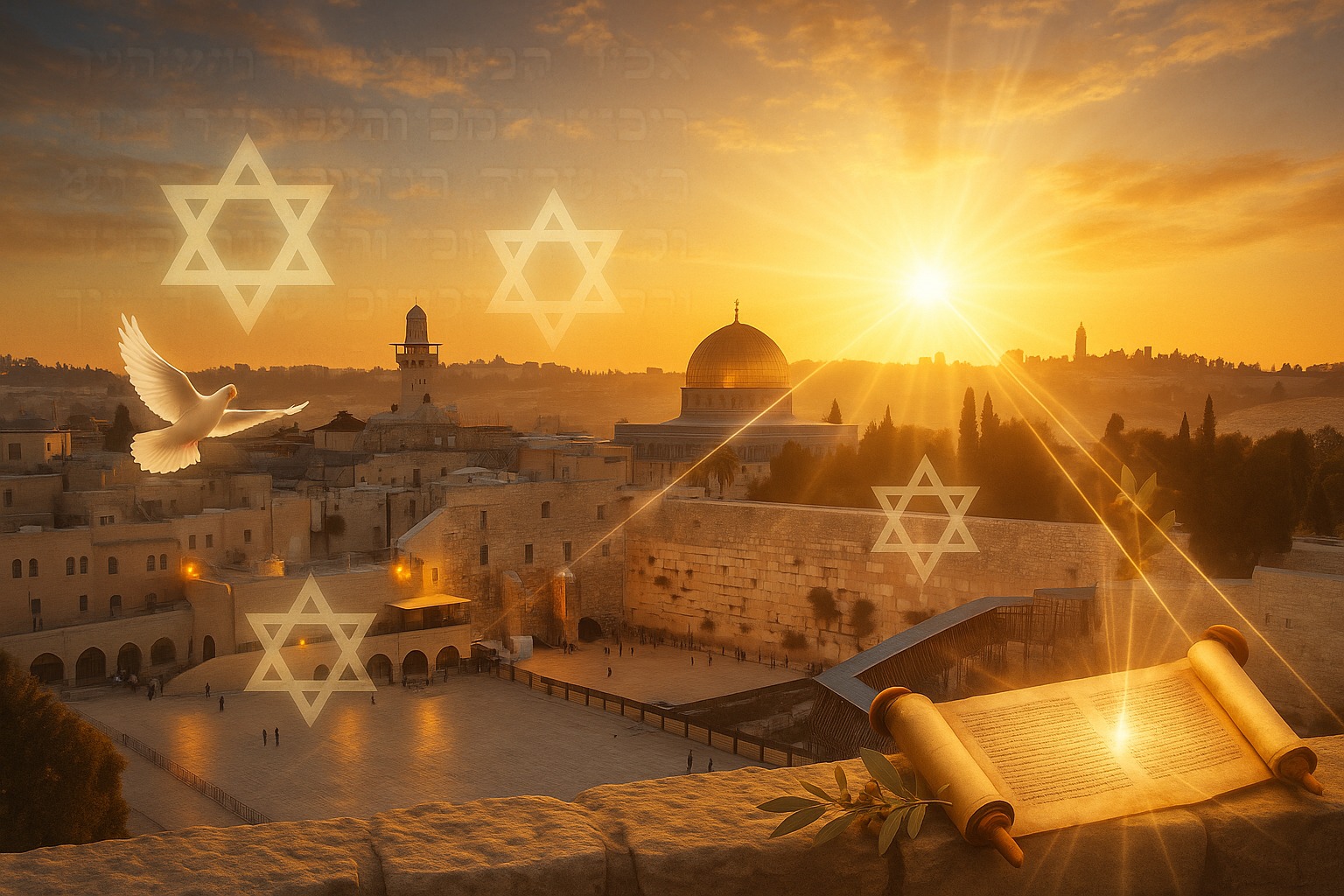
The Bible records several covenants God made with His people. Some were conditional, requiring obedience for blessing (e.g., the Mosaic covenant). Others were unconditional, depending solely on God’s faithfulness. Among these, the covenants with Abraham, David, and the promise of the New Covenant stand out as everlasting. These covenants anchor Israel’s history, frame prophecy, and…
-
Mount Sinai — Saudi Arabia or Sinai Peninsula?
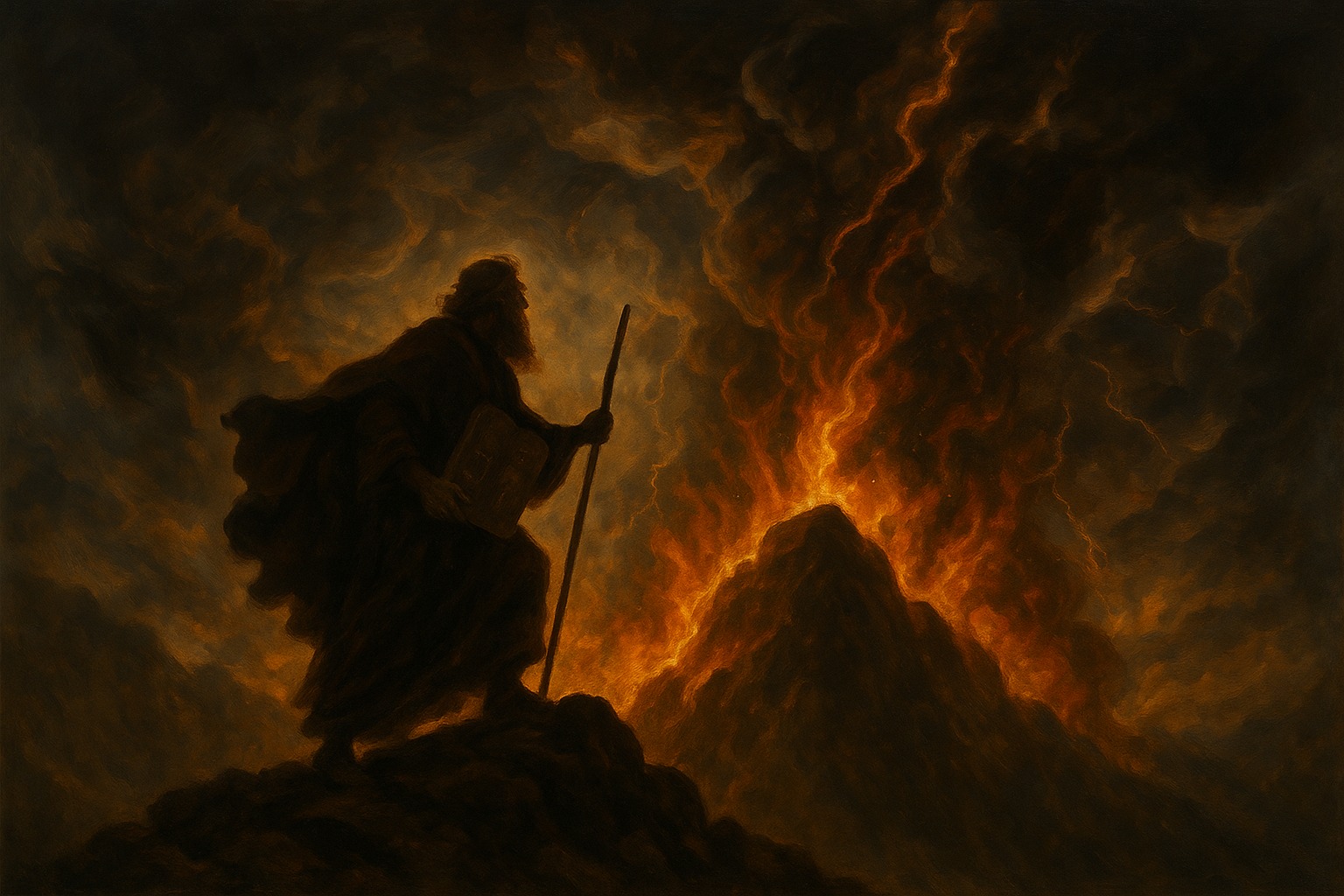
Few locations in the Bible spark as much debate as the true site of Mount Sinai, where God gave the Ten Commandments to Moses and Israel. Traditionally identified with Jebel Musa in Egypt’s Sinai Peninsula, some researchers argue instead for Jebel al-Lawz in northwest Saudi Arabia. The question is not merely geographical—it touches history, archaeology,…
-
Moabites, Edomites, and Israel: Ancient Enemies and Prophetic Lessons
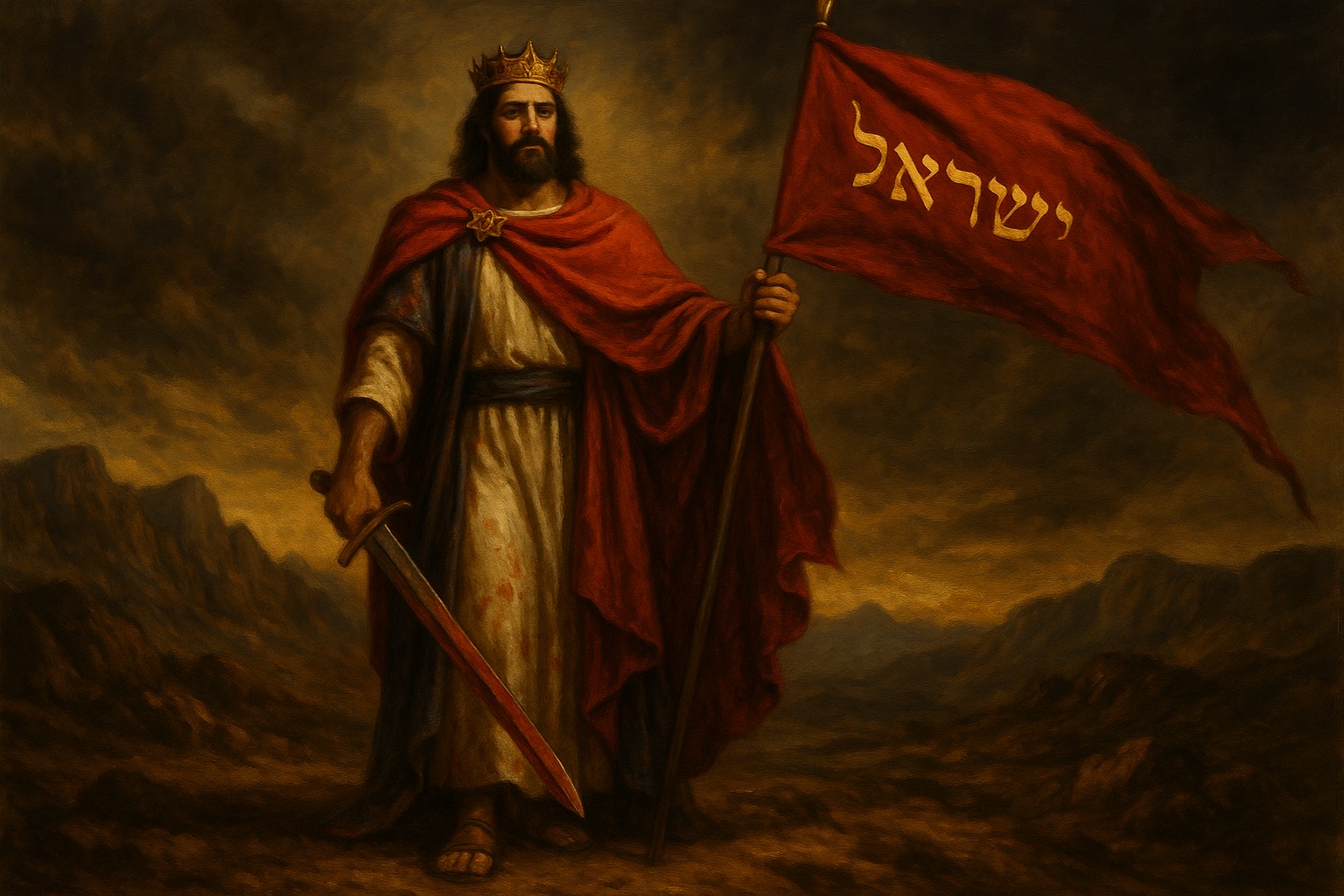
The Moabites and Edomites were two of Israel’s closest neighbors, both geographically and genealogically. Descended from Lot and Esau, these peoples shared kinship with Israel yet often lived in hostility toward them. Throughout the Old Testament, Moab and Edom appear in stories of conflict, uneasy alliances, and prophetic warnings. Their history with Israel sheds light…
-
Ancient Tribal Divisions of Israel and Modern Middle East Boundaries
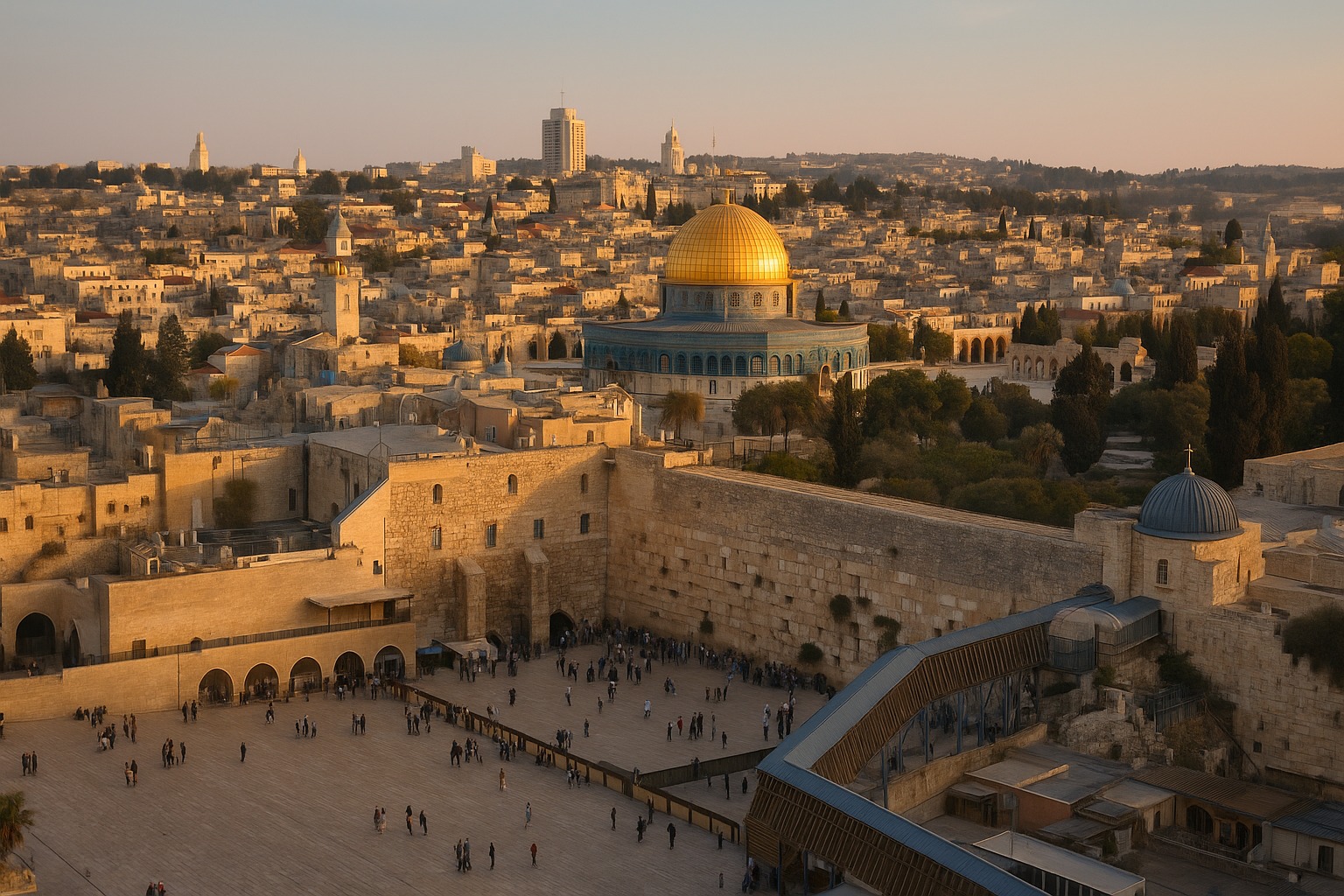
The conquest and settlement of the land of Canaan under Joshua was one of the defining moments in Israel’s history. The book of Joshua details the victories that secured the land, while the book of Judges records the challenges of an incomplete conquest. Each tribe received a unique allotment of territory, not merely by human…
-
First and Last Prophecies of the Bible

The Bible begins with prophecy and ends with prophecy, forming bookends to the grand story of redemption. The first prophecy, given in Genesis 3:15, promises conflict between the seed of the woman and the seed of the serpent, culminating in ultimate victory. The last prophecy, found in Revelation 22:12–20, promises Christ’s return, judgment, and reward.…
-
Messiah Ben Joseph vs. Messiah Ben David: One Messiah, Two Missions
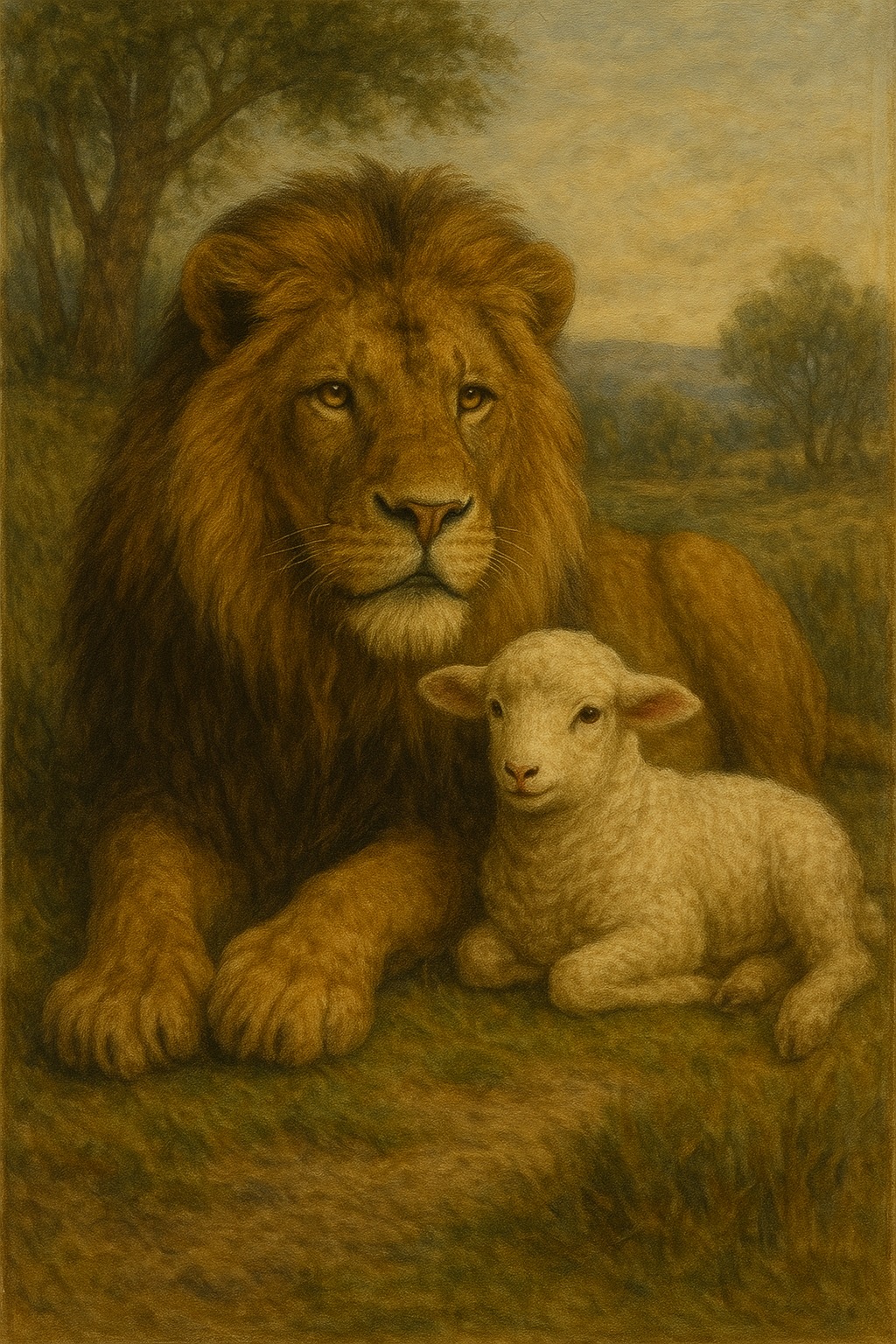
Jewish tradition sometimes distinguishes between two Messianic figures: Messiah ben Joseph (the suffering servant from Joseph’s line) and Messiah ben David (the conquering king from David’s line). This attempt arises from the tension in the Hebrew Scriptures, where some prophecies speak of a suffering, rejected deliverer, while others describe a glorious, reigning king. Scripture itself,…
-
Ezekiel’s Battle of Magog: Timing and Significance

Among the most detailed war prophecies in Scripture is the account of Gog and Magog in Ezekiel 38–39. These chapters describe a massive end-time coalition that comes against Israel, only to be destroyed by God’s direct intervention. The prophecy has stirred centuries of debate: Who are the nations involved? When does this invasion occur? What…
-
Marriage of the Lamb: Ceremony and Feast in a Prophetic Context
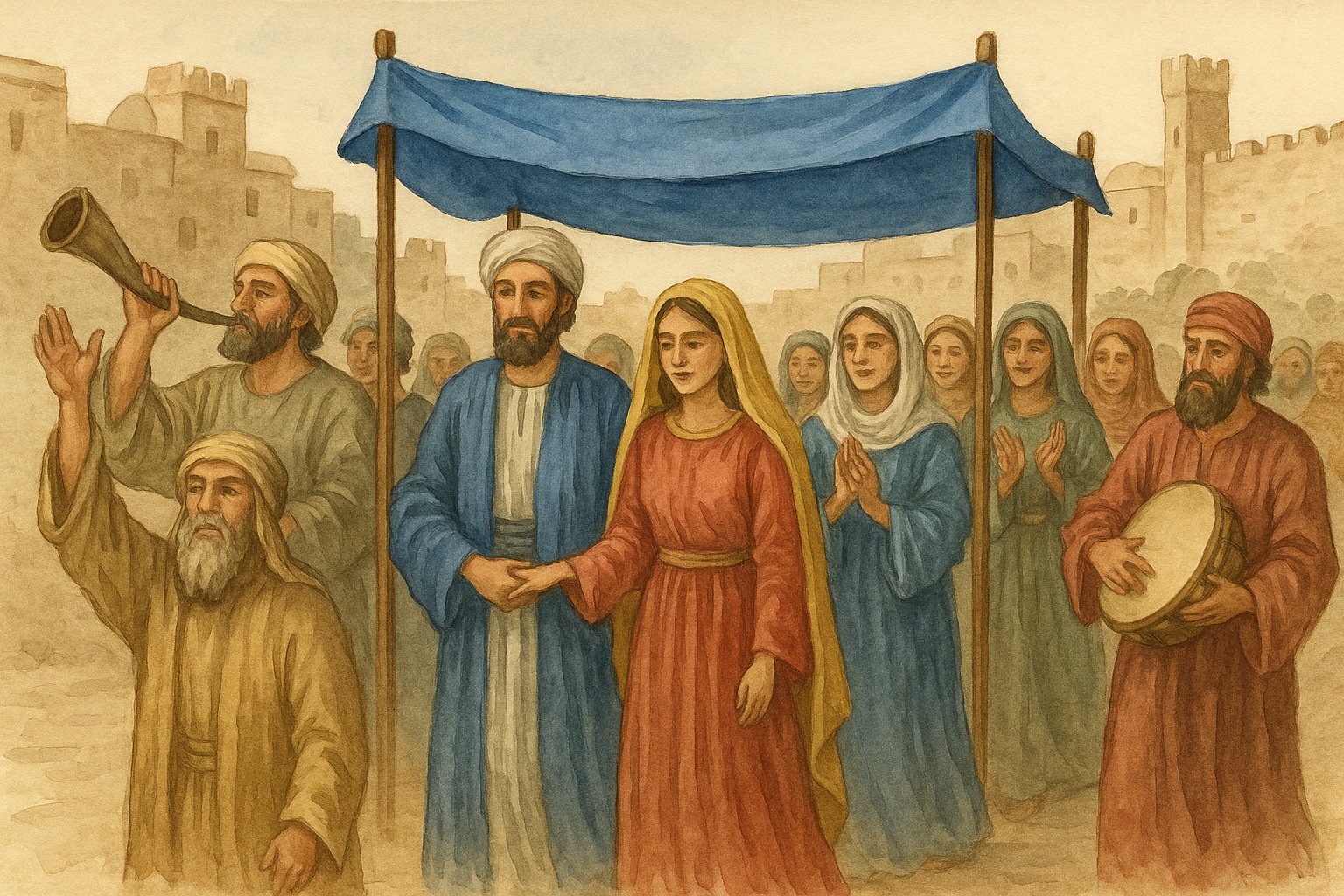
The “Marriage of the Lamb” in Revelation 19:7–9 is one of the most vivid prophetic images in Scripture. It portrays the consummation of the covenant relationship between Christ and His people. The imagery draws deeply from ancient Jewish wedding customs, which highlight betrothal, covenant, ceremony, and feast. To understand this prophecy, we must examine the…


