
Topical Studies
-
Prophecy as Evidence of Scripture’s Reliability

The Bible’s reliability is supported by fulfilled prophecies regarding nations, Israel, and the Messiah, demonstrating divine origin and specific predictions. Historical events confirm prophecies, such as Israel’s restoration in 1948 and the specifics of Christ’s life. Prophecy strengthens believers’ faith, assuring them of God’s sovereignty and the truth of Scripture.
-
Genealogies, DNA, and the Peoples of the Bible
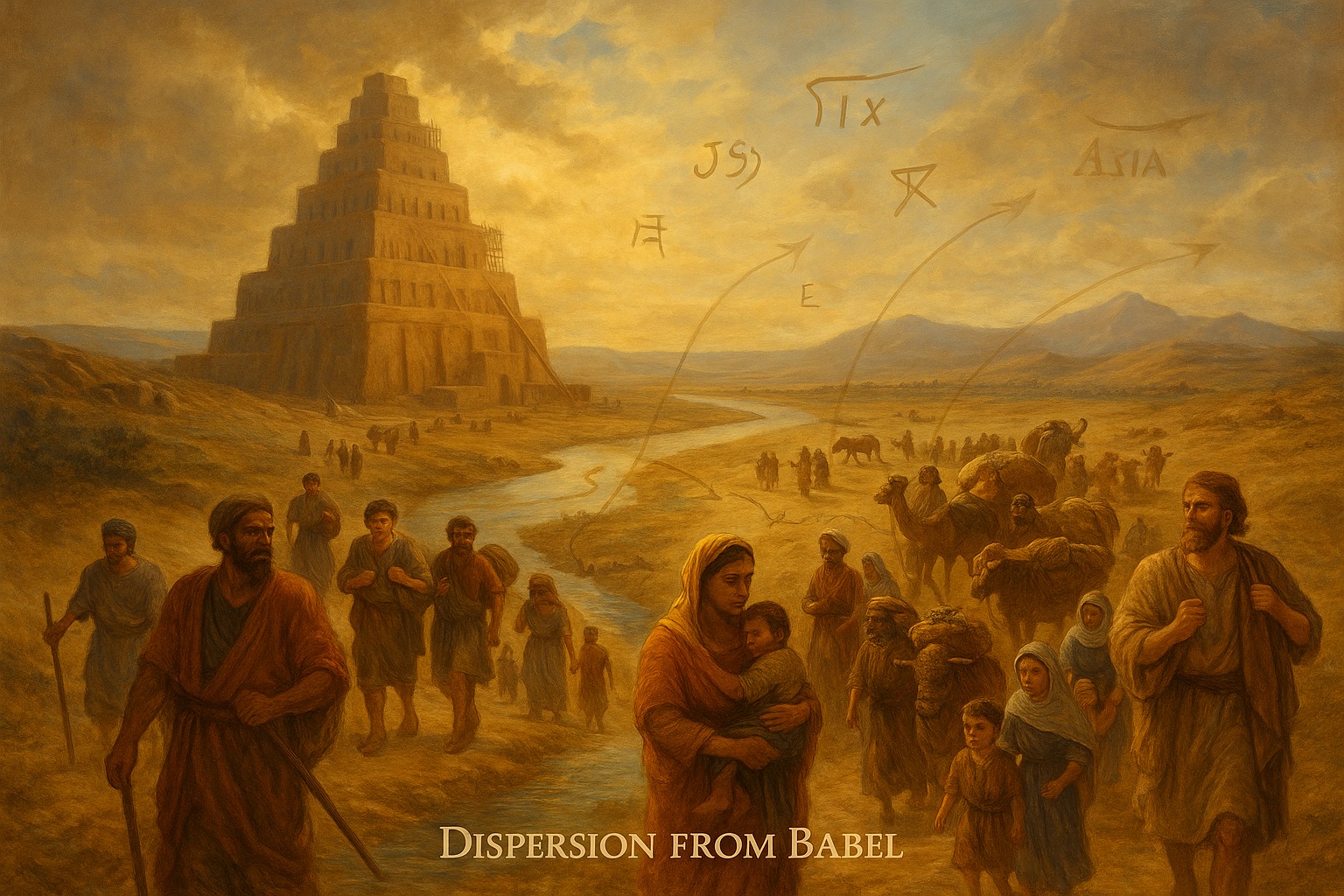
The Bible places remarkable emphasis on genealogies, tracing family lines from Adam to Christ. These genealogies are more than records of ancestry; they demonstrate God’s covenant faithfulness, connect Israel to the nations, and ultimately point to the Messiah. In modern times, advances in genetics and DNA studies raise questions about whether science can illuminate biblical…
-
Scientific Discoveries and the Church’s Misinterpretations
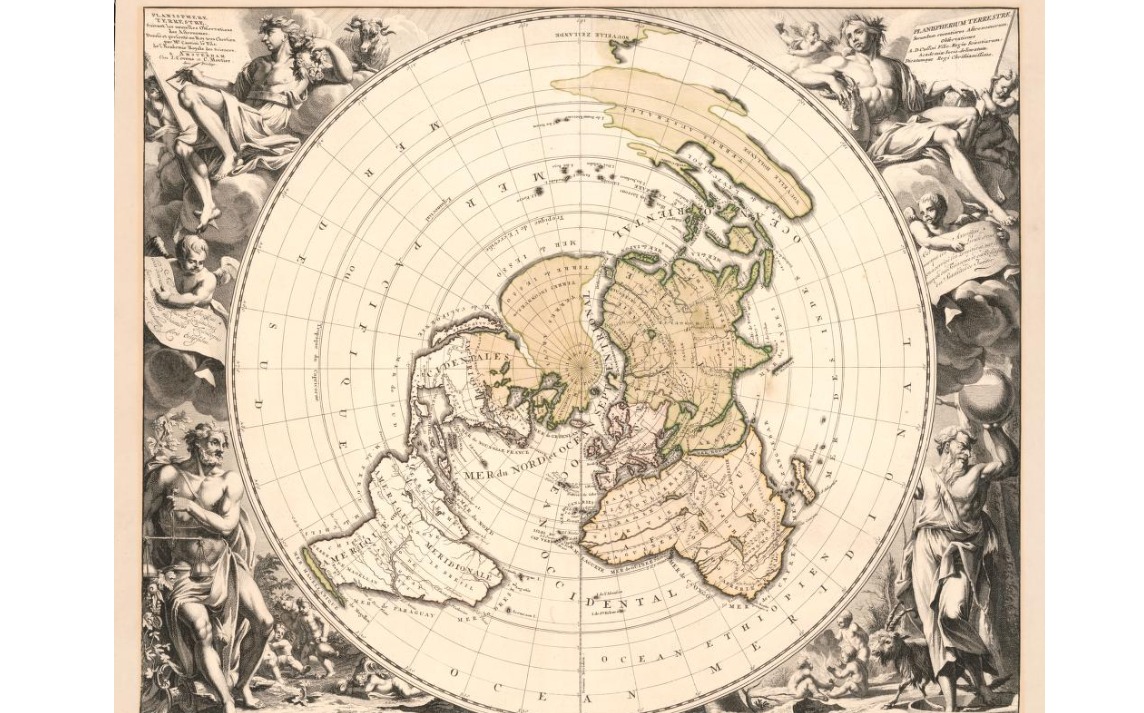
Throughout history, science and the church have often been at odds. While the Bible itself affirms truth in both creation and revelation, human interpretation has sometimes led the church to resist genuine discoveries. Misinterpretations of Scripture, rather than Scripture itself, created conflict. By reviewing examples such as the shape of the earth, the motion of…
-
Ruth’s Moabite Heritage and David’s Line
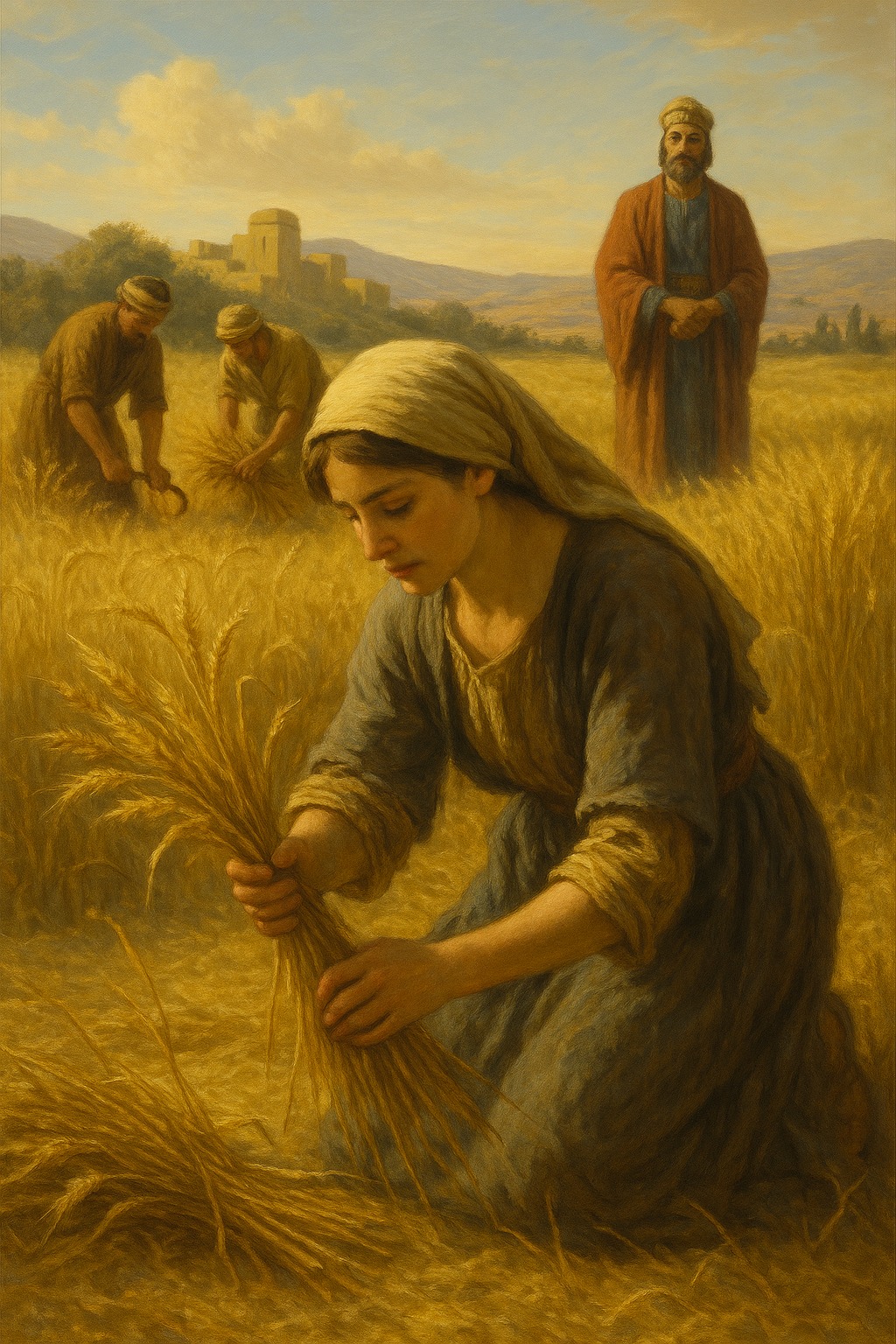
The story of Ruth stands as one of the most remarkable accounts in the Bible, not only for its narrative beauty but also for its theological depth. Ruth, a Moabitess, became the great-grandmother of King David and part of the Messianic line leading to Christ. Her heritage seemed disqualifying: the Moabites originated from Lot’s incestuous…
-
Samuel’s Unique Role as Judge, Prophet, and Priest
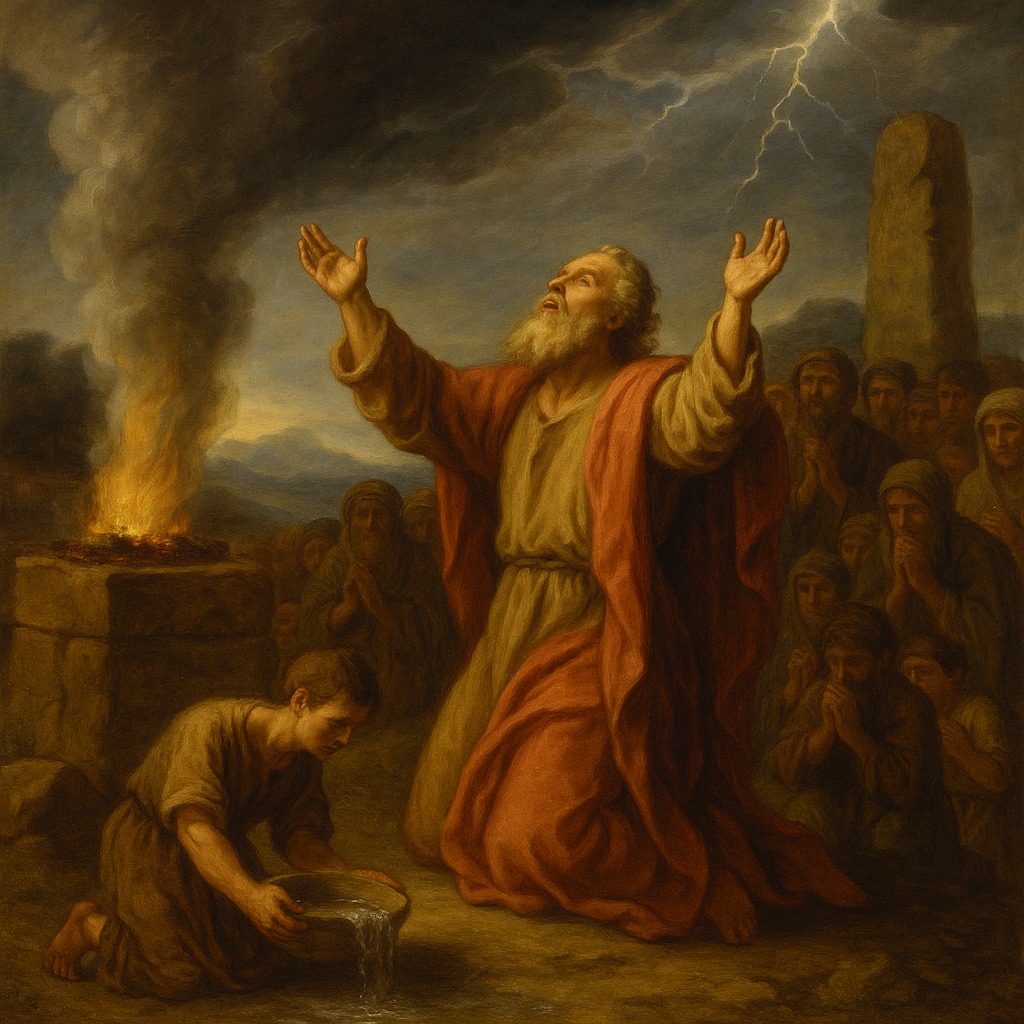
Among Israel’s great leaders, Samuel stands uniquely as judge, prophet, and priest. At a time when the nation was transitioning from the era of judges to the monarchy, Samuel guided Israel with spiritual authority, judicial leadership, and priestly intercession. He anointed kings, rebuked sin, and interceded for the people, bridging the period from tribal confederacy…
-
The Genealogy from Noah to Abraham
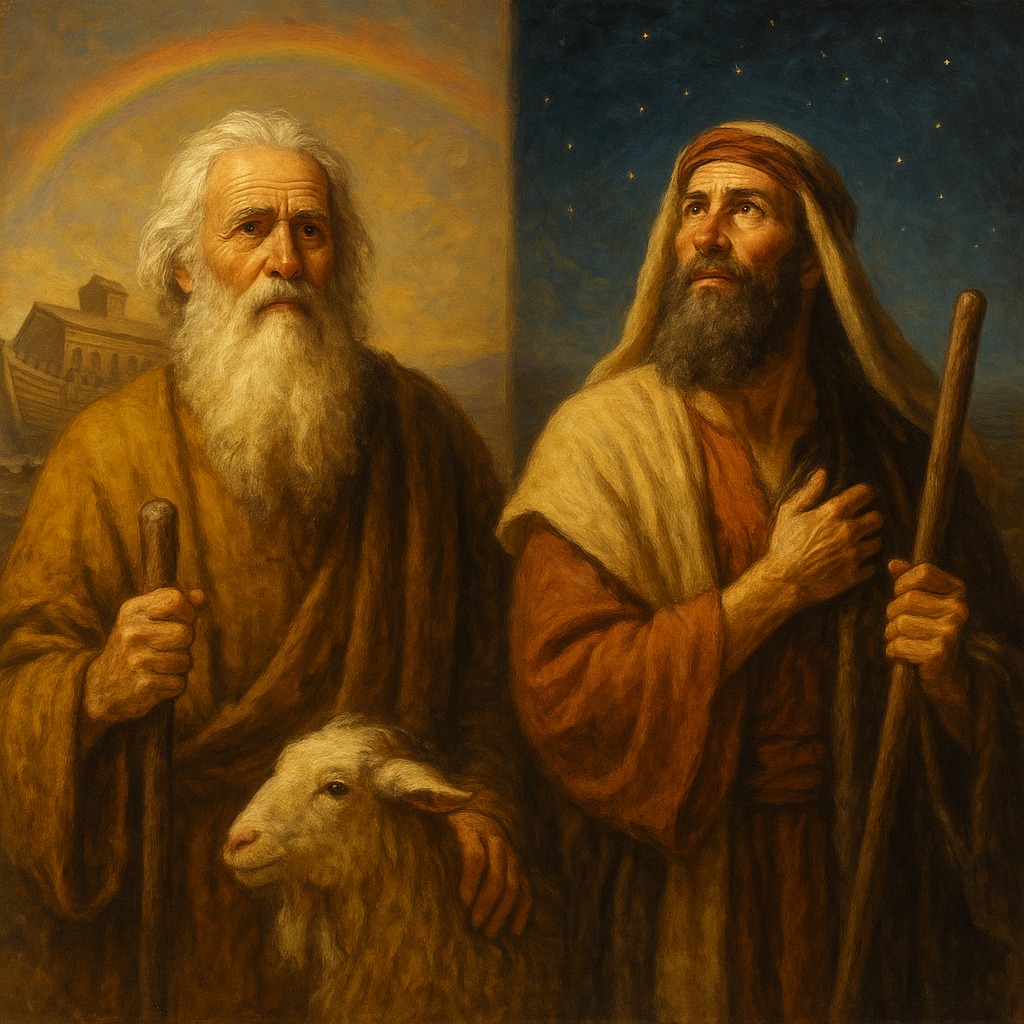
The genealogies of Scripture often appear as long lists of names, yet they serve profound theological and historical purposes. The genealogy from Noah to Abraham in Genesis 10–11 traces God’s covenant promises from the flood to the calling of Abraham, father of Israel. These names reveal God’s preservation of humanity, His judgment of nations, and…
-
The Millennium Reign of Christ
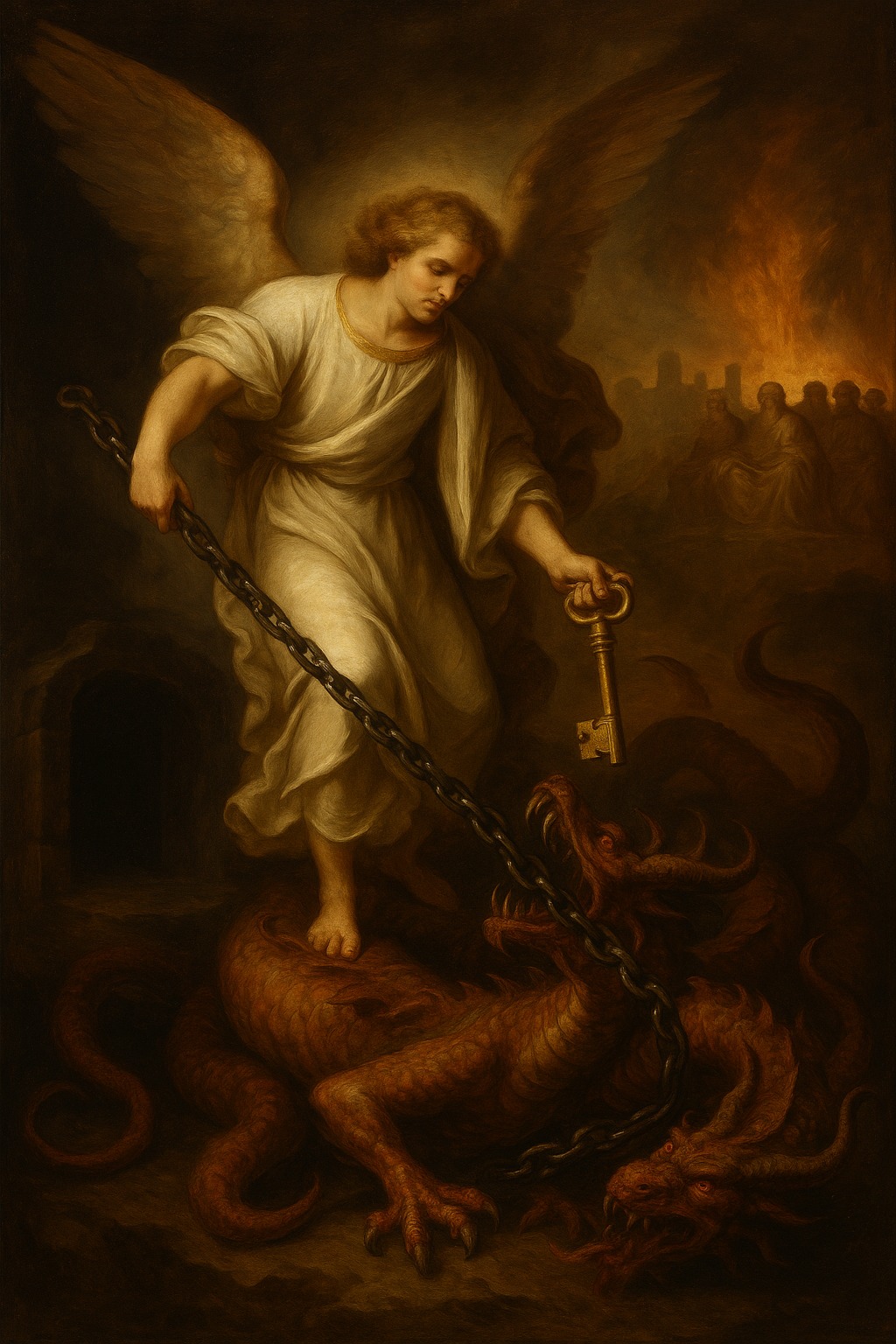
Few prophecies are as hopeful and contested as the thousand-year reign of Christ, known as the Millennium. Revelation 20 describes this period when Satan is bound, Christ reigns on earth, and His saints rule with Him. Some interpret the Millennium symbolically, while others see it as a literal reign still to come. By tracing Old…
-
The 144,000 in Revelation and Israel’s Future
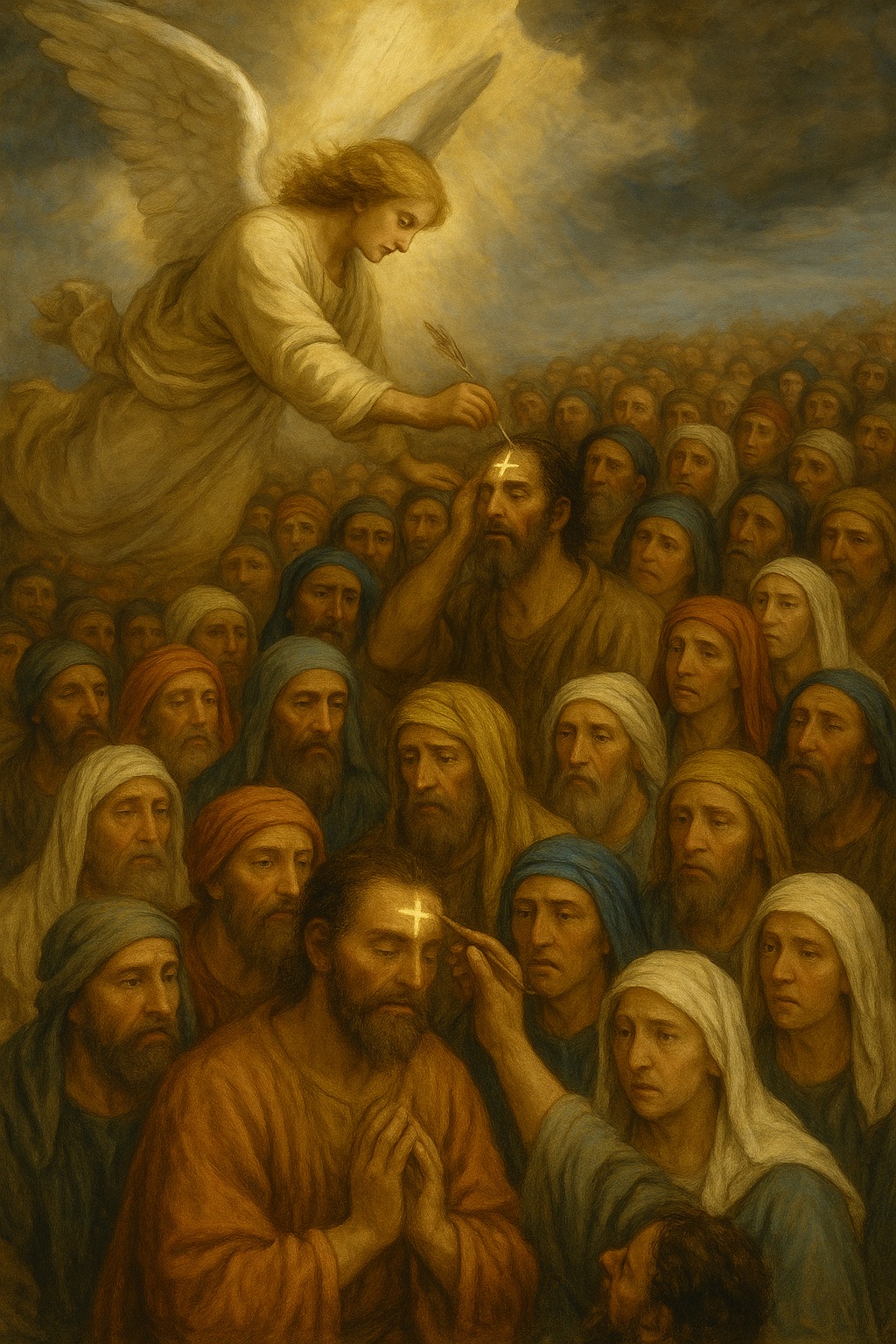
Among the striking images in Revelation is the sealing of 144,000 servants of God. Questions often arise: Who are they? Are they symbolic of the church, or literal descendants of Israel? What is their mission? By examining Revelation alongside Old and New Testament prophecy, we discover that the 144,000 represent a literal remnant of Israel…
-
The Nature of the Antichrist in Scripture

Among the most sobering themes in biblical prophecy is the rise of the Antichrist, the final world ruler who opposes God, deceives the nations, and persecutes His people. The word antichrist appears only in John’s letters, yet the figure is described throughout Scripture under various titles: “the little horn” in Daniel, “the man of sin”…
-
The Nature of Sin and Confession
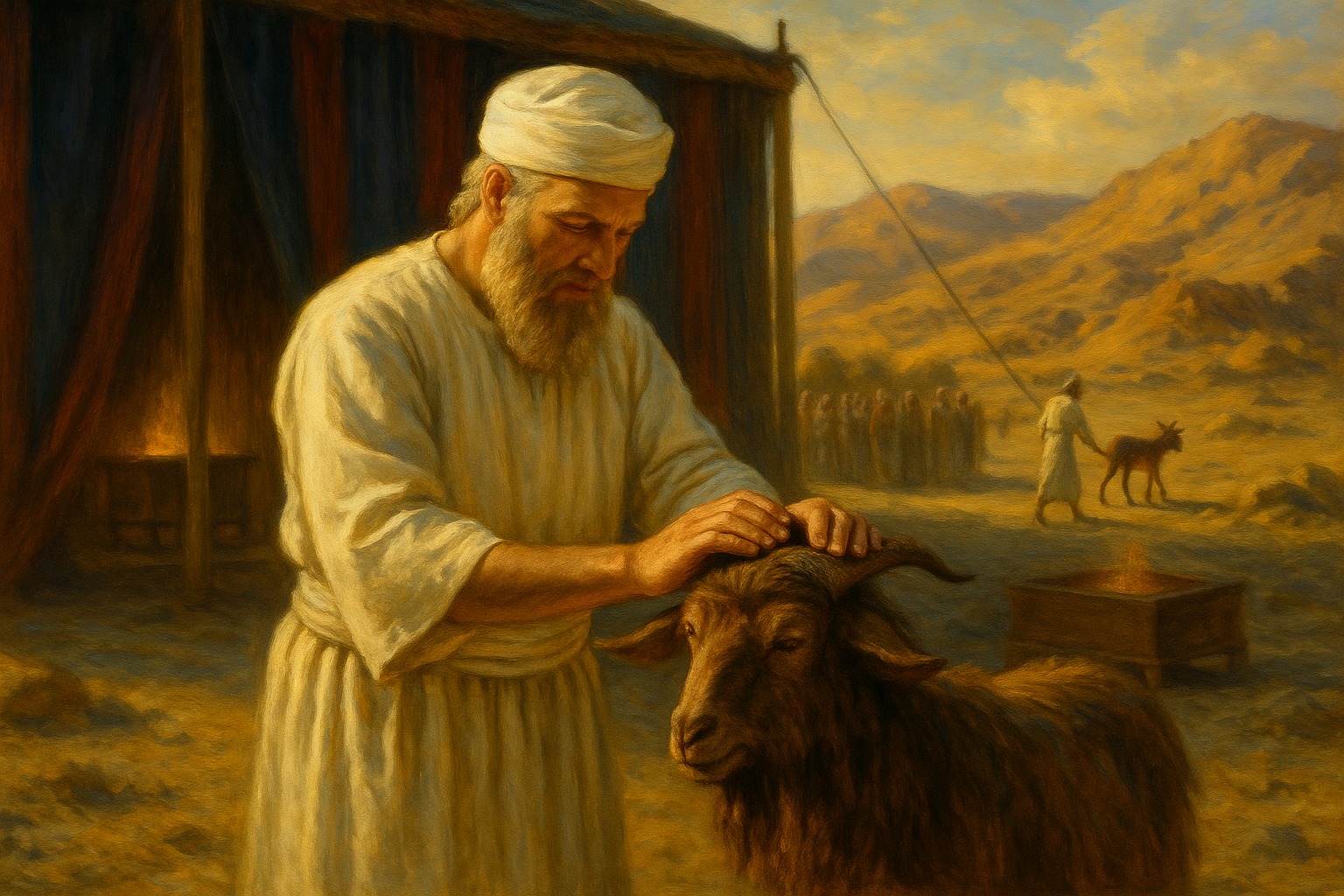
From Genesis to Revelation, the Bible emphasizes the seriousness of sin and the necessity of confession. Sin separates humanity from God, corrupts creation, and brings death. Yet God provides a path of restoration through confession and forgiveness. In the Old Testament, confession was tied to sacrifices and offerings. In the New Testament, confession centers on…


