
Topical Studies
-
Why the Bible is Historically Reliable

The reliability of Scripture stands as a cornerstone of the Christian faith, firmly rooted in the conviction that all Scripture is given by inspiration of God, serving as both doctrine and reproof (2 Timothy 3:16). This divine origin assures believers that the Word of God is not merely a collection of ancient texts, but a…
-
The Meaning of Easter: A Divine Orchestration of Redemption
Posted :
in : Prophecyby :
Tags :Bible Study, Custom Prompt, End times, Eschatology, Exegesis, Exodus, Fulfillment, Genesis, Gospel, holiness, Israel, Kingdom, KJV, Messiah, Podcast, Prayer, prophecy, Scripture, Watchfulness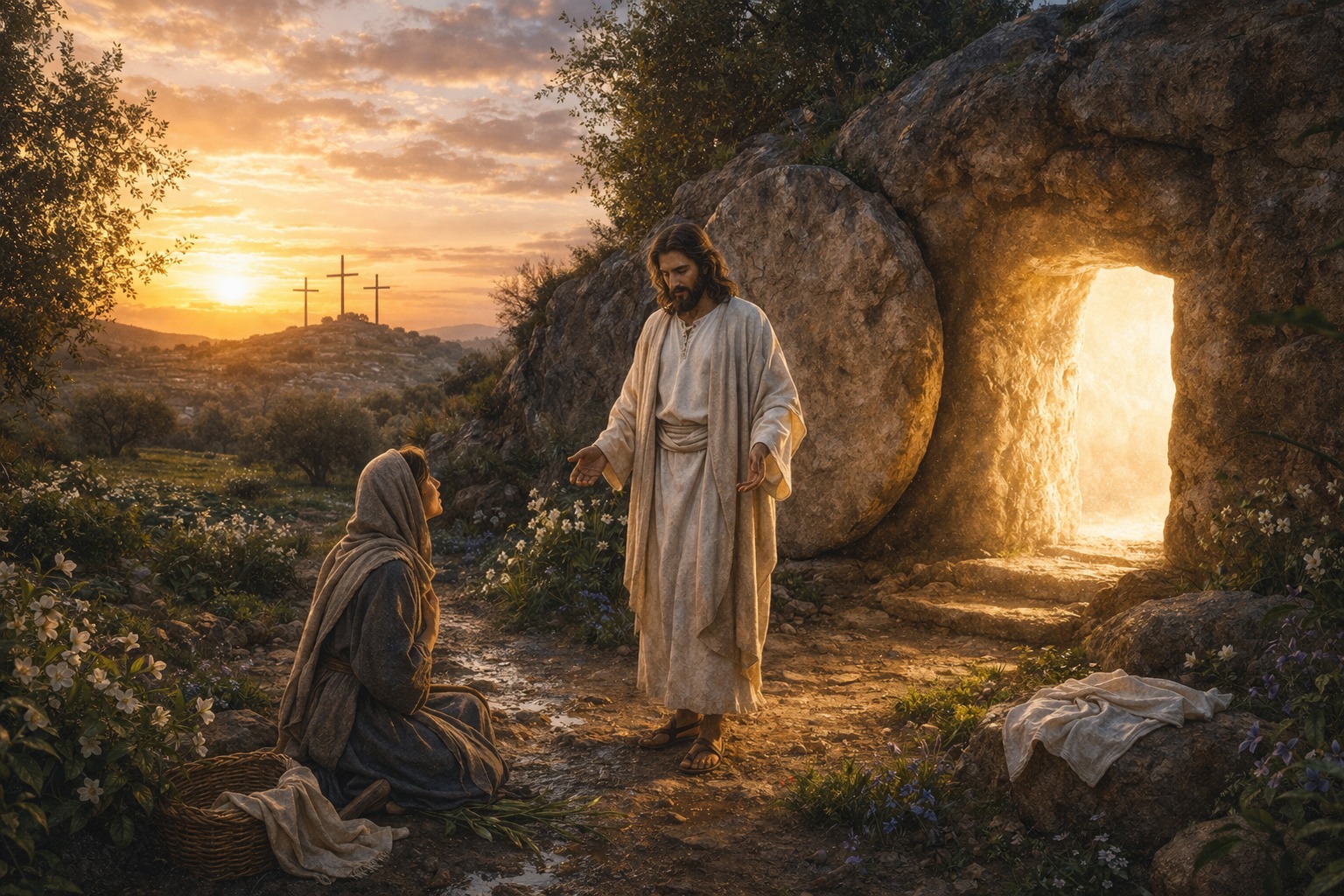
Easter is often presented in popular Christian language as the remembrance of a heartbreaking tragedy followed by a triumphant reversal. While that language captures the emotional weight of the crucifixion, it is insufficient as a biblical framework. Scripture does not present the cross as an unexpected collapse of messianic hopes. It presents the cross as…
-
The Bible is an Interconnected Tapestry
The Scriptures, as divinely inspired truth, command our utmost reverence and careful attention, for they illuminate the very nature of God and His redemptive plan through Christ. As stated in 2 Peter 1:19-21, the prophetic word is a light shining in a dark place, urging believers to heed its guidance until the day dawns and…
-
The Mathematical Precision of the Crucifixion
The prophetic nature of Scripture demands our solemn attention, for it reveals the divine orchestration of God’s redemptive plan through Christ. As the Apostle Peter affirms in 2 Peter 1:19-21, the prophetic word shines as a light in a dark place, guiding believers toward the truth embodied in Jesus. The feasts of Israel, particularly the…
-
How Ancient Feasts Scheduled the Cross
The prophetic nature of Scripture demands our solemn attention, for it reveals the divine orchestration of God’s redemptive plan through Christ. As the Apostle Peter affirms in 2 Peter 1:19-21, the prophetic word shines as a light in a dark place, guiding believers toward the truth embodied in Jesus. The feasts of Israel, particularly the…
-
Covenant Promises from Jerusalem to Christ
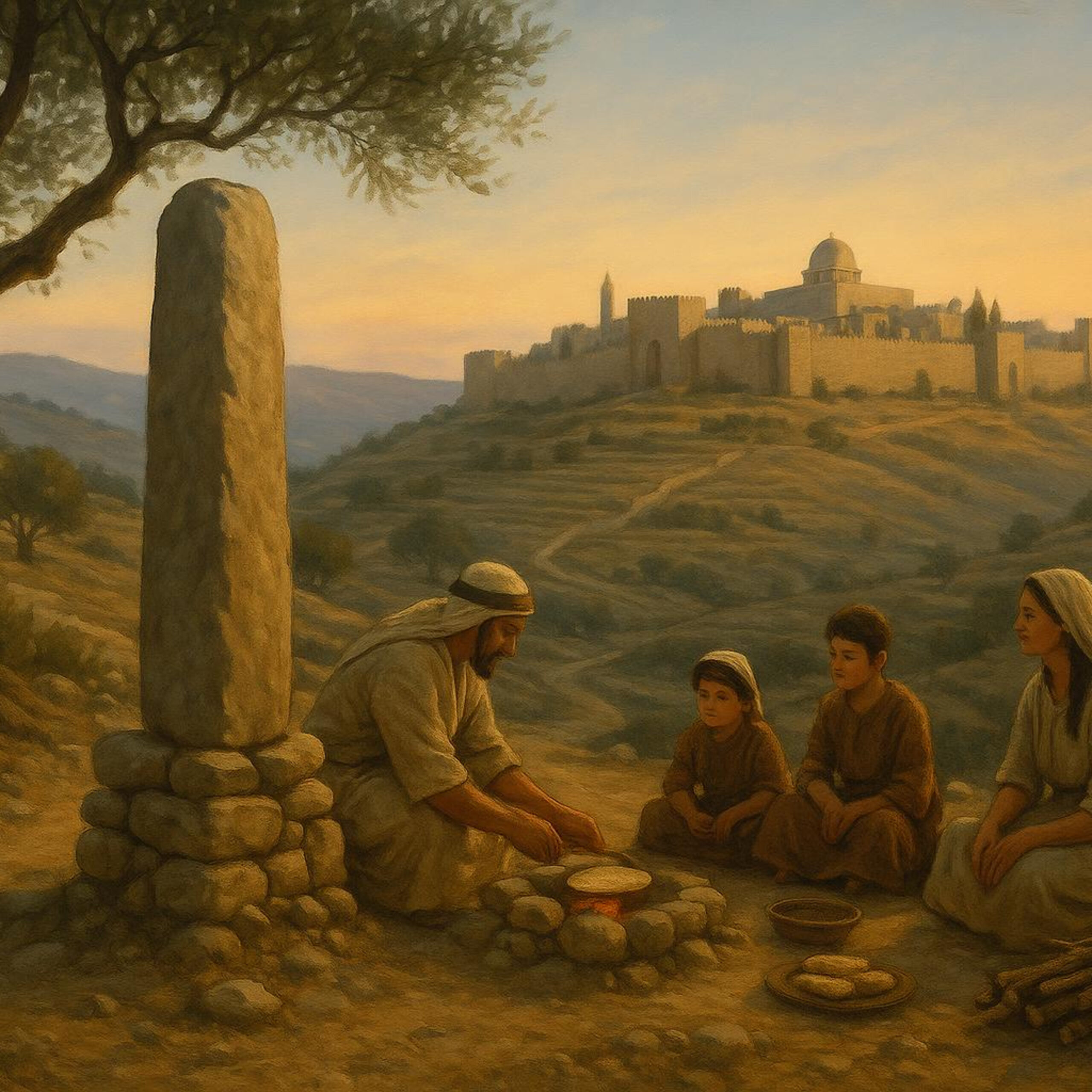
The Scriptures stand as a beacon of divine truth, demanding our utmost attention and reverence, for they are not mere words of men, but the inspired revelation of God. As recorded in 2 Peter 1:19-21, the prophetic word is likened to a light that shineth in a dark place, guiding the faithful through the shadows…
-
Why the Gospel Crucifixion Timelines Align

In the final moments of Jesus Christ’s crucifixion, the Gospel writers record a series of extraordinary events: a supernatural darkness covering the land, the tearing of the temple veil, a great earthquake, and the reactions of witnesses, such as the centurion. Critics often point to the variation in how these events are presented, particularly between…
-
Why Resurrection Eyewitness Accounts Clash

The resurrection narratives in the Gospels are among the most scrutinized passages in all of Scripture. One frequently raised objection concerns the role of Mary Magdalene at the tomb—specifically, what she saw, what she said, and the sequence of events. Critics point to differences between John 20, Matthew 28, Mark 16, and Luke 24 and…
-
Why Jesus Cleansed the Temple Twice
One of the most frequently cited objections to the reliability of the Gospels concerns the cleansing of the temple. In the Gospel of John, this event appears at the beginning of Jesus’ ministry (John 2:13–17). In the Synoptic Gospels—Matthew, Mark, and Luke—it appears during the final week before the crucifixion (Matthew 21:12–13; Mark 11:15–17; Luke…
-
Why the Gospels Disagree on Walking Sticks
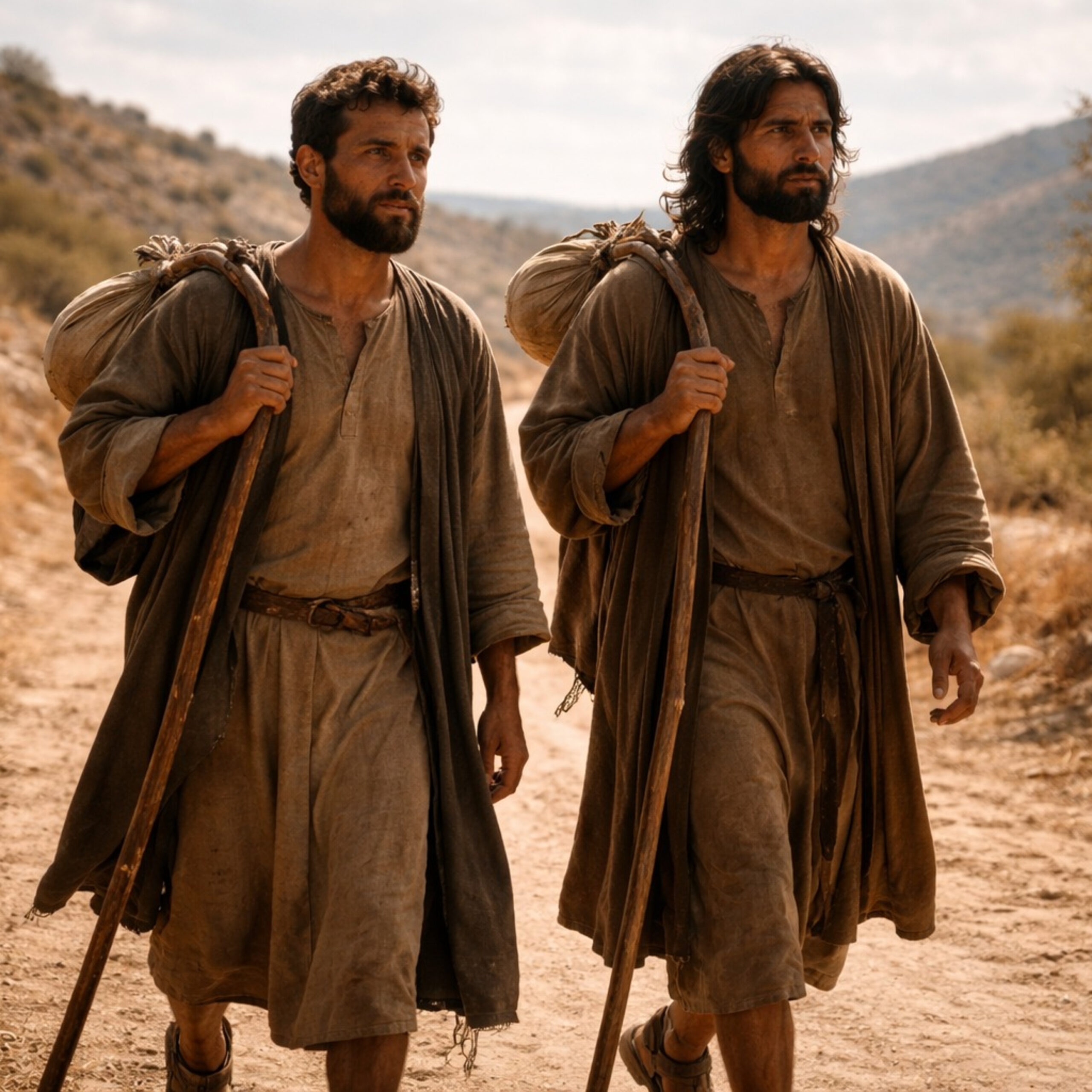
One of the passages frequently raised as an alleged contradiction in the Gospel accounts concerns the instructions Jesus gave His disciples when He sent them out to minister. In Mark 6:8, the command reads, “And commanded them that they should take nothing for their journey, save a staff only; no scrip, no bread, no money…


