
Topical Studies
-
Comparing Scripture With Scripture

The diligent study of Scripture calls believers to compare Scripture with Scripture, a method exemplified in Nehemiah 8:8, where the Levites helped the people understand the Law by providing clear explanations. This approach not only deepens comprehension but also reveals the cohesive narrative of redemption woven throughout the biblical text. Acts 17:11 commends the Bereans…
-
Global Watch Daily – August 29, 2026

A concise summary of significant developments in Israel and the world through a grounded Christian worldview.
-
Holiness is the Cure for Modern Despair

Holiness and hope are intricately woven throughout Scripture, revealing the divine call for believers to walk in purity while anchored in the promise of redemption. Nehemiah 8:8 highlights the importance of understanding God’s Word, as diligent study helps one grasp the essence of holiness and leads to transformation. Similarly, Acts 17:11 commends the Bereans for…
-
Global Watch Daily – August 28, 2026
A concise summary of significant developments in Israel and the world through a grounded Christian worldview.
-
Israel – The Lens of Global Redemption

The rich tapestry of Israel’s identity is woven through the threads of divine calling and preservation amidst the nations, reflecting God’s sovereign plan for His people. In Nehemiah 8:8, the people’s earnest engagement with the Law signifies a return to their roots, emphasizing the importance of understanding God’s Word as foundational to their covenant relationship.…
-
Global Watch Daily – August 27, 2026
A concise summary of significant developments in Israel and the world through a grounded Christian worldview.
-
Ancient Blueprints for the Messiah
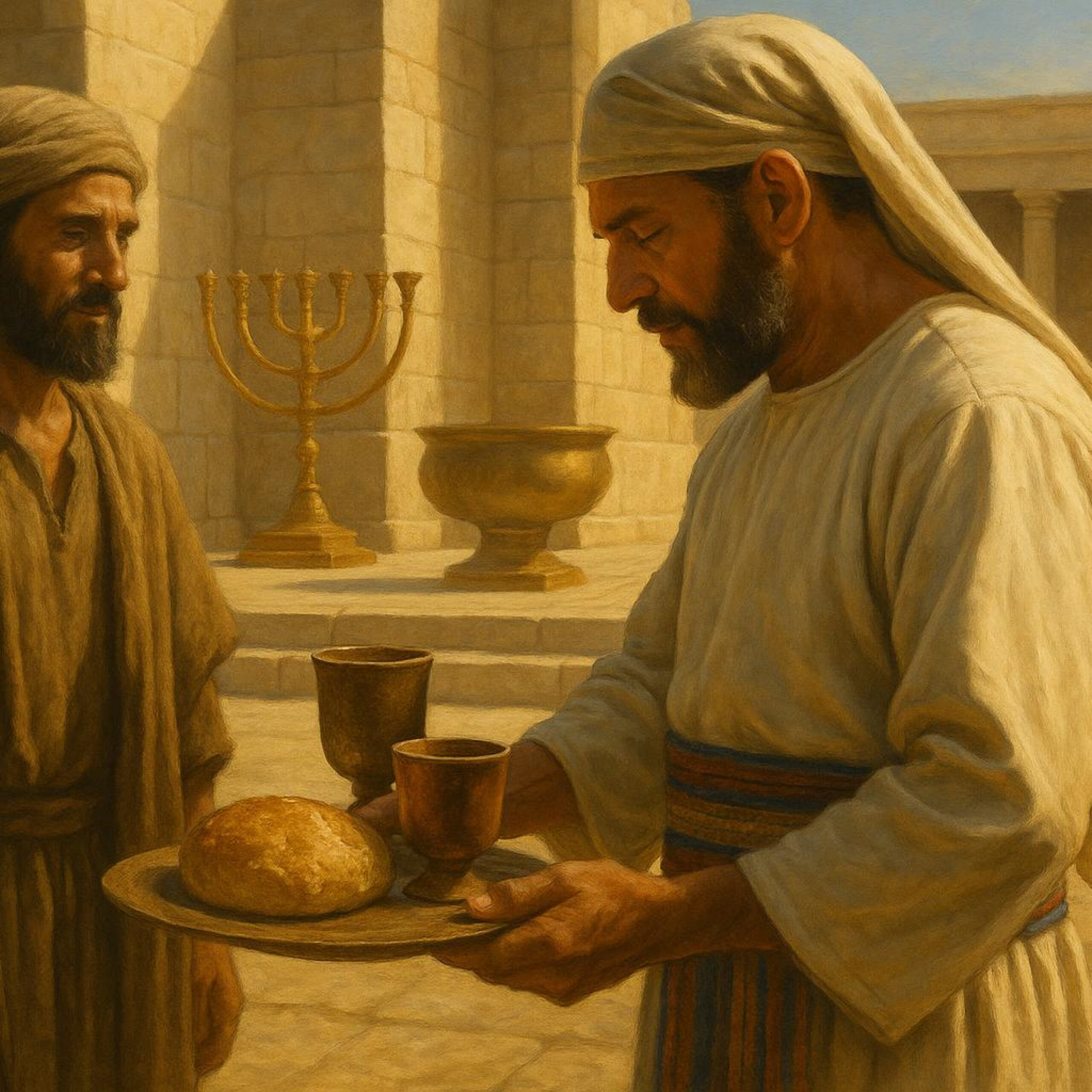
Throughout the sacred Scriptures, the manifold types and shadows serve as divine signposts pointing towards the ultimate revelation in Christ Jesus. From the intricate rituals of the Levitical priesthood to the sacrificial lambs that adorned the Passover, each element illustrates a profound truth about redemption, illuminating the path to understanding God’s salvific plan. Nehemiah 8:8…
-
The Legal Logic of Salvation

Grace, as revealed in Scripture, stands at the heart of salvation, illuminating the profound relationship between divine mercy and human redemption. The faithful exposition of God’s Word, as exemplified in Nehemiah 8:8, underscores the need to understand His grace through careful study and reflection. This grace, unmerited and freely given, finds its fullest expression in…
-
Letting Scripture Interpret Itself

In pursuing understanding of Scripture, the imperative to compare Scripture with Scripture emerges as a guiding principle, rooted in the faithful practice of biblical interpretation. Nehemiah 8:8 exemplifies this: the Levites expounded the law to ensure clarity and understanding among the people, while Acts 17:11 commends the Bereans for their diligence in examining the Scriptures…
-
Why Your Trials are Saving You

In the pursuit of holiness and transformation, prayer is a vital lifeline for the believer, enabling deep communion with God that fosters spiritual growth and resilience. As the people of Israel engaged with the Scriptures in Nehemiah 8:8, they not only understood the Word but were also inspired to live out its truths, demonstrating Scripture’s…
