
Topical Studies
-
Prophecies of the Nations in Ezekiel
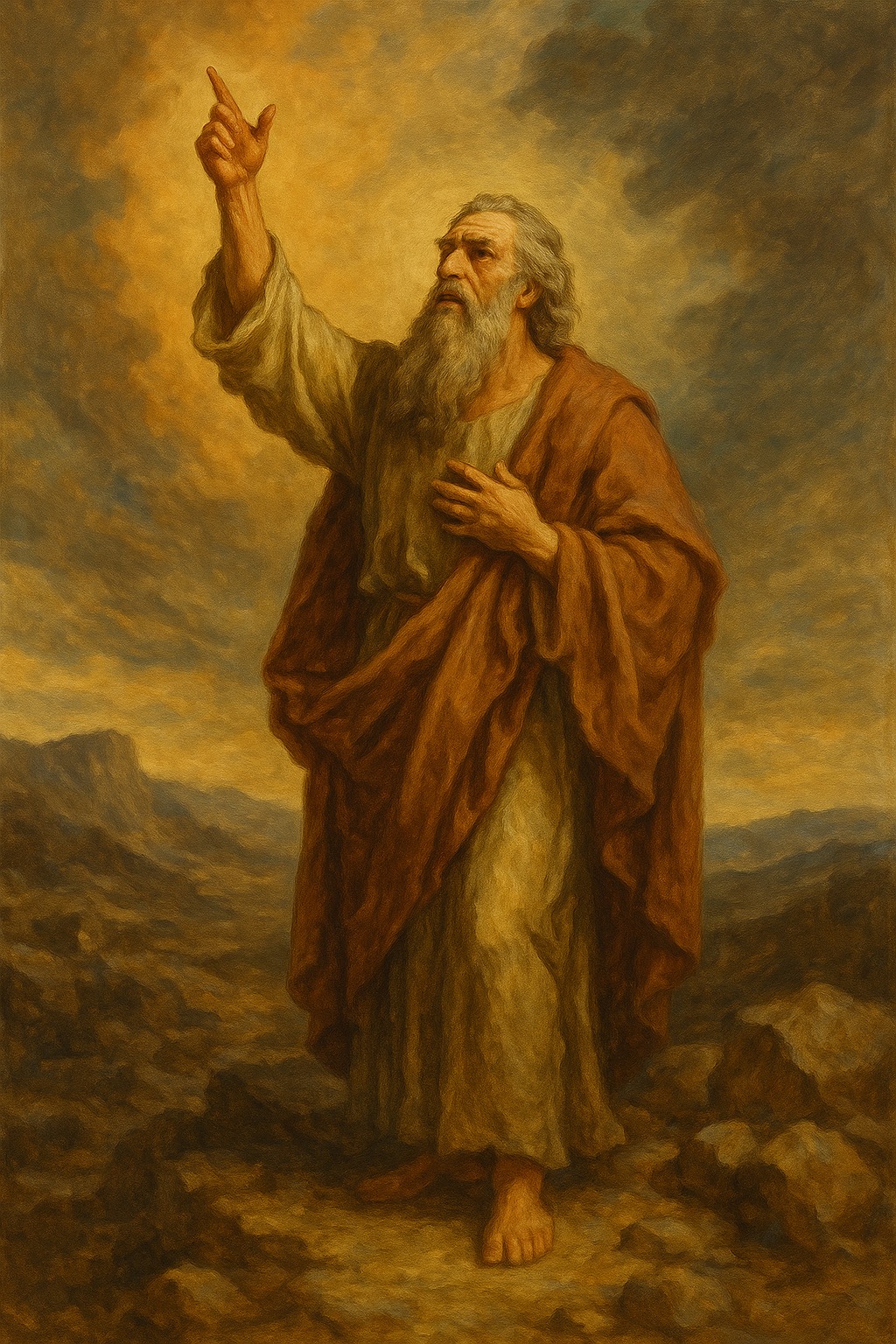
The prophet Ezekiel ministered during one of the most turbulent times in Israel’s history: the Babylonian exile of the sixth century B.C. While much of his prophecy focused on the sins and restoration of Israel, Ezekiel also recorded detailed oracles against surrounding nations.
-
Daniel’s Seventy Weeks and Messianic Fulfillment
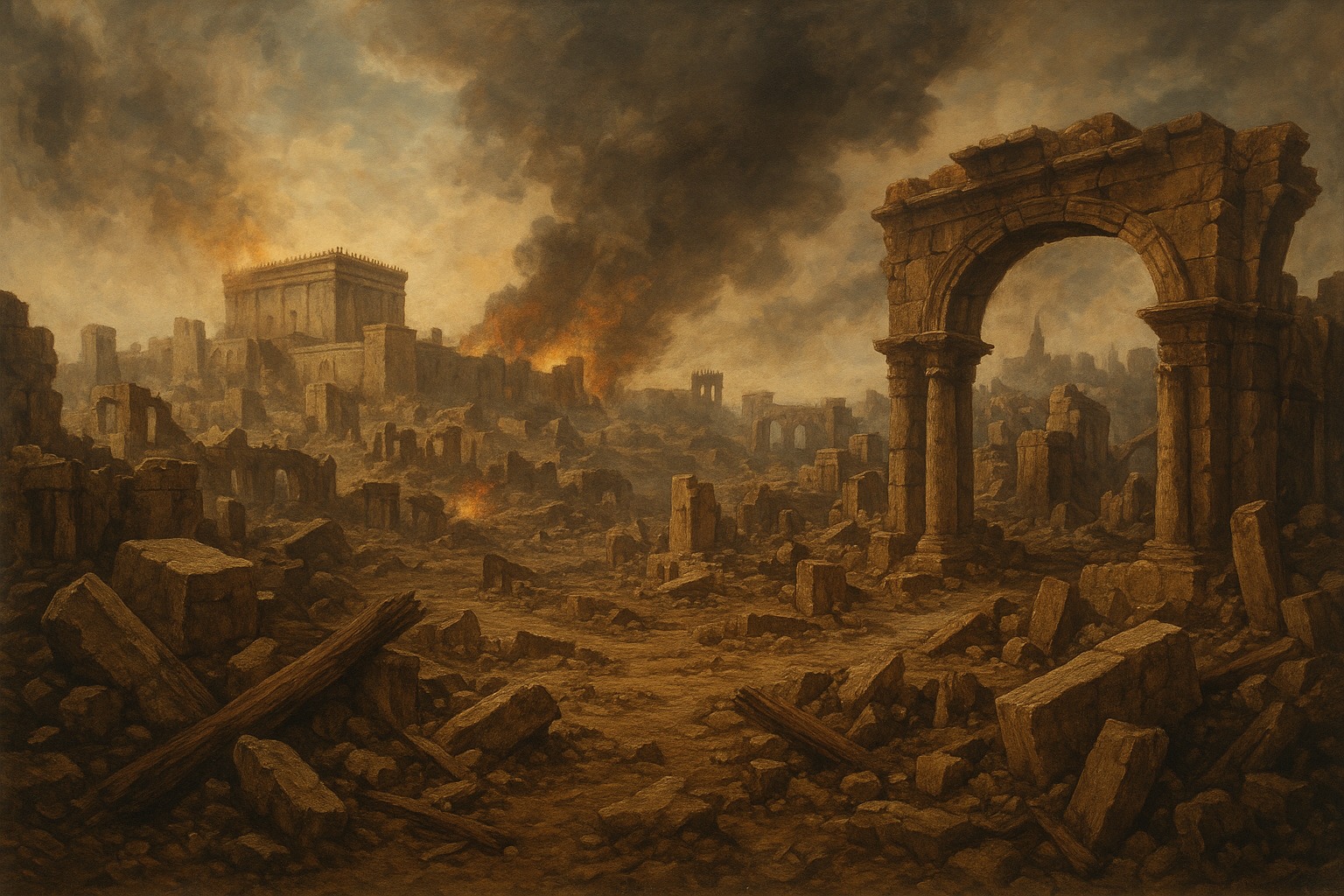
Among the most remarkable prophecies in Scripture is the vision of the Seventy Weeks in Daniel 9:24–27. Delivered to Daniel by the angel Gabriel, this prophecy outlines a precise timetable for God’s redemptive plan, culminating in the coming of the Messiah and the ultimate triumph of God’s kingdom. Scholars and believers alike regard it as…
-
Prophecies of the Messiah in Isaiah
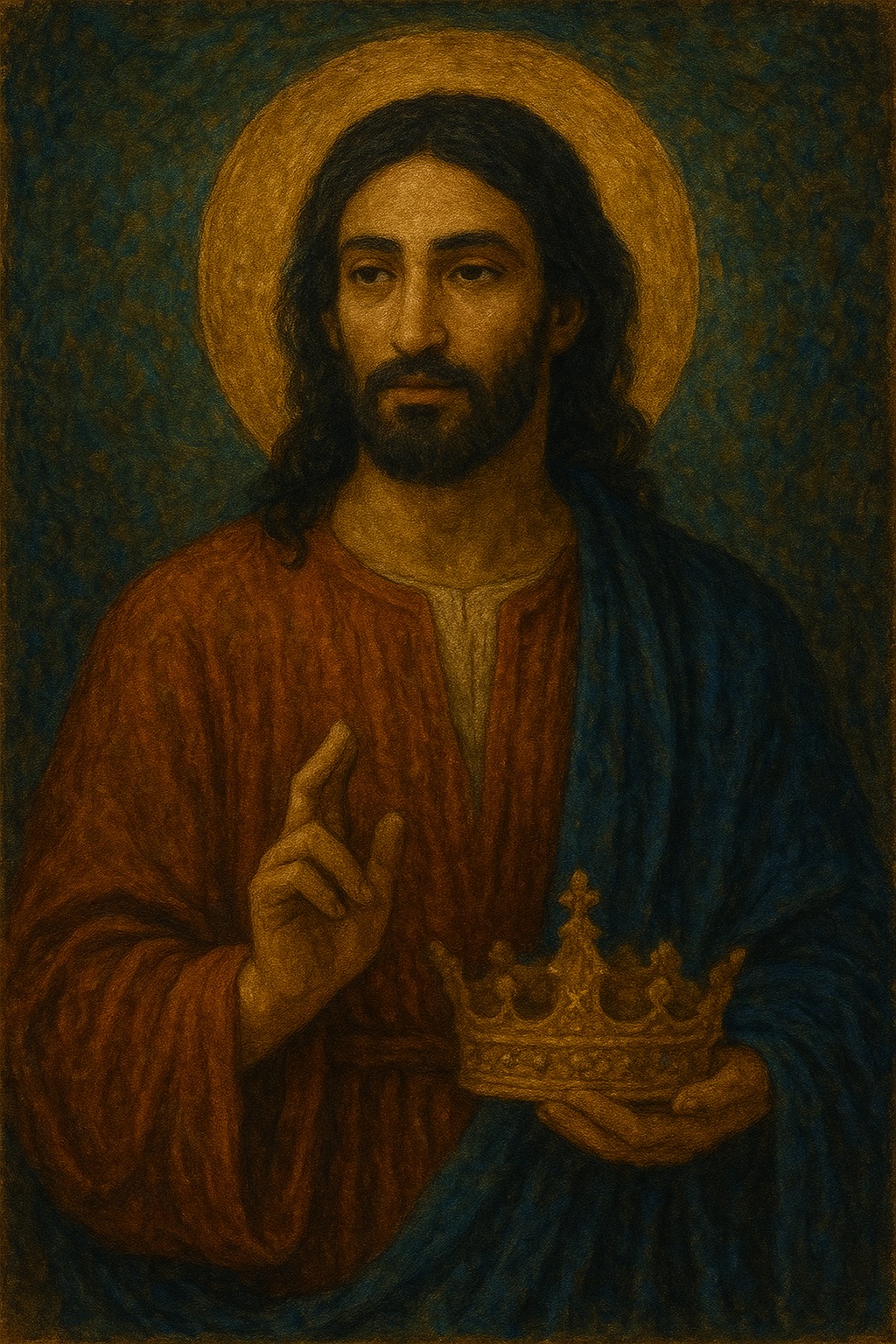
The book of Isaiah stands as one of the most profound prophetic works in the Old Testament. Written over seven centuries before the birth of Christ, it contains some of the clearest and most detailed prophecies about the coming Messiah. Isaiah is often called “the fifth Gospel” because of its rich Messianic themes, ranging from…
-
Archaeology and the Historicity of Israel
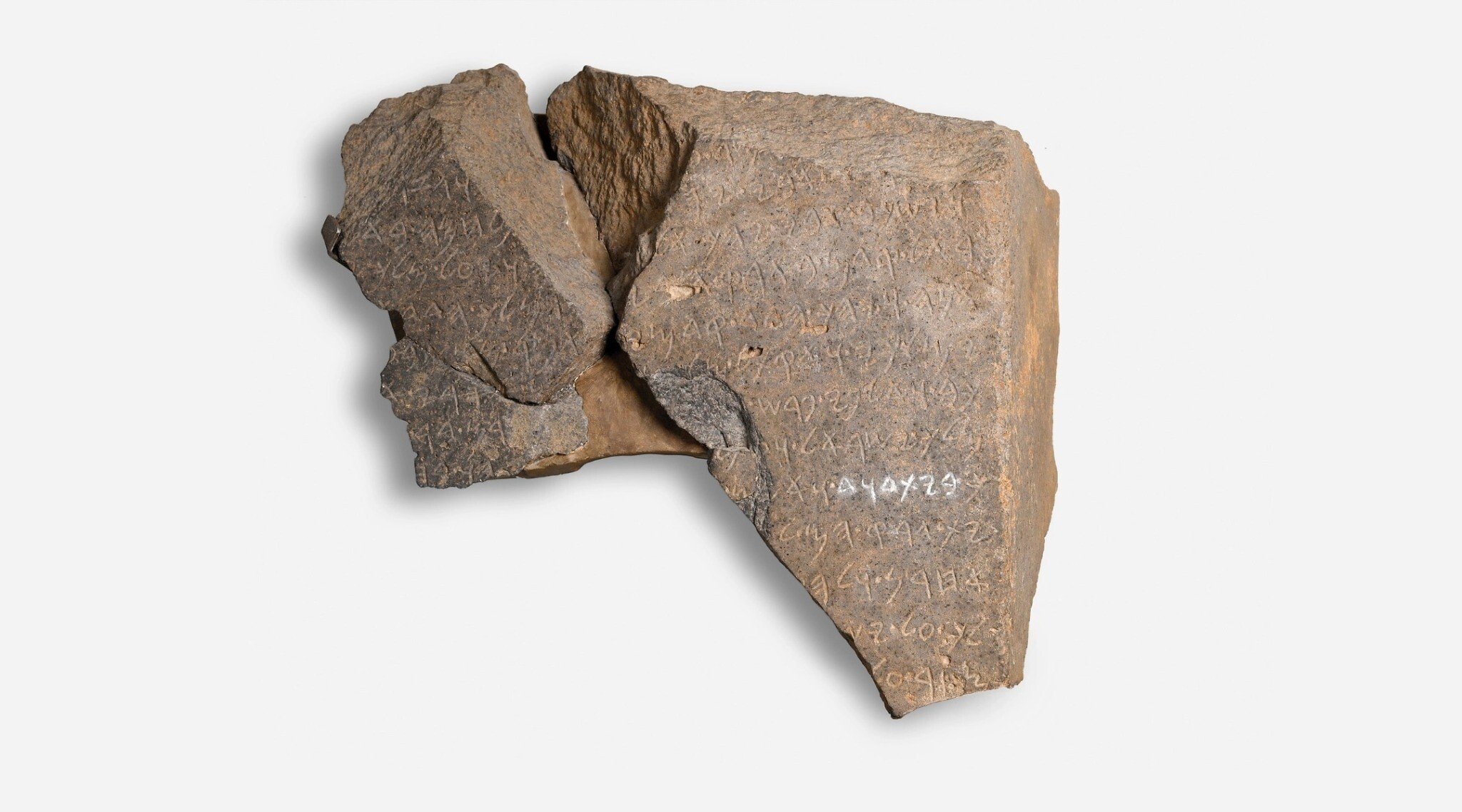
Archaeology has become one of the most powerful tools in understanding the Bible’s historical setting. While archaeology cannot prove every detail of Scripture, discoveries repeatedly confirm the reality of Israel’s existence, the authenticity of its kings, and the accuracy of biblical events. Critics have often doubted Israel’s history, but spades in the ground continue to…
-
Prophecy as Evidence of Scripture’s Reliability

The Bible’s reliability is supported by fulfilled prophecies regarding nations, Israel, and the Messiah, demonstrating divine origin and specific predictions. Historical events confirm prophecies, such as Israel’s restoration in 1948 and the specifics of Christ’s life. Prophecy strengthens believers’ faith, assuring them of God’s sovereignty and the truth of Scripture.
-
Genealogies, DNA, and the Peoples of the Bible
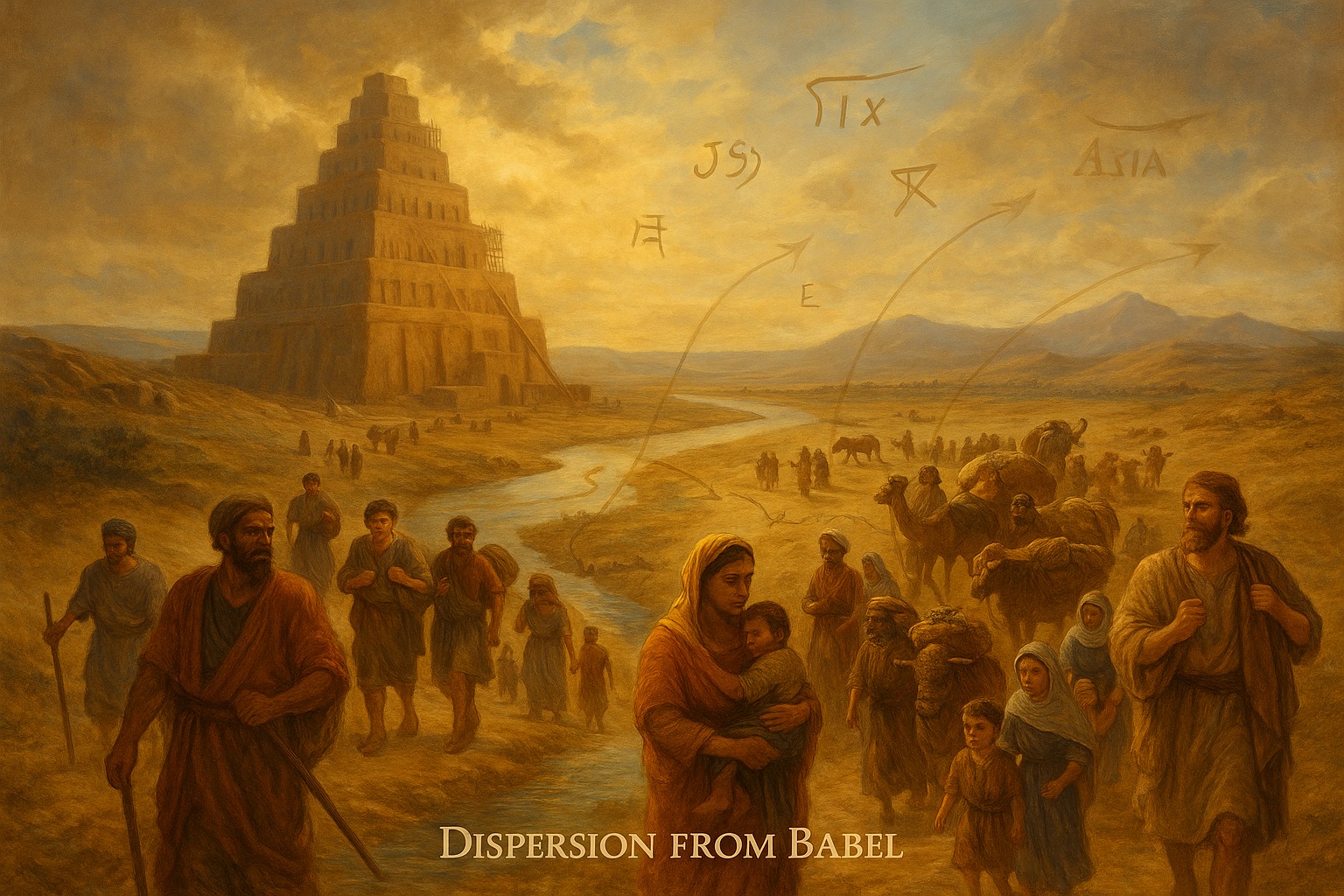
The Bible places remarkable emphasis on genealogies, tracing family lines from Adam to Christ. These genealogies are more than records of ancestry; they demonstrate God’s covenant faithfulness, connect Israel to the nations, and ultimately point to the Messiah. In modern times, advances in genetics and DNA studies raise questions about whether science can illuminate biblical…
-
Leaders During Isaiah 3

Isaiah 3 provides a sobering picture of leadership collapse in Judah. God declares that He will remove the nation’s strong leaders and replace them with immature, unqualified rulers. This passage reveals how corrupt leadership is both a judgment from God and a sign of societal decline. By studying Isaiah 3 in its historical and prophetic…
-
Ruth’s Moabite Heritage and David’s Line
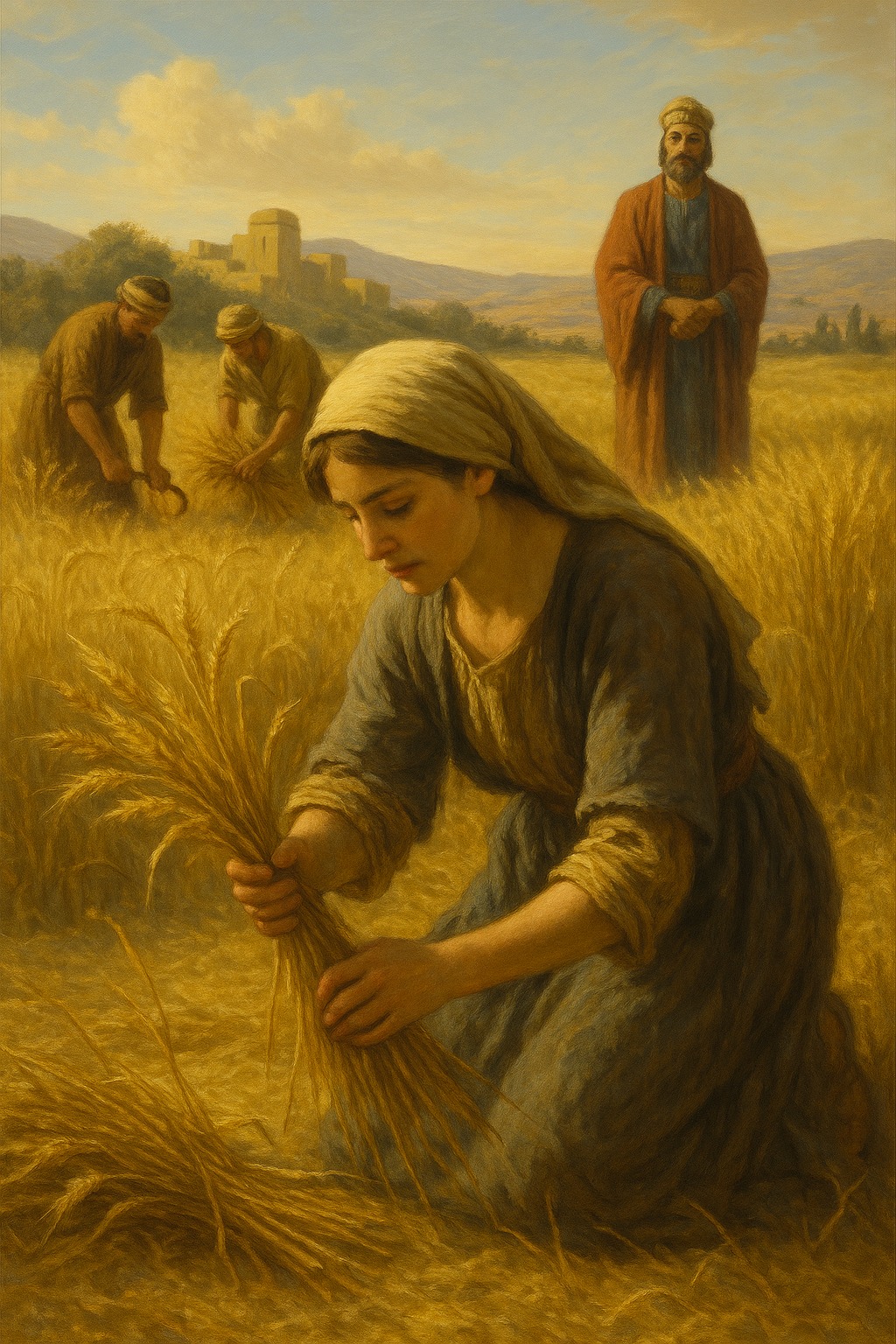
The story of Ruth stands as one of the most remarkable accounts in the Bible, not only for its narrative beauty but also for its theological depth. Ruth, a Moabitess, became the great-grandmother of King David and part of the Messianic line leading to Christ. Her heritage seemed disqualifying: the Moabites originated from Lot’s incestuous…
-
Samuel’s Unique Role as Judge, Prophet, and Priest
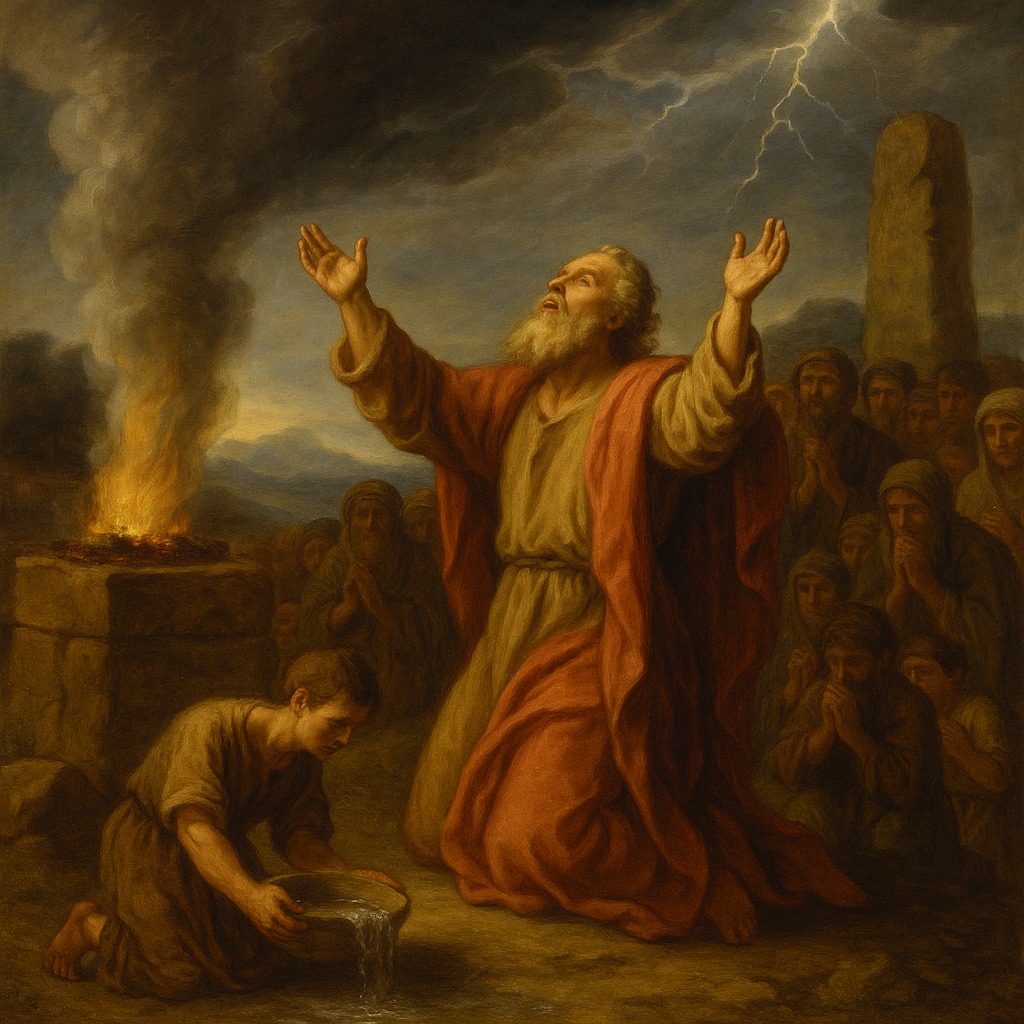
Among Israel’s great leaders, Samuel stands uniquely as judge, prophet, and priest. At a time when the nation was transitioning from the era of judges to the monarchy, Samuel guided Israel with spiritual authority, judicial leadership, and priestly intercession. He anointed kings, rebuked sin, and interceded for the people, bridging the period from tribal confederacy…
-
Why Jesse Was Ashamed of David
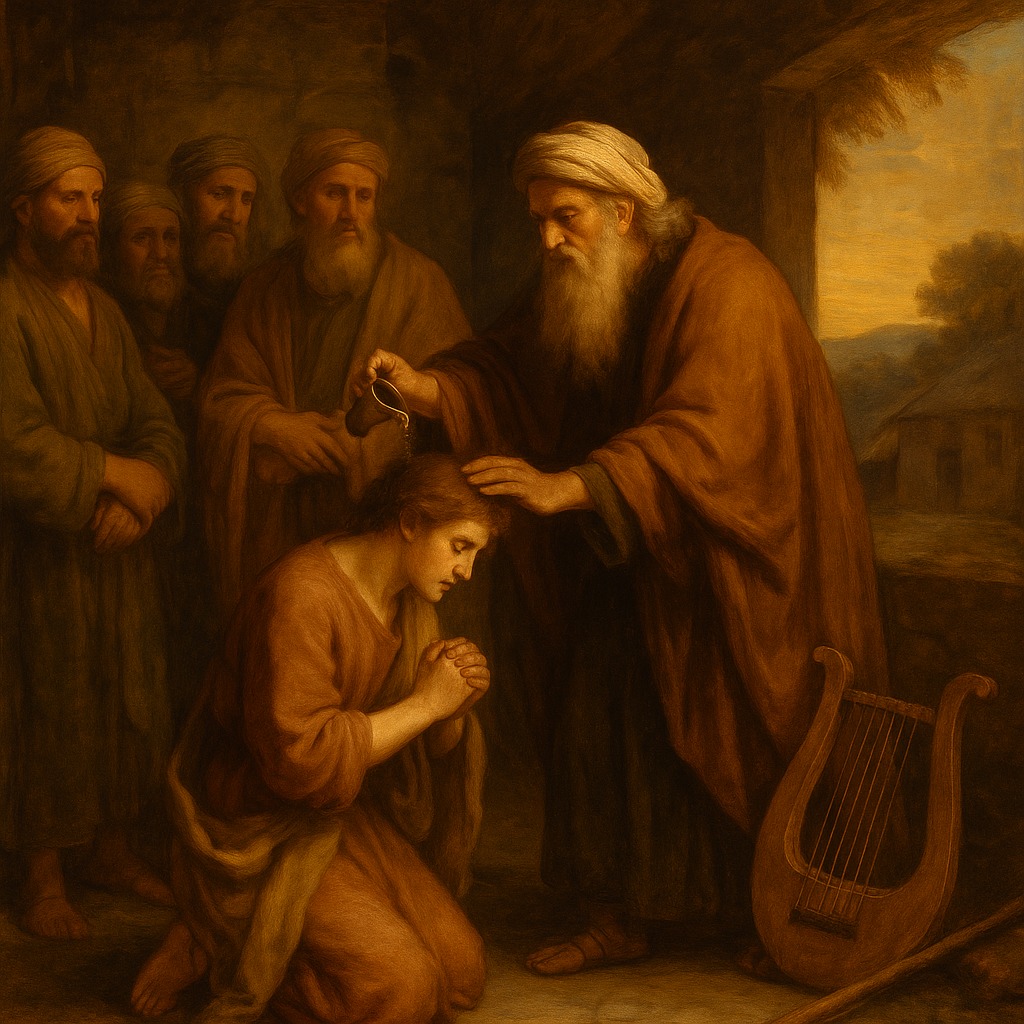
David, the shepherd boy who became Israel’s greatest king, was not immediately recognized by his own family. When Samuel came to anoint the next king, Jesse presented seven of his sons but withheld David, who was tending the sheep. This raises a question: why did Jesse seem reluctant, even ashamed, to bring David forward? By…


