
Topical Studies
-
The Bronze Serpent and the Cross: Archaeological Echoes of Healing and Redemption in the Ancient World
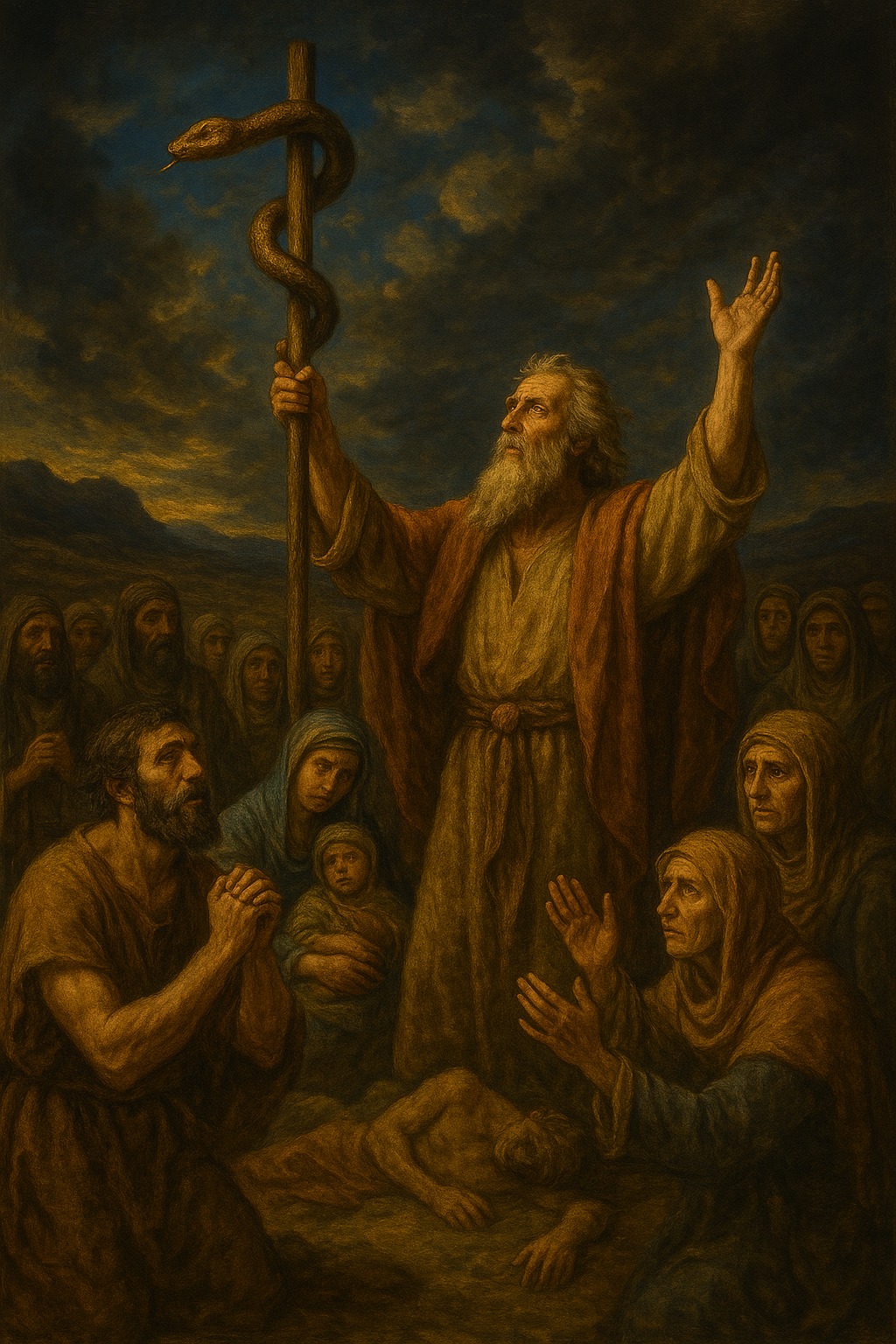
Among the many symbols woven into the tapestry of Scripture, few carry as much paradox and prophetic depth as the bronze serpent raised by Moses in the wilderness. What appears at first as an act of desperation, lifting a bronze image to heal a plague of venomous bites, emerges in the New Testament as one…
-
The Tabernacle, the Ark, and Archaeological Corroboration of Israel’s Worship in the Wilderness
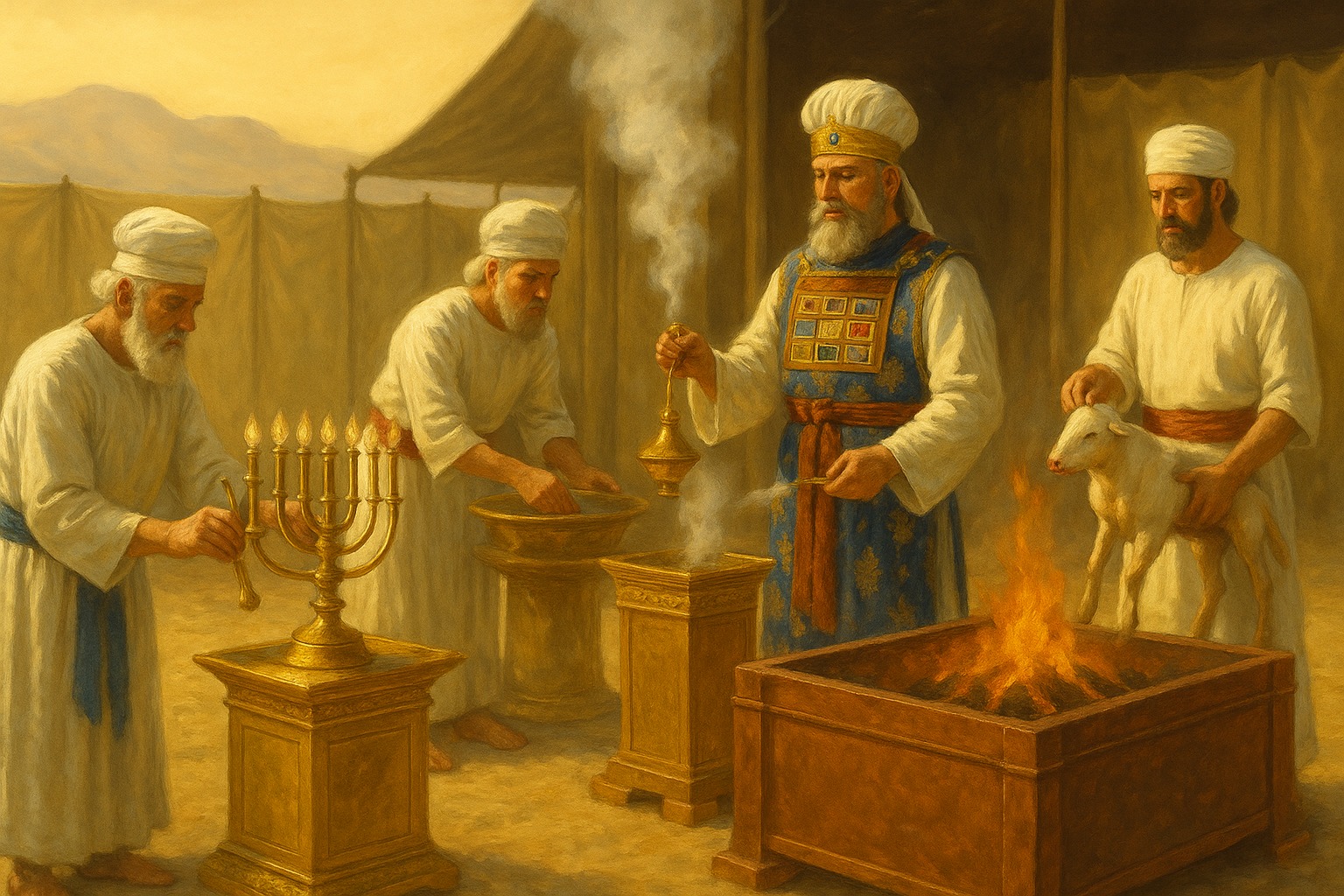
The tabernacle stands as one of the most significant structures in biblical history, not because of grandeur or permanence, but because it symbolized the dwelling of God among His people. In the wilderness, long before the construction of Solomon’s Temple, Israel carried a portable sanctuary designed according to divine revelation.
-
The Historical Reliability of the Exodus and Mount Sinai
in : Evidenceby :
Tags :Archaeology, covenant, evidence, Exodus, History, Israel, Kingdom, Leviticus, Messiah, prophecy, Reliability, Scripture, Watchfulness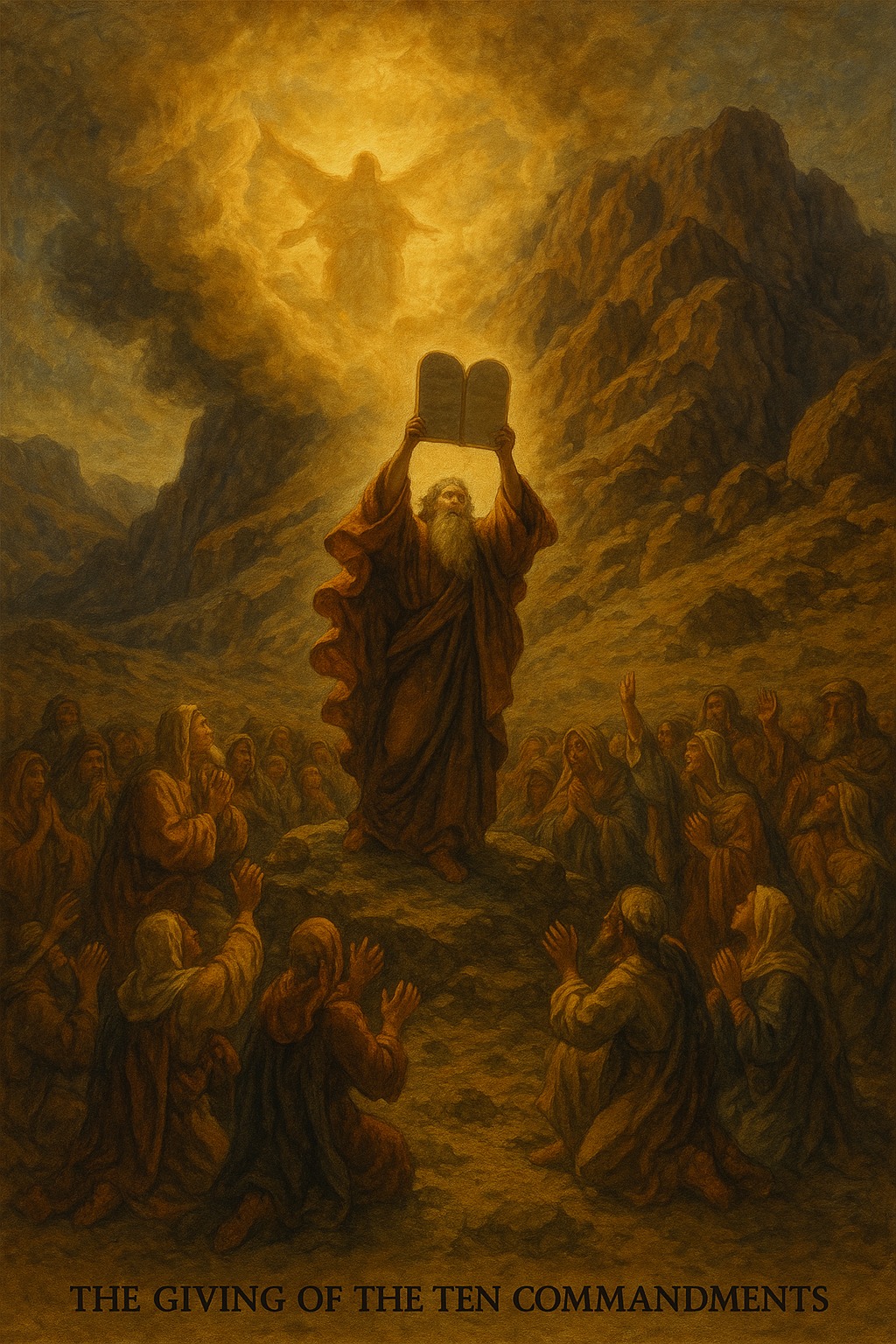
The Exodus stands at the heart of Israel’s national and spiritual identity. It is the story of God’s mighty deliverance, how He brought His people out of bondage in Egypt with a strong hand and an outstretched arm. Yet, modern critics have often dismissed the Exodus as a legend or theological symbolism rather than a…
-
Marriage of the Lamb – Ceremony and Feast in Prophetic Context
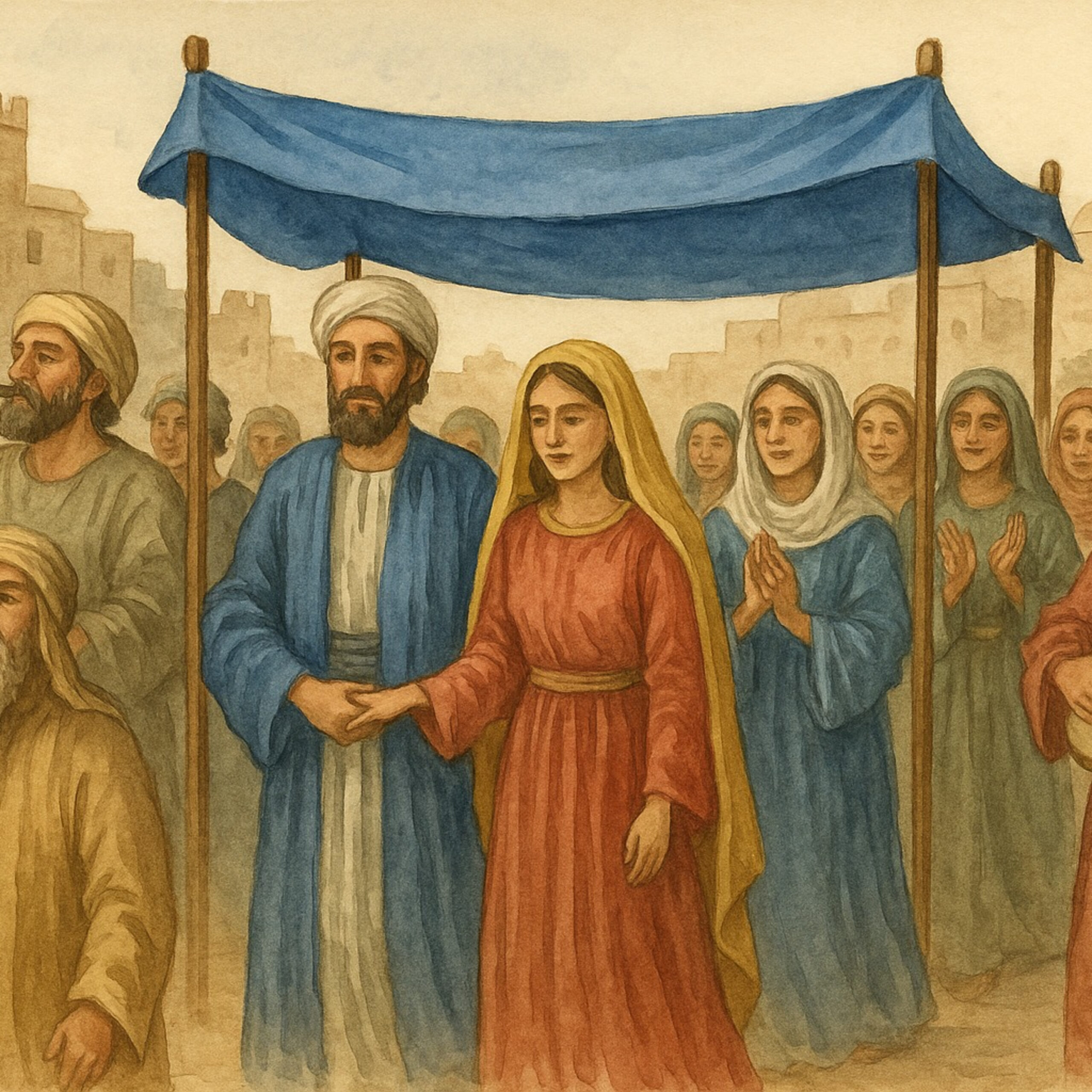
The “Marriage of the Lamb” in Revelation 19:7–9 is one of the most vivid prophetic images in Scripture. It portrays the consummation of the covenant relationship between Christ and His people. The imagery draws deeply fromancient Jewish wedding customs, which highlight betrothal, covenant, ceremony, and feast. To understand this prophecy, we must examine the cultural…
-
Archaeological Proofs of the Patriarchs and the Early Nation of Israel

The historical reality of the patriarchs, Abraham, Isaac, and Jacob, as well as the early formation of Israel, has long been debated by scholars. Yet over the past century, archaeology has continually illuminated the truth of the biblical record, revealing that the stories of Genesis and Exodus rest not on myth but on authentic history.
-
Idolatry, Scorpions, and Scapegoats – Israel’s Divided Kingdom
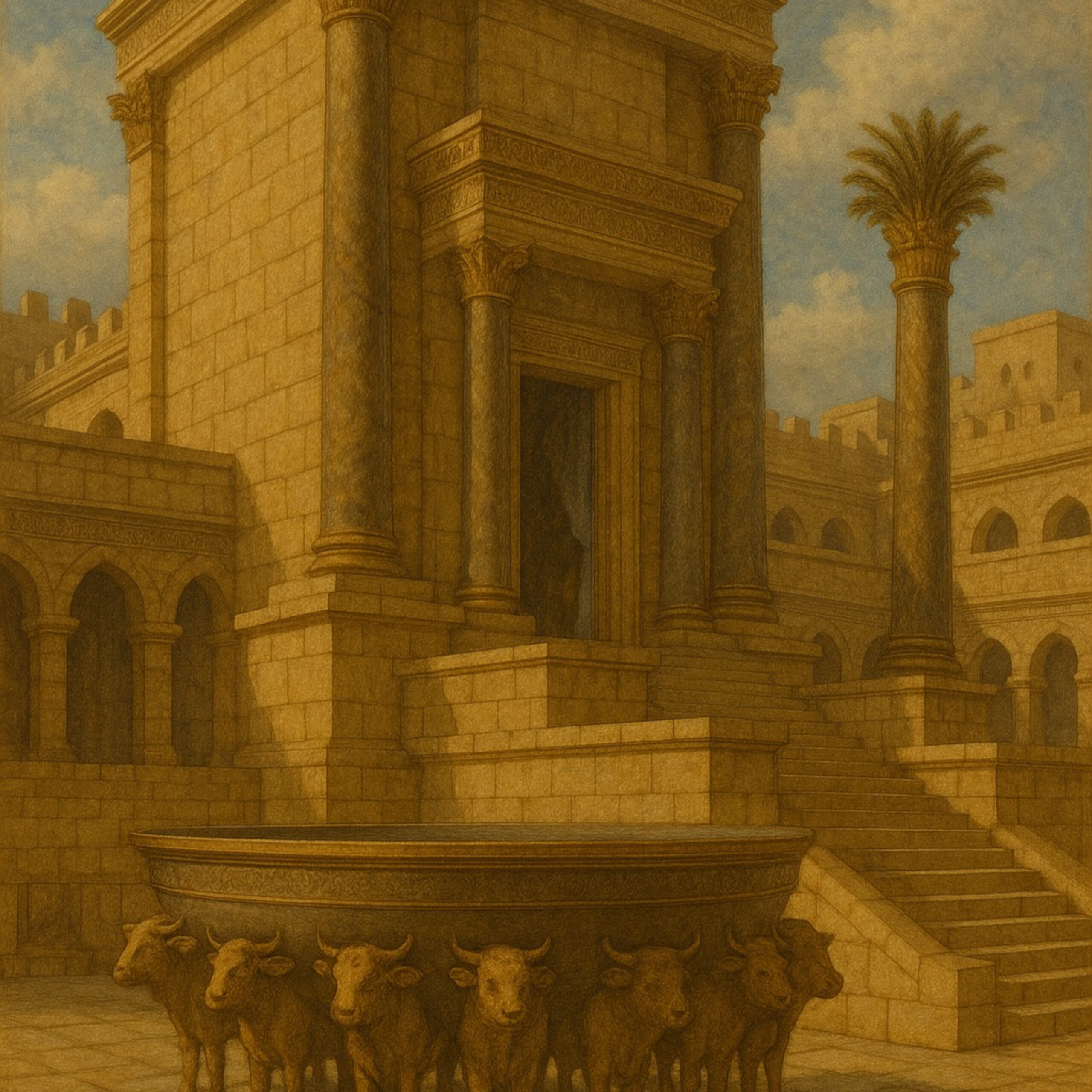
The United Monarchy of Israel reached its high point under David and Solomon. Yet the seeds of division were sown during Solomon’s later years, when idolatry and heavy taxation weakened the kingdom. After his death, the nation split into two: the northern kingdom of Israel and the southern kingdom of Judah. This division ushered in…
-
The Rise of the Israelite Monarchy: Saul, David, and Solomon
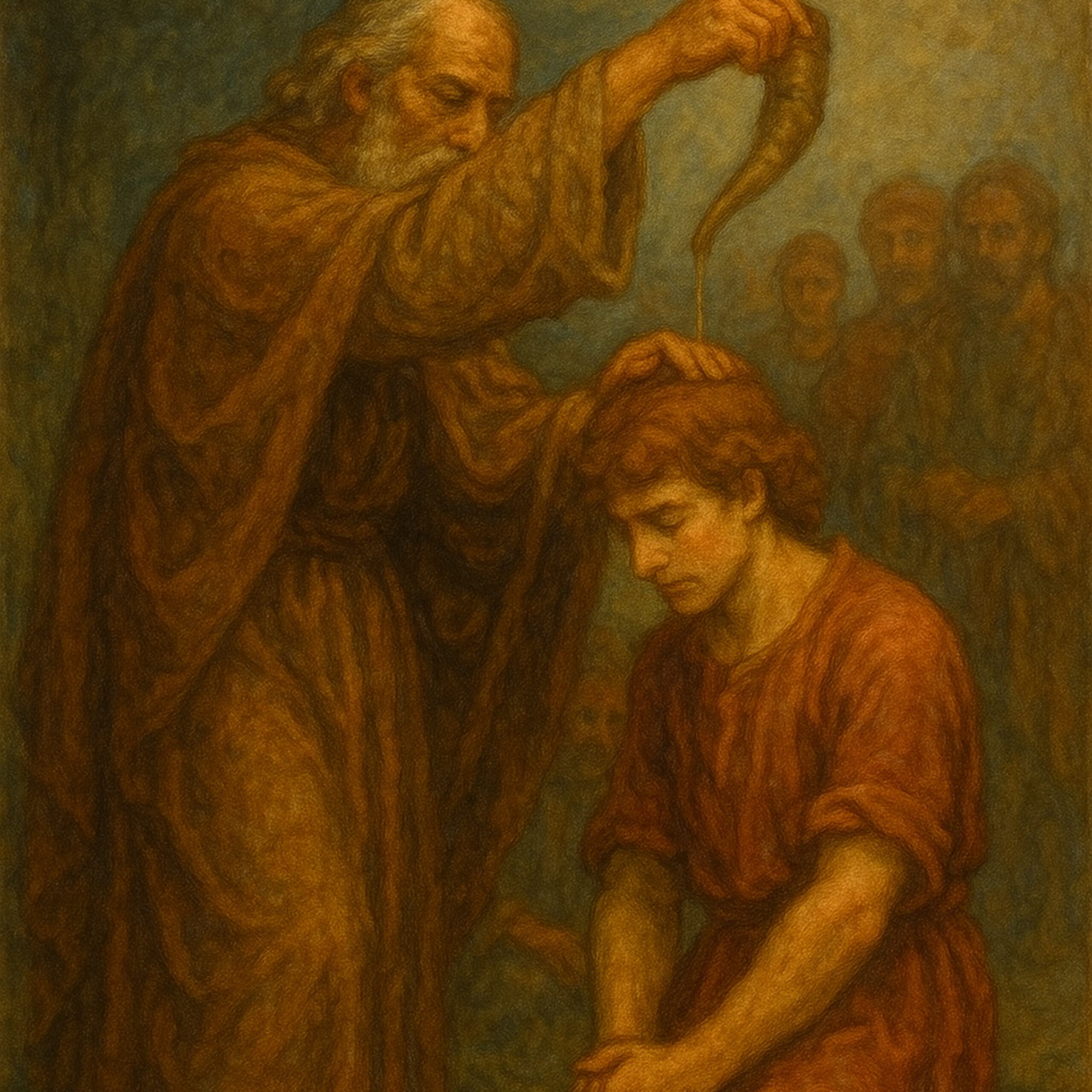
The rise of the monarchy in Israel marks a turning point in biblical history. Up until the time of Samuel, Israel had been a tribal confederation, loosely united under judges whom God raised during times of crisis. But the people longed for stability, strength against their enemies, and a visible ruler like the nations around…
-
Peter — The Rock of Restoration and Witness of Grace
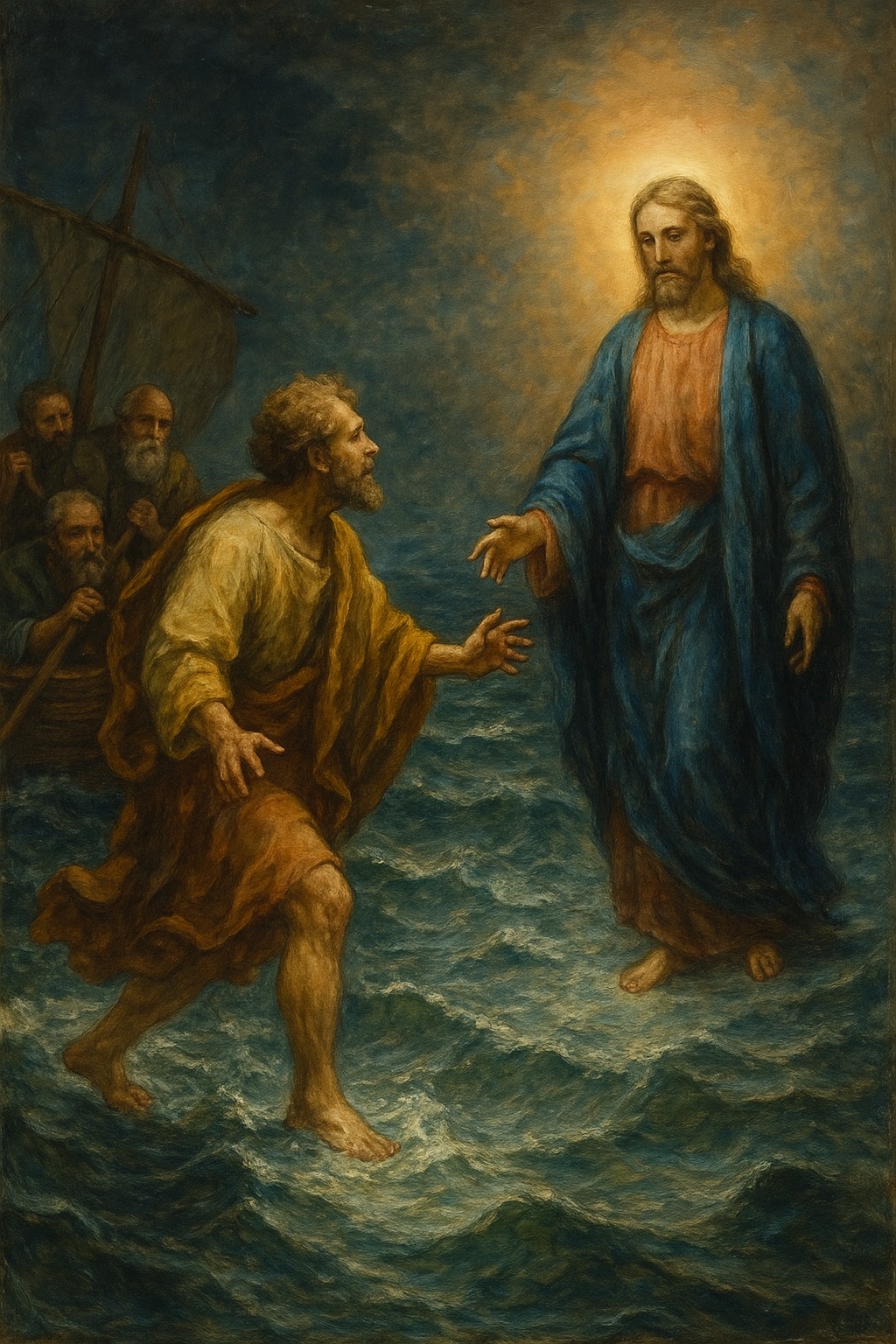
Among the apostles of Jesus Christ, none embodies the journey from weakness to strength more profoundly than Peter. Impulsive yet passionate, bold yet flawed, Peter’s life traces the transformation of an ordinary fisherman into a foundational leader of the early Church. His name, given by Christ, means “rock,” and though he wavered at times, he…
-
The Promised Land of Israel – Conquest and Covenant

The conquest of Canaan under Joshua fulfills God’s promises to Abraham, Isaac, and Jacob. After centuries of anticipation, Israel finally entered the land God had sworn to give them. This period, described in the book of Joshua and echoed in Judges, is both a story of triumph and a sober reminder of the dangers of…
-
Elijah — The Prophet of Fire and the Voice of Revival
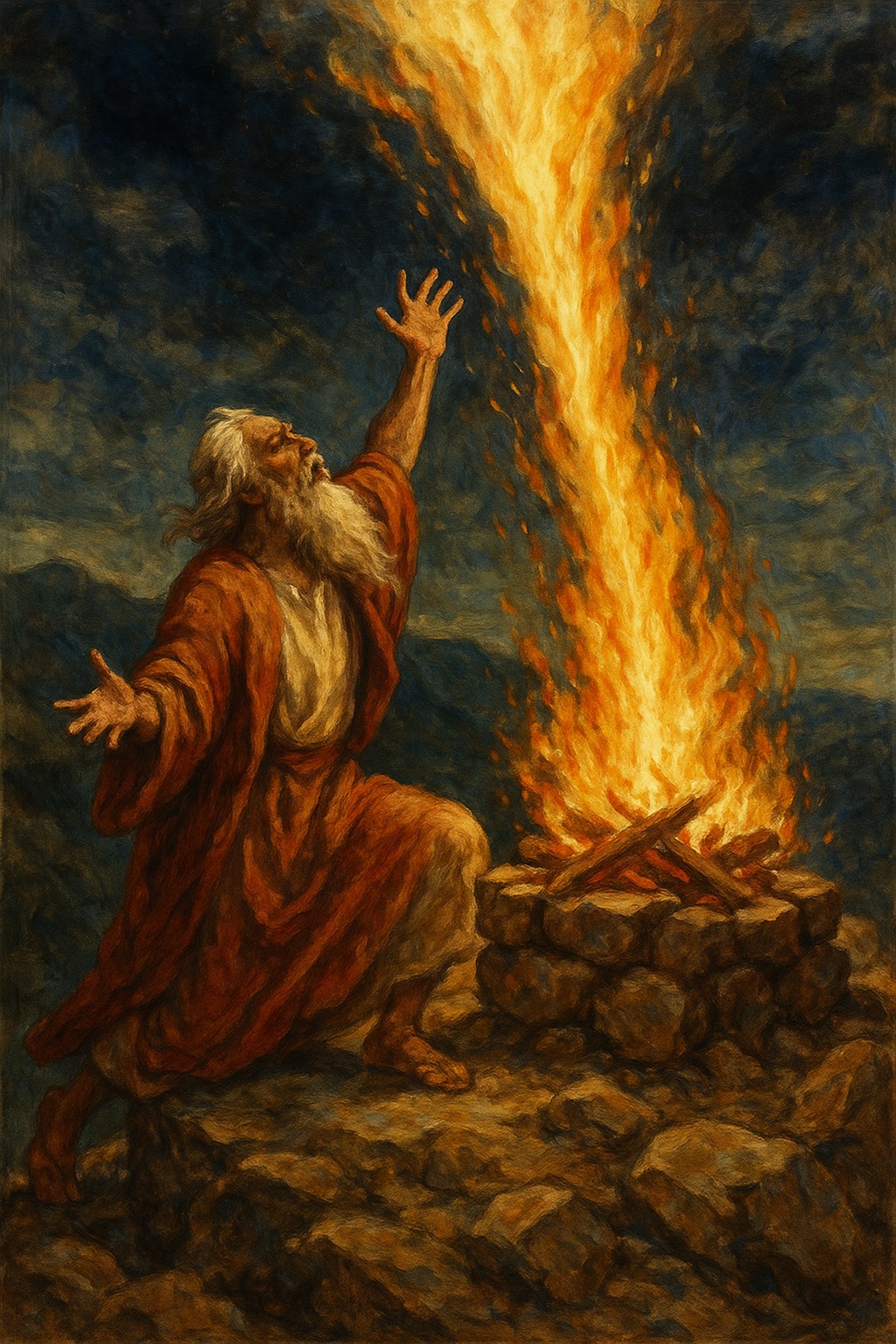
Elijah stands as one of the most powerful and enigmatic figures in the Old Testament. His very name means “My God is the LORD,” and his ministry embodied that declaration in an age of widespread apostasy. Appearing suddenly during the reign of King Ahab, Elijah’s prophetic voice called Israel to repentance, confronted idolatry, and demonstrated…
