
Topical Studies
-
The Final Roadmap – Unpacking the Dual Phases of Christ’s Return
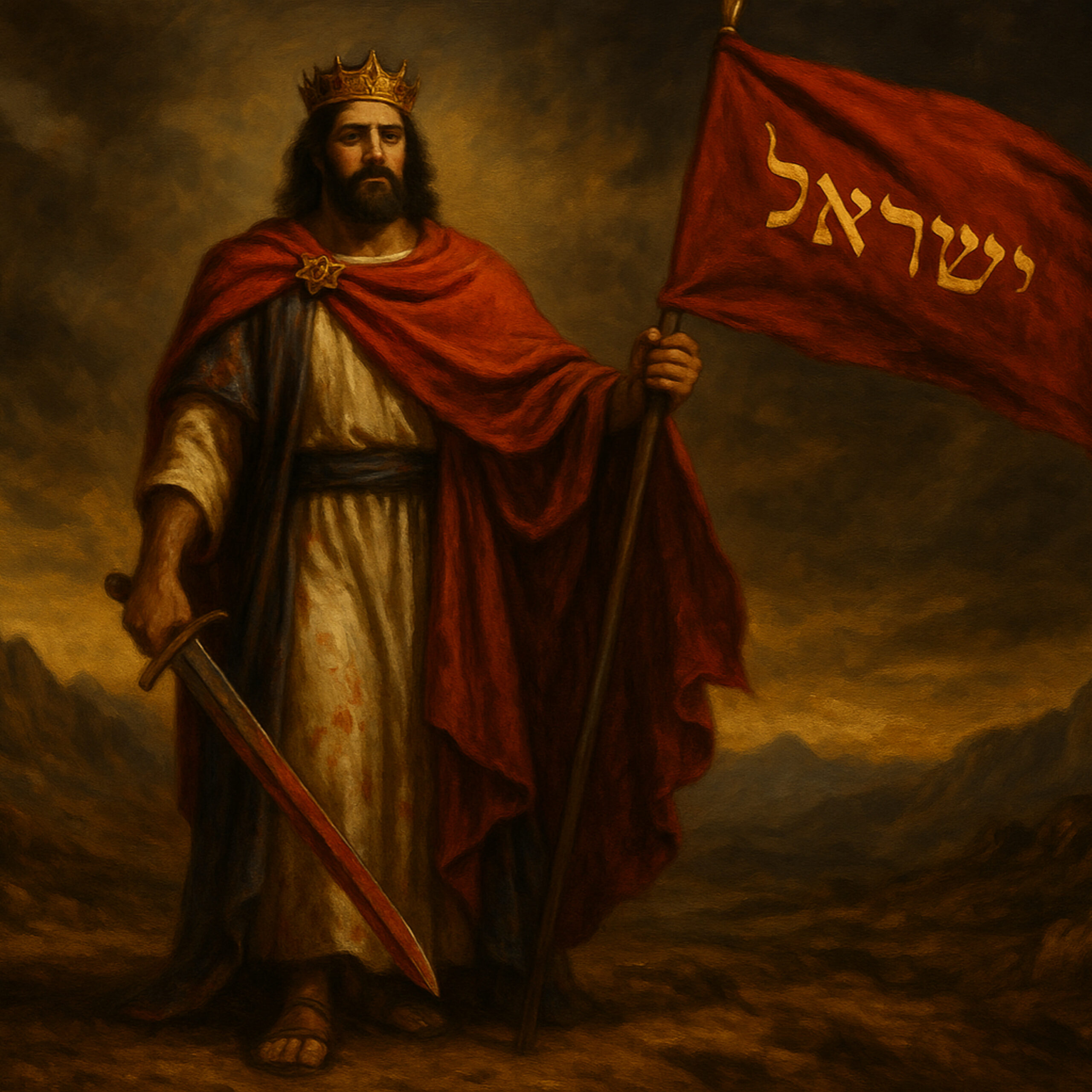
The return of Jesus Christ stands as the blessed hope of all believers and the climax of God’s redemptive plan. From Genesis to Revelation, Scripture points toward this moment when the King of kings will return to establish righteousness, defeat evil, and renew creation. The Second Coming is not merely an event in prophecy; it…
-
The Bronze Serpent and the Cross: Archaeological Echoes of Healing and Redemption in the Ancient World
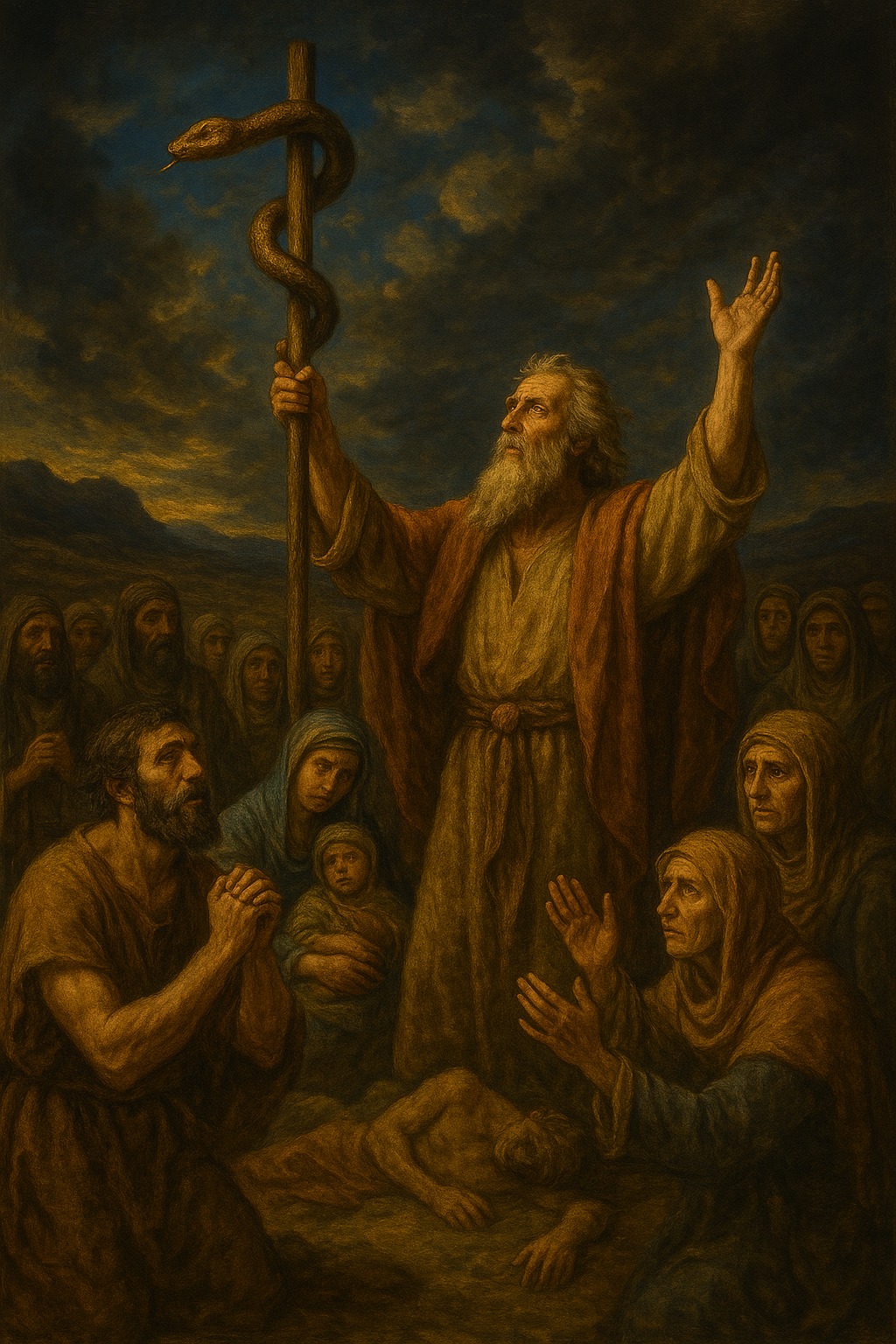
Among the many symbols woven into the tapestry of Scripture, few carry as much paradox and prophetic depth as the bronze serpent raised by Moses in the wilderness. What appears at first as an act of desperation, lifting a bronze image to heal a plague of venomous bites, emerges in the New Testament as one…
-
The Historical Reliability of the Exodus and Mount Sinai
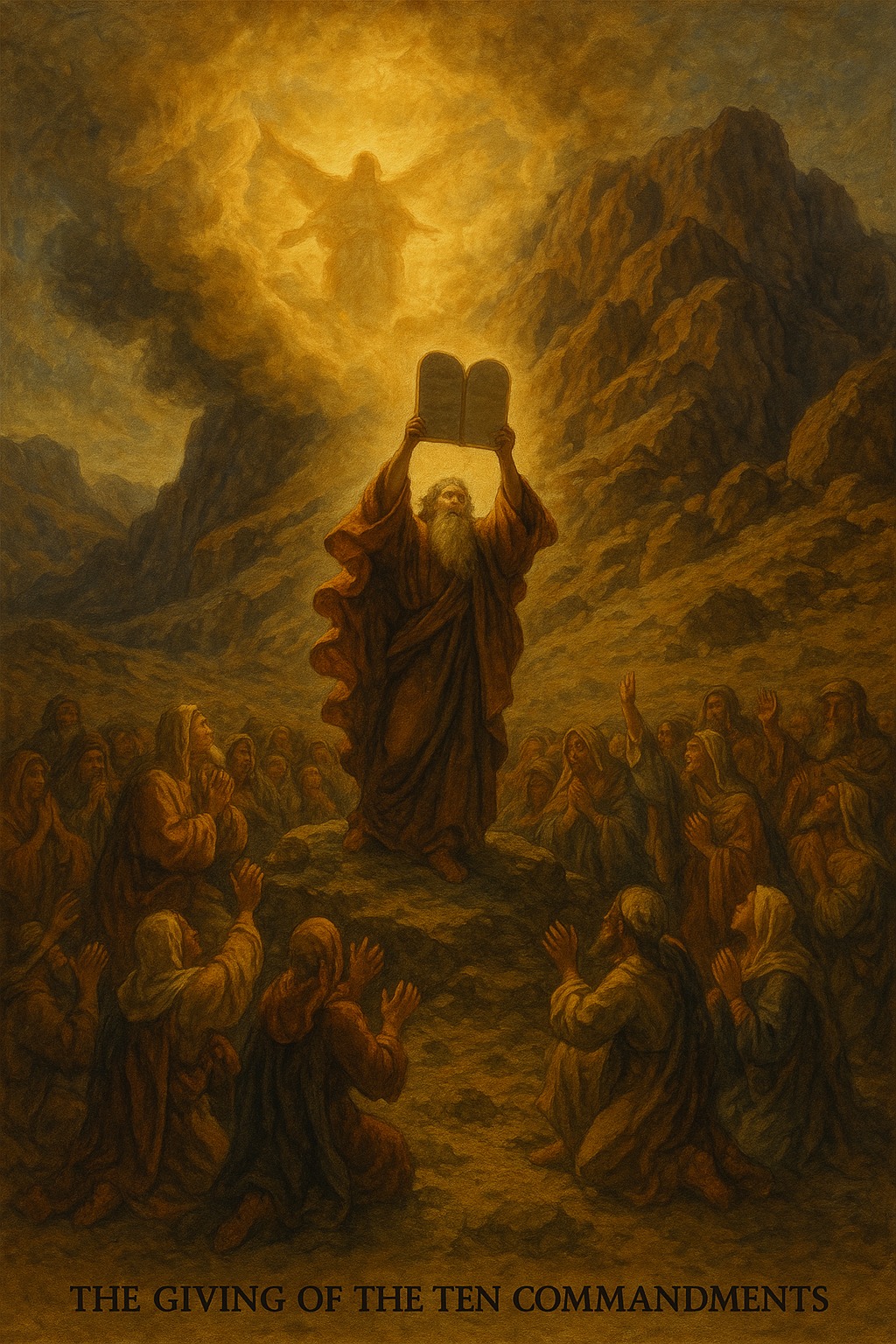
The Exodus stands at the heart of Israel’s national and spiritual identity. It is the story of God’s mighty deliverance, how He brought His people out of bondage in Egypt with a strong hand and an outstretched arm. Yet, modern critics have often dismissed the Exodus as a legend or theological symbolism rather than a…
-
Marriage of the Lamb – Ceremony and Feast in Prophetic Context
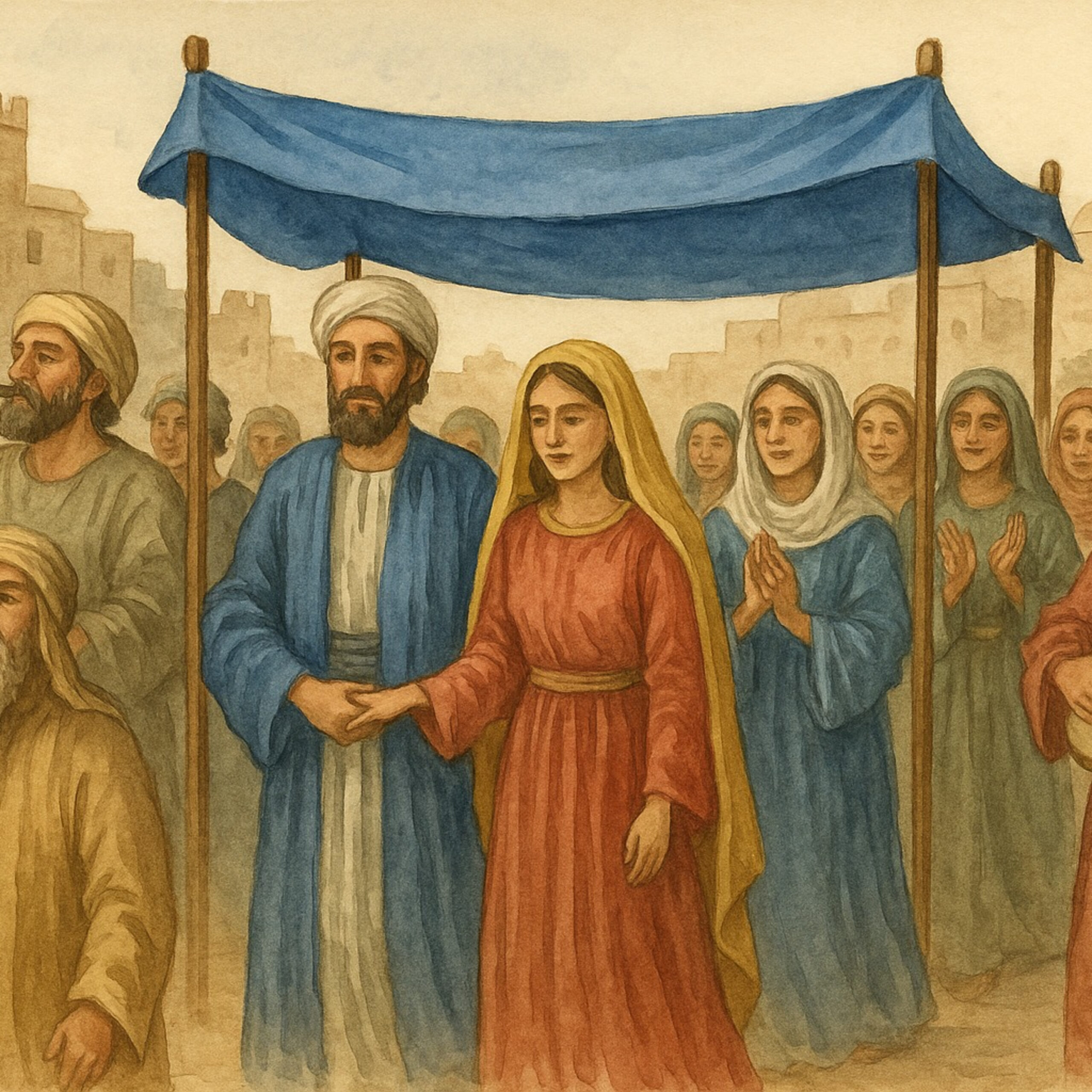
The “Marriage of the Lamb” in Revelation 19:7–9 is one of the most vivid prophetic images in Scripture. It portrays the consummation of the covenant relationship between Christ and His people. The imagery draws deeply fromancient Jewish wedding customs, which highlight betrothal, covenant, ceremony, and feast. To understand this prophecy, we must examine the cultural…
-
The Apocalypse Fulfilling God’s Plan
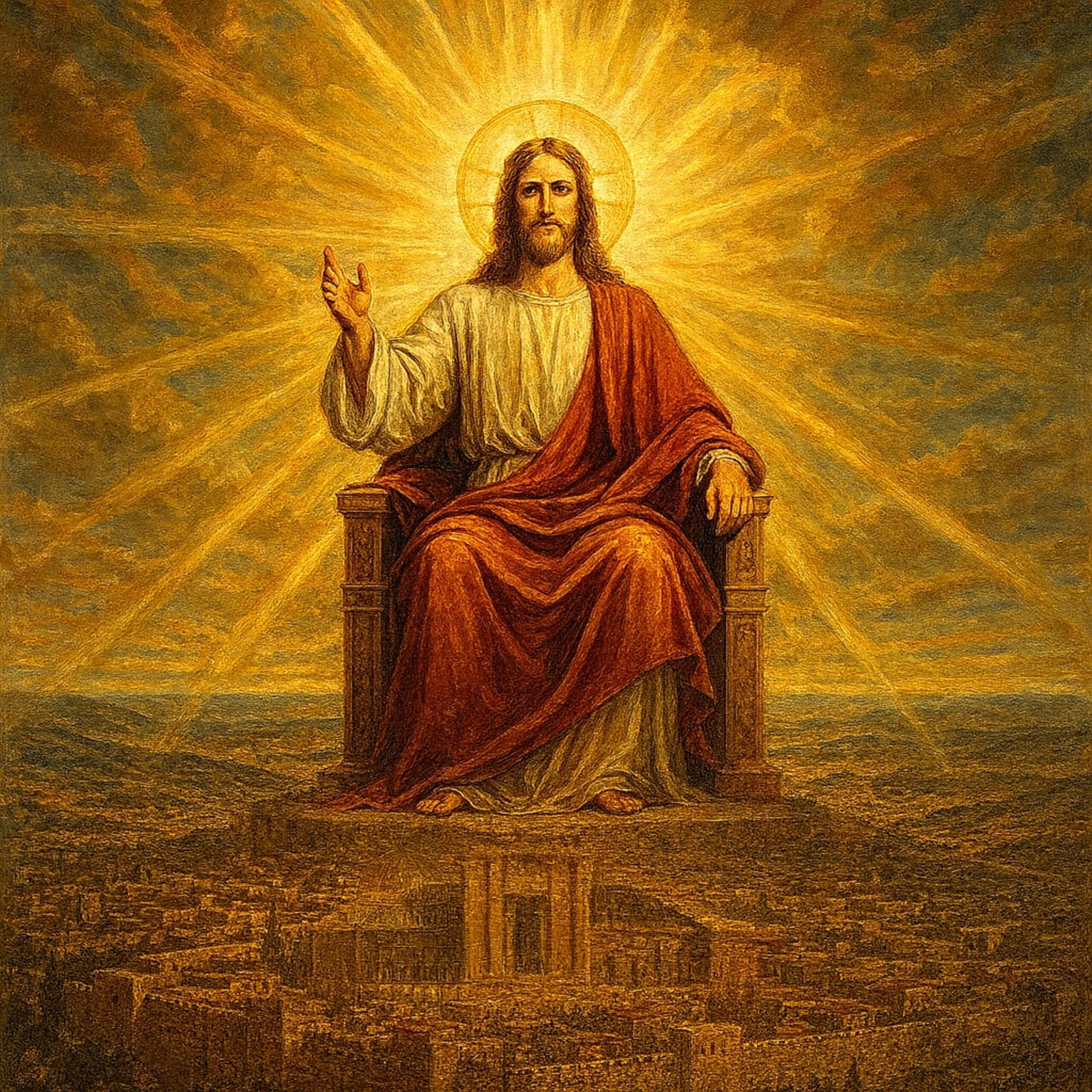
The Book of Revelation, the final book of the Bible, is rich in imagery and language drawn from the Old Testament. From Genesis to Malachi, echoes of earlier prophecies resound in John’s visions. Far from being a new or disconnected revelation, the Apocalypse weaves together centuries of prophecy into one climactic conclusion. Revelation shows the…
-
Elijah — The Prophet of Fire and the Voice of Revival
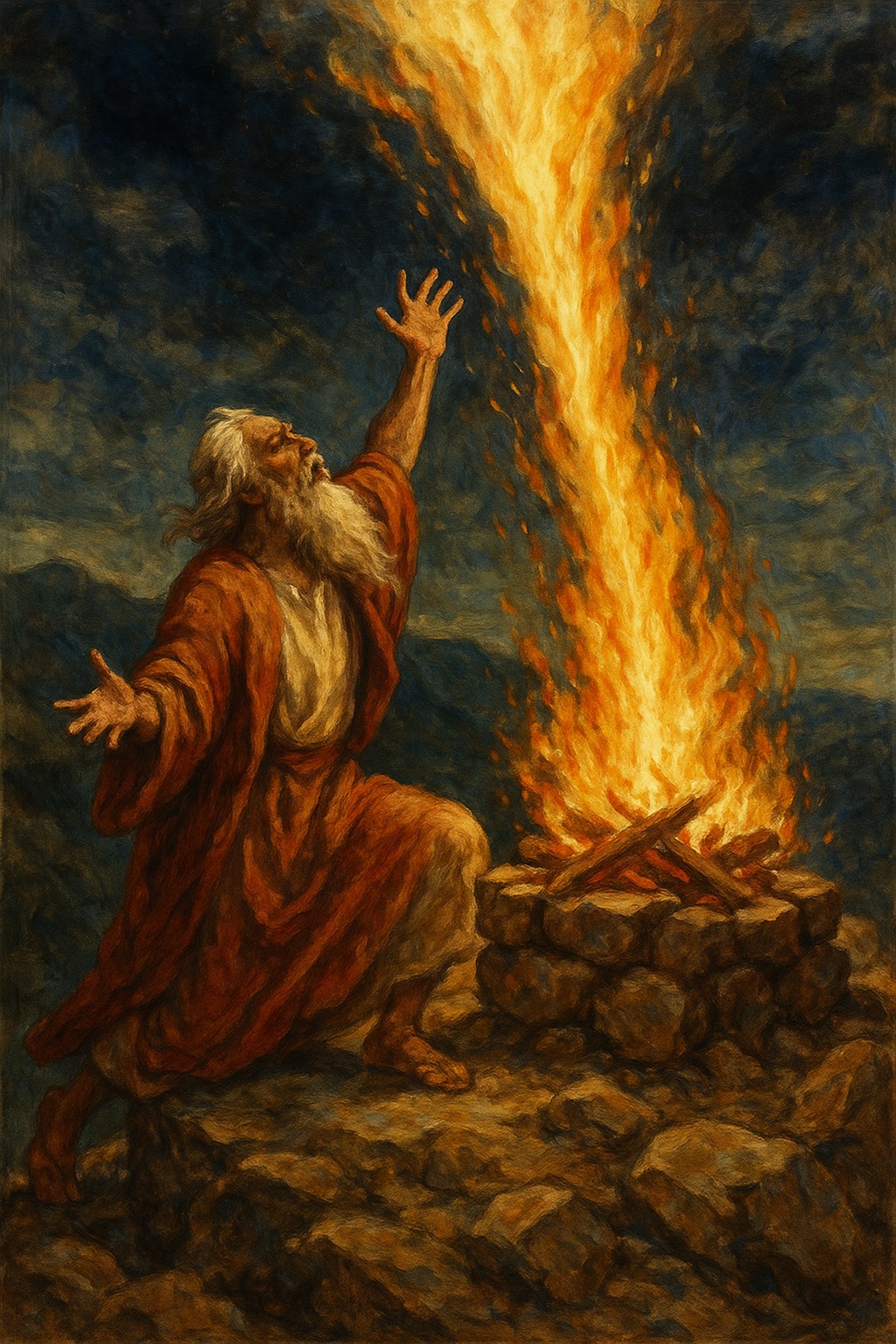
Elijah stands as one of the most powerful and enigmatic figures in the Old Testament. His very name means “My God is the LORD,” and his ministry embodied that declaration in an age of widespread apostasy. Appearing suddenly during the reign of King Ahab, Elijah’s prophetic voice called Israel to repentance, confronted idolatry, and demonstrated…
-
David — The Shepherd King and Covenant Promise
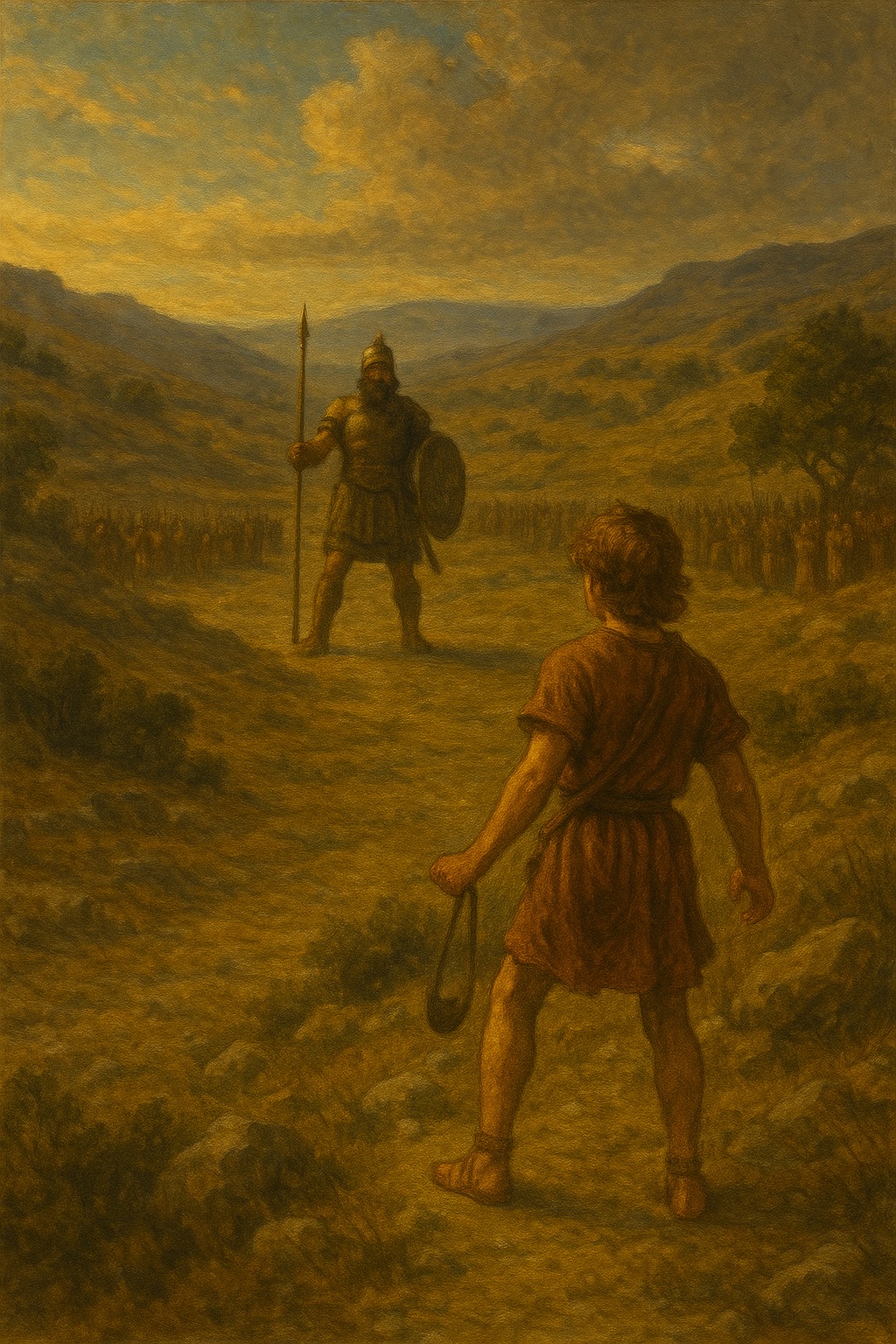
Among all the figures in the Old Testament, David stands uniquely as both warrior and worshiper, shepherd and king. He was the man after God’s own heart (1 Samuel 13:14), chosen not for his appearance or status but for the sincerity of his devotion. Through David, God established an everlasting covenant that pointed directly to…
-
Prophecies of the Nations Surrounding Israel
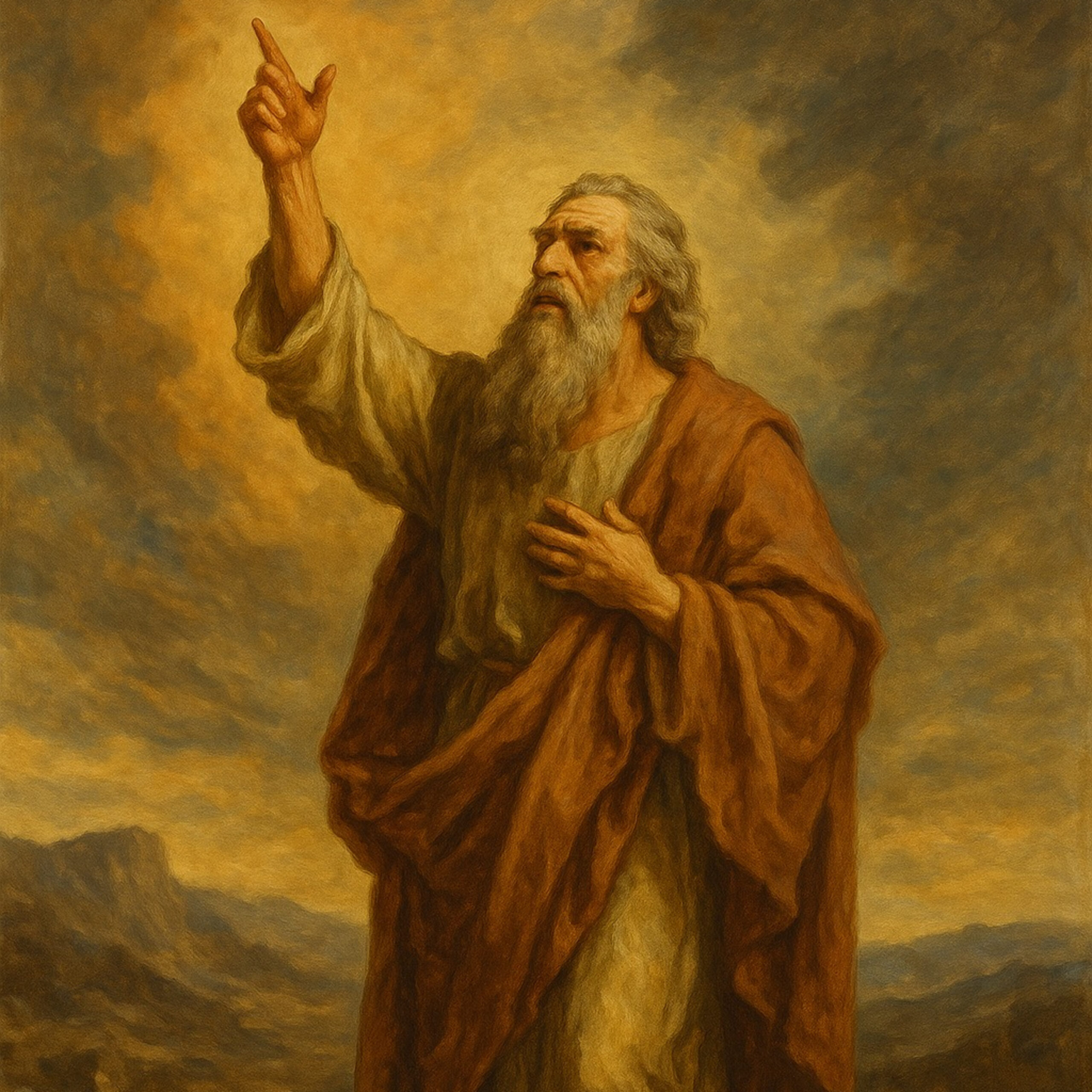
The prophet Ezekiel ministered during one of the most turbulent times in Israel’s history: the Babylonian exile of the sixth century B.C. While much of his prophecy focused on the sins and restoration of Israel, Ezekiel also recorded detailed oracles against surrounding nations. These prophecies reveal God’s sovereignty over all peoples and demonstrate that He…
-
Historical Proof of the Bible – Daniel’s Seventy Weeks and Messianic Fulfillment
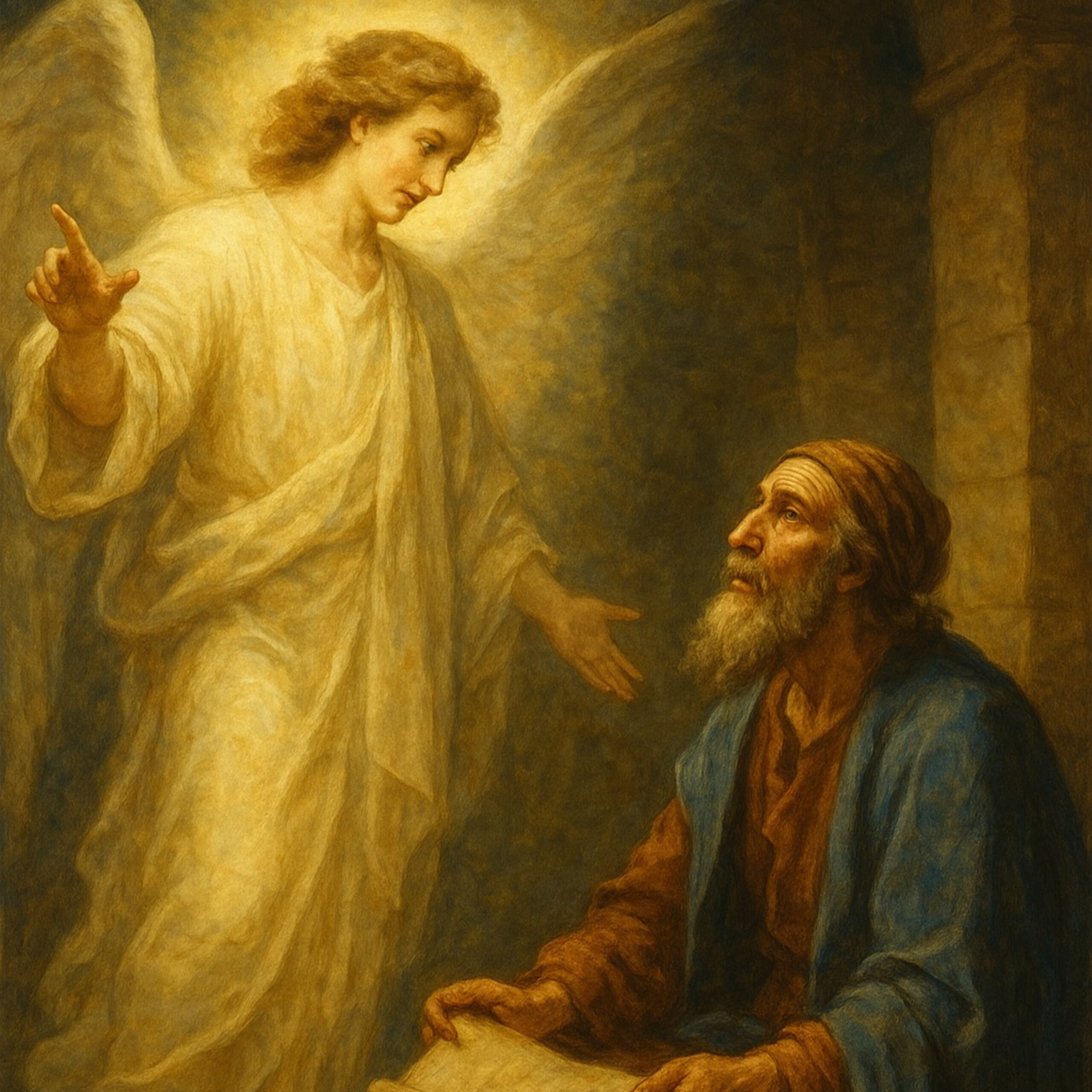
Among the most remarkable prophecies in Scripture is the vision of the Seventy Weeks in Daniel 9:24–27. Delivered to Daniel by the angel Gabriel, this prophecy outlines a precise timetable for God’s redemptive plan, culminating in the coming of the Messiah and the ultimate triumph of God’s kingdom. Scholars and believers alike regard it as…
-
Abraham – The Father of Faith
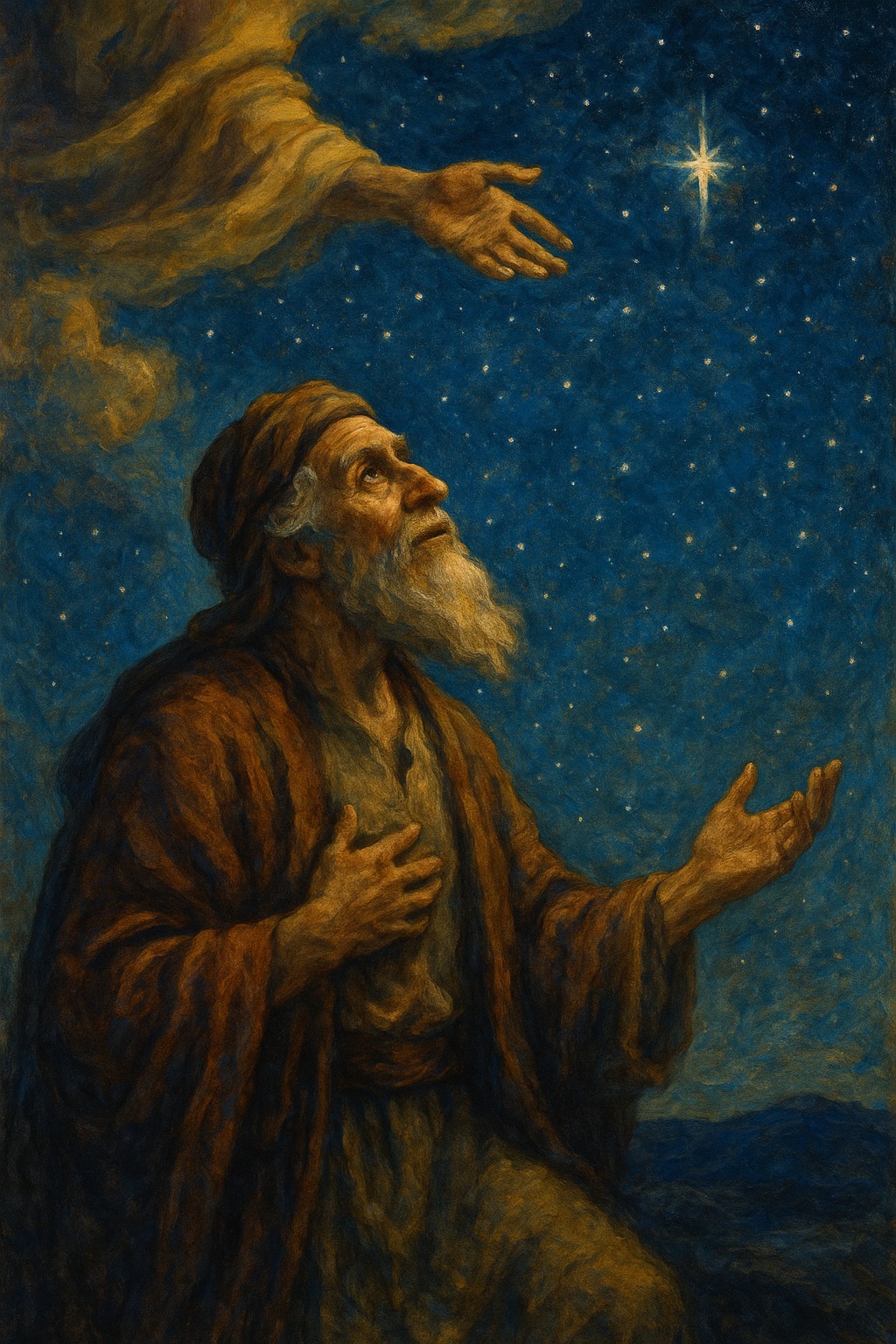
Among all the figures in Scripture, few stand as prominently in both Testaments as Abraham. Known as “the father of faith,” Abraham’s life marks the beginning of God’s covenant relationship with a chosen people through whom all nations would be blessed. His story, beginning in Genesis 12, is the foundation for the unfolding plan of…


