
Topical Studies
-
Archaeology and the Historicity of Israel
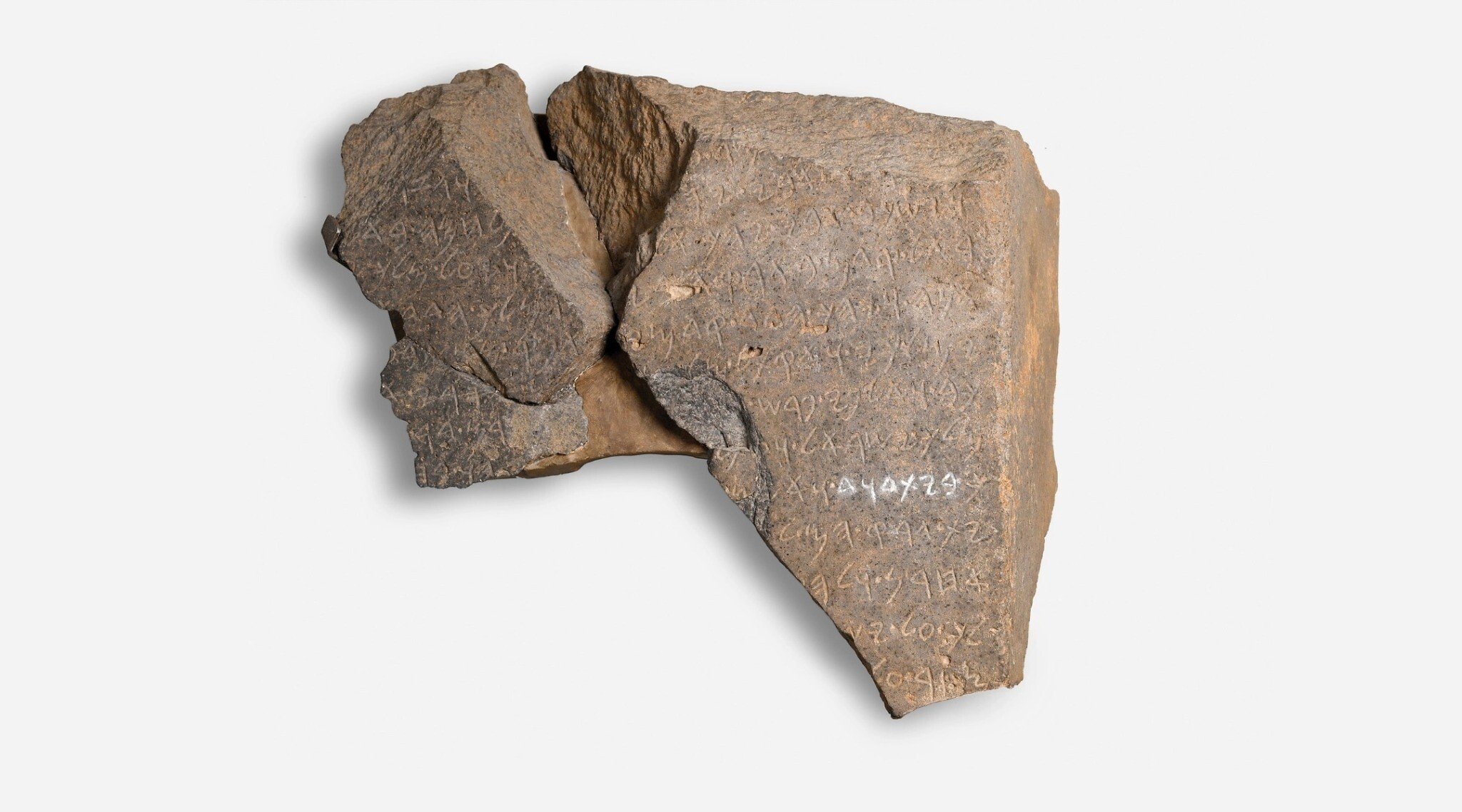
Archaeology has become one of the most powerful tools in understanding the Bible’s historical setting. While archaeology cannot prove every detail of Scripture, discoveries repeatedly confirm the reality of Israel’s existence, the authenticity of its kings, and the accuracy of biblical events. Critics have often doubted Israel’s history, but spades in the ground continue to…
-
The Cambrian Explosion: Sudden Appearance and the Case for Design

The fossil record reveals a startling event known as the Cambrian explosion. Roughly 540 million years ago (according to conventional dating), nearly all the major animal body plans, arthropods, chordates, mollusks, echinoderms, and more, appeared suddenly within a relatively short geological window. This event poses a profound challenge to Darwin’s theory of gradual evolution, which…
-
The Boundaries of Science and the Supernatural Question
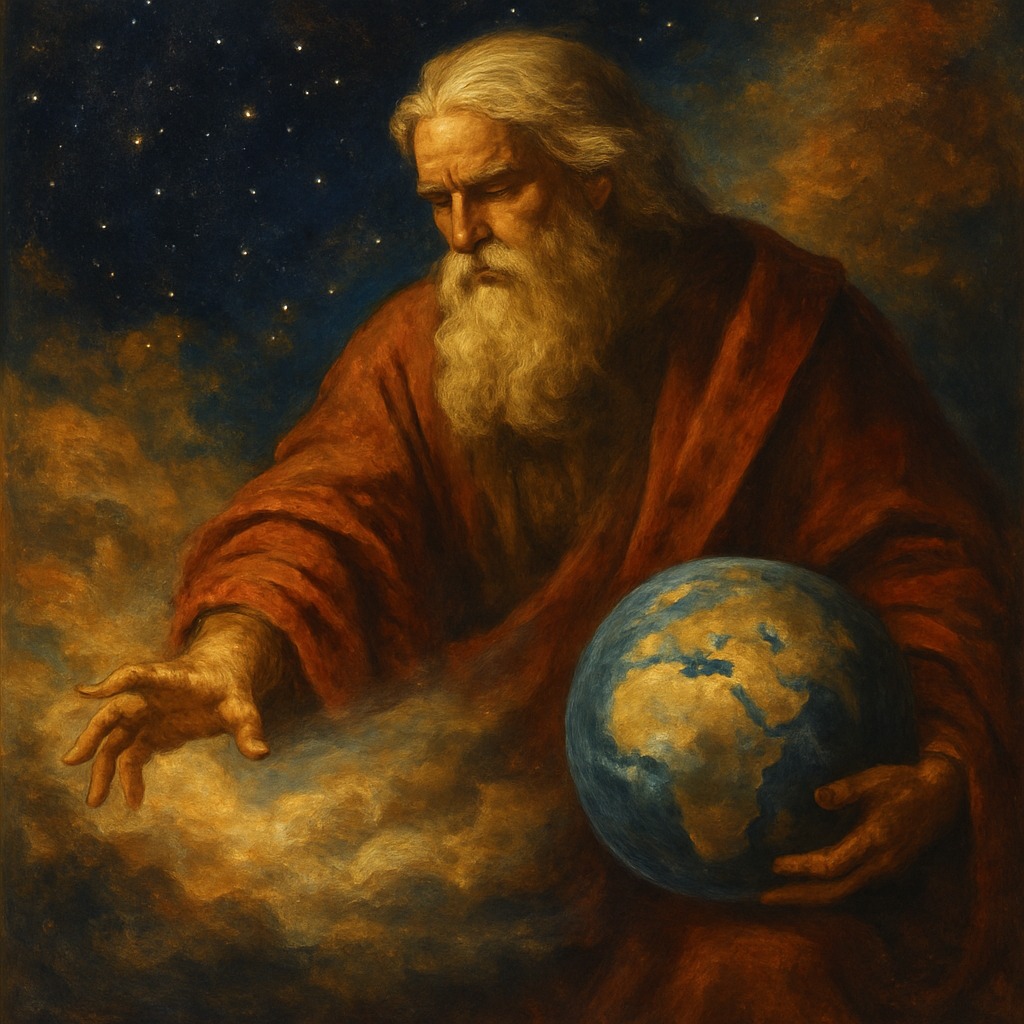
Science is a valuable tool for understanding the natural world, explaining many phenomena through observation and experimentation. However, it has limits, notably regarding questions of meaning, morality, and existence. This article explores how evidence at science’s boundaries hints at a supernatural realm, ultimately identifying God as the Creator revealed in Scripture.
-
The Fine-Tuned Universe: Cosmology and the Evidence for God

The universe exhibits remarkable fine-tuning, where physical constants are precisely set, allowing for the existence of life. While naturalists may attribute this to chance or the multiverse, believers view it as evidence of a Creator. This intricate balance underscores the intentional design of the cosmos, affirming humanity’s significance and divine purpose.
-
Dating Methods for Human, Animal, and Plant Material

The content discusses various dating methods used to estimate the ages of organic and geological materials, such as radiocarbon and potassium-argon dating. It highlights their implications for understanding biblical accounts of creation and emphasizes the limitations of these methods, advocating for a faith that reconciles science and Scripture while affirming God’s role as Creator.
-
Origin of Information: DNA and the Signature of Design

The discovery of DNA as the basis of life highlights the challenge of explaining the origin of biological information without intelligence. The article argues that random processes cannot explain the coded instructions within DNA, suggesting an intelligent Designer. This parallels biblical scripture, reinforcing the connection between life, information, and divine creation.
-
Intelligent Design and the Limits of Scientific Naturalism

Modern science has advanced significantly but often relies on naturalism, which limits explanations to natural causes. Intelligent Design (ID) argues that certain features of the universe are best explained by an intelligent cause, as supported by empirical evidence. This perspective aligns with biblical teachings, revealing the Creator’s intention behind creation.
-
Human Uniqueness: Image of God and the Question of Evolution
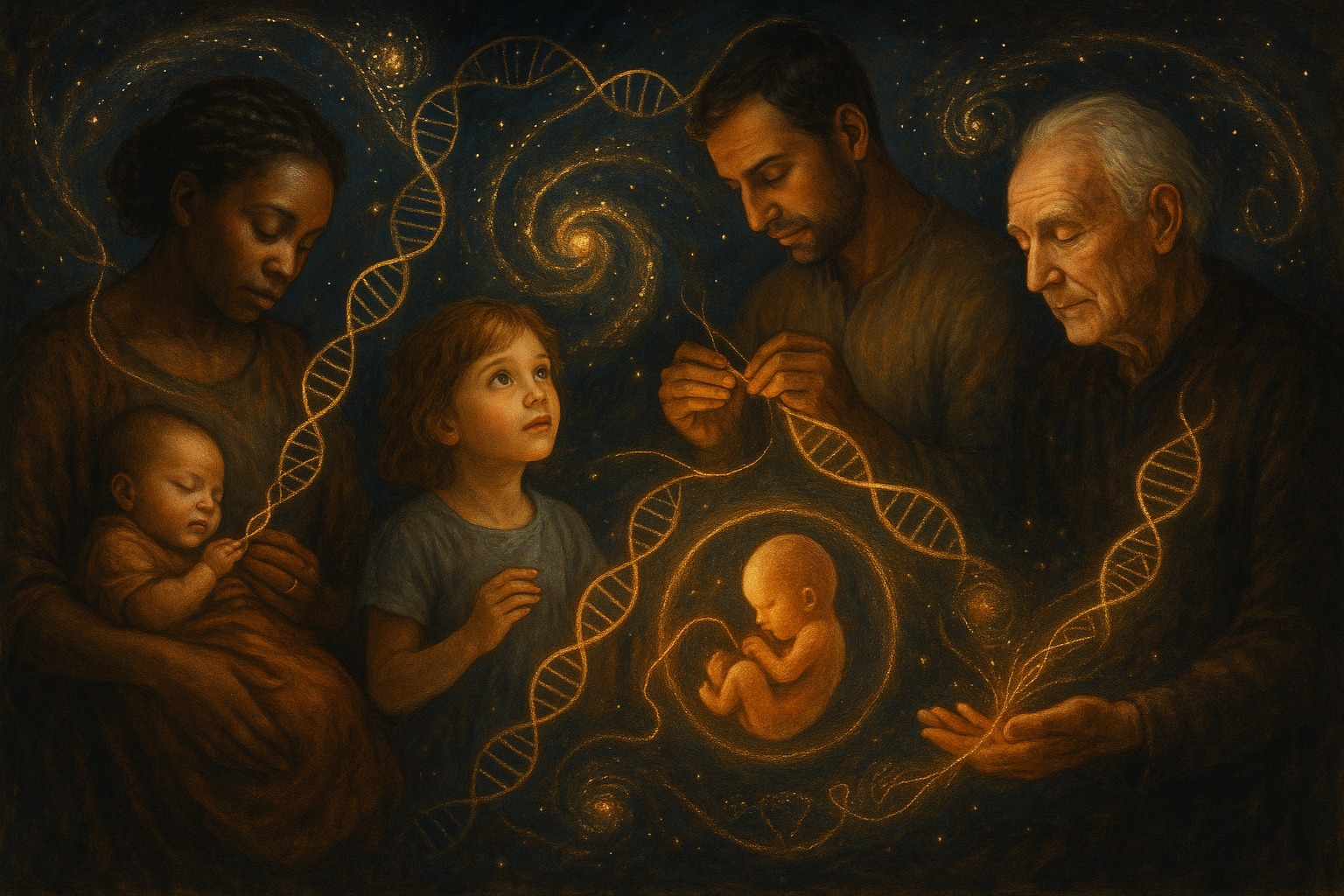
The debate between science and faith regarding human origins raises questions about whether humanity evolved from primates or was created in God’s image. Scripture emphasizes human uniqueness through moral, spiritual, and relational traits. While evolution explains biological similarities, only God’s Word accounts for our dignity, sin, and redemption, ultimately fulfilled in Christ.
-
Science, Faith, and the Limits of Human Knowledge

Science and faith, while often seen in conflict, both aim to uncover truth. Science explains how things work, while faith addresses meaning and purpose. Each has limits, and proper engagement fosters humility, allowing believers to harmonize the two. Together, they enrich understanding of God’s creation and ultimate purposes.
-
Flood Geology and the Debate Over Noah’s Flood
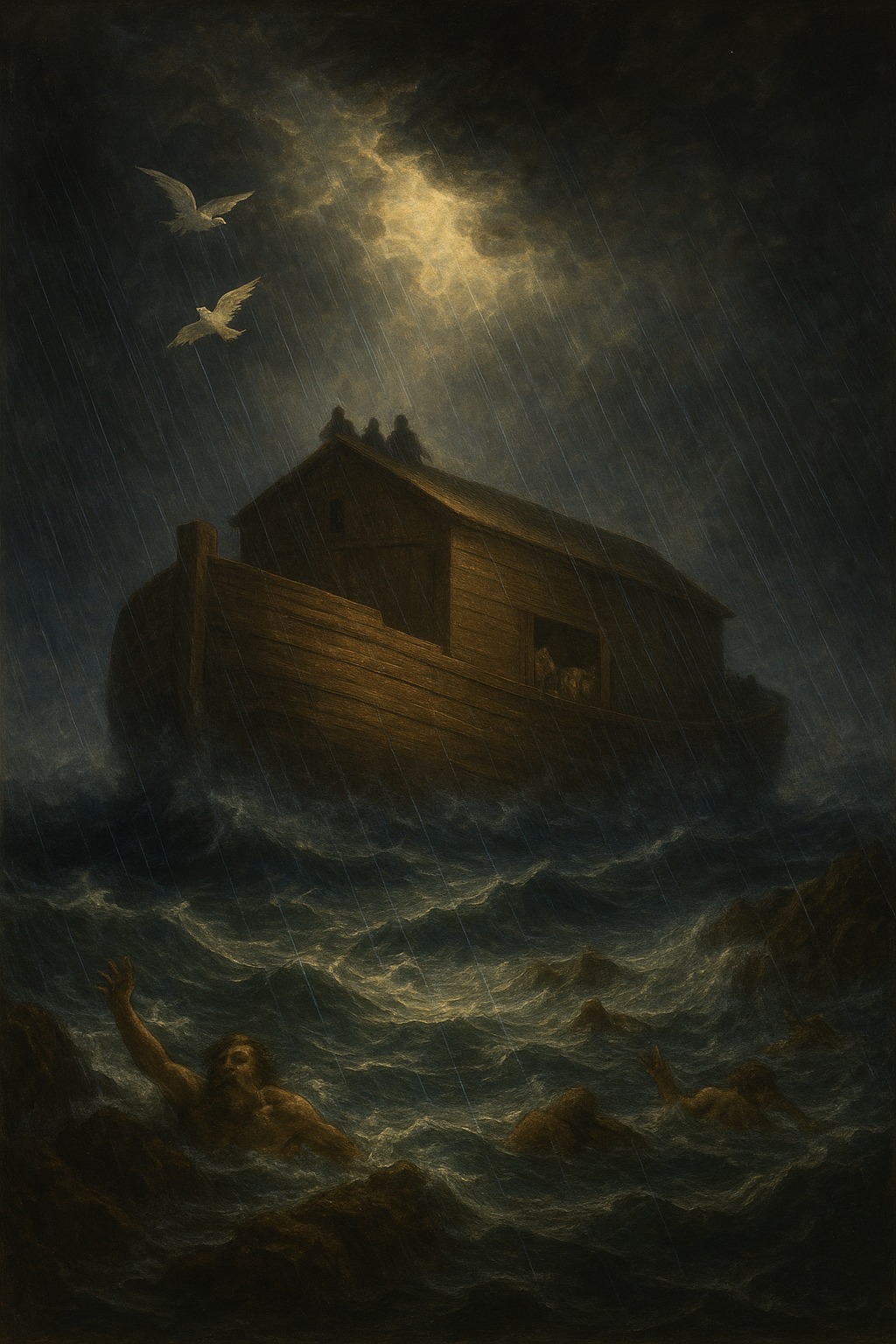
The account of Noah’s flood in Genesis depicts a global deluge, challenging interpretations from both faith and modern geology. While traditional views see it as a literal event, geology often regards it as myth or local. The narrative emphasizes God’s judgment, mercy, and the promise of salvation, reinforcing theological significance amidst scientific debate.


