
Topical Studies
-
Biblical Prophecy as the Architecture of Trust
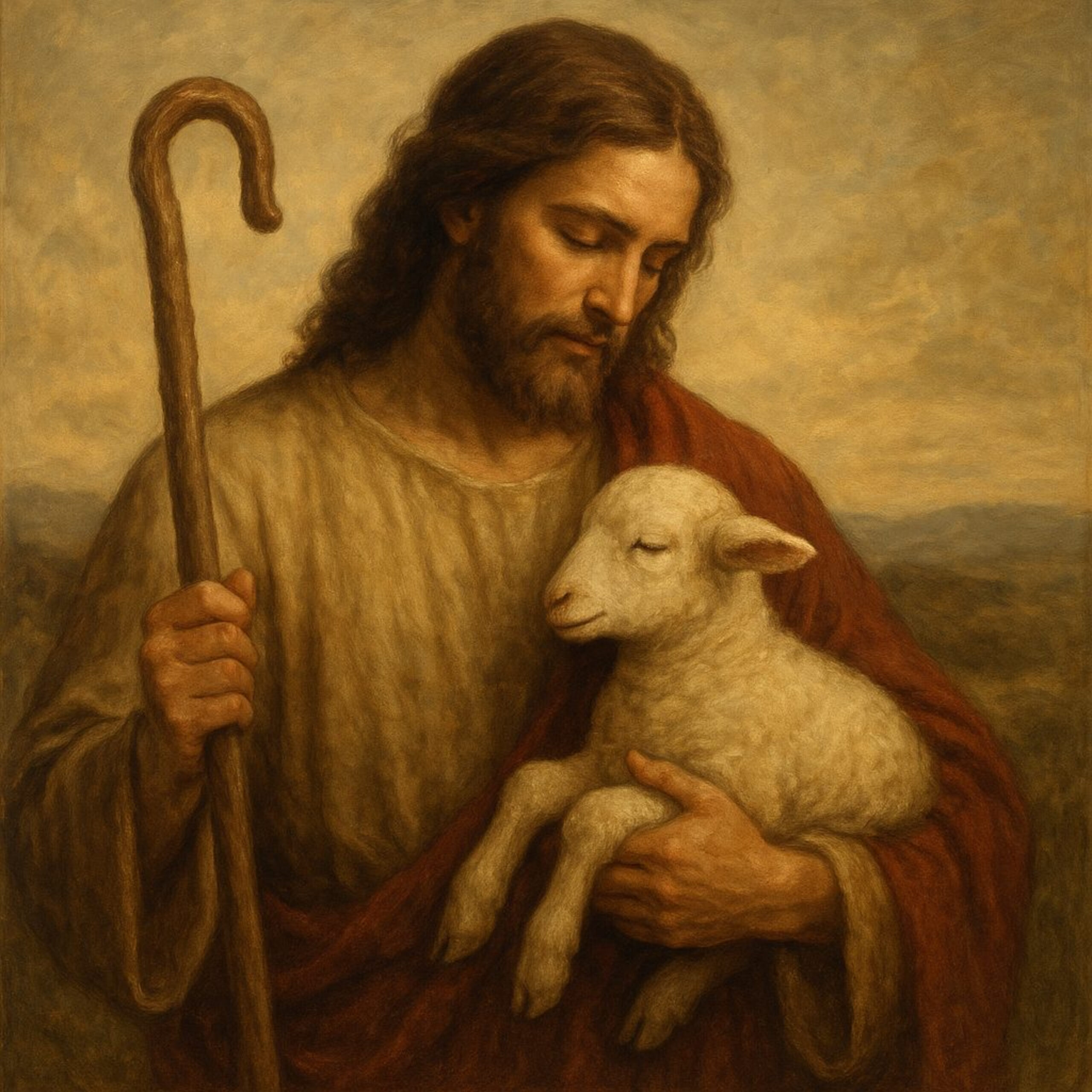
The significance of prophecy in the life of faith lies not in mere prediction but in the demonstration of God’s sovereignty and faithfulness, as affirmed in 2 Peter 1:19-21. Prophecy serves as a divine beacon, guiding believers through the fog of uncertainty, reaffirming that God’s Word is firmly established and trustworthy. Each fulfilled prophecy stands…
-
Manuscripts and Archaeology Confirm the Bible

The historical credibility of Scripture has long been a focal point of theological inquiry, particularly regarding its manuscript evidence and archaeological corroboration. The writings of Luke, for example, provide a meticulous account of Jesus’ life, underscoring the importance of verifiable sources in the pursuit of truth (Luke 1:1–4).
-
Why God Had to Become Man
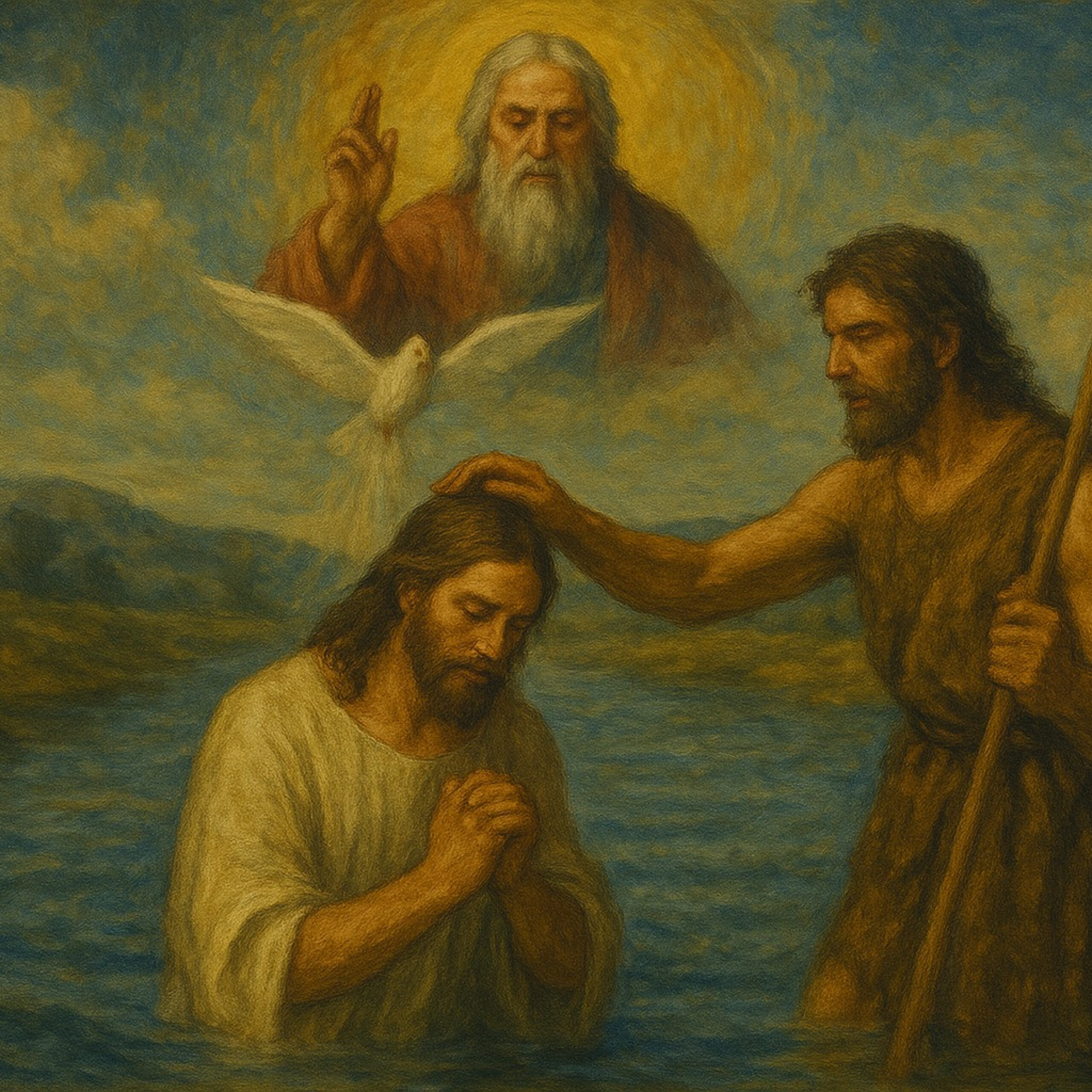
The doctrine of the Incarnation stands as one of the most profound and foundational truths of Christian theology. It declares that the eternal Son of God, the second Person of the Trinity, took upon Himself human nature and became flesh. This mystery, far beyond human comprehension, is the cornerstone of our redemption and the revelation…
-
The Certainty of Promise: Prophecy and the Unwavering Faithfulness of God
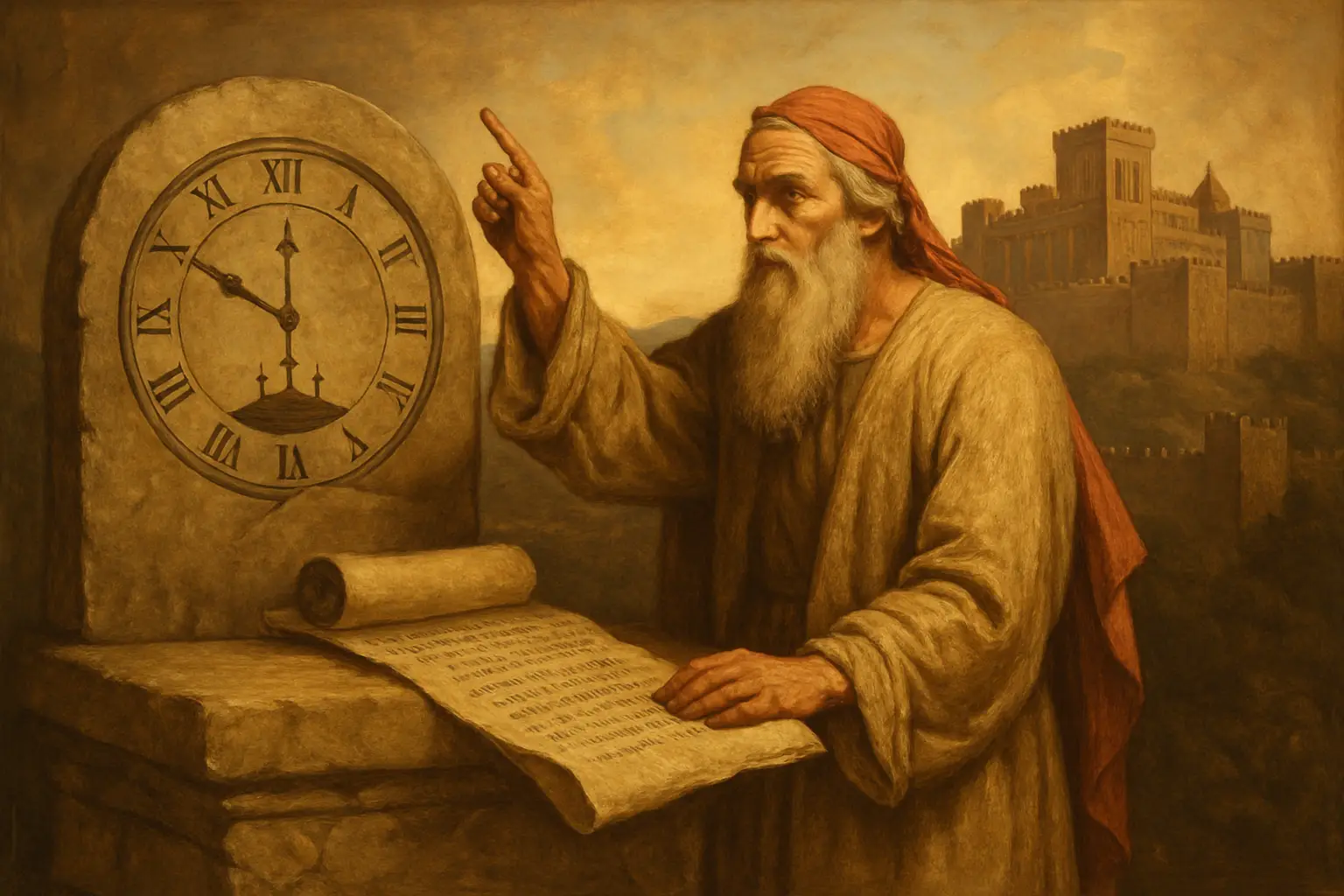
Prophecy serves as a divine assurance of God’s unwavering faithfulness, illuminating the path of faith and obedience for believers. As articulated in 2 Peter 1:19-21, the prophetic word is likened to a lamp that shineth in a dark place, guiding the faithful amidst uncertainty.
-
Watchfulness and Hope: Grace, faith, and gospel assurance
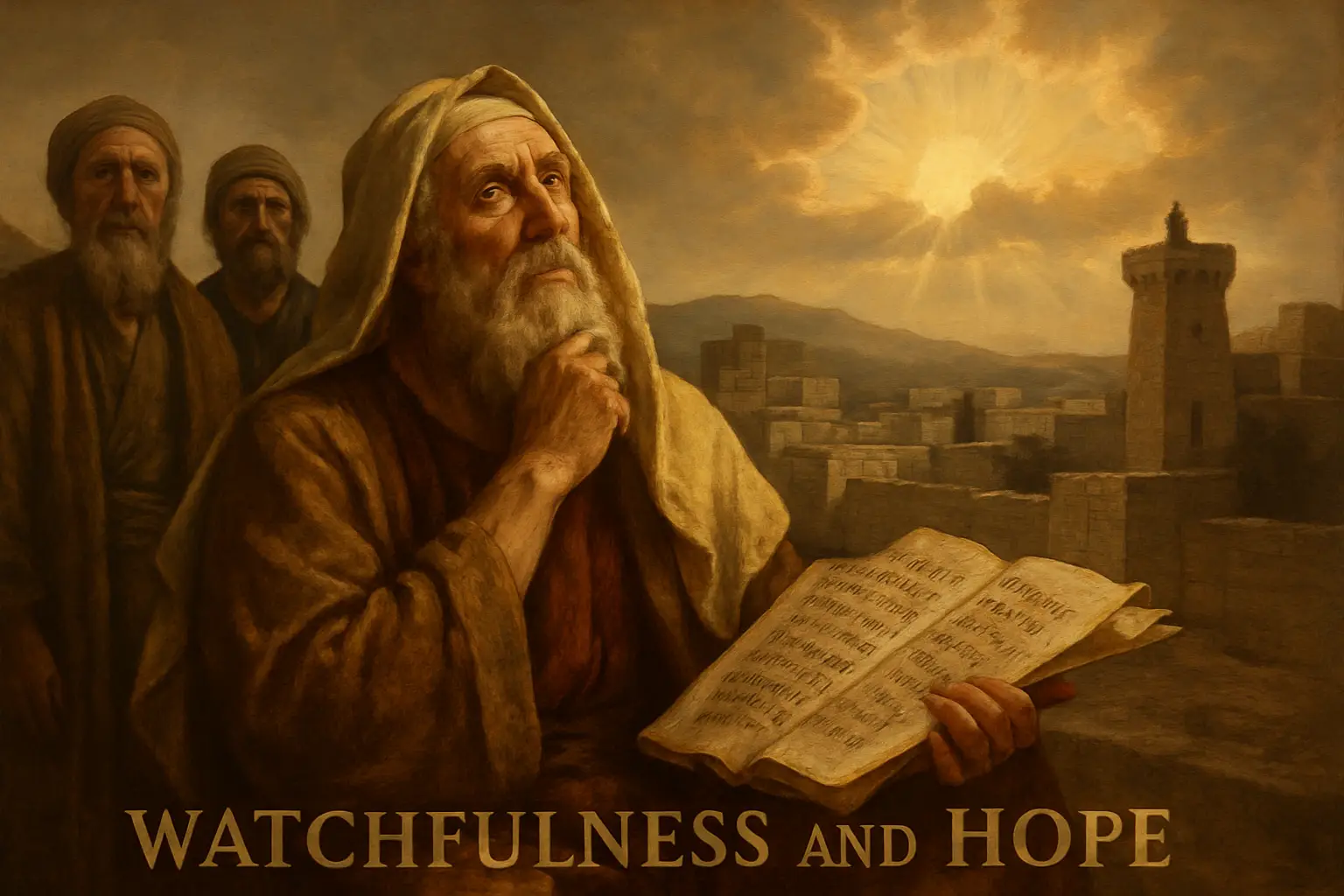
The trustworthiness of God’s Word is foundational for faith and obedience, as articulated in 2 Peter 1:19-21, where the prophetic word is described as a lamp shining in a dark place. Prophecy serves not as a sensational spectacle but as a testament to God’s unwavering faithfulness, revealing His sovereign plan throughout history. The coherence of…
-
Trusting the Promises: Typology and the unity of the biblical canon
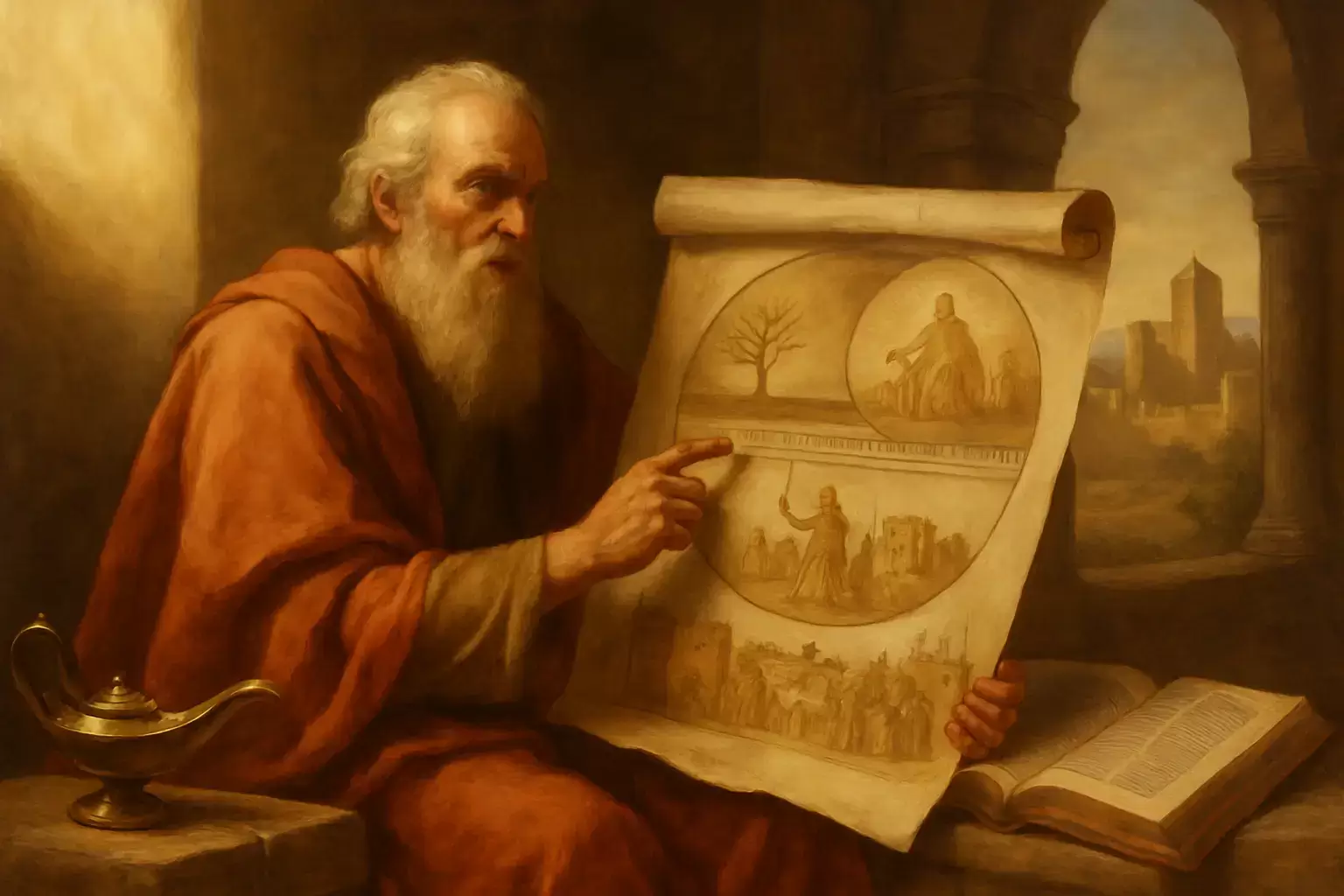
The significance of prophecy in the life of faith cannot be overstated, for it serves as a divine beacon, guiding believers toward the fulfillment of God’s sovereign plan. According to 2 Peter 1:19-21, prophecy is not born of human will, but is inspired by the Holy Ghost, thereby affirming Scripture’s coherence and the faithfulness of…
-
Trusting the Promises: The reliability of Scripture through the ages
-
Manuscript Evidence and Archaeological Findings: Assessing the Historical Credibility of Scripture

The historical credibility of Scripture has long been a focal point of theological inquiry, particularly regarding its manuscript evidence and archaeological corroboration. The writings of Luke, for example, provide a meticulous account of Jesus’ life, underscoring the importance of verifiable sources in the pursuit of truth (Luke 1:1–4).
-
Global Watch Daily – January 12, 2026

A concise summary of significant developments in Israel and the world through a grounded Christian worldview.
-
The Incarnation: God Became Man
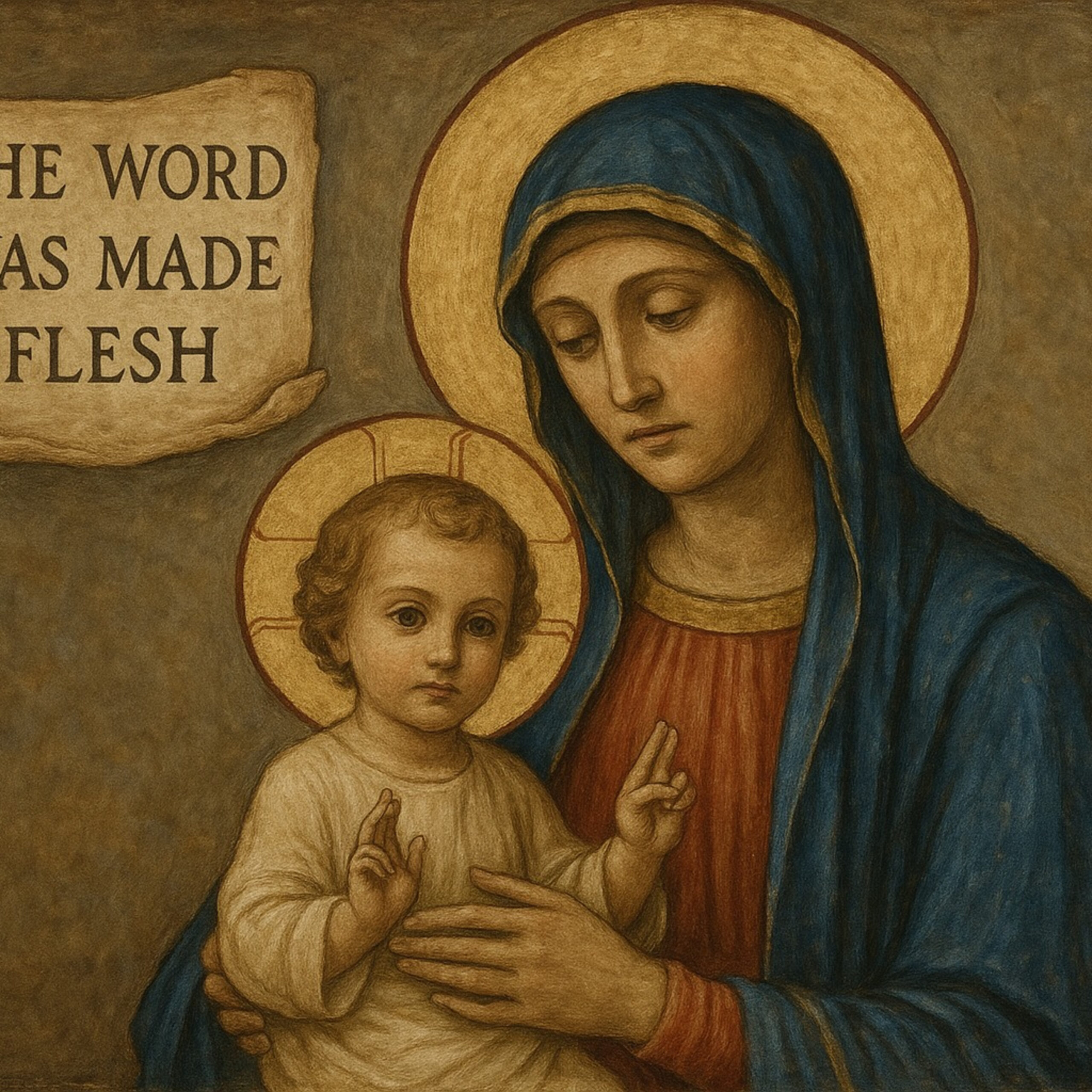
The doctrine of the Incarnation stands as one of the most profound and foundational truths of Christian theology. It declares that the eternal Son of God, the second Person of the Trinity, took upon Himself human nature and became flesh.


