
Topical Studies
-
Calling and Preservation: Jerusalem in Biblical History
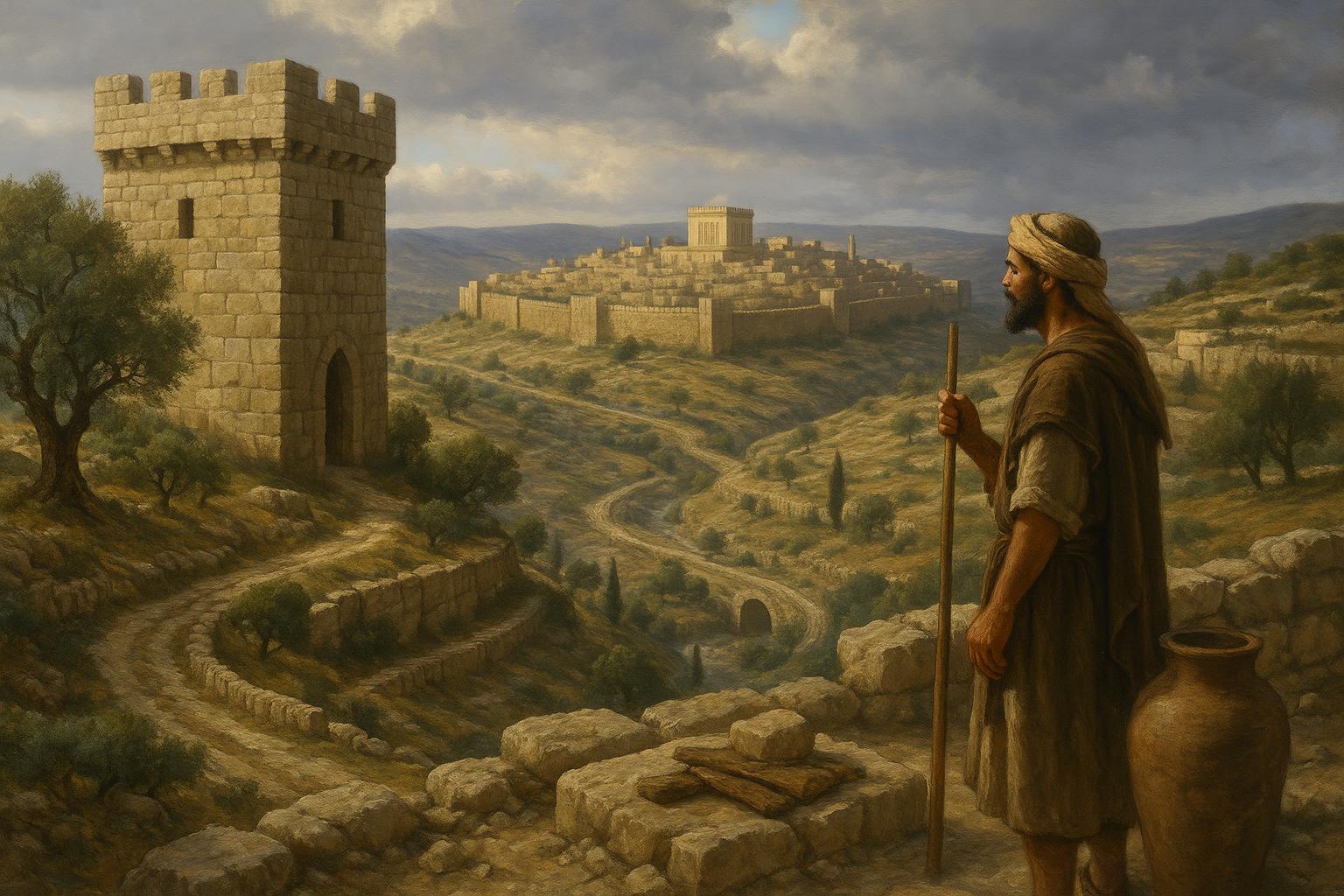
The historical significance of Jerusalem in the biblical narrative serves as a profound testament to God’s unyielding covenant with His people.
-
Old Testament Shadows of Christ

Throughout the Scriptures, types serve as divine signposts, pointing to the ultimate fulfillment found in Christ Jesus. The rich tapestry of biblical narrative reveals how various figures, events, and institutions foreshadow the redemptive work of the Savior. From the sacrificial system instituted in the Law to the prophetic shadows cast by the tabernacle and its…
-
Endurance in Trials: Holiness and Transformation
in : Discipleshipby :
Tags :Bible Study, Discipleship, End times, Exegesis, Gospel, holiness, Job, KJV, Messiah, Perseverance, Prayer, Ruth, Scripture, Witness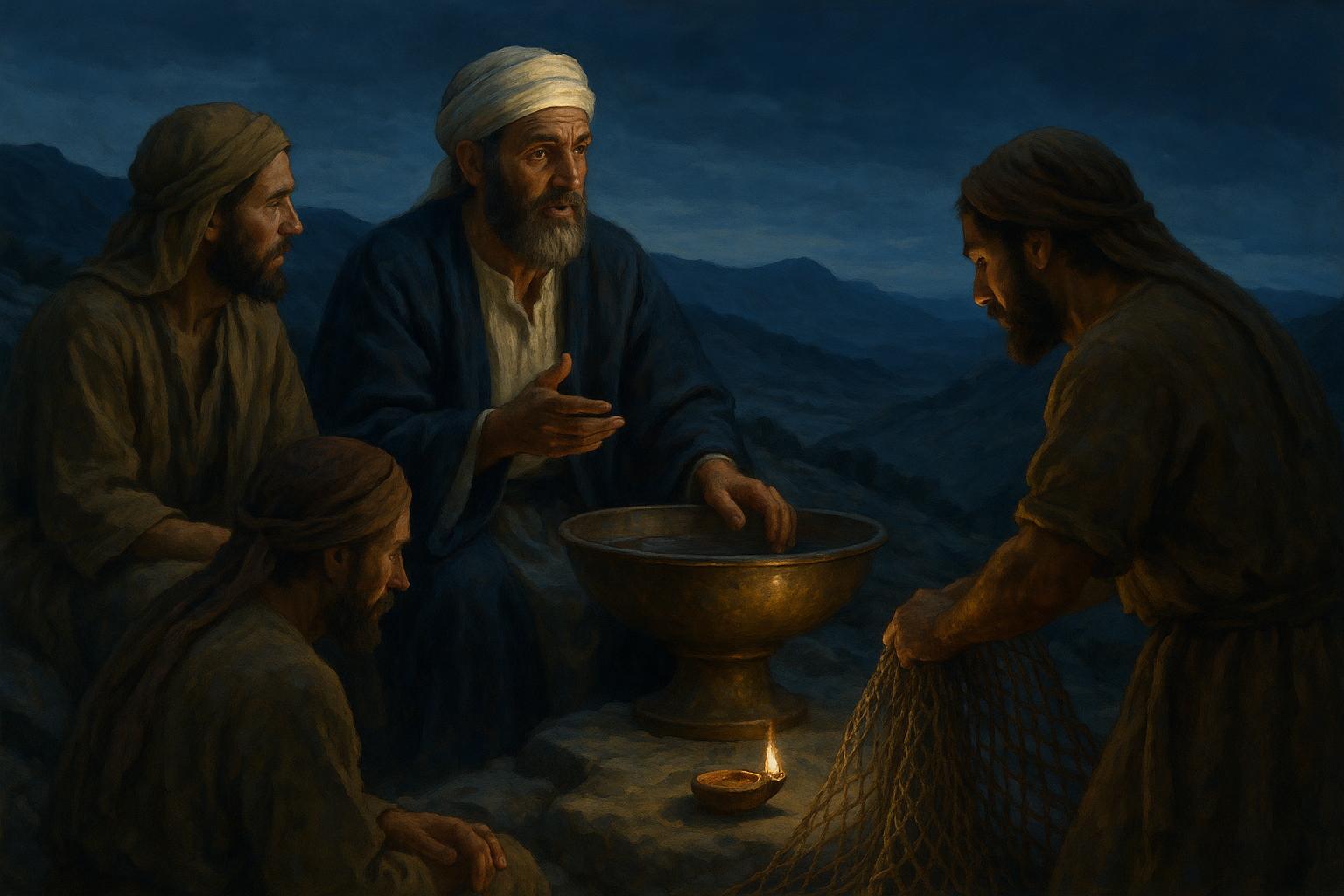
In the journey of faith, trials serve as divine instruments for refining the believer’s character, as articulated in James 1:2-4.
-
The Architecture of an Infinite God
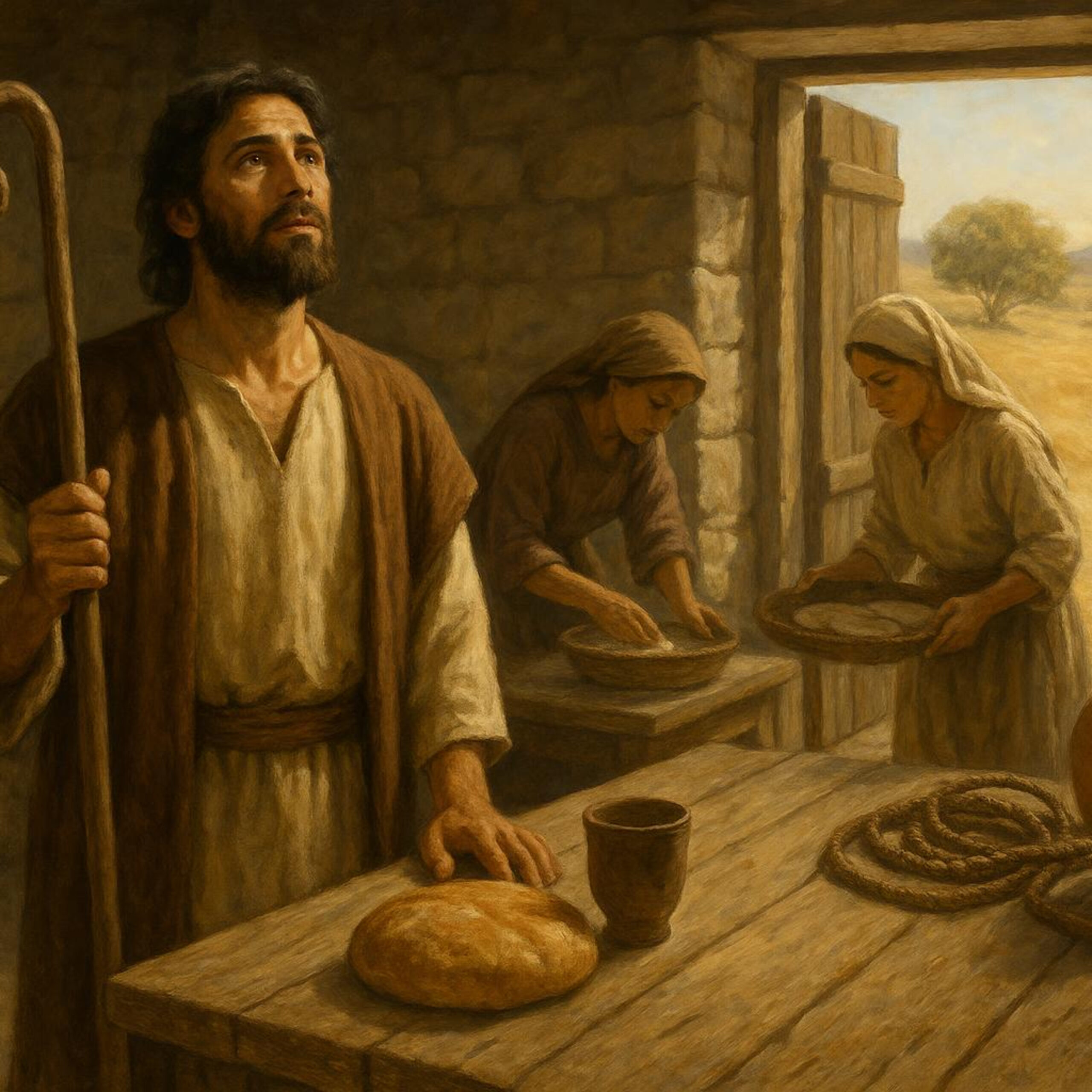
Understanding the nature and attributes of God is foundational to the Christian faith, as it shapes our comprehension of His divine character and the framework of our beliefs. In Exodus 3:14, God reveals His name, “I AM,” signifying His eternal existence and unchanging nature, while Isaiah 40:28 reminds us of His omnipotence and everlasting wisdom.…
-
Kingship and Covenant: Covenant Structure in Scripture

The relationship between kingship and covenant emerges as a profound theme throughout Scripture, revealing God’s sovereign authority and His desire for covenantal intimacy with His people.
-
Rightly Dividing the King James Bible
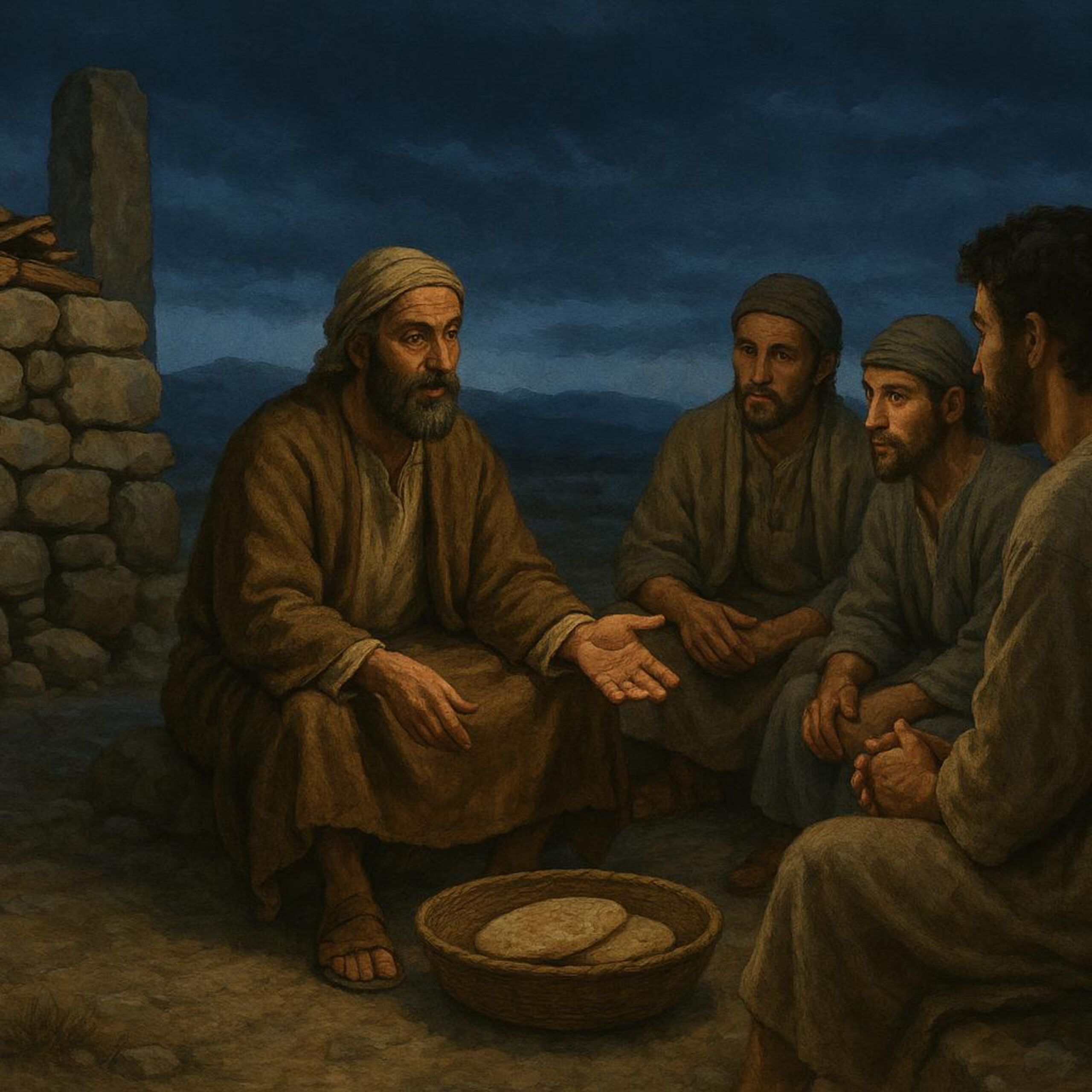
The study of Scripture demands a careful examination of its diverse literary forms and historical contexts, as these dimensions reveal the richness of God’s revelation. In Nehemiah 8:8, we witness the Levites expounding the law to ensure understanding among the people, underscoring the necessity of diligent interpretation. Likewise, the Bereans in Acts 17:11 exemplify the…
-
Unshakable Joy in the Crucible
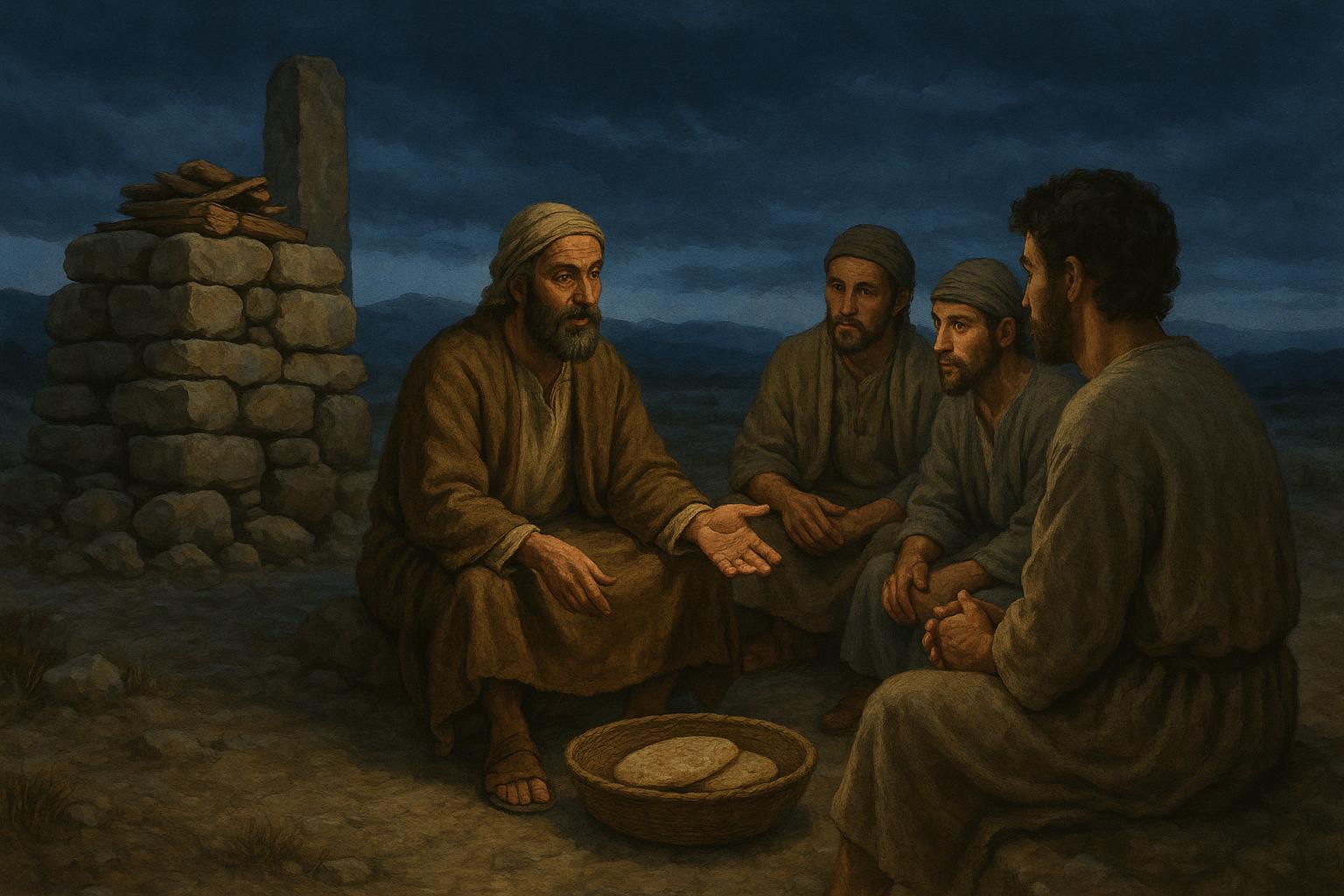
In the pursuit of holiness and hope, the believer is called to engage deeply with prayer, worship, and spiritual discipline, recognizing these as vital means of grace. The sacred act of prayer, as exemplified by Nehemiah’s restoration efforts in Nehemiah 8:8, invites the faithful to commune intimately with God, fostering both reverence and reliance on…
-
Comparing Scripture
in : Interpretationby :
Tags :Bible Study, Context, Exegesis, Genesis, Genre, Gospel, hermeneutics, Interpretation, KJV, Messiah, Prayer, Ruth, Scripture, Word Study
The study of Scripture demands a careful examination of its diverse literary forms and historical contexts, as these dimensions reveal the richness of God’s revelation.
-
Holiness and Hope: Prayer, Worship, and Spiritual Discipline
in : Discipleshipby :
Tags :Bible Study, Discipleship, End times, Exegesis, Gospel, holiness, KJV, Messiah, Nehemiah, Perseverance, Prayer, Ruth, Scripture, Witness
In the pursuit of holiness and hope, the believer is called to engage deeply with prayer, worship, and spiritual discipline, recognizing these as vital means of grace.
-
Christ the Fulcrum of the Gospel
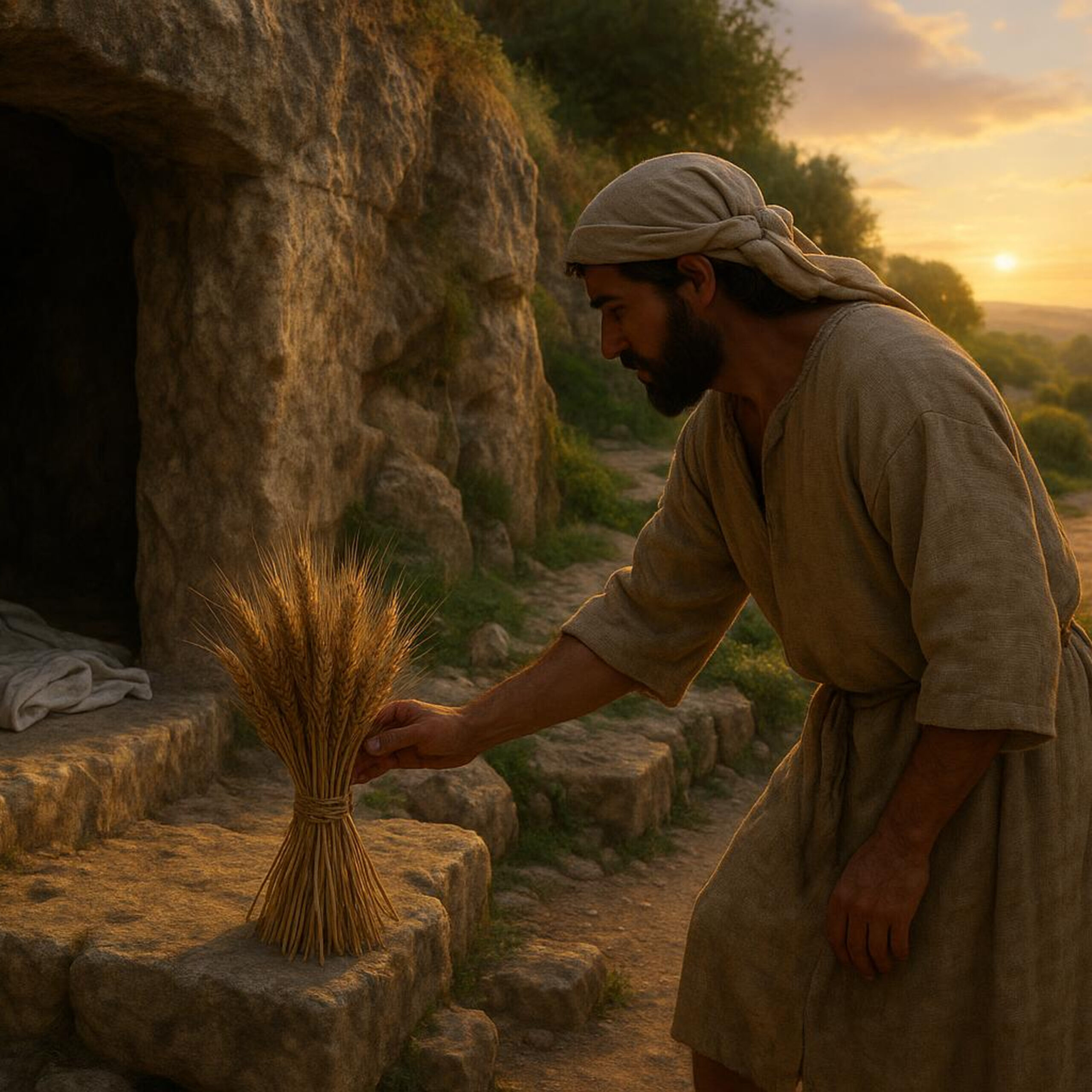
The Person and Work of Christ stand as the fulcrum of the Gospel, revealing the profound mystery of God’s redemptive plan woven throughout Scripture. The Scriptures declare the necessity of understanding Christ’s dual nature as both fully God and fully man, essential for the salvation of humanity (Colossians 2:9). His incarnation, death, and resurrection fulfill…
