
Topical Studies
-
Obedience and Mercy: Faithful examples and warnings in Scripture

Throughout the sacred narrative, obedience emerges as a defining characteristic of the faithful, illustrating how their actions align with the divine will. In Deuteronomy 5:33, the Lord commands His people to walk in His ways, promising life and prosperity as they adhere to His statutes.
-
Global Watch Daily – February 7, 2026

A concise summary of significant developments in Israel and the world through a grounded Christian worldview.
-
Memory and Covenant: Text and terrain: Scripture in its world
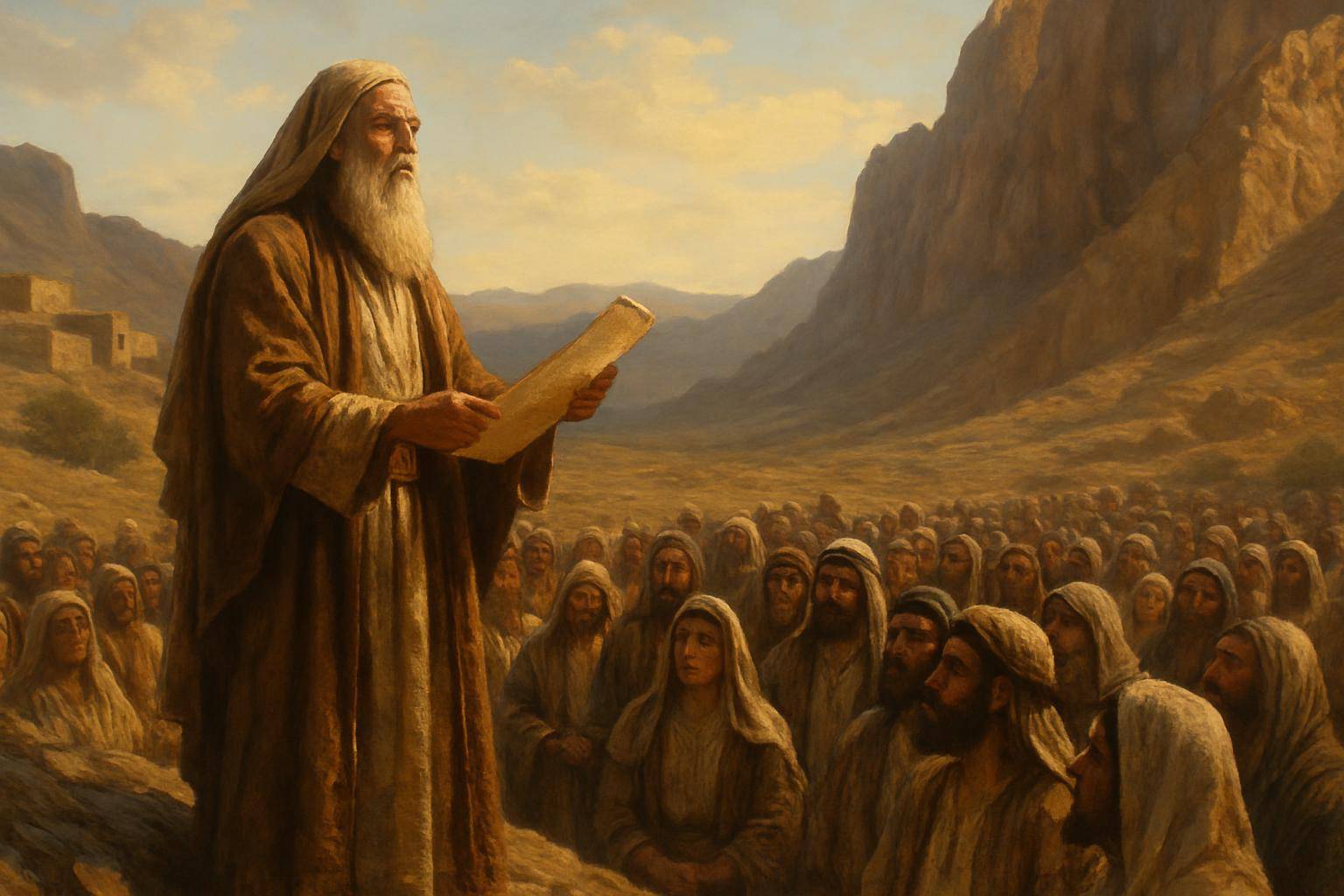
The relationship between memory and covenant is pivotal in understanding Scripture’s narrative, revealing how God’s faithfulness is intertwined with His people’s recollection of His mighty works. In Deuteronomy 6:12, the Israelites are admonished to remember the Lord’s deliverance, a charge that underscores the need to recall God’s past deeds to strengthen faith and obedience in…
-
Global Watch Daily – February 6, 2026
A concise summary of significant developments in Israel and the world through a grounded Christian worldview.
-
Promises and Fulfillment: Messianic prophecy and fulfillment patterns
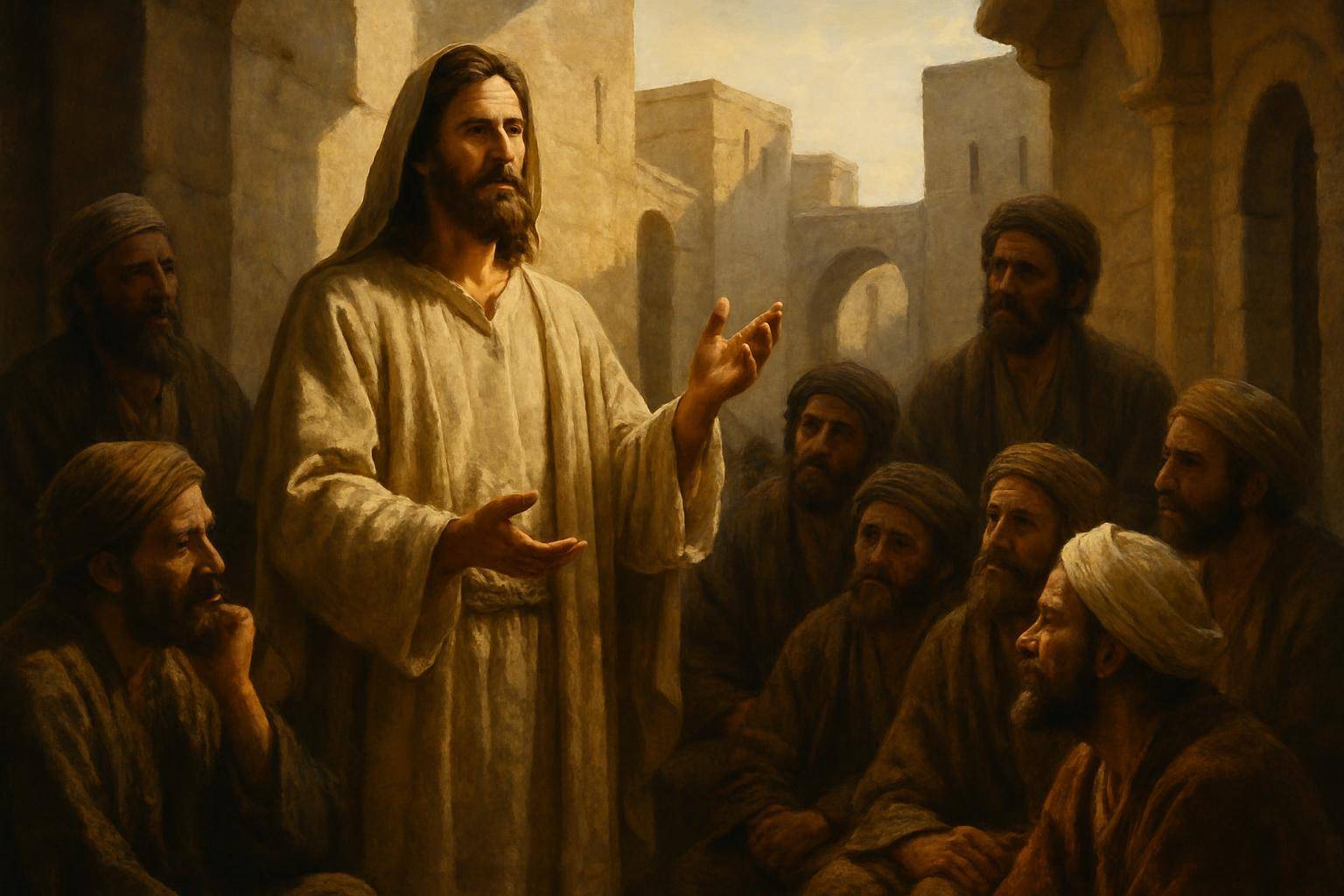
Messianic prophecy unveils the divine plan for redemption, offering a glimpse into the coming Savior who would transform the world. Isaiah 9:6 proclaims the titles of the Messiah, emphasizing His role as Wonderful Counselor and Prince of Peace, while Micah 5:2 foretells His humble birthplace in Bethlehem, underscoring the paradox of greatness emerging from lowliness.
-
Global Watch Daily – February 5, 2026
A concise summary of significant developments in Israel and the world through a grounded Christian worldview.
-
Promises and Fulfillment: Covenant promises and the faithfulness of God
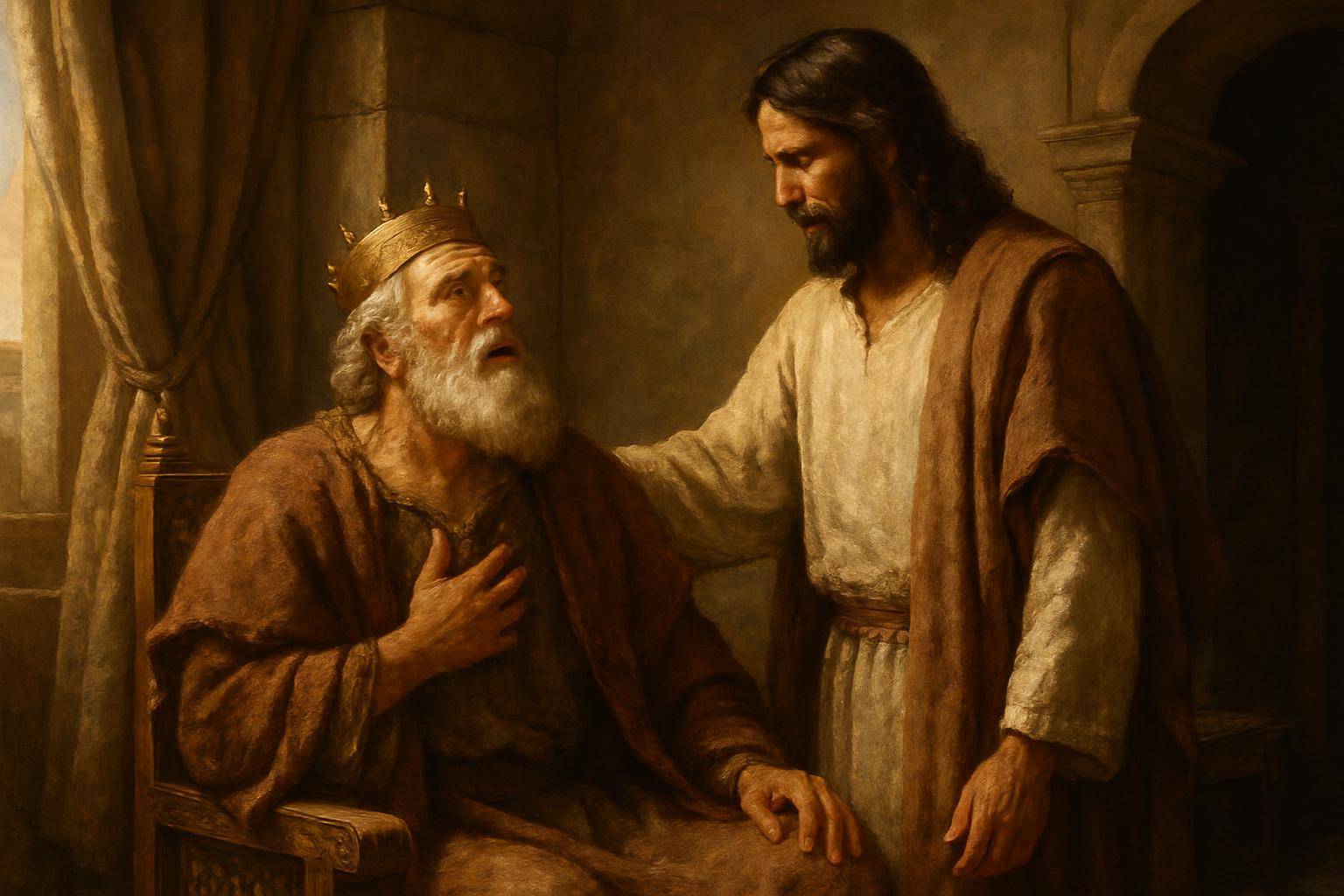
The concept of covenant in Scripture reveals the depth of God’s promises to humanity, as seen from the beginning in Genesis 9:13, where the rainbow serves as a divine sign of His unyielding faithfulness. This sacred agreement reflects not merely a transactional relationship but an intimate commitment, illustrating God’s desire to dwell among His people…
-
The Power Behind Stars and Prayer

The interrelationship among God, creation, Christology, and pneumatology is foundational to theological discourse. The doctrine of God establishes the Creator’s sovereign authority, while the act of creation reveals His intent and purpose in the cosmos. Furthermore, the exploration of Christology elucidates the person and work of Christ within the divine economy, while pneumatology examines the…
-
Global Watch Daily – February 4, 2026
A concise summary of significant developments in Israel and the world through a grounded Christian worldview.
-
Evidence with Integrity: Historical anchors and textual reliability

The integrity of biblical evidence is a cornerstone for understanding the historical context and reliability of Scripture, as affirmed in 2 Timothy 3:16, which declares that all Scripture is given by inspiration of God. This divine authorship not only imparts authority but also ensures that the truths contained therein endure through time, as 1 Peter…
