
Topical Studies
-
How Truth Rewires the Human Heart
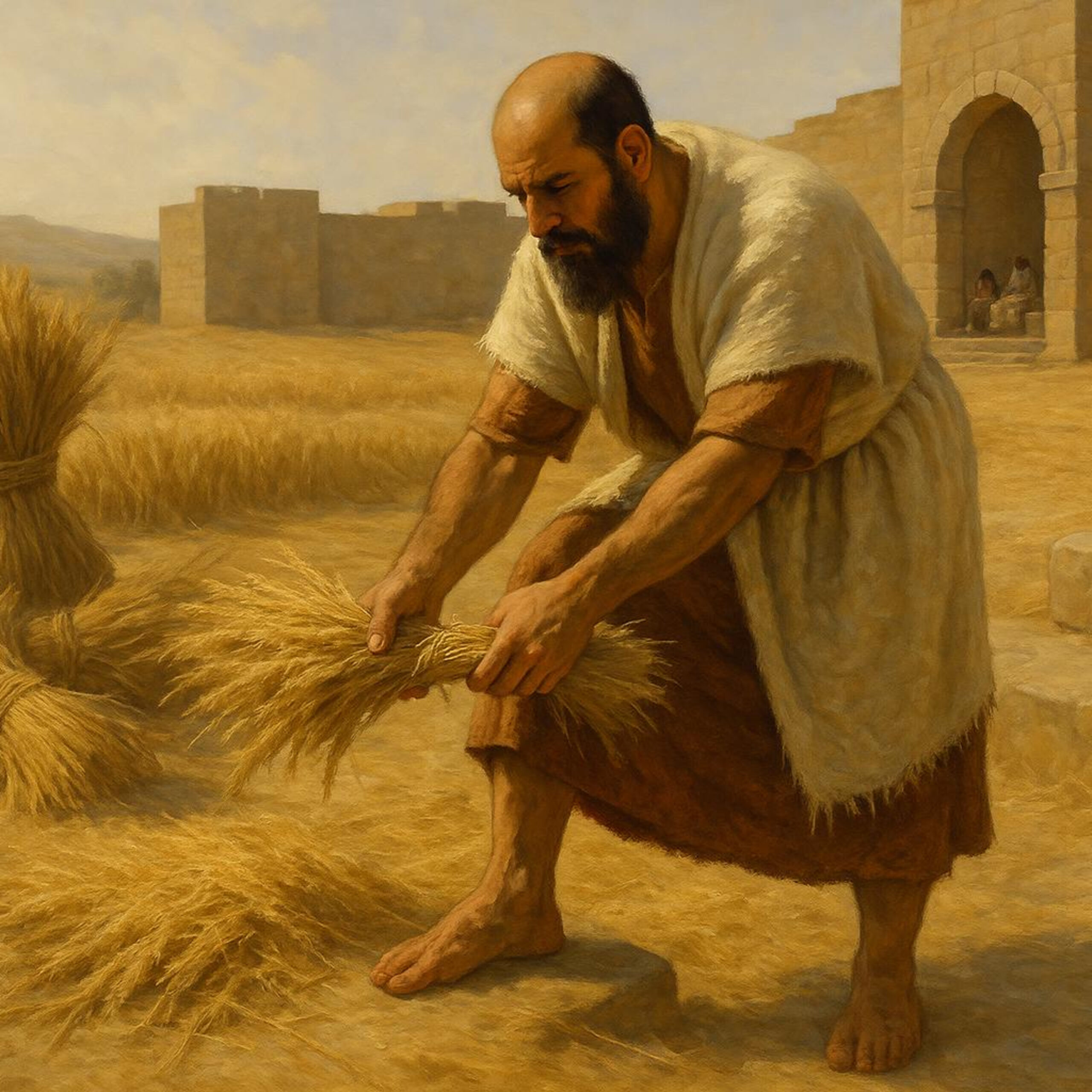
The process of sanctification, as articulated throughout Scripture, is a vital aspect of the believer’s journey, rooted in both God’s transformative power and the diligent pursuit of truth. As Nehemiah 8:8 reveals, the faithful exposition of God’s Word nurtures understanding and cultivates spiritual growth, while Acts 17:11 commends the Bereans for their eagerness to examine…
-
God’s Covenant Land and People
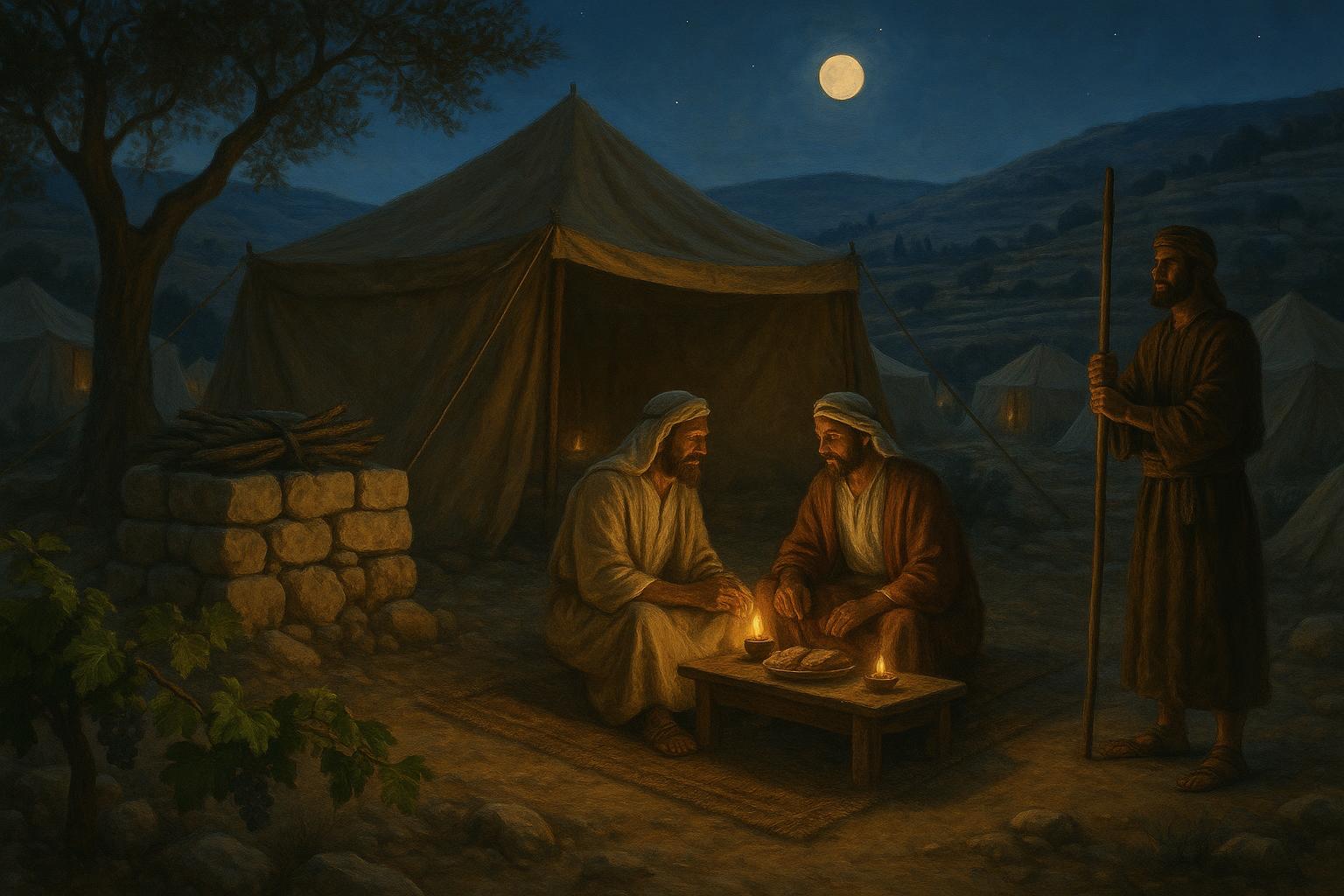
The covenantal relationship among God, the land, and His people is a foundational theme throughout Scripture, illuminating the divine purpose and plan for Israel. From the promise made to Abraham regarding the land flowing with milk and honey to the restoration of Jerusalem in Nehemiah’s time, God’s faithfulness to His word is evident. The Scriptures…
-
Kingship Harnessed by a Divine Covenant

The concept of kingship intertwined with covenant emerges as a profound theme throughout Scripture, revealing God’s sovereign rule and His steadfast commitment to His people. From the anointing of Saul to the establishment of the Davidic lineage, the royal covenant signifies not only authority but also a divine relationship, reminding believers of the responsibilities that…
-
Global Watch Daily – July 7, 2026

A concise summary of significant developments in Israel and the world through a grounded Christian worldview.
-
Jesus, the Substance of Old Testament Shadows
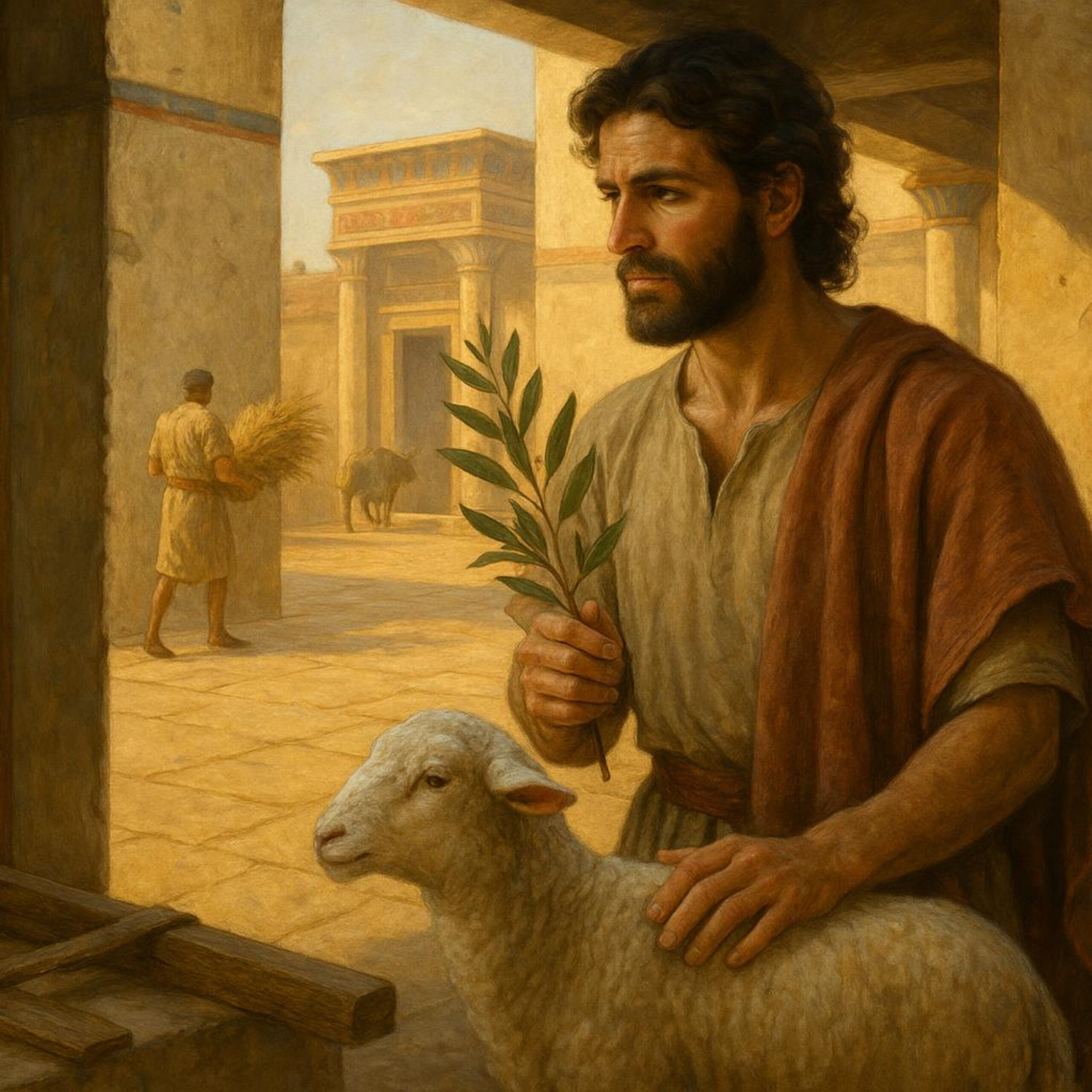
In the grand narrative of Scripture, shadows and substance reveal profound truths about God’s redemptive plan. Throughout the Old Testament, types and symbols serve as precursors to the ultimate fulfillment found in Christ, illuminating the richness of His coming. As Nehemiah 8:8 underscores the importance of understanding the Law and the Prophets, so too does…
-
Shadows and Substance
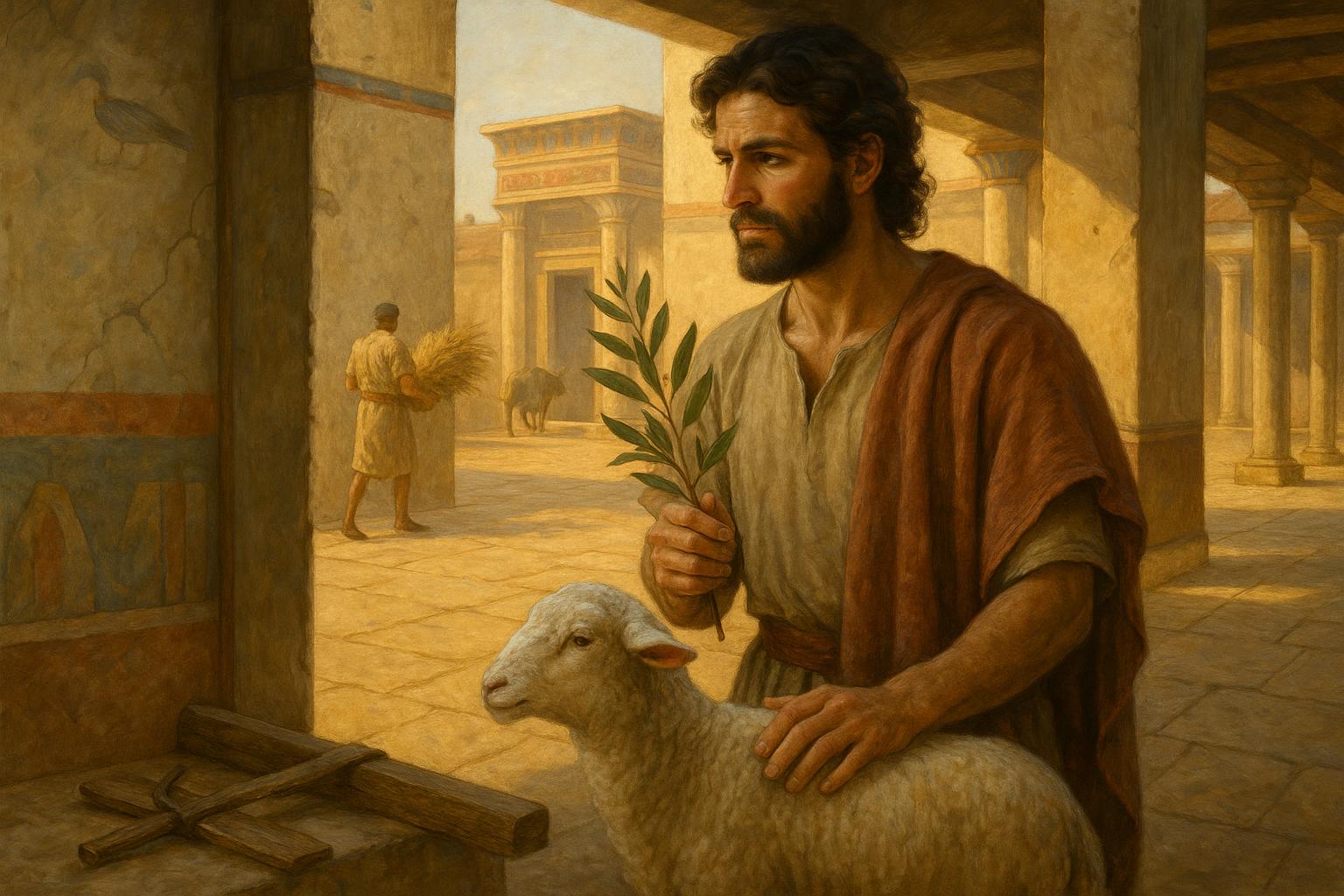
In the grand narrative of Scripture, shadows and substance reveal profound truths about God’s redemptive plan. Throughout the Old Testament, types and symbols serve as precursors to the ultimate fulfillment found in Christ, illuminating the richness of His coming.
-
Active Endurance in the Divine Forge
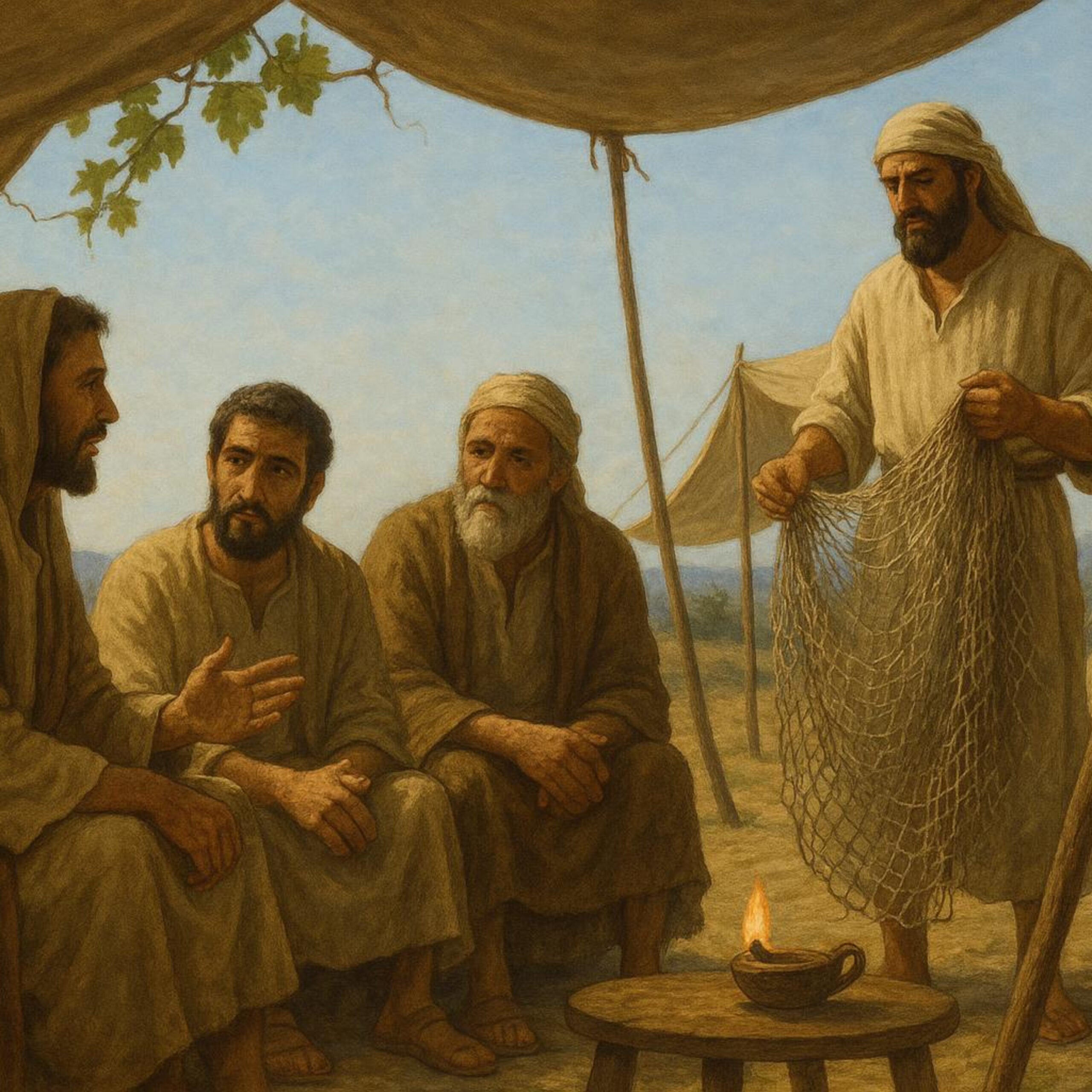
In the journey of faith, believers are often confronted with the crucible of trials, which serve as a divine forge for spiritual growth and endurance. The Scriptures remind us that the discipline of prayer and worship, alongside diligent study of the Word, fortifies the soul against adversity, as seen in Nehemiah 8:8, where the understanding…
-
How to Read the Biblical Library
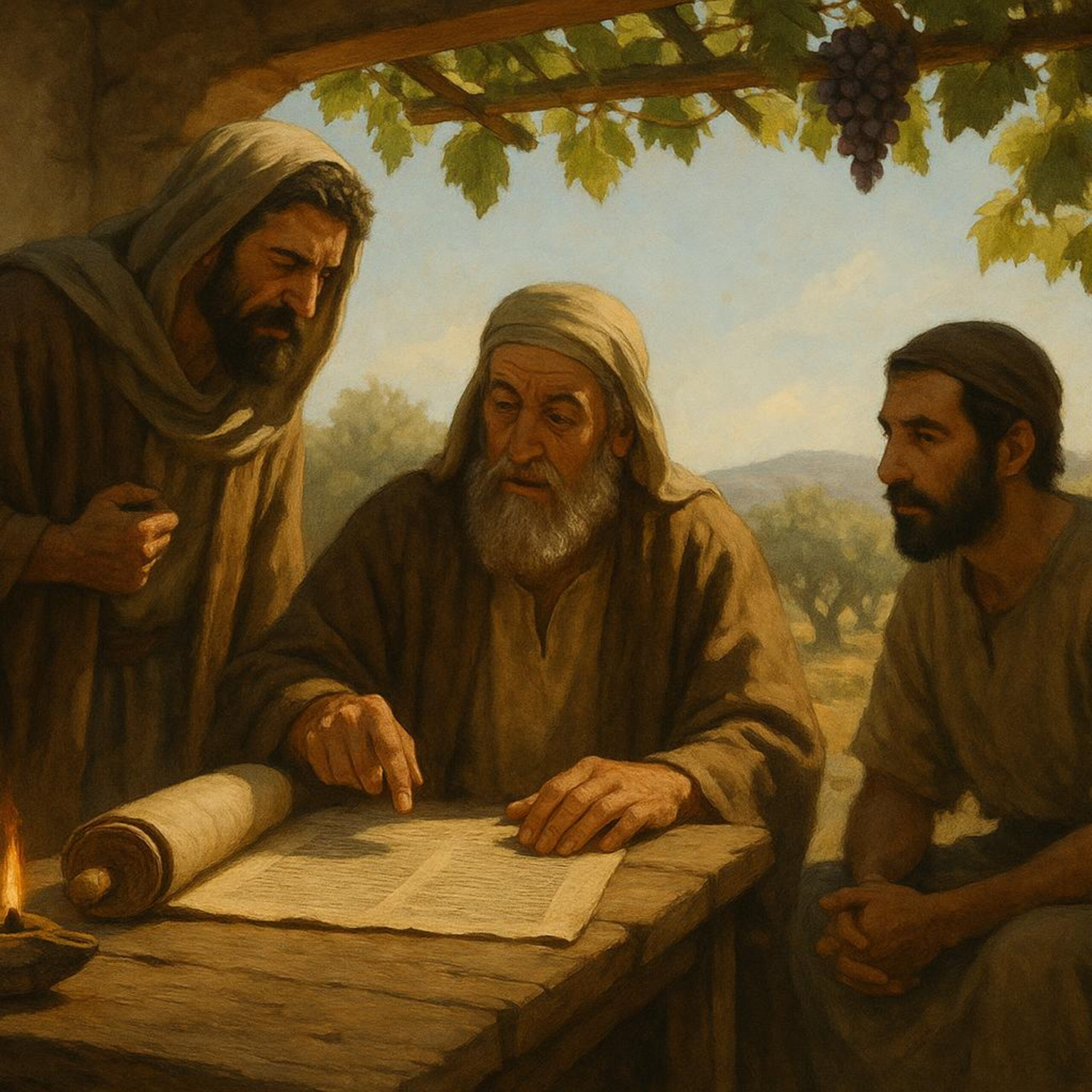
Understanding genre in Scripture is essential for rightly dividing the Word of truth, as evidenced by Nehemiah 8:8, where the Levites instructed the people to read and interpret the Law. Each literary form, whether narrative, poetic, or epistolary, carries unique conventions that illuminate the text’s intended message. In Acts 17:11, the Bereans exemplified a noble…
-
Jerusalem and the Geography of Promise

The historical significance of Jerusalem in the biblical narrative serves as a profound testament to God’s unyielding covenant with His people. From the days of Nehemiah, as the Law was read and understood (Neh 8:8), to the apostolic era when the Word was diligently examined (Acts 17:11), Jerusalem stands as a focal point of divine…
-
Old Testament Shadows of Christ

Throughout the Scriptures, types serve as divine signposts, pointing to the ultimate fulfillment found in Christ Jesus. The rich tapestry of biblical narrative reveals how various figures, events, and institutions foreshadow the redemptive work of the Savior. From the sacrificial system instituted in the Law to the prophetic shadows cast by the tabernacle and its…
