
Topical Studies
-
Marriage of the Lamb – Ceremony and Feast in Prophetic Context
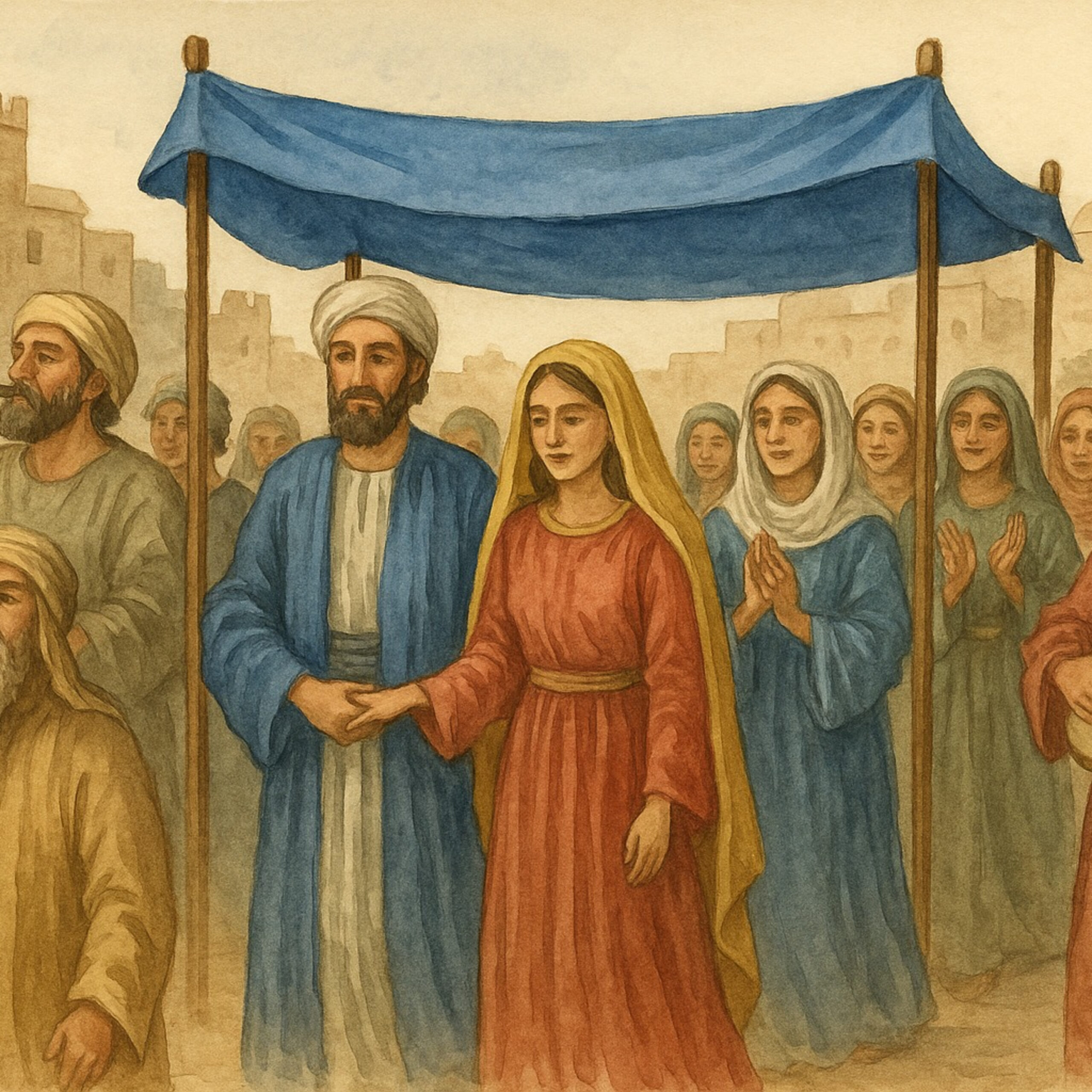
The “Marriage of the Lamb” in Revelation 19:7–9 is one of the most vivid prophetic images in Scripture. It portrays the consummation of the covenant relationship between Christ and His people. The imagery draws deeply fromancient Jewish wedding customs, which highlight betrothal, covenant, ceremony, and feast. To understand this prophecy, we must examine the cultural…
-
Idolatry, Scorpions, and Scapegoats – Israel’s Divided Kingdom
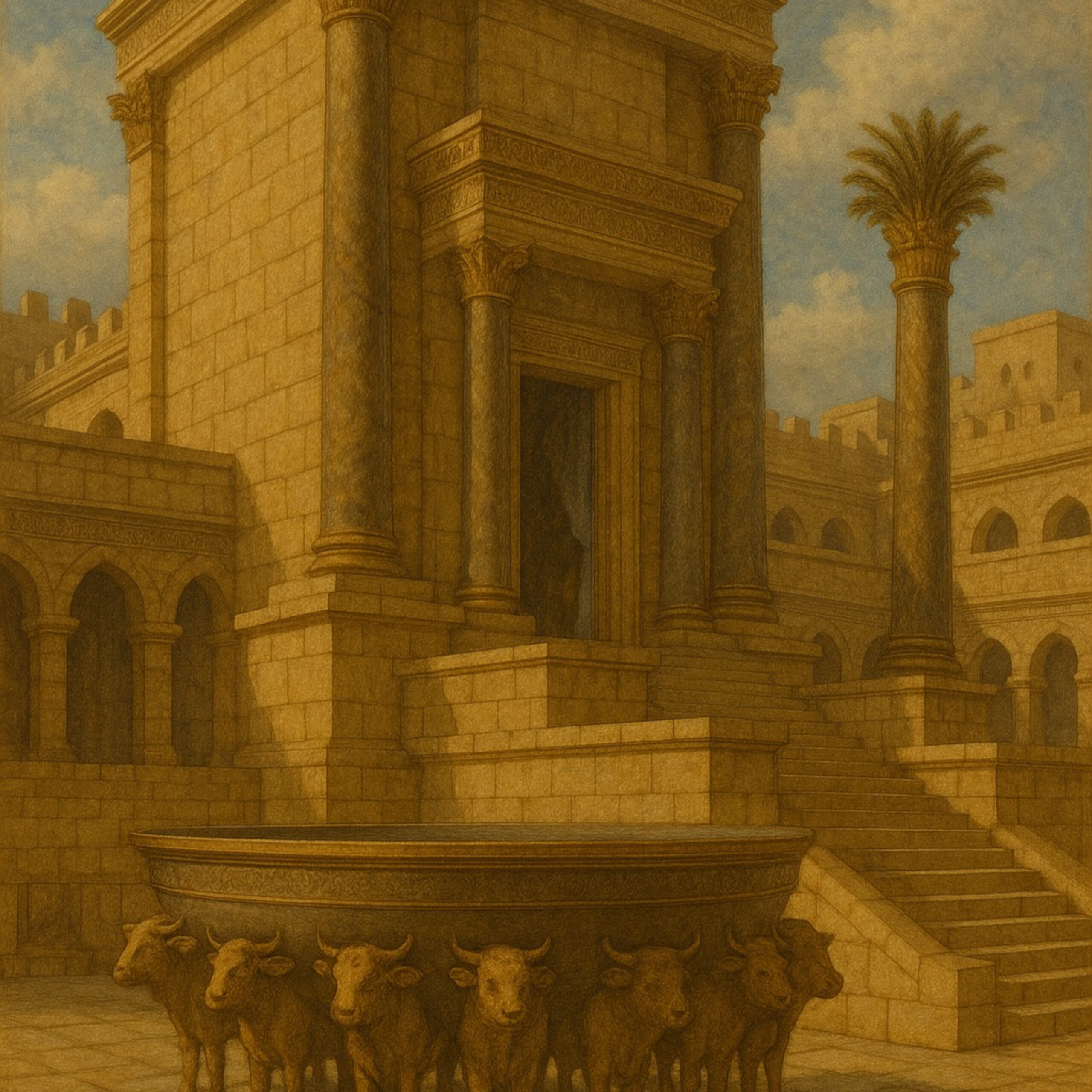
The United Monarchy of Israel reached its high point under David and Solomon. Yet the seeds of division were sown during Solomon’s later years, when idolatry and heavy taxation weakened the kingdom. After his death, the nation split into two: the northern kingdom of Israel and the southern kingdom of Judah. This division ushered in…
-
The Rise of the Israelite Monarchy: Saul, David, and Solomon
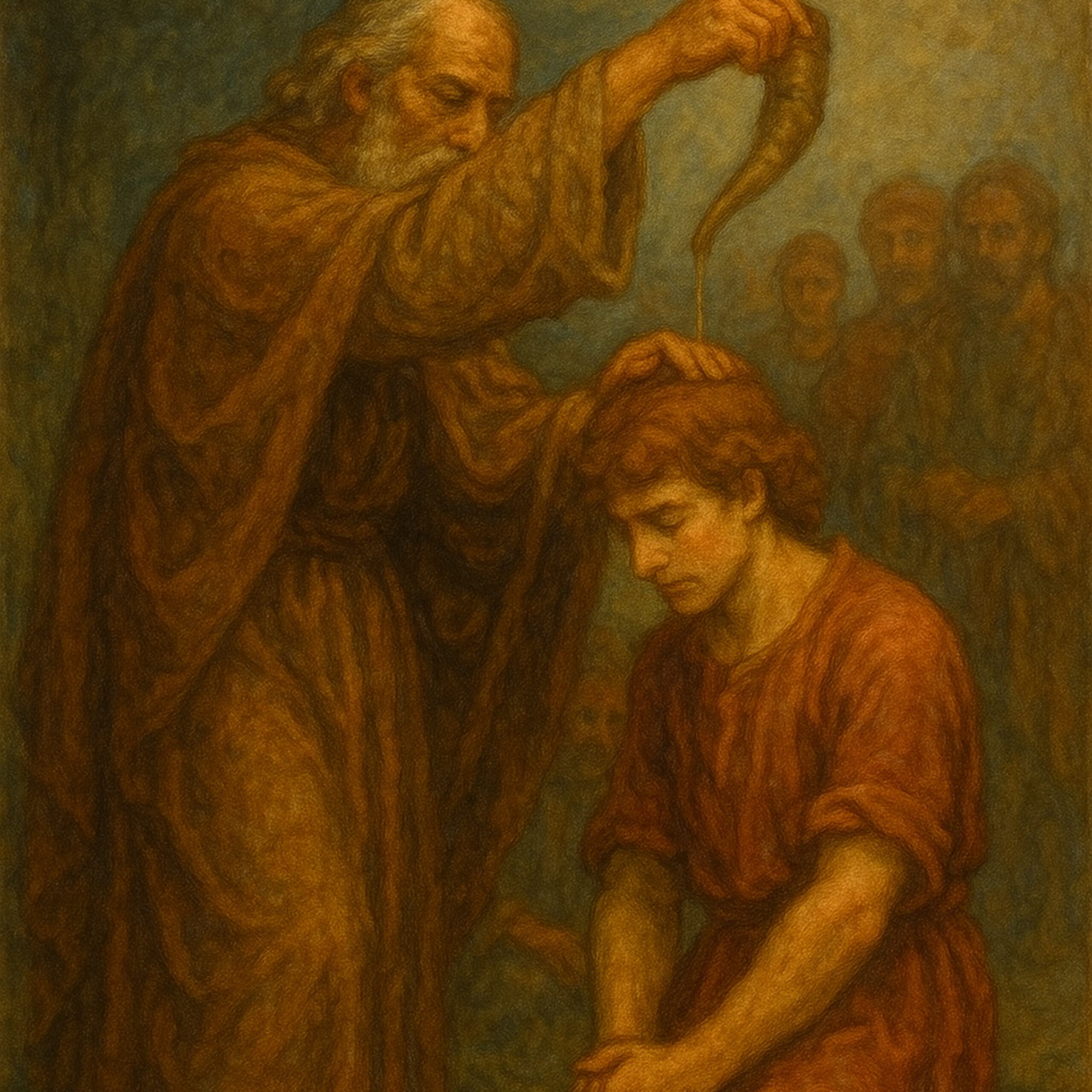
The rise of the monarchy in Israel marks a turning point in biblical history. Up until the time of Samuel, Israel had been a tribal confederation, loosely united under judges whom God raised during times of crisis. But the people longed for stability, strength against their enemies, and a visible ruler like the nations around…
-
The Promised Land of Israel – Conquest and Covenant

The conquest of Canaan under Joshua fulfills God’s promises to Abraham, Isaac, and Jacob. After centuries of anticipation, Israel finally entered the land God had sworn to give them. This period, described in the book of Joshua and echoed in Judges, is both a story of triumph and a sober reminder of the dangers of…
-
The Apocalypse Fulfilling God’s Plan
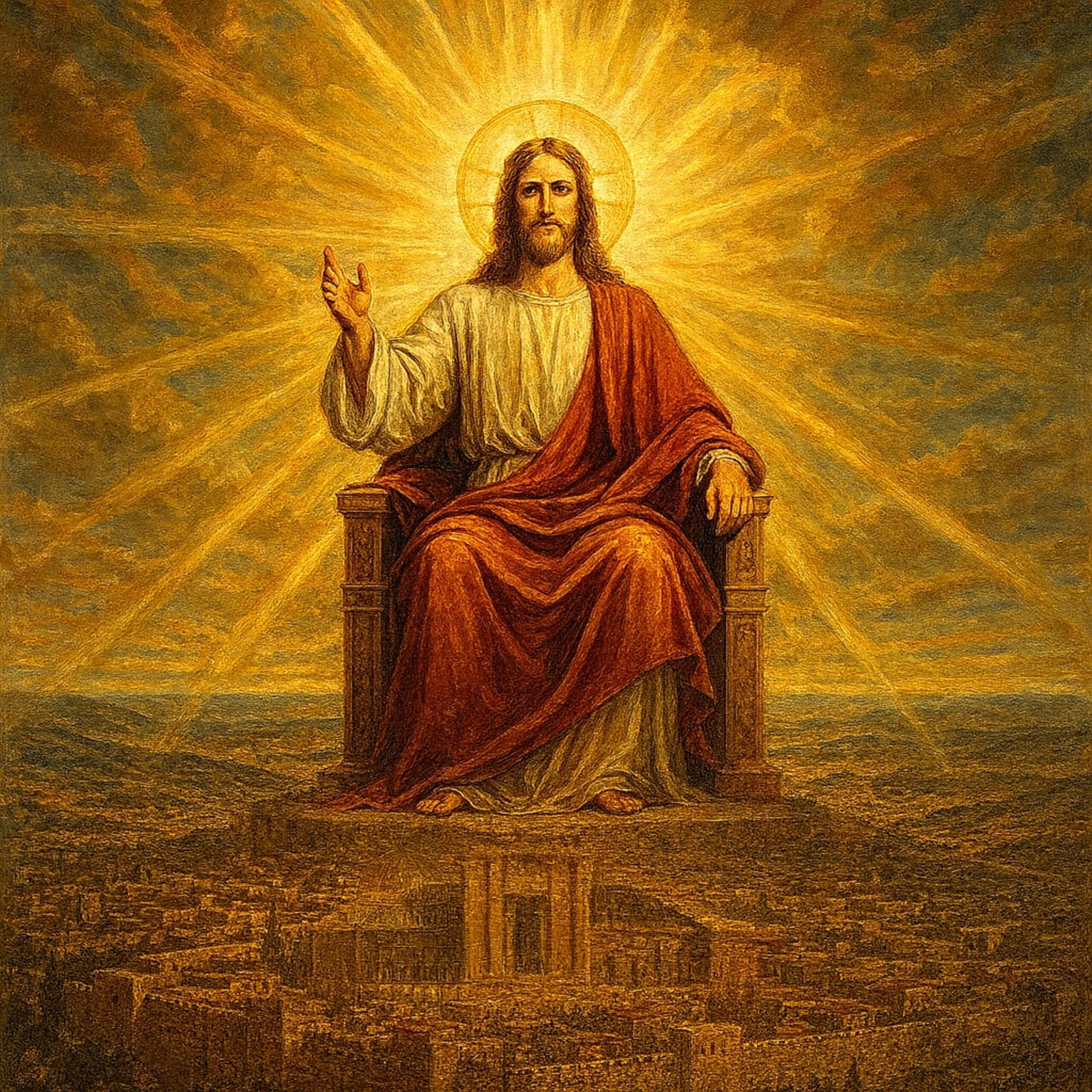
The Book of Revelation, the final book of the Bible, is rich in imagery and language drawn from the Old Testament. From Genesis to Malachi, echoes of earlier prophecies resound in John’s visions. Far from being a new or disconnected revelation, the Apocalypse weaves together centuries of prophecy into one climactic conclusion. Revelation shows the…
-
Elijah — The Prophet of Fire and the Voice of Revival
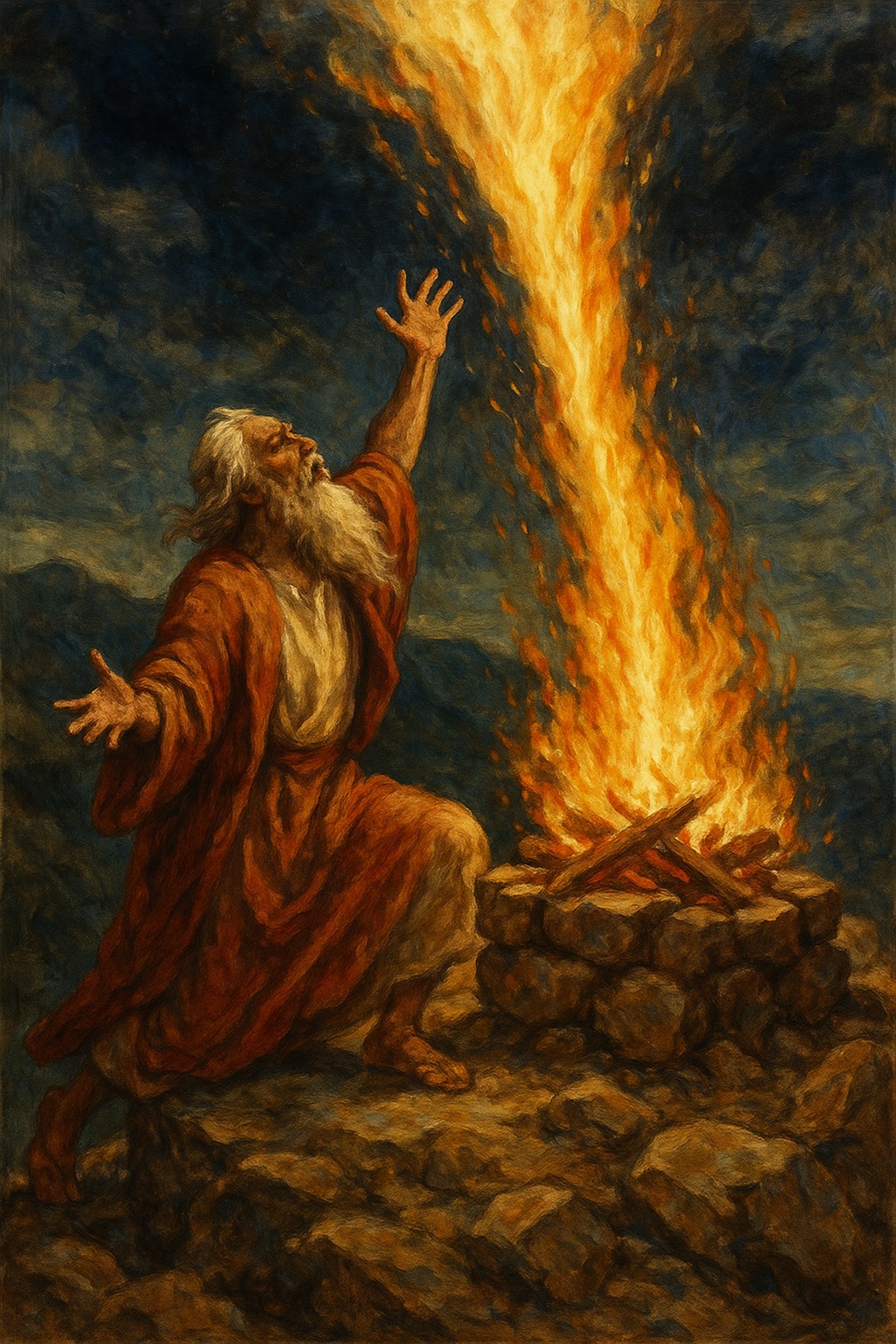
Elijah stands as one of the most powerful and enigmatic figures in the Old Testament. His very name means “My God is the LORD,” and his ministry embodied that declaration in an age of widespread apostasy. Appearing suddenly during the reign of King Ahab, Elijah’s prophetic voice called Israel to repentance, confronted idolatry, and demonstrated…
-
The Day of the Lord
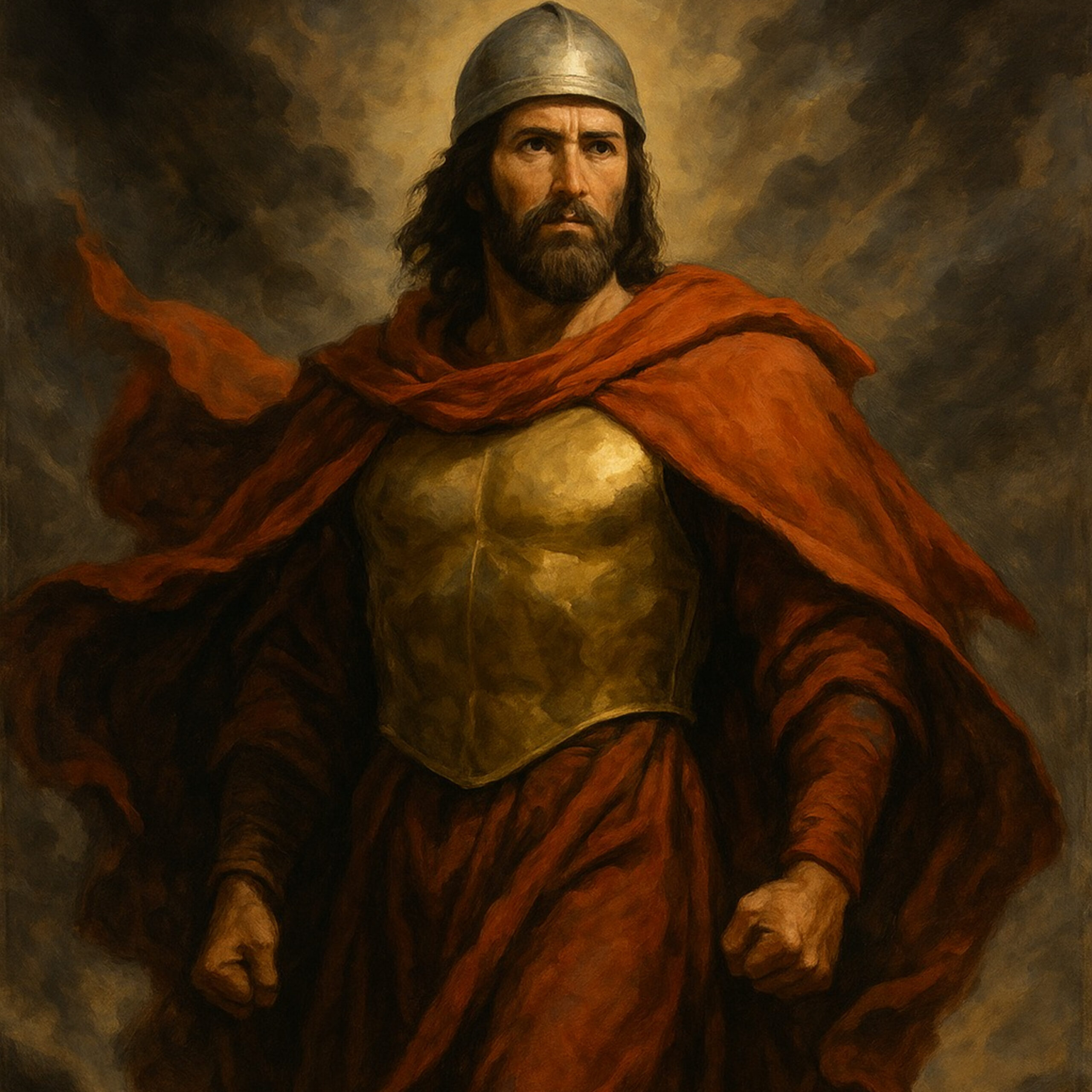
The phrase “the Day of the LORD” is one of the most sobering and recurring themes in the prophetic writings. While it appears throughout the Old Testament, it is especially emphasized in the Minor Prophets, from Hosea to Malachi. These short yet powerful books frequently announce a day of divine intervention, marked by both judgment…
-
Israel’s Exodus – The Journey from Egypt
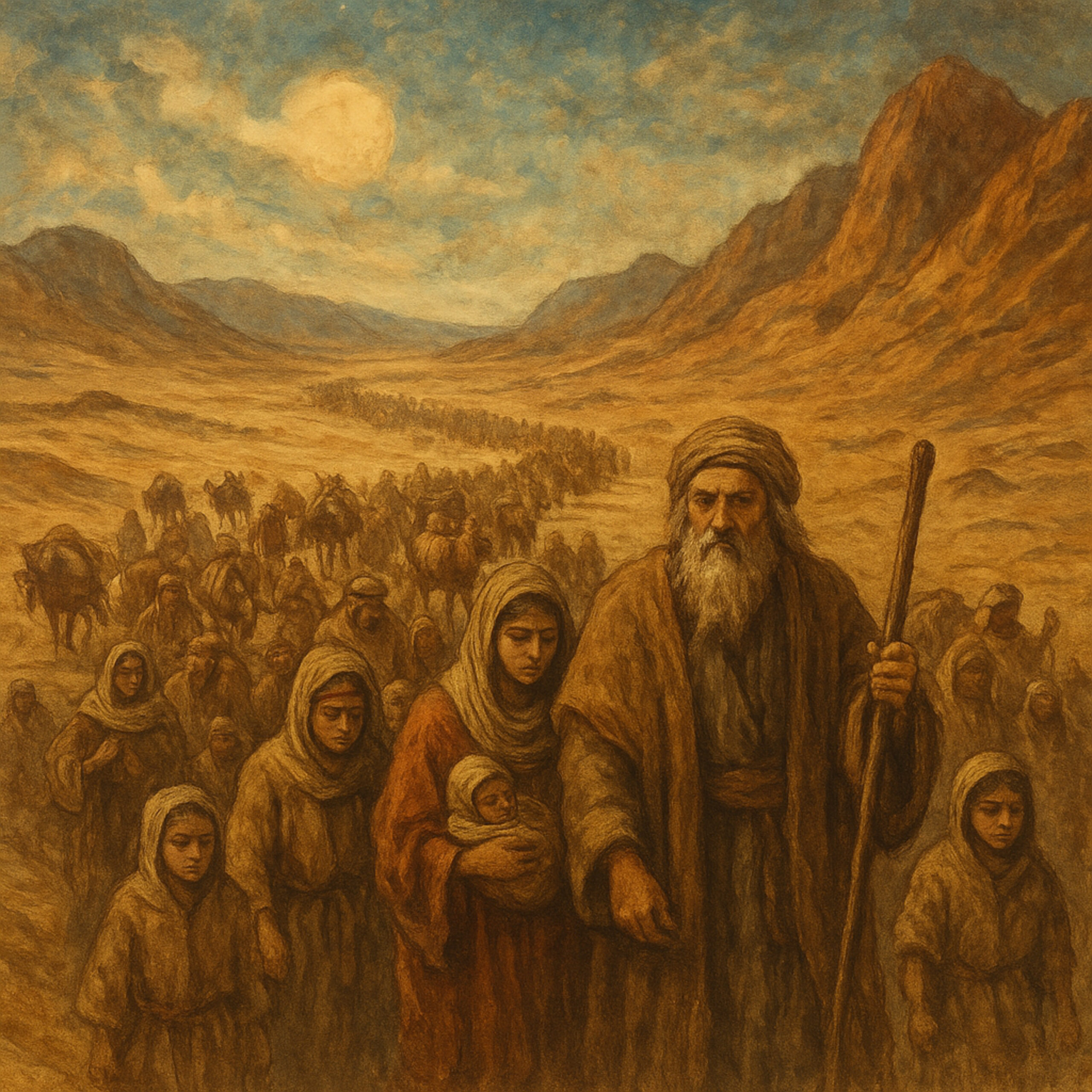
The Exodus is one of the most defining events in biblical history. It marks God’s deliverance of His people from slavery in Egypt and His covenantal formation of Israel as a nation. The narrative stretches from the closing chapters of Genesis through Exodus, and its theological impact reverberates throughout the Old and New Testaments. The…
-
David — The Shepherd King and Covenant Promise
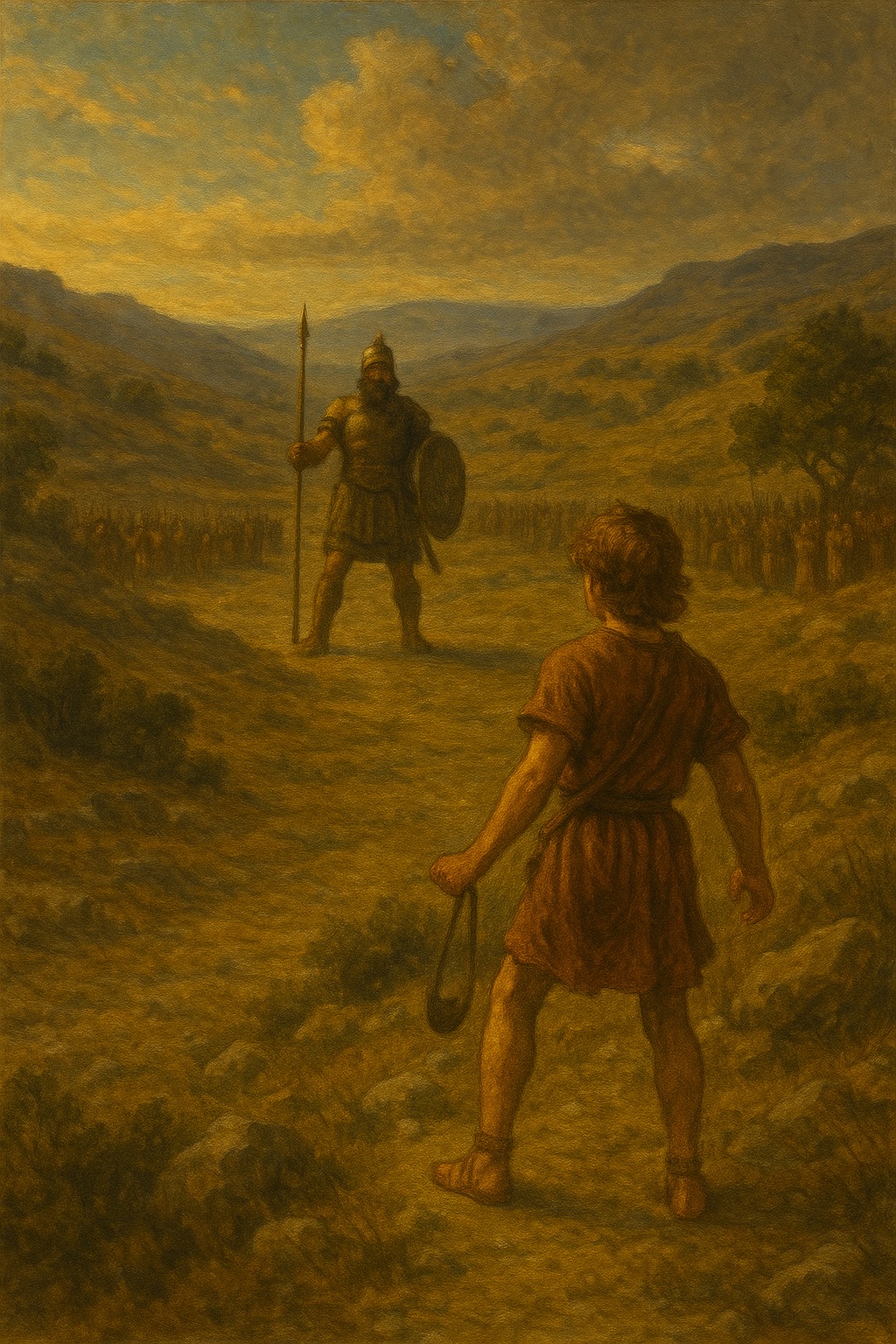
Among all the figures in the Old Testament, David stands uniquely as both warrior and worshiper, shepherd and king. He was the man after God’s own heart (1 Samuel 13:14), chosen not for his appearance or status but for the sincerity of his devotion. Through David, God established an everlasting covenant that pointed directly to…
-
Prophecies of the Nations Surrounding Israel
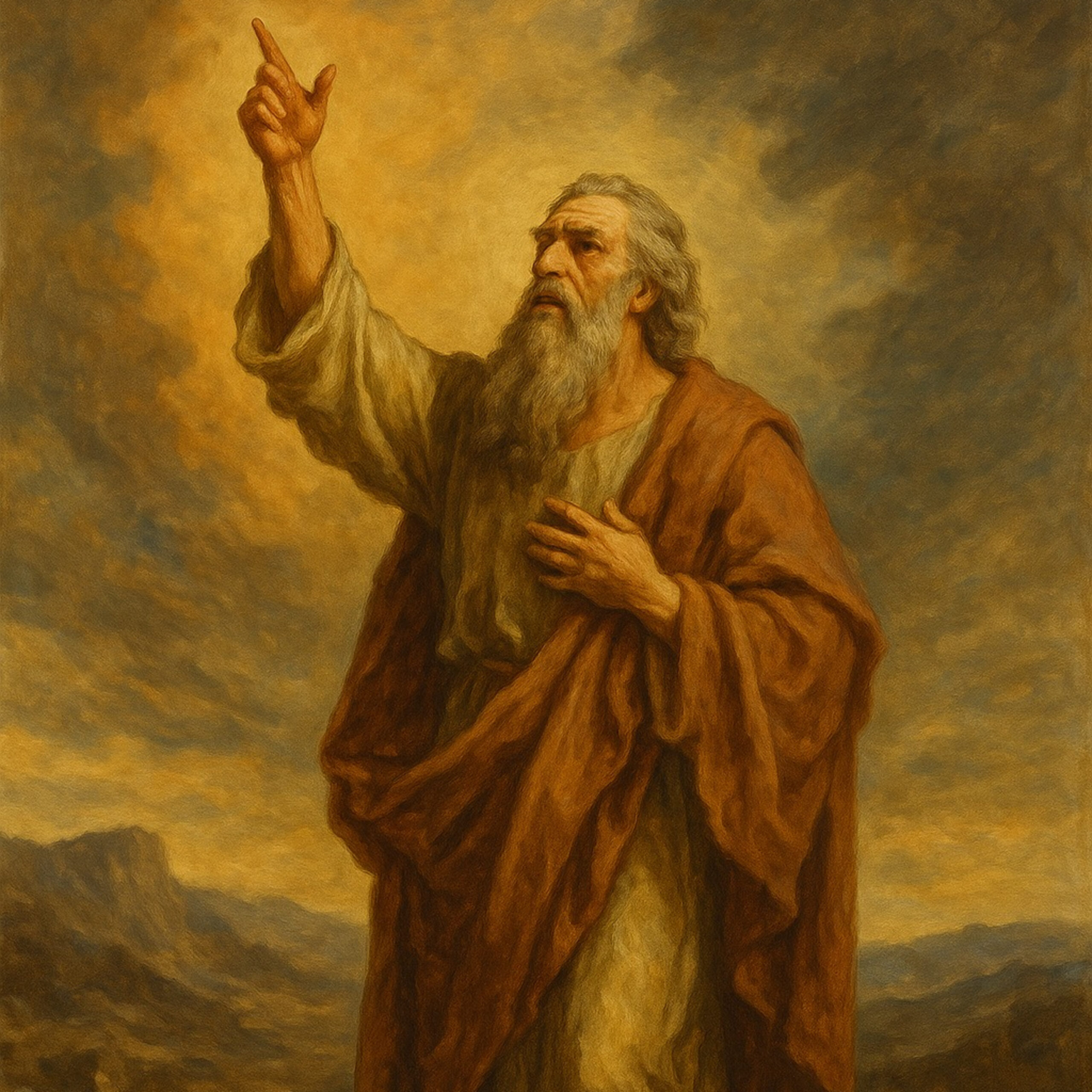
The prophet Ezekiel ministered during one of the most turbulent times in Israel’s history: the Babylonian exile of the sixth century B.C. While much of his prophecy focused on the sins and restoration of Israel, Ezekiel also recorded detailed oracles against surrounding nations. These prophecies reveal God’s sovereignty over all peoples and demonstrate that He…


