
Topical Studies
-
The Architecture of Truth Once Delivered

The truth of the Gospel, as once delivered to the saints, calls for diligent examination and faithful proclamation. In Nehemiah 8:8, the Levites instructed the people in the Law, emphasizing the necessity of understanding and applying the Word of God with clarity and reverence. Similarly, the Bereans in Acts 17:11 exemplified a noble character by…
-
Jerusalem Where Heaven Meets Earth
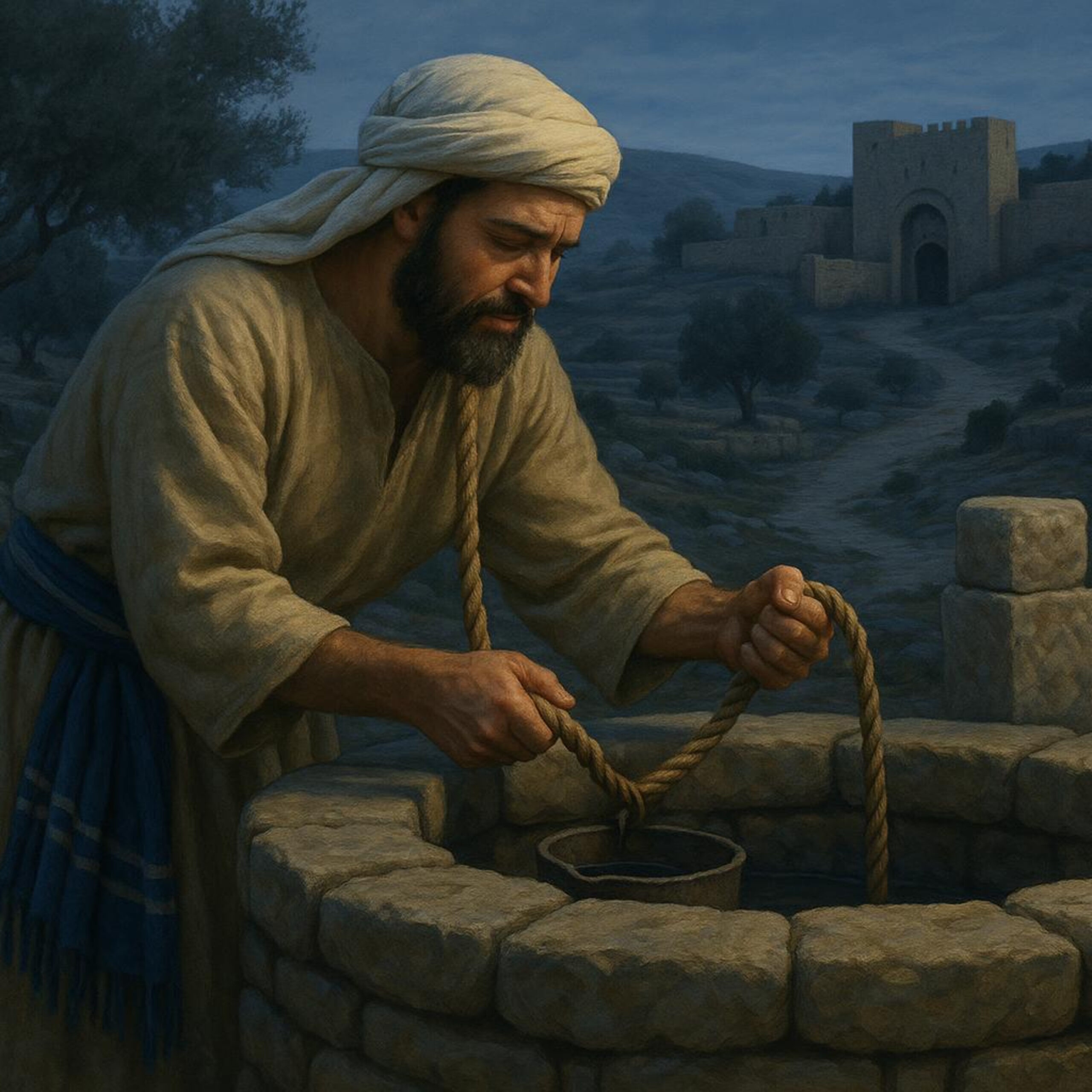
The city of Jerusalem stands as a fulcrum in the narrative of Scripture, embodying God’s covenantal promise to His people and serving as a physical and spiritual center for Israel. In the days of Nehemiah, the reading of the Law in Jerusalem rekindled a devotion to God’s Word, as seen in Nehemiah 8:8, where the…
-
Writing Ancient Law on the Heart

In the unfolding narrative of Scripture, the relationship between law and faithfulness emerges as a profound theme that shapes the lives of God’s people. Nehemiah 8:8 highlights the importance of understanding and applying the Law as the Levites instructed the people in reading God’s Word, emphasizing its role in cultivating obedience and reverence. Conversely, Acts…
-
Law and Faithfulness
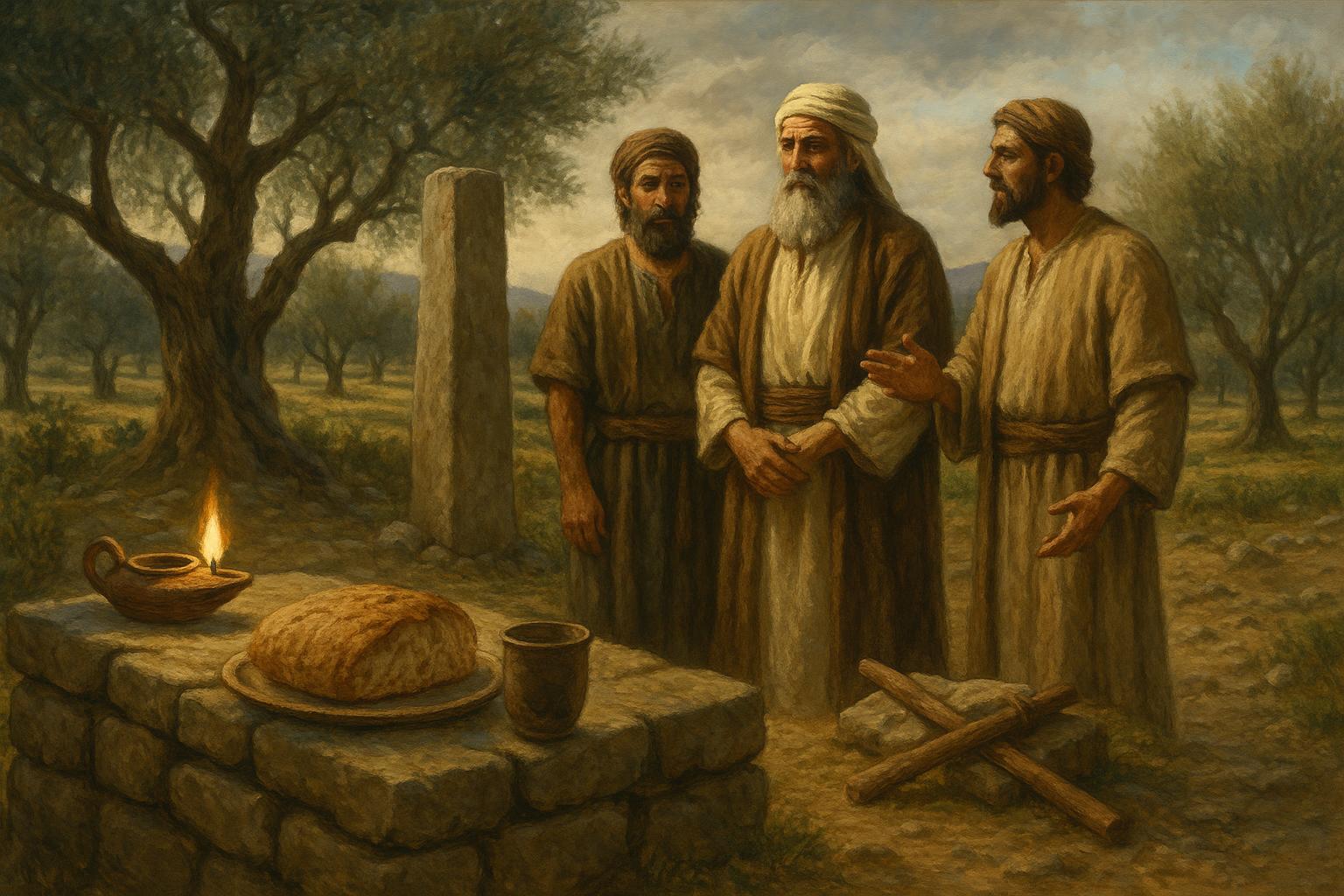
In the unfolding narrative of Scripture, the relationship between law and faithfulness emerges as a profound theme that shapes the lives of God’s people.
-
Ancient Feasts as Shadows of Christ

The feasts of Israel stand as rich typological shadows, pointing to deeper spiritual truths and the ultimate fulfillment found in Christ. Throughout Scripture, these sacred observances reveal God’s redemptive plan, inviting His people to remember His mighty acts and engage in communal worship. Nehemiah 8:8 highlights the importance of understanding the Law and the feasts,…
-
Shadows and Substance: Feasts of Israel and Prophetic Meaning
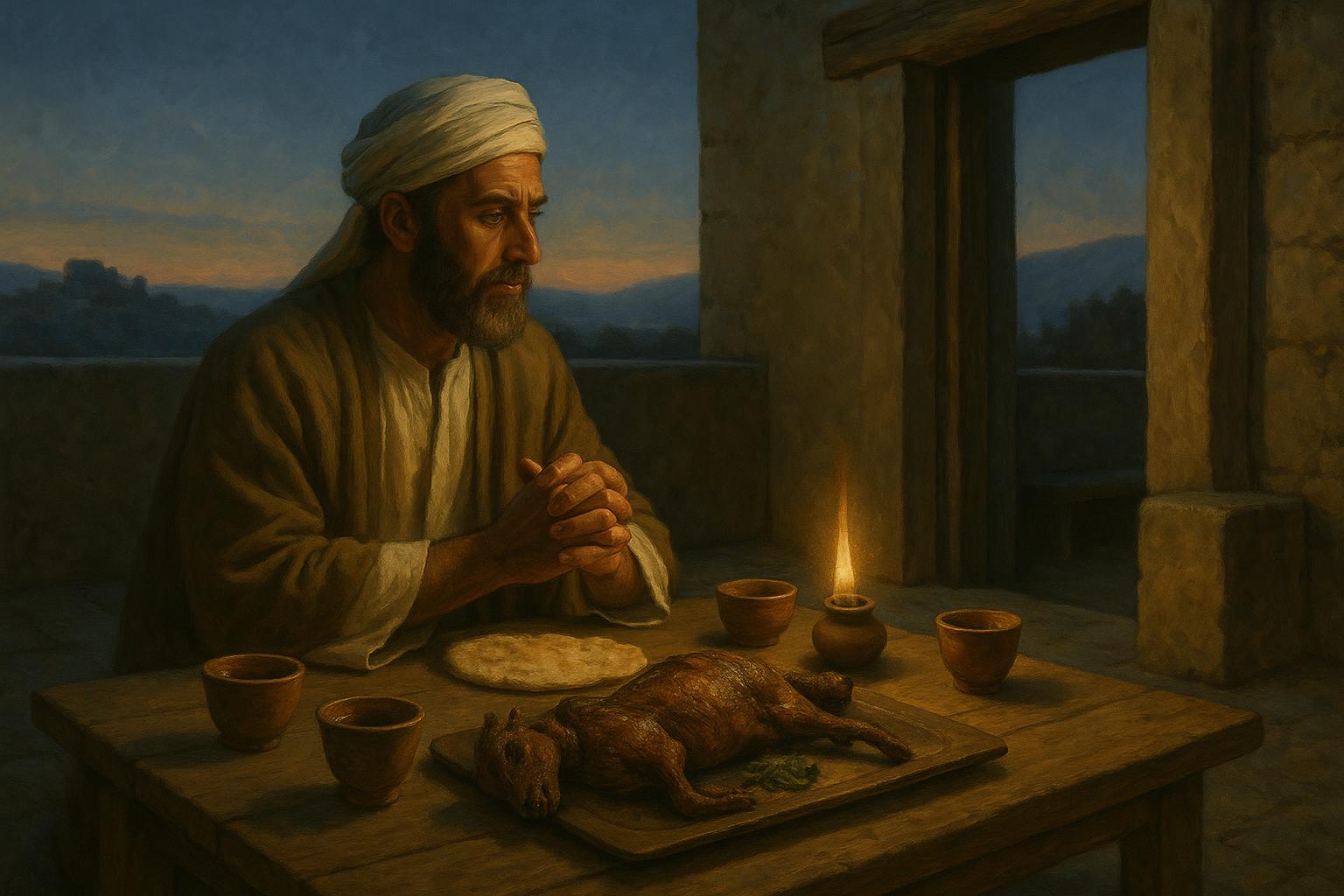
The feasts of Israel stand as rich typological shadows, pointing to deeper spiritual truths and the ultimate fulfillment found in Christ.
-
From Stone Tablets to Human Hearts

The Mosaic Covenant stands as a pivotal moment in the unfolding narrative of Scripture, revealing God’s steadfast commitment to His people while simultaneously establishing the moral and ceremonial laws that govern their relationship with Him. In Nehemiah 8:8, the reading and understanding of the Law led the people to reverence and repentance, highlighting the transformative…
-
The Trinitarian Mechanics of Sanctification

The doctrine of the Holy Spirit’s role in sanctification reveals a profound mystery woven throughout Scripture, highlighting God’s transformative power in the lives of believers. As the Spirit illuminates the Word, as seen in Nehemiah 8:8, He enables the faithful to understand and apply divine truths, thereby deepening their relationship with Christ. This sanctifying work…
-
Why Israel Outlasted Ancient Empires

The narrative of Israel is intricately woven with themes of calling and preservation, underscored by God’s divine fidelity to His covenant people. From the days of Nehemiah, when the Law was read and understood (Neh 8:8), to the exhortation of the Bereans, who searched the Scriptures diligently (Acts 17:11), God’s commitment to guide and sustain…
-
Israel’s Divine Strategy Among the Nations

In the divine narrative, Israel occupies a unique role among the nations, serving as both a chosen people and a conduit of God’s revelation to the world. The Scriptures reveal Israel’s identity not merely as a geographical entity but as a nation set apart to embody God’s covenant faithfulness and to proclaim His glory. Nehemiah…
