
Topical Studies
-
Science, Faith, and the Limits of Human Knowledge
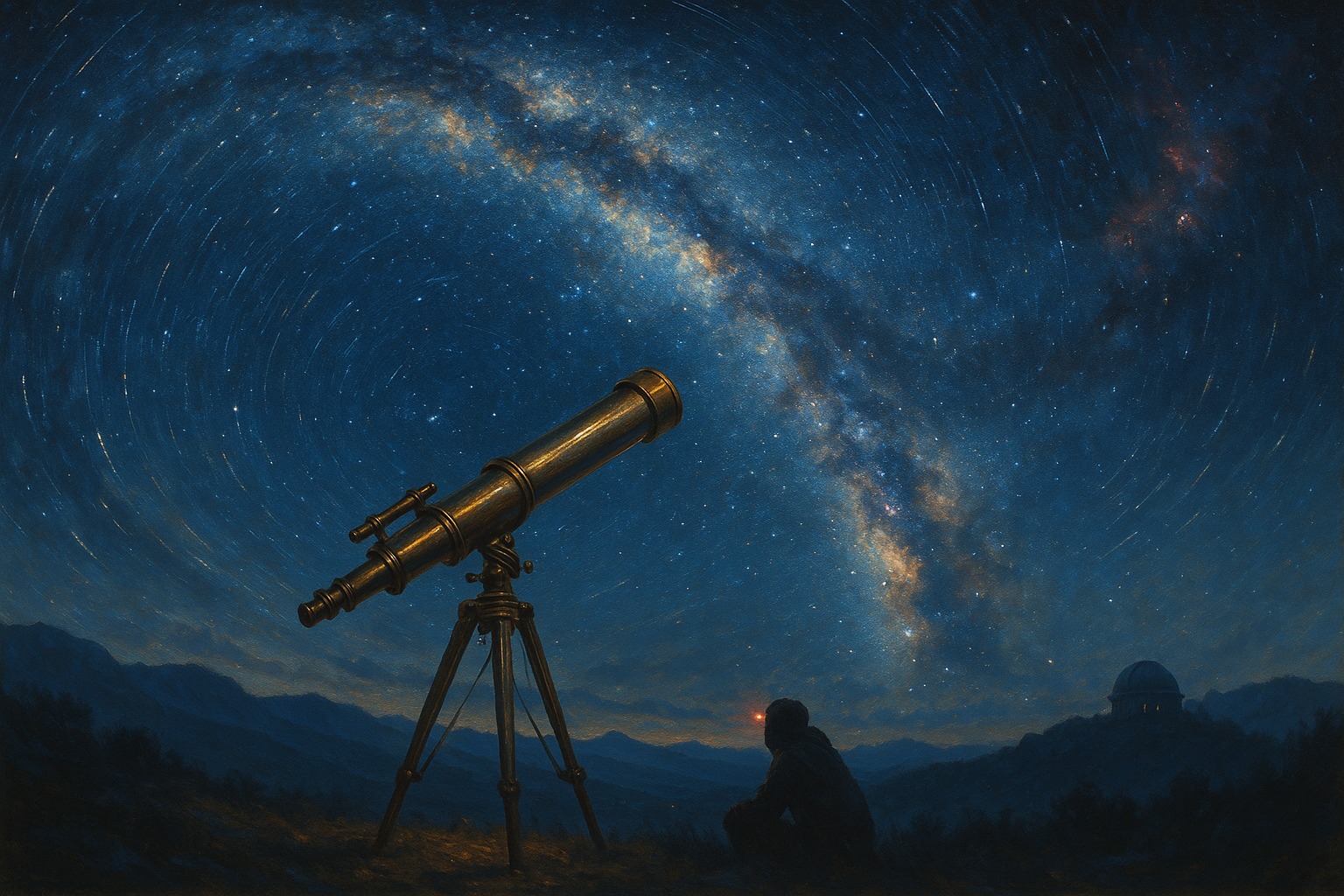
Science and faith, while often seen in conflict, both aim to uncover truth. Science explains how things work, while faith addresses meaning and purpose. Each has limits, and proper engagement fosters humility, allowing believers to harmonize the two. Together, they enrich understanding of God’s creation and ultimate purposes.
-
Flood Geology and the Debate Over Noah’s Flood
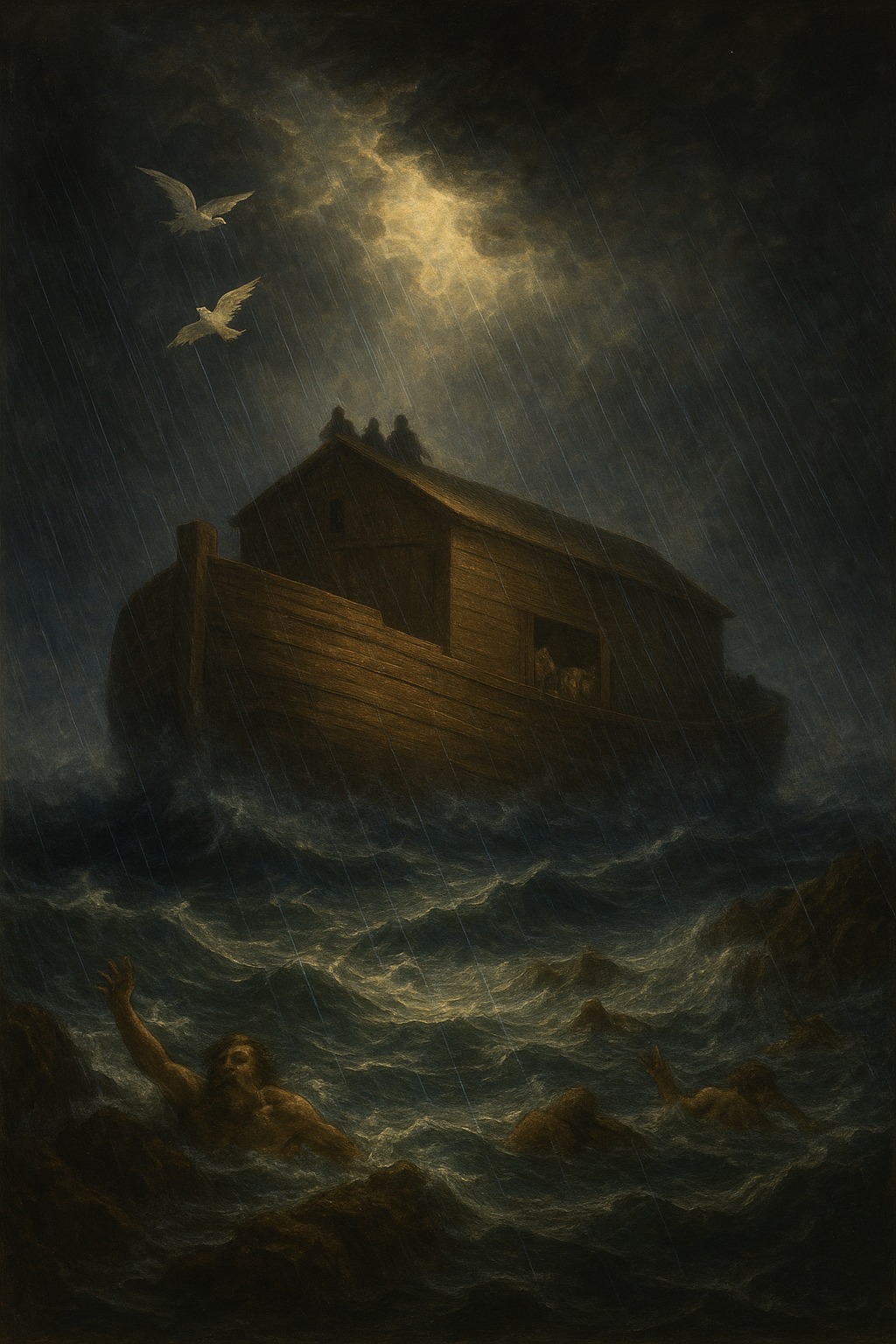
The account of Noah’s flood in Genesis depicts a global deluge, challenging interpretations from both faith and modern geology. While traditional views see it as a literal event, geology often regards it as myth or local. The narrative emphasizes God’s judgment, mercy, and the promise of salvation, reinforcing theological significance amidst scientific debate.
-
Telescopes and the Big Bang: Expansion, Redshift, and Creation

The cosmos has long captivated humanity, blending scientific inquiry with spiritual understanding. Advancements like the Hubble and James Webb telescopes reveal universal expansion, aligning with Scripture’s creation narrative. Both science and faith affirm a beginning to the universe, with God as the Creator, highlighting human dignity amid vastness.
-
Prophecy as Evidence of Scripture’s Reliability

The Bible’s reliability is supported by fulfilled prophecies regarding nations, Israel, and the Messiah, demonstrating divine origin and specific predictions. Historical events confirm prophecies, such as Israel’s restoration in 1948 and the specifics of Christ’s life. Prophecy strengthens believers’ faith, assuring them of God’s sovereignty and the truth of Scripture.
-
Genealogies, DNA, and the Peoples of the Bible
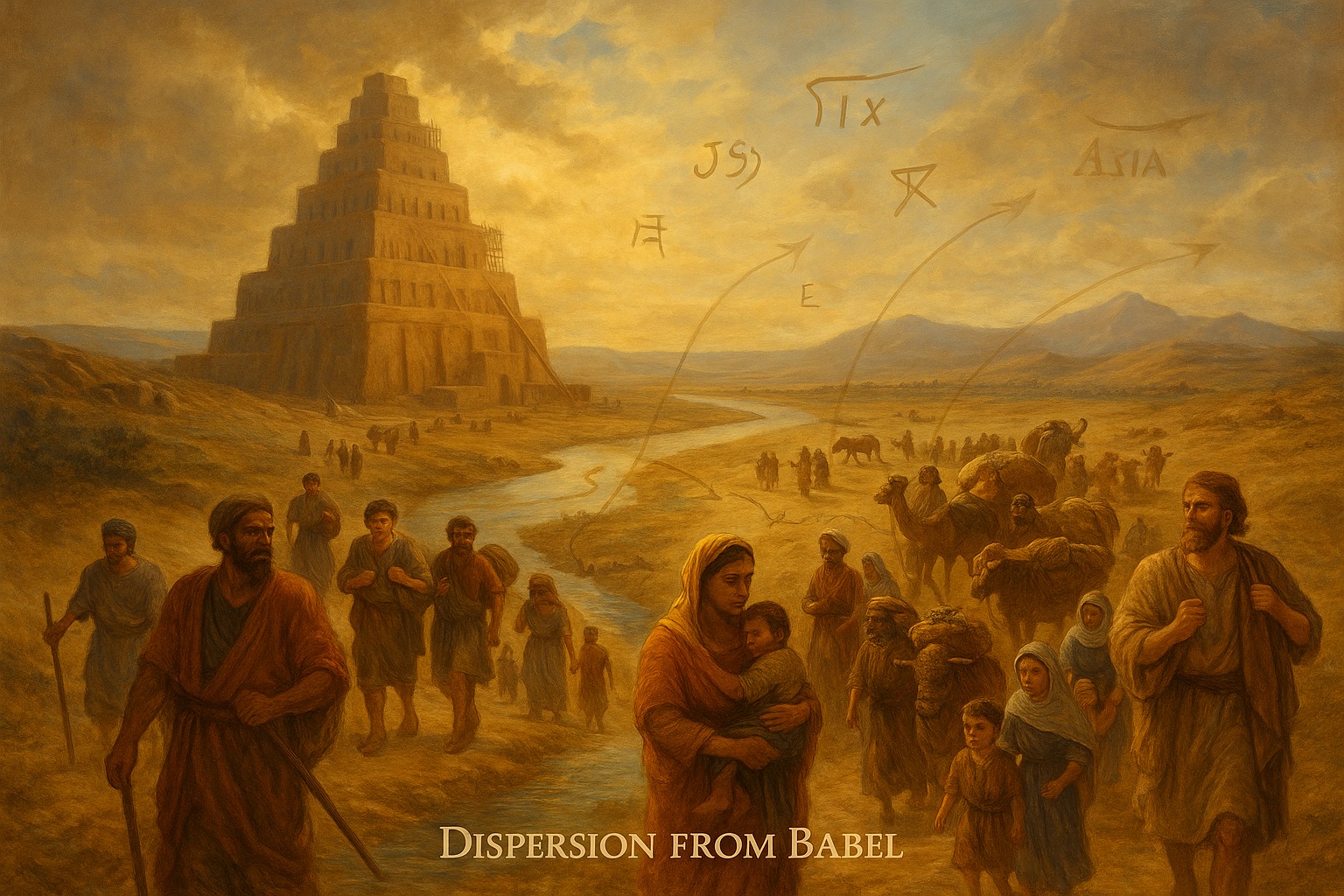
The Bible places remarkable emphasis on genealogies, tracing family lines from Adam to Christ. These genealogies are more than records of ancestry; they demonstrate God’s covenant faithfulness, connect Israel to the nations, and ultimately point to the Messiah. In modern times, advances in genetics and DNA studies raise questions about whether science can illuminate biblical…
-
Scientific Discoveries and the Church’s Misinterpretations
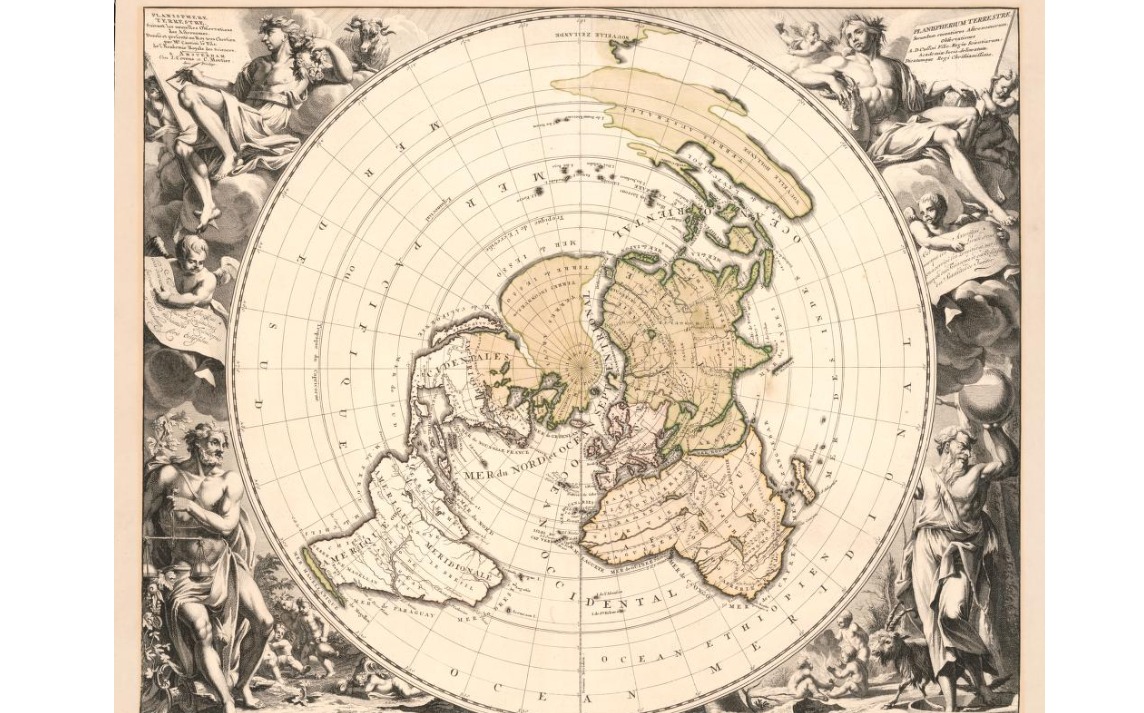
Throughout history, science and the church have often been at odds. While the Bible itself affirms truth in both creation and revelation, human interpretation has sometimes led the church to resist genuine discoveries. Misinterpretations of Scripture, rather than Scripture itself, created conflict. By reviewing examples such as the shape of the earth, the motion of…
-
Leaders During Isaiah 3
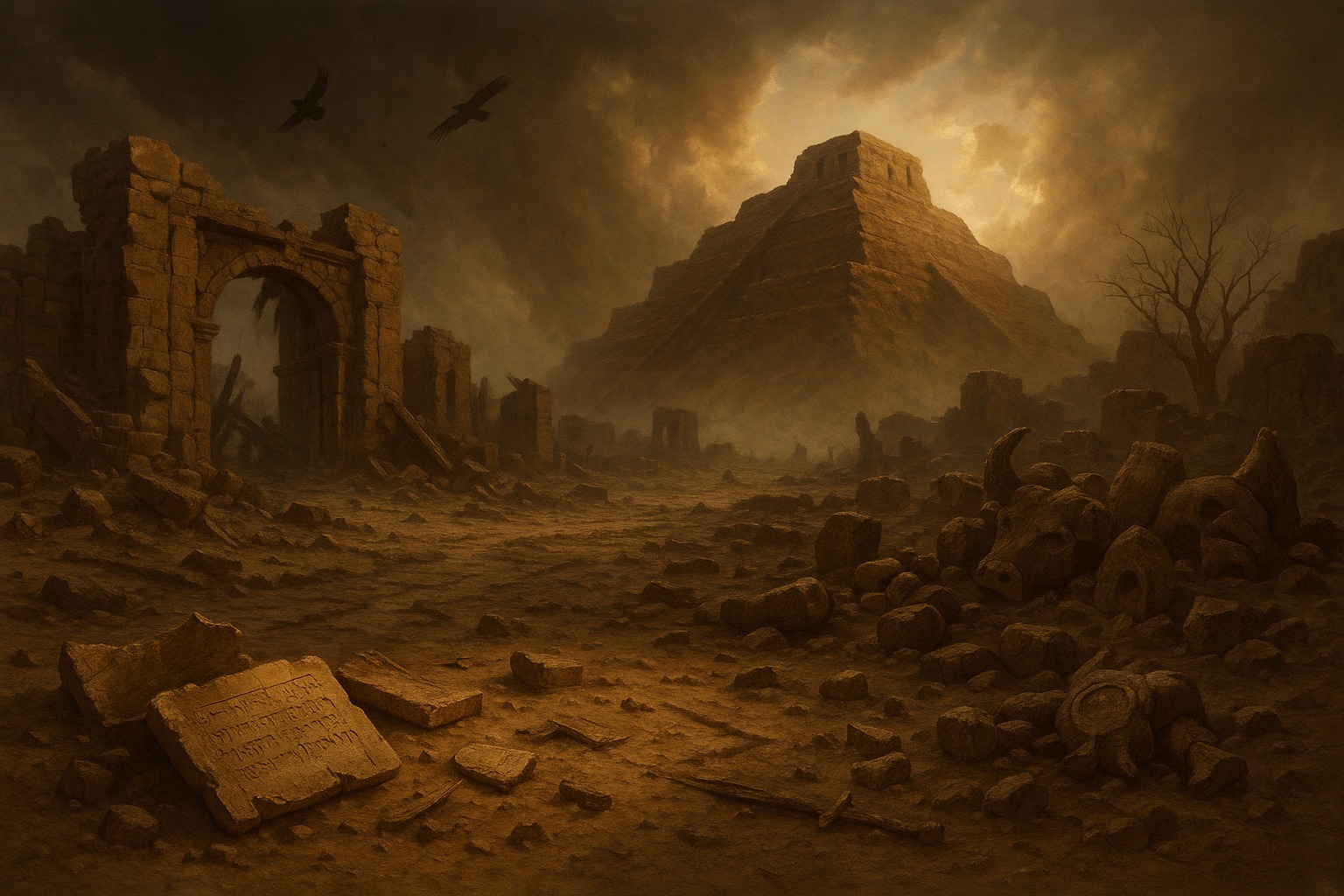
Isaiah 3 provides a sobering picture of leadership collapse in Judah. God declares that He will remove the nation’s strong leaders and replace them with immature, unqualified rulers. This passage reveals how corrupt leadership is both a judgment from God and a sign of societal decline. By studying Isaiah 3 in its historical and prophetic…
-
Ruth’s Moabite Heritage and David’s Line
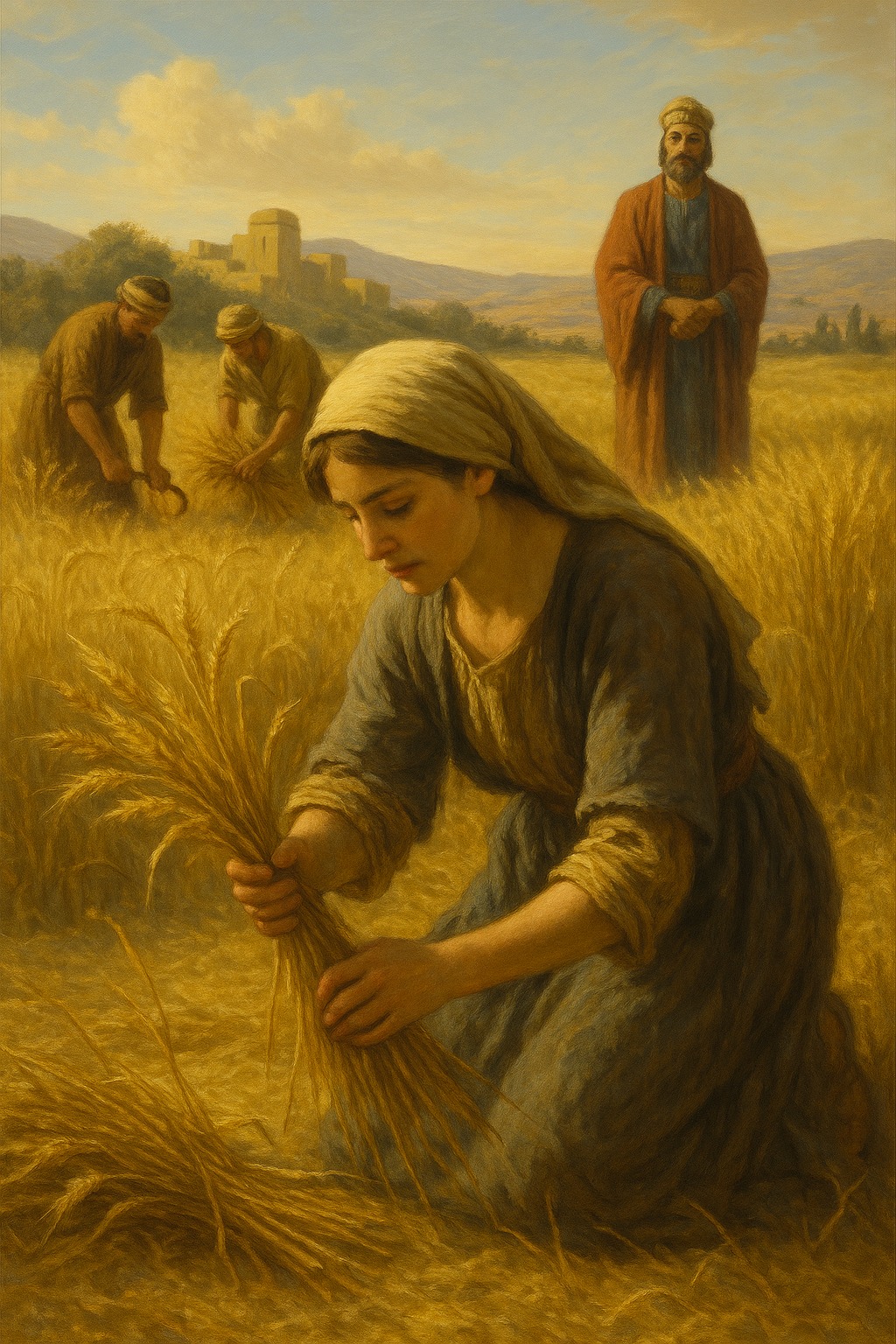
The story of Ruth stands as one of the most remarkable accounts in the Bible, not only for its narrative beauty but also for its theological depth. Ruth, a Moabitess, became the great-grandmother of King David and part of the Messianic line leading to Christ. Her heritage seemed disqualifying: the Moabites originated from Lot’s incestuous…
-
Samuel’s Unique Role as Judge, Prophet, and Priest
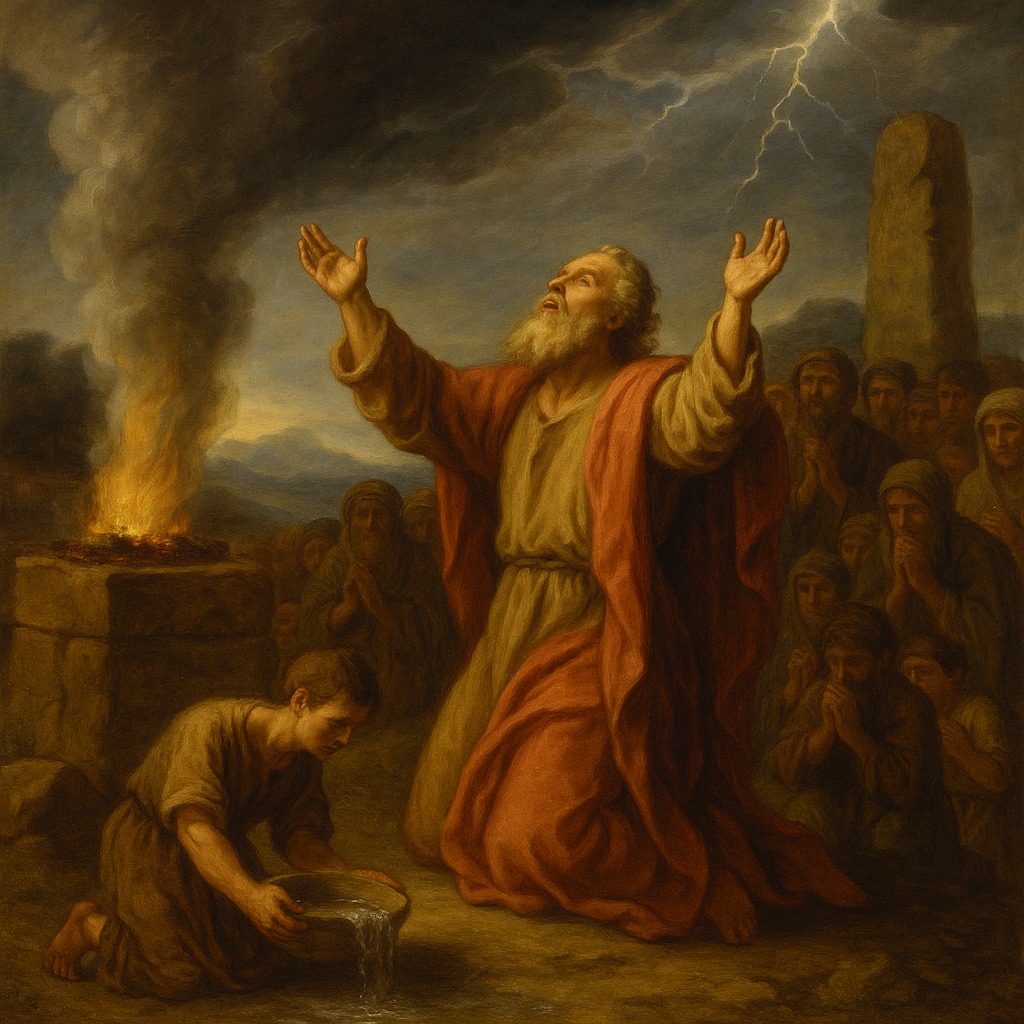
Among Israel’s great leaders, Samuel stands uniquely as judge, prophet, and priest. At a time when the nation was transitioning from the era of judges to the monarchy, Samuel guided Israel with spiritual authority, judicial leadership, and priestly intercession. He anointed kings, rebuked sin, and interceded for the people, bridging the period from tribal confederacy…
-
Why Jesse Was Ashamed of David
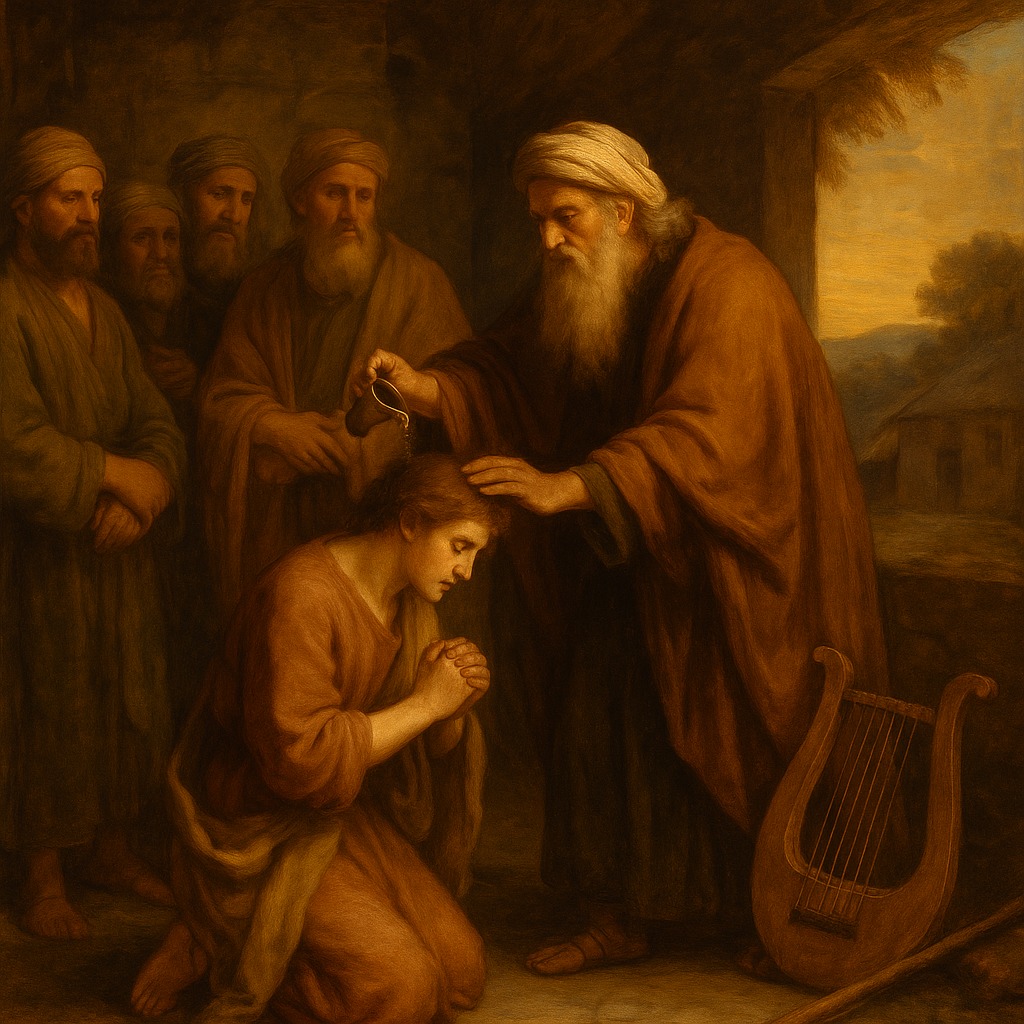
David, the shepherd boy who became Israel’s greatest king, was not immediately recognized by his own family. When Samuel came to anoint the next king, Jesse presented seven of his sons but withheld David, who was tending the sheep. This raises a question: why did Jesse seem reluctant, even ashamed, to bring David forward? By…


