
Topical Studies
-
The Rise of the Monarchy in Israel
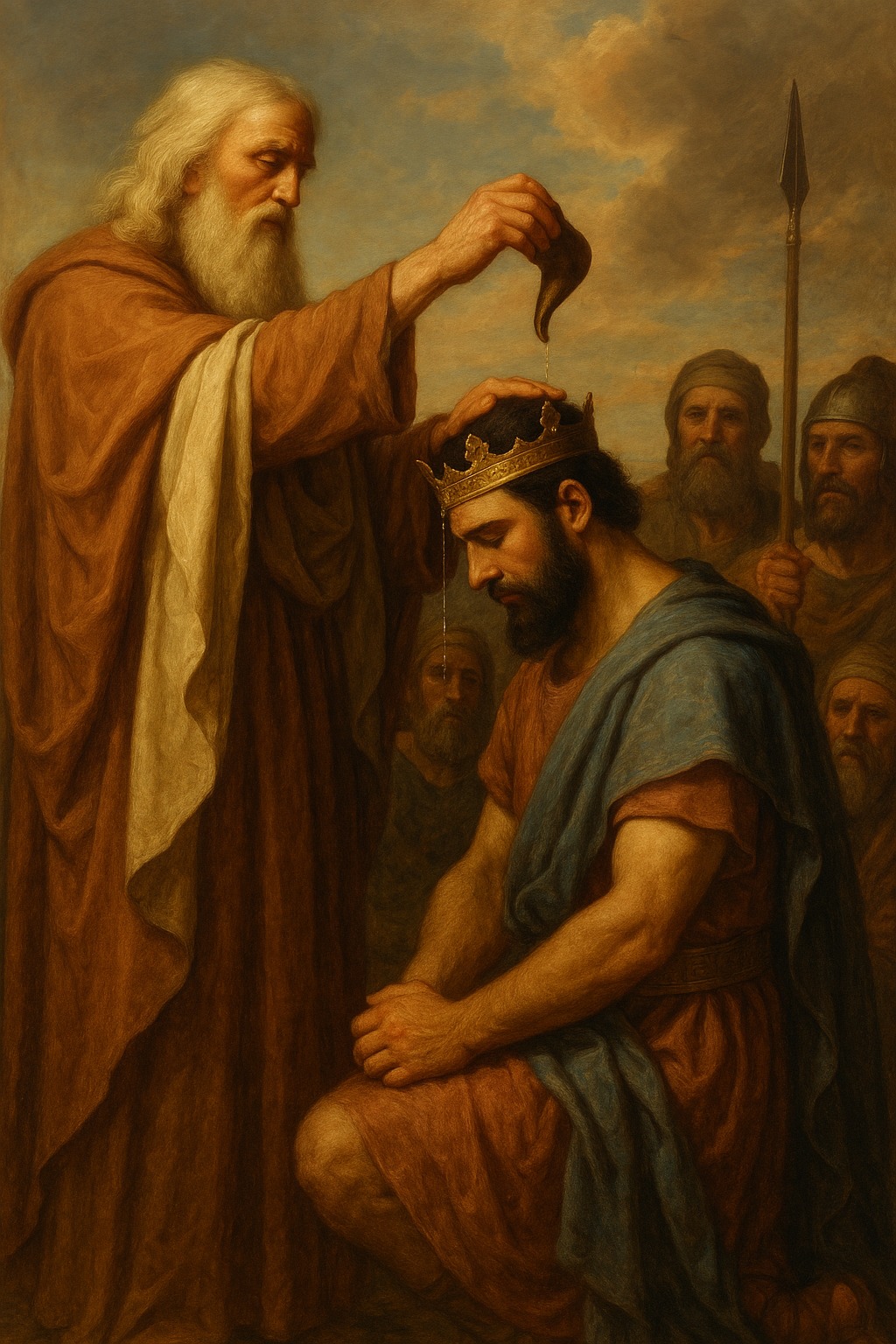
The rise of the monarchy in Israel marked a pivotal moment in biblical history, transitioning from judges to kings, beginning with Saul, followed by David and Solomon. This evolution reflects Israel’s spiritual struggles and God’s enduring covenant. Ultimately, it highlights the importance of obedience and the foreshadowing of Christ, Israel’s true King.
-
God’s Unconditional Covenants with His People – Introduction
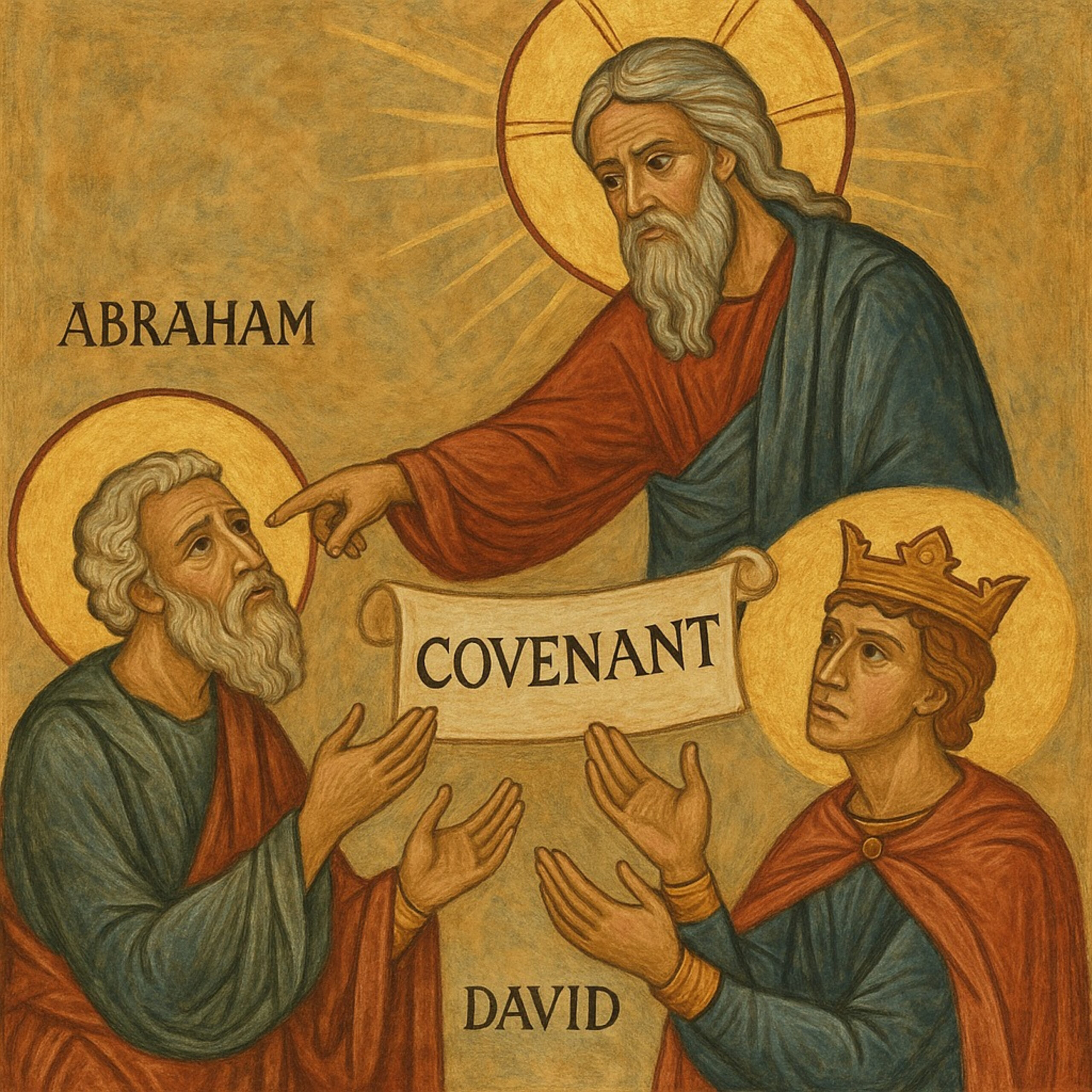
The Bible records several covenants God made with His people. Some were conditional, requiring obedience for blessing (e.g., the Mosaic covenant). Others were unconditional, depending solely on God’s faithfulness. Among these, the covenants with Abraham, David, and the promise of the New Covenant stand out as everlasting. These covenants anchor Israel’s history, frame prophecy, and…
-
Conquest and Settlement in the Promised Land
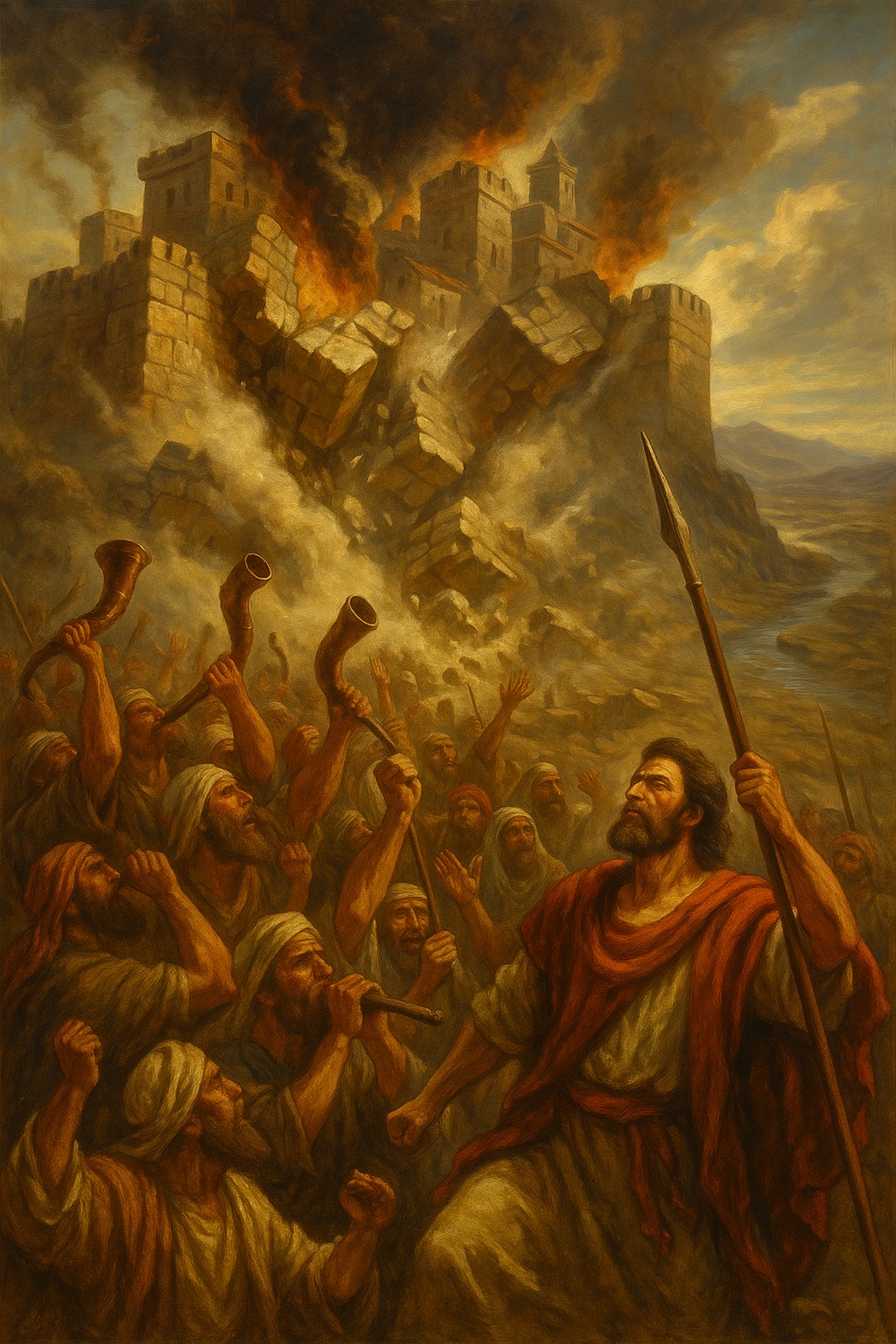
The conquest of Canaan under Joshua fulfilled God’s promises to the patriarchs, integrating military triumphs with spiritual obedience. Key events included the miraculous Jordan crossing, the fall of Jericho, and subsequent victories, alongside themes of faithfulness and judgment. The struggles in Judges underscore the need for obedience, foreshadowing Christ’s ultimate salvation.
-
The 144,000 and Israel’s Future – A Biblical Exploration

Among the striking images in Revelation is the sealing of 144,000 servants of God. Questions often arise: Who are they? Are they symbolic of the church, or literal descendants of Israel? What is their mission? By examining Revelation alongside Old and New Testament prophecy, we discover that the 144,000 represent a literal remnant of Israel…
-
Why Jesse Was Ashamed of David – A Biblical Study
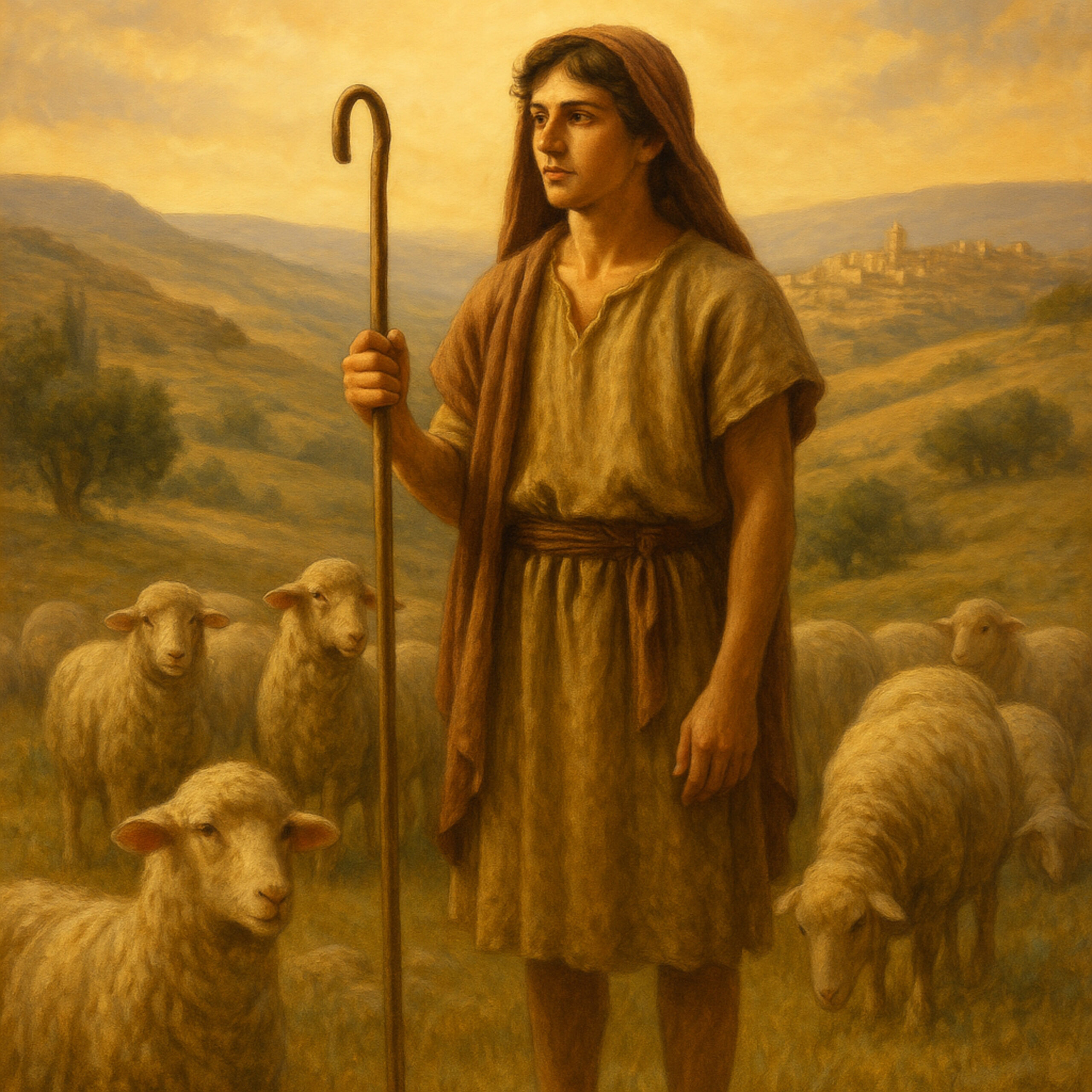
David, the shepherd boy who became Israel’s greatest king, was not immediately recognized by his own family. When Samuel came to anoint the next king, Jesse presented seven of his sons but withheld David, who was tending the sheep. This raises a question: why did Jesse seem reluctant, even ashamed, to bring David forward? By…
-
Samuel – Prophet, Priest, and Judge
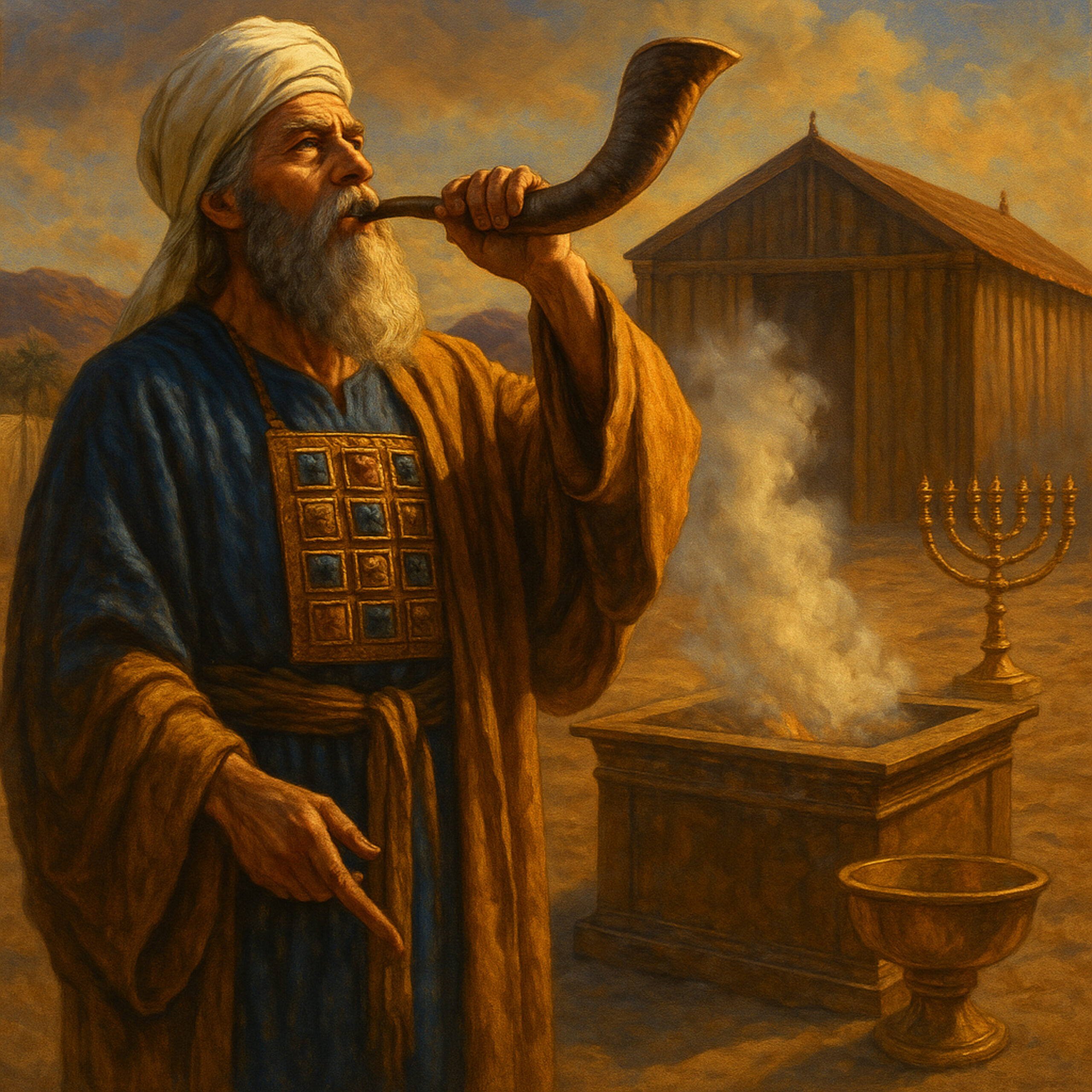
Among Israel’s great leaders, Samuel stands uniquely as judge, prophet, and priest. At a time when the nation was transitioning from the era of judges to the monarchy, Samuel guided Israel with spiritual authority, judicial leadership, and priestly intercession. He anointed kings, rebuked sin, and interceded for the people, bridging the period from tribal confederacy…
-
Prophecy as Evidence of Scripture’s Reliability

One of the most substantial pieces of evidence for the reliability of the Bible is fulfilled prophecy. Unlike vague predictions, biblical prophecies are specific, detailed, and fulfilled in history. God declares: “I am God… declaring the end from the beginning, and from ancient times the things that are not yet done” (Isaiah 46:9–10). By examining…
-
The Great Exodus – Journey from Bondage to Freedom
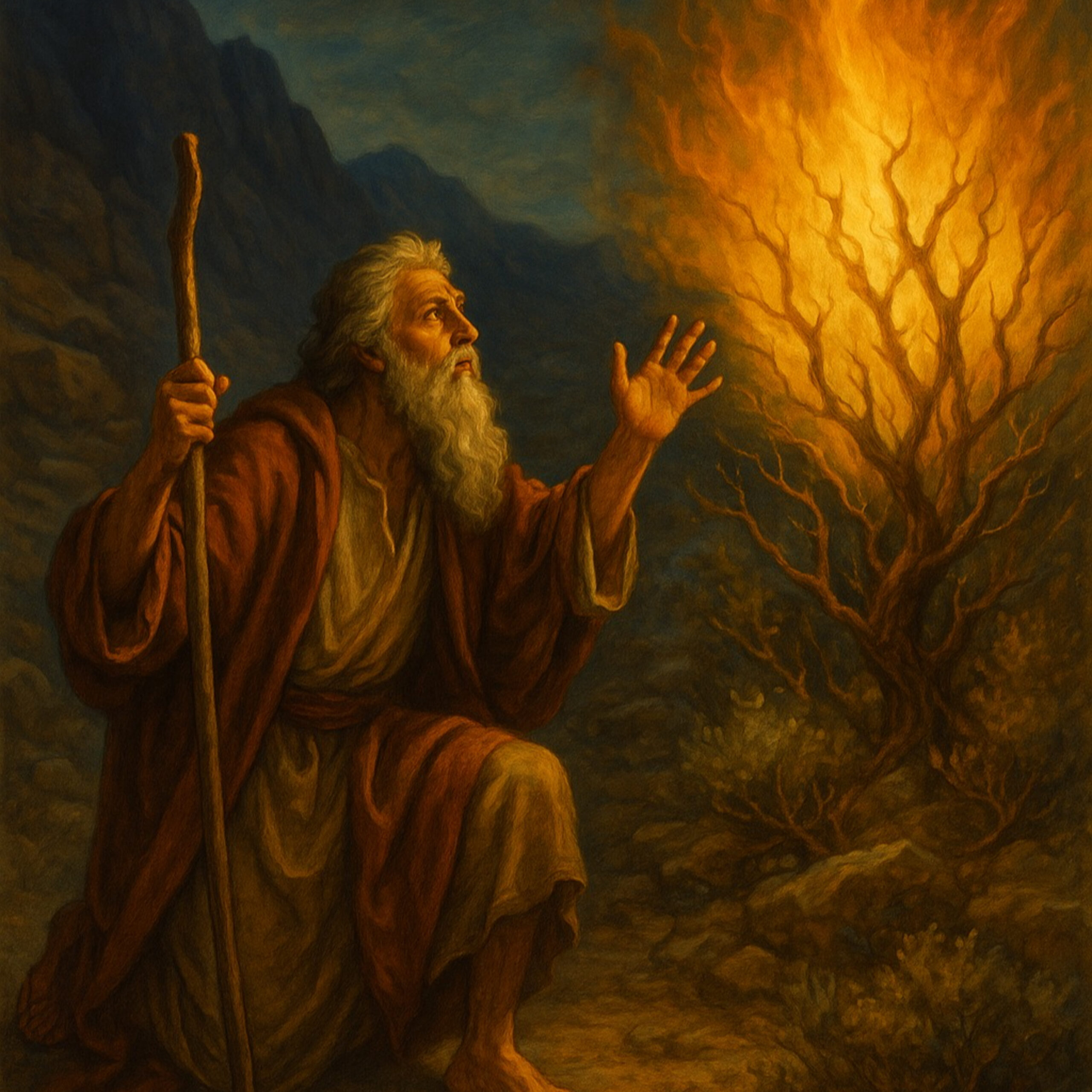
The Exodus is one of the most defining events in biblical history. It marks God’s deliverance of His people from slavery in Egypt and His covenantal formation of Israel as a nation. The narrative stretches from the closing chapters of Genesis through Exodus, and its theological impact reverberates throughout the Old and New Testaments. The…
-
Daniel’s Seventy Weeks and Messianic Fulfillment
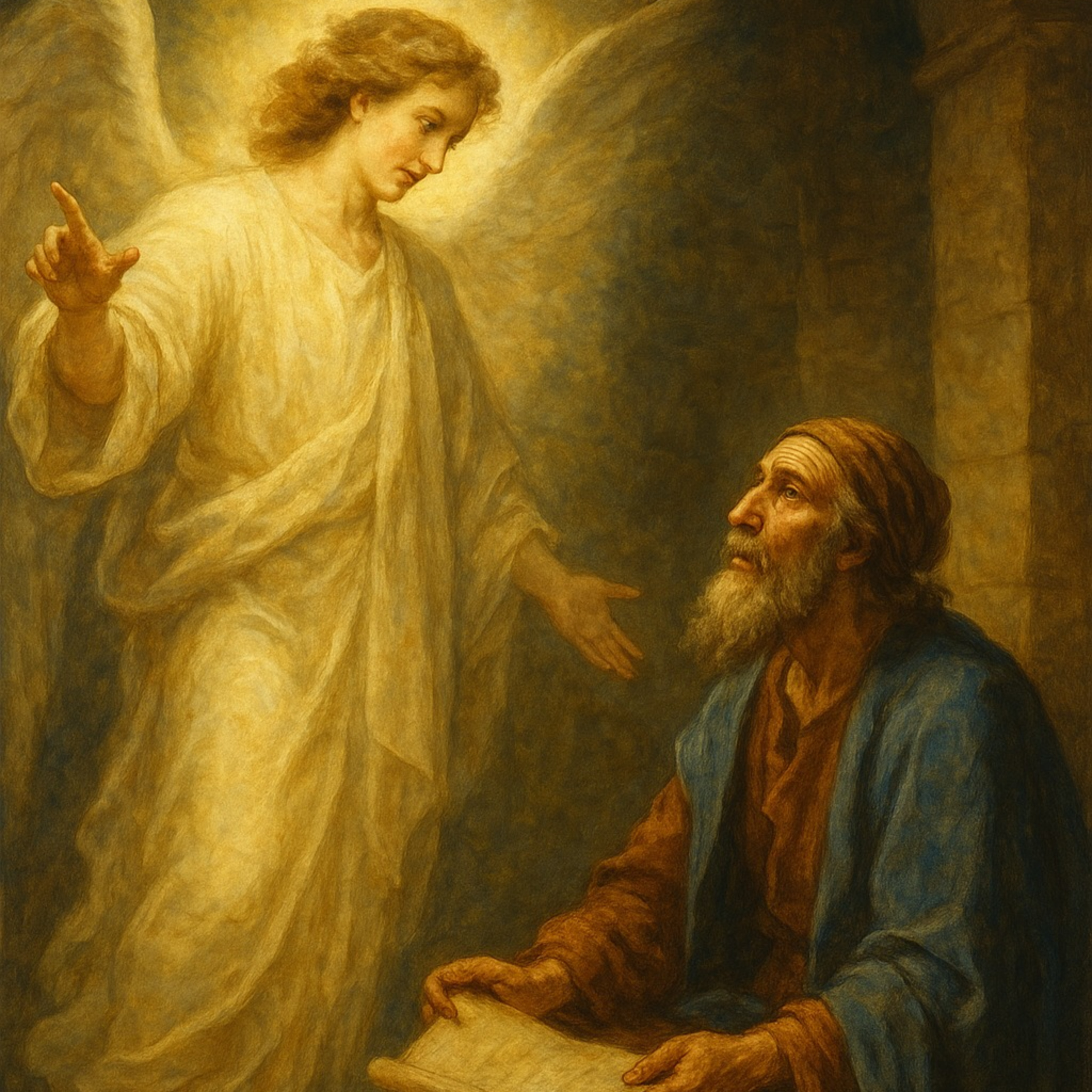
Among the most remarkable prophecies in Scripture is the vision of the Seventy Weeks in Daniel 9:24–27. Delivered to Daniel by the angel Gabriel, this prophecy outlines a precise timetable for God’s redemptive plan, culminating in the coming of the Messiah and the ultimate triumph of God’s kingdom. Scholars and believers alike regard it as…
-
Prophecies of the Nations in Ezekiel – Introduction
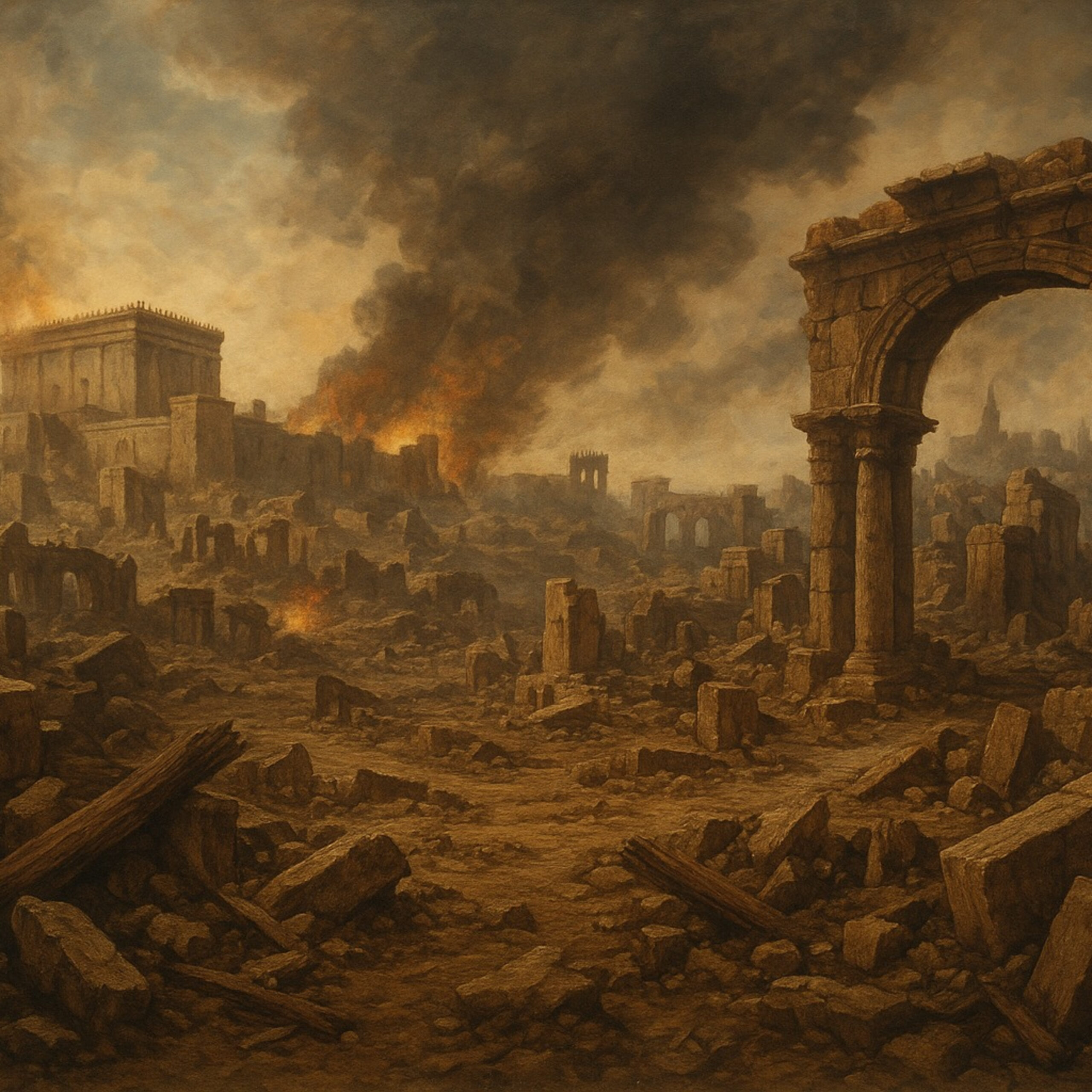
The prophet Ezekiel ministered during one of the most turbulent times in Israel’s history: the Babylonian exile of the sixth century B.C. While much of his prophecy focused on the sins and restoration of Israel, Ezekiel also recorded detailed oracles against surrounding nations. These prophecies reveal God’s sovereignty over all peoples and demonstrate that He…
