
Topical Studies
-
Historical Proof of the Bible – Daniel’s Seventy Weeks and Messianic Fulfillment
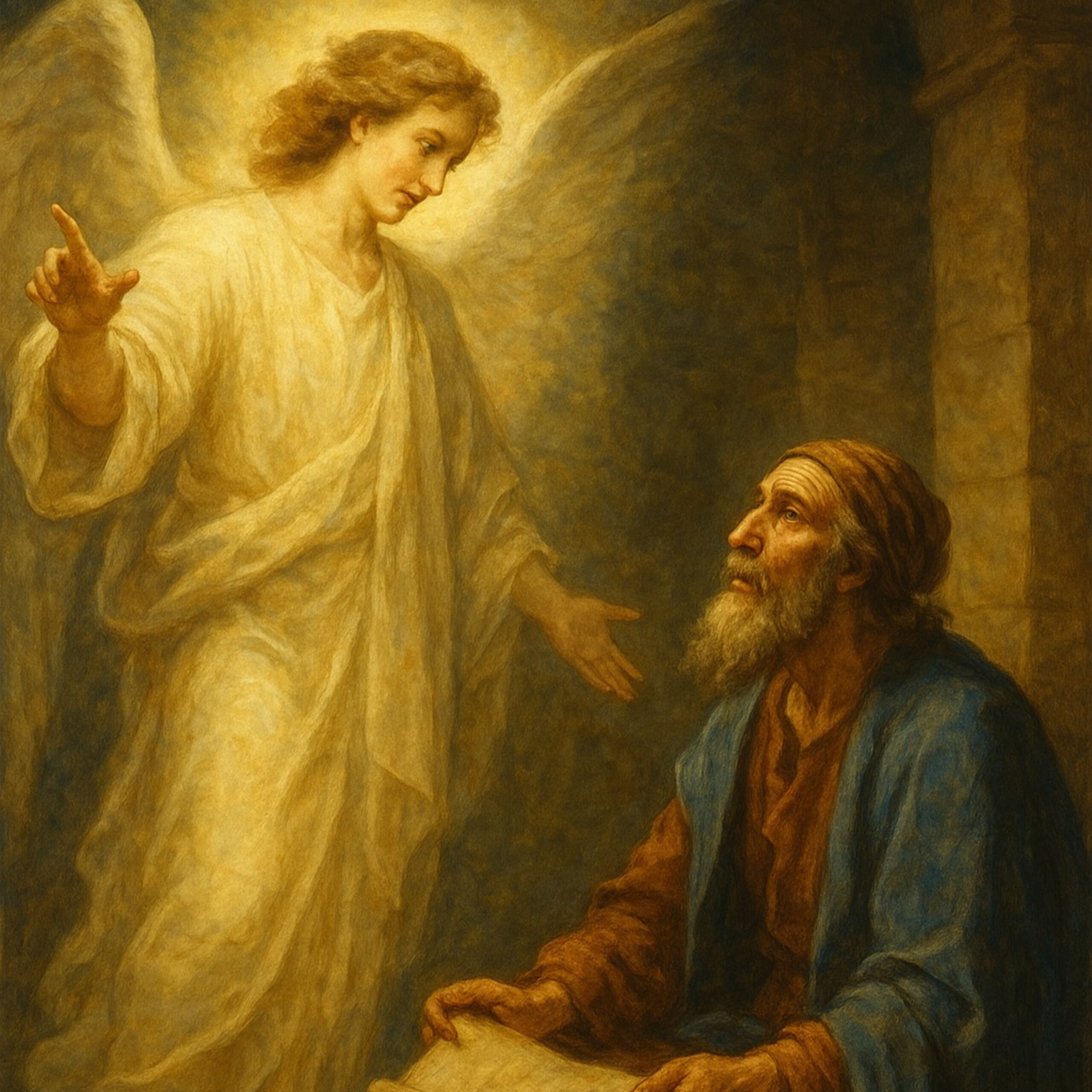
Among the most remarkable prophecies in Scripture is the vision of the Seventy Weeks in Daniel 9:24–27. Delivered to Daniel by the angel Gabriel, this prophecy outlines a precise timetable for God’s redemptive plan, culminating in the coming of the Messiah and the ultimate triumph of God’s kingdom. Scholars and believers alike regard it as…
-
Abraham – The Father of Faith
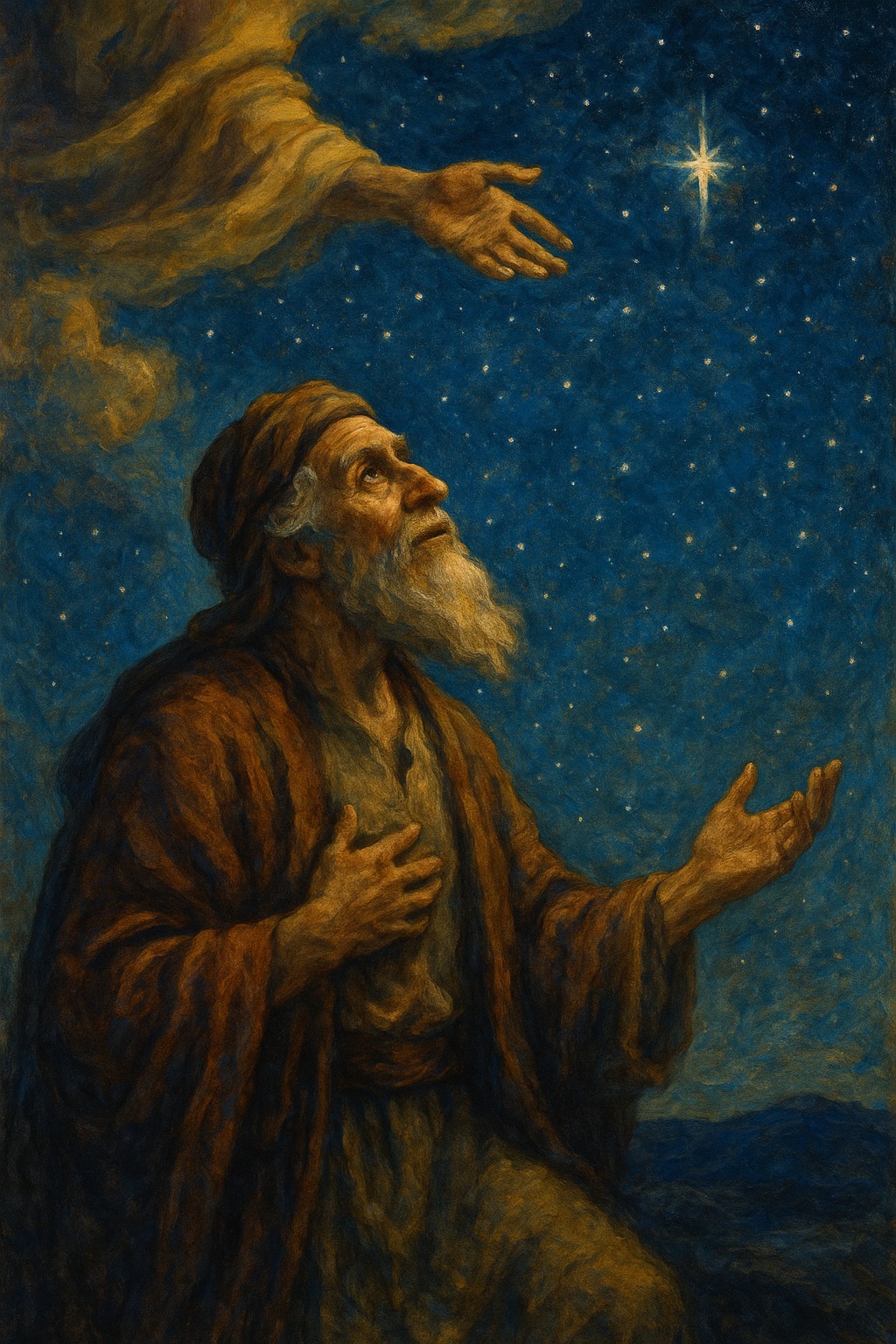
Among all the figures in Scripture, few stand as prominently in both Testaments as Abraham. Known as “the father of faith,” Abraham’s life marks the beginning of God’s covenant relationship with a chosen people through whom all nations would be blessed. His story, beginning in Genesis 12, is the foundation for the unfolding plan of…
-
The Armor of God — Prophecy, Power, and the Presence of the Lord
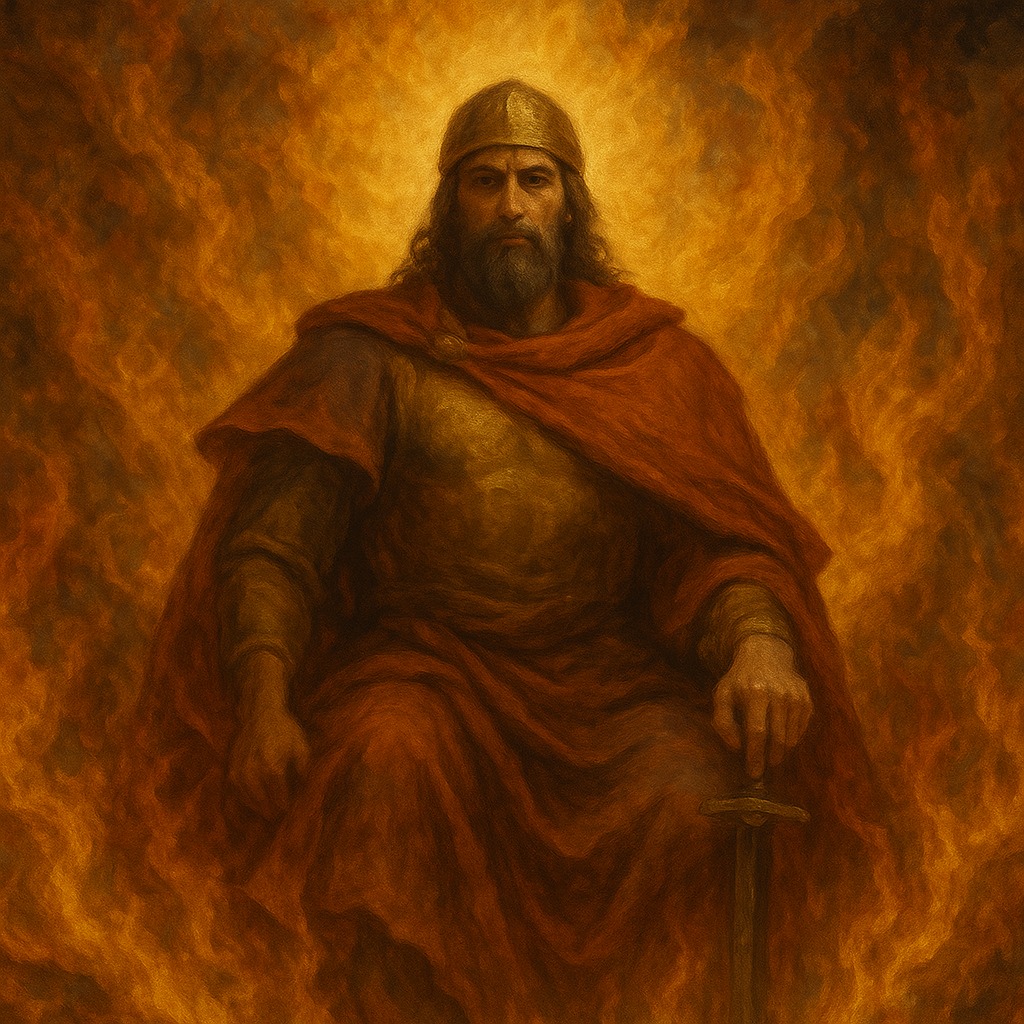
Paul’s depiction of the “armor of God” in Ephesians draws from prophetic traditions, portraying believers as soldiers equipped with divine strength for spiritual warfare. This armor signifies truth, righteousness, and salvation, reflecting Christ’s character. As believers stand firm in faith, they prepare for ultimate victory at Christ’s return, embodying His attributes.
-
Ezekiel’s Battle of Magog – Timing and Significance
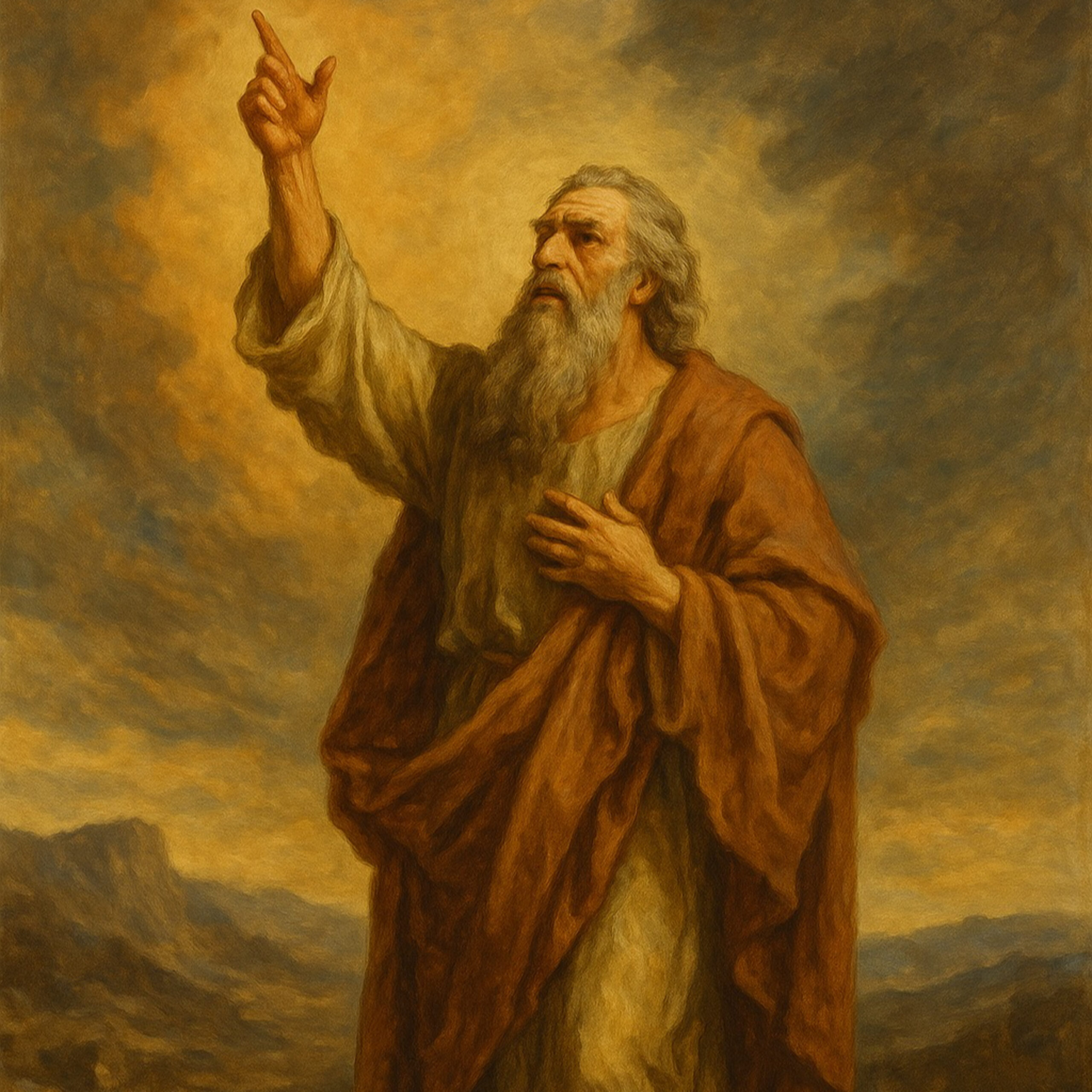
The prophecy of the Battle of Gog and Magog in Ezekiel 38–39 is one of the most detailed accounts of an end-time war in Scripture. It describes a future coalition of nations that will invade Israel, only to be destroyed by God Himself. This prophecy raises many questions: When will it take place? Who are…
-
The Return of Christ and the Final Kingdom

The return of Jesus Christ is central to Christian hope, marking the culmination of God’s redemptive plan. It offers comfort to believers and judgment for the wicked. Key events include the Rapture, Tribulation, and final judgment, ultimately leading to the establishment of God’s eternal kingdom, where peace and righteousness prevail forever.
-
The Trinity – Unity and Diversity in the Godhead

The doctrine of the Trinity is central to Christian theology, describing God as one Being in three coequal Persons: Father, Son, and Holy Spirit. This concept distinguishes biblical faith and deepens understanding of God’s love, unity, and redemptive plan. The Trinity influences worship, the Church, and believers’ lives, inviting participation in divine fellowship.
-
Israel’s Tribal Allotments and Modern Middle East Boundaries

The conquest and settlement of the land of Canaan by the Israelite tribes is one of the most pivotal moments in biblical history. The book of Joshua records the initial victories and the allotment of territory, while Judges 1–2 reveals that not all Canaanite groups were driven out. These tribal divisions not only shaped Israel’s…
-
The Nature of God’s Covenant Grace
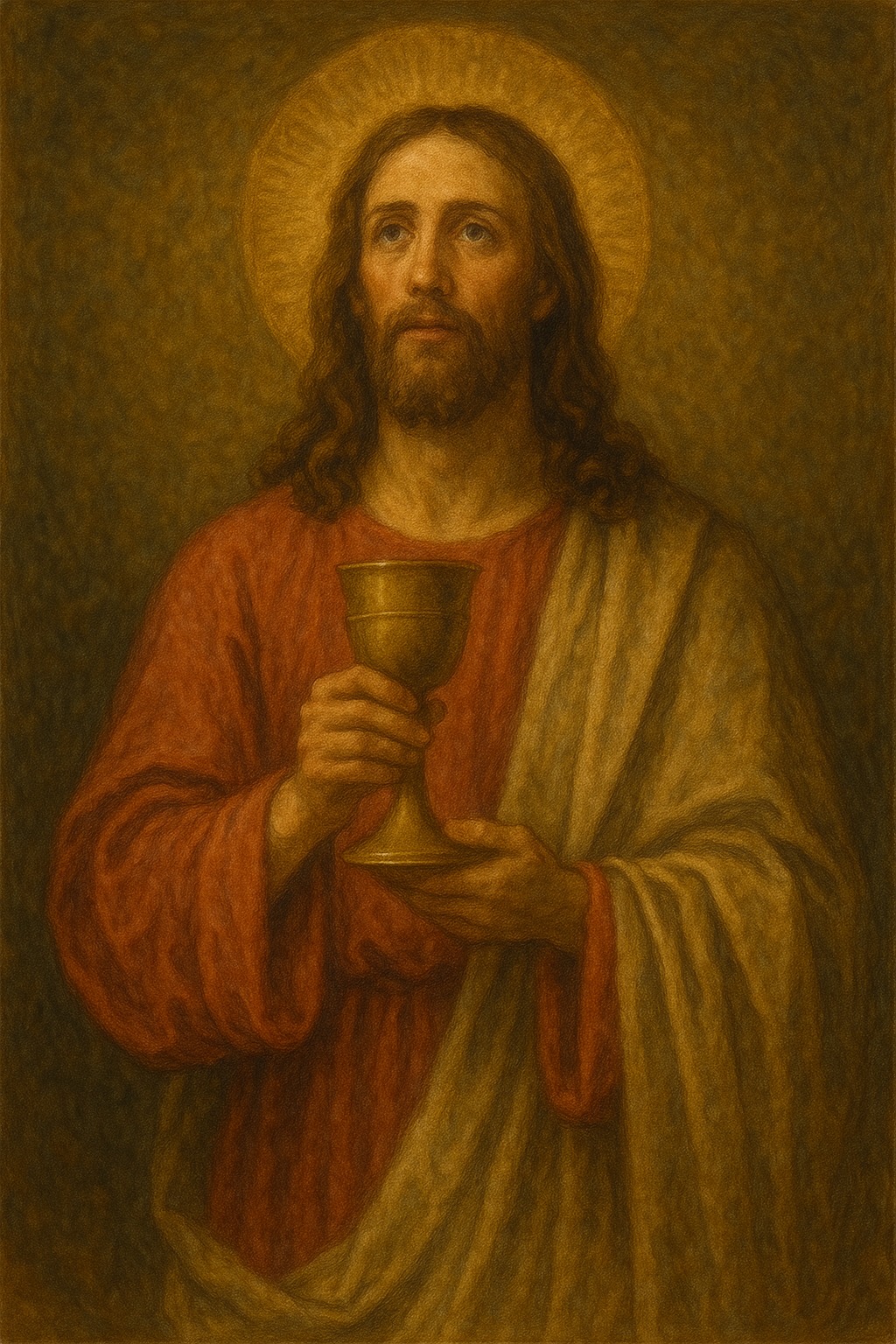
God relates to humanity through covenants, reflecting His redemptive plan throughout biblical history. These agreements, whether conditional or unconditional, showcase God’s faithfulness and grace. The covenants culminate in Christ’s work, offering believers salvation, assurance, and a transformative relationship, emphasizing God’s enduring love and commitment to His people across generations.
-
Moabites, Edomites, and Israel: Kinship and Conflict

The Moabites and Edomites were two of Israel’s closest neighbors, both geographically and genealogically. Descended from Lot and Esau, these peoples shared kinship with Israel yet often lived in hostility toward them. Throughout the Old Testament, Moab and Edom appear in stories of conflict, uneasy alliances, and prophetic warnings. Their history with Israel sheds light…
-
The Divided Kingdom and the Prophets
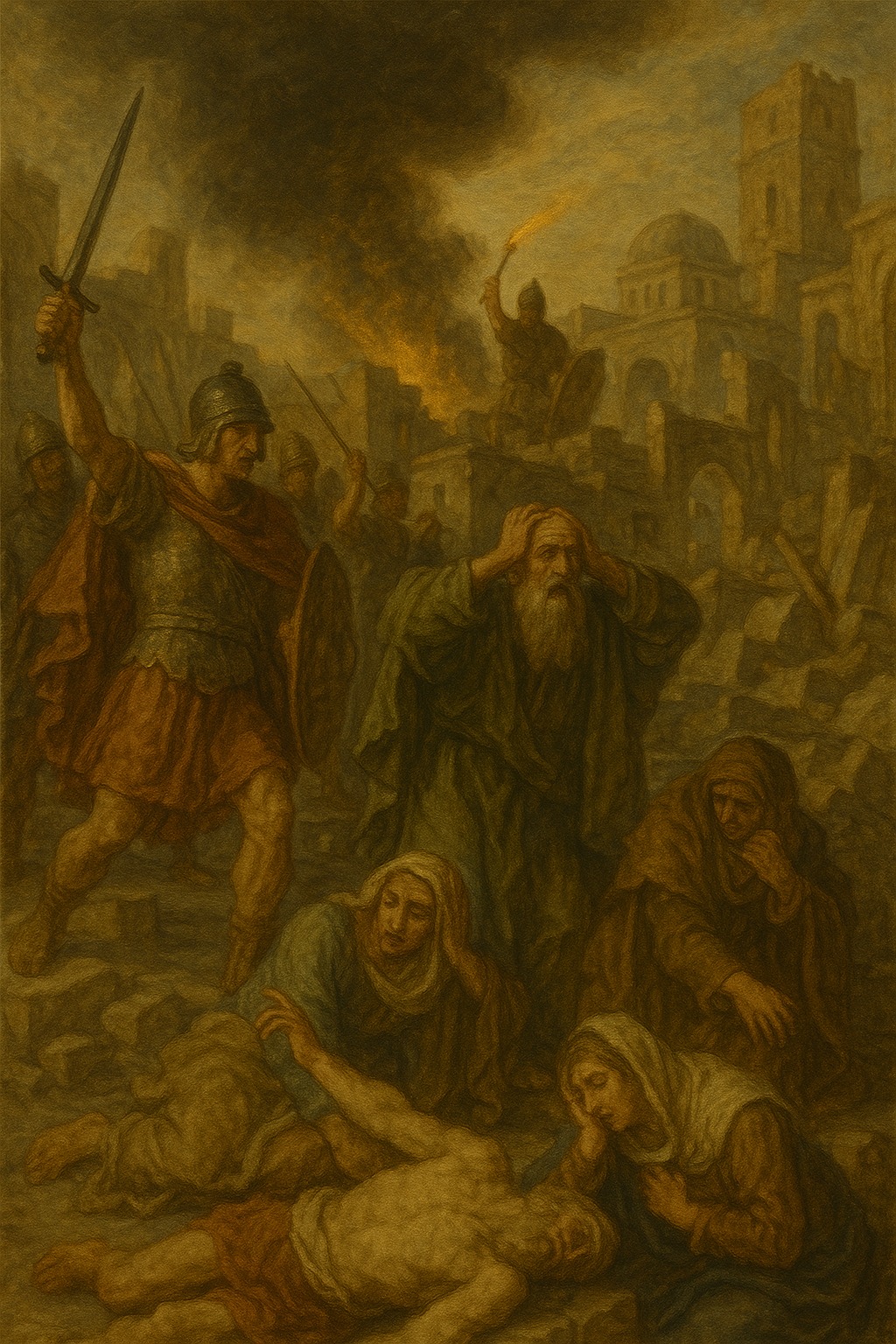
The united monarchy of Israel fractured after Solomon’s reign, resulting in the northern kingdom of Israel and the southern kingdom of Judah. This division led to idolatry, prophetic warnings, exile, and spiritual decline. Despite unfaithfulness, God promised restoration through prophets, ultimately fulfilled in Christ, the hope for eternal unity and covenant.


