
Topical Studies
-
The Geopolitical Terrain of the Bible
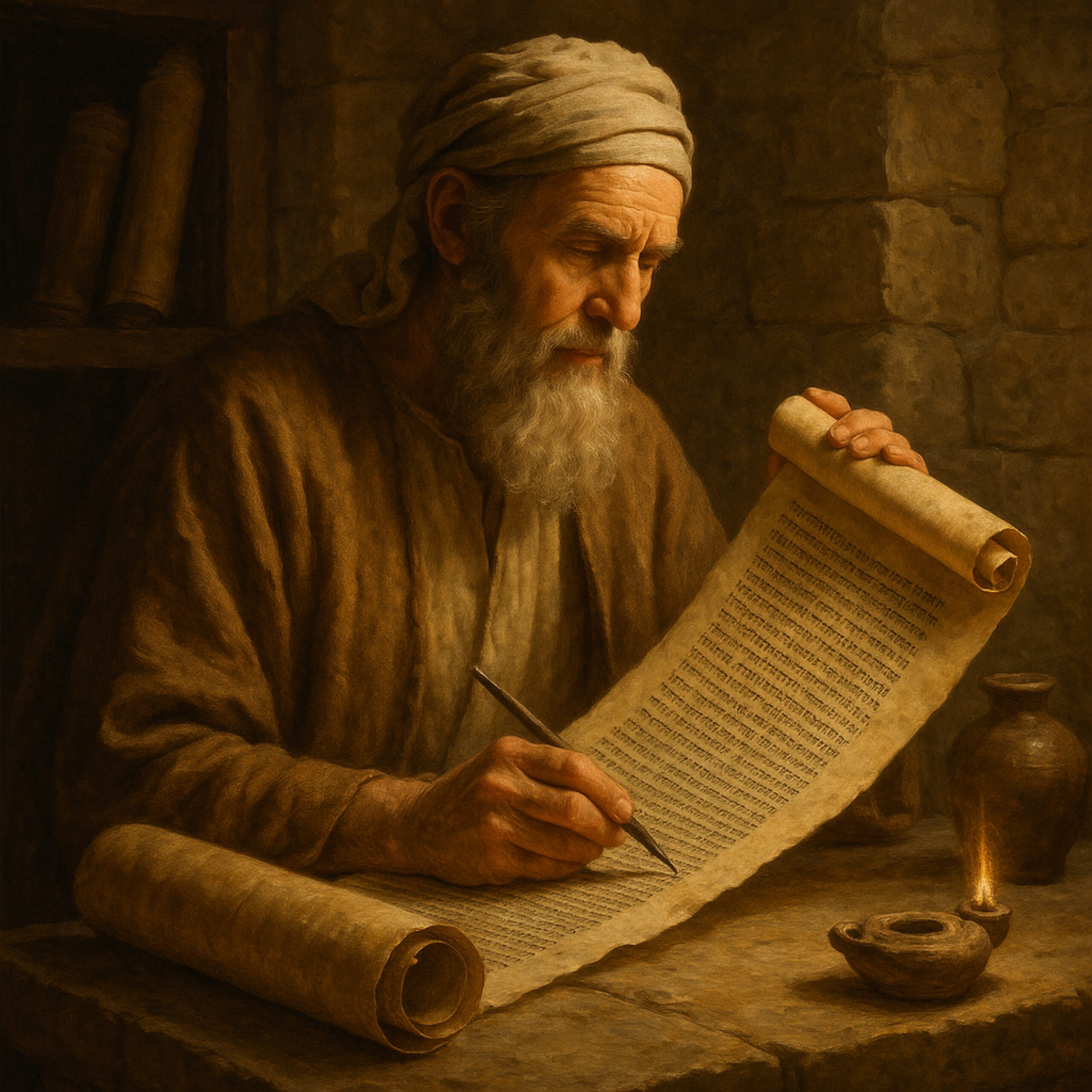
The relationship between Scripture and its historical context is vital for understanding its messages, for all Scripture is given by inspiration of God and is profitable for doctrine, reproof, correction, and instruction in righteousness (2 Timothy 3:16). The living Word of God, sharper than any two-edged sword, discerns the thoughts and intents of the heart…
-
Study Guide: 1 Kings – Chapter 7
in : Bible Studyby :
1 Kings Chapter 7 provides a detailed account of the construction and furnishing of King Solomon’s palace and the temple’s interior elements.
-
Study Guide: 1 Kings – Chapter 6
1 Kings Chapter 6 focuses on the construction of Solomon’s temple, a pivotal moment in Israel’s history.
-
God’s Relentless Pursuit Through Five Covenants

The covenant, a sacred agreement between God and His people, reveals the depth of divine commitment and mercy throughout Scripture. In Genesis 9:12, the Lord establishes His covenant with Noah, marked by the rainbow as a sign of His enduring promise never to destroy the earth by flood again. This act of grace underscores God’s…
-
Study Guide: 2 Samuel – Chapter 6
2 Samuel Chapter 6 narrates a pivotal moment in the history of Israel, focusing on King David’s efforts to bring the Ark of the Covenant to Jerusalem. This chapter highlights the significance of the Ark as a symbol of God’s presence and the proper reverence due to it.
-
Study Guide: 1 Samuel – Chapter 15
in : Bible Studyby :
1 Samuel Chapter 15 presents a pivotal moment in the history of Israel and the reign of King Saul. This chapter captures God’s command to Saul through the prophet Samuel to utterly destroy the Amalekites, a people who had opposed Israel during their journey from Egypt.
-
Study Guide: 1 Samuel – Chapter 6
1 Samuel Chapter 6 details a significant moment in Israel’s history involving the Ark of the Covenant. This chapter narrates the return of the Ark to Israel after it had been captured by the Philistines. It highlights God’s power, holiness, and the proper way to approach Him.
-
Study Guide: 1 Samuel – Chapter 5
1 Samuel Chapter 5 presents a dramatic episode in the history of Israel involving the Ark of the Covenant after it was captured by the Philistines. This chapter reveals the power and holiness of God through the experiences of the Philistine cities of Ashdod and its neighbors.
-
Study Guide: 1 Samuel – Chapter 2
1 Samuel Chapter 2 presents a profound and poetic prayer of Hannah, the mother of Samuel, expressing her gratitude to God for answering her prayers.
-
Study Guide: Judges – Chapter 18
Judges Chapter 18 presents a complex narrative involving the tribe of Dan as they seek a new territory to inhabit. This chapter highlights themes of spiritual failure, idolatry, and the consequences of disobedience to God’s commands.
