
Topical Studies
-
Ancient Covenants and the Architecture of Grace
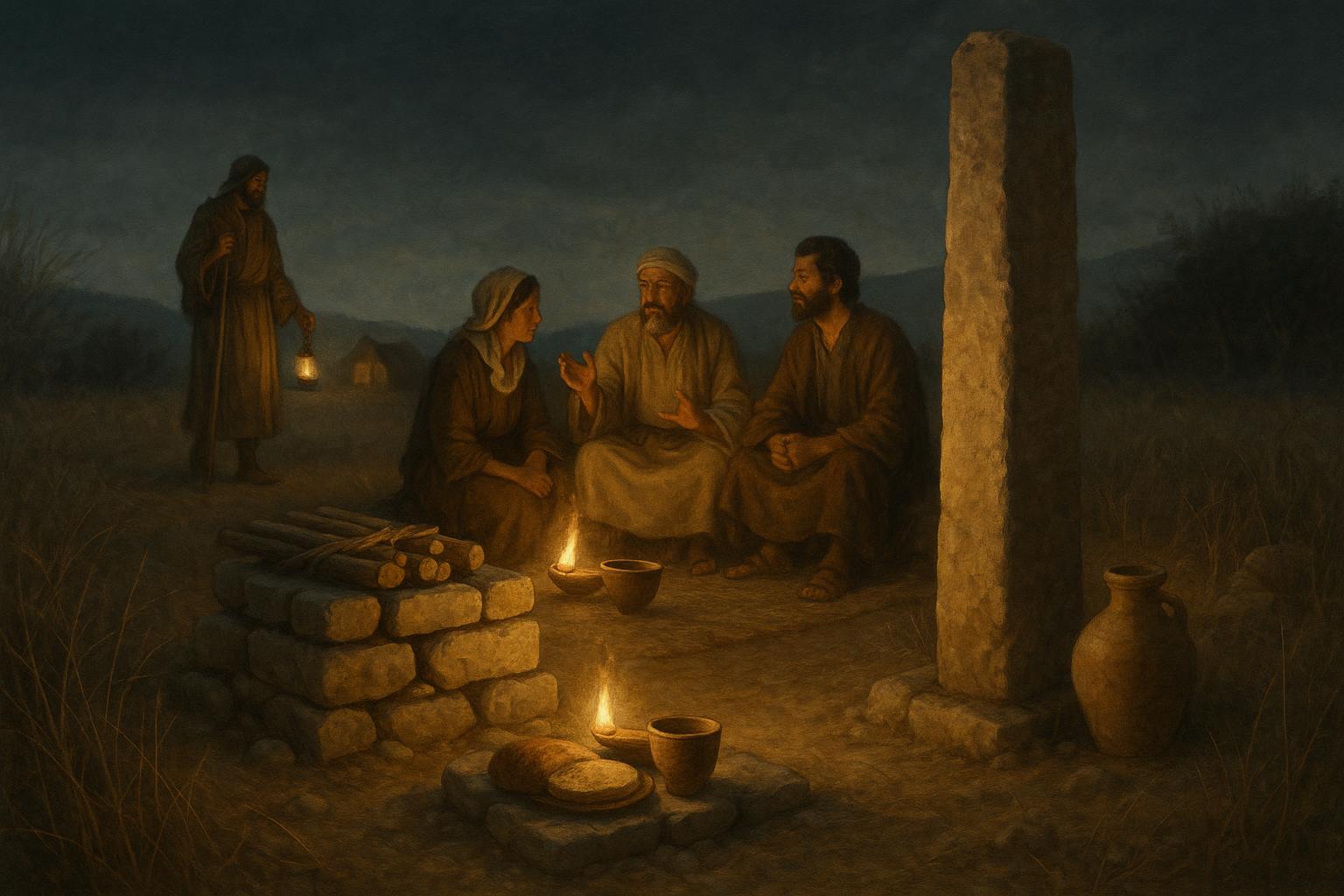
The relationship between kingship and covenant emerges as a profound theme throughout Scripture, revealing God’s sovereign authority and His desire for covenantal intimacy with His people. From the establishment of the Davidic covenant, where God promises an everlasting throne (2 Samuel 7:16), to Nehemiah’s earnest proclamation of the law (Neh 8:8), the intertwining of divine…
-
Kingship and Covenant: Covenant Structure in Scripture
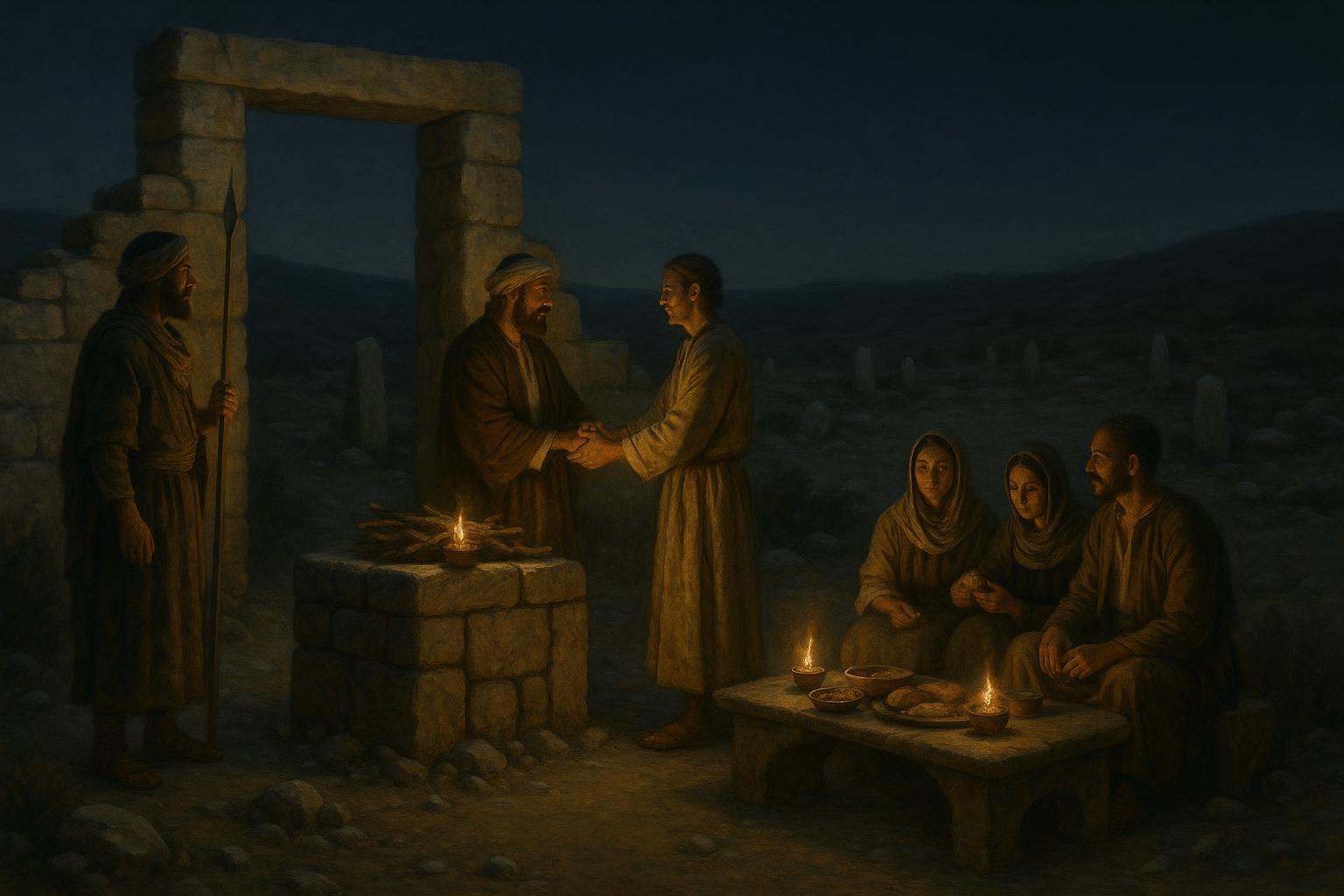
The relationship between kingship and covenant emerges as a profound theme throughout Scripture, revealing God’s sovereign authority and His desire for covenantal intimacy with His people.
-
Rightly Dividing the King James Bible
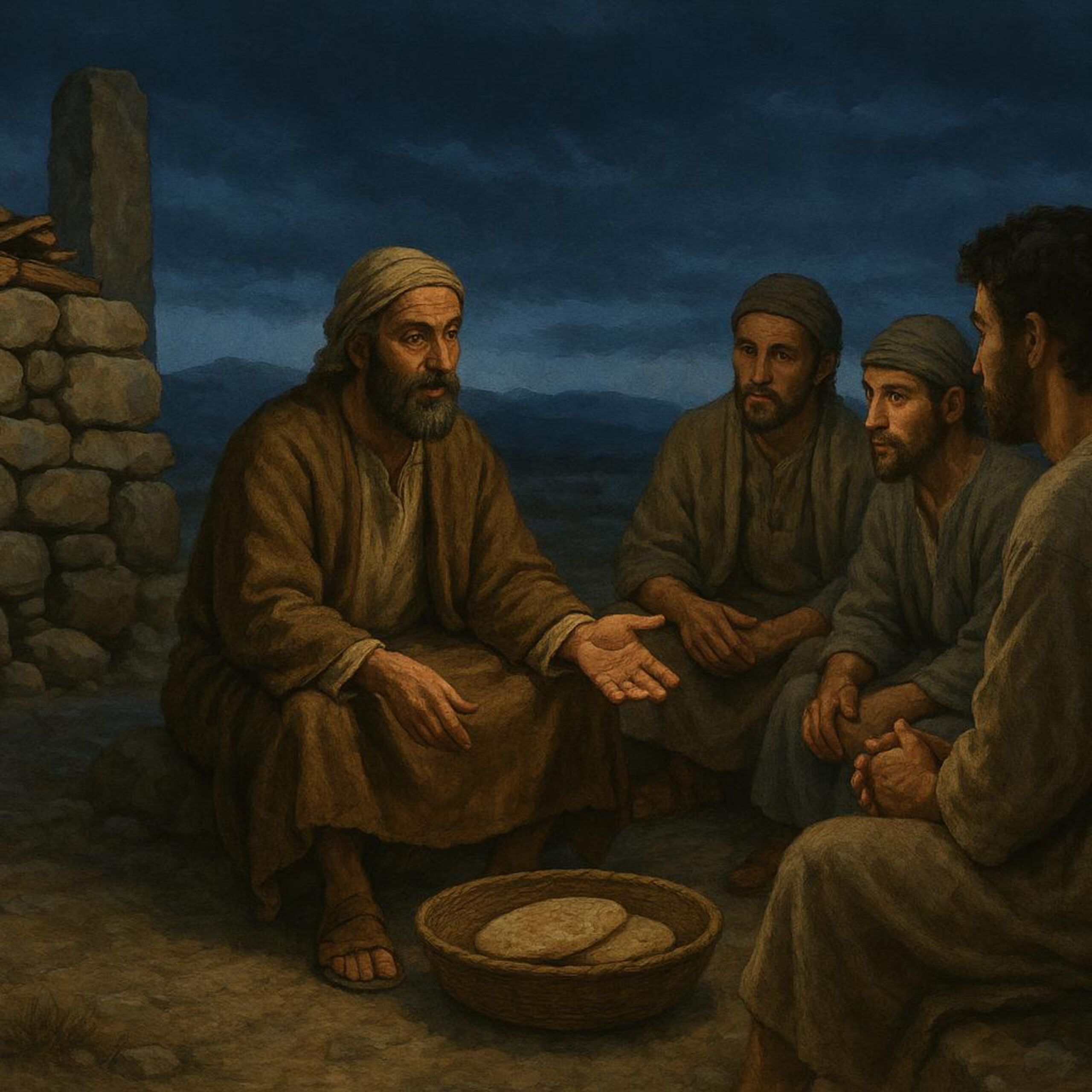
The study of Scripture demands a careful examination of its diverse literary forms and historical contexts, as these dimensions reveal the richness of God’s revelation. In Nehemiah 8:8, we witness the Levites expounding the law to ensure understanding among the people, underscoring the necessity of diligent interpretation. Likewise, the Bereans in Acts 17:11 exemplify the…
-
Unshakable Joy in the Crucible
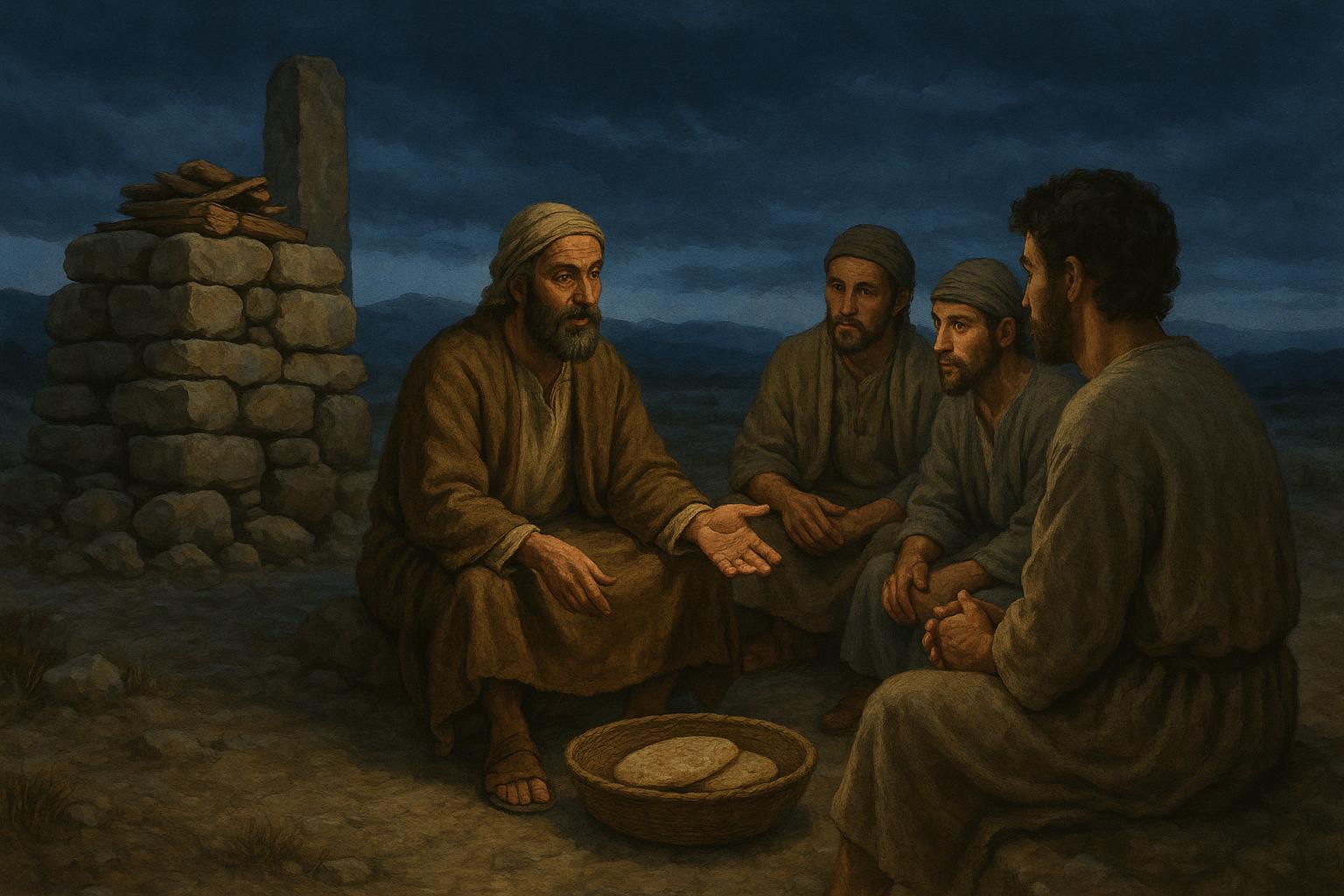
In the pursuit of holiness and hope, the believer is called to engage deeply with prayer, worship, and spiritual discipline, recognizing these as vital means of grace. The sacred act of prayer, as exemplified by Nehemiah’s restoration efforts in Nehemiah 8:8, invites the faithful to commune intimately with God, fostering both reverence and reliance on…
-
Comparing Scripture
in : Interpretationby :
Tags :Bible Study, Context, Exegesis, Genesis, Genre, Gospel, hermeneutics, Interpretation, KJV, Messiah, Prayer, Ruth, Scripture, Word Study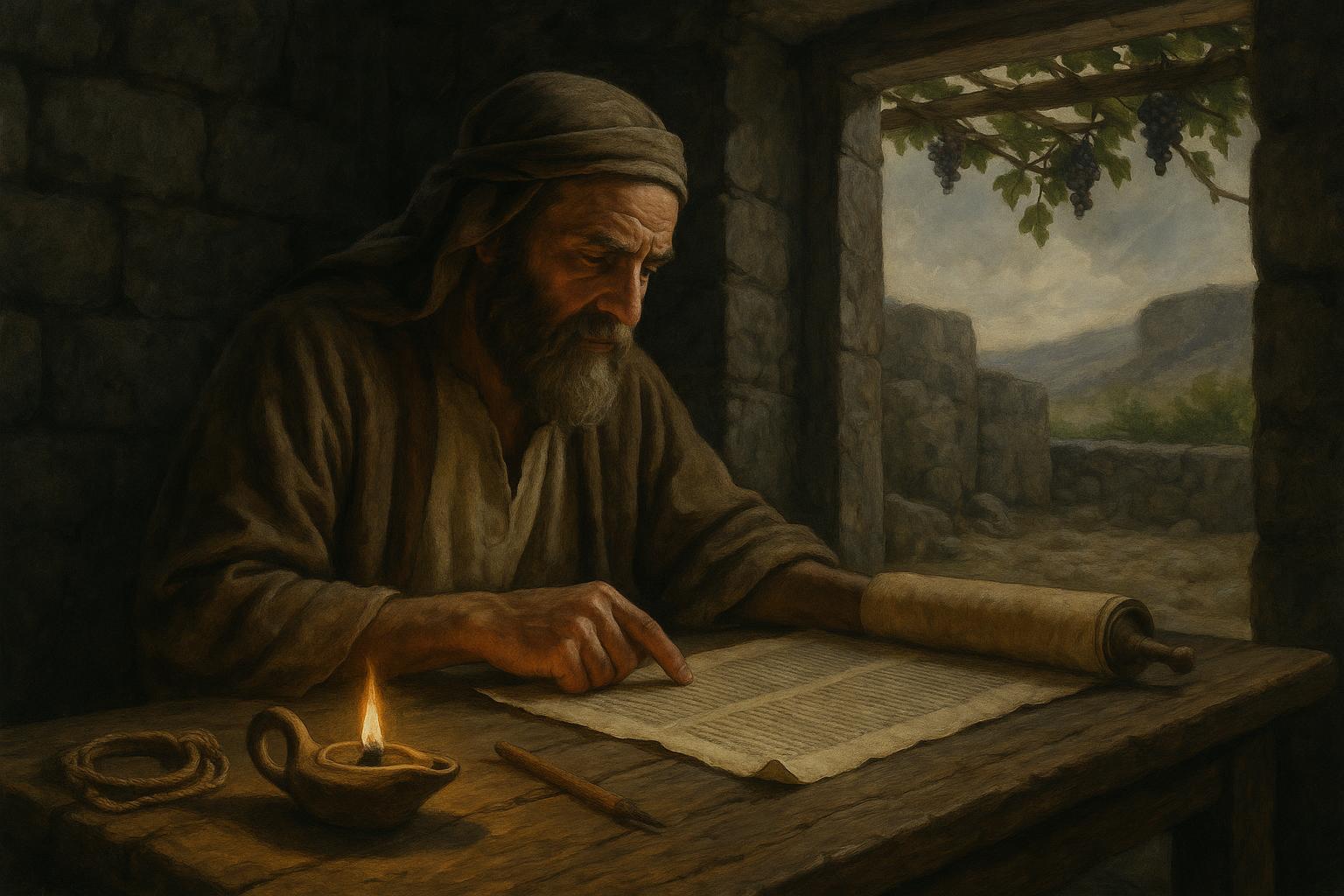
The study of Scripture demands a careful examination of its diverse literary forms and historical contexts, as these dimensions reveal the richness of God’s revelation.
-
Holiness and Hope: Prayer, Worship, and Spiritual Discipline
in : Discipleshipby :
Tags :Bible Study, Discipleship, End times, Exegesis, Gospel, holiness, KJV, Messiah, Nehemiah, Perseverance, Prayer, Ruth, Scripture, Witness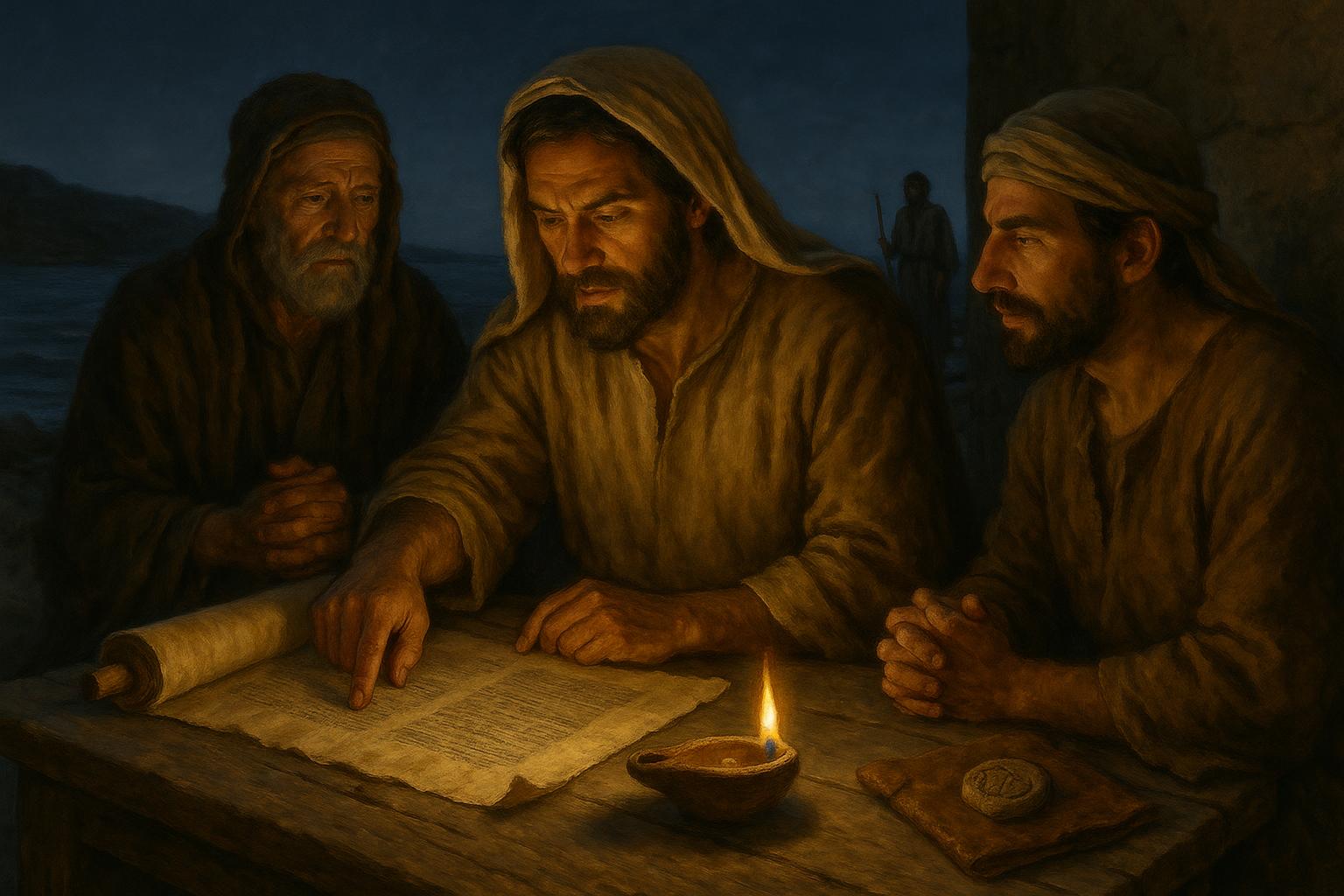
In the pursuit of holiness and hope, the believer is called to engage deeply with prayer, worship, and spiritual discipline, recognizing these as vital means of grace.
-
Christ the Fulcrum of the Gospel
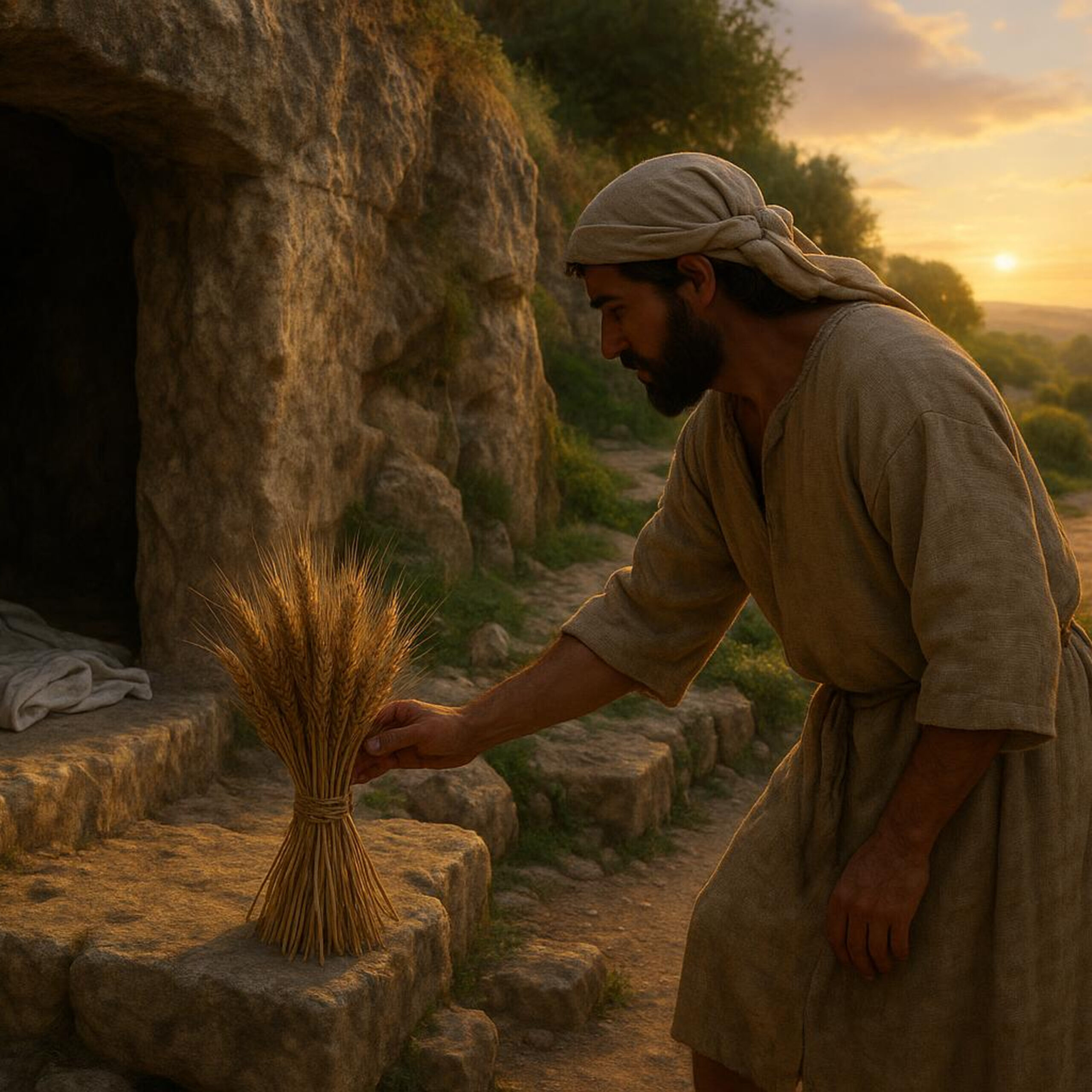
The Person and Work of Christ stand as the fulcrum of the Gospel, revealing the profound mystery of God’s redemptive plan woven throughout Scripture. The Scriptures declare the necessity of understanding Christ’s dual nature as both fully God and fully man, essential for the salvation of humanity (Colossians 2:9). His incarnation, death, and resurrection fulfill…
-
Christ and the Gospel: the Person and Work of Christ
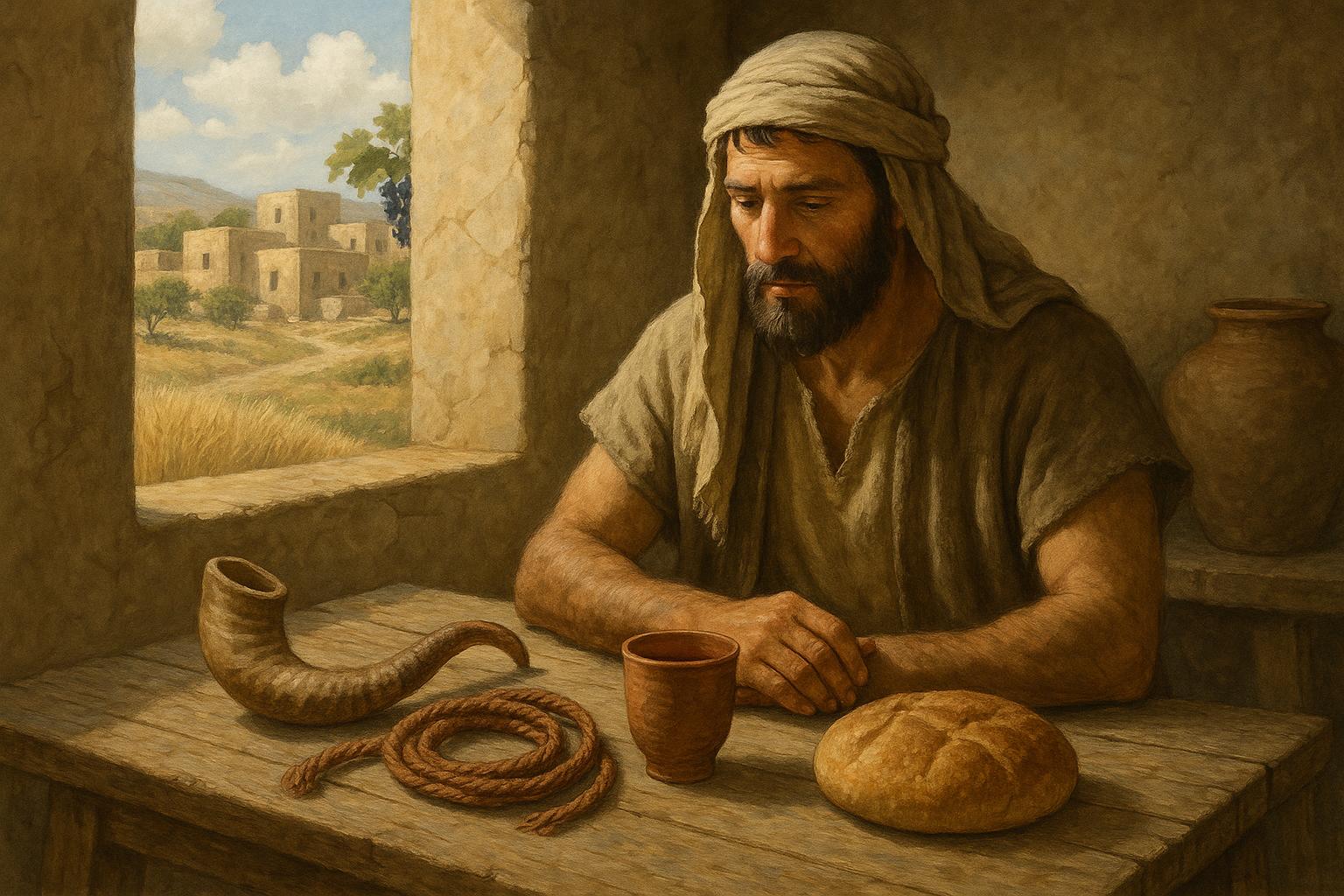
The Person and Work of Christ stand as the fulcrum of the Gospel, revealing the profound mystery of God’s redemptive plan woven throughout Scripture.
-
Why God Signs an Impossible Contract
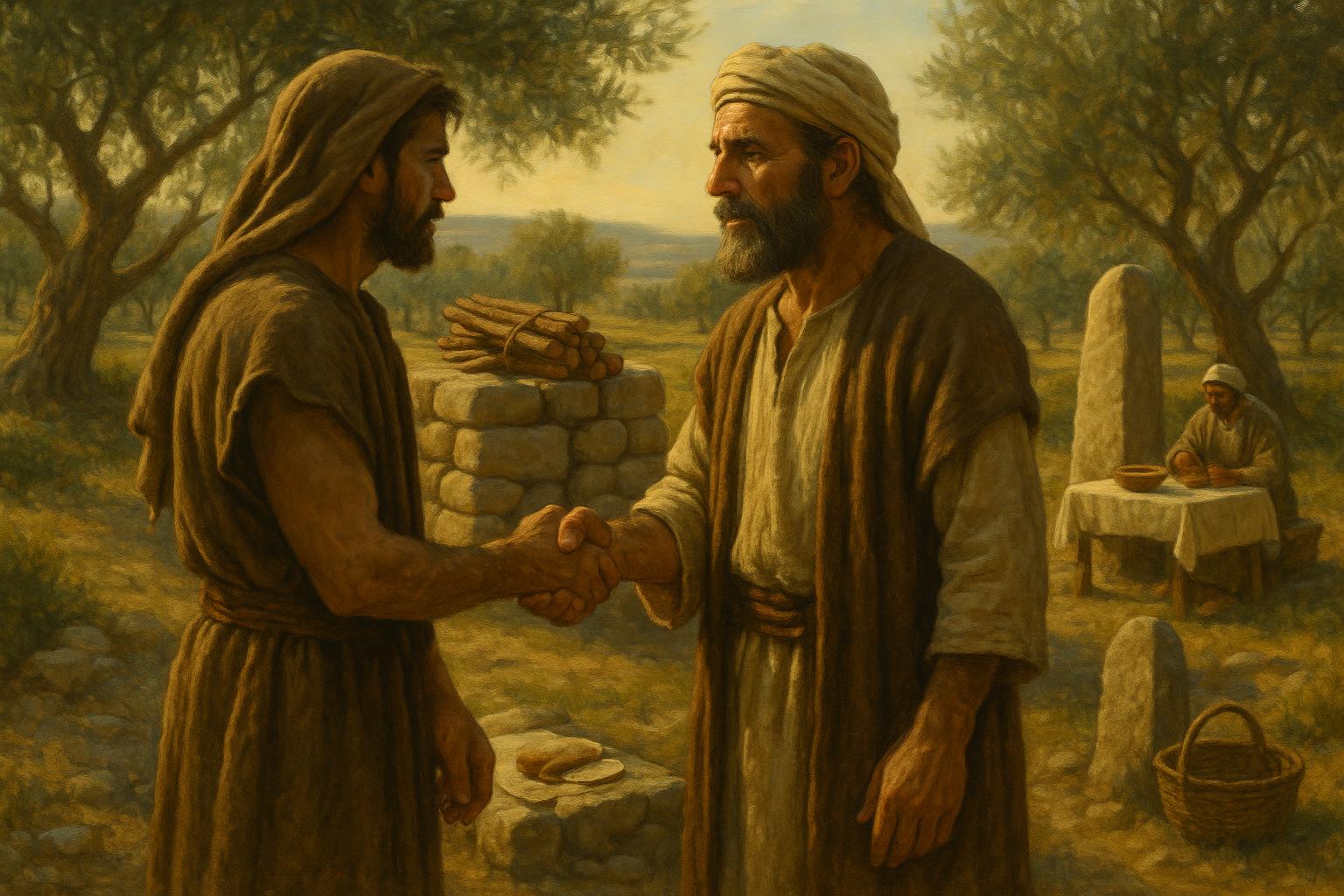
The faithfulness of God stands as a cornerstone of the covenant relationship established with His people, consistently affirmed throughout Scripture. As Nehemiah 8:8 reveals, the reading and understanding of the Law were central to the renewal of Israel’s commitment to God, highlighting His unchanging promises amidst their failures. Likewise, the Bereans in Acts 17:11 exemplify…
-
Law and Faithfulness: God’s Faithfulness to His Promises
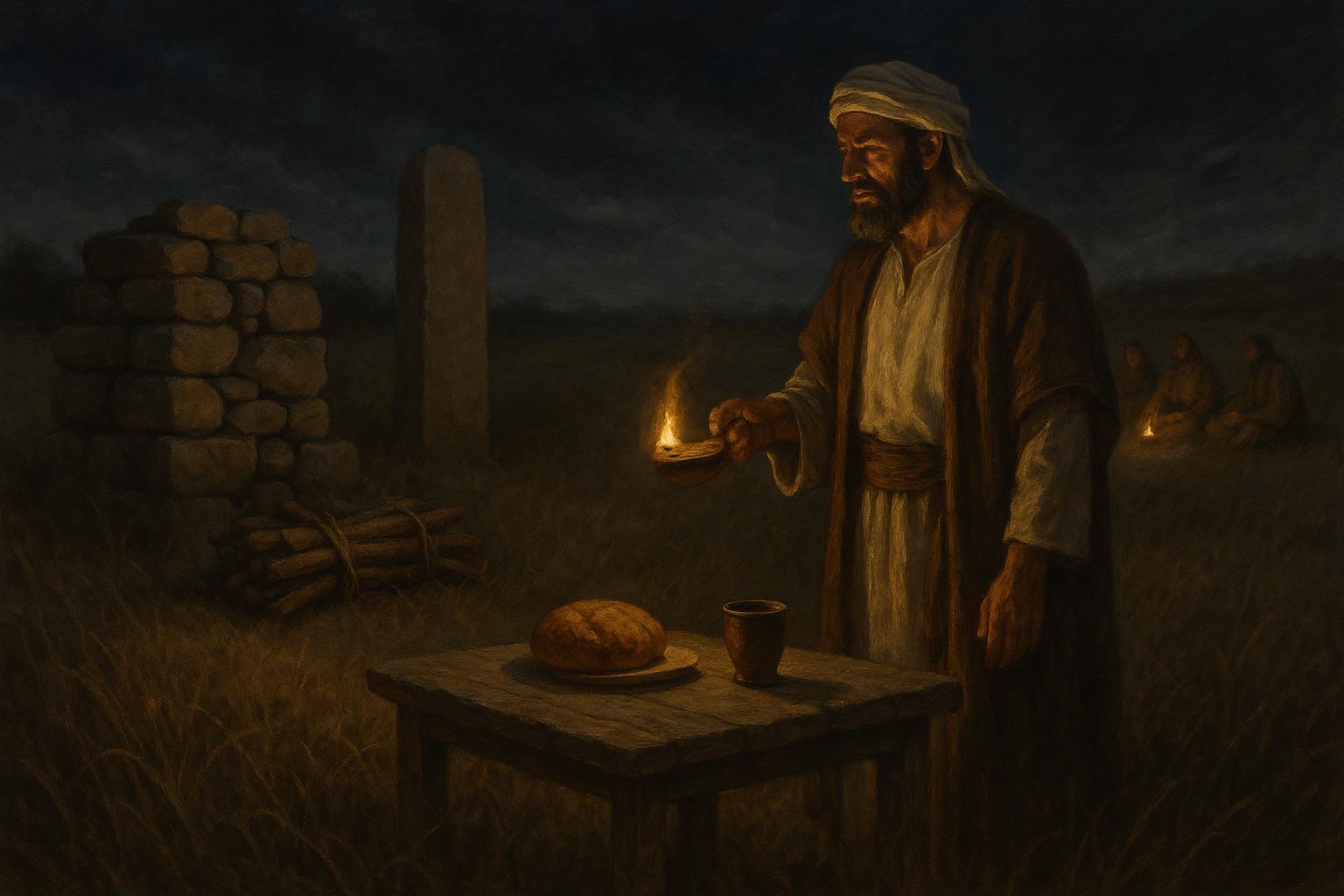
The faithfulness of God stands as a cornerstone of the covenant relationship established with His people, consistently affirmed throughout Scripture.
