
Topical Studies
-
Conquest and Settlement in the Promised Land
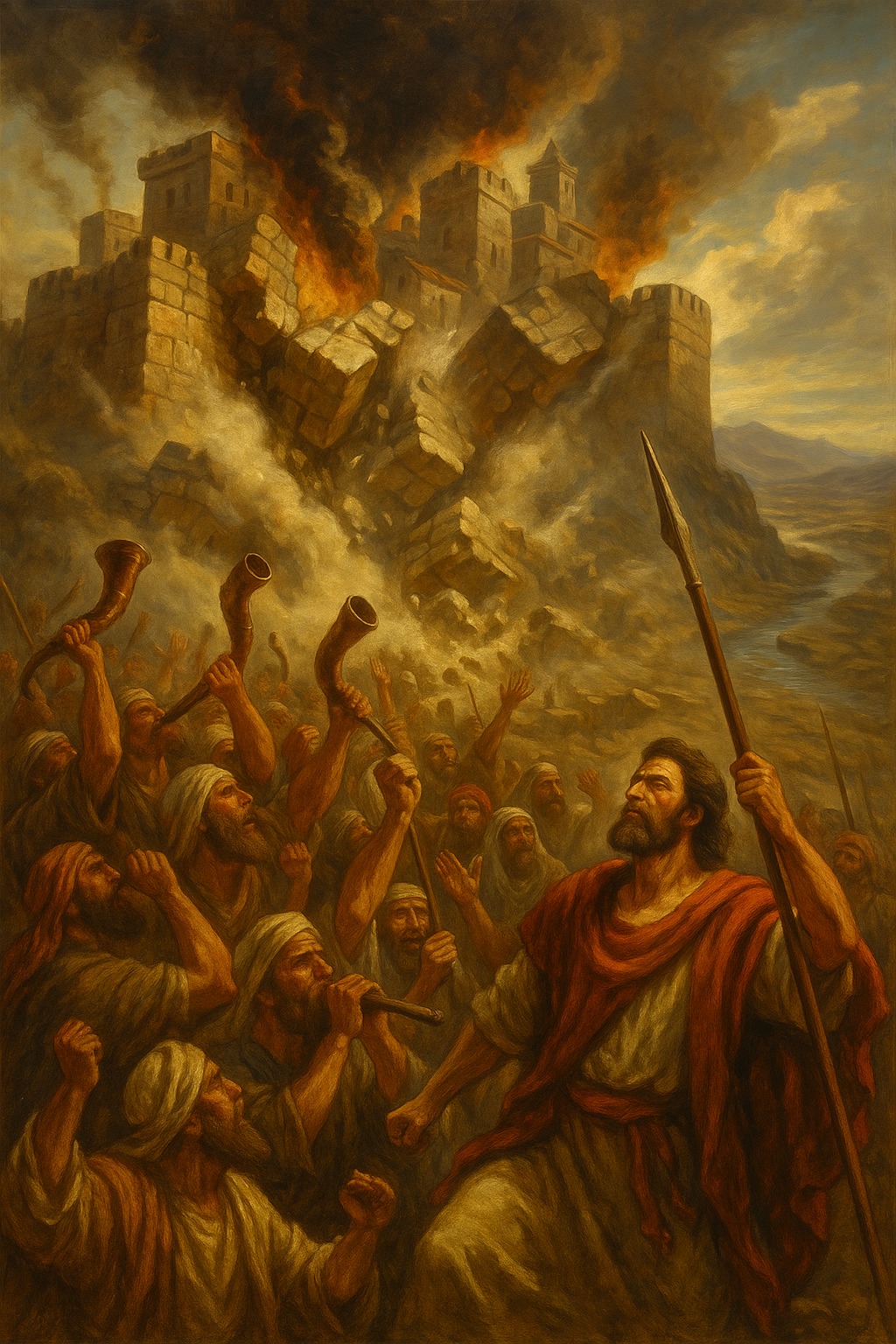
The conquest of Canaan under Joshua fulfilled God’s promises to the patriarchs, integrating military triumphs with spiritual obedience. Key events included the miraculous Jordan crossing, the fall of Jericho, and subsequent victories, alongside themes of faithfulness and judgment. The struggles in Judges underscore the need for obedience, foreshadowing Christ’s ultimate salvation.
-
Ruth’s Moabite Heritage and David’s Line
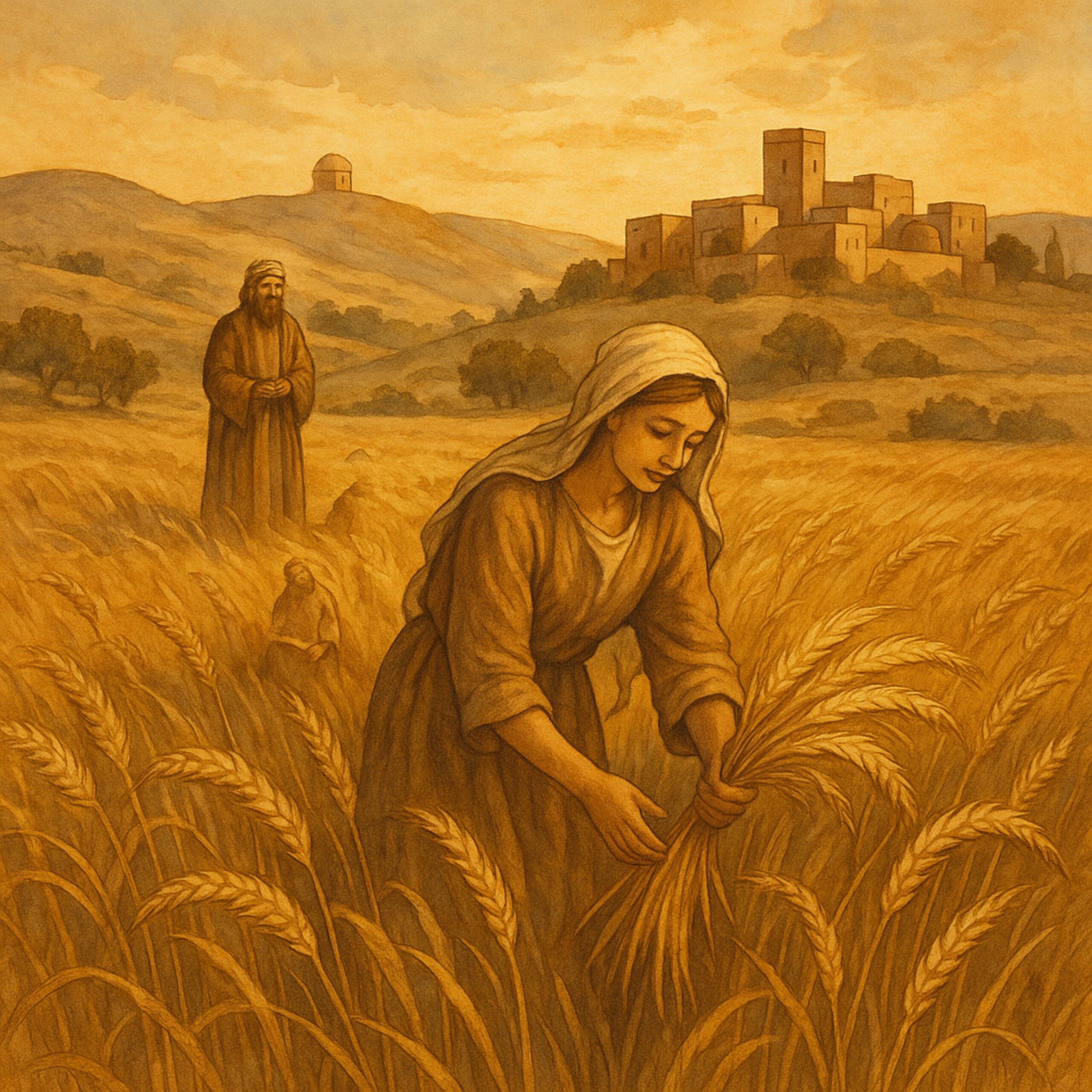
The story of Ruth stands as one of the most remarkable accounts in the Bible, not only for its narrative beauty but also for its theological depth. Ruth, a Moabitess, became the great-grandmother of King David and part of the Messianic line leading to Christ. Her heritage seemed disqualifying: the Moabites originated from Lot’s incestuous…
-
Flood Geology and the Debate Over Noah’s Flood

The account of Noah’s Flood in Genesis 6–9 is one of the most dramatic narratives in the Bible. It describes a worldwide deluge that destroyed all life except those preserved in the ark. For centuries, Christians interpreted this as a literal global event. Modern geology, however, often views the flood as a myth or, at…
-
The Great Exodus – Journey from Bondage to Freedom
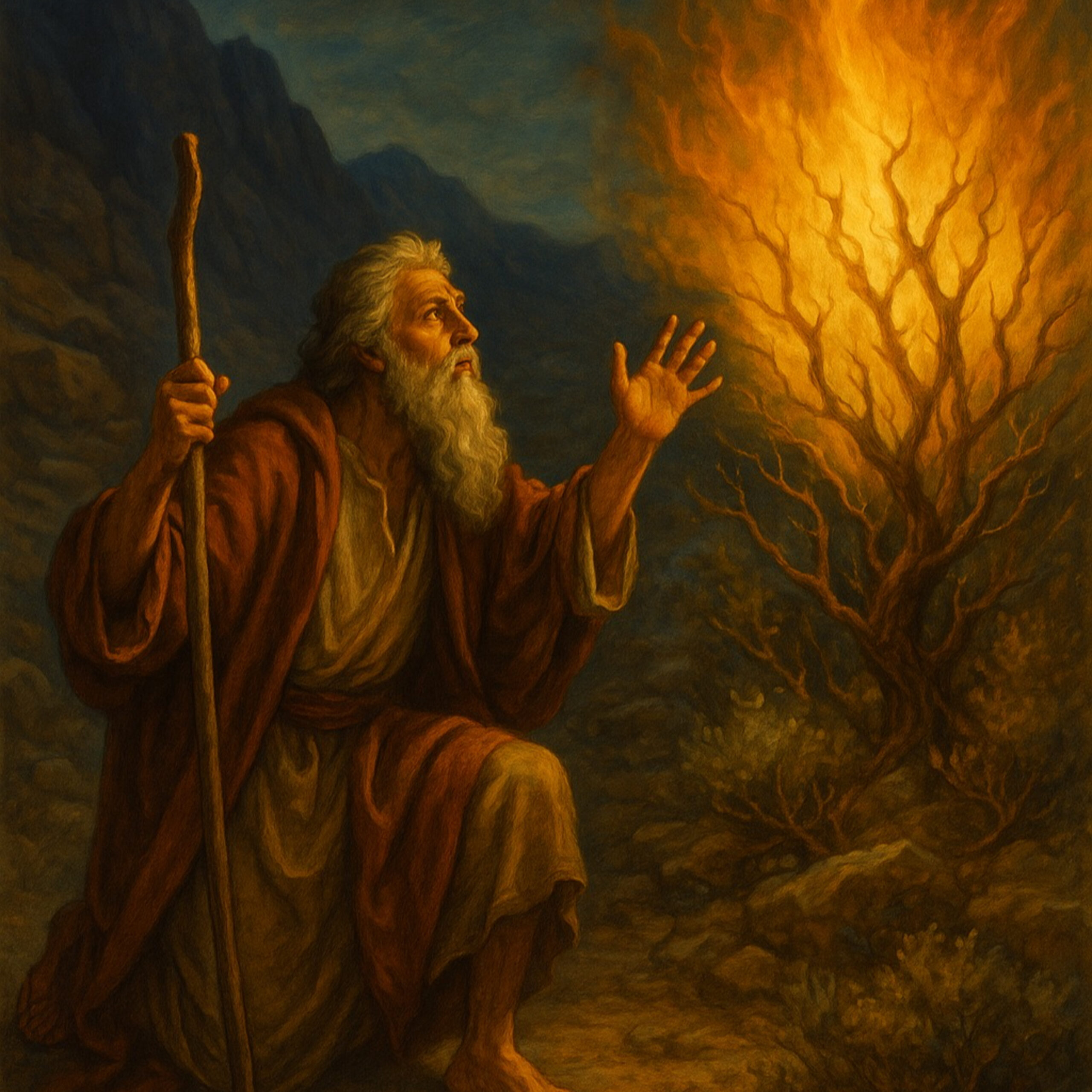
The Exodus is one of the most defining events in biblical history. It marks God’s deliverance of His people from slavery in Egypt and His covenantal formation of Israel as a nation. The narrative stretches from the closing chapters of Genesis through Exodus, and its theological impact reverberates throughout the Old and New Testaments. The…
-
Revelation’s Final Visions and Old Testament Echoes

The Book of Revelation, the final book of the Bible, is rich in imagery and language drawn from the Old Testament. From Genesis to Malachi, echoes of earlier prophecies resound in John’s visions. Far from being a new or disconnected revelation, the Apocalypse weaves together centuries of prophecy into one climactic conclusion. Revelation shows the…
-
Israel in Egypt and the Exodus
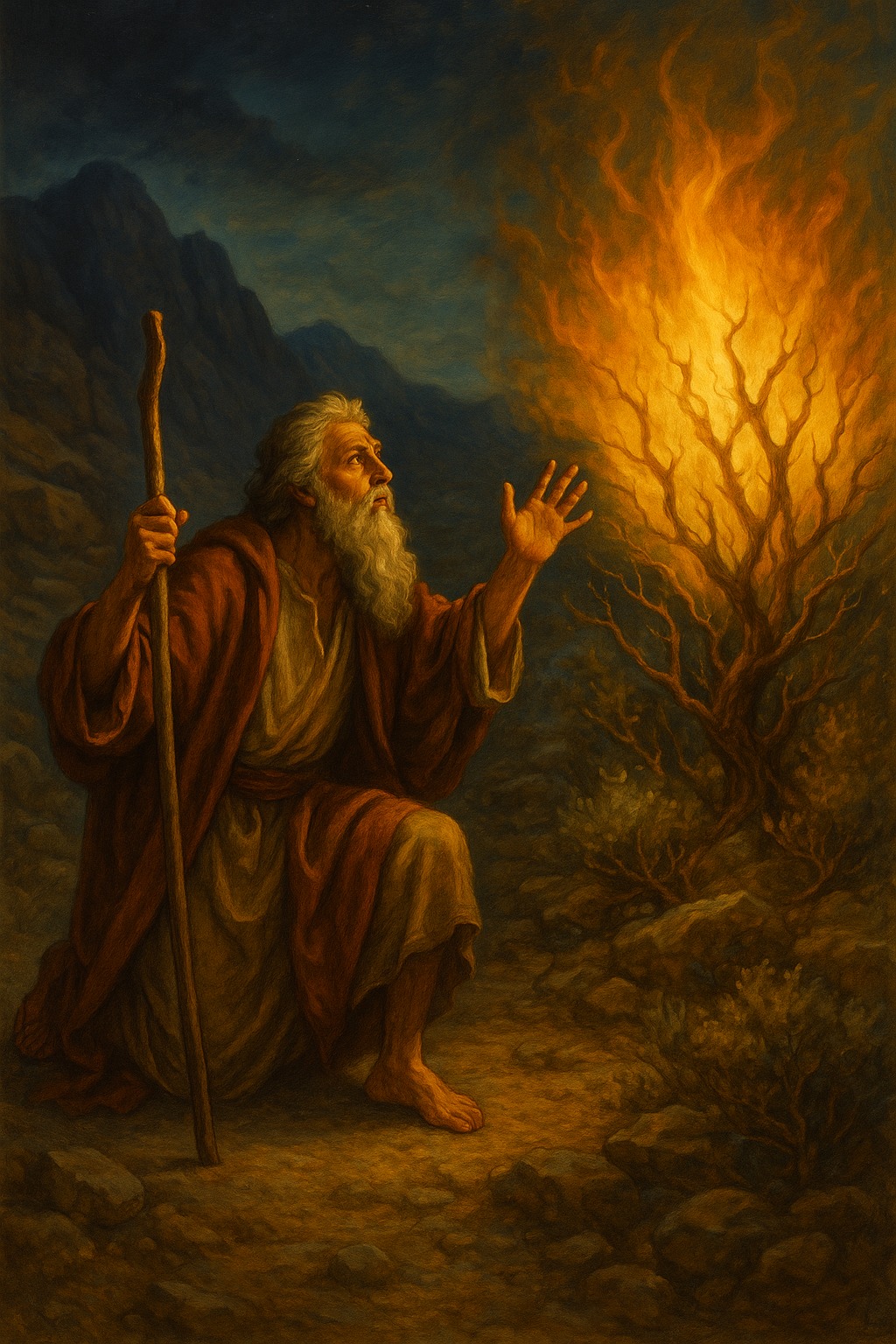
The Exodus is one of the most defining events in biblical history. It marks God’s deliverance of His people from slavery in Egypt and His covenantal formation of Israel as a nation. The narrative stretches from the closing chapters of Genesis through Exodus, and its theological impact reverberates throughout the Old and New Testaments.
-
Abraham, the Patriarchs, and Covenant Foundations
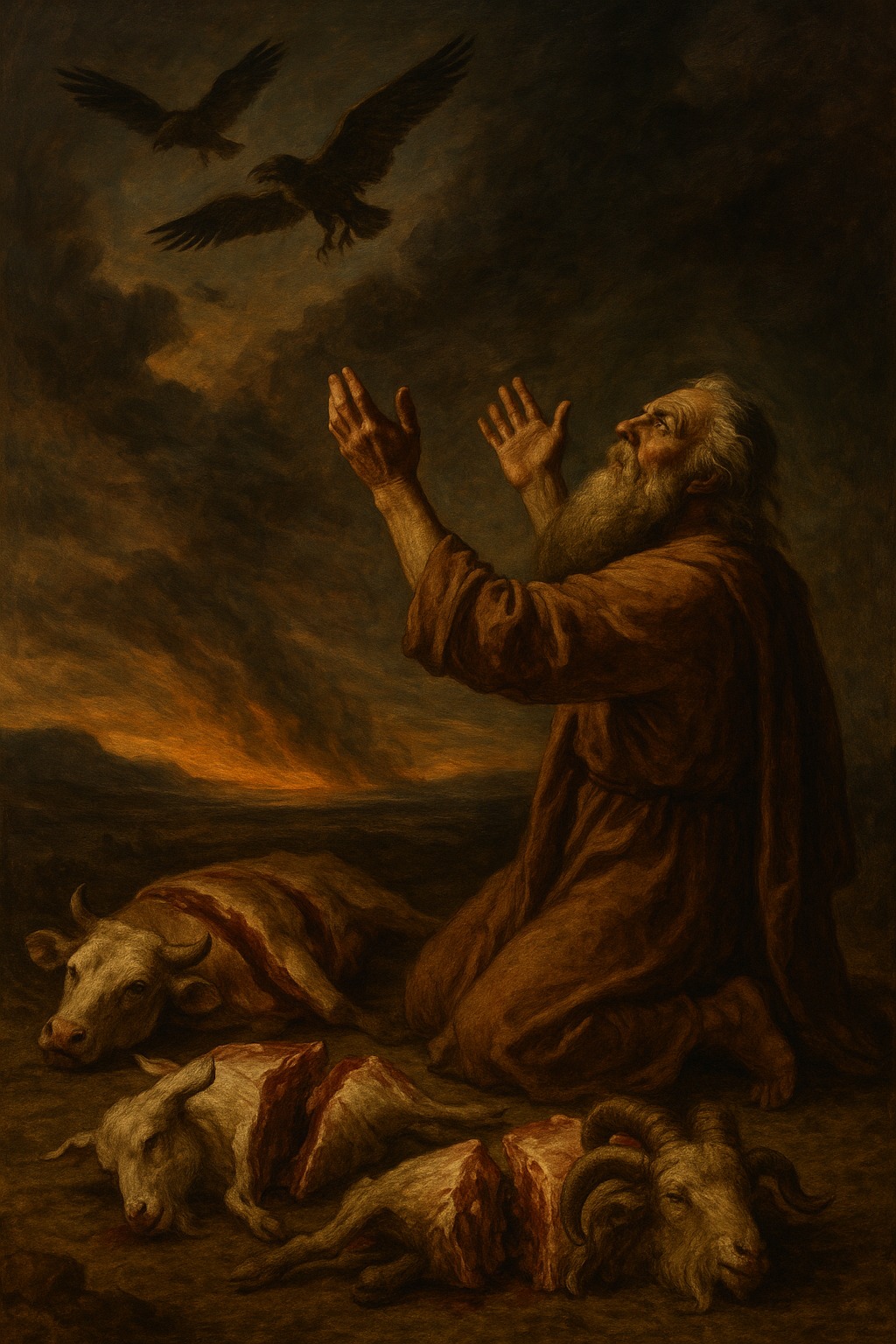
The story of Abraham and the patriarchs (Isaac, Jacob, and Joseph) forms the backbone of biblical history. It is in their lives that God reveals His covenant purposes, establishes the line of promise, and sets the stage for the coming Messiah. These narratives, spanning Genesis 12–50, are not merely family stories but foundational accounts of…
-
Revelation’s Final Visions and Old Testament Echoes

The Book of Revelation, the final book of the Bible, is rich in imagery and language drawn from the Old Testament. From Genesis to Malachi, echoes of earlier prophecies resound in John’s visions. Far from being a new or disconnected revelation, the Apocalypse weaves together centuries of prophecy into one climactic conclusion.
-
Archaeology and the Historicity of Israel

Archaeology has become one of the most powerful tools in understanding the Bible’s historical setting. While archaeology cannot prove every detail of Scripture, discoveries repeatedly confirm the reality of Israel’s existence, the authenticity of its kings, and the accuracy of biblical events. Critics have often doubted Israel’s history, but spades in the ground continue to…
-
The Cambrian Explosion: Sudden Appearance and the Case for Design

The fossil record reveals a startling event known as the Cambrian explosion. Roughly 540 million years ago (according to conventional dating), nearly all the major animal body plans, arthropods, chordates, mollusks, echinoderms, and more, appeared suddenly within a relatively short geological window. This event poses a profound challenge to Darwin’s theory of gradual evolution, which…
