
Topical Studies
-
Intelligent Design and the Limits of Scientific Naturalism
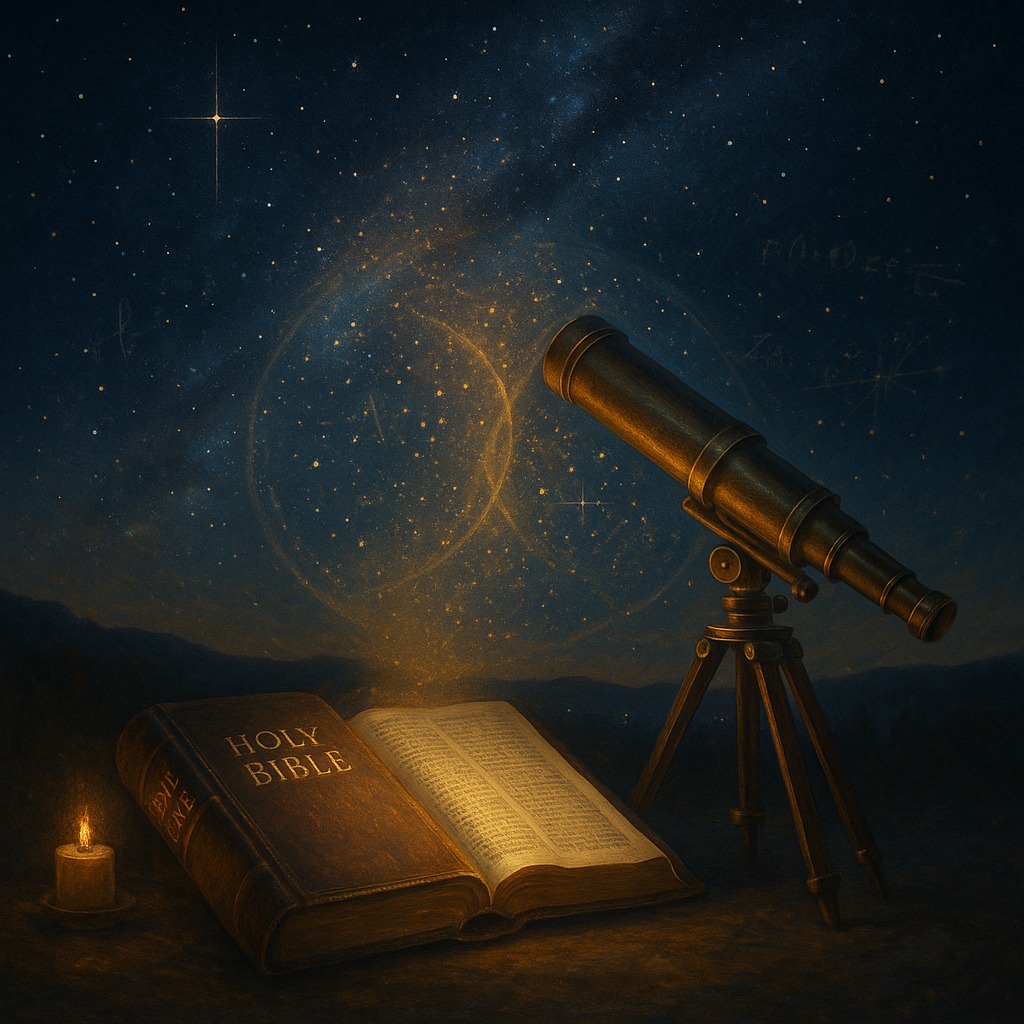
Modern science has advanced significantly but often relies on naturalism, which limits explanations to natural causes. Intelligent Design (ID) argues that certain features of the universe are best explained by an intelligent cause, as supported by empirical evidence. This perspective aligns with biblical teachings, revealing the Creator’s intention behind creation.
-
Human Uniqueness: Image of God and the Question of Evolution
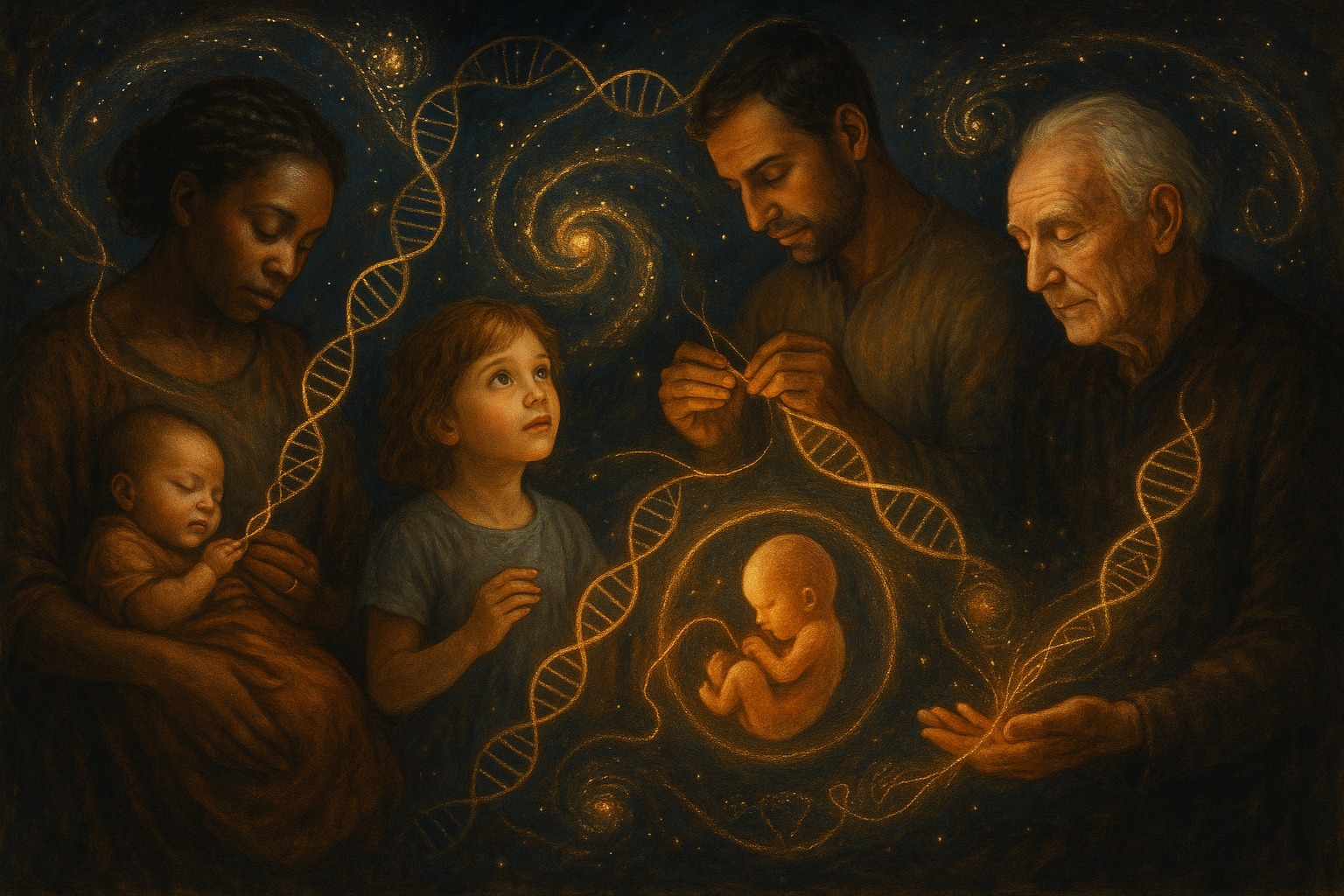
The debate between science and faith regarding human origins raises questions about whether humanity evolved from primates or was created in God’s image. Scripture emphasizes human uniqueness through moral, spiritual, and relational traits. While evolution explains biological similarities, only God’s Word accounts for our dignity, sin, and redemption, ultimately fulfilled in Christ.
-
Ruth’s Moabite Heritage and David’s Line
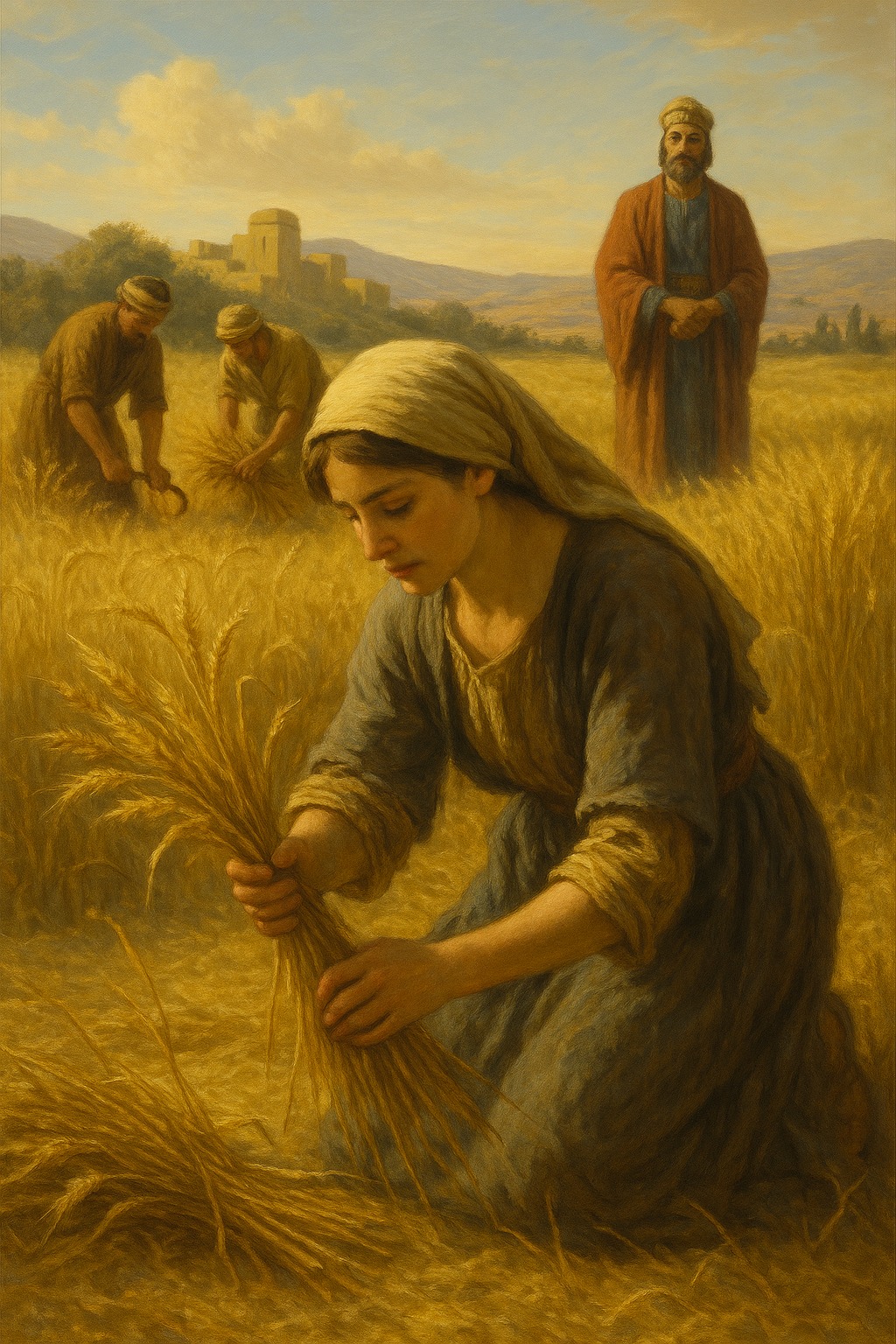
The story of Ruth stands as one of the most remarkable accounts in the Bible, not only for its narrative beauty but also for its theological depth. Ruth, a Moabitess, became the great-grandmother of King David and part of the Messianic line leading to Christ. Her heritage seemed disqualifying: the Moabites originated from Lot’s incestuous…
-
Baptism in the Old and New Testaments
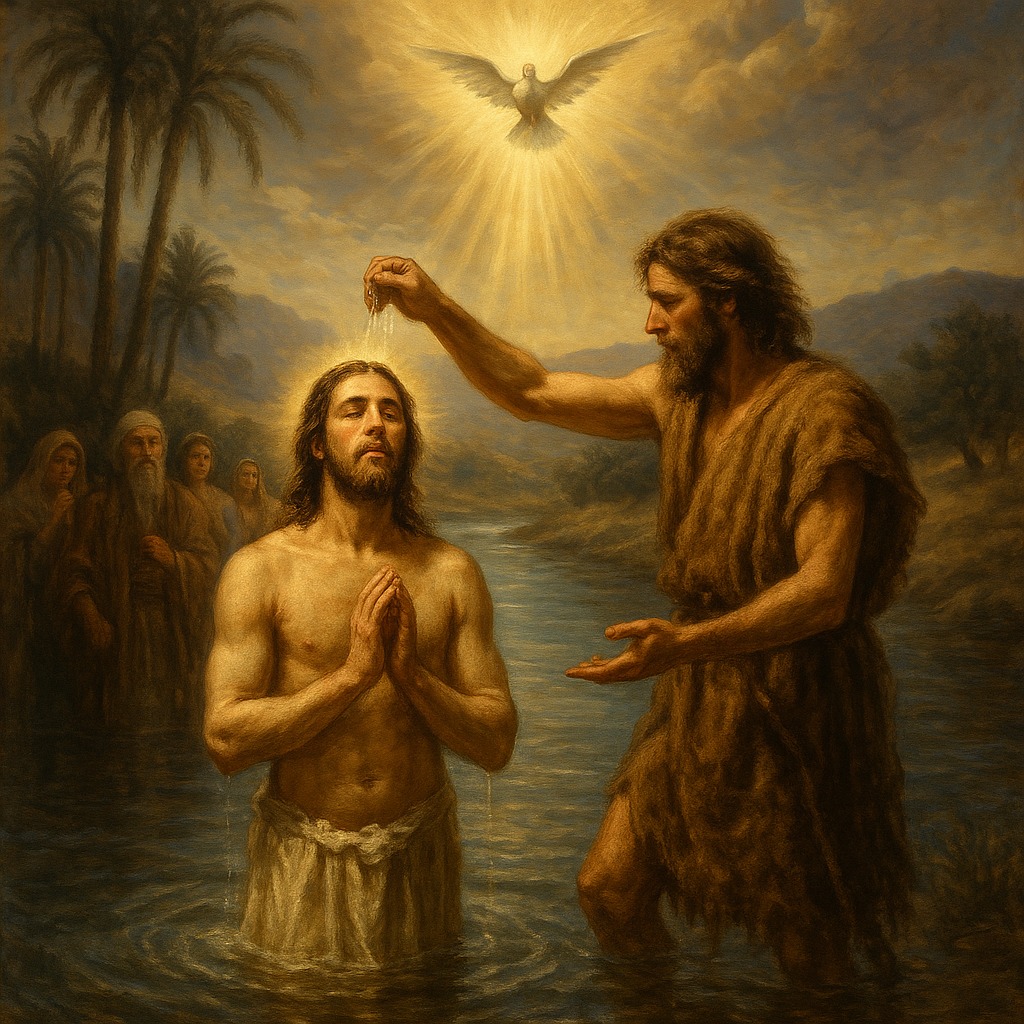
Baptism is one of the most recognized and debated practices in Christianity. While the New Testament clearly emphasizes baptism as a sign of faith and obedience, the roots of the practice can be traced back to the Old Testament through ritual washings, consecrations, and prophetic imagery. To understand baptism biblically, we must explore its foreshadowing…
-
The Unconditional Covenants of God with Israel
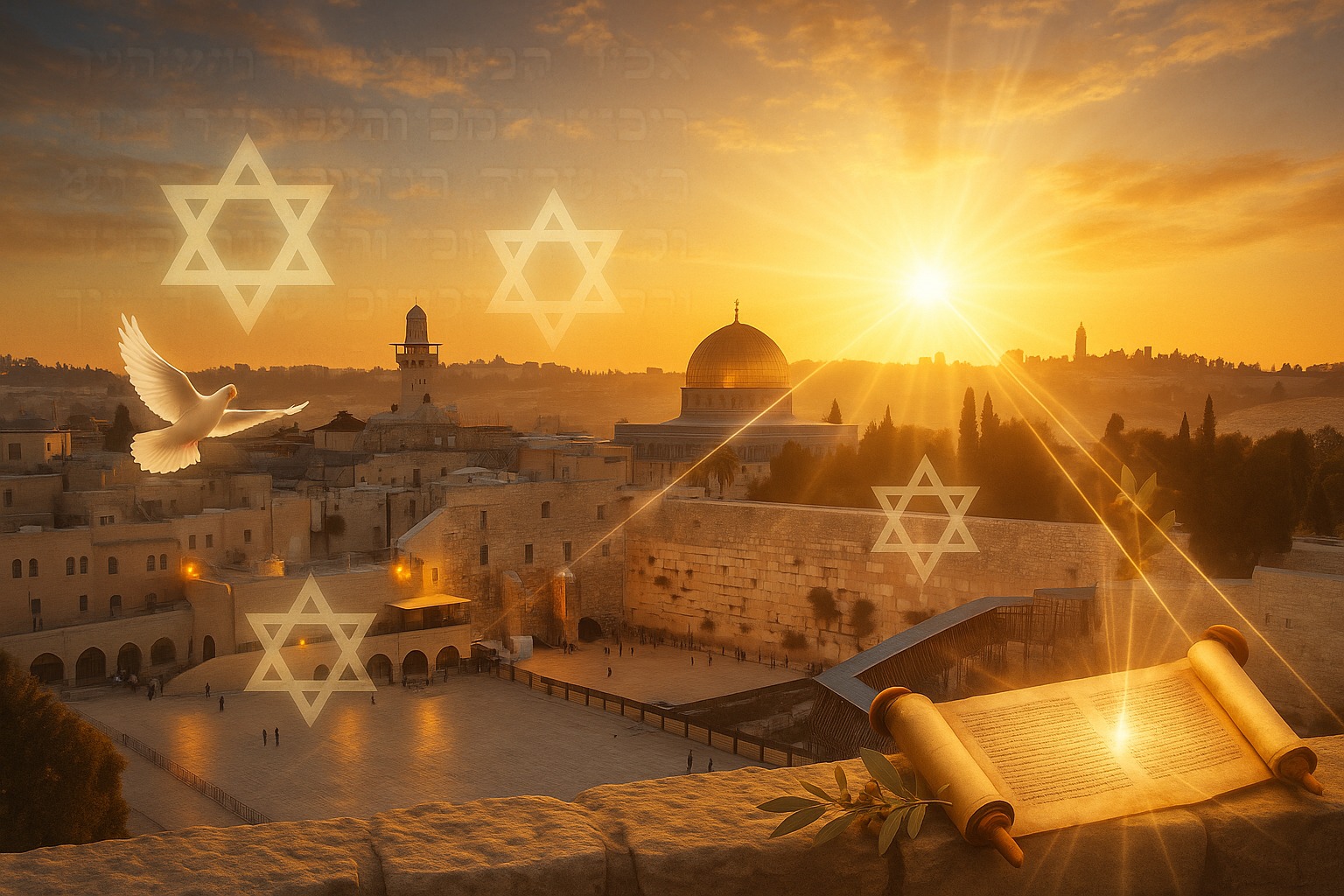
The Bible records several covenants God made with His people. Some were conditional, requiring obedience for blessing (e.g., the Mosaic covenant). Others were unconditional, depending solely on God’s faithfulness. Among these, the covenants with Abraham, David, and the promise of the New Covenant stand out as everlasting. These covenants anchor Israel’s history, frame prophecy, and…
-
Mount Sinai — Saudi Arabia or Sinai Peninsula?
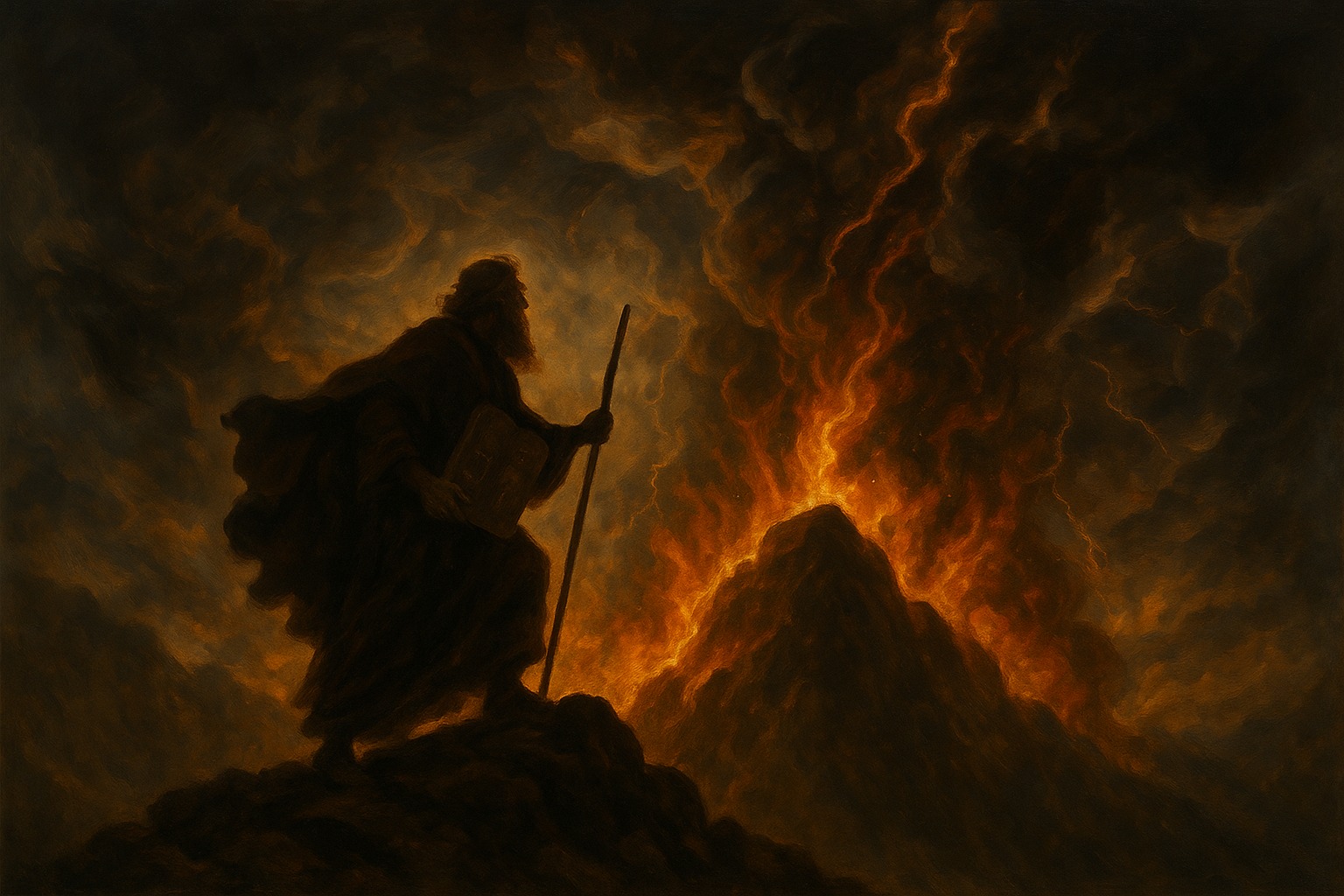
Few locations in the Bible spark as much debate as the true site of Mount Sinai, where God gave the Ten Commandments to Moses and Israel. Traditionally identified with Jebel Musa in Egypt’s Sinai Peninsula, some researchers argue instead for Jebel al-Lawz in northwest Saudi Arabia. The question is not merely geographical—it touches history, archaeology,…
-
First and Last Prophecies of the Bible
The Bible begins with prophecy and ends with prophecy, forming bookends to the grand story of redemption. The first prophecy, given in Genesis 3:15, promises conflict between the seed of the woman and the seed of the serpent, culminating in ultimate victory. The last prophecy, found in Revelation 22:12–20, promises Christ’s return, judgment, and reward.…


