
Topical Studies
-
Moses — The Deliverer and Lawgiver
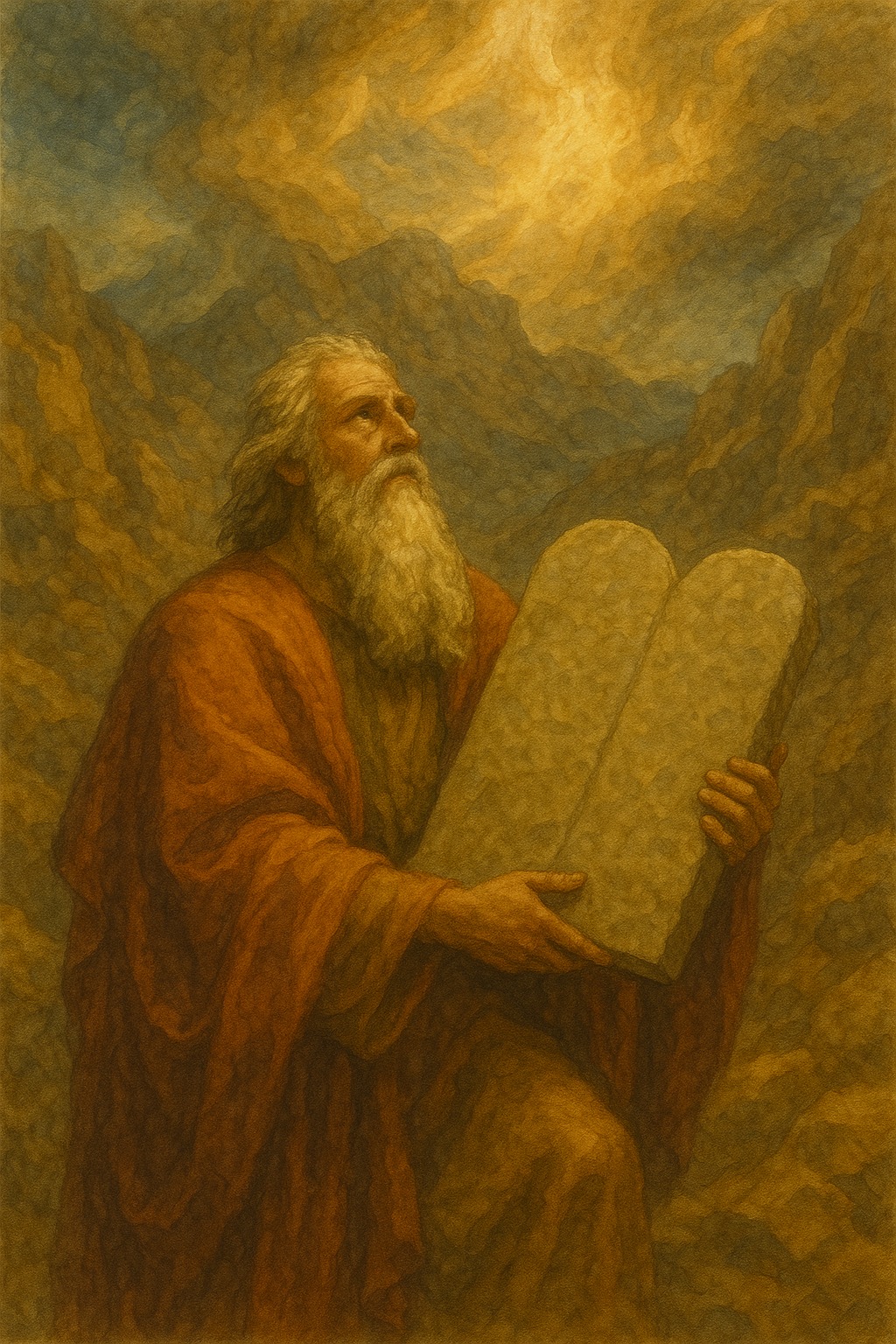
Moses stands as one of the most influential figures in all of Scripture, a man chosen by God to deliver His people from bondage, reveal His law, and mediate His covenant. His life bridges promise and fulfillment, slavery and freedom, law and grace. More than a leader or prophet, Moses prefigures Christ as the Redeemer…
-
Abraham – The Father of Faith
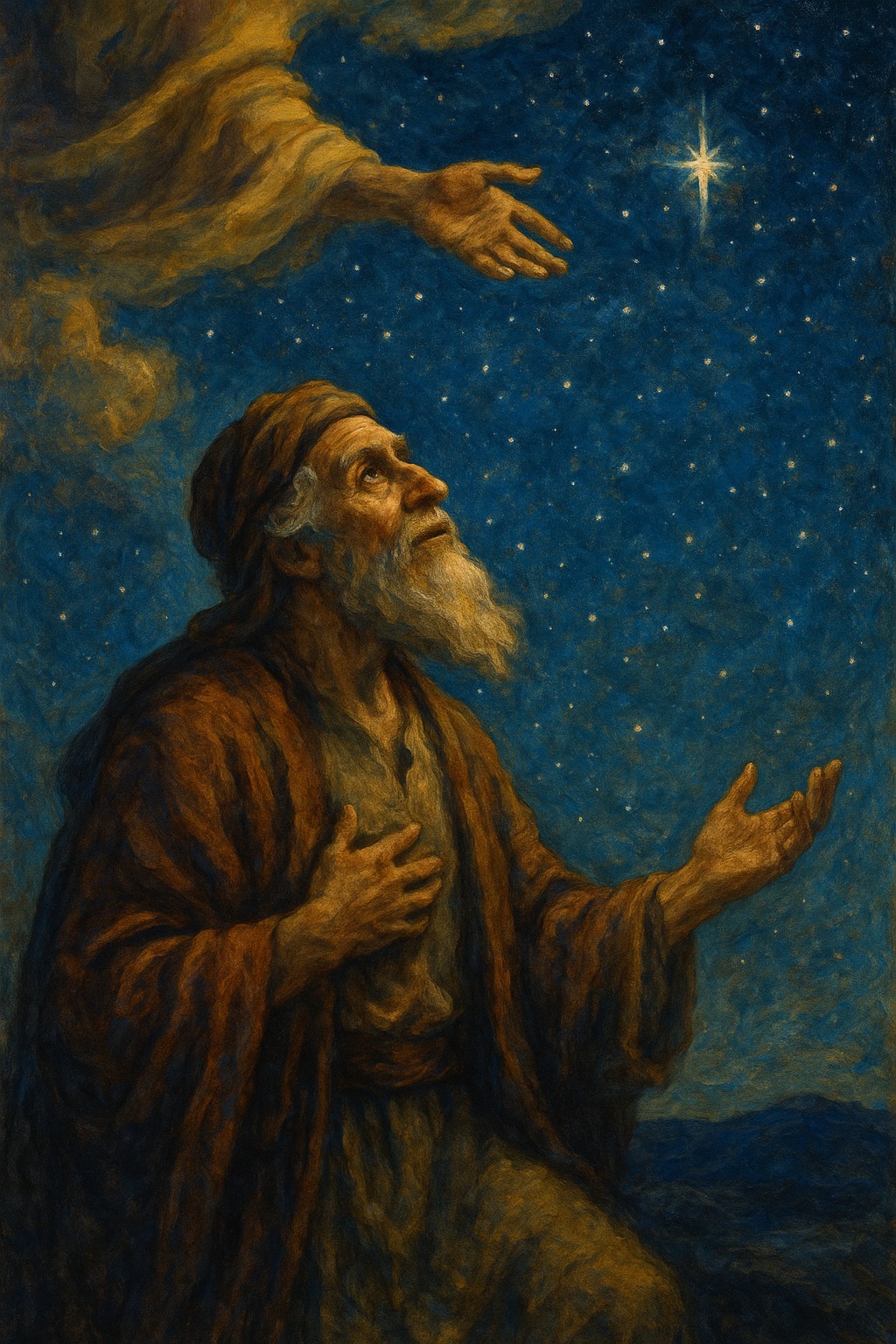
Among all the figures in Scripture, few stand as prominently in both Testaments as Abraham. Known as “the father of faith,” Abraham’s life marks the beginning of God’s covenant relationship with a chosen people through whom all nations would be blessed. His story, beginning in Genesis 12, is the foundation for the unfolding plan of…
-
The Person and Work of the Holy Spirit

The Holy Spirit, often misunderstood as an impersonal force, is recognized in Scripture as the personal and divine presence of God within believers. He guides, comforts, and empowers individuals for service, playing a vital role in salvation, sanctification, and communion with God. His indwelling signifies a transformative relationship essential for victorious Christian living.
-
The Trinity – Unity and Diversity in the Godhead

The doctrine of the Trinity is central to Christian theology, describing God as one Being in three coequal Persons: Father, Son, and Holy Spirit. This concept distinguishes biblical faith and deepens understanding of God’s love, unity, and redemptive plan. The Trinity influences worship, the Church, and believers’ lives, inviting participation in divine fellowship.
-
The Nature of God’s Covenant Grace
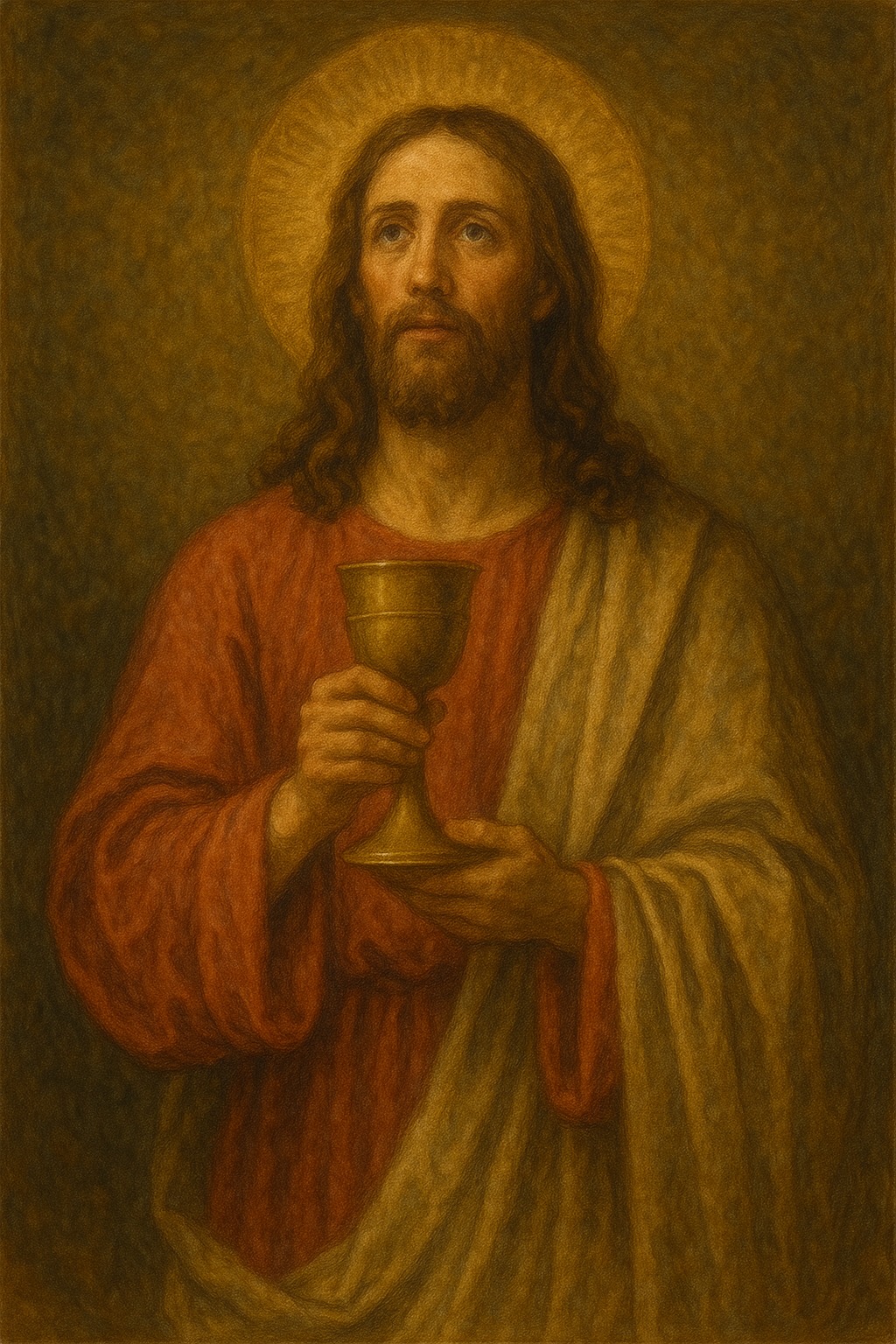
God relates to humanity through covenants, reflecting His redemptive plan throughout biblical history. These agreements, whether conditional or unconditional, showcase God’s faithfulness and grace. The covenants culminate in Christ’s work, offering believers salvation, assurance, and a transformative relationship, emphasizing God’s enduring love and commitment to His people across generations.
-
The Great Exodus – Journey from Bondage to Freedom
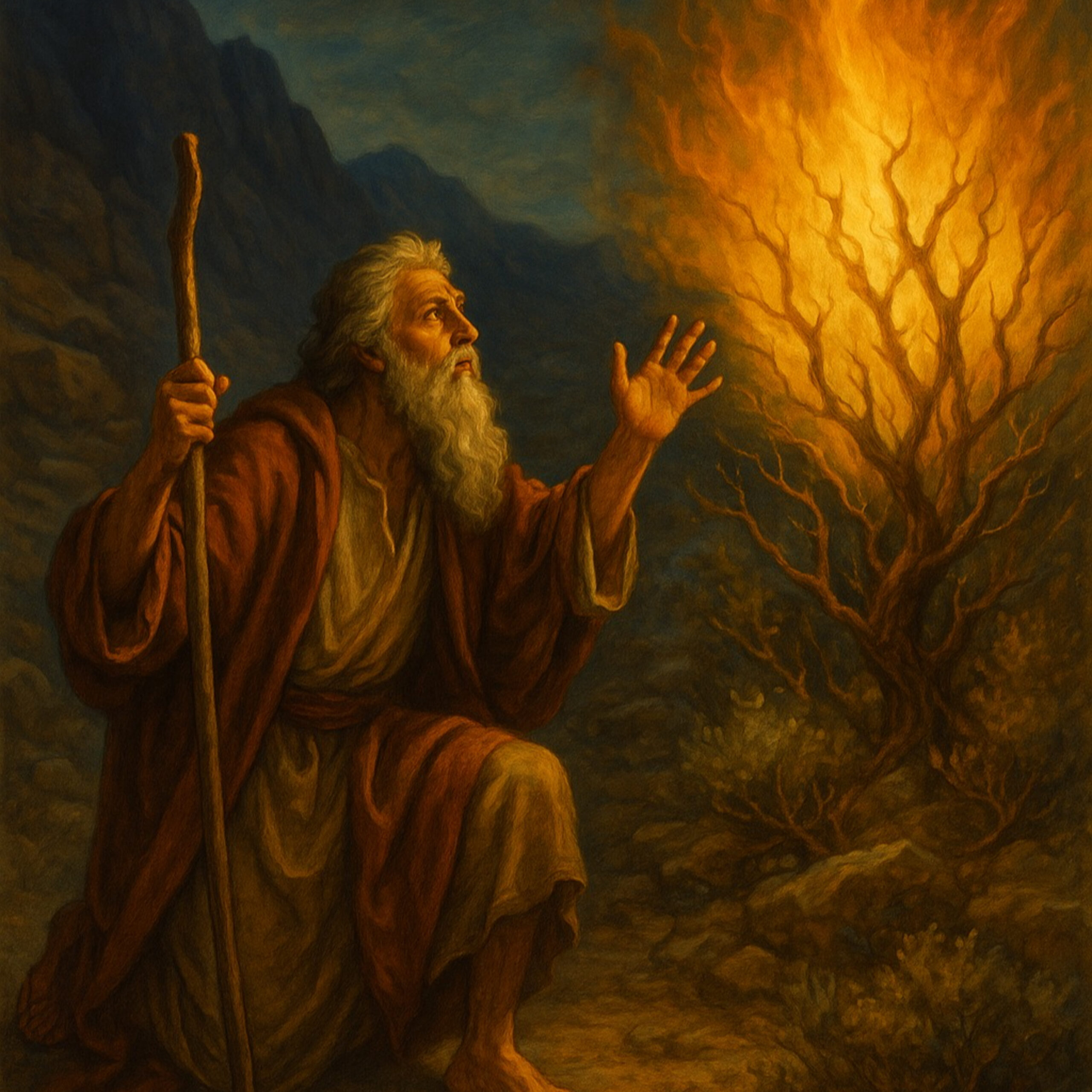
The Exodus is one of the most defining events in biblical history. It marks God’s deliverance of His people from slavery in Egypt and His covenantal formation of Israel as a nation. The narrative stretches from the closing chapters of Genesis through Exodus, and its theological impact reverberates throughout the Old and New Testaments. The…
-
Israel in Egypt and the Exodus
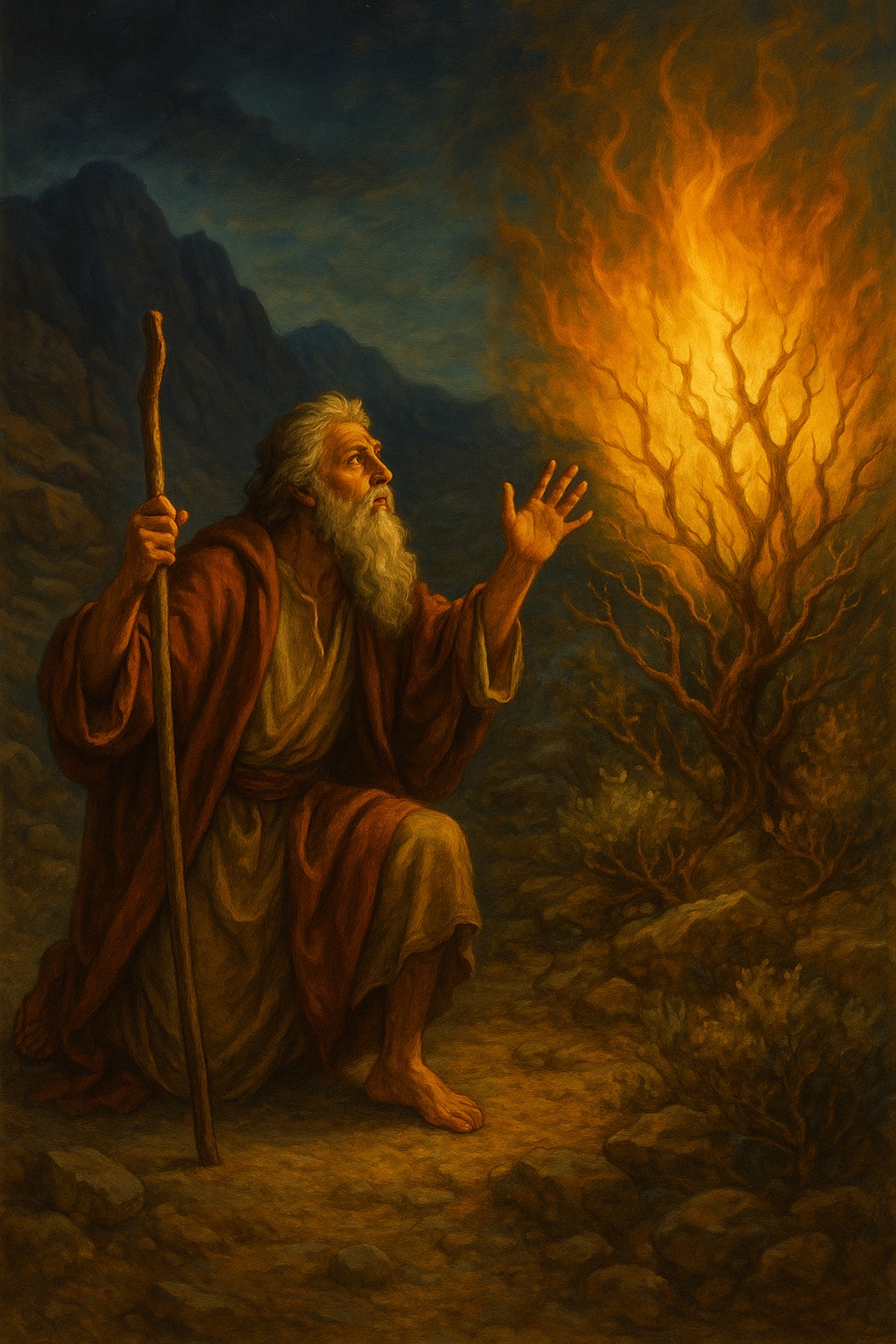
The Exodus is one of the most defining events in biblical history. It marks God’s deliverance of His people from slavery in Egypt and His covenantal formation of Israel as a nation. The narrative stretches from the closing chapters of Genesis through Exodus, and its theological impact reverberates throughout the Old and New Testaments.
-
Revelation’s Final Visions and Old Testament Echoes

The Book of Revelation, the final book of the Bible, is rich in imagery and language drawn from the Old Testament. From Genesis to Malachi, echoes of earlier prophecies resound in John’s visions. Far from being a new or disconnected revelation, the Apocalypse weaves together centuries of prophecy into one climactic conclusion.
-
Archaeology and the Historicity of Israel

Archaeology has become one of the most powerful tools in understanding the Bible’s historical setting. While archaeology cannot prove every detail of Scripture, discoveries repeatedly confirm the reality of Israel’s existence, the authenticity of its kings, and the accuracy of biblical events. Critics have often doubted Israel’s history, but spades in the ground continue to…
-
The Cambrian Explosion: Sudden Appearance and the Case for Design

The fossil record reveals a startling event known as the Cambrian explosion. Roughly 540 million years ago (according to conventional dating), nearly all the major animal body plans, arthropods, chordates, mollusks, echinoderms, and more, appeared suddenly within a relatively short geological window. This event poses a profound challenge to Darwin’s theory of gradual evolution, which…


