
Topical Studies
-
Global Watch Daily – April 7, 2026

A concise summary of significant developments in Israel and the world through a grounded Christian worldview.
-
Feasts and Fulfillment: Types and shadows in the Old Testament

The richness of God’s redemptive plan is illuminated through the understanding of typology found within Scripture. The Old Testament serves as a profound tapestry of shadows and symbols, each pointing to the ultimate reality revealed in Christ.
-
Global Watch Daily – April 6, 2026
A concise summary of significant developments in Israel and the world through a grounded Christian worldview.
-
Global Watch Daily – April 4, 2026
A concise summary of significant developments in Israel and the world through a grounded Christian worldview.
-
Easter and Passover Reexaminded
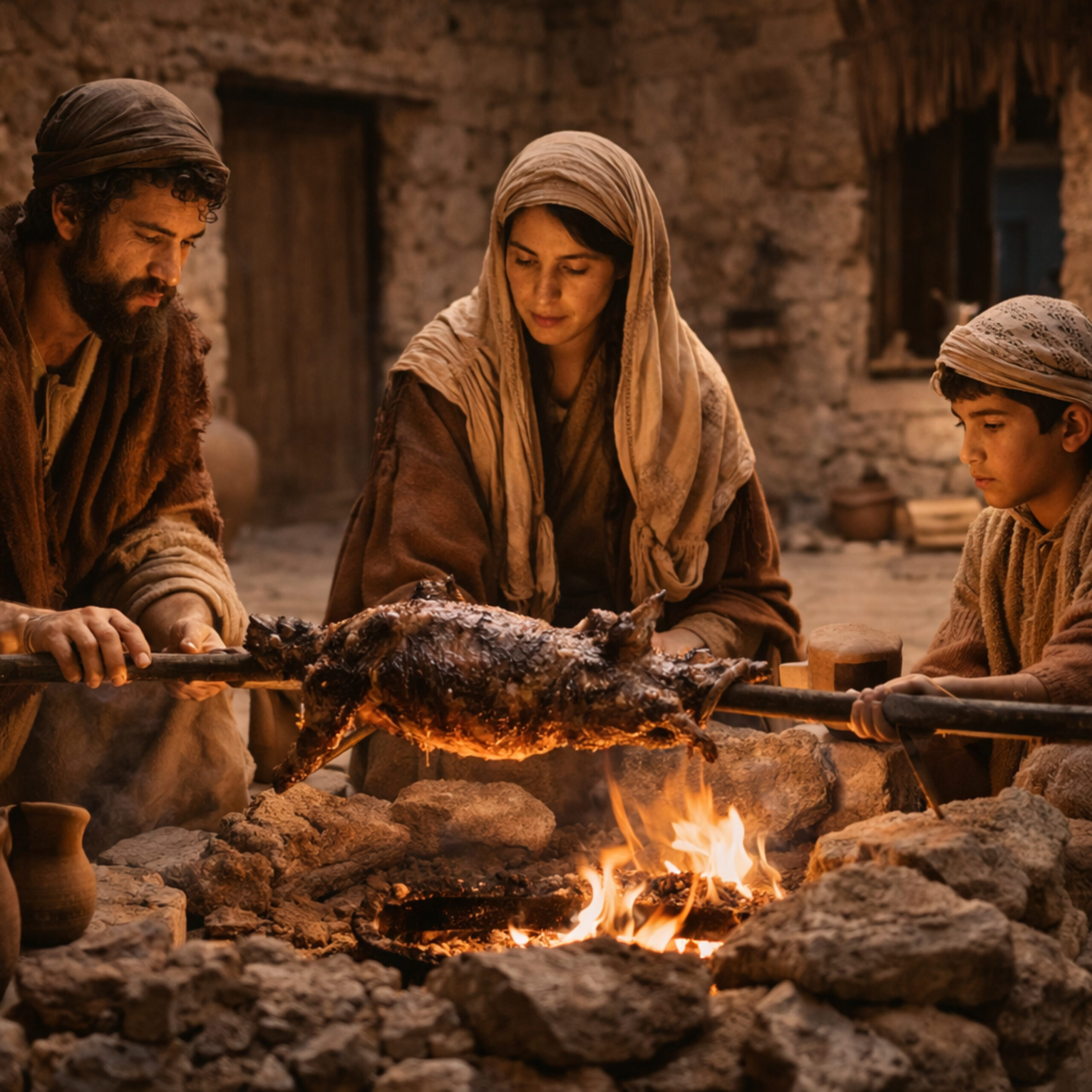
The prophetic Scriptures demand our utmost attention, for they illuminate the divine orchestration of events leading to the cross of Christ. In 2 Peter 1:19-21, we are reminded that prophecy is not a matter of private interpretation but is borne of the Holy Spirit and guides the faithful through the ages. The crucifixion, far from…
-
The Meaning of Easter: A Divine Orchestration of Redemption
in : Prophecyby :
Tags :Bible Study, Custom Prompt, End times, Eschatology, Exegesis, Exodus, Fulfillment, Genesis, Gospel, holiness, Israel, Kingdom, KJV, Messiah, Podcast, Prayer, prophecy, Scripture, Watchfulness
Easter is often presented in popular Christian language as the remembrance of a heartbreaking tragedy followed by a triumphant reversal. While that language captures the emotional weight of the crucifixion, it is insufficient as a biblical framework. Scripture does not present the cross as an unexpected collapse of messianic hopes. It presents the cross as…
-
Global Watch Daily – April 3, 2026
A concise summary of significant developments in Israel and the world through a grounded Christian worldview.
-
The Mathematical Precision of the Crucifixion

The prophetic nature of Scripture demands our solemn attention, for it reveals the divine orchestration of God’s redemptive plan through Christ. As the Apostle Peter affirms in 2 Peter 1:19-21, the prophetic word shines as a light in a dark place, guiding believers toward the truth embodied in Jesus. The feasts of Israel, particularly the…
-
How Ancient Feasts Scheduled the Cross
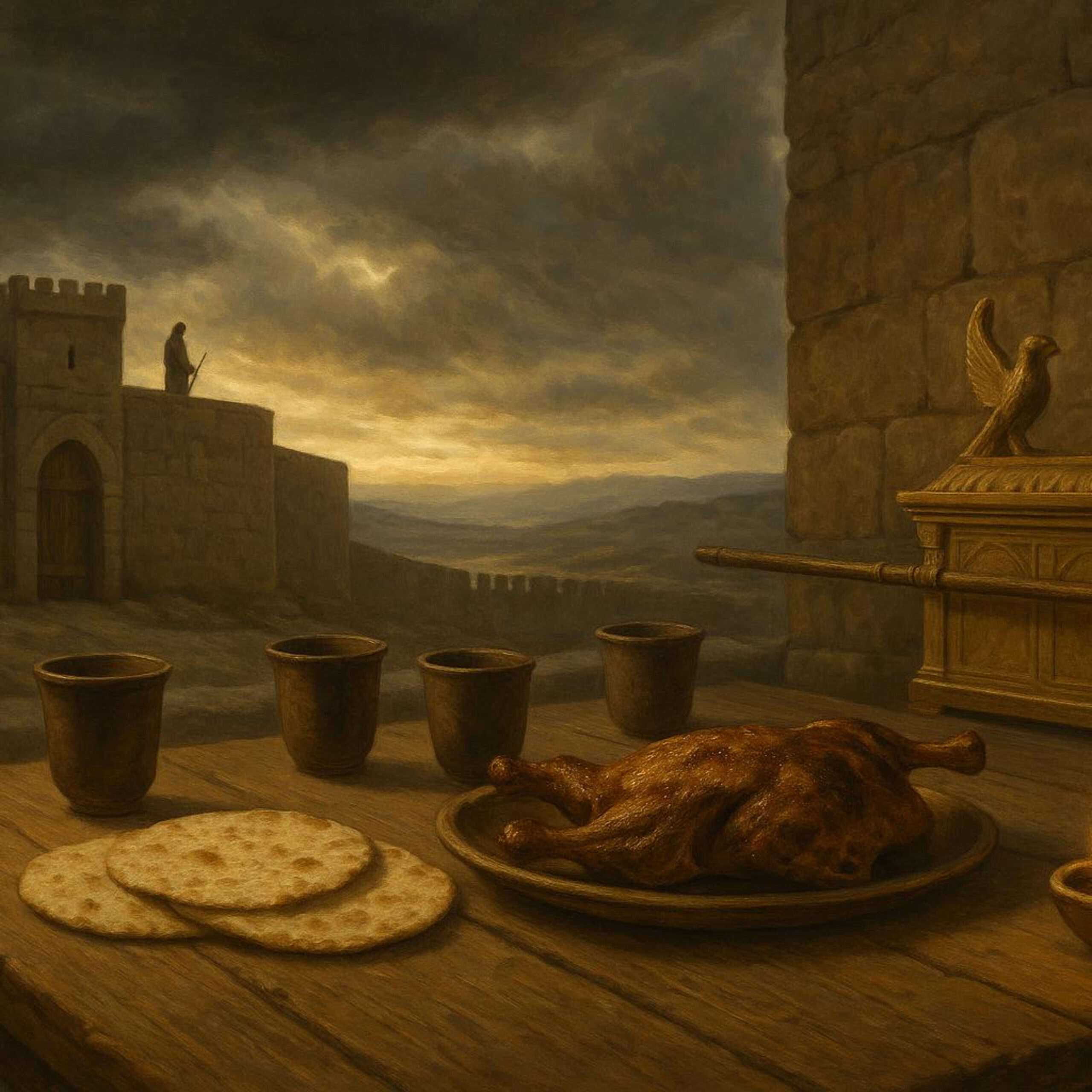
The prophetic nature of Scripture demands our solemn attention, for it reveals the divine orchestration of God’s redemptive plan through Christ. As the Apostle Peter affirms in 2 Peter 1:19-21, the prophetic word shines as a light in a dark place, guiding believers toward the truth embodied in Jesus. The feasts of Israel, particularly the…
-
From Passover to Resurrection: The Fulfillment of the Feasts and the Meaning of the Cross
in : Prophecyby :
Tags :Bible Study, Custom Prompt, Eschatology, Exegesis, Exodus, Fulfillment, Gospel, holiness, Israel, Kingdom, KJV, Leviticus, Messiah, Prayer, prophecy, Scripture, Watchfulness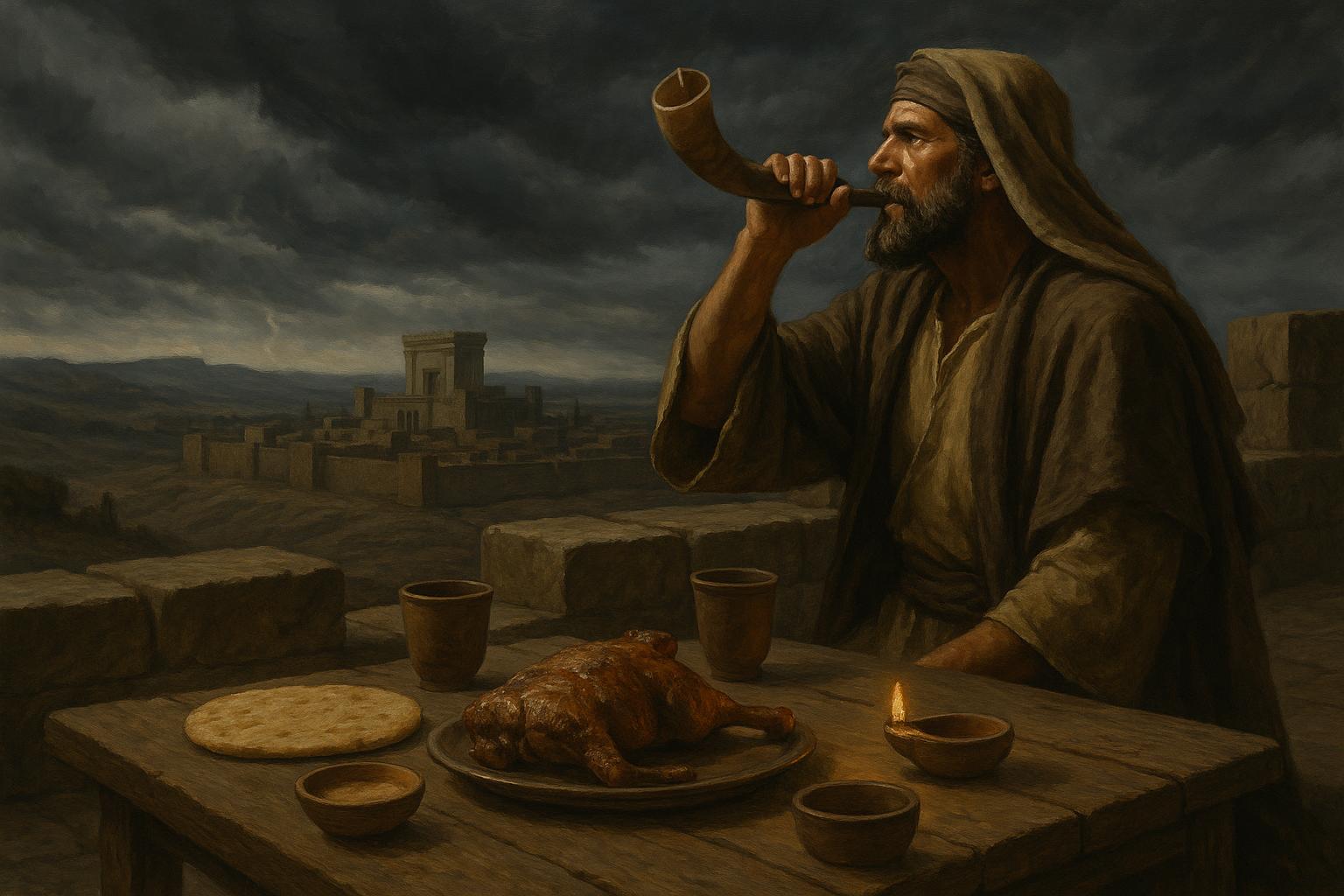
The prophetic nature of Scripture demands our solemn attention, for it reveals the divine orchestration of God’s redemptive plan through Christ.
