
Topical Studies
-
The Bronze Serpent and the Cross: Archaeological Echoes of Healing and Redemption in the Ancient World
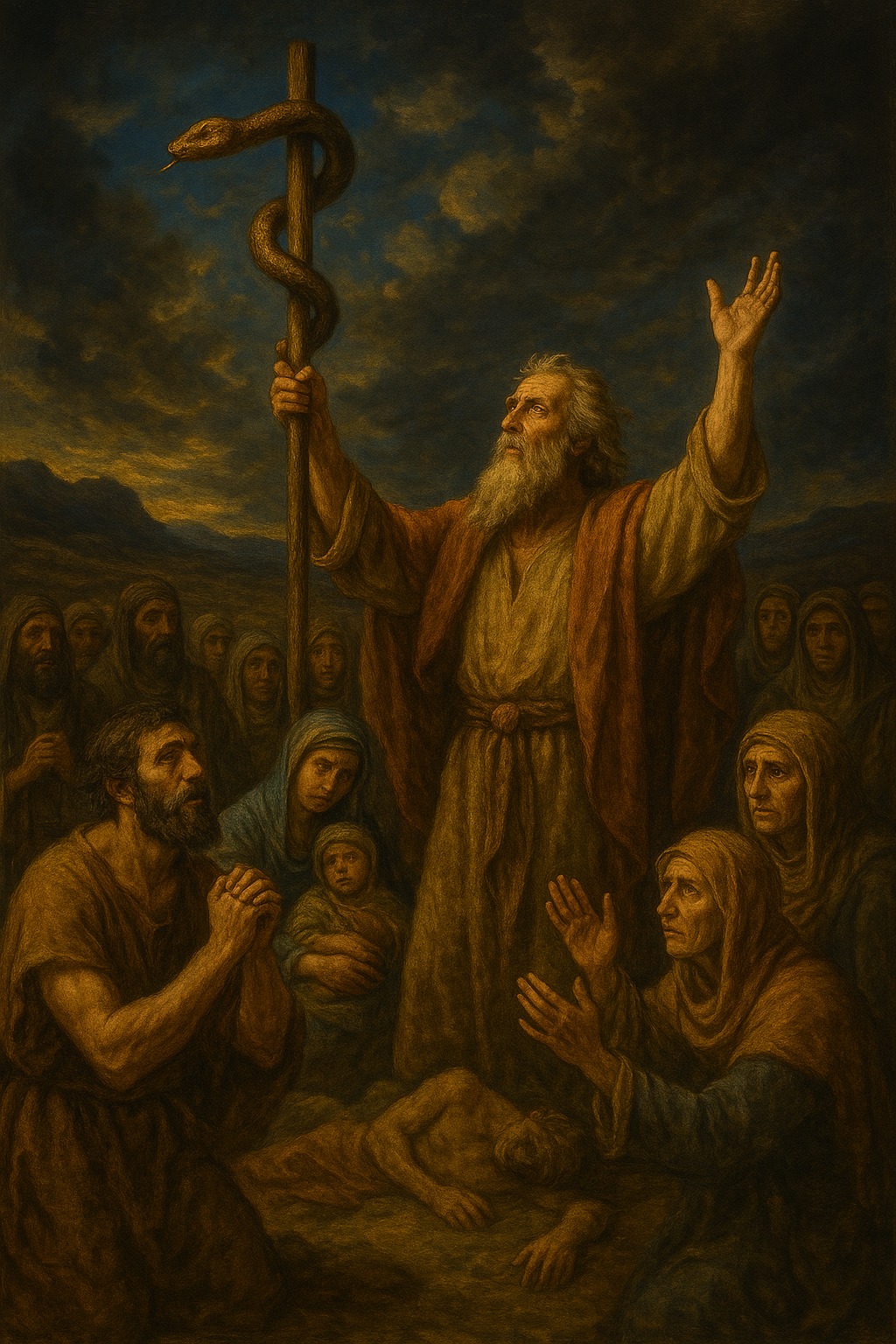
Among the many symbols woven into the tapestry of Scripture, few carry as much paradox and prophetic depth as the bronze serpent raised by Moses in the wilderness. What appears at first as an act of desperation, lifting a bronze image to heal a plague of venomous bites, emerges in the New Testament as one…
-
The Tabernacle, the Ark, and Archaeological Corroboration of Israel’s Worship in the Wilderness
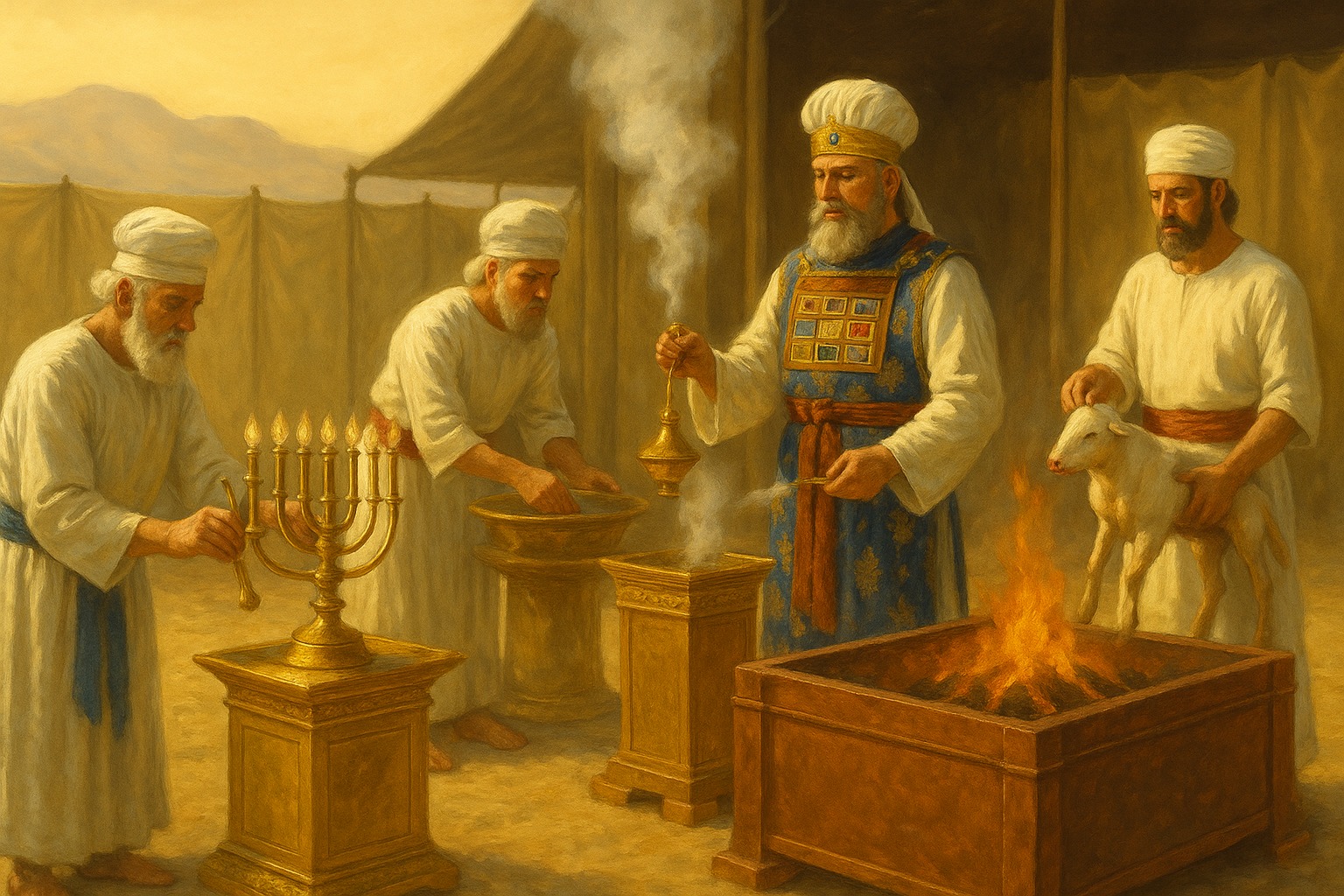
The tabernacle stands as one of the most significant structures in biblical history, not because of grandeur or permanence, but because it symbolized the dwelling of God among His people. In the wilderness, long before the construction of Solomon’s Temple, Israel carried a portable sanctuary designed according to divine revelation.
-
The Historical Reliability of the Exodus and Mount Sinai
Posted :
in : Evidenceby :
Tags :Archaeology, covenant, evidence, Exodus, History, Israel, Kingdom, Leviticus, Messiah, prophecy, Reliability, Scripture, Watchfulness
The Exodus stands at the heart of Israel’s national and spiritual identity. It is the story of God’s mighty deliverance, how He brought His people out of bondage in Egypt with a strong hand and an outstretched arm. Yet, modern critics have often dismissed the Exodus as a legend or theological symbolism rather than a…
-
Archaeological Proofs of the Patriarchs and the Early Nation of Israel

The historical reality of the patriarchs, Abraham, Isaac, and Jacob, as well as the early formation of Israel, has long been debated by scholars. Yet over the past century, archaeology has continually illuminated the truth of the biblical record, revealing that the stories of Genesis and Exodus rest not on myth but on authentic history.
-
Archaeology and the Historicity of Israel
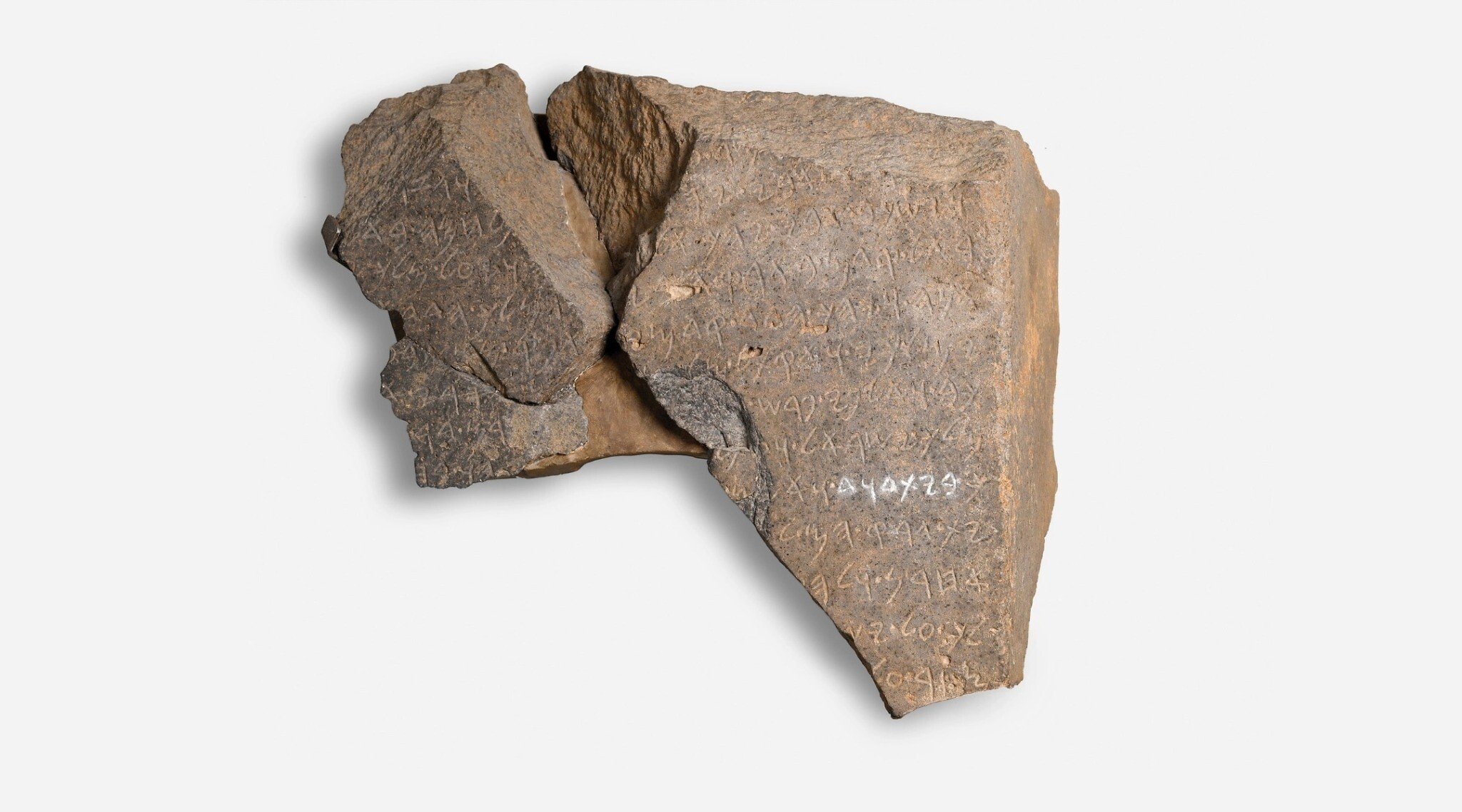
Archaeology has become one of the most powerful tools in understanding the Bible’s historical setting. While archaeology cannot prove every detail of Scripture, discoveries repeatedly confirm the reality of Israel’s existence, the authenticity of its kings, and the accuracy of biblical events. Critics have often doubted Israel’s history, but spades in the ground continue to…
-
Prophecy as Evidence of Scripture’s Reliability
Posted :
in : Evidenceby :
Tags :Archaeology, covenant, Deuteronomy, End times, evidence, Gospel, History, Israel, Kingdom, Messiah, prophecy, Reliability, Ruth, Scripture, Teaching, Watchfulness
The Bible’s reliability is supported by fulfilled prophecies regarding nations, Israel, and the Messiah, demonstrating divine origin and specific predictions. Historical events confirm prophecies, such as Israel’s restoration in 1948 and the specifics of Christ’s life. Prophecy strengthens believers’ faith, assuring them of God’s sovereignty and the truth of Scripture.
-
Genealogies, DNA, and the Peoples of the Bible
Posted :
in : Evidenceby :
Tags :Archaeology, covenant, Deuteronomy, evidence, Genesis, Gospel, History, Israel, Messiah, Reliability, Scripture, Teaching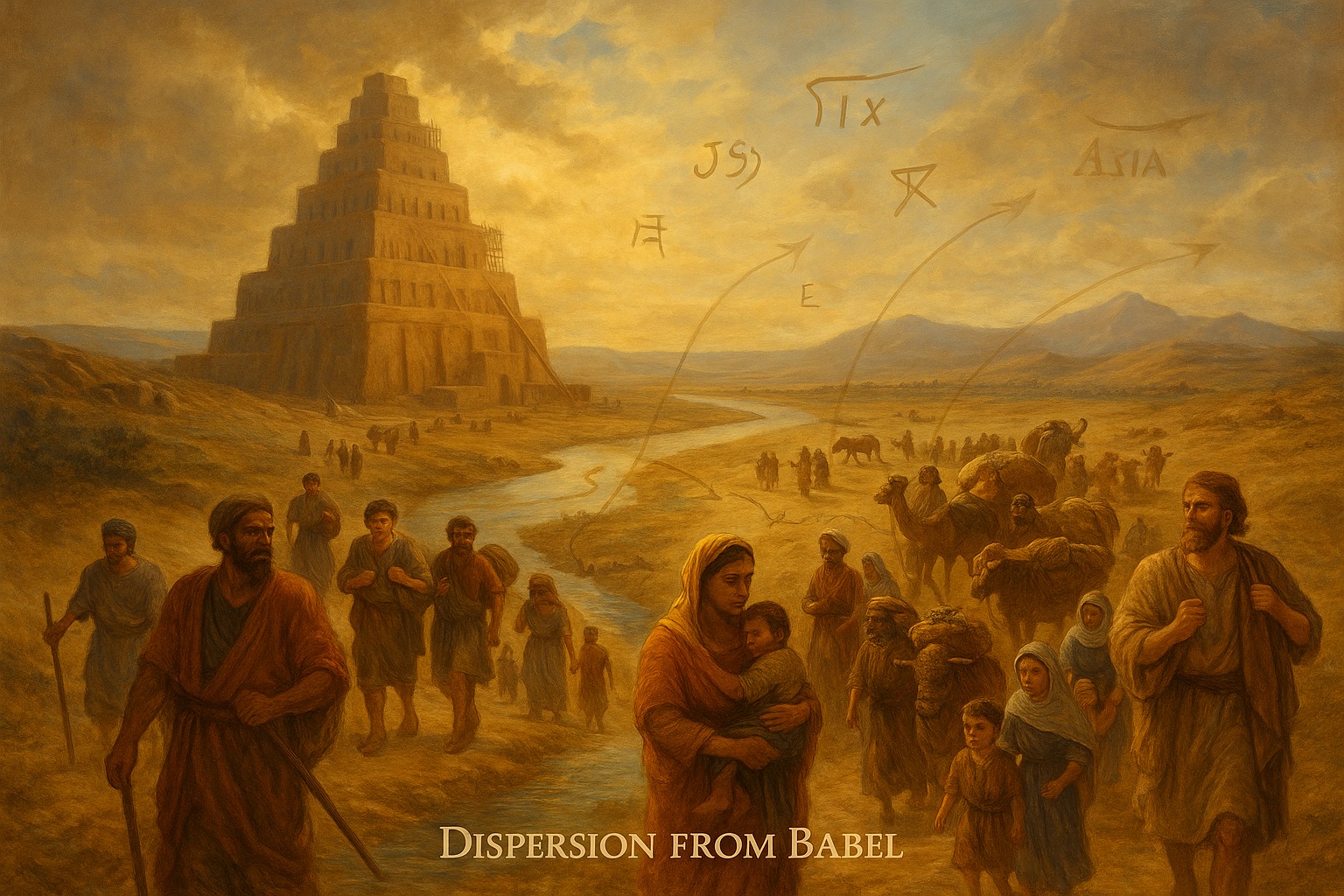
The Bible places remarkable emphasis on genealogies, tracing family lines from Adam to Christ. These genealogies are more than records of ancestry; they demonstrate God’s covenant faithfulness, connect Israel to the nations, and ultimately point to the Messiah. In modern times, advances in genetics and DNA studies raise questions about whether science can illuminate biblical…
-
Scientific Discoveries and the Church’s Misinterpretations
Posted :
in : Evidenceby :
Tags :Archaeology, covenant, evidence, Genesis, History, Messiah, prophecy, Reliability, Ruth, Scripture, Teaching, Watchfulness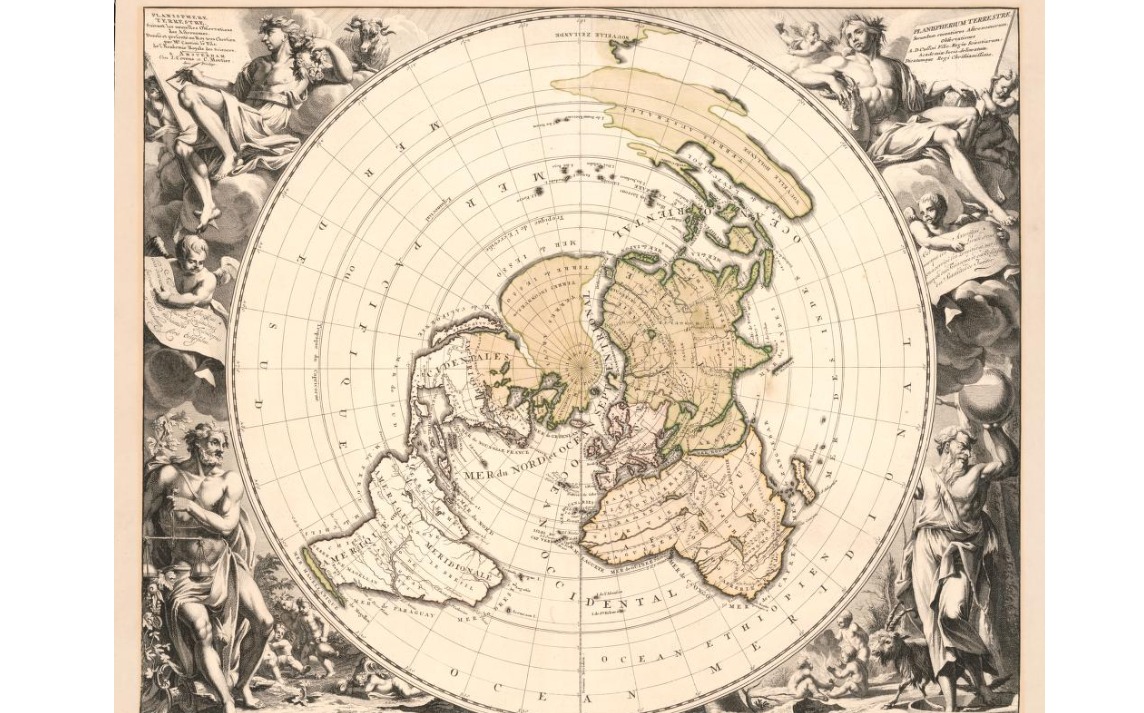
Throughout history, science and the church have often been at odds. While the Bible itself affirms truth in both creation and revelation, human interpretation has sometimes led the church to resist genuine discoveries. Misinterpretations of Scripture, rather than Scripture itself, created conflict. By reviewing examples such as the shape of the earth, the motion of…


