
Topical Studies
-
Study Guide: Genesis – Chapter 2
Genesis Chapter 2 serves as a crucial complement to the creation account presented in Genesis 1. While the first chapter offers a broad, cosmic overview of creation, Chapter 2 zooms in on the formation of humanity and the establishment of the human environment.
-
Science Explains Mechanisms But Not Meaning
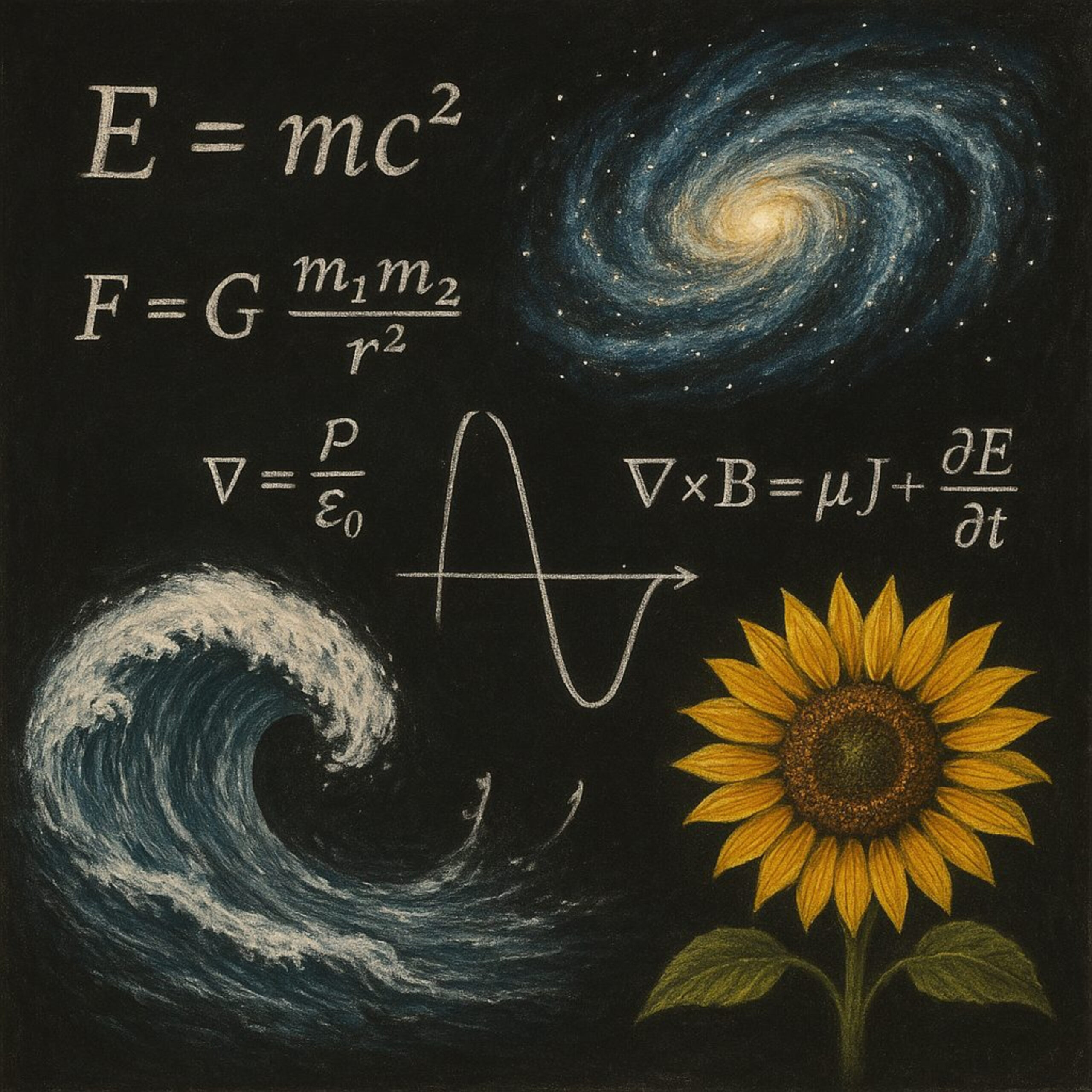
Science and faith often appear in conflict, yet both seek truth. Science investigates the natural world through observation and experimentation, while faith trusts in God’s revelation as recorded in Scripture. Both are limited: science cannot answer ultimate questions of meaning, and faith is not designed to measure natural processes. The Bible calls us to humility,…
-
Lives That Witness: Leadership, courage, and repentance
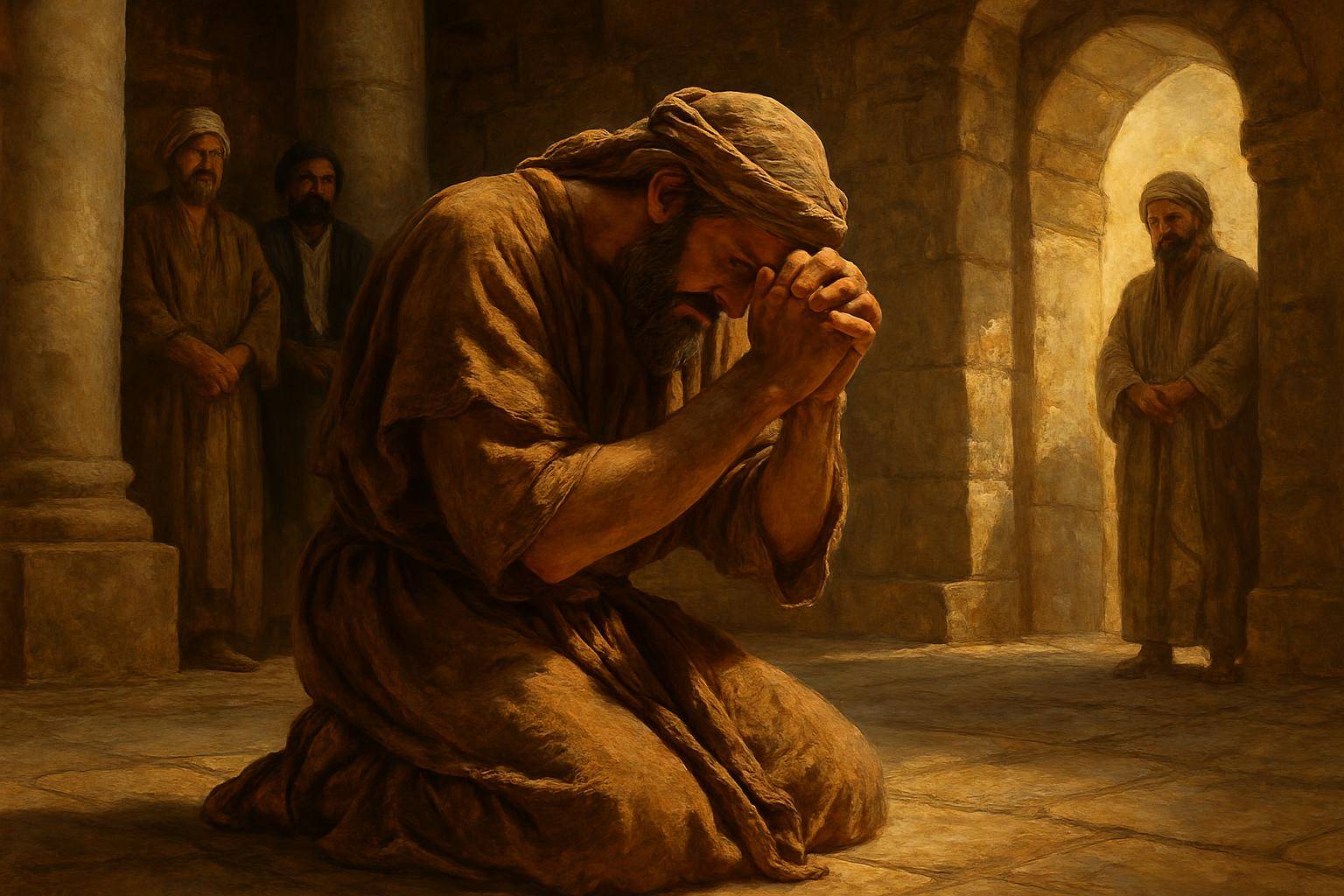
Leadership within the church is a sacred calling, as articulated in 1 Timothy 3:1, where the aspiration to oversee the flock is deemed a noble pursuit. This divine appointment carries a weight of responsibility, emphasizing the need for wisdom and integrity, as Proverbs 11:14 reminds us: “In the multitude of counselors there is safety.”
-
Global Watch Daily – January 14, 2026

-
The Formation and Transmission of the Biblical Canon: A Historical Overview

The formation and transmission of the biblical canon are among the most significant developments in the history of the Judeo-Christian tradition. The Bible did not emerge in a single moment, nor was it assembled by a solitary council acting apart from historical processes. Rather, the canon developed over centuries of prophetic revelation, community recognition, textual…
-
The Reliability of Scripture: A Biblical, Historical, and Textual Case for Trusting God’s Word
Posted :
in : Evidenceby :
Tags :Archaeology, Deuteronomy, Exodus, Gospel, History, Israel, Messiah, prophecy, Scripture, Teaching, Watchfulness
The reliability of Scripture stands as a central pillar of the Christian faith because every doctrine, promise, and redemptive truth depends on the trustworthiness of the biblical text. Scripture affirms both divine inspiration and preservation, declaring that “the word of the LORD endureth for ever” (1 Peter 1:25) and that “all scripture is given by…
-
Ruth’s Moabite Heritage and David’s Line
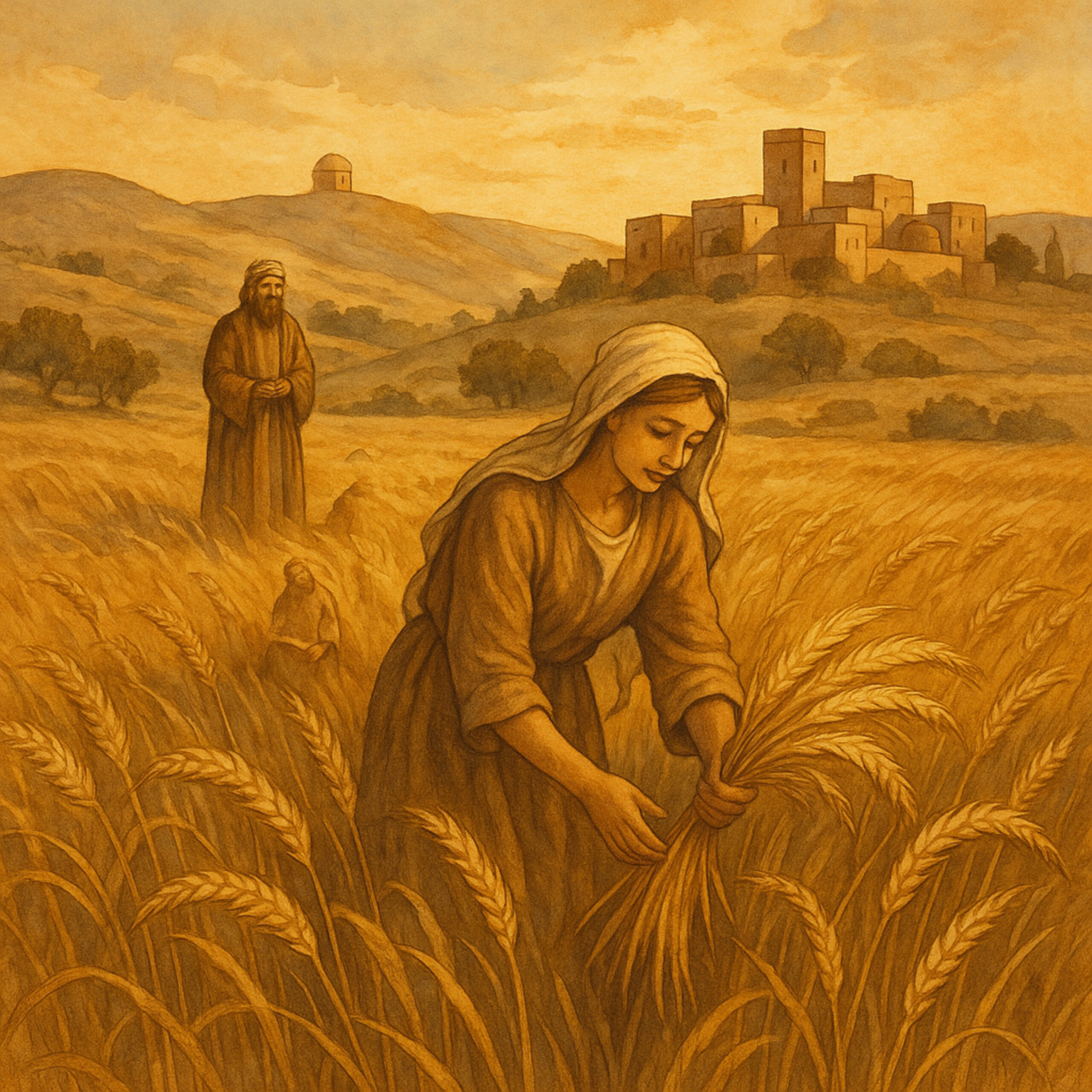
The story of Ruth stands as one of the most remarkable accounts in the Bible, not only for its narrative beauty but also for its theological depth. Ruth, a Moabitess, became the great-grandmother of King David and part of the Messianic line leading to Christ. Her heritage seemed disqualifying: the Moabites originated from Lot’s incestuous…
-
The Boundaries of Science and the Supernatural
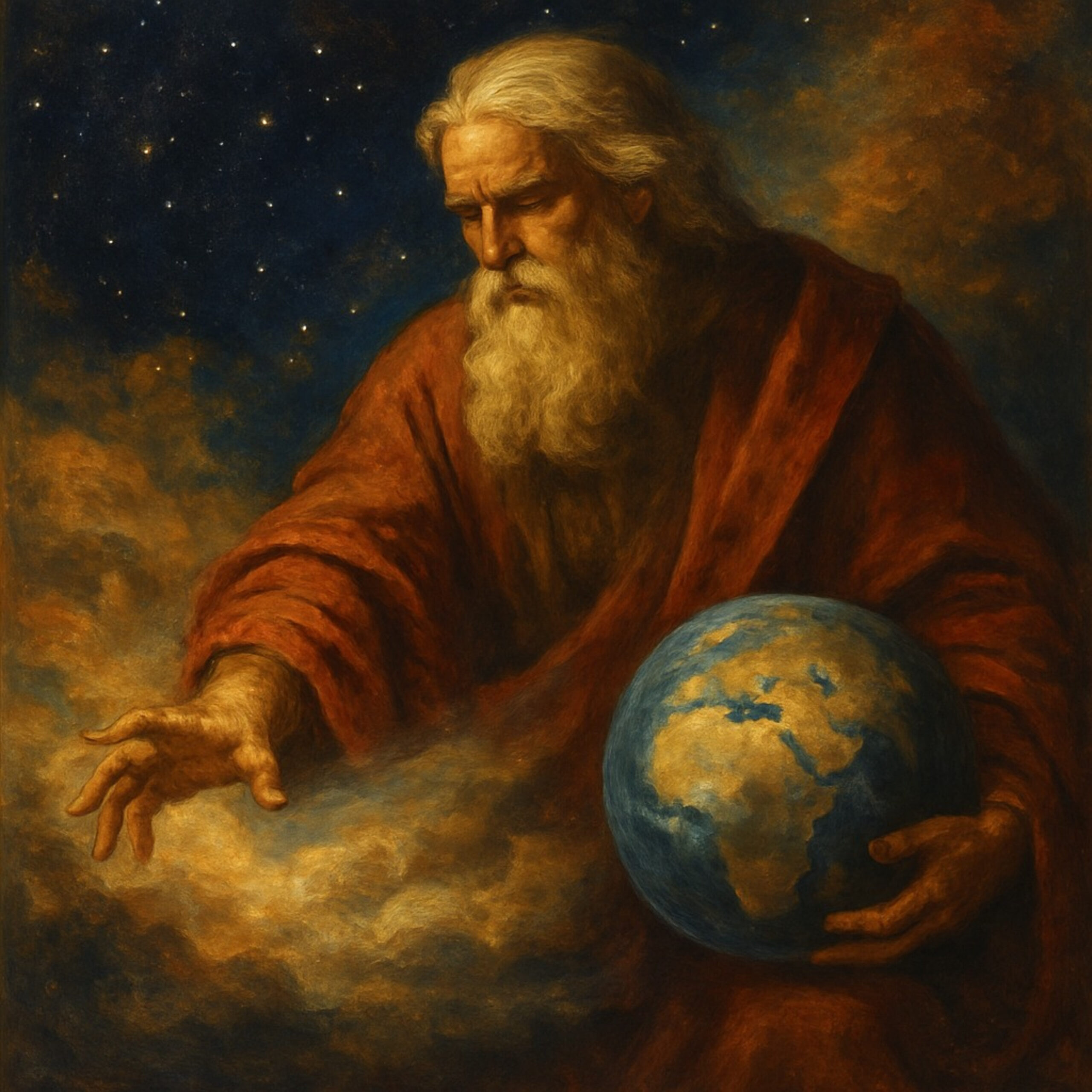
Science has given humanity extraordinary tools for understanding the natural world. Through observation, experimentation, and theory, it has explained countless phenomena once considered mysteries. Yet despite these triumphs, science has boundaries. It cannot address ultimate questions of meaning, morality, or destiny. Nor can it fully explain the origin of the universe, life, or consciousness. The…
-
The Boundaries of Science and the Supernatural Question
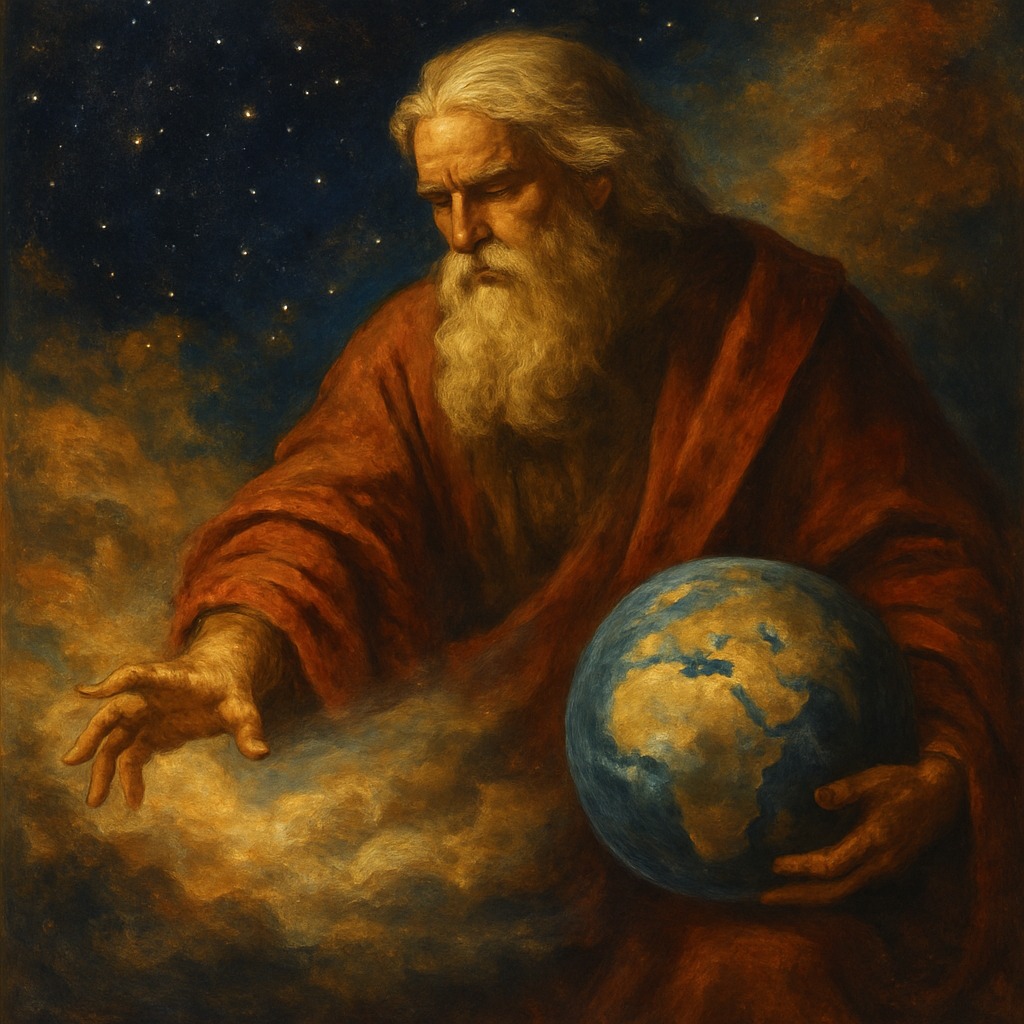
Science is a valuable tool for understanding the natural world, explaining many phenomena through observation and experimentation. However, it has limits, notably regarding questions of meaning, morality, and existence. This article explores how evidence at science’s boundaries hints at a supernatural realm, ultimately identifying God as the Creator revealed in Scripture.
-
Science, Faith, and the Limits of Human Knowledge
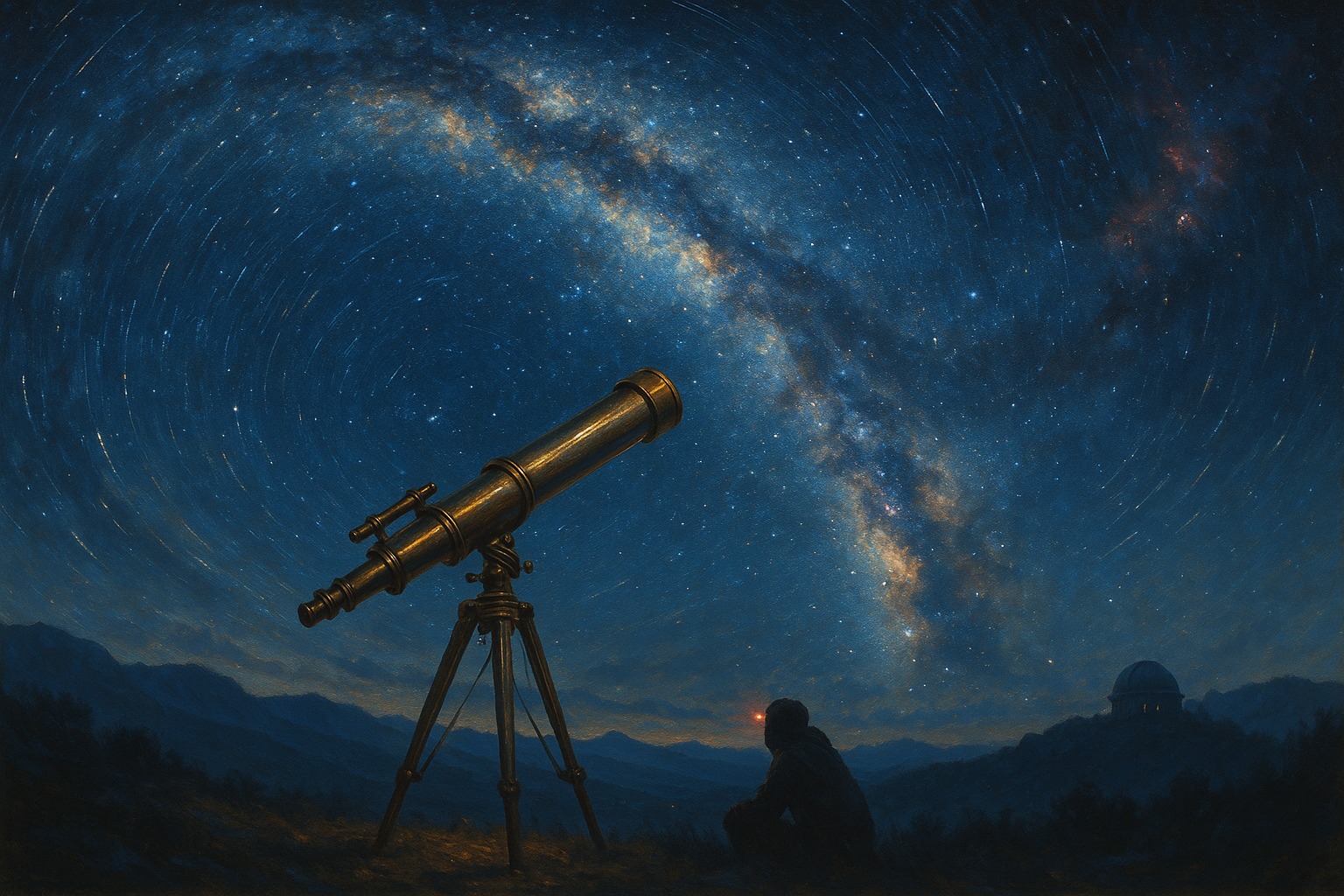
Science and faith, while often seen in conflict, both aim to uncover truth. Science explains how things work, while faith addresses meaning and purpose. Each has limits, and proper engagement fosters humility, allowing believers to harmonize the two. Together, they enrich understanding of God’s creation and ultimate purposes.


