
Topical Studies
-
The Millennium Reign of Christ
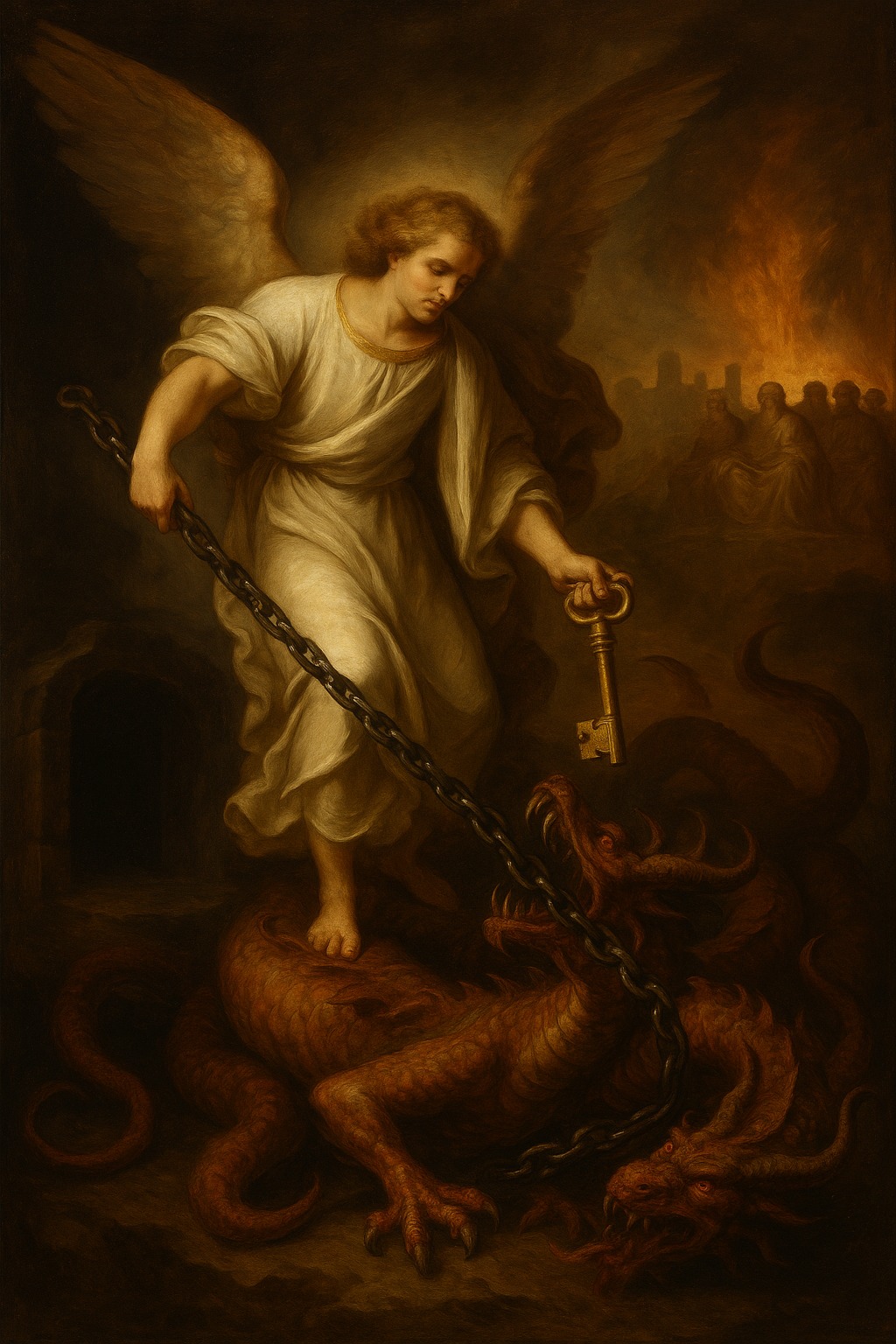
Few prophecies are as hopeful and contested as the thousand-year reign of Christ, known as the Millennium. Revelation 20 describes this period when Satan is bound, Christ reigns on earth, and His saints rule with Him. Some interpret the Millennium symbolically, while others see it as a literal reign still to come. By tracing Old…
-
The 144,000 in Revelation and Israel’s Future
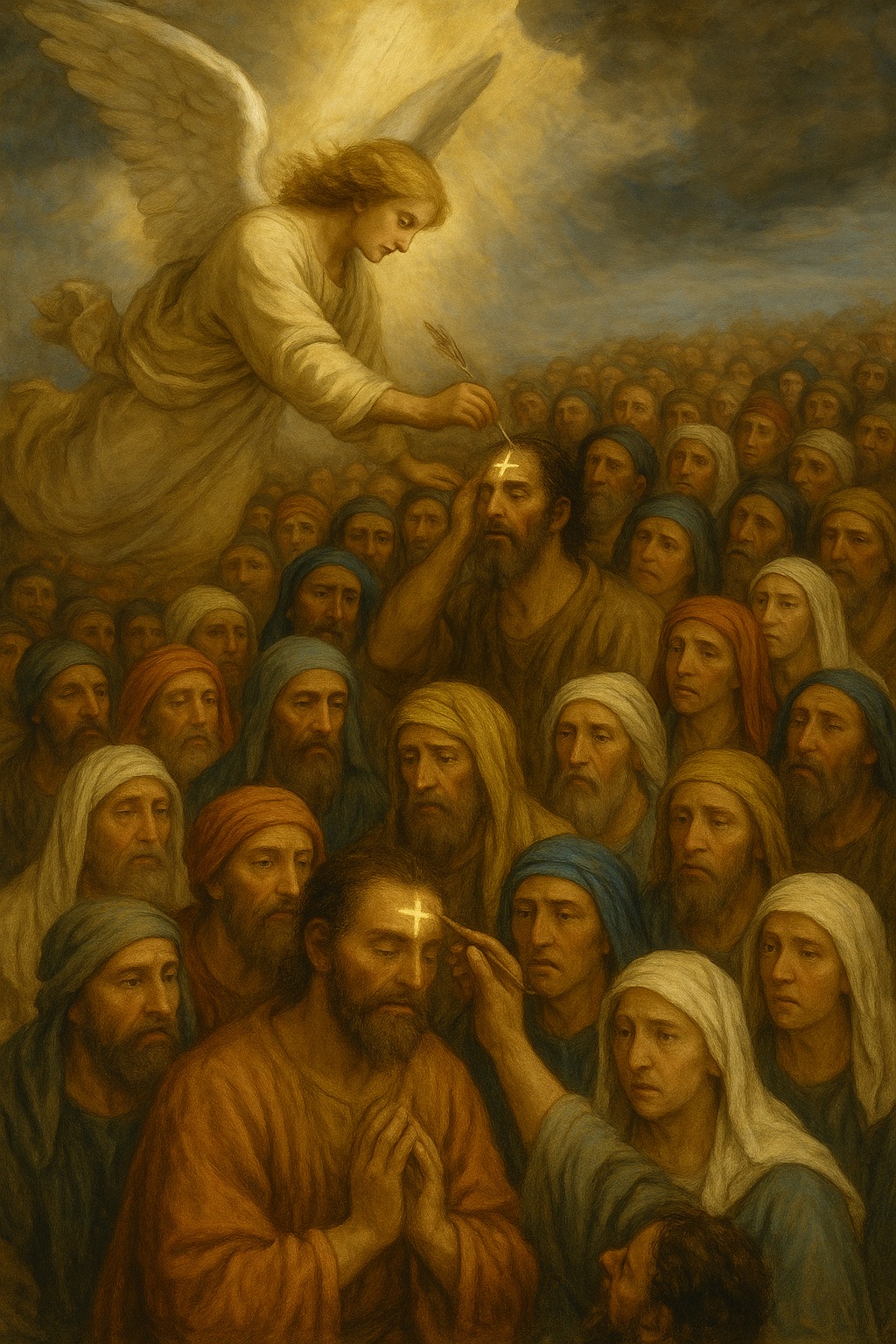
Among the striking images in Revelation is the sealing of 144,000 servants of God. Questions often arise: Who are they? Are they symbolic of the church, or literal descendants of Israel? What is their mission? By examining Revelation alongside Old and New Testament prophecy, we discover that the 144,000 represent a literal remnant of Israel…
-
The Nature of the Antichrist in Scripture

Among the most sobering themes in biblical prophecy is the rise of the Antichrist, the final world ruler who opposes God, deceives the nations, and persecutes His people. The word antichrist appears only in John’s letters, yet the figure is described throughout Scripture under various titles: “the little horn” in Daniel, “the man of sin”…
-
The Nature of Sin and Confession
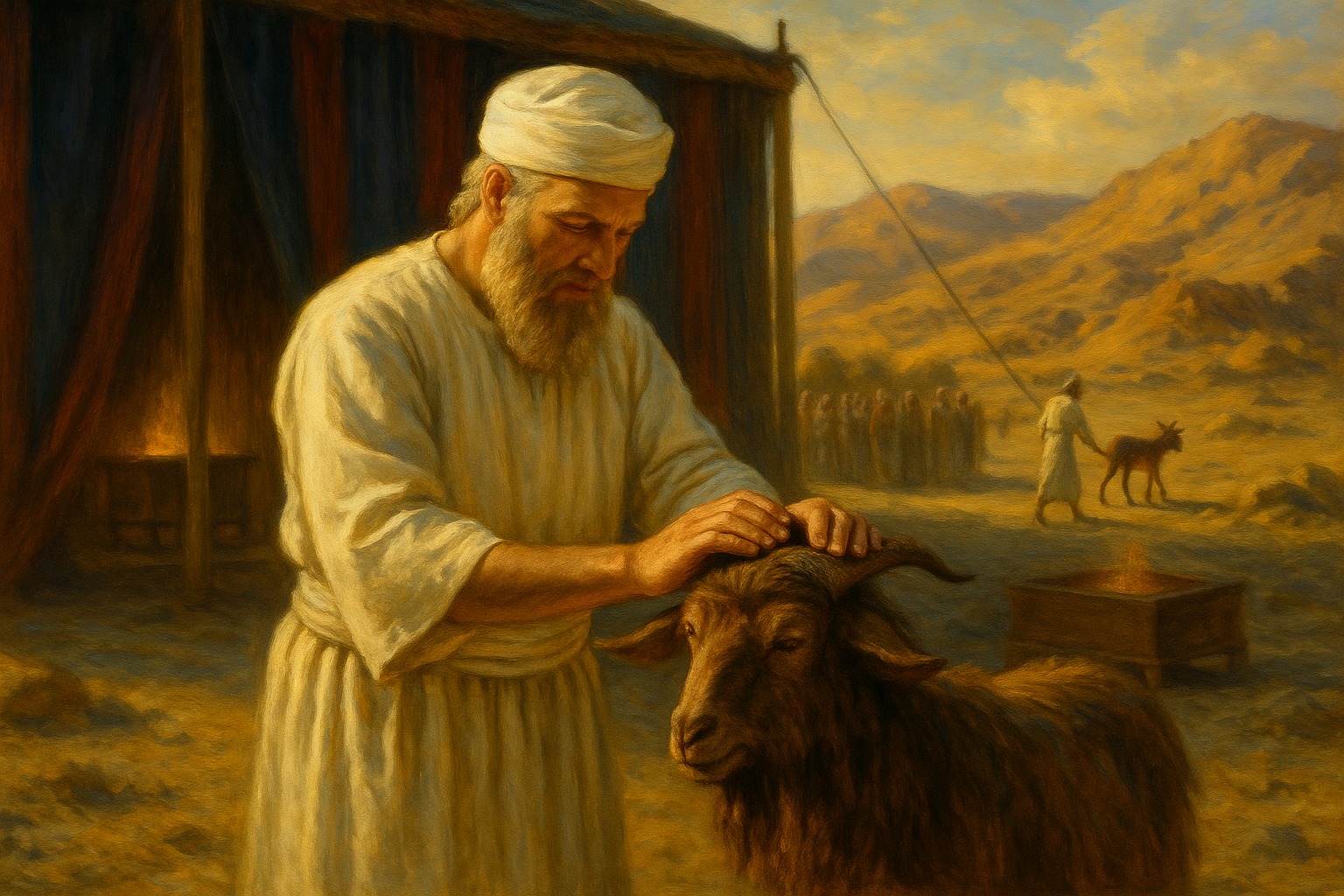
From Genesis to Revelation, the Bible emphasizes the seriousness of sin and the necessity of confession. Sin separates humanity from God, corrupts creation, and brings death. Yet God provides a path of restoration through confession and forgiveness. In the Old Testament, confession was tied to sacrifices and offerings. In the New Testament, confession centers on…
-
Baptism in the Old and New Testaments
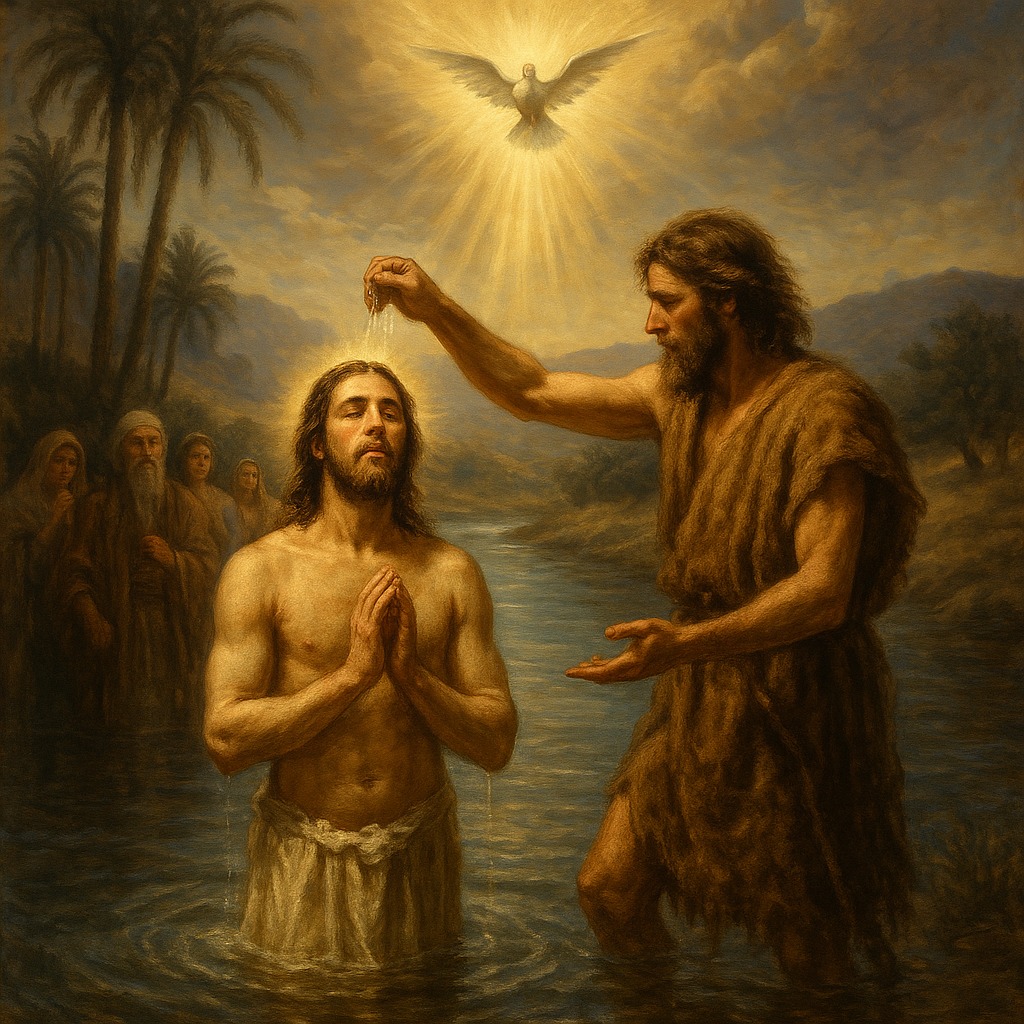
Baptism is one of the most recognized and debated practices in Christianity. While the New Testament clearly emphasizes baptism as a sign of faith and obedience, the roots of the practice can be traced back to the Old Testament through ritual washings, consecrations, and prophetic imagery. To understand baptism biblically, we must explore its foreshadowing…
-
The Unconditional Covenants of God with Israel
The Bible records several covenants God made with His people. Some were conditional, requiring obedience for blessing (e.g., the Mosaic covenant). Others were unconditional, depending solely on God’s faithfulness. Among these, the covenants with Abraham, David, and the promise of the New Covenant stand out as everlasting. These covenants anchor Israel’s history, frame prophecy, and…
-
Gaza in History and Prophecy
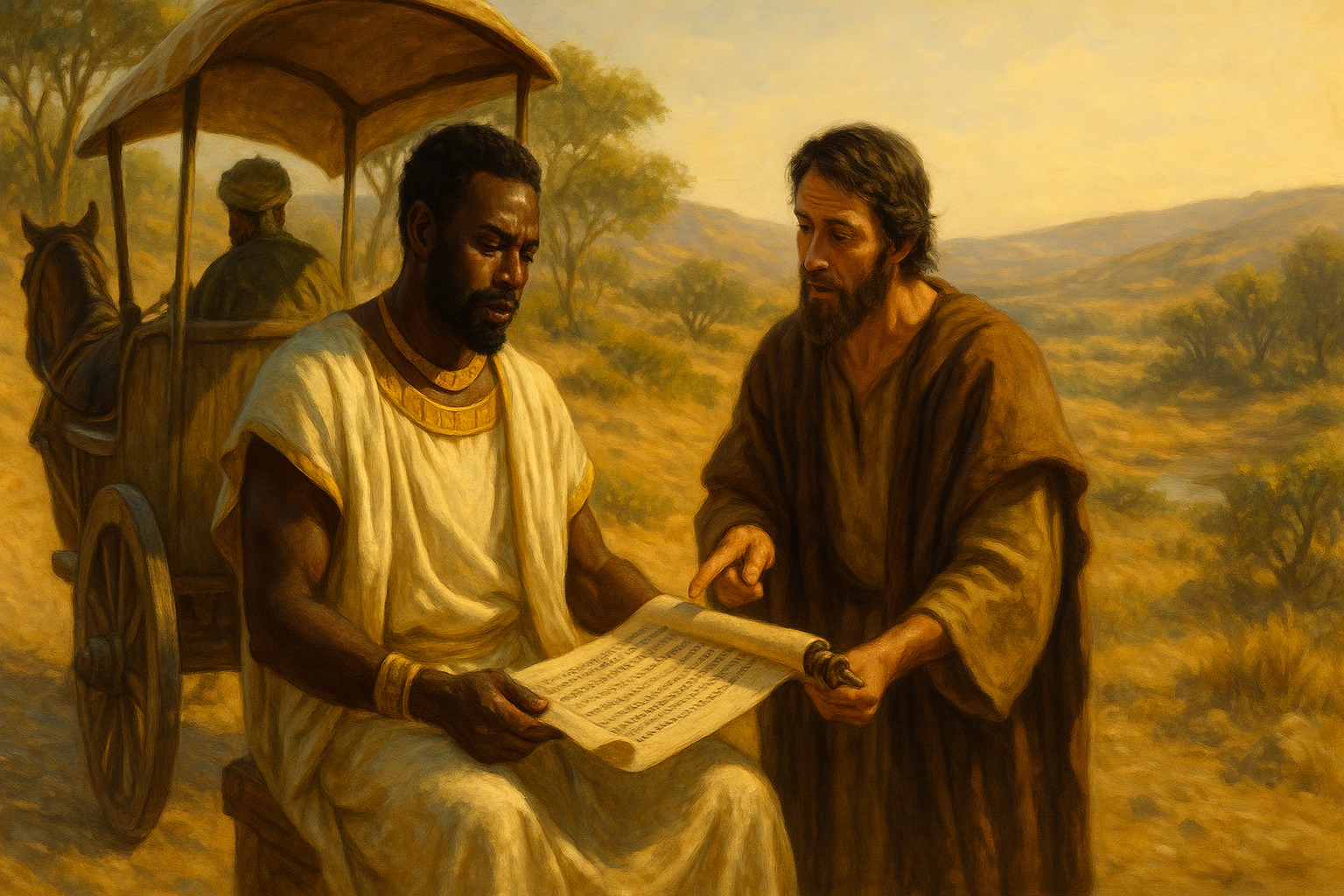
The region of Gaza has long stood at the crossroads of history. Located on the Mediterranean coast between Egypt and Israel, Gaza was part of the Philistine pentapolis, as mentioned in the Old Testament. Its territory frequently clashed with Israel’s inheritance, and its cities became symbols of opposition to God’s people. The prophets pronounced judgments…
-
First and Last Prophecies of the Bible

The Bible begins with prophecy and ends with prophecy, forming bookends to the grand story of redemption. The first prophecy, given in Genesis 3:15, promises conflict between the seed of the woman and the seed of the serpent, culminating in ultimate victory. The last prophecy, found in Revelation 22:12–20, promises Christ’s return, judgment, and reward.…
-
Ezekiel’s Battle of Magog: Timing and Significance

Among the most detailed war prophecies in Scripture is the account of Gog and Magog in Ezekiel 38–39. These chapters describe a massive end-time coalition that comes against Israel, only to be destroyed by God’s direct intervention. The prophecy has stirred centuries of debate: Who are the nations involved? When does this invasion occur? What…
-
The Rapture and the Millennium: Who Enters and in What Form
Among the most frequently asked prophetic questions is this: Who will enter the Millennium, and in what form? Scripture describes both glorified saints and mortal survivors inhabiting Christ’s thousand-year Kingdom. To answer carefully, we must trace the biblical order of resurrection, the transformation at the Rapture, the role of Old Testament saints, the fate of…


