
Topical Studies
-
Ruth’s Moabite Heritage and David’s Line
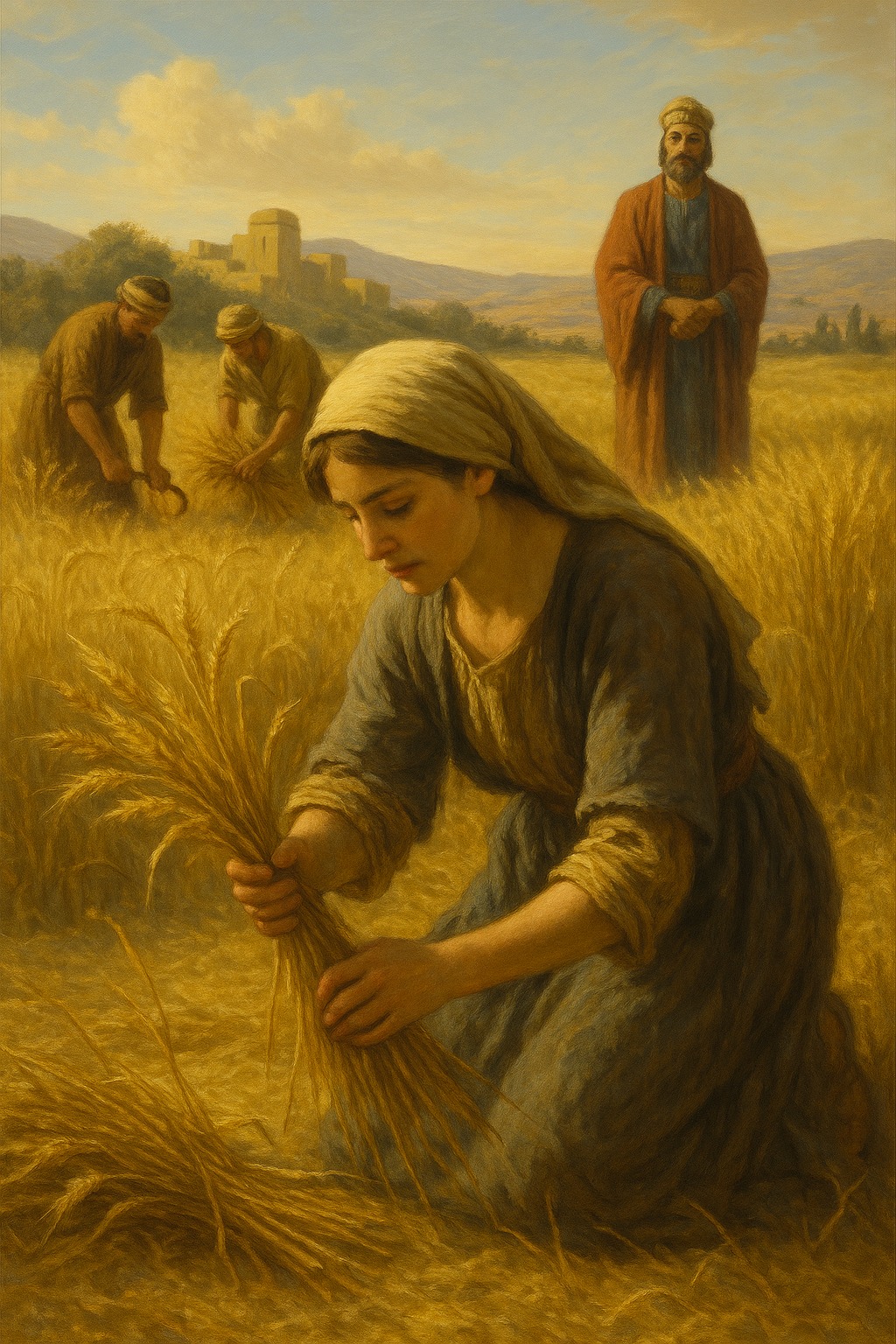
The story of Ruth stands as one of the most remarkable accounts in the Bible, not only for its narrative beauty but also for its theological depth. Ruth, a Moabitess, became the great-grandmother of King David and part of the Messianic line leading to Christ. Her heritage seemed disqualifying: the Moabites originated from Lot’s incestuous…
-
Why Jesse Was Ashamed of David
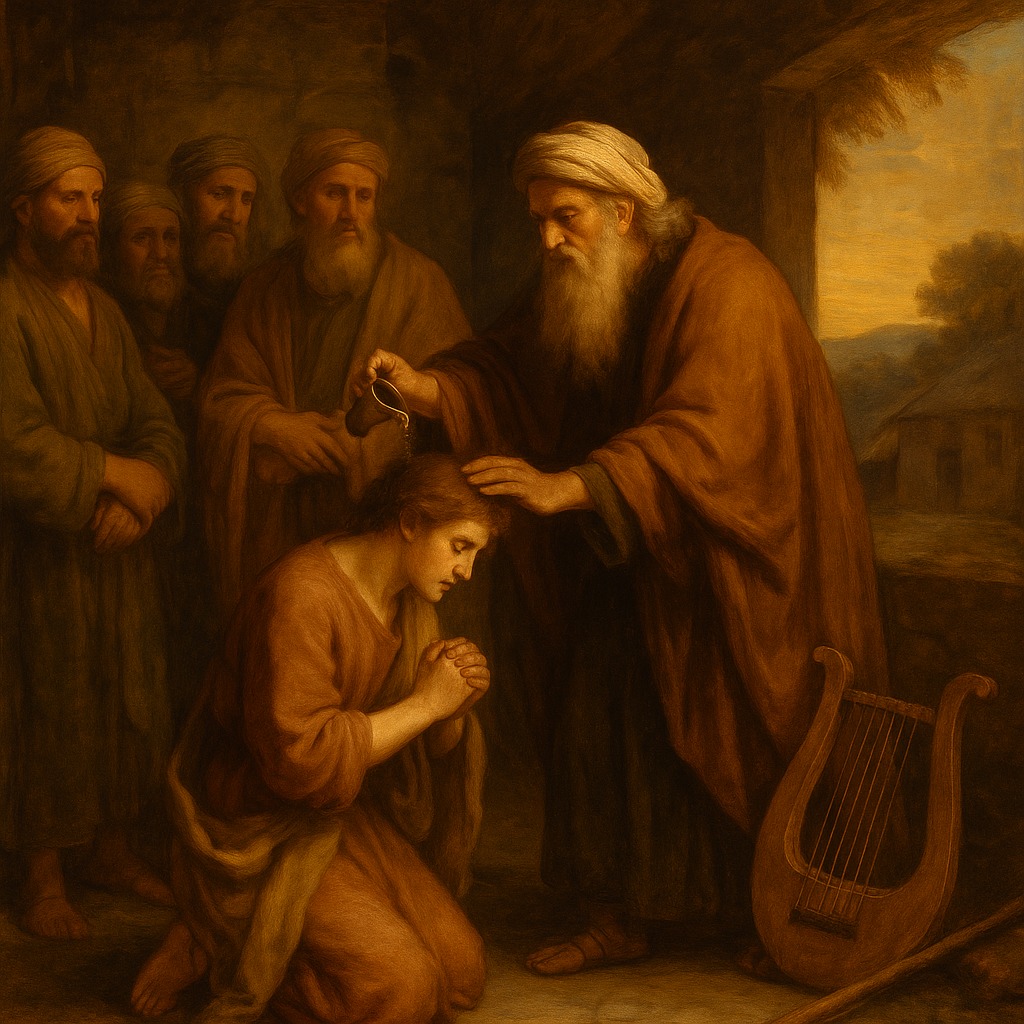
David, the shepherd boy who became Israel’s greatest king, was not immediately recognized by his own family. When Samuel came to anoint the next king, Jesse presented seven of his sons but withheld David, who was tending the sheep. This raises a question: why did Jesse seem reluctant, even ashamed, to bring David forward? By…
-
The Genealogy from Noah to Abraham
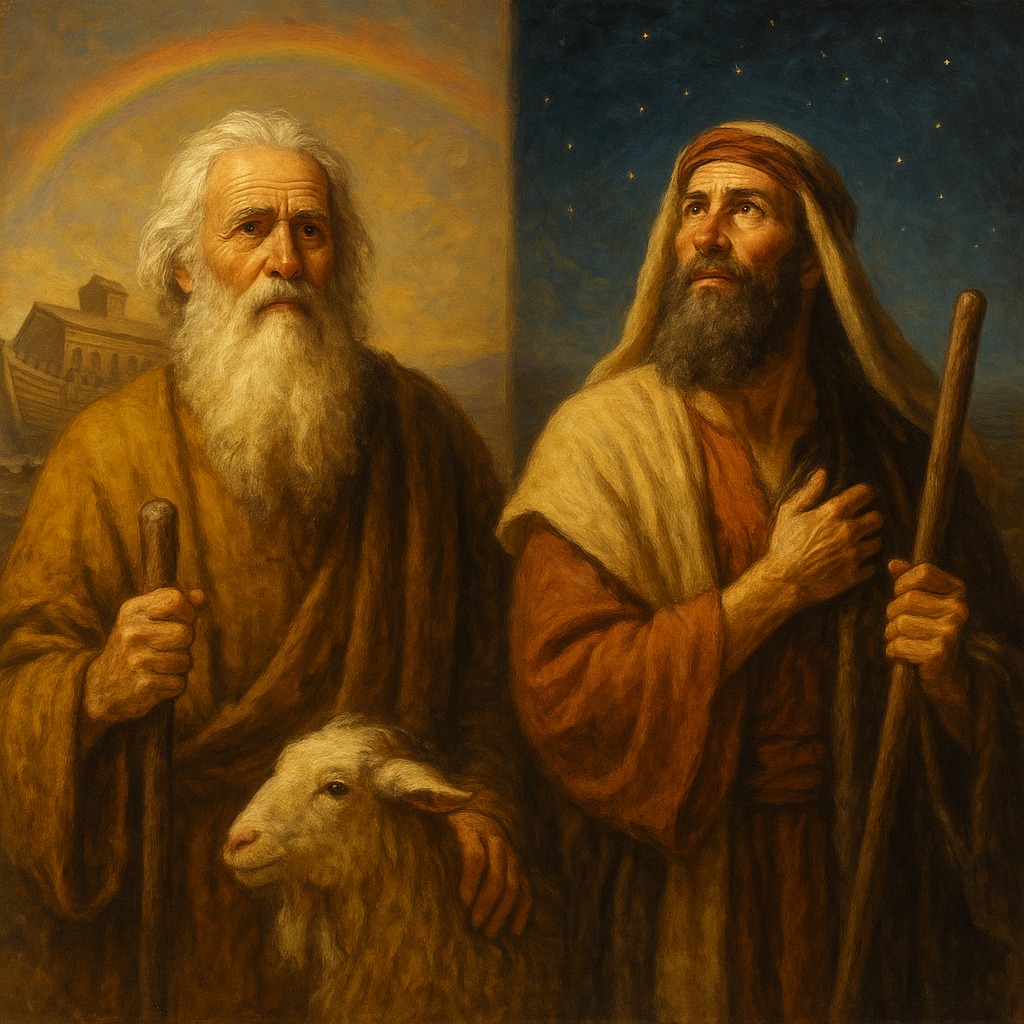
The genealogies of Scripture often appear as long lists of names, yet they serve profound theological and historical purposes. The genealogy from Noah to Abraham in Genesis 10–11 traces God’s covenant promises from the flood to the calling of Abraham, father of Israel. These names reveal God’s preservation of humanity, His judgment of nations, and…
-
The 144,000 in Revelation and Israel’s Future
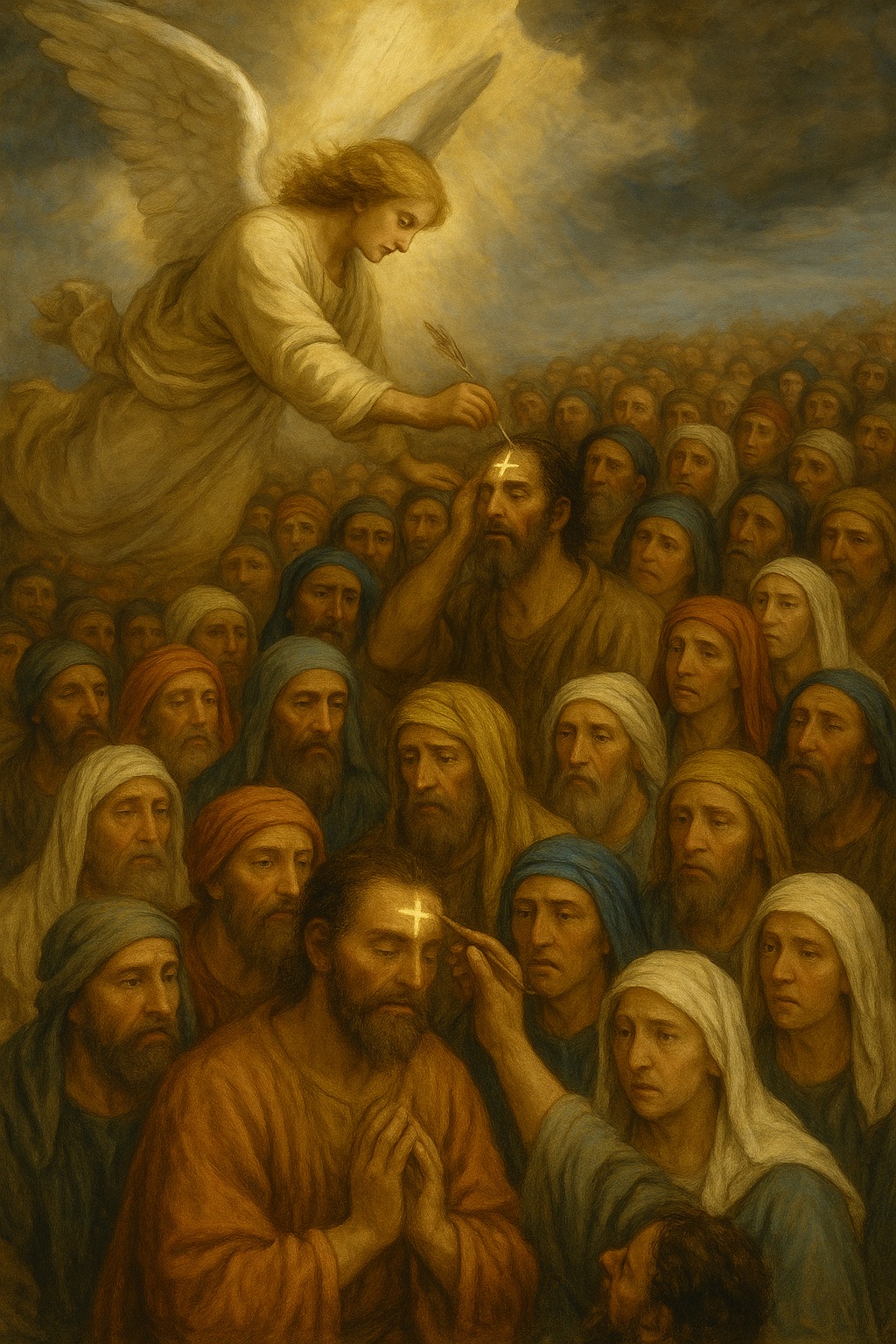
Among the striking images in Revelation is the sealing of 144,000 servants of God. Questions often arise: Who are they? Are they symbolic of the church, or literal descendants of Israel? What is their mission? By examining Revelation alongside Old and New Testament prophecy, we discover that the 144,000 represent a literal remnant of Israel…
-
The Nature of the Antichrist in Scripture

Among the most sobering themes in biblical prophecy is the rise of the Antichrist, the final world ruler who opposes God, deceives the nations, and persecutes His people. The word antichrist appears only in John’s letters, yet the figure is described throughout Scripture under various titles: “the little horn” in Daniel, “the man of sin”…
-
The Nature of Sin and Confession
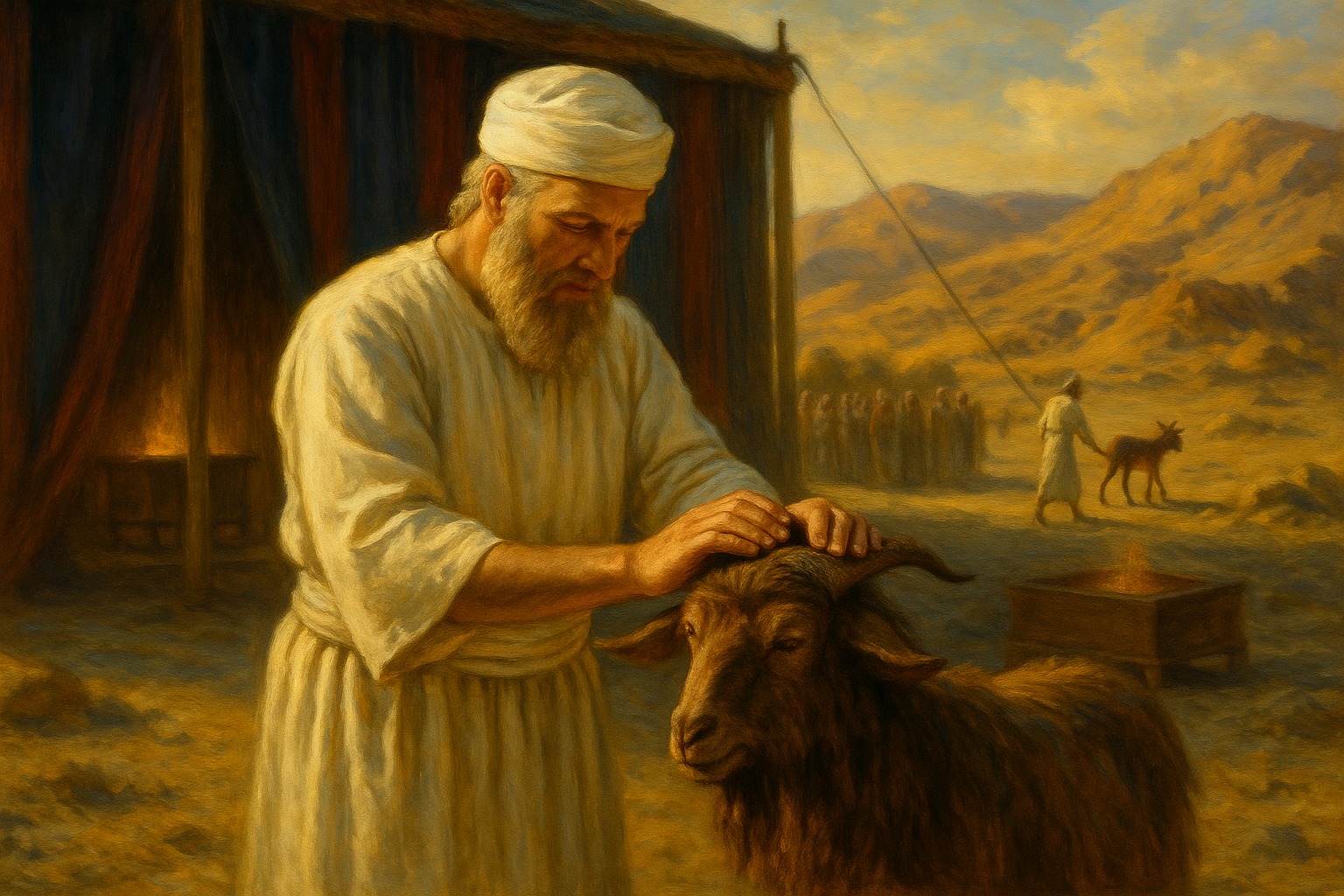
From Genesis to Revelation, the Bible emphasizes the seriousness of sin and the necessity of confession. Sin separates humanity from God, corrupts creation, and brings death. Yet God provides a path of restoration through confession and forgiveness. In the Old Testament, confession was tied to sacrifices and offerings. In the New Testament, confession centers on…
-
Baptism in the Old and New Testaments
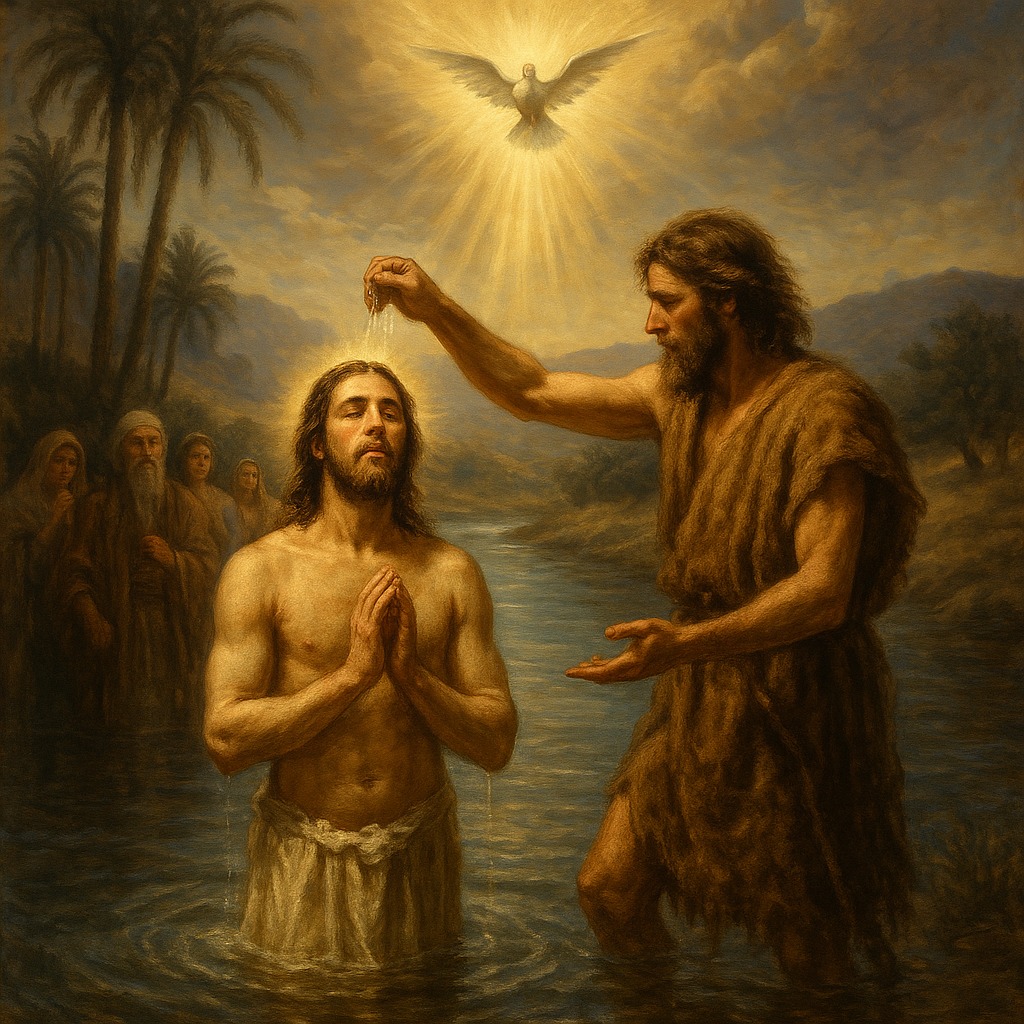
Baptism is one of the most recognized and debated practices in Christianity. While the New Testament clearly emphasizes baptism as a sign of faith and obedience, the roots of the practice can be traced back to the Old Testament through ritual washings, consecrations, and prophetic imagery. To understand baptism biblically, we must explore its foreshadowing…
-
The Unconditional Covenants of God with Israel
The Bible records several covenants God made with His people. Some were conditional, requiring obedience for blessing (e.g., the Mosaic covenant). Others were unconditional, depending solely on God’s faithfulness. Among these, the covenants with Abraham, David, and the promise of the New Covenant stand out as everlasting. These covenants anchor Israel’s history, frame prophecy, and…
-
Gaza in History and Prophecy
The region of Gaza has long stood at the crossroads of history. Located on the Mediterranean coast between Egypt and Israel, Gaza was part of the Philistine pentapolis, as mentioned in the Old Testament. Its territory frequently clashed with Israel’s inheritance, and its cities became symbols of opposition to God’s people. The prophets pronounced judgments…
-
Mount Sinai — Saudi Arabia or Sinai Peninsula?
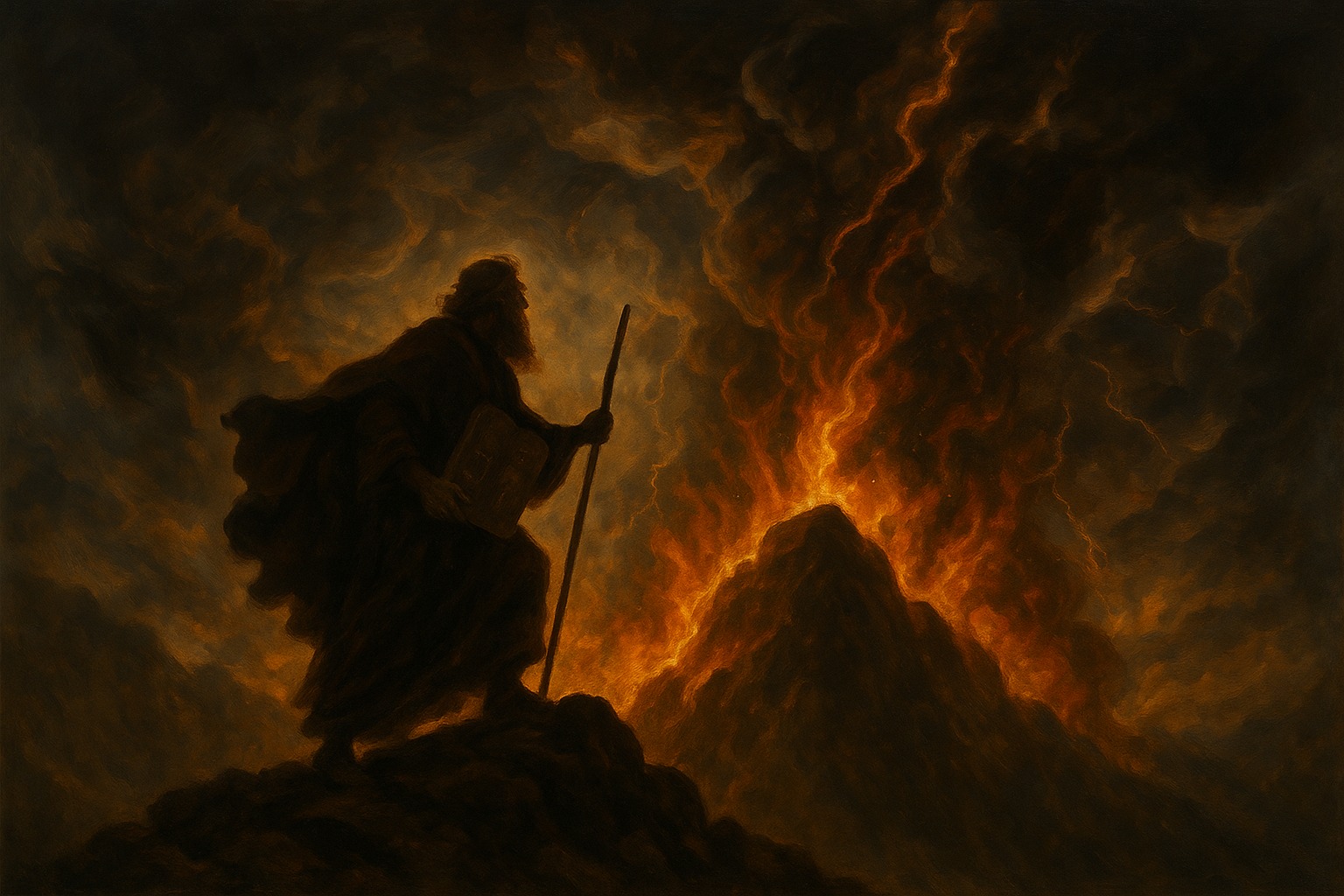
Few locations in the Bible spark as much debate as the true site of Mount Sinai, where God gave the Ten Commandments to Moses and Israel. Traditionally identified with Jebel Musa in Egypt’s Sinai Peninsula, some researchers argue instead for Jebel al-Lawz in northwest Saudi Arabia. The question is not merely geographical—it touches history, archaeology,…


