
Topical Studies
-
The Coming Millennium: A Biblical Perspective
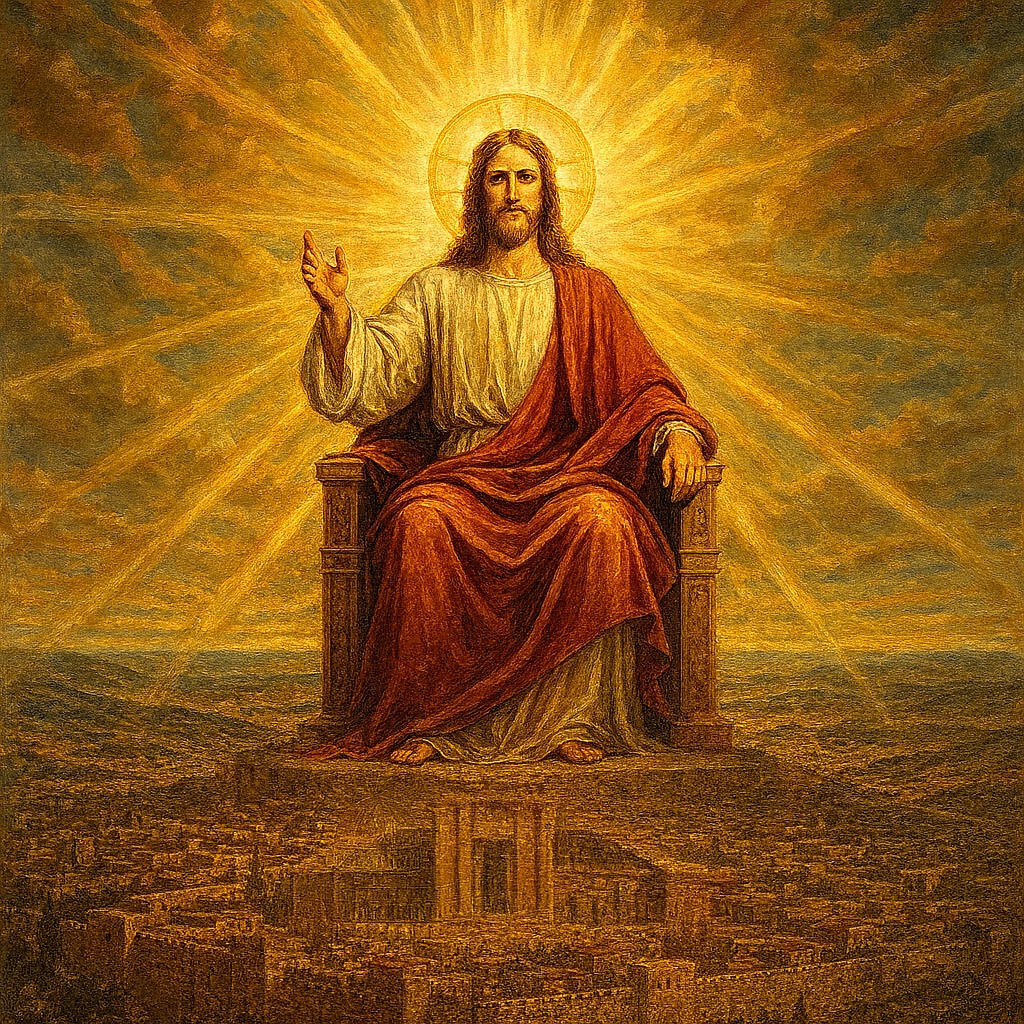
The Millennium represents the anticipated thousand-year reign of Christ on earth, fulfilling God’s promises to Israel and other nations. It features diverse groups, including glorified believers and the 144,000 Jews. This period showcases God’s justice and sovereignty, leading towards the eternal state, affirming hope and encouraging faithfulness among believers.
-
Gaza – From Ancient Philistine Stronghold to Prophetic Hope
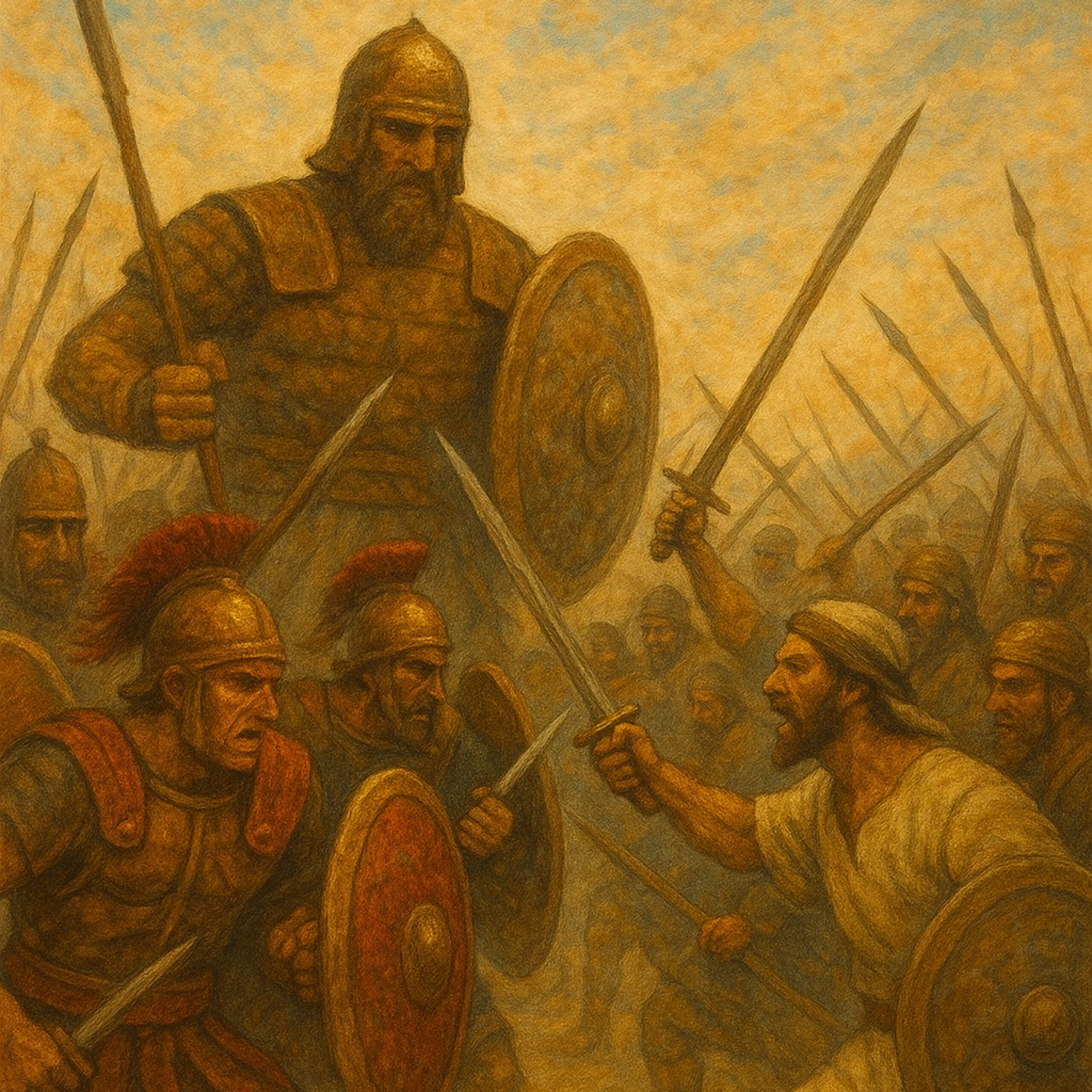
The region of Gaza has stood at the crossroads of history for thousands of years. Located on the Mediterranean coast between Egypt and Israel, Gaza was part of the Philistine pentapolis, as mentioned in the Old Testament. Its territory frequently clashed with Israel’s inheritance, and its cities became symbols of opposition to God’s people. The…
-
God’s Unconditional Covenants with Israel on the Horizon
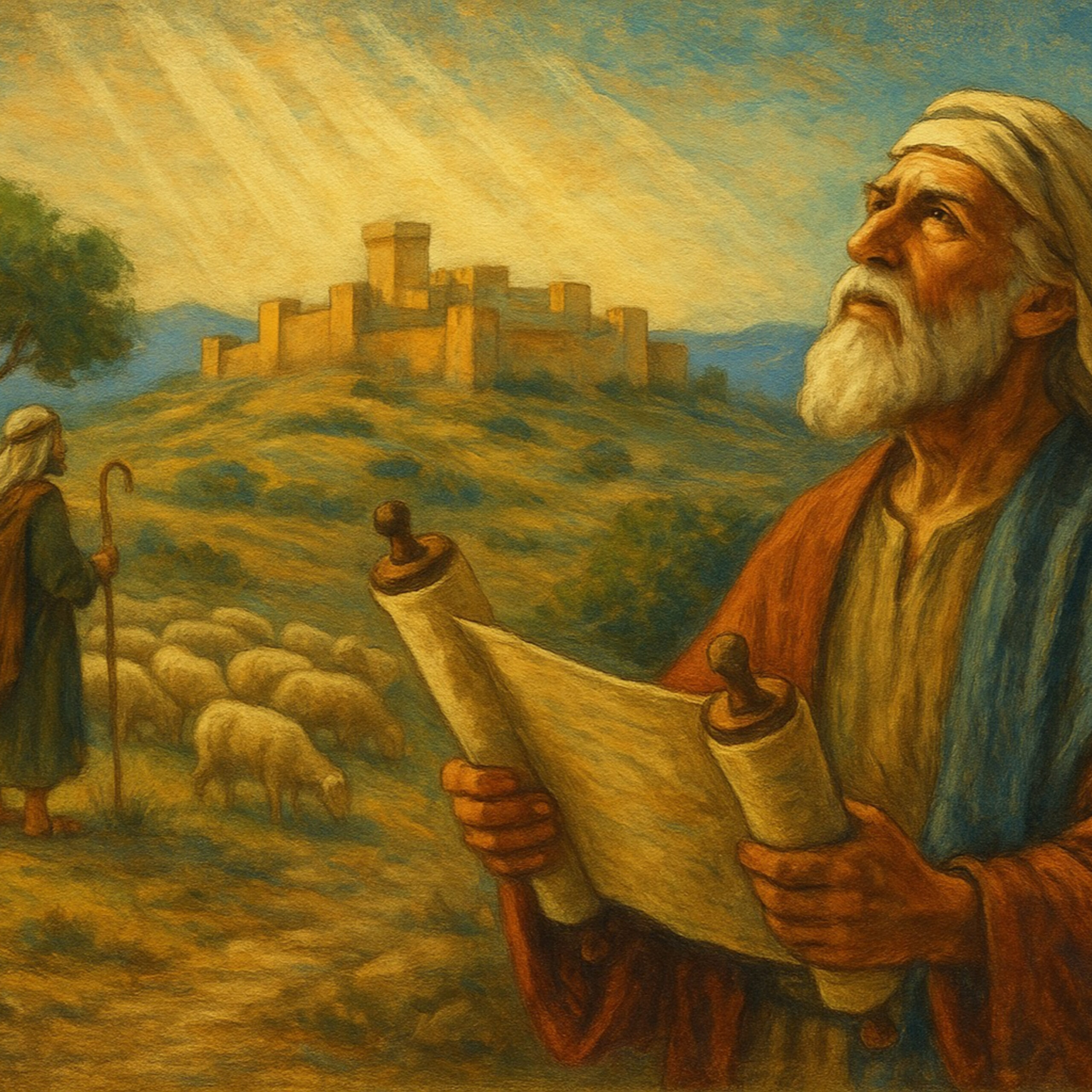
The story of Abraham and the patriarchs (Isaac, Jacob, and Joseph) forms the backbone of biblical history. It is in their lives that God reveals His covenant purposes, establishes the line of promise, and sets the stage for the coming Messiah. These narratives, spanning Genesis 12–50, are not merely family stories but foundational accounts of…
-
God’s Unconditional Covenants with His People – Introduction
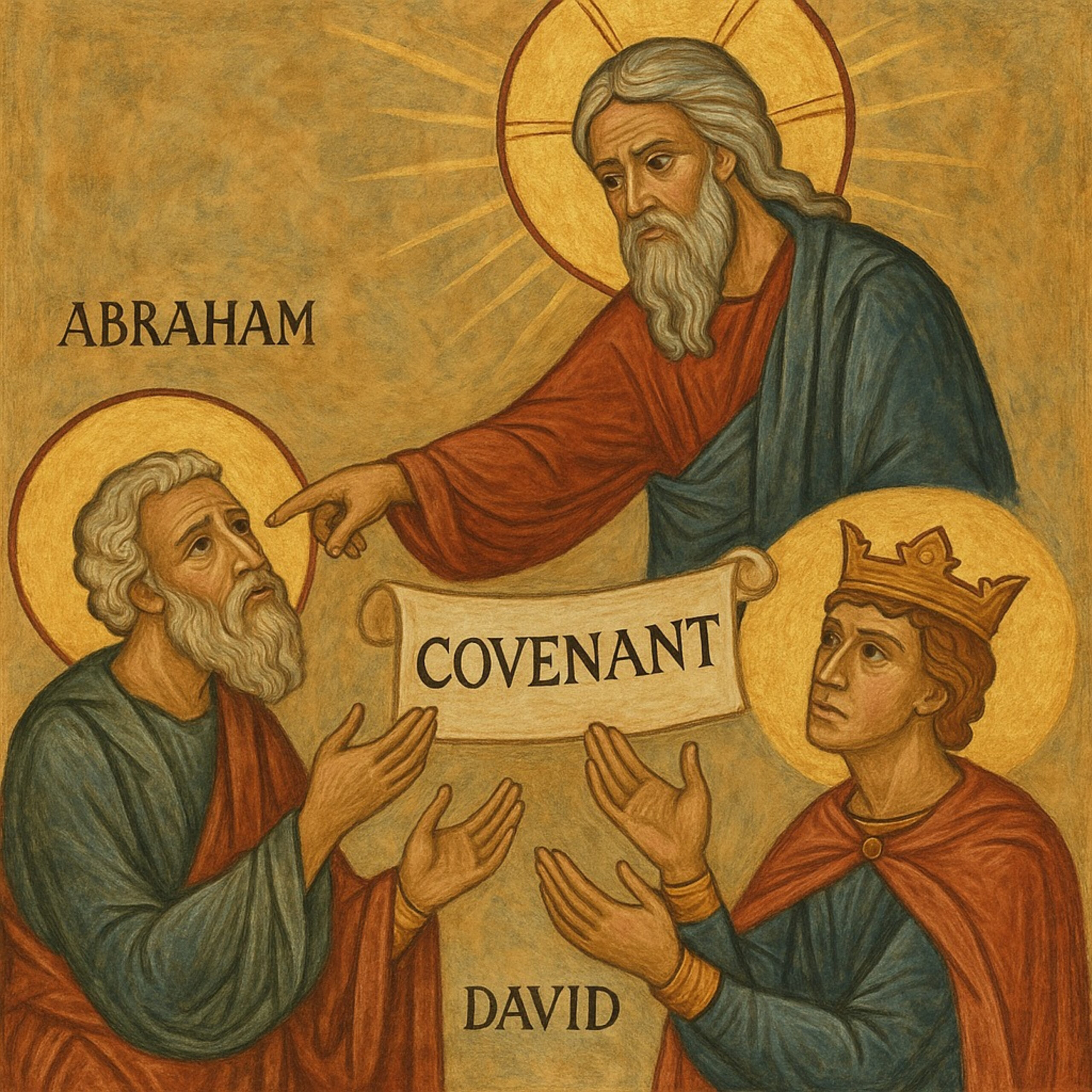
The Bible records several covenants God made with His people. Some were conditional, requiring obedience for blessing (e.g., the Mosaic covenant). Others were unconditional, depending solely on God’s faithfulness. Among these, the covenants with Abraham, David, and the promise of the New Covenant stand out as everlasting. These covenants anchor Israel’s history, frame prophecy, and…
-
Ruth’s Moabite Heritage and David’s Line
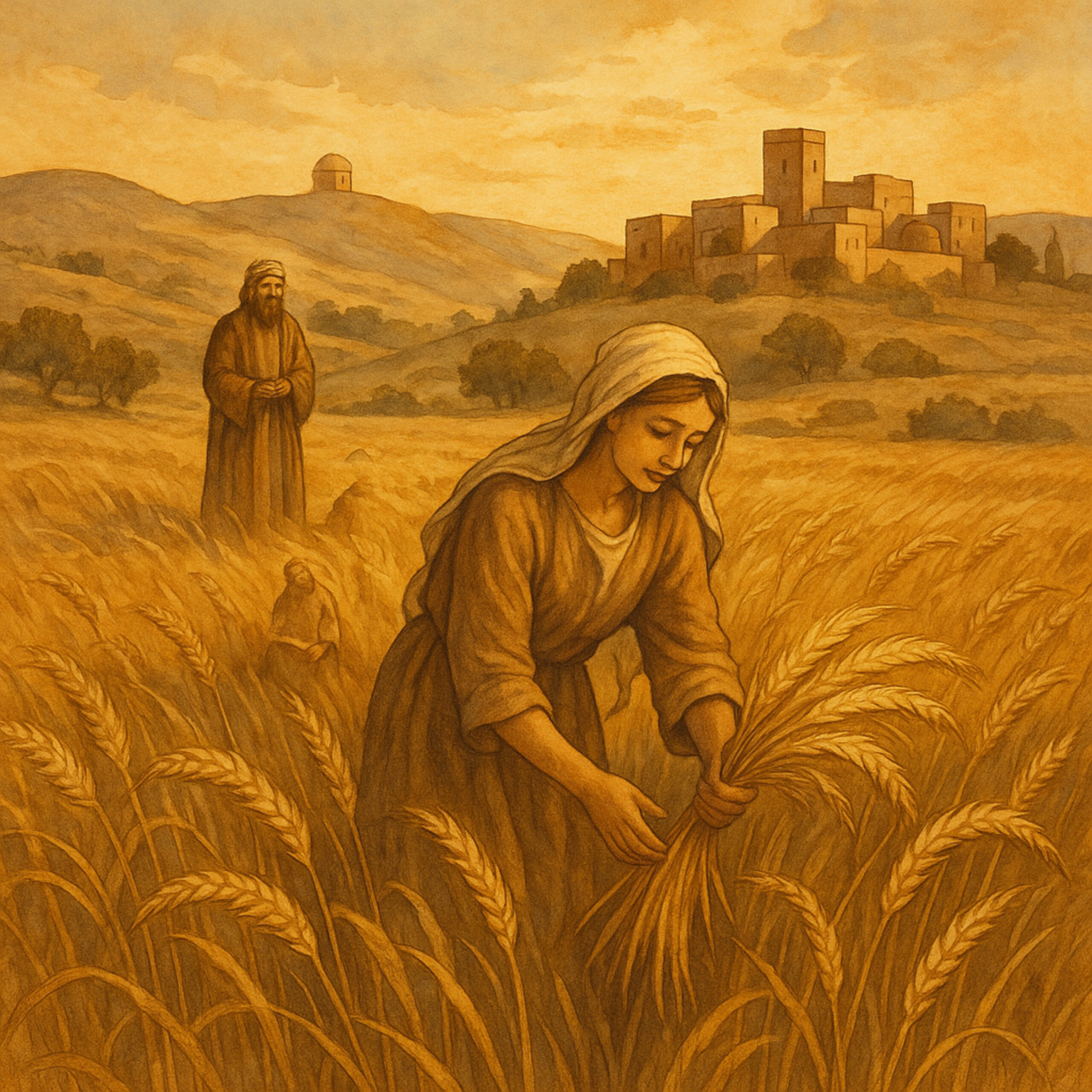
The story of Ruth stands as one of the most remarkable accounts in the Bible, not only for its narrative beauty but also for its theological depth. Ruth, a Moabitess, became the great-grandmother of King David and part of the Messianic line leading to Christ. Her heritage seemed disqualifying: the Moabites originated from Lot’s incestuous…
-
Science and Scripture – Reconciling Faith with Discovery
Throughout history, science and the church have often been at odds. While the Bible itself affirms truth in both creation and revelation, human interpretation has sometimes led the church to resist genuine discoveries. Misinterpretations of Scripture, rather than Scripture itself, created conflict. By reviewing examples such as the shape of the earth, the motion of…
-
Prophecy as Evidence of Scripture’s Reliability
One of the most substantial pieces of evidence for the reliability of the Bible is fulfilled prophecy. Unlike vague predictions, biblical prophecies are specific, detailed, and fulfilled in history. God declares: “I am God… declaring the end from the beginning, and from ancient times the things that are not yet done” (Isaiah 46:9–10). By examining…
-
Telescopes and the Big Bang – When Scripture Meets Science

The heavens have always fascinated humanity. From the naked-eye stargazers of antiquity to the powerful space telescopes of today, the cosmos inspires awe and inquiry. In recent decades, new telescopes — from the Hubble Space Telescope to the James Webb Space Telescope — have expanded our understanding of the universe’s origins. Observations of expansion and…
-
Methods for Dating the Earth and Biblical Faith – Science Meets Scripture
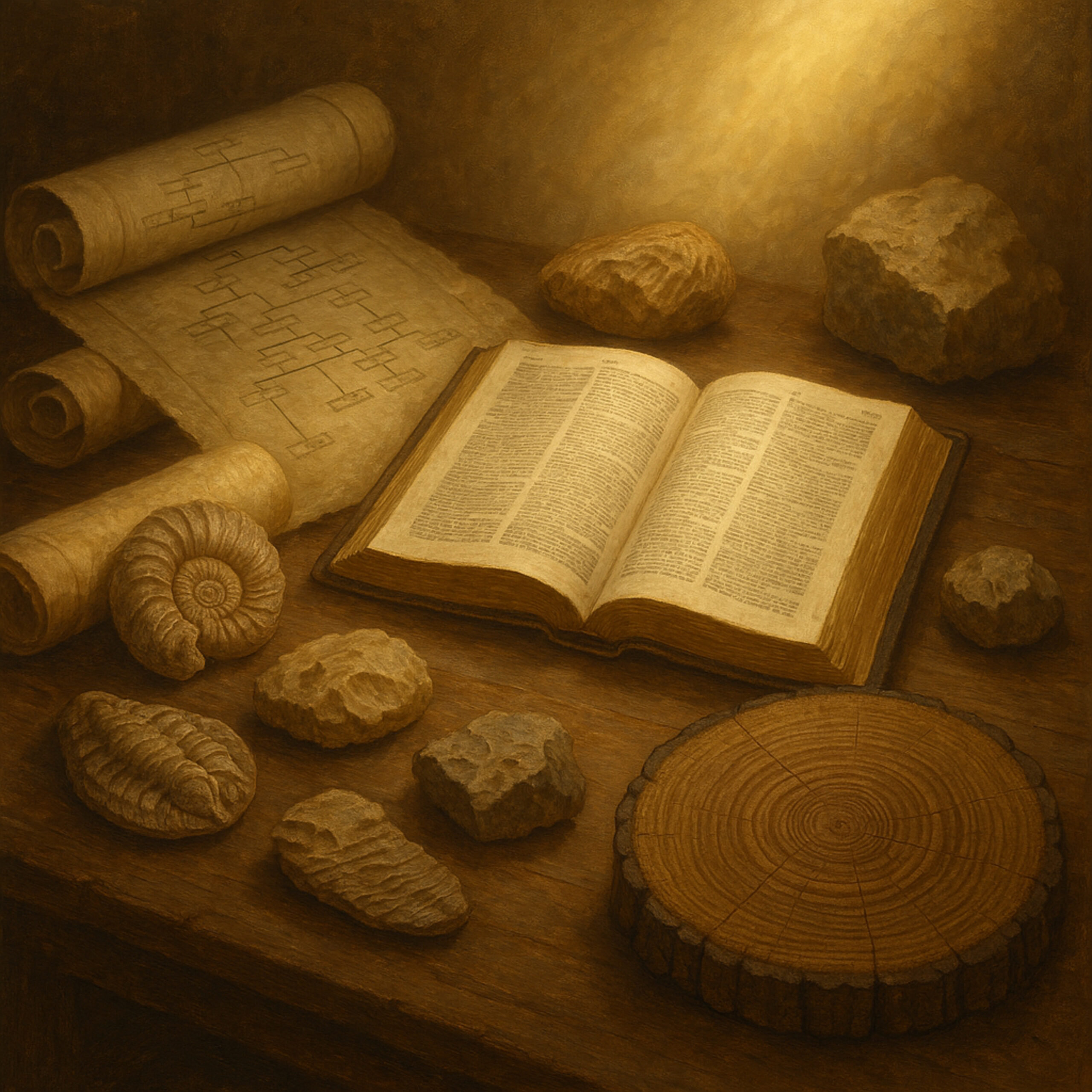
One of the key questions in studying the past is the age of the Earth and its inhabitants. Scientists use a variety of dating methods to estimate the ages of human, animal, and plant material. Some methods measure radioactive decay; others study growth patterns or historical records. These methods are often discussed in relation to…
-
Flood Geology and the Debate Over Noah’s Flood
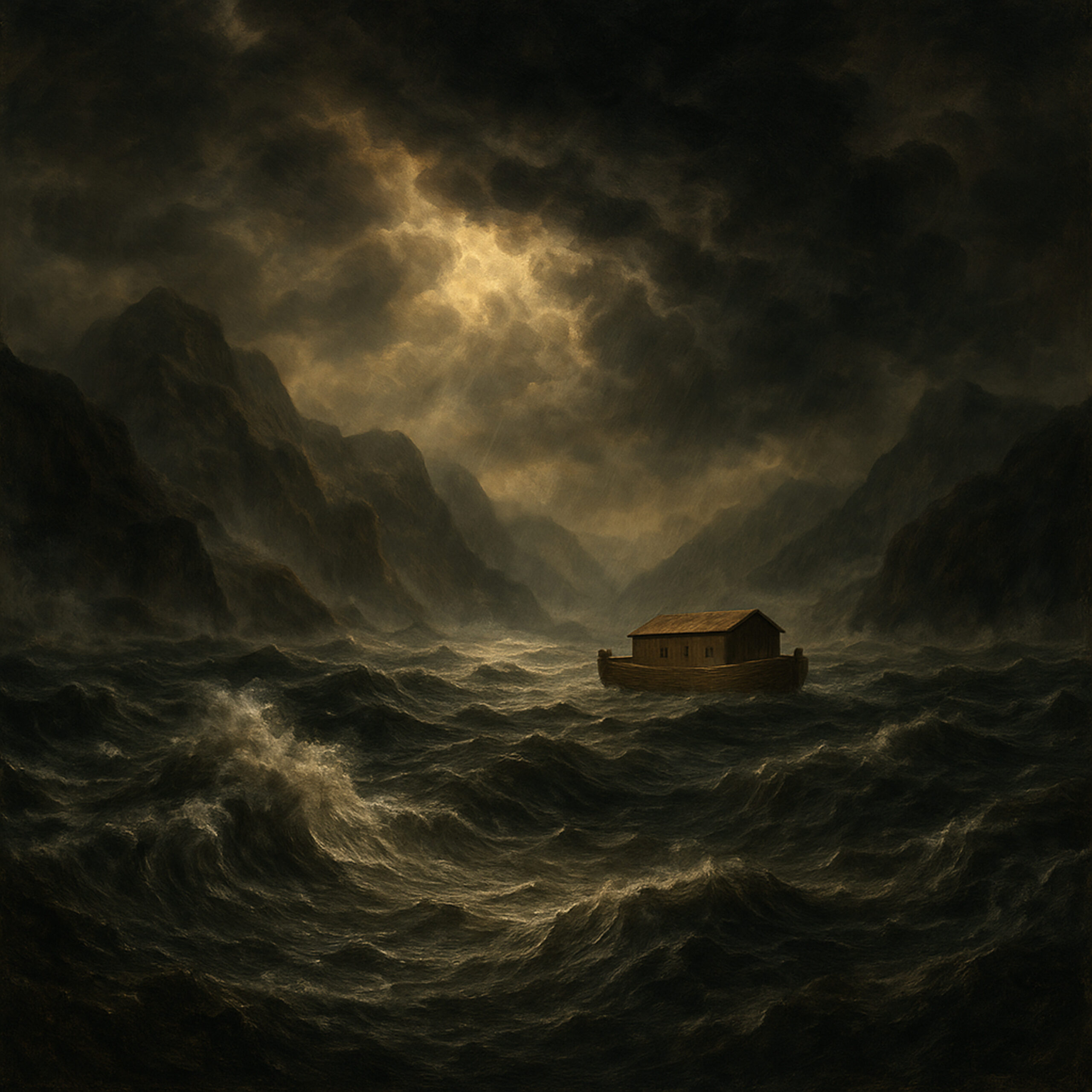
The account of Noah’s Flood in Genesis 6–9 is one of the most dramatic narratives in the Bible. It describes a worldwide deluge that destroyed all life except those preserved in the ark. For centuries, Christians interpreted this as a literal global event. Modern geology, however, often views the flood as a myth or, at…


