
Topical Studies
-
Bronze Serpent: From Desert Cure to the Cross
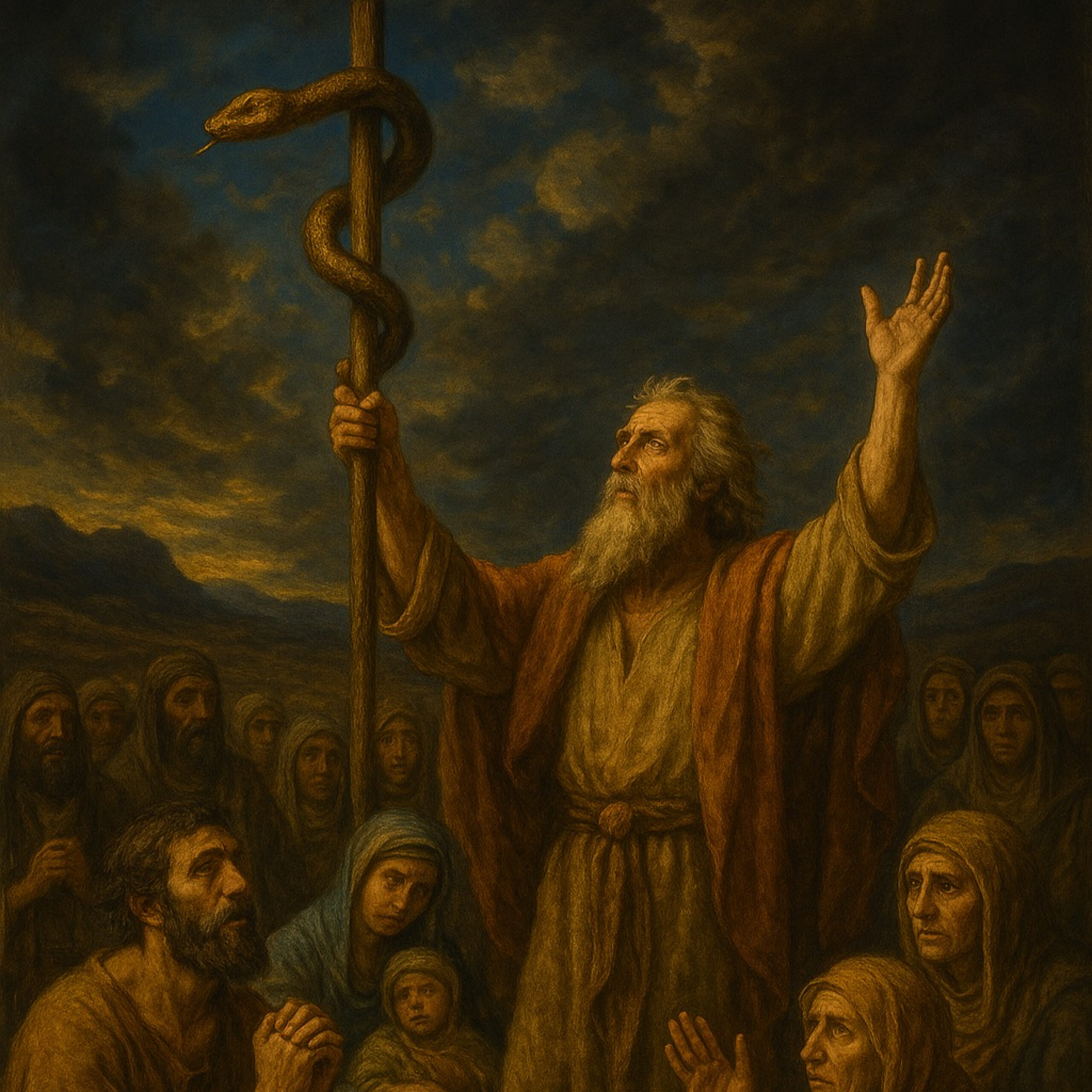
Among the many symbols woven into the tapestry of Scripture, few carry as much paradox and prophetic depth as the bronze serpent raised by Moses in the wilderness. What appears at first as an act of desperation, lifting a bronze image to heal a plague of venomous bites, emerges in the New Testament as one…
-
Peter – The Rock of Restoration
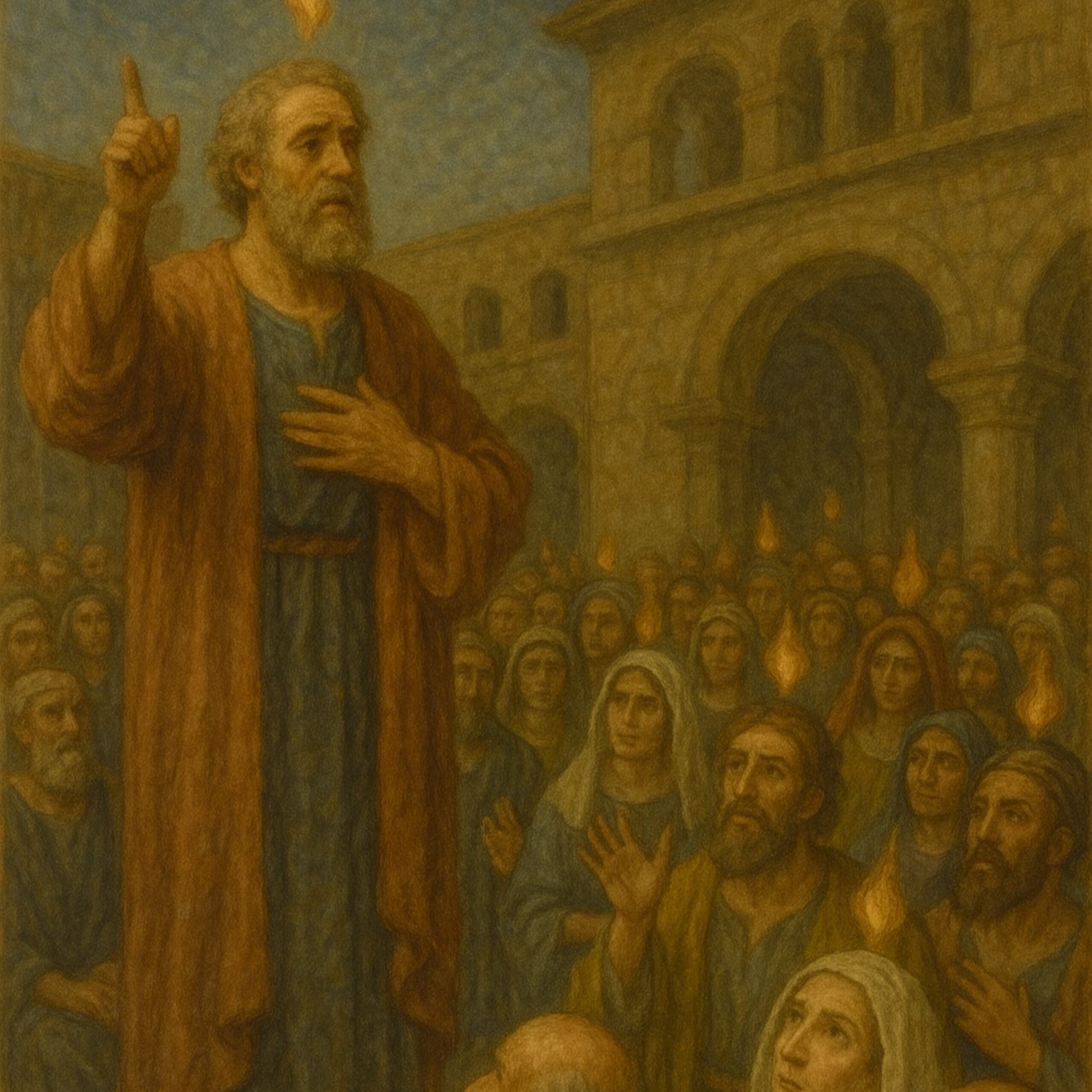
Among the apostles of Jesus Christ, none embodies the journey from weakness to strength more profoundly than Peter. Impulsive yet passionate, bold yet flawed, Peter’s life traces the transformation of an ordinary fisherman into a foundational leader of the early Church. His name, given by Christ, means “rock,” and though he wavered at times, he…
-
The Final Roadmap – Unpacking the Dual Phases of Christ’s Return
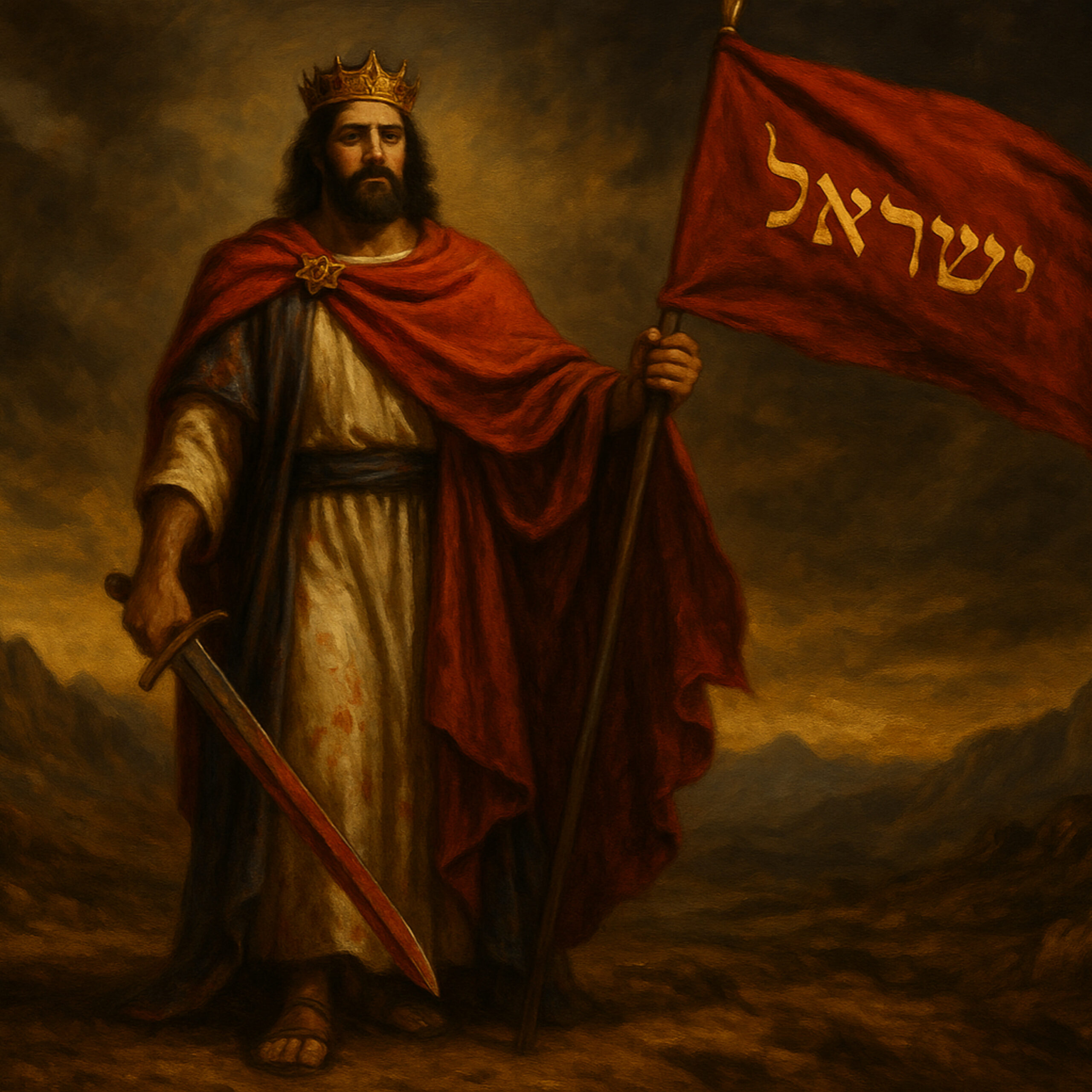
The return of Jesus Christ stands as the blessed hope of all believers and the climax of God’s redemptive plan. From Genesis to Revelation, Scripture points toward this moment when the King of kings will return to establish righteousness, defeat evil, and renew creation. The Second Coming is not merely an event in prophecy; it…
-
The Rapture, Resurrection, and the Millennium
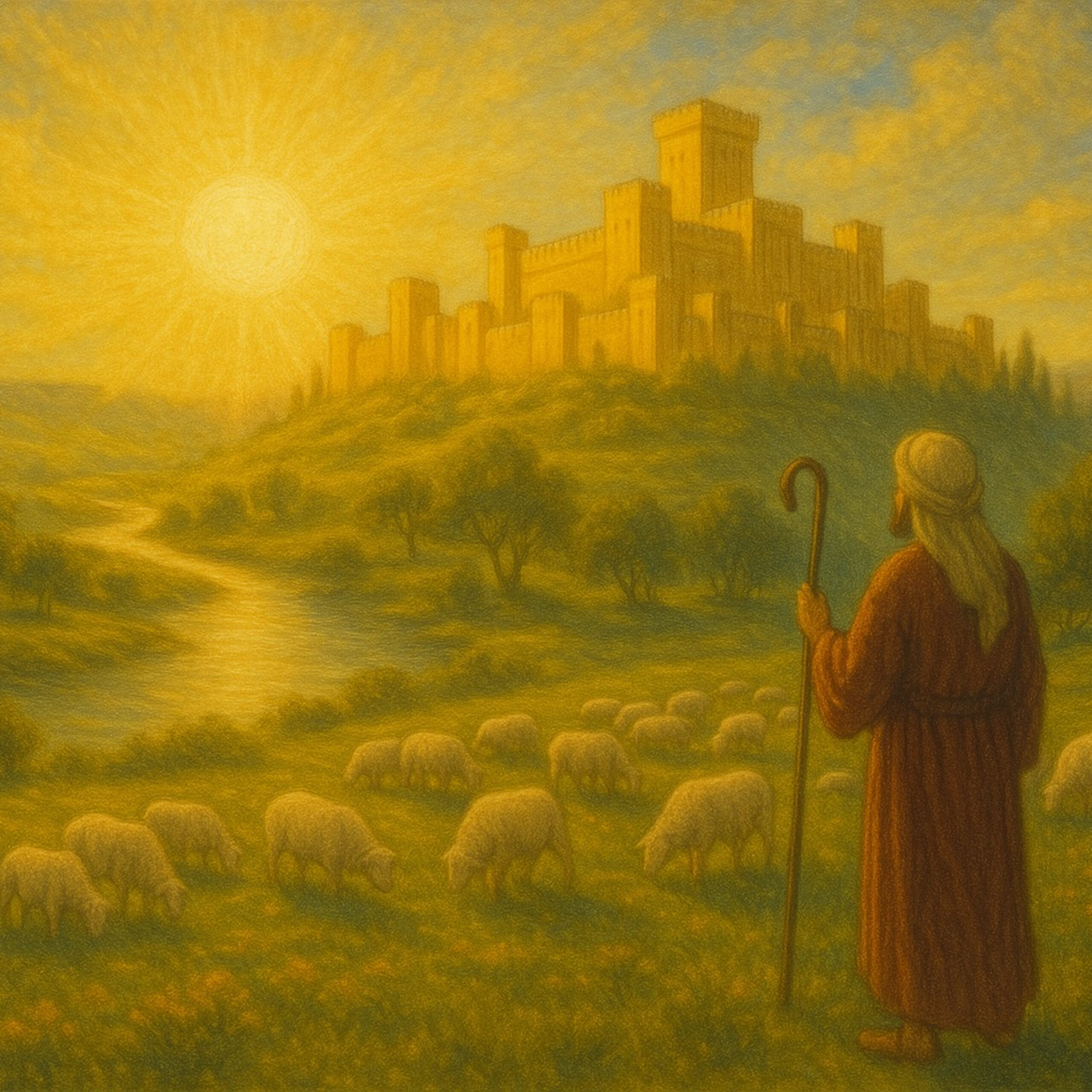
The Bible describes a series of future events that will transform both heaven and earth, culminating in the thousand-year reign of Christ, known as the Millennium. One of the most frequently asked questions among believers is: Who will enter the Millennium, and in what form will they do so? This requires us to examine the Rapture, the…
-
Moabites, Edomites, and Israel: Kinship and Conflict

The Moabites and Edomites were two of Israel’s closest neighbors, both geographically and genealogically. Descended from Lot and Esau, these peoples shared kinship with Israel yet often lived in hostility toward them. Throughout the Old Testament, Moab and Edom appear in stories of conflict, uneasy alliances, and prophetic warnings. Their history with Israel sheds light…
-
Assyria – Prophecy, Judgment, and Messianic Hope
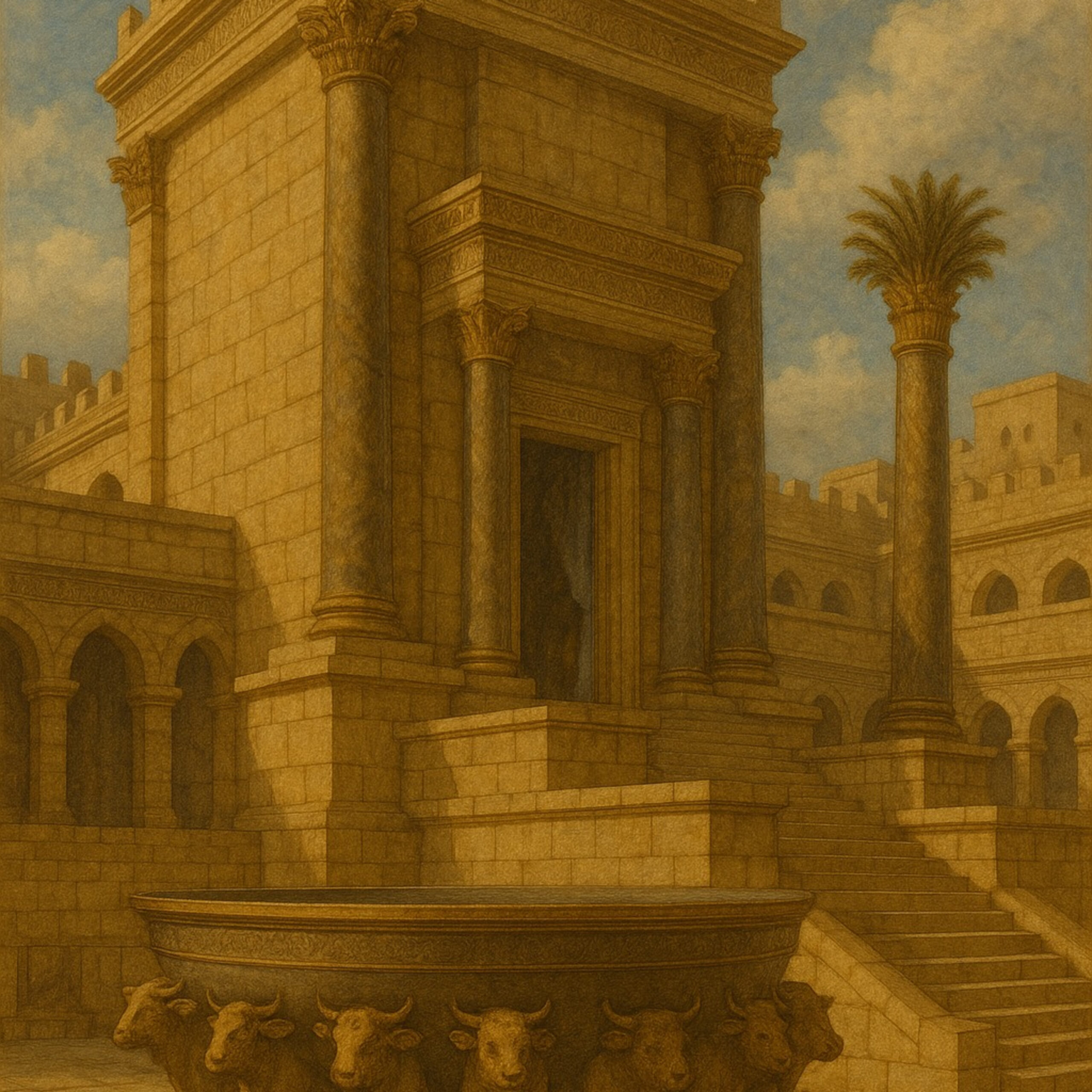
Assyria was one of the most powerful empires of the ancient Near East, dominating the region from the ninth to the seventh centuries BC. The Bible records Assyria’s rise, its role in disciplining Israel, its arrogance, and its eventual downfall. Beyond history, the prophets also use Assyria symbolically and eschatologically, connecting its story to God’s…
-
Gaza – From Ancient Philistine Stronghold to Prophetic Hope
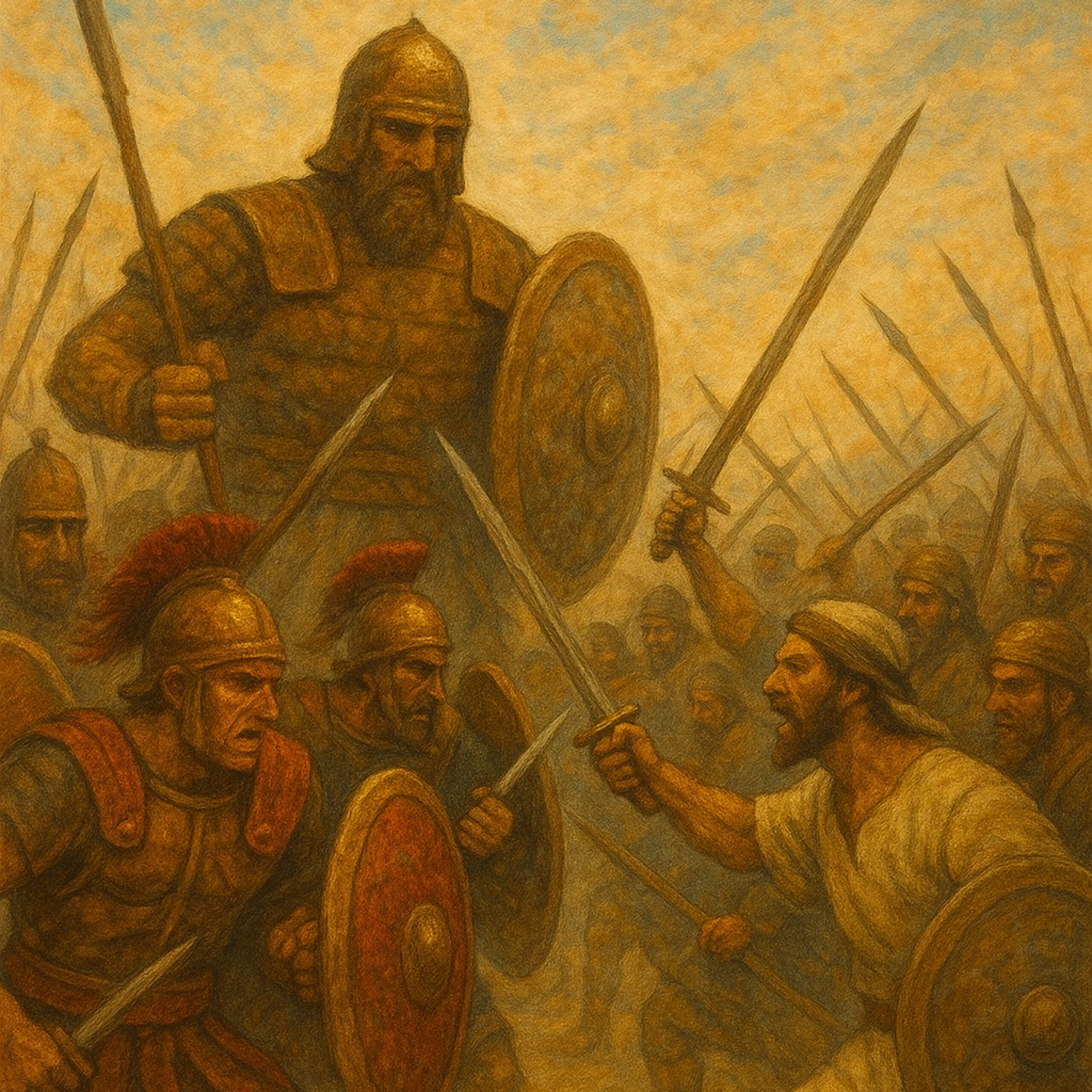
The region of Gaza has stood at the crossroads of history for thousands of years. Located on the Mediterranean coast between Egypt and Israel, Gaza was part of the Philistine pentapolis, as mentioned in the Old Testament. Its territory frequently clashed with Israel’s inheritance, and its cities became symbols of opposition to God’s people. The…
-
Samuel – Prophet, Priest, and Judge
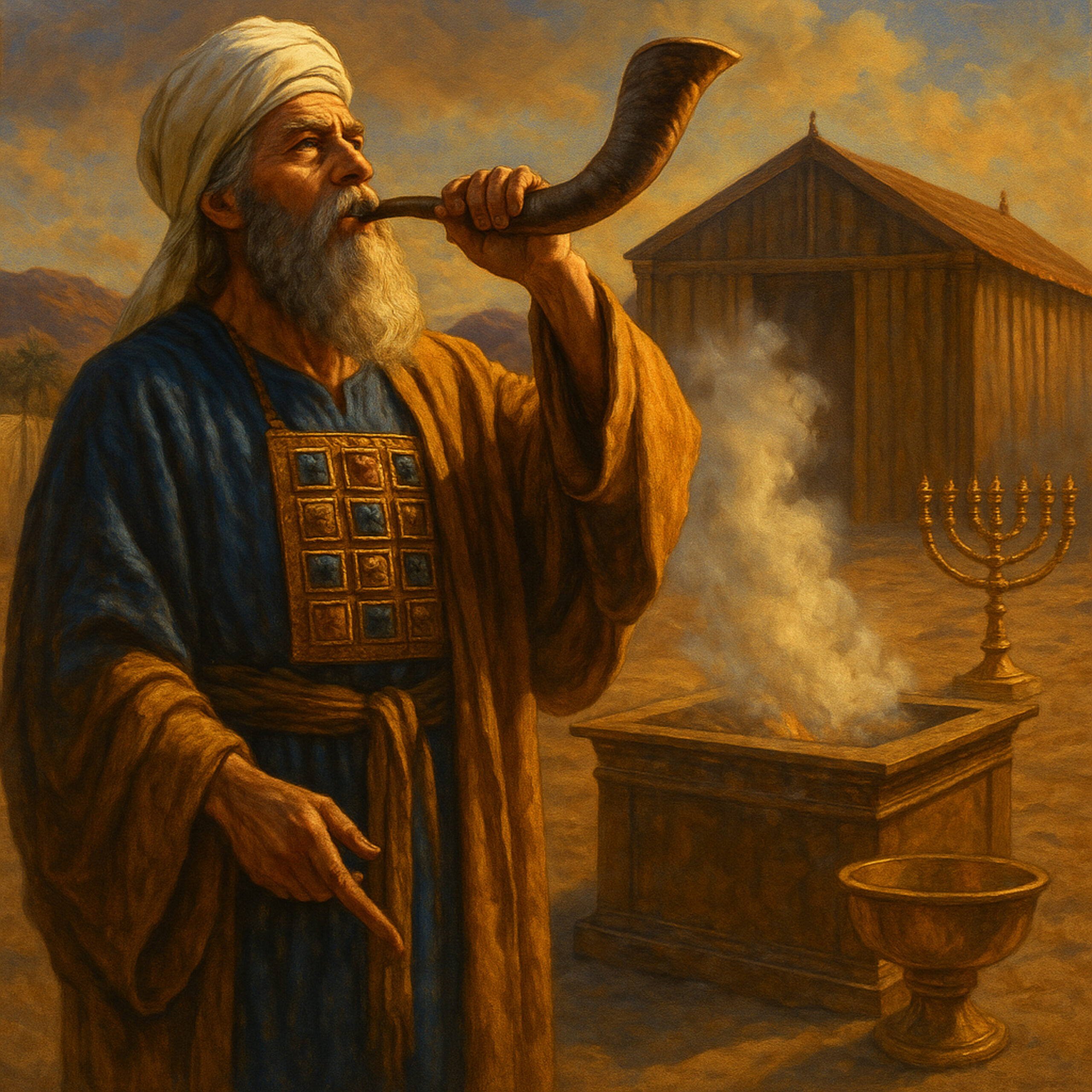
Among Israel’s great leaders, Samuel stands uniquely as judge, prophet, and priest. At a time when the nation was transitioning from the era of judges to the monarchy, Samuel guided Israel with spiritual authority, judicial leadership, and priestly intercession. He anointed kings, rebuked sin, and interceded for the people, bridging the period from tribal confederacy…
-
Prophecy as Evidence of Scripture’s Reliability
One of the most substantial pieces of evidence for the reliability of the Bible is fulfilled prophecy. Unlike vague predictions, biblical prophecies are specific, detailed, and fulfilled in history. God declares: “I am God… declaring the end from the beginning, and from ancient times the things that are not yet done” (Isaiah 46:9–10). By examining…
-
Telescopes and the Big Bang – When Scripture Meets Science

The heavens have always fascinated humanity. From the naked-eye stargazers of antiquity to the powerful space telescopes of today, the cosmos inspires awe and inquiry. In recent decades, new telescopes — from the Hubble Space Telescope to the James Webb Space Telescope — have expanded our understanding of the universe’s origins. Observations of expansion and…


