
Topical Studies
-
The Divided Kingdom and the Prophets
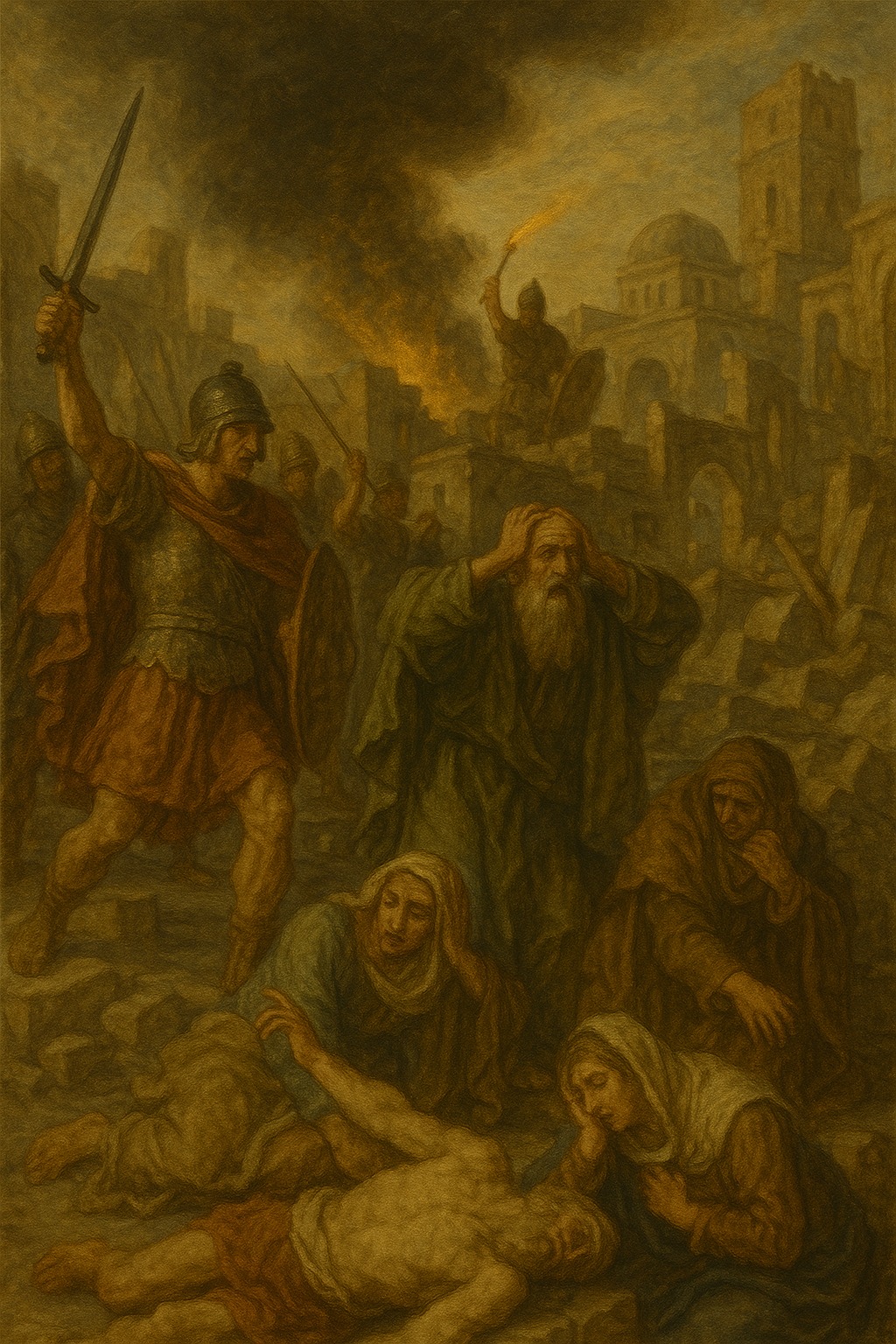
The united monarchy of Israel fractured after Solomon’s reign, resulting in the northern kingdom of Israel and the southern kingdom of Judah. This division led to idolatry, prophetic warnings, exile, and spiritual decline. Despite unfaithfulness, God promised restoration through prophets, ultimately fulfilled in Christ, the hope for eternal unity and covenant.
-
The Rise of the Monarchy in Israel
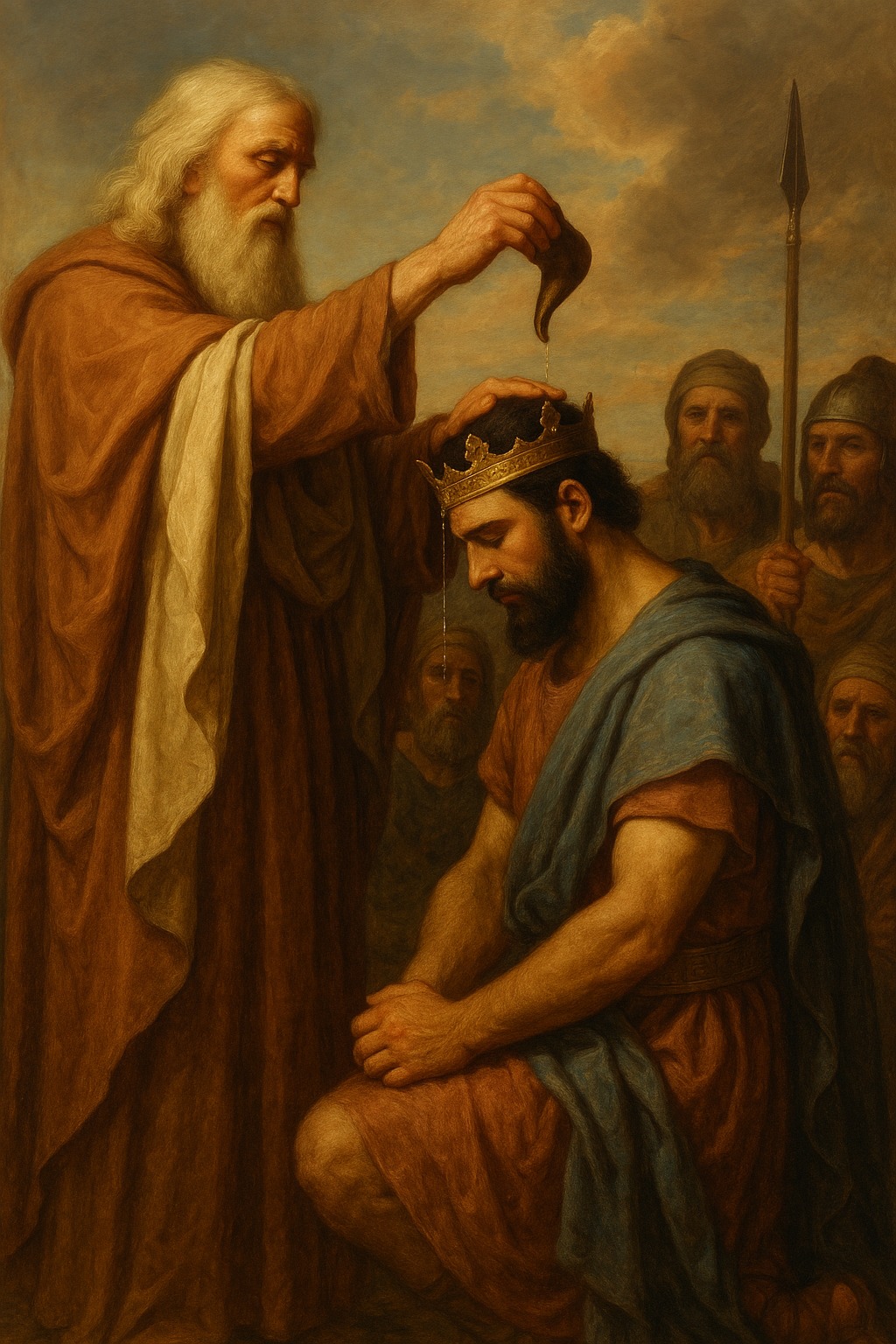
The rise of the monarchy in Israel marked a pivotal moment in biblical history, transitioning from judges to kings, beginning with Saul, followed by David and Solomon. This evolution reflects Israel’s spiritual struggles and God’s enduring covenant. Ultimately, it highlights the importance of obedience and the foreshadowing of Christ, Israel’s true King.
-
The Day of the Lord in the Minor Prophets
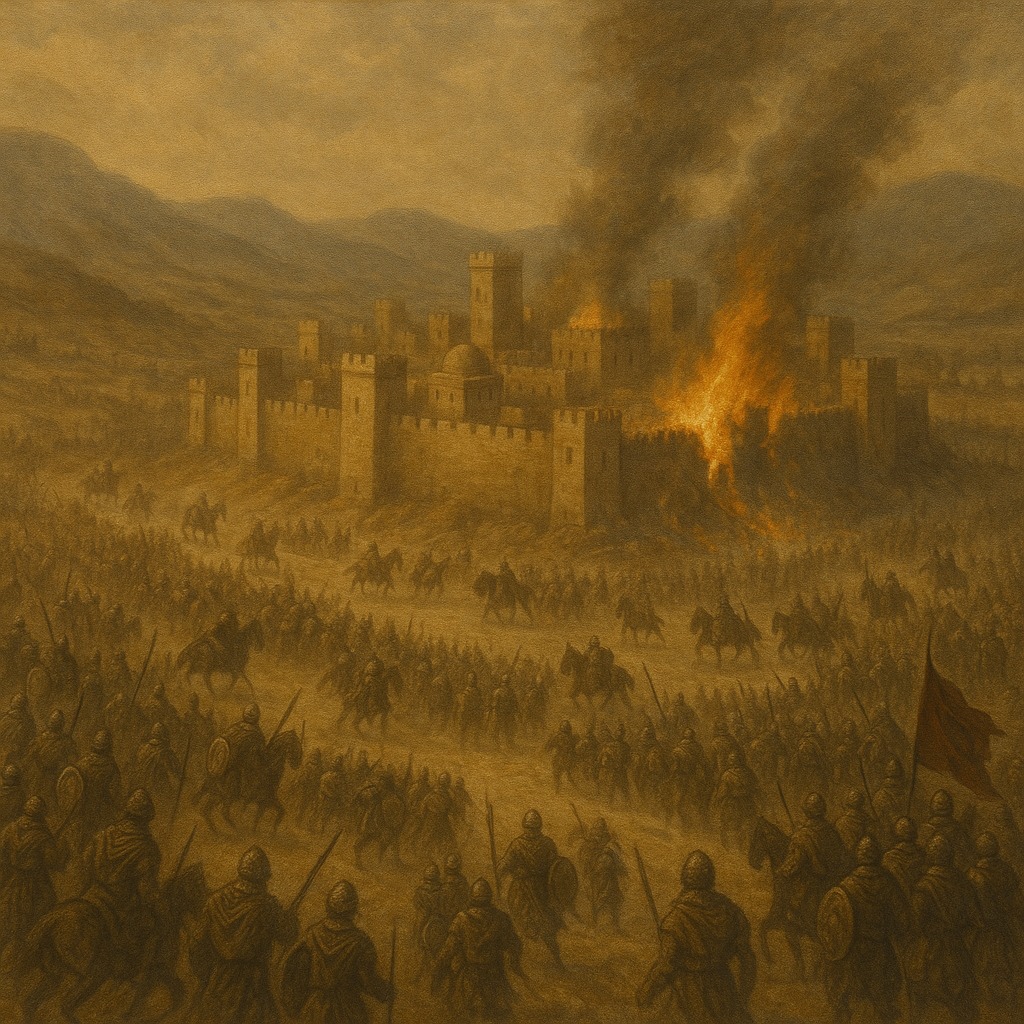
The phrase “the Day of the LORD” is one of the most sobering and recurring themes in the prophetic writings. While it appears throughout the Old Testament, it is especially emphasized in the Minor Prophets, from Hosea to Malachi. These short yet powerful books frequently announce a day of divine intervention, marked by both judgment…
-
Samuel’s Unique Role as Judge, Prophet, and Priest
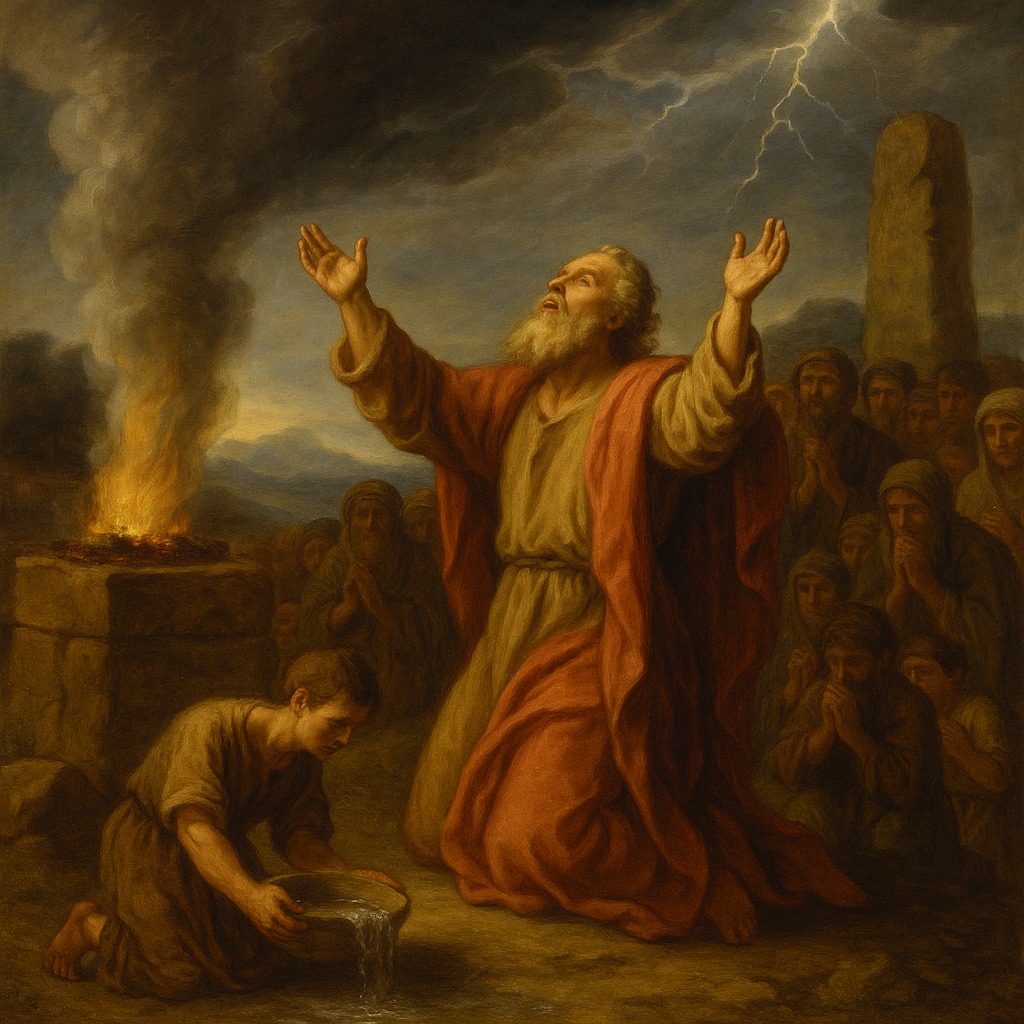
Among Israel’s great leaders, Samuel stands uniquely as judge, prophet, and priest. At a time when the nation was transitioning from the era of judges to the monarchy, Samuel guided Israel with spiritual authority, judicial leadership, and priestly intercession. He anointed kings, rebuked sin, and interceded for the people, bridging the period from tribal confederacy…
-
The Nature of Sin and Confession
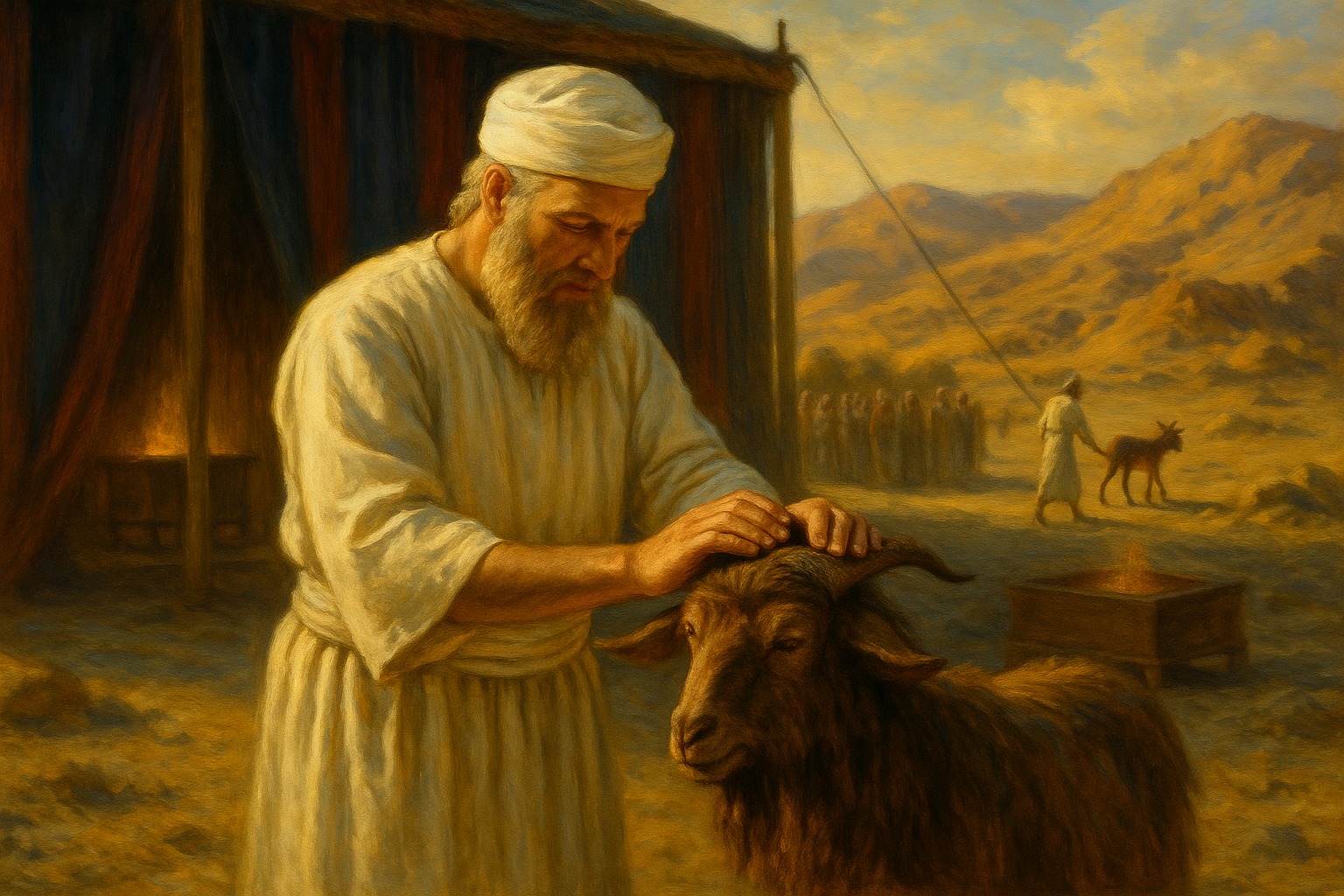
From Genesis to Revelation, the Bible emphasizes the seriousness of sin and the necessity of confession. Sin separates humanity from God, corrupts creation, and brings death. Yet God provides a path of restoration through confession and forgiveness. In the Old Testament, confession was tied to sacrifices and offerings. In the New Testament, confession centers on…
-
Baptism in the Old and New Testaments
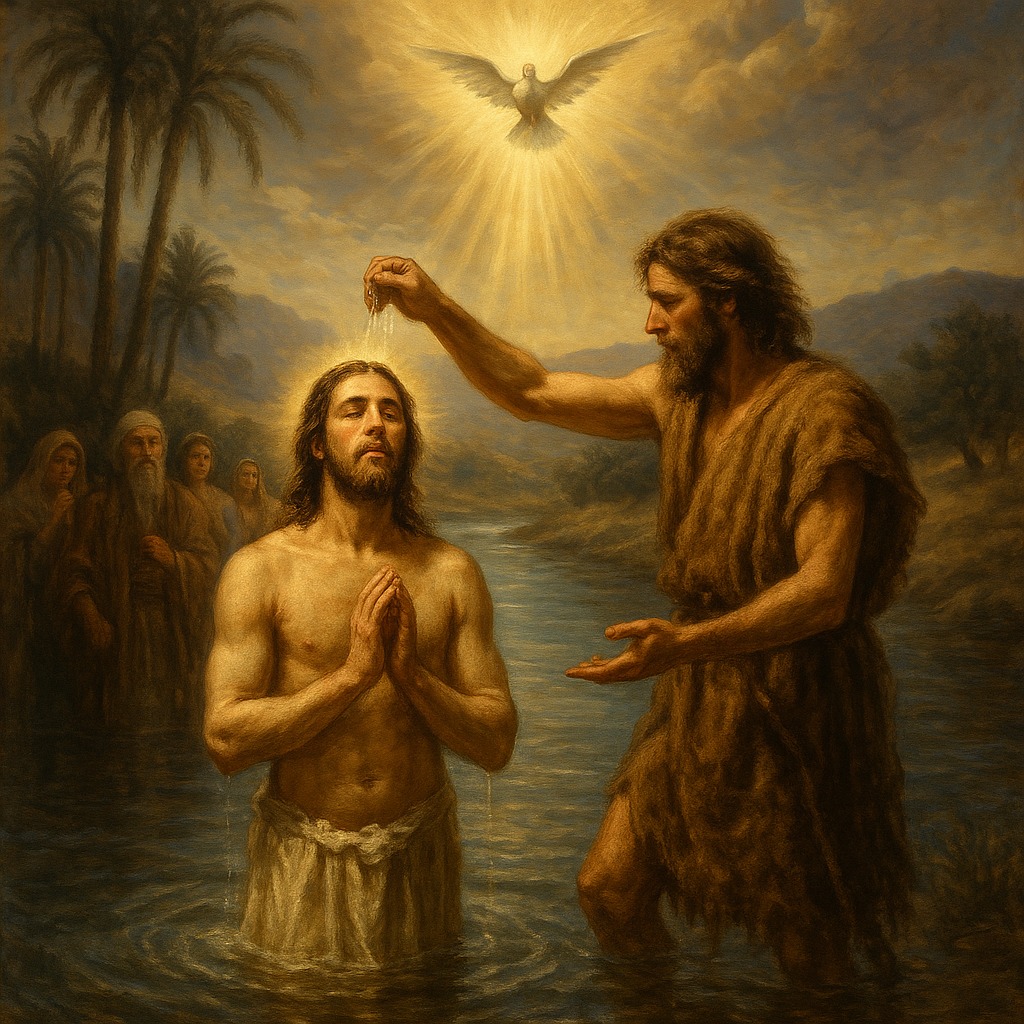
Baptism is one of the most recognized and debated practices in Christianity. While the New Testament clearly emphasizes baptism as a sign of faith and obedience, the roots of the practice can be traced back to the Old Testament through ritual washings, consecrations, and prophetic imagery. To understand baptism biblically, we must explore its foreshadowing…
-
The Unconditional Covenants of God with Israel
The Bible records several covenants God made with His people. Some were conditional, requiring obedience for blessing (e.g., the Mosaic covenant). Others were unconditional, depending solely on God’s faithfulness. Among these, the covenants with Abraham, David, and the promise of the New Covenant stand out as everlasting. These covenants anchor Israel’s history, frame prophecy, and…
-
Ezekiel’s Battle of Magog: Timing and Significance

Among the most detailed war prophecies in Scripture is the account of Gog and Magog in Ezekiel 38–39. These chapters describe a massive end-time coalition that comes against Israel, only to be destroyed by God’s direct intervention. The prophecy has stirred centuries of debate: Who are the nations involved? When does this invasion occur? What…
-
Our Foundational Course: Sanctification
Our Sanction six-week series provides a meaningful purpose for developing and maintaining a relationship with the Creator. The study will review Christianity’s foundational doctrines by engaging the learner with fundamental insights and perspectives.


