
Topical Studies
-
The Fall of Jericho: Archaeological Layers and the Sound of Faith
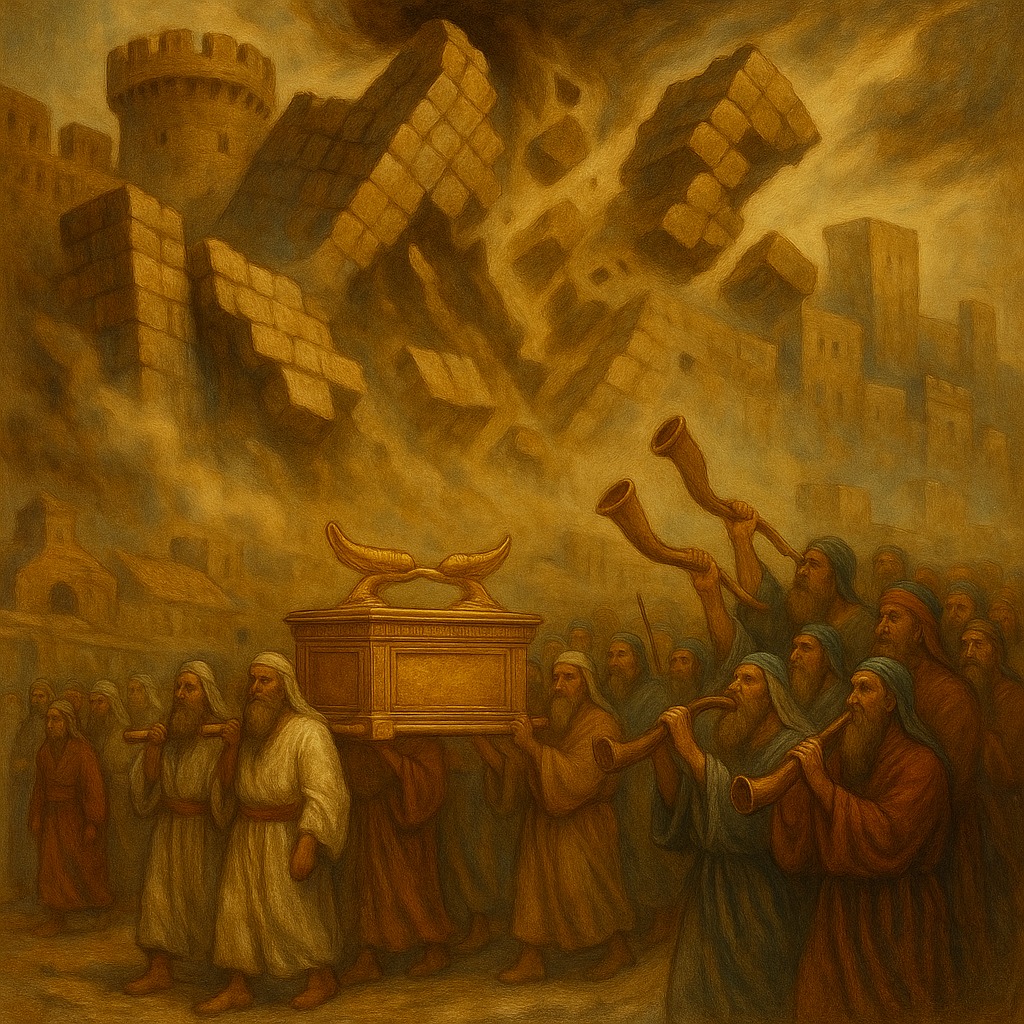
The fall of Jericho remains one of the most dramatic and symbolically charged events in the biblical record. The scene of ancient walls collapsing before the faith-filled obedience of God’s people captures the essence of divine power working through human trust. For centuries, archaeologists and theologians alike have sought to understand how the fortified city…
-
The Bronze Serpent and the Cross: Archaeological Echoes of Healing and Redemption in the Ancient World
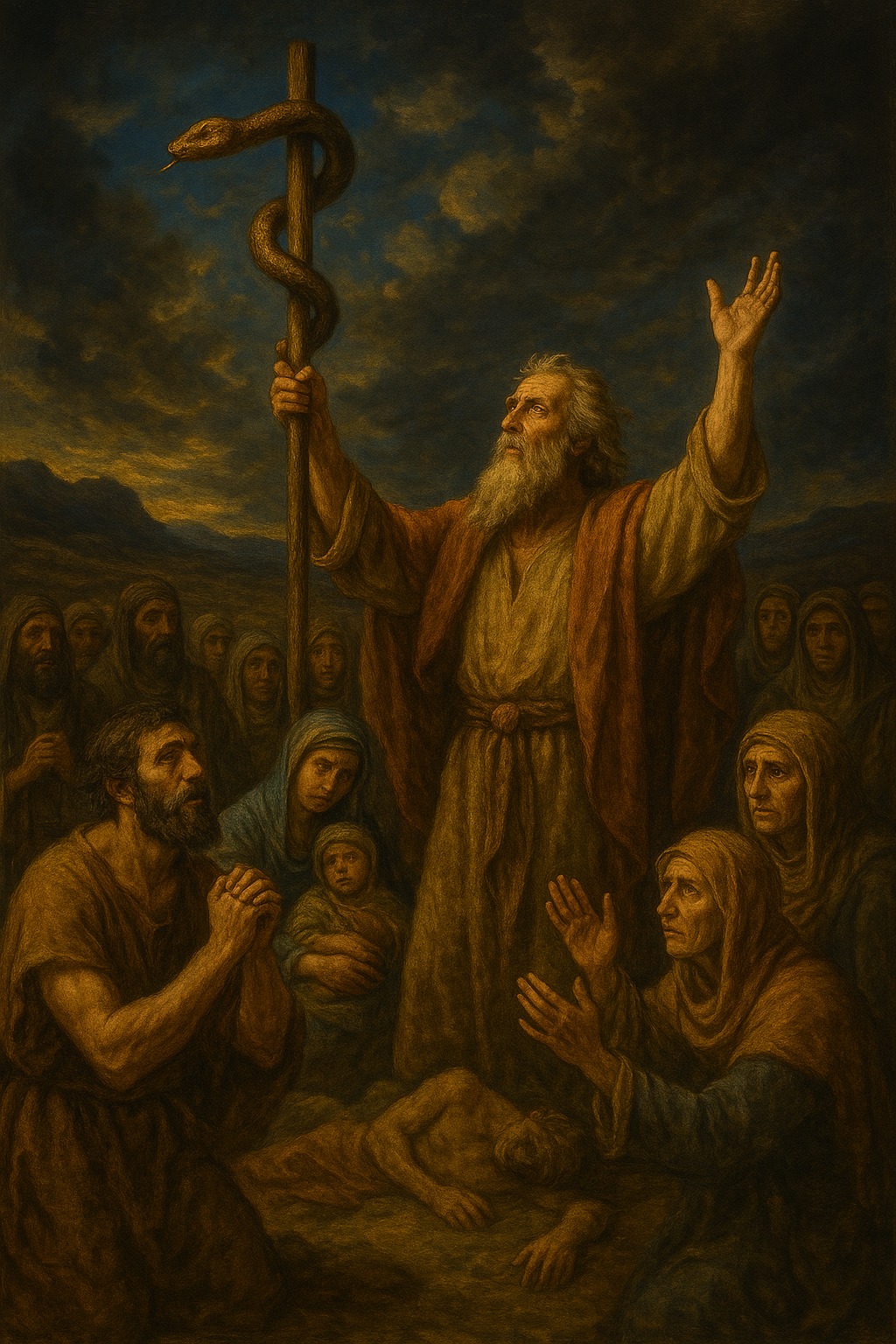
Among the many symbols woven into the tapestry of Scripture, few carry as much paradox and prophetic depth as the bronze serpent raised by Moses in the wilderness. What appears at first as an act of desperation, lifting a bronze image to heal a plague of venomous bites, emerges in the New Testament as one…
-
Peter — The Rock of Restoration and Witness of Grace
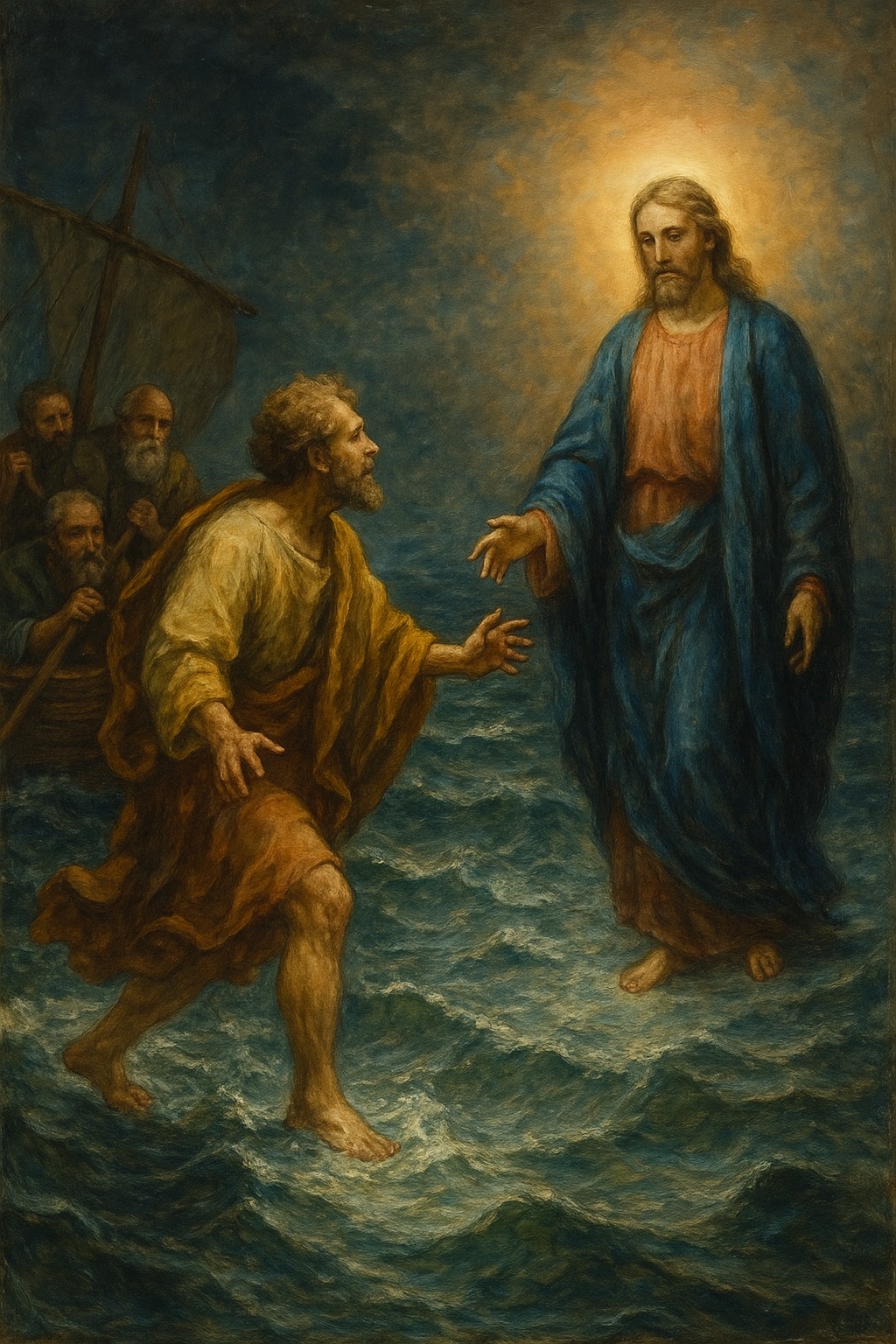
Among the apostles of Jesus Christ, none embodies the journey from weakness to strength more profoundly than Peter. Impulsive yet passionate, bold yet flawed, Peter’s life traces the transformation of an ordinary fisherman into a foundational leader of the early Church. His name, given by Christ, means “rock,” and though he wavered at times, he…
-
Elijah — The Prophet of Fire and the Voice of Revival
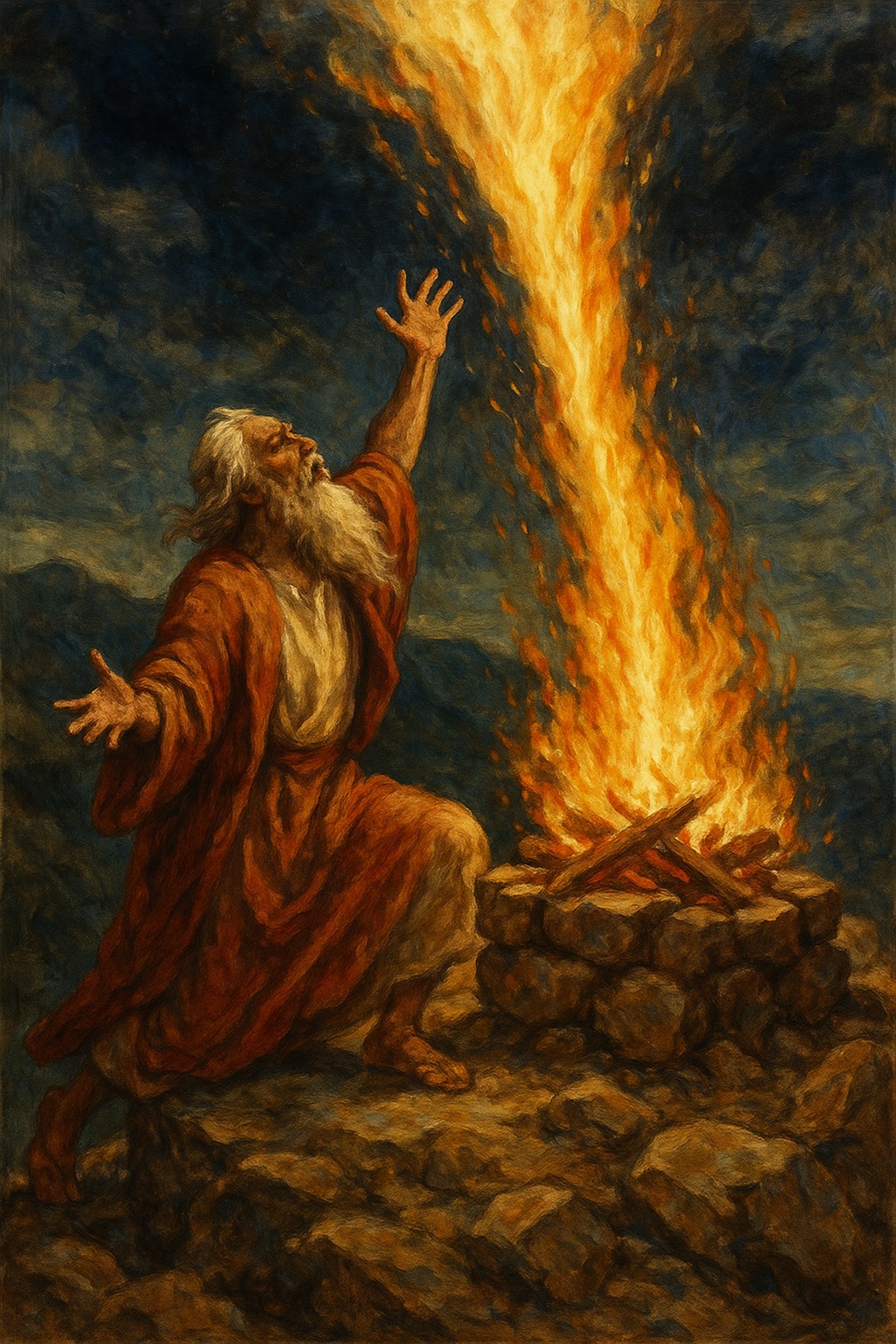
Elijah stands as one of the most powerful and enigmatic figures in the Old Testament. His very name means “My God is the LORD,” and his ministry embodied that declaration in an age of widespread apostasy. Appearing suddenly during the reign of King Ahab, Elijah’s prophetic voice called Israel to repentance, confronted idolatry, and demonstrated…
-
David — The Shepherd King and Covenant Promise
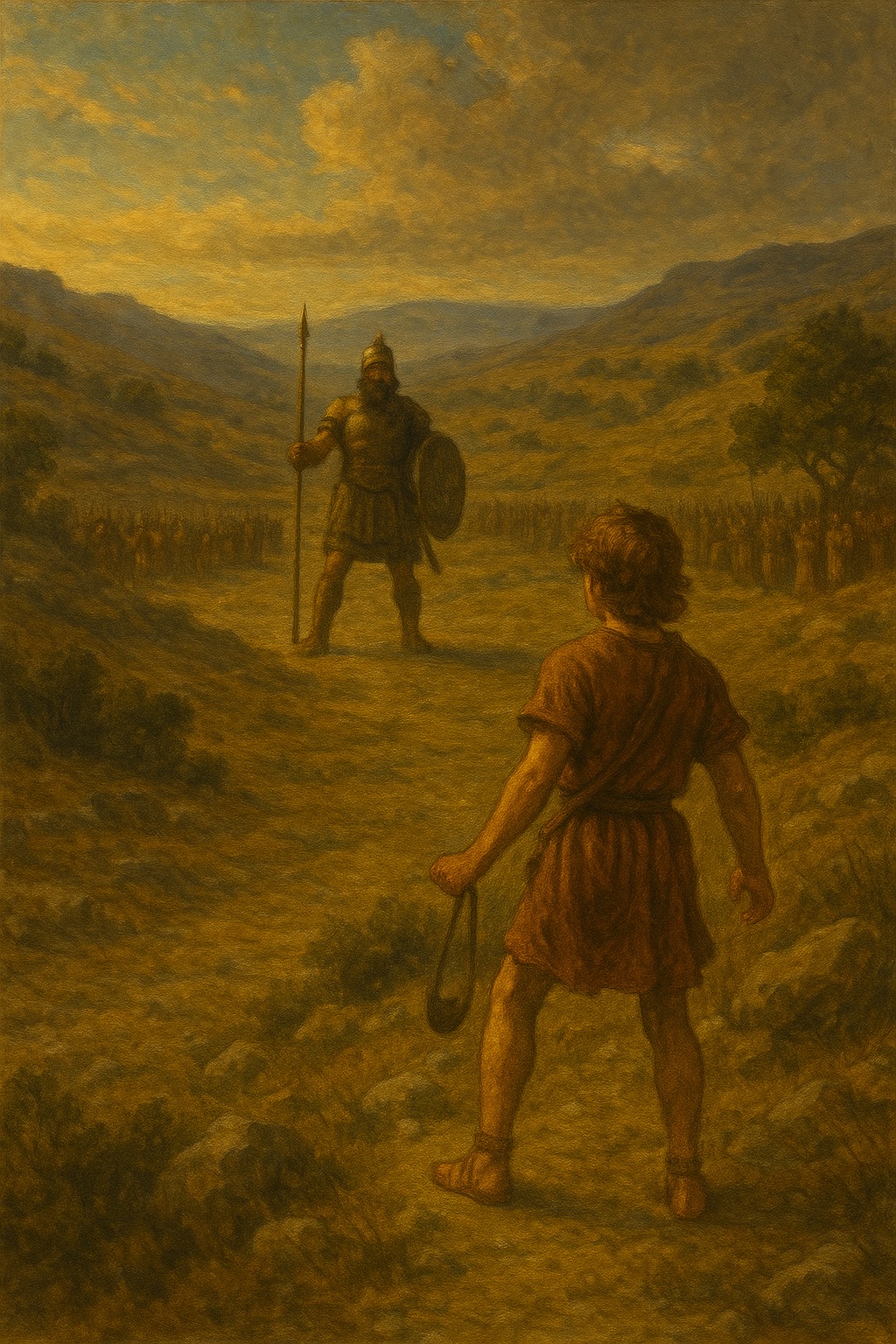
Among all the figures in the Old Testament, David stands uniquely as both warrior and worshiper, shepherd and king. He was the man after God’s own heart (1 Samuel 13:14), chosen not for his appearance or status but for the sincerity of his devotion. Through David, God established an everlasting covenant that pointed directly to…
-
Moses — The Deliverer and Lawgiver
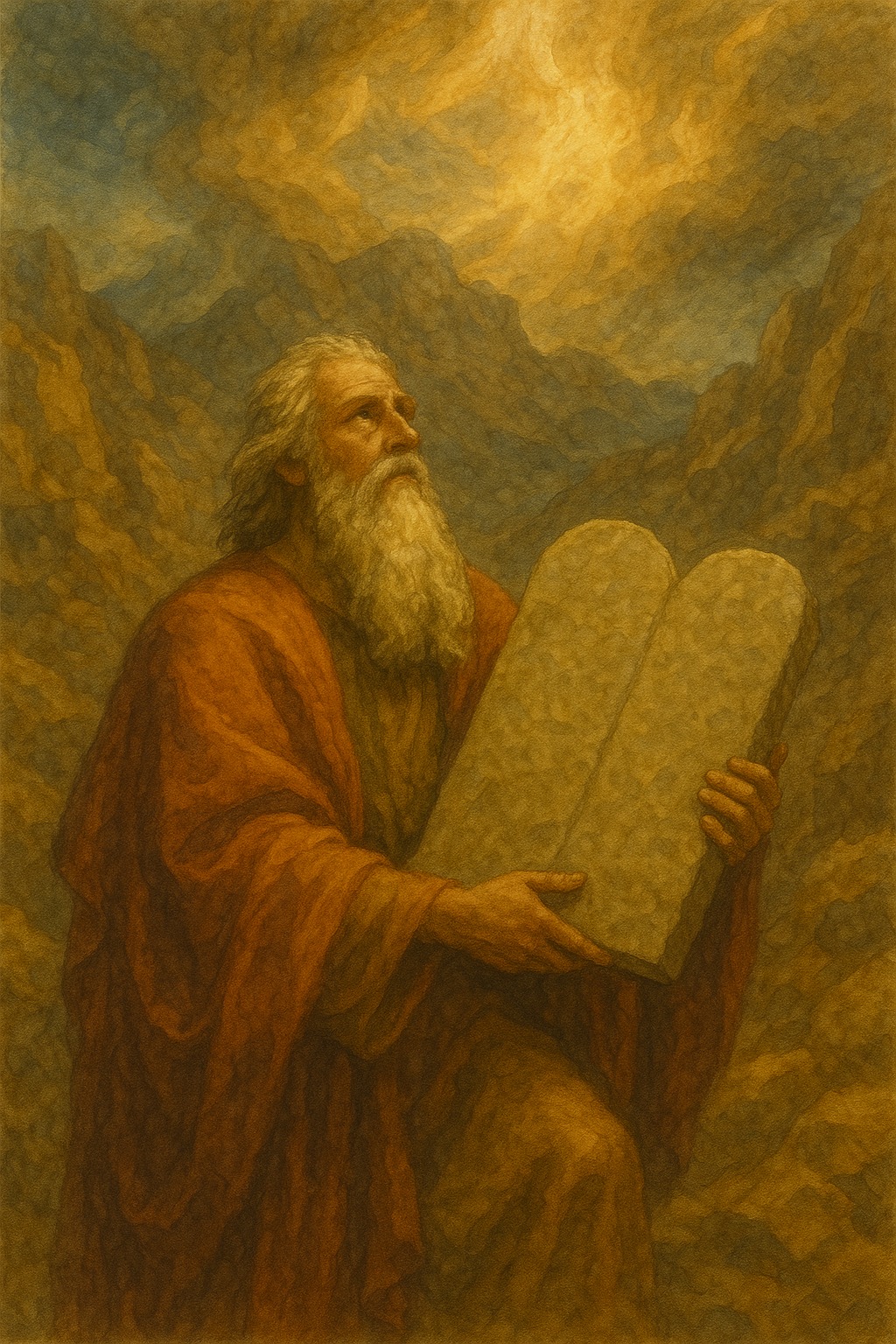
Moses stands as one of the most influential figures in all of Scripture, a man chosen by God to deliver His people from bondage, reveal His law, and mediate His covenant. His life bridges promise and fulfillment, slavery and freedom, law and grace. More than a leader or prophet, Moses prefigures Christ as the Redeemer…
-
The Armor of God — Prophecy, Power, and the Presence of the Lord
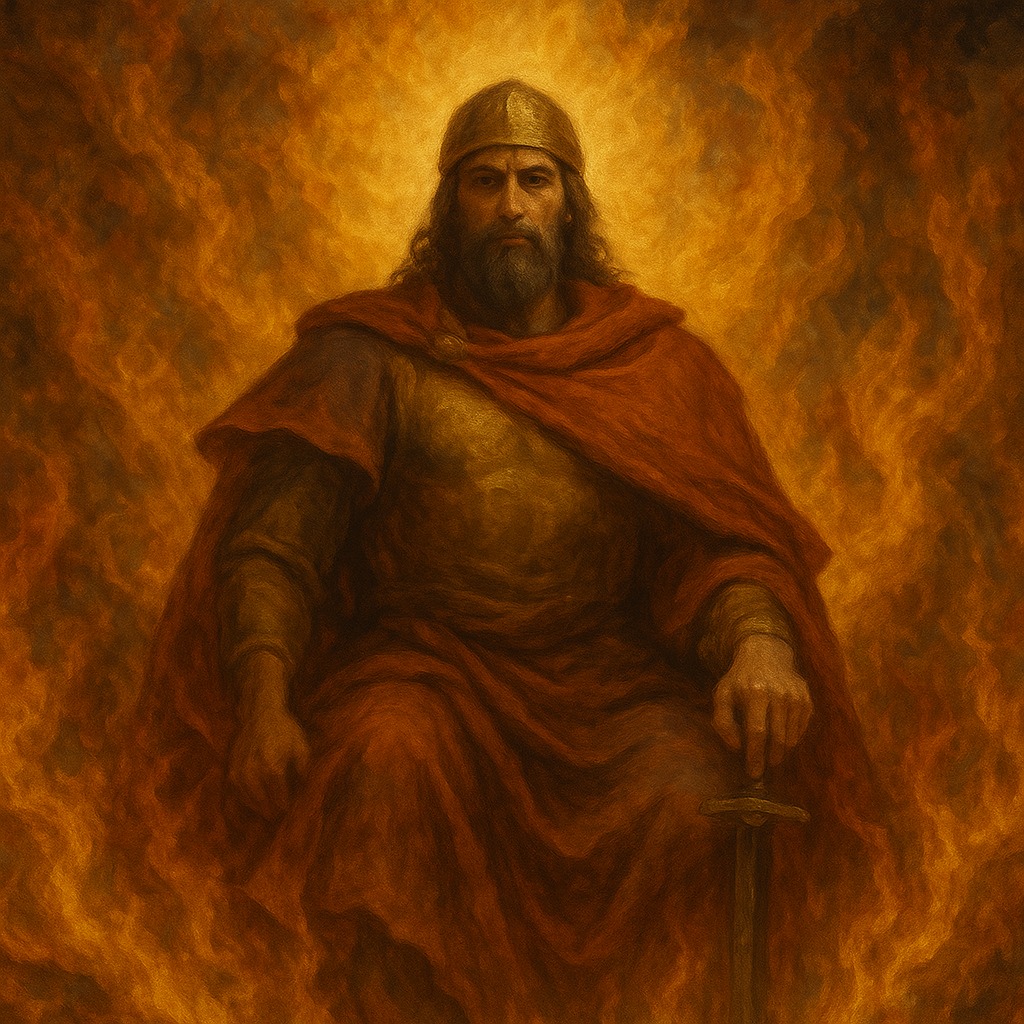
Paul’s depiction of the “armor of God” in Ephesians draws from prophetic traditions, portraying believers as soldiers equipped with divine strength for spiritual warfare. This armor signifies truth, righteousness, and salvation, reflecting Christ’s character. As believers stand firm in faith, they prepare for ultimate victory at Christ’s return, embodying His attributes.
-
The Person and Work of the Holy Spirit

The Holy Spirit, often misunderstood as an impersonal force, is recognized in Scripture as the personal and divine presence of God within believers. He guides, comforts, and empowers individuals for service, playing a vital role in salvation, sanctification, and communion with God. His indwelling signifies a transformative relationship essential for victorious Christian living.
-
The Trinity – Unity and Diversity in the Godhead

The doctrine of the Trinity is central to Christian theology, describing God as one Being in three coequal Persons: Father, Son, and Holy Spirit. This concept distinguishes biblical faith and deepens understanding of God’s love, unity, and redemptive plan. The Trinity influences worship, the Church, and believers’ lives, inviting participation in divine fellowship.
-
The Nature of God’s Covenant Grace
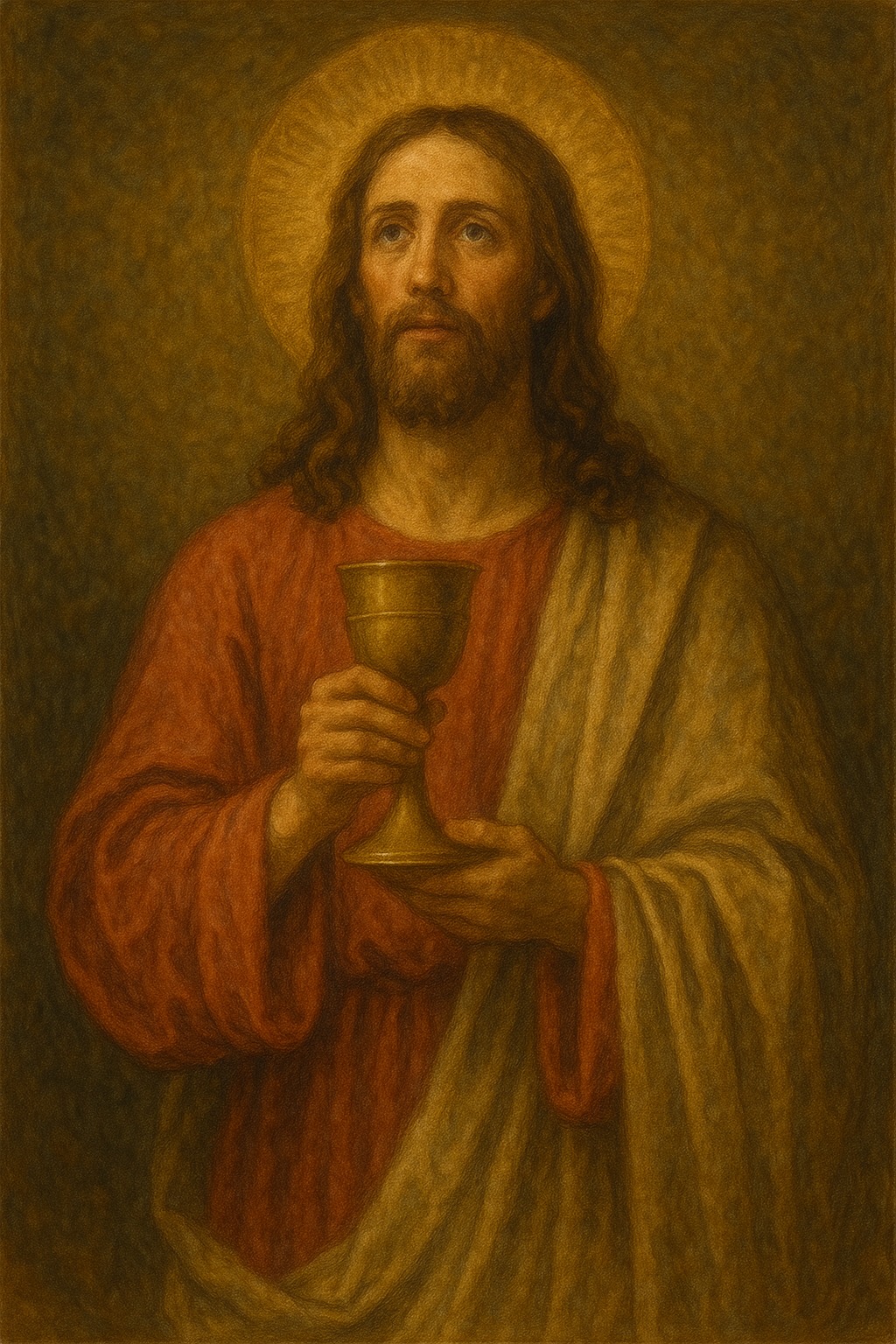
God relates to humanity through covenants, reflecting His redemptive plan throughout biblical history. These agreements, whether conditional or unconditional, showcase God’s faithfulness and grace. The covenants culminate in Christ’s work, offering believers salvation, assurance, and a transformative relationship, emphasizing God’s enduring love and commitment to His people across generations.


