
Topical Studies
-
The Marriage of the Lamb and the Messianic Feast
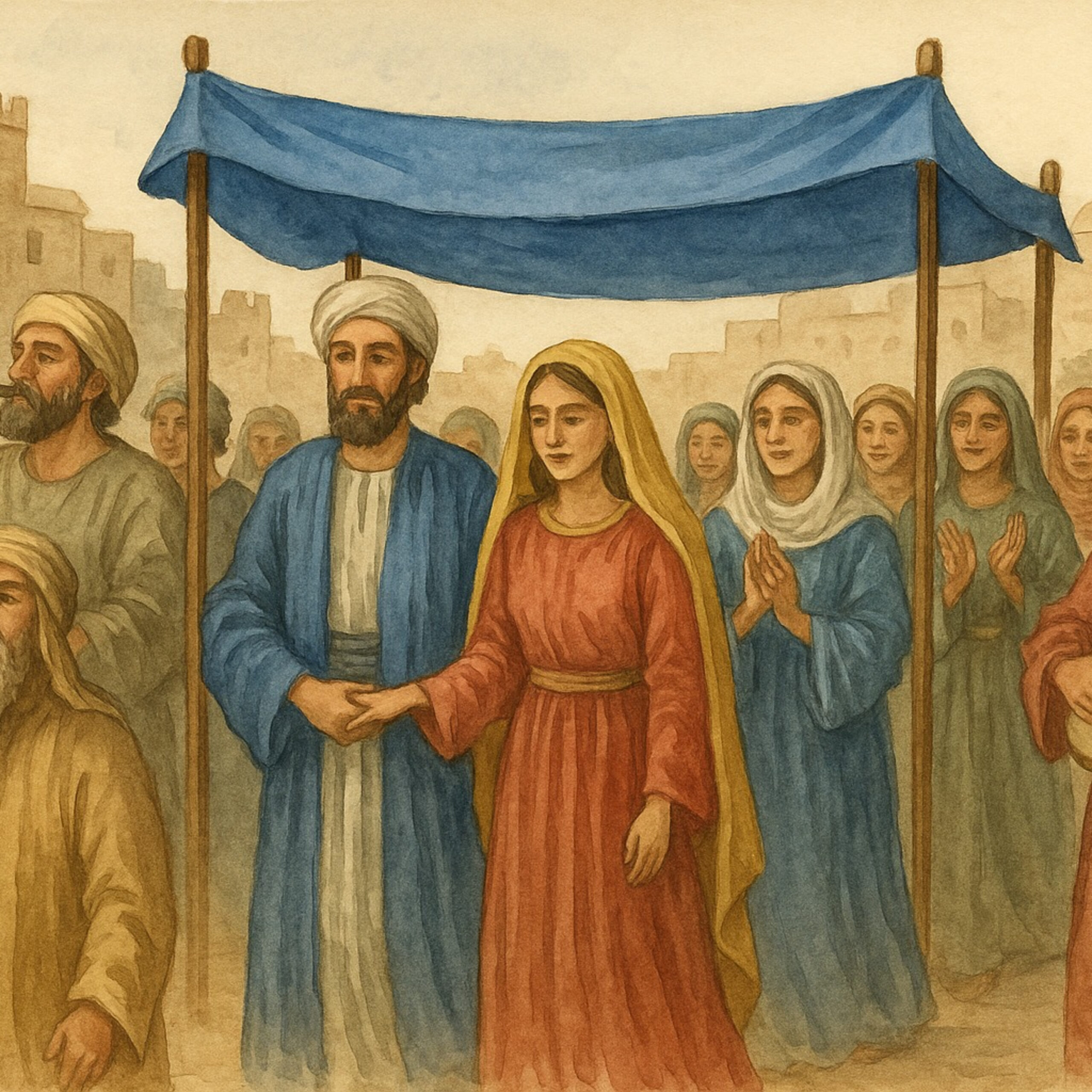
The “Marriage of the Lamb” is one of the most profound and joy-filled prophetic events in all of Scripture. In Revelation 19:7–9 we read: “Let us be glad and rejoice and give Him glory, for the marriage of the Lamb has come, and His wife has made herself ready. And to her it was granted…
-
The Rapture, Resurrection, and the Millennium
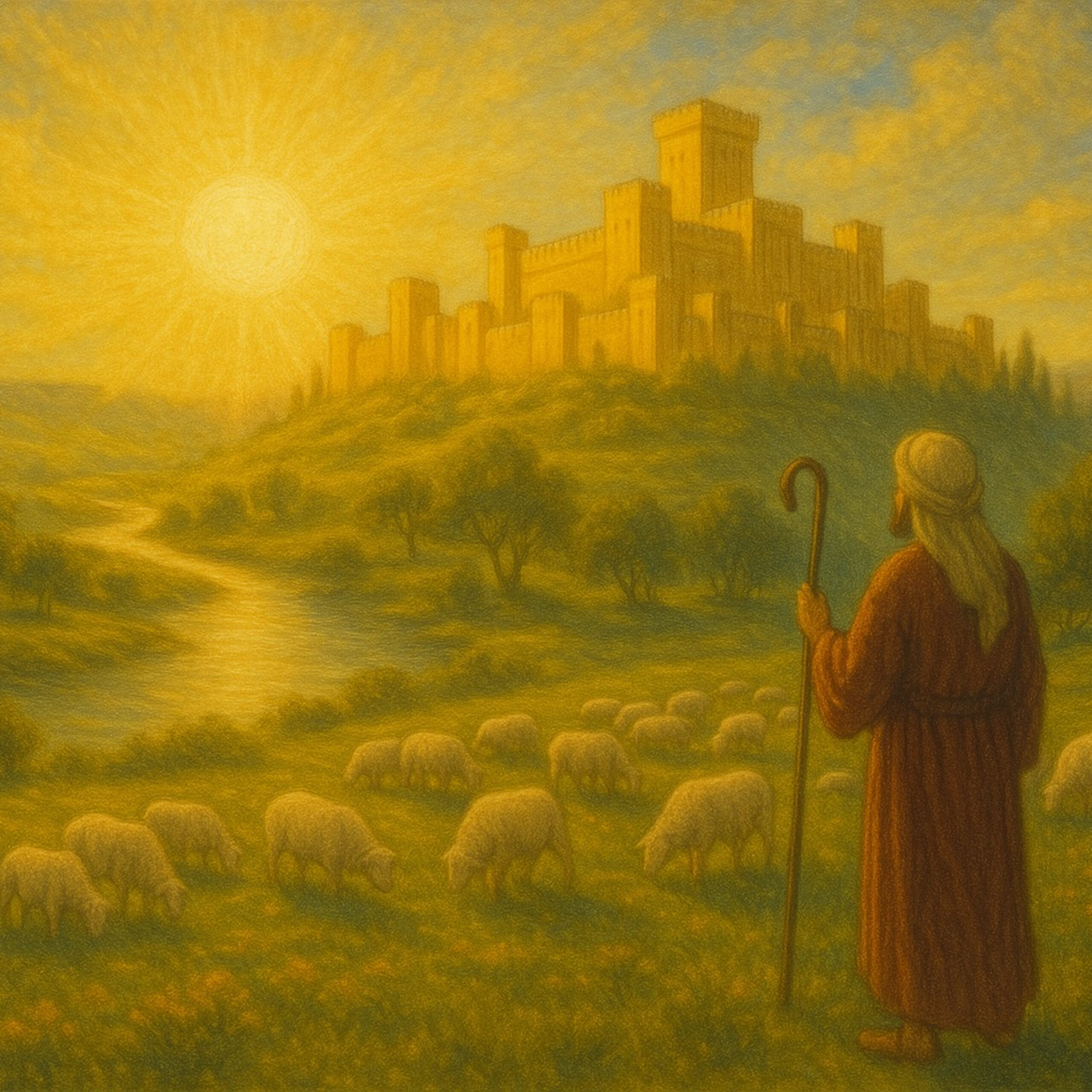
The Bible describes a series of future events that will transform both heaven and earth, culminating in the thousand-year reign of Christ, known as the Millennium. One of the most frequently asked questions among believers is: Who will enter the Millennium, and in what form will they do so? This requires us to examine the Rapture, the…
-
One Messiah, Two Advents – Suffering Servant and Reigning King
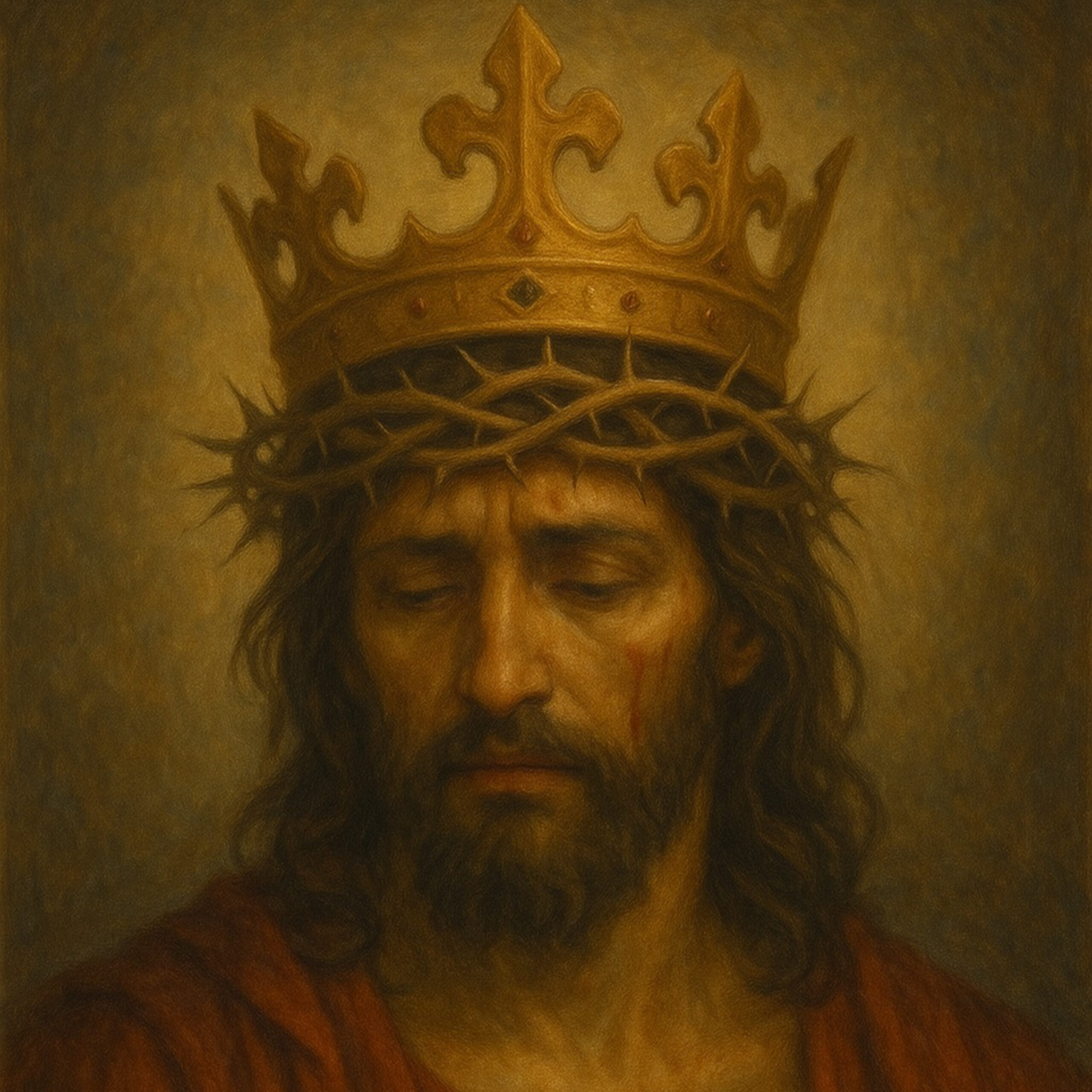
The Hebrew Scriptures present a Messiah who is both a suffering servant and a conquering king. This apparent tension, humiliation and glory, rejection and enthronement, led some Jewish interpreters to speak of two figures: Messiah ben Joseph (the suffering deliverer) and Messiah ben David (the reigning king). Scripture itself, however, reveals one Messiah who fulfills…
-
The Return of Christ and the Final Kingdom
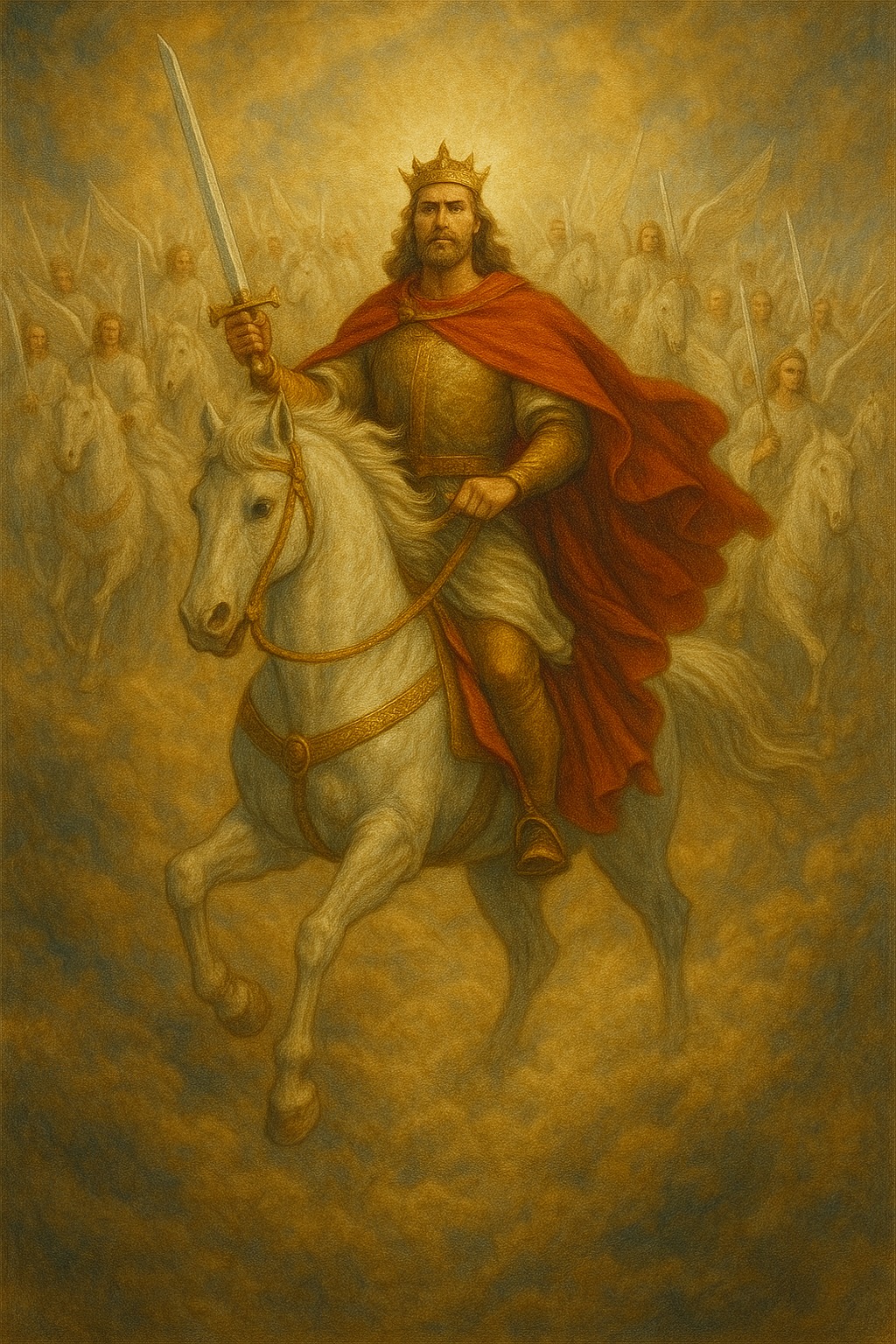
The return of Jesus Christ is central to Christian hope, marking the culmination of God’s redemptive plan. It offers comfort to believers and judgment for the wicked. Key events include the Rapture, Tribulation, and final judgment, ultimately leading to the establishment of God’s eternal kingdom, where peace and righteousness prevail forever.
-
The Person and Work of the Holy Spirit

The Holy Spirit, often misunderstood as an impersonal force, is recognized in Scripture as the personal and divine presence of God within believers. He guides, comforts, and empowers individuals for service, playing a vital role in salvation, sanctification, and communion with God. His indwelling signifies a transformative relationship essential for victorious Christian living.
-
The Trinity – Unity and Diversity in the Godhead

The doctrine of the Trinity is central to Christian theology, describing God as one Being in three coequal Persons: Father, Son, and Holy Spirit. This concept distinguishes biblical faith and deepens understanding of God’s love, unity, and redemptive plan. The Trinity influences worship, the Church, and believers’ lives, inviting participation in divine fellowship.
-
The Nature of God’s Covenant Grace
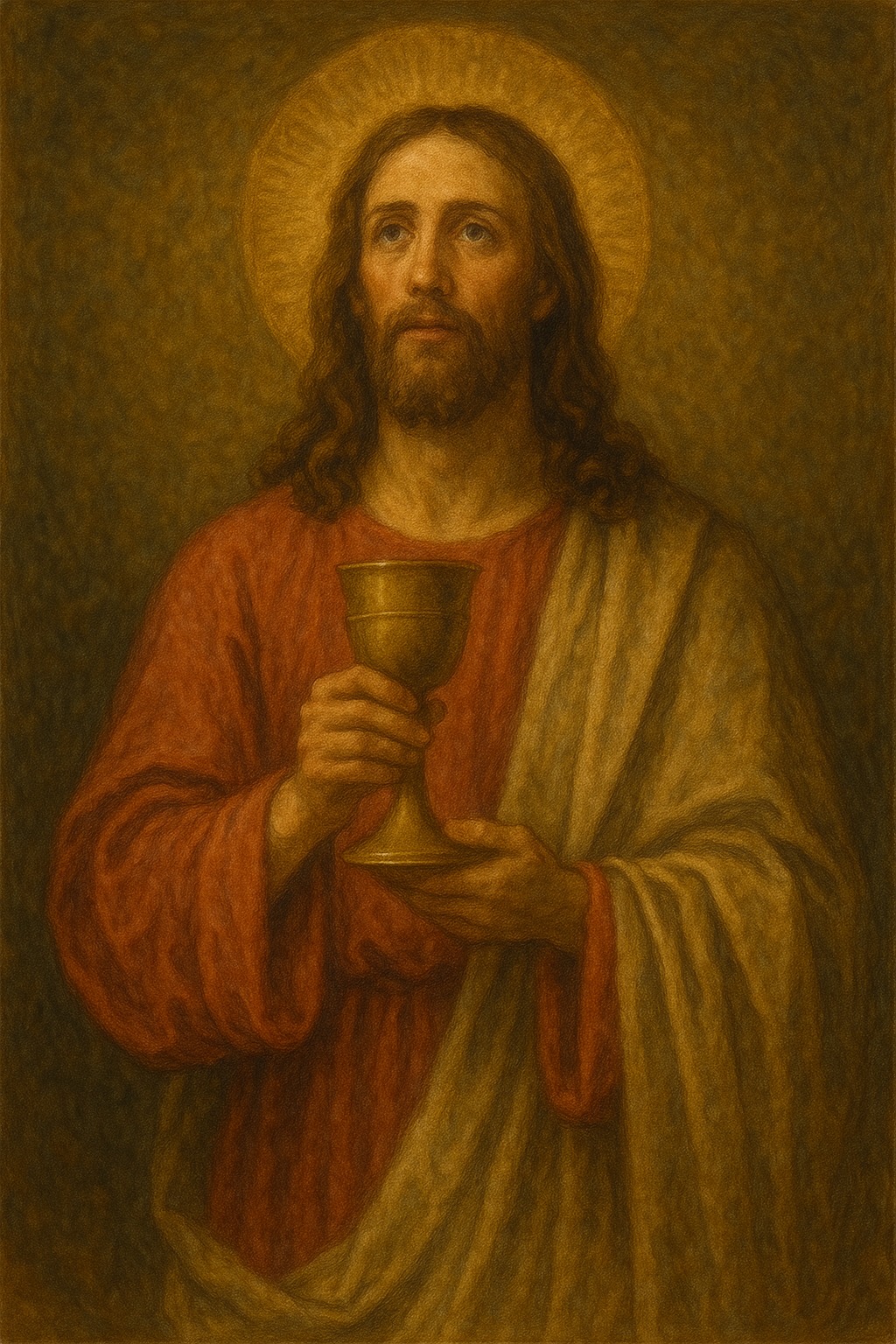
God relates to humanity through covenants, reflecting His redemptive plan throughout biblical history. These agreements, whether conditional or unconditional, showcase God’s faithfulness and grace. The covenants culminate in Christ’s work, offering believers salvation, assurance, and a transformative relationship, emphasizing God’s enduring love and commitment to His people across generations.
-
The Divided Kingdom and the Prophets
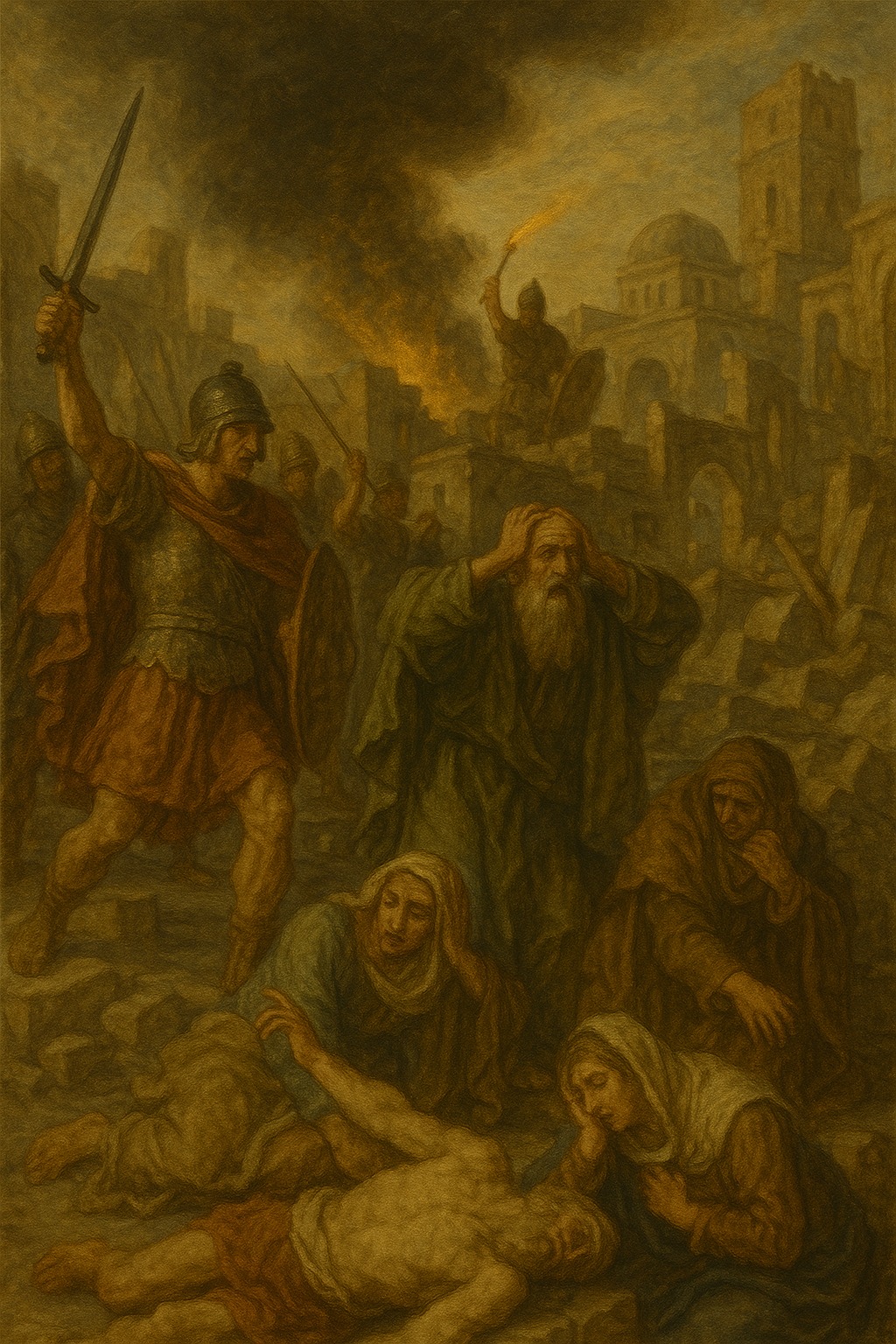
The united monarchy of Israel fractured after Solomon’s reign, resulting in the northern kingdom of Israel and the southern kingdom of Judah. This division led to idolatry, prophetic warnings, exile, and spiritual decline. Despite unfaithfulness, God promised restoration through prophets, ultimately fulfilled in Christ, the hope for eternal unity and covenant.
-
Assyria – Prophecy, Judgment, and Messianic Hope
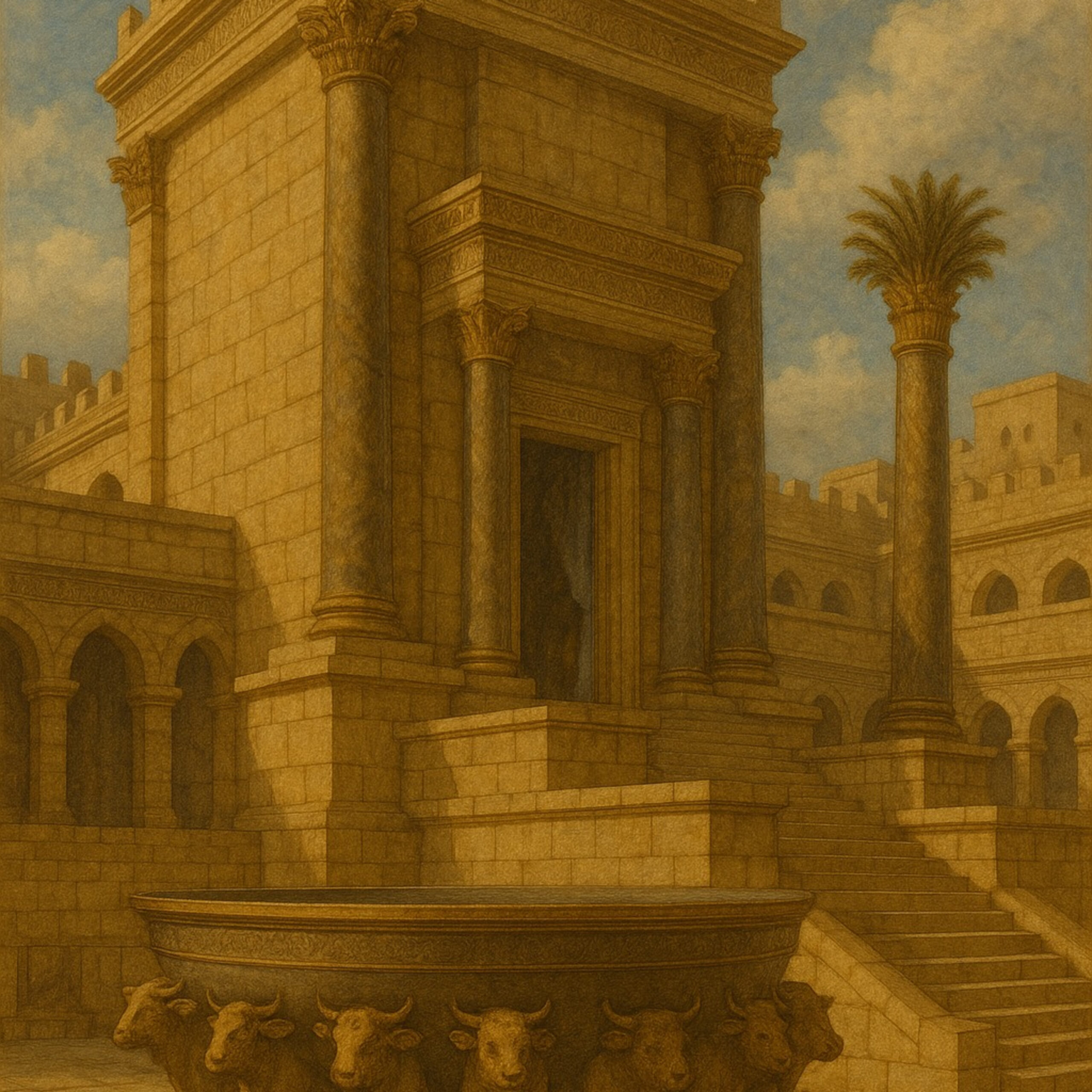
Assyria was one of the most powerful empires of the ancient Near East, dominating the region from the ninth to the seventh centuries BC. The Bible records Assyria’s rise, its role in disciplining Israel, its arrogance, and its eventual downfall. Beyond history, the prophets also use Assyria symbolically and eschatologically, connecting its story to God’s…
-
Be Overcomers – Daily Spiritual Victory

The term overcomer is a powerful biblical concept, rooted in the Greek word nikaō: to conquer, prevail, or gain victory. In the Christian life, being an overcomer is not about earning salvation, for salvation is already secured through faith in Jesus Christ. Rather, it is about faithfully living out that salvation in obedience, endurance, and…


