
Topical Studies
-
Daniel’s Seventy Weeks and Messianic Fulfillment
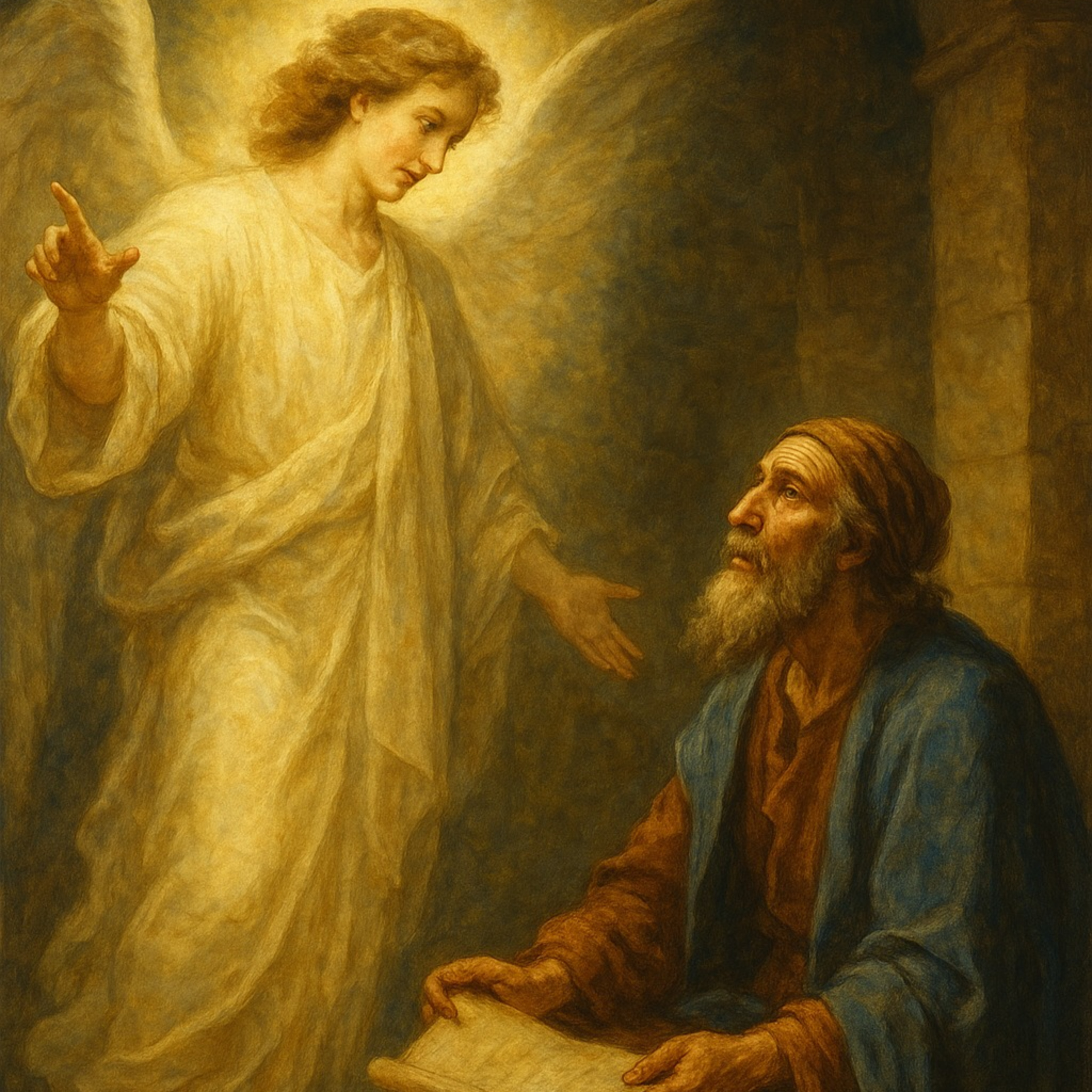
Among the most remarkable prophecies in Scripture is the vision of the Seventy Weeks in Daniel 9:24–27. Delivered to Daniel by the angel Gabriel, this prophecy outlines a precise timetable for God’s redemptive plan, culminating in the coming of the Messiah and the ultimate triumph of God’s kingdom. Scholars and believers alike regard it as…
-
Revelation’s Final Visions and Old Testament Echoes

The Book of Revelation, the final book of the Bible, is rich in imagery and language drawn from the Old Testament. From Genesis to Malachi, echoes of earlier prophecies resound in John’s visions. Far from being a new or disconnected revelation, the Apocalypse weaves together centuries of prophecy into one climactic conclusion.
-
The Day of the Lord in the Minor Prophets
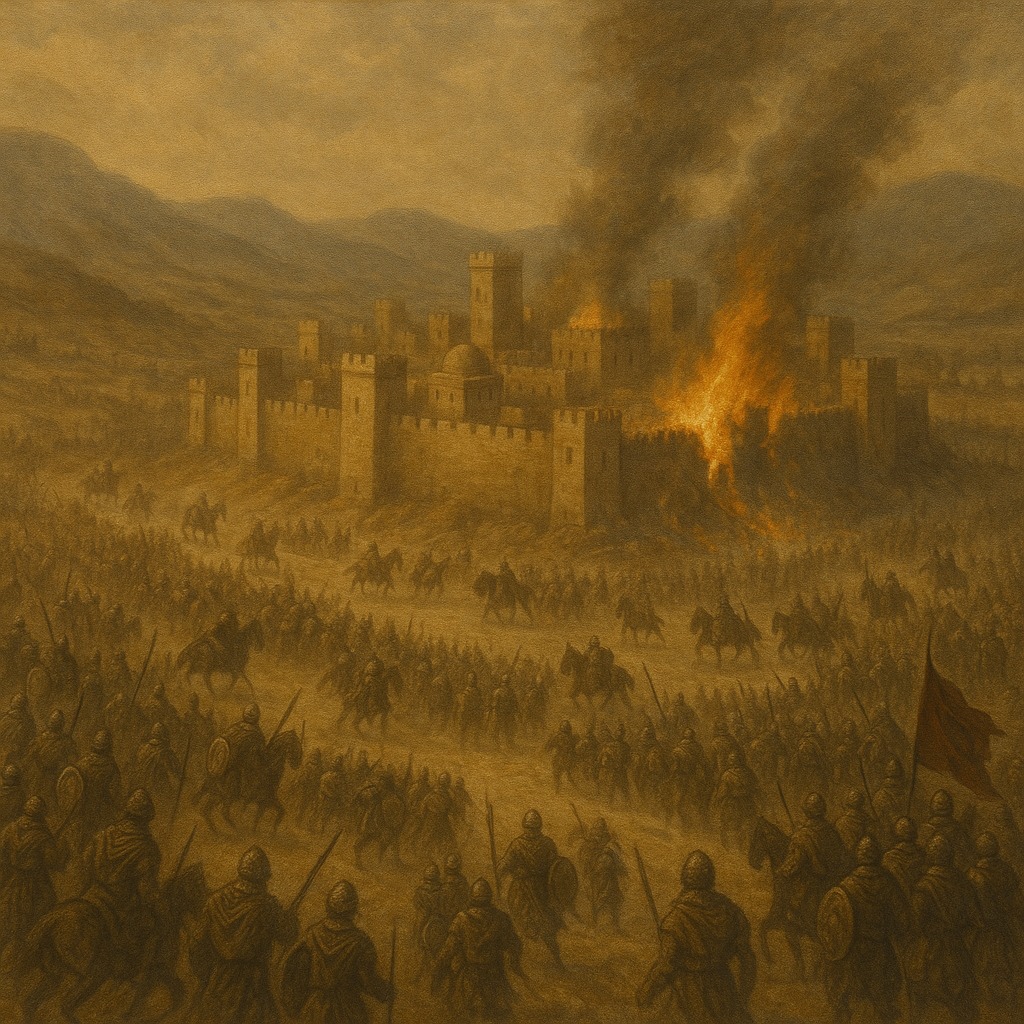
The phrase “the Day of the LORD” is one of the most sobering and recurring themes in the prophetic writings. While it appears throughout the Old Testament, it is especially emphasized in the Minor Prophets, from Hosea to Malachi. These short yet powerful books frequently announce a day of divine intervention, marked by both judgment…
-
Daniel’s Seventy Weeks and Messianic Fulfillment
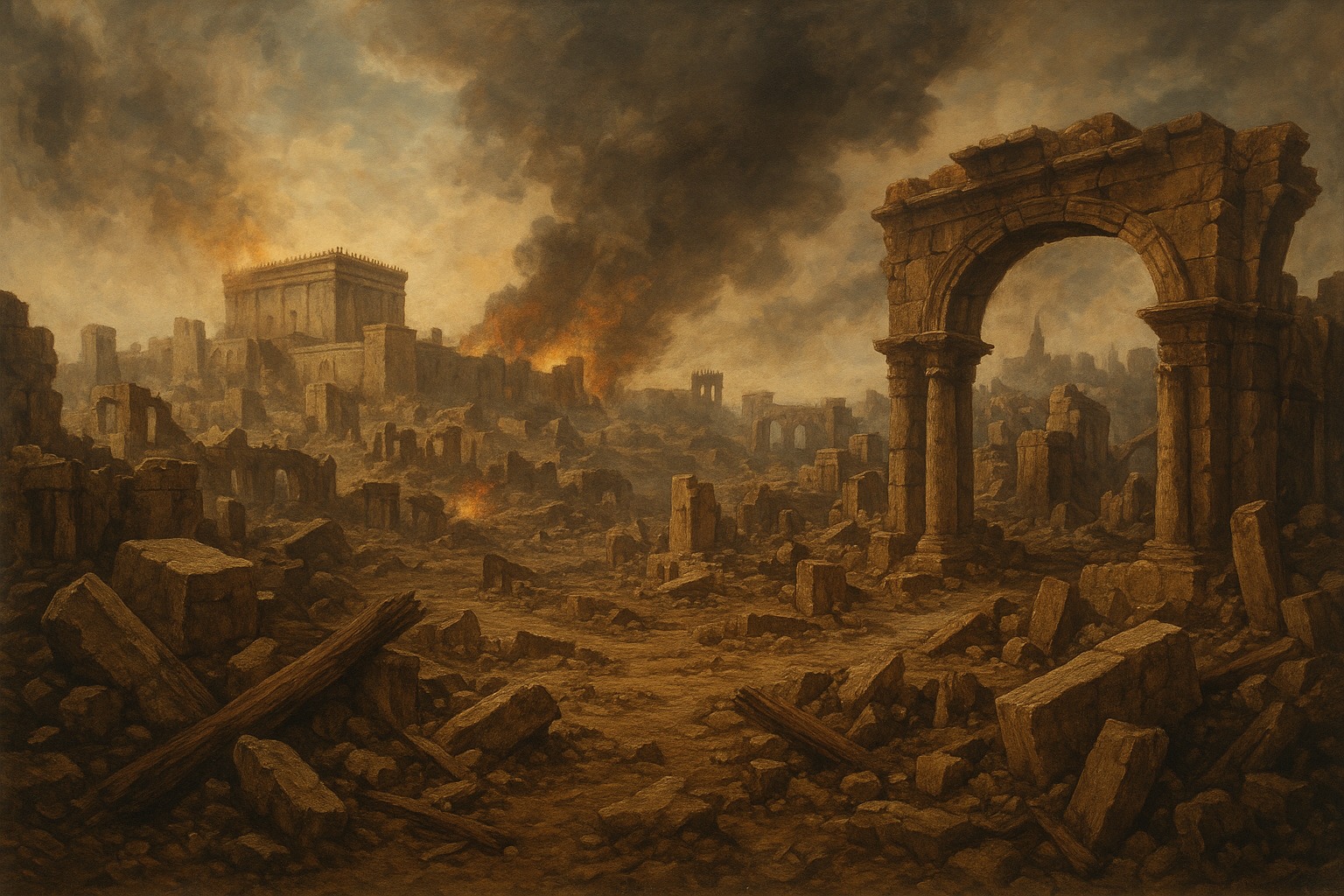
Among the most remarkable prophecies in Scripture is the vision of the Seventy Weeks in Daniel 9:24–27. Delivered to Daniel by the angel Gabriel, this prophecy outlines a precise timetable for God’s redemptive plan, culminating in the coming of the Messiah and the ultimate triumph of God’s kingdom. Scholars and believers alike regard it as…
-
Prophecies of the Messiah in Isaiah
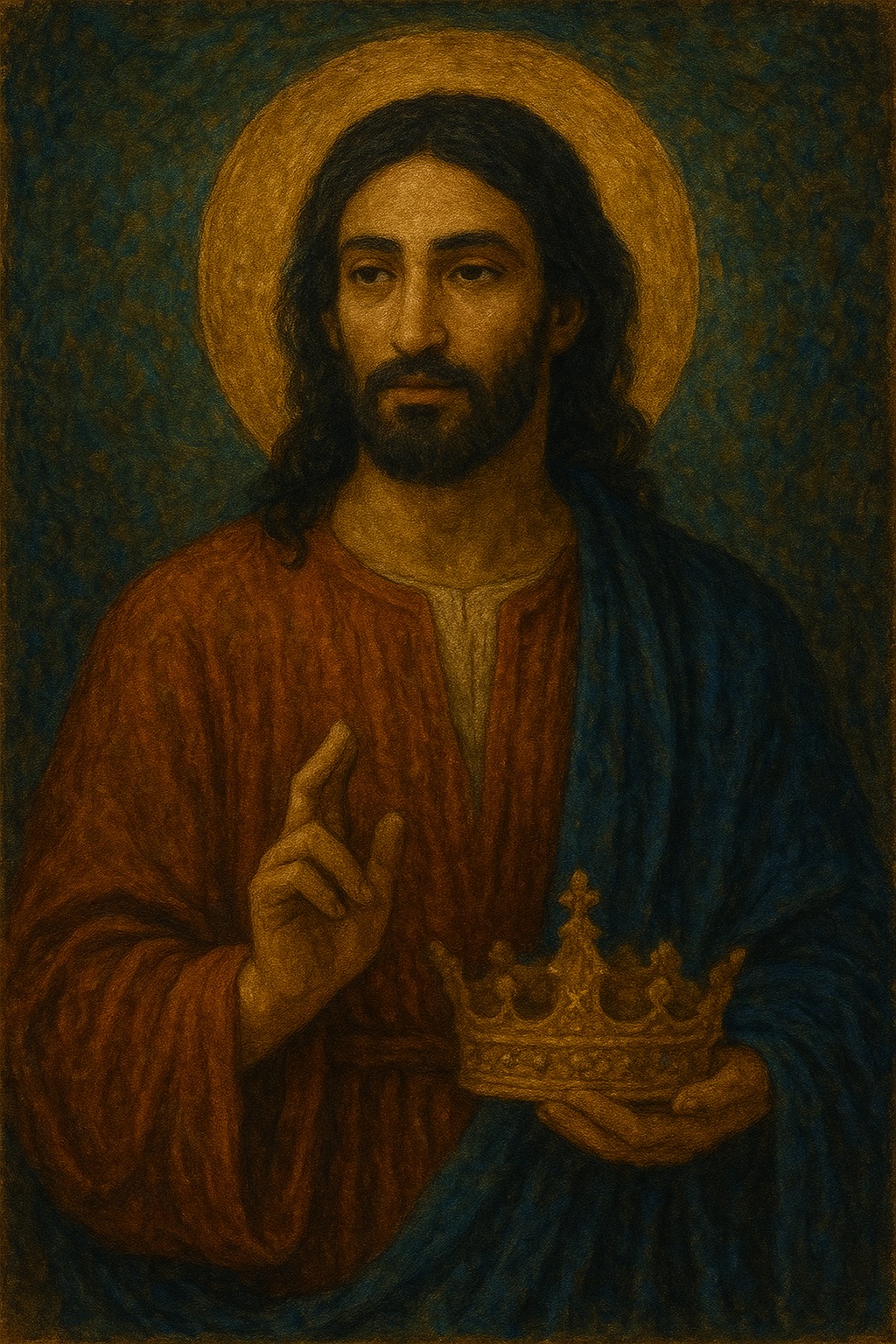
The book of Isaiah stands as one of the most profound prophetic works in the Old Testament. Written over seven centuries before the birth of Christ, it contains some of the clearest and most detailed prophecies about the coming Messiah. Isaiah is often called “the fifth Gospel” because of its rich Messianic themes, ranging from…
-
Prophecy as Evidence of Scripture’s Reliability

The Bible’s reliability is supported by fulfilled prophecies regarding nations, Israel, and the Messiah, demonstrating divine origin and specific predictions. Historical events confirm prophecies, such as Israel’s restoration in 1948 and the specifics of Christ’s life. Prophecy strengthens believers’ faith, assuring them of God’s sovereignty and the truth of Scripture.
-
Samuel’s Unique Role as Judge, Prophet, and Priest
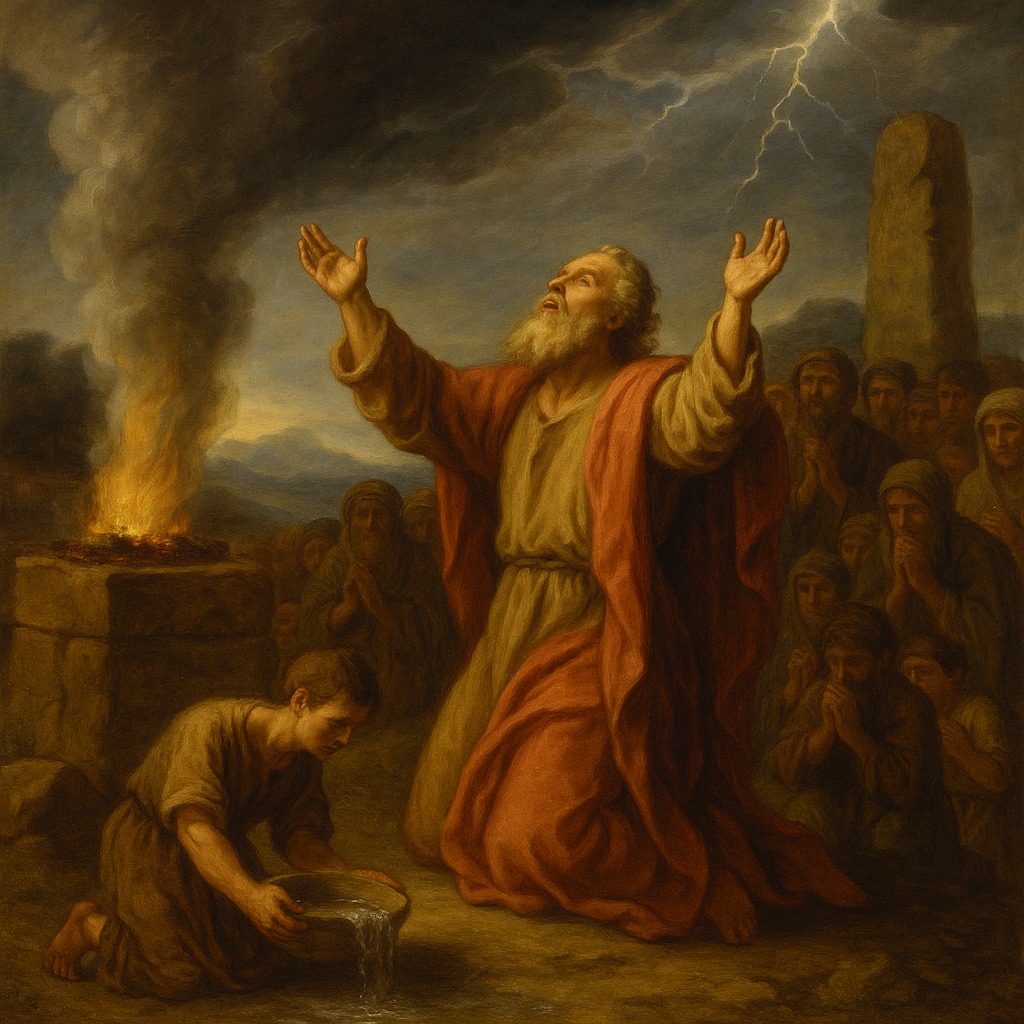
Among Israel’s great leaders, Samuel stands uniquely as judge, prophet, and priest. At a time when the nation was transitioning from the era of judges to the monarchy, Samuel guided Israel with spiritual authority, judicial leadership, and priestly intercession. He anointed kings, rebuked sin, and interceded for the people, bridging the period from tribal confederacy…
-
The Millennium Reign of Christ
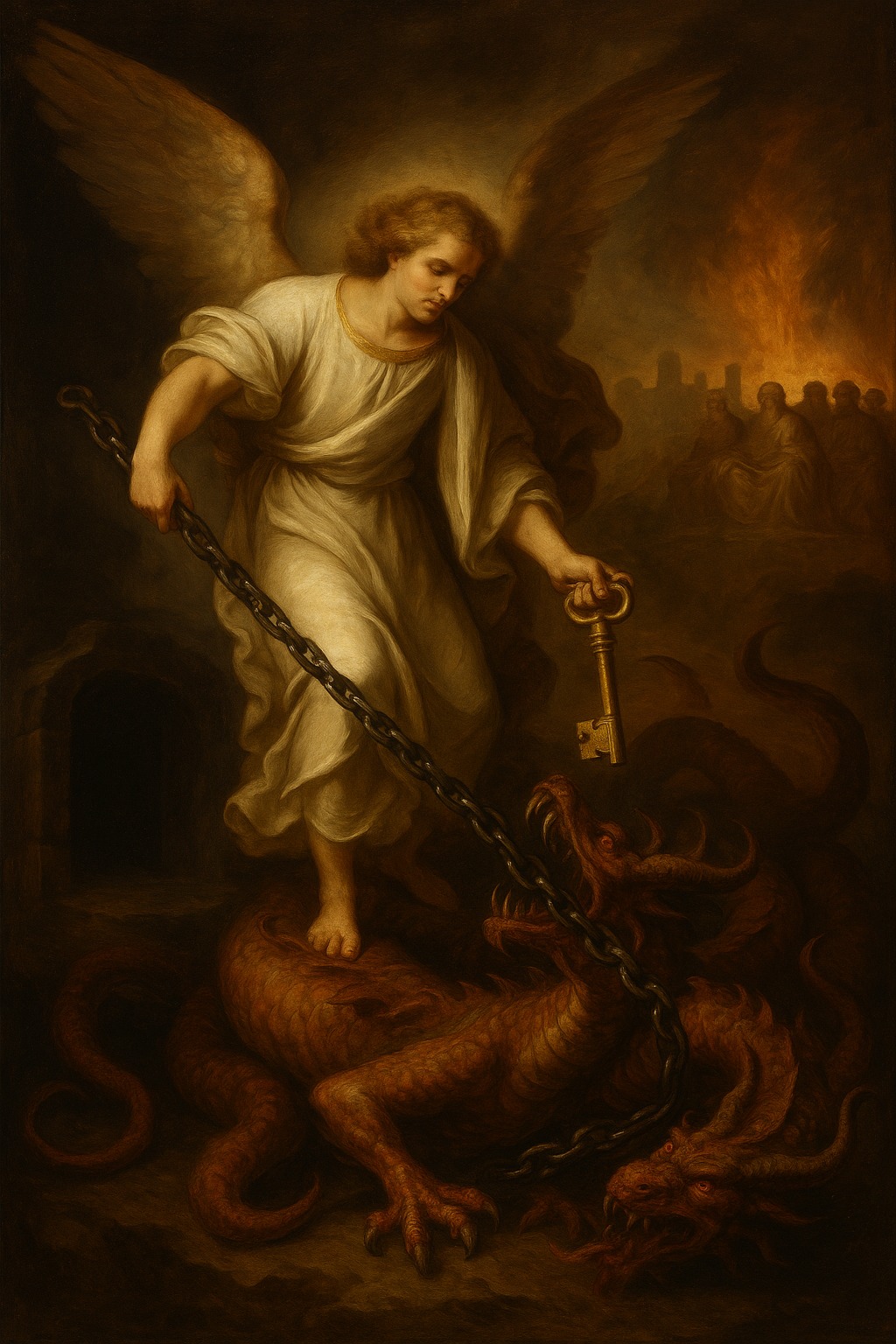
Few prophecies are as hopeful and contested as the thousand-year reign of Christ, known as the Millennium. Revelation 20 describes this period when Satan is bound, Christ reigns on earth, and His saints rule with Him. Some interpret the Millennium symbolically, while others see it as a literal reign still to come. By tracing Old…
-
Gaza in History and Prophecy
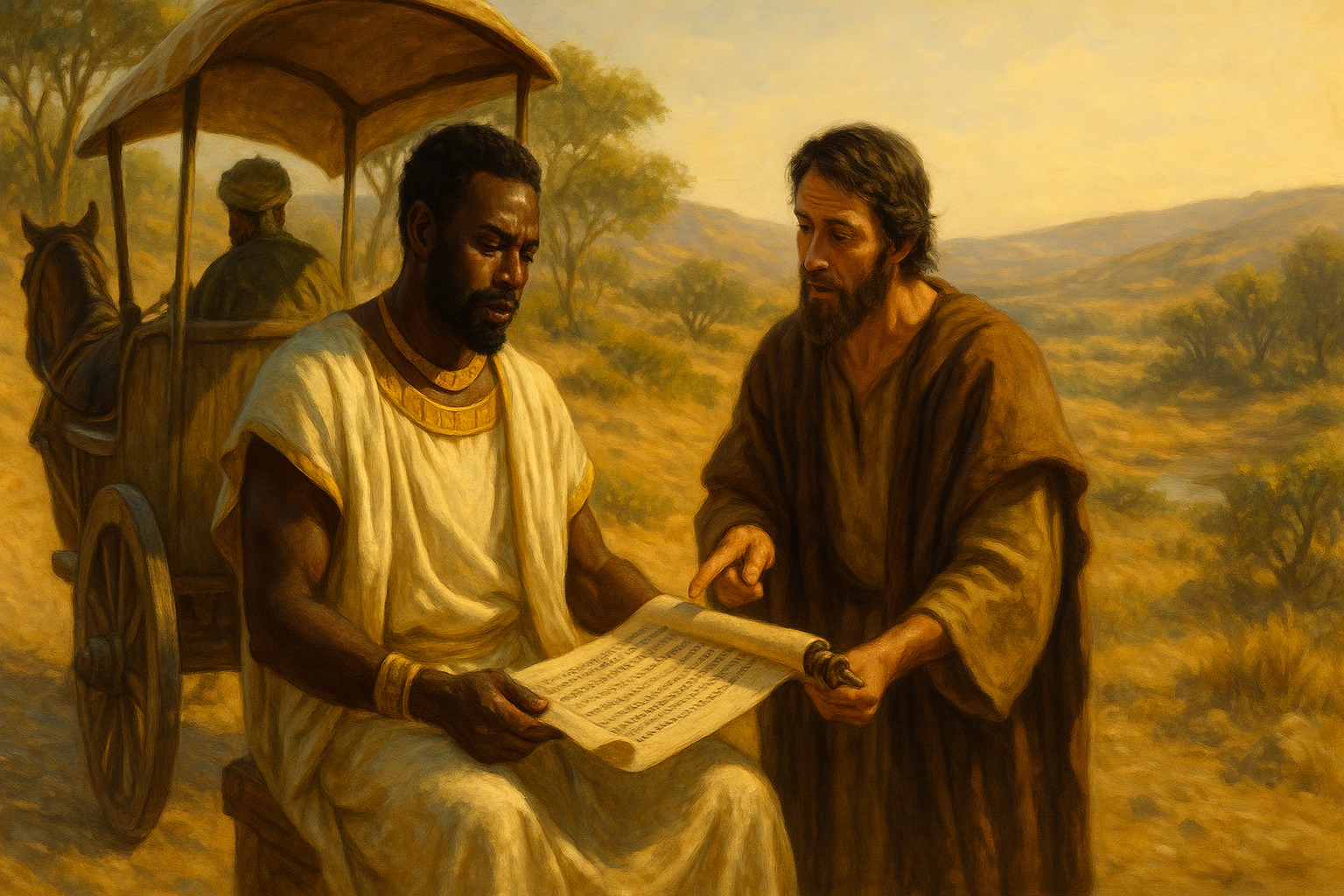
The region of Gaza has long stood at the crossroads of history. Located on the Mediterranean coast between Egypt and Israel, Gaza was part of the Philistine pentapolis, as mentioned in the Old Testament. Its territory frequently clashed with Israel’s inheritance, and its cities became symbols of opposition to God’s people. The prophets pronounced judgments…
-
Assyria in Prophecy: Biblical References and Modern Connections
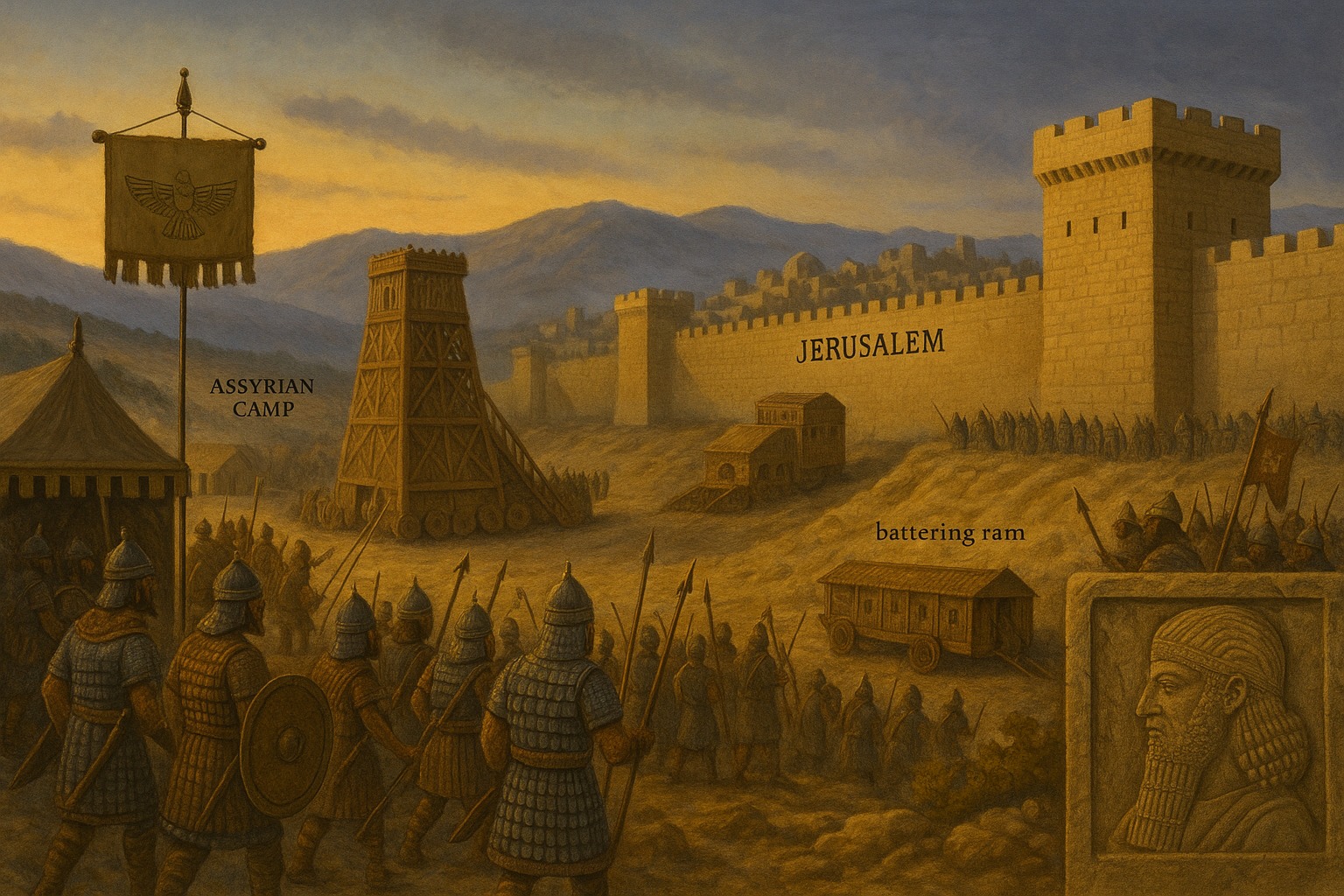
Assyria was one of the most powerful empires of the ancient Near East, dominating from the ninth to the seventh centuries BC. The Bible records Assyria’s rise, its role in disciplining Israel, its arrogance, and its eventual downfall. Beyond history, the prophets also use Assyria symbolically and eschatologically, connecting its story to God’s broader purposes…


