
Topical Studies
-
David – The Flawed King and Eternal Covenant
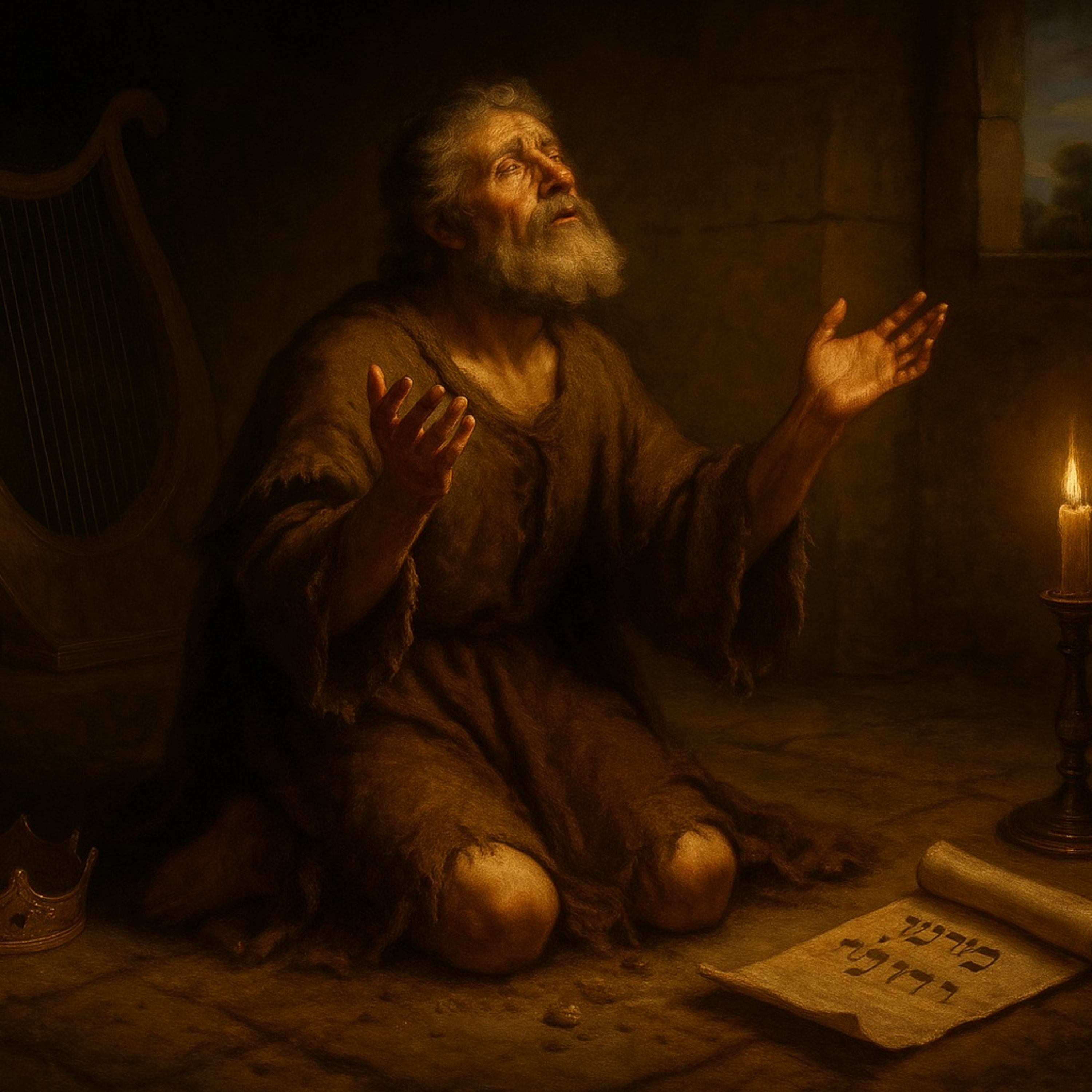
Among all the figures in the Old Testament, David stands out uniquely as both a warrior and a worshiper, a shepherd and a king. He was the man after God’s own heart (1 Samuel 13:14), chosen not for his appearance or status but for the sincerity of his devotion.
-
The Fall of Jericho: Archaeological Layers and the Sound of Faith
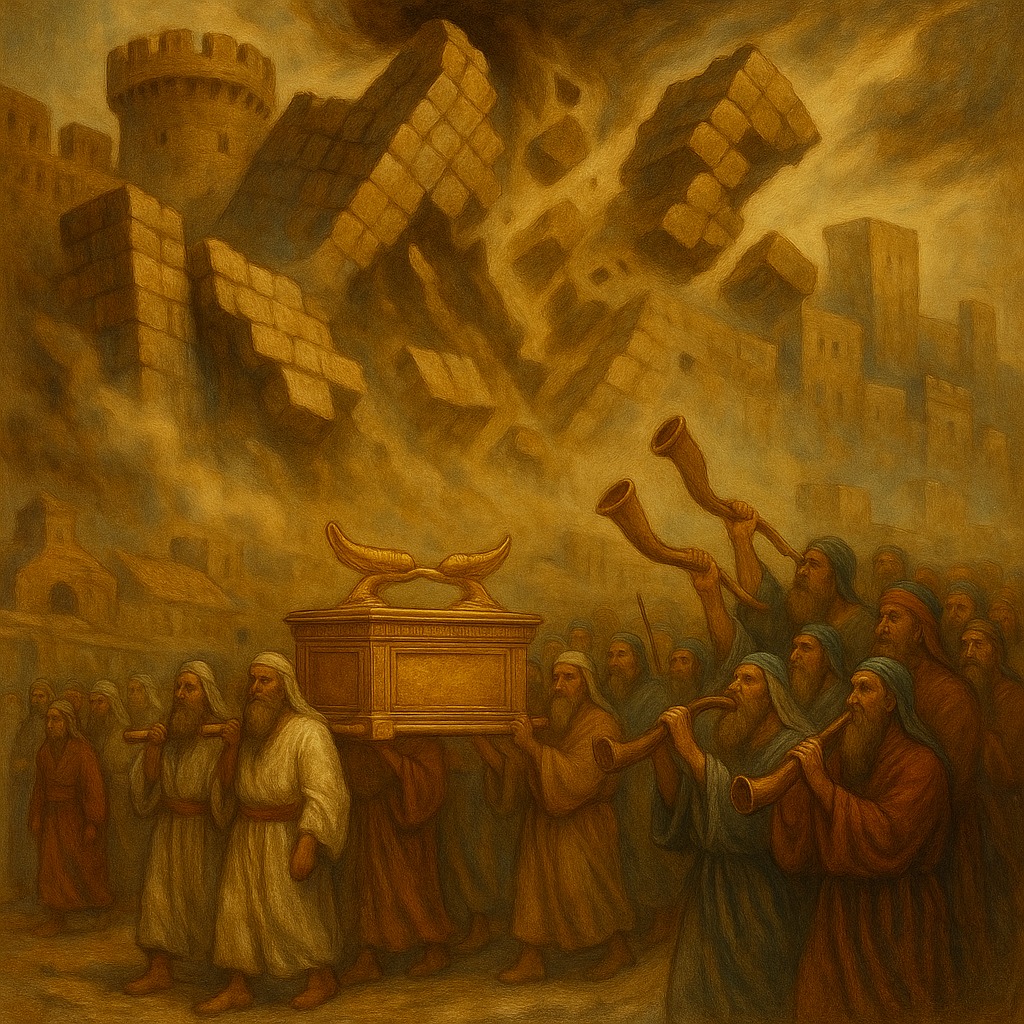
The fall of Jericho remains one of the most dramatic and symbolically charged events in the biblical record. The scene of ancient walls collapsing before the faith-filled obedience of God’s people captures the essence of divine power working through human trust. For centuries, archaeologists and theologians alike have sought to understand how the fortified city…
-
The Final Roadmap – Unpacking the Dual Phases of Christ’s Return
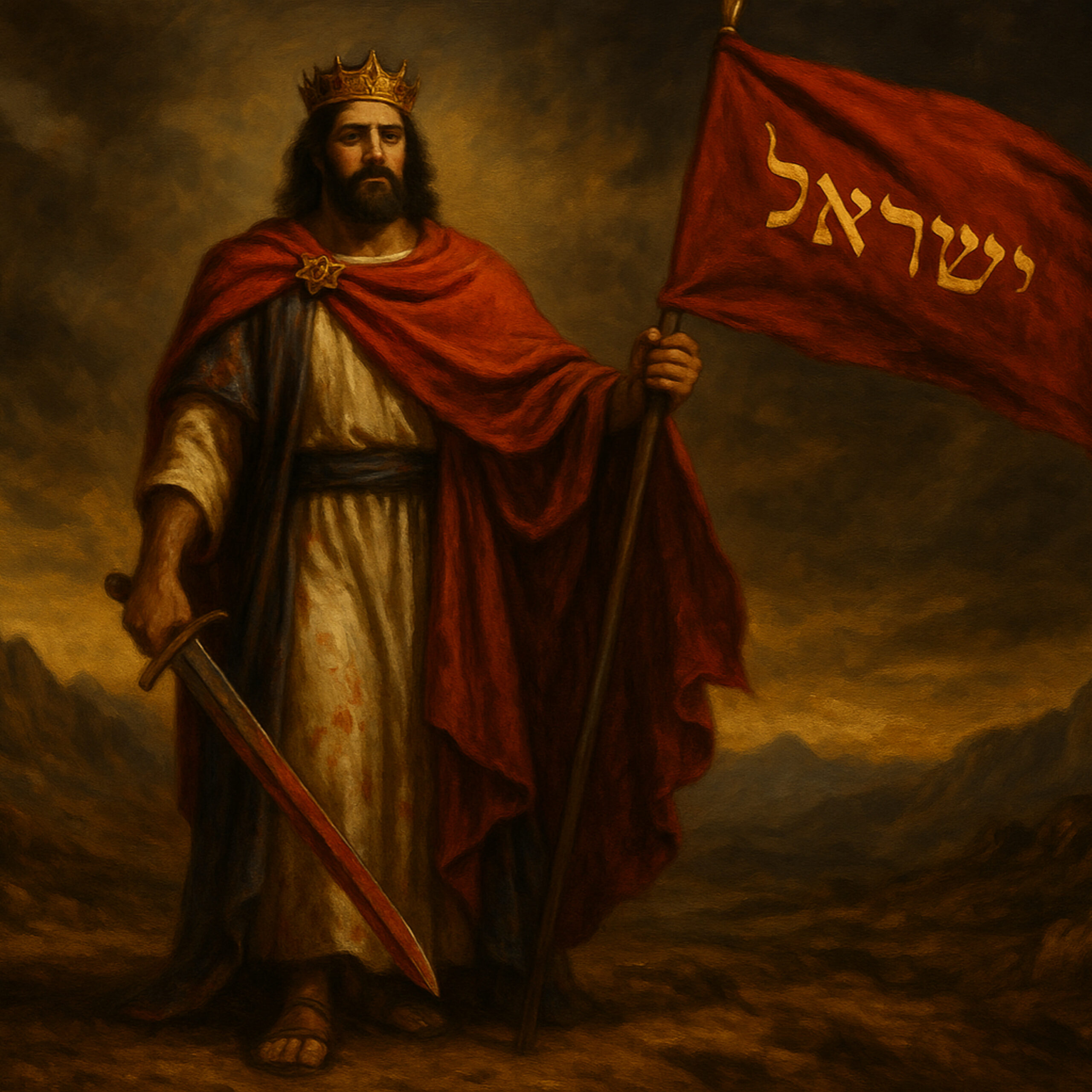
The return of Jesus Christ stands as the blessed hope of all believers and the climax of God’s redemptive plan. From Genesis to Revelation, Scripture points toward this moment when the King of kings will return to establish righteousness, defeat evil, and renew creation. The Second Coming is not merely an event in prophecy; it…
-
The Historical Reliability of the Exodus and Mount Sinai
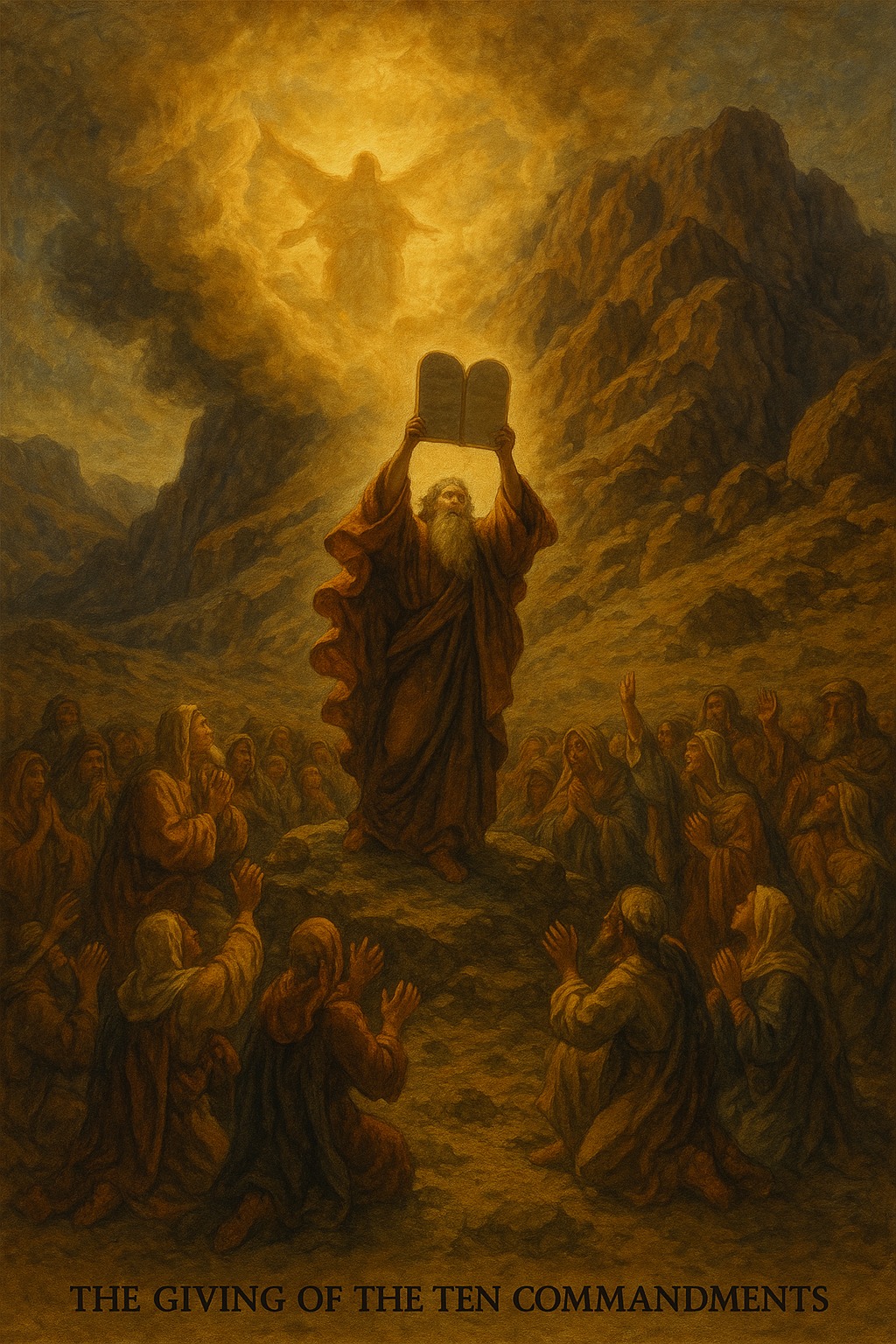
The Exodus stands at the heart of Israel’s national and spiritual identity. It is the story of God’s mighty deliverance, how He brought His people out of bondage in Egypt with a strong hand and an outstretched arm. Yet, modern critics have often dismissed the Exodus as a legend or theological symbolism rather than a…
-
Archaeological Proofs of the Patriarchs and the Early Nation of Israel

The historical reality of the patriarchs, Abraham, Isaac, and Jacob, as well as the early formation of Israel, has long been debated by scholars. Yet over the past century, archaeology has continually illuminated the truth of the biblical record, revealing that the stories of Genesis and Exodus rest not on myth but on authentic history.
-
Idolatry, Scorpions, and Scapegoats – Israel’s Divided Kingdom
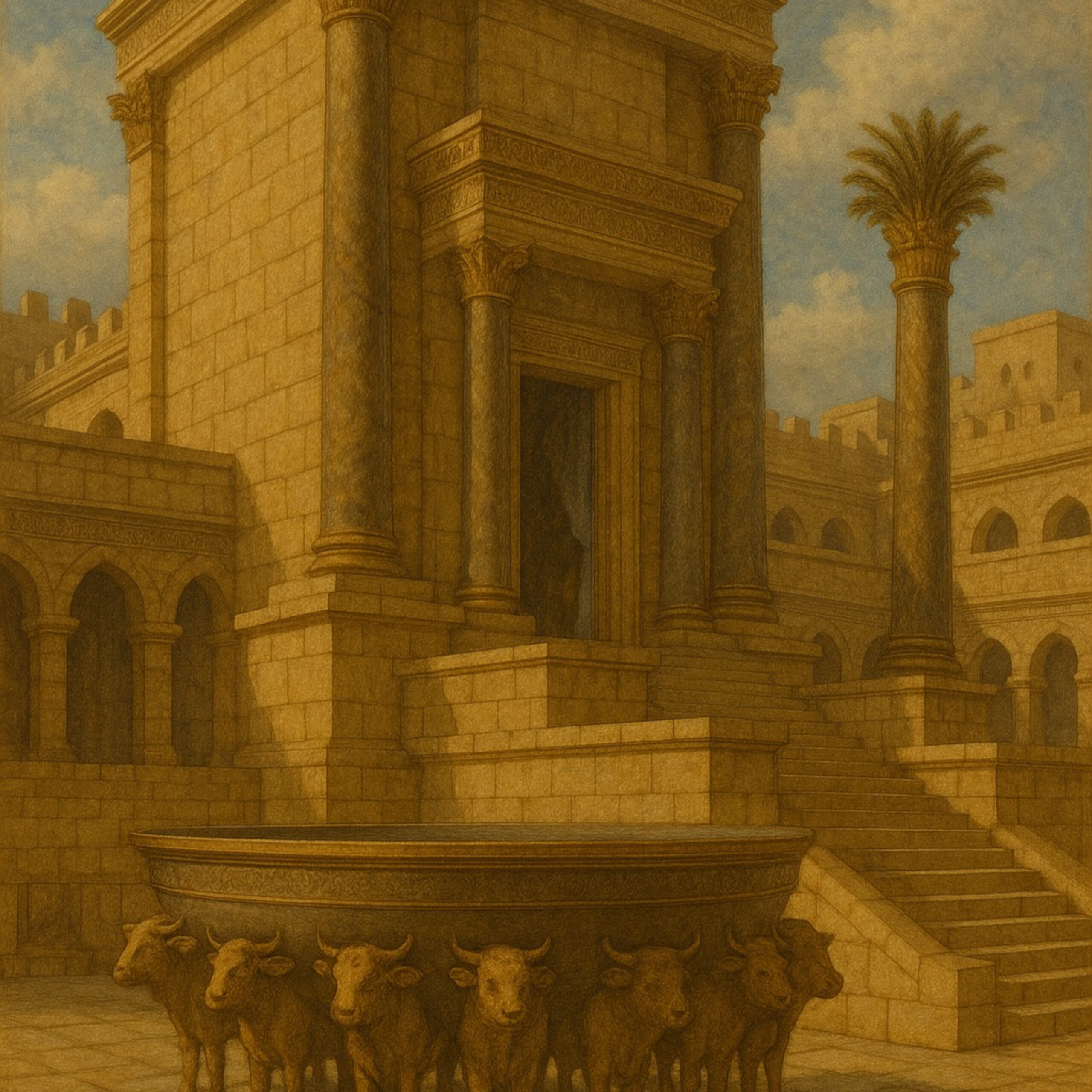
The United Monarchy of Israel reached its high point under David and Solomon. Yet the seeds of division were sown during Solomon’s later years, when idolatry and heavy taxation weakened the kingdom. After his death, the nation split into two: the northern kingdom of Israel and the southern kingdom of Judah. This division ushered in…
-
David — The Shepherd King and Covenant Promise
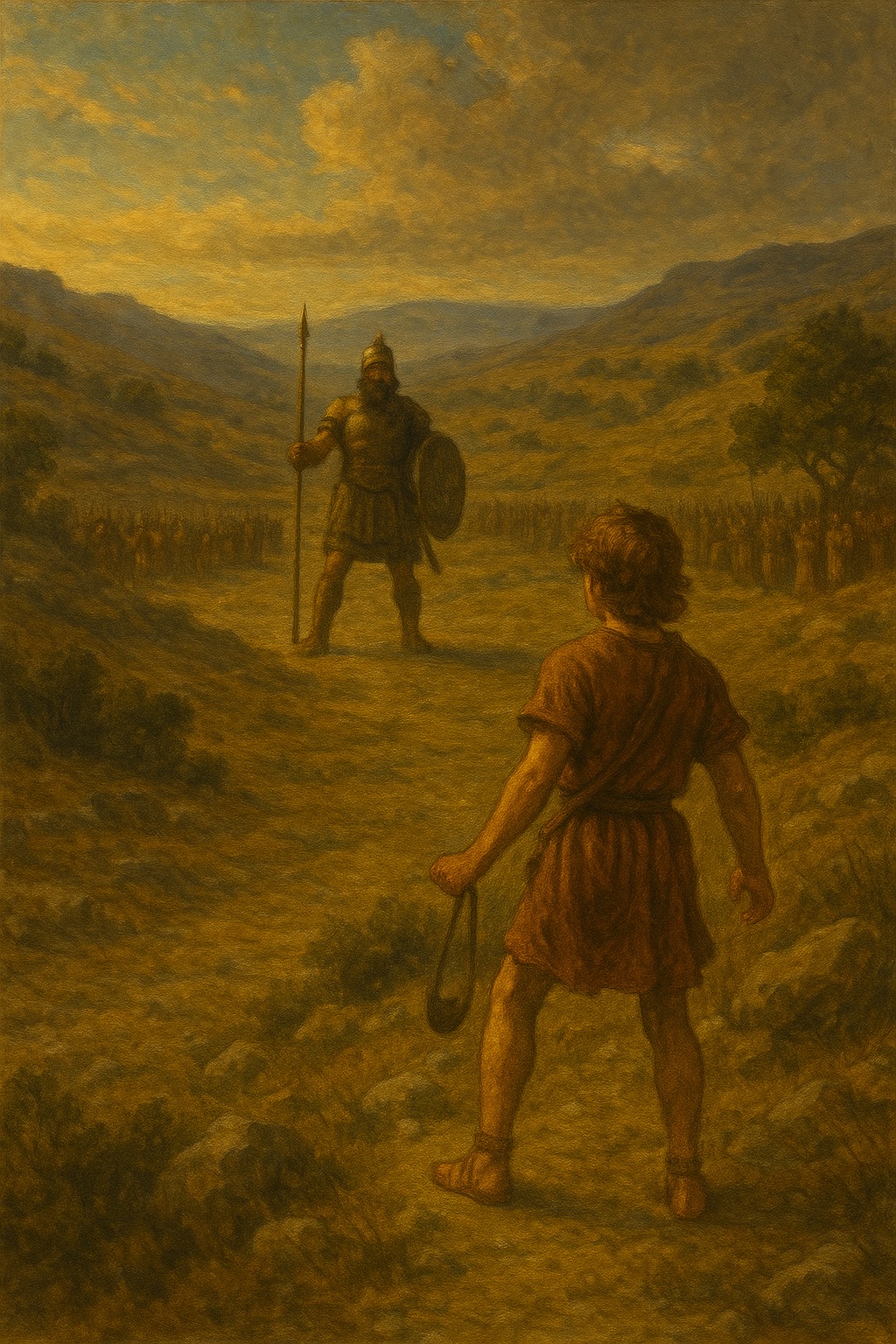
Among all the figures in the Old Testament, David stands uniquely as both warrior and worshiper, shepherd and king. He was the man after God’s own heart (1 Samuel 13:14), chosen not for his appearance or status but for the sincerity of his devotion. Through David, God established an everlasting covenant that pointed directly to…
-
Moses — The Deliverer and Lawgiver
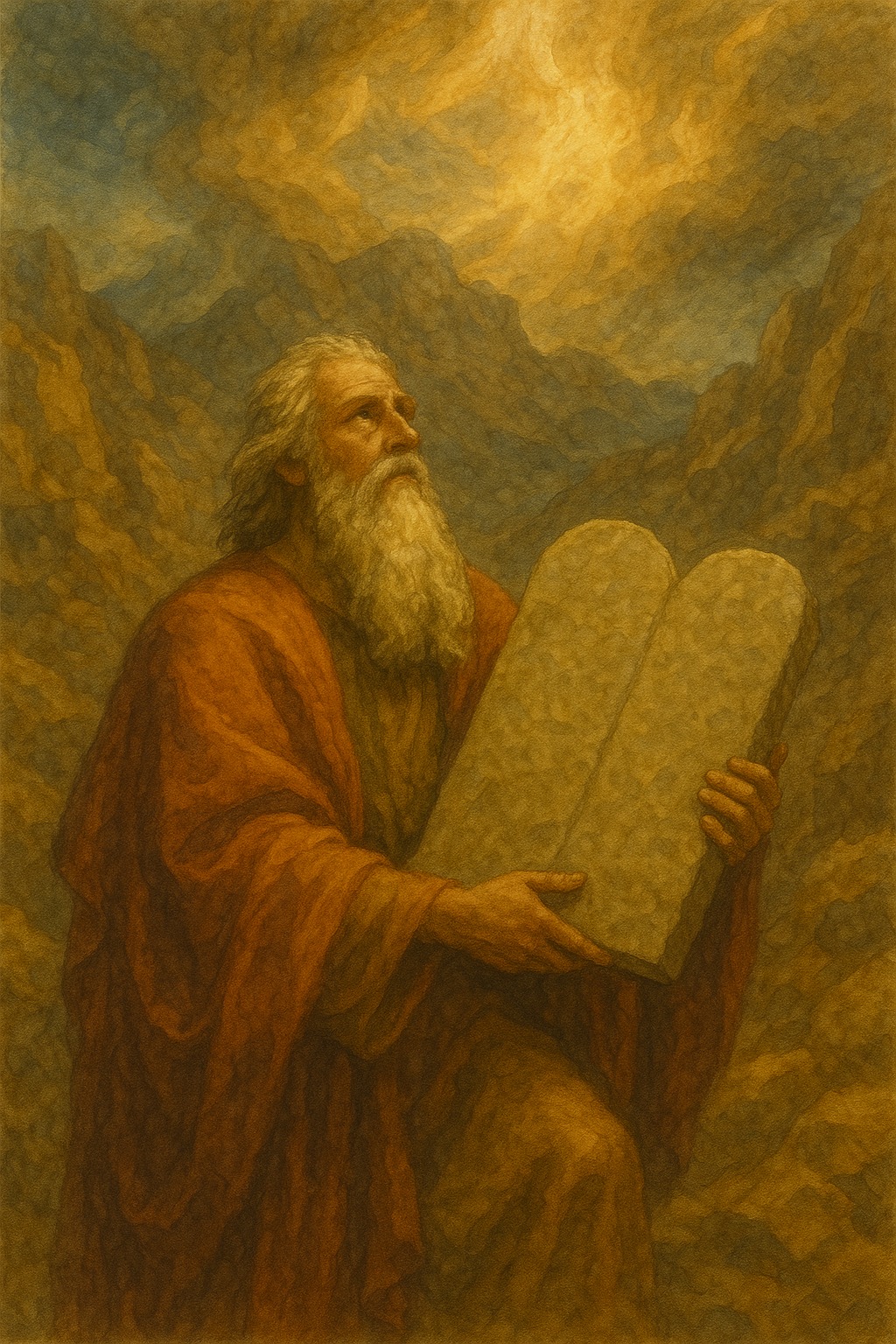
Moses stands as one of the most influential figures in all of Scripture, a man chosen by God to deliver His people from bondage, reveal His law, and mediate His covenant. His life bridges promise and fulfillment, slavery and freedom, law and grace. More than a leader or prophet, Moses prefigures Christ as the Redeemer…
-
Historical Proof of the Bible – Daniel’s Seventy Weeks and Messianic Fulfillment
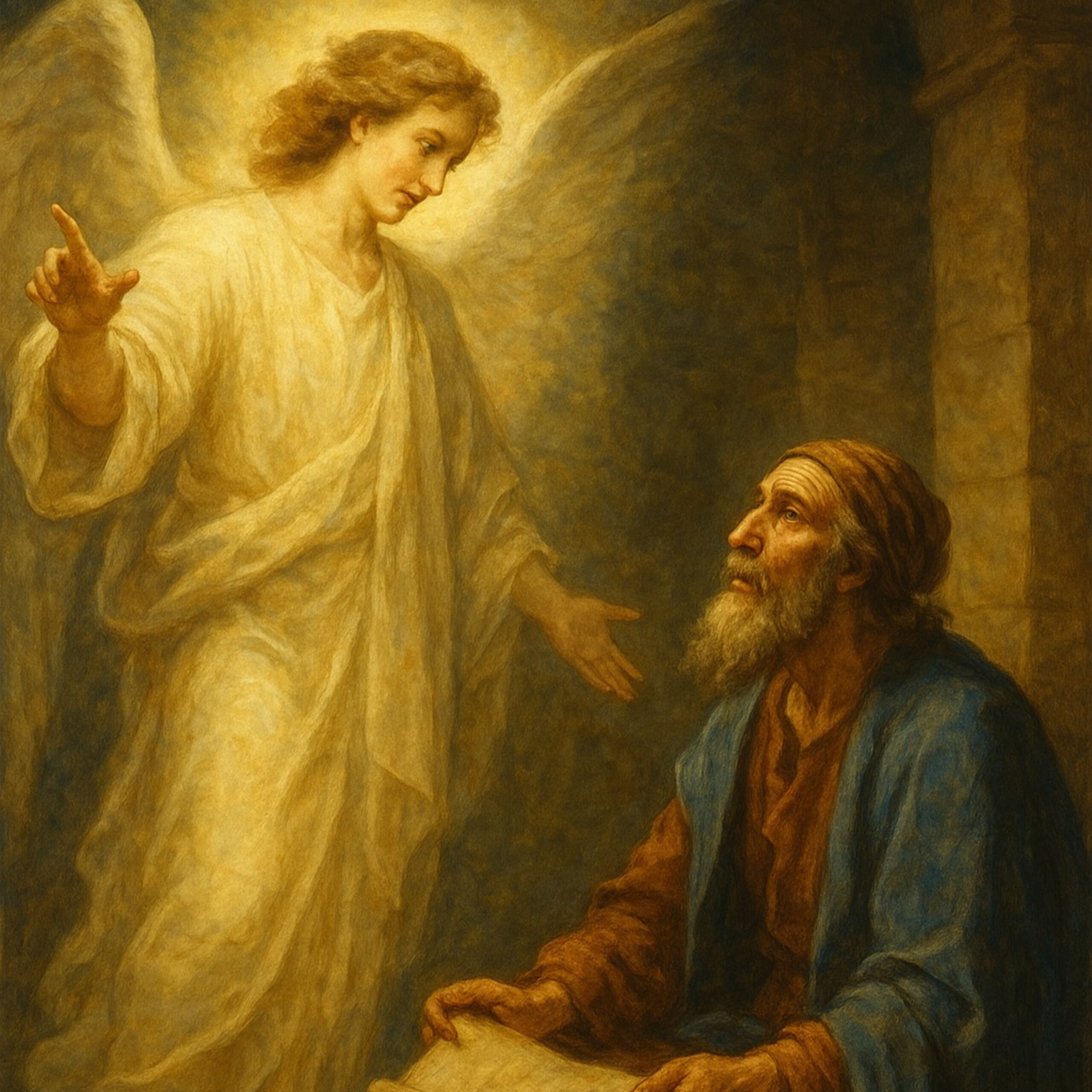
Among the most remarkable prophecies in Scripture is the vision of the Seventy Weeks in Daniel 9:24–27. Delivered to Daniel by the angel Gabriel, this prophecy outlines a precise timetable for God’s redemptive plan, culminating in the coming of the Messiah and the ultimate triumph of God’s kingdom. Scholars and believers alike regard it as…
-
The Armor of God — Prophecy, Power, and the Presence of the Lord
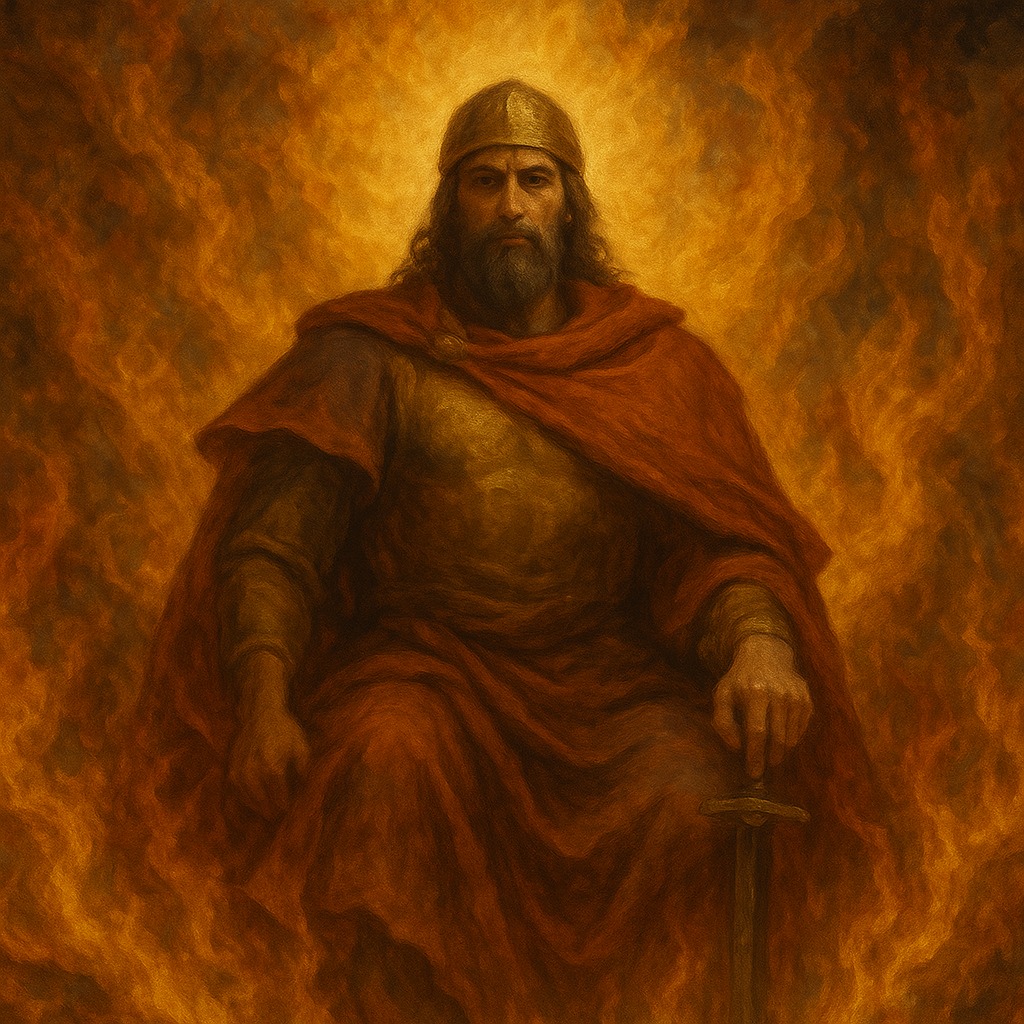
Paul’s depiction of the “armor of God” in Ephesians draws from prophetic traditions, portraying believers as soldiers equipped with divine strength for spiritual warfare. This armor signifies truth, righteousness, and salvation, reflecting Christ’s character. As believers stand firm in faith, they prepare for ultimate victory at Christ’s return, embodying His attributes.


