
Topical Studies
-
One Messiah, Two Advents – Suffering Servant and Reigning King
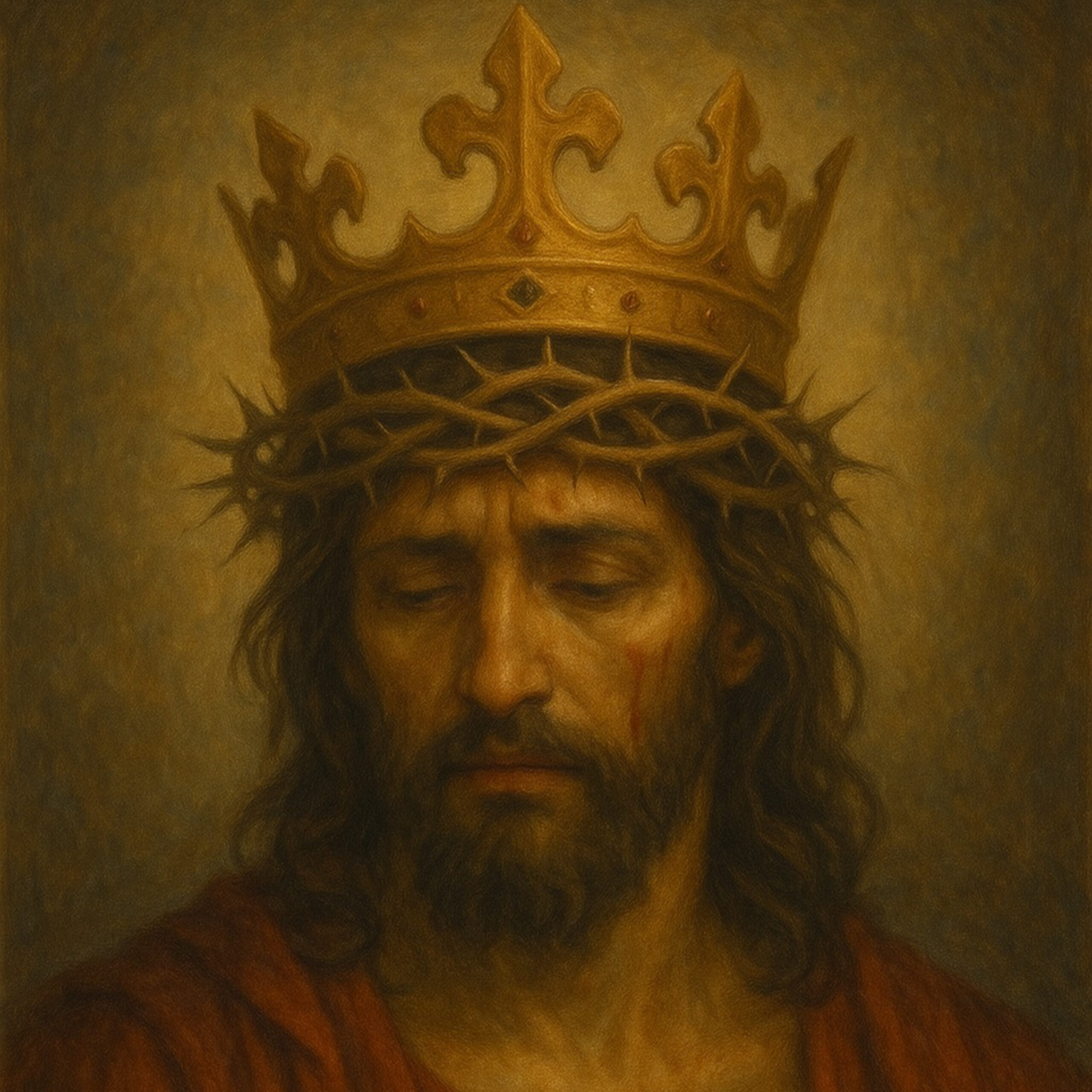
The Hebrew Scriptures present a Messiah who is both a suffering servant and a conquering king. This apparent tension, humiliation and glory, rejection and enthronement, led some Jewish interpreters to speak of two figures: Messiah ben Joseph (the suffering deliverer) and Messiah ben David (the reigning king). Scripture itself, however, reveals one Messiah who fulfills…
-
Israel’s Tribal Allotments and Modern Middle East Boundaries

The conquest and settlement of the land of Canaan by the Israelite tribes is one of the most pivotal moments in biblical history. The book of Joshua records the initial victories and the allotment of territory, while Judges 1–2 reveals that not all Canaanite groups were driven out. These tribal divisions not only shaped Israel’s…
-
The Rise of the Monarchy in Israel
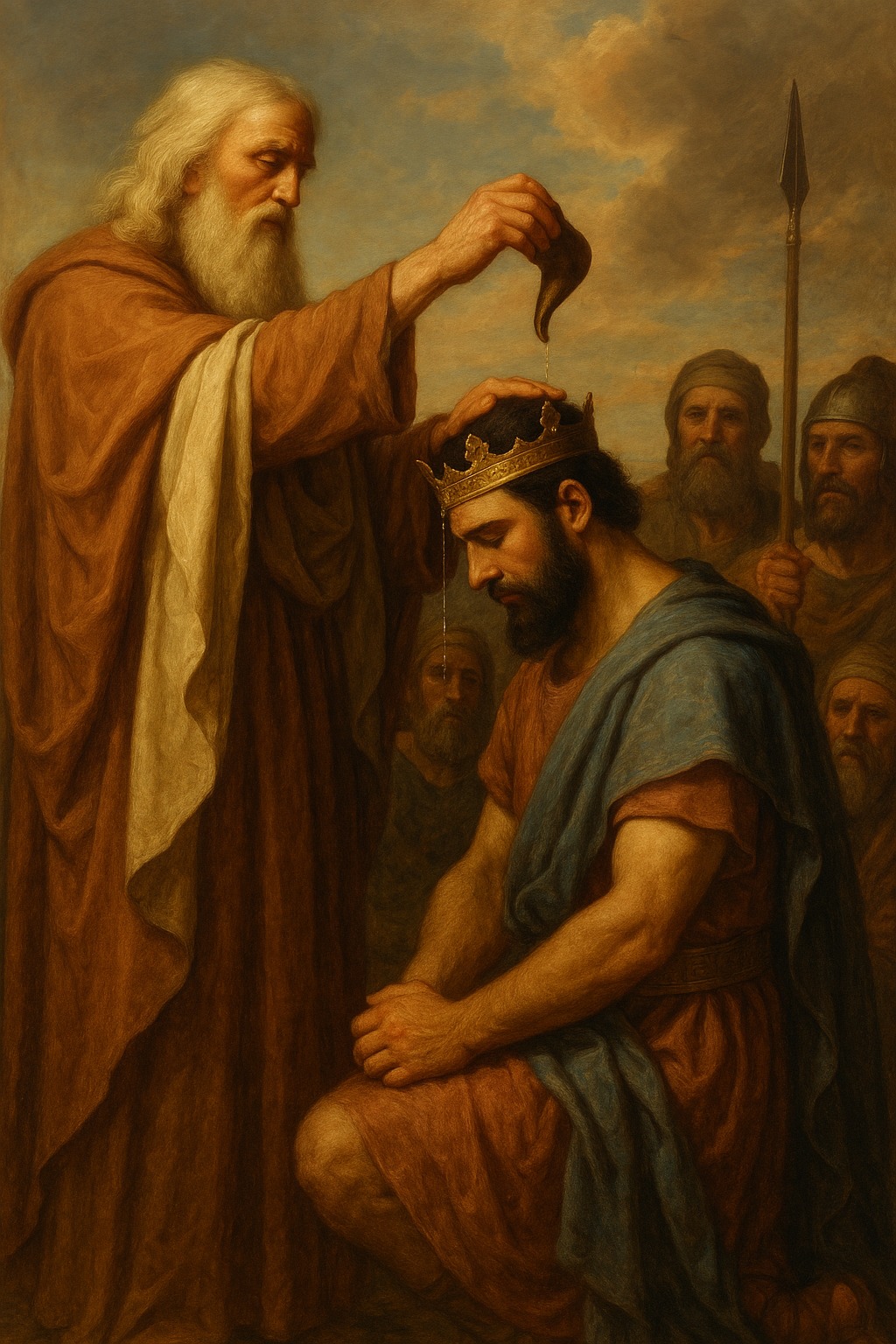
The rise of the monarchy in Israel marked a pivotal moment in biblical history, transitioning from judges to kings, beginning with Saul, followed by David and Solomon. This evolution reflects Israel’s spiritual struggles and God’s enduring covenant. Ultimately, it highlights the importance of obedience and the foreshadowing of Christ, Israel’s true King.
-
Samuel – Prophet, Priest, and Judge
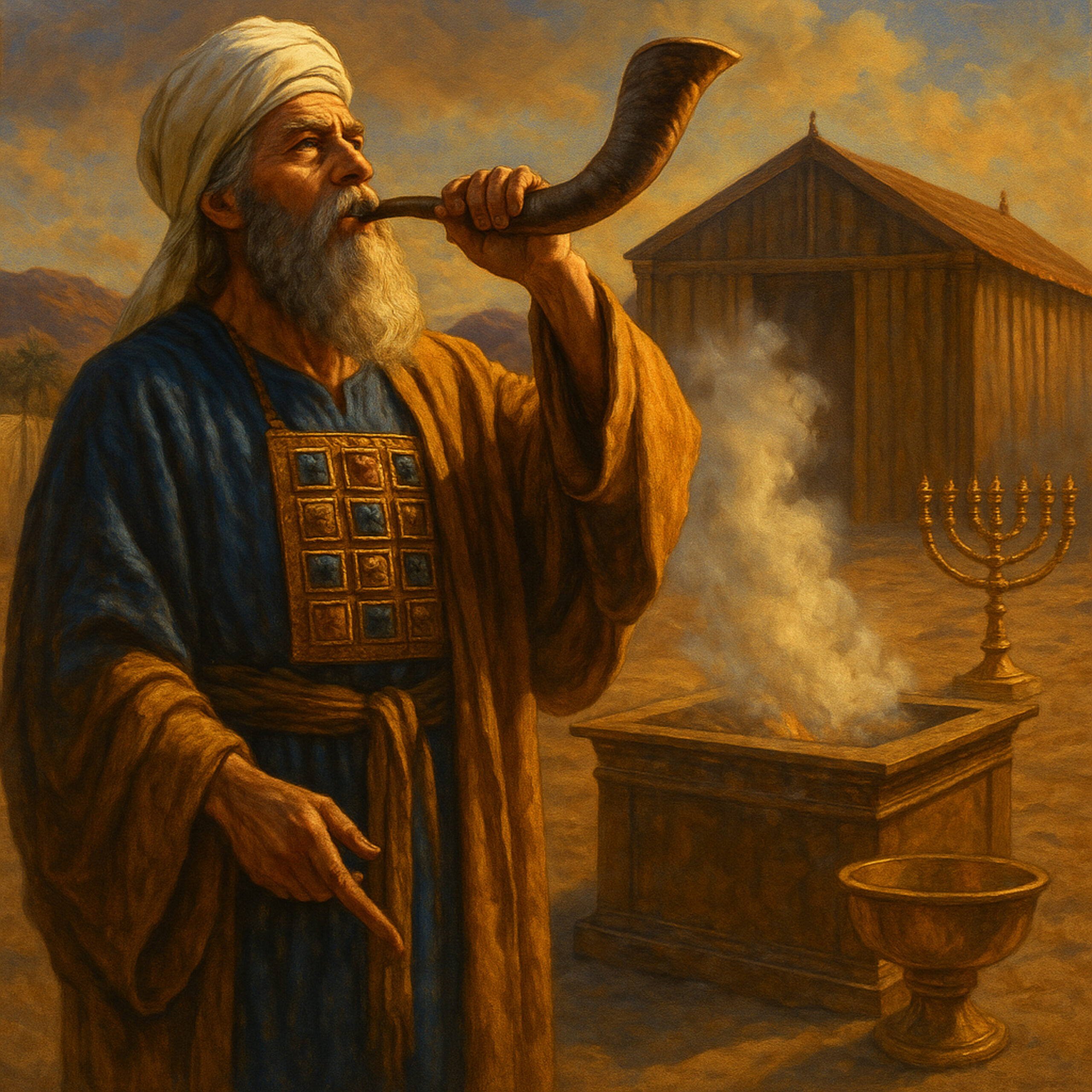
Among Israel’s great leaders, Samuel stands uniquely as judge, prophet, and priest. At a time when the nation was transitioning from the era of judges to the monarchy, Samuel guided Israel with spiritual authority, judicial leadership, and priestly intercession. He anointed kings, rebuked sin, and interceded for the people, bridging the period from tribal confederacy…
-
Leaders During Isaiah 3 – When God Judges Through Failed Leadership
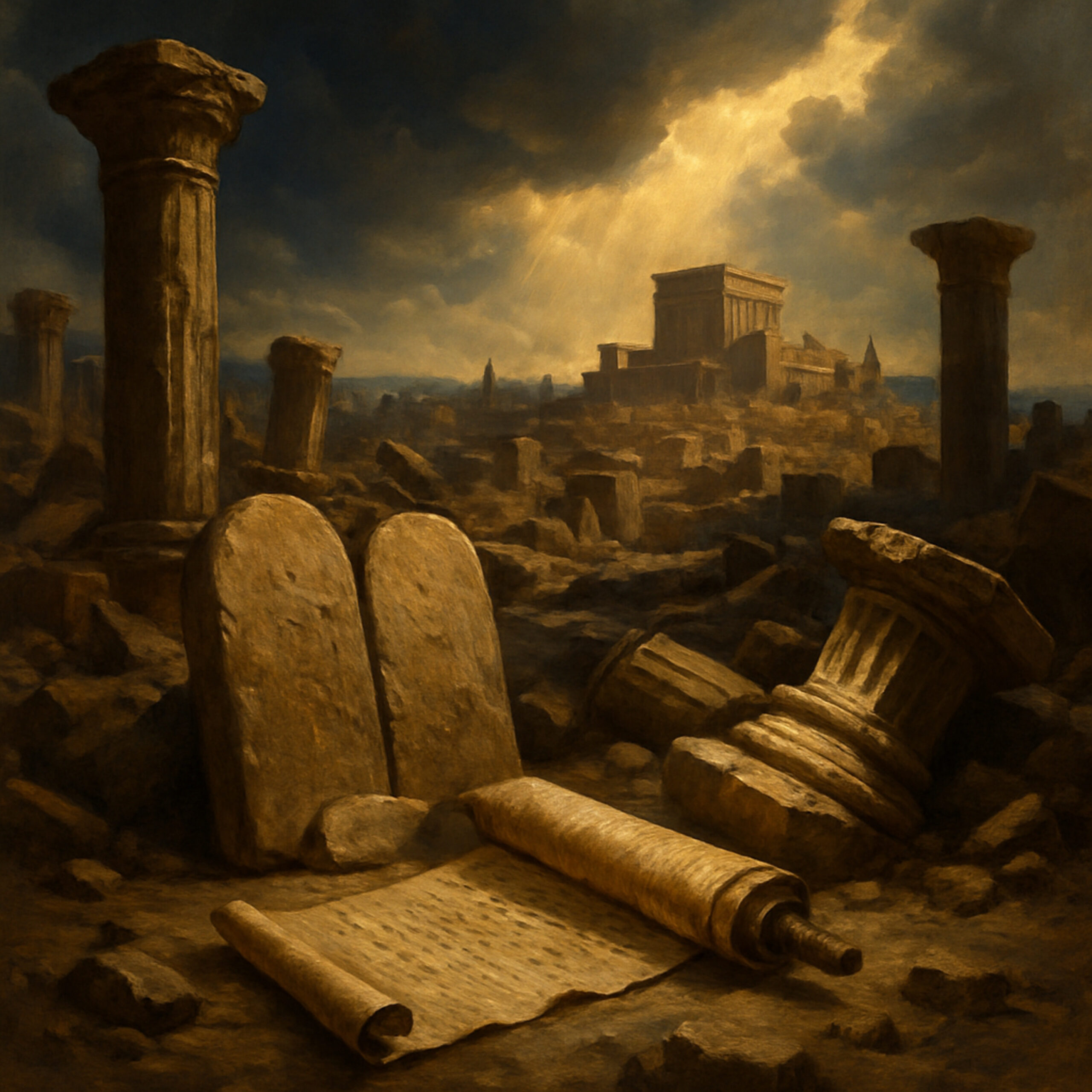
Isaiah 3 provides a sobering picture of leadership collapse in Judah. God declares that He will remove the nation’s strong leaders and replace them with immature, unqualified rulers. This passage reveals how corrupt leadership is both a judgment from God and a sign of societal decline. By studying Isaiah 3 in its historical and prophetic…
-
Flood Geology and the Debate Over Noah’s Flood

The account of Noah’s flood in Genesis depicts a global deluge, challenging interpretations from both faith and modern geology. While traditional views see it as a literal event, geology often regards it as myth or local. The narrative emphasizes God’s judgment, mercy, and the promise of salvation, reinforcing theological significance amidst scientific debate.
-
Samuel’s Unique Role as Judge, Prophet, and Priest
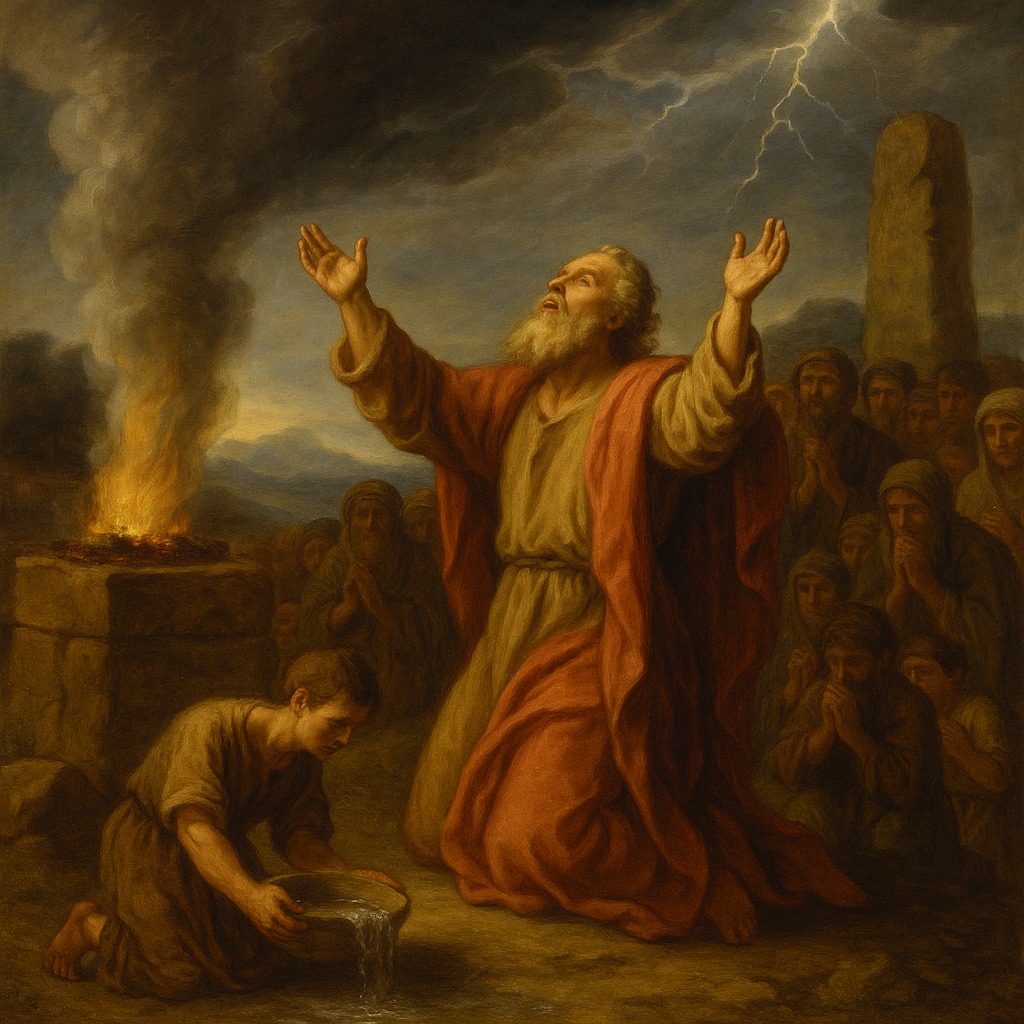
Among Israel’s great leaders, Samuel stands uniquely as judge, prophet, and priest. At a time when the nation was transitioning from the era of judges to the monarchy, Samuel guided Israel with spiritual authority, judicial leadership, and priestly intercession. He anointed kings, rebuked sin, and interceded for the people, bridging the period from tribal confederacy…
-
The Genealogy from Noah to Abraham
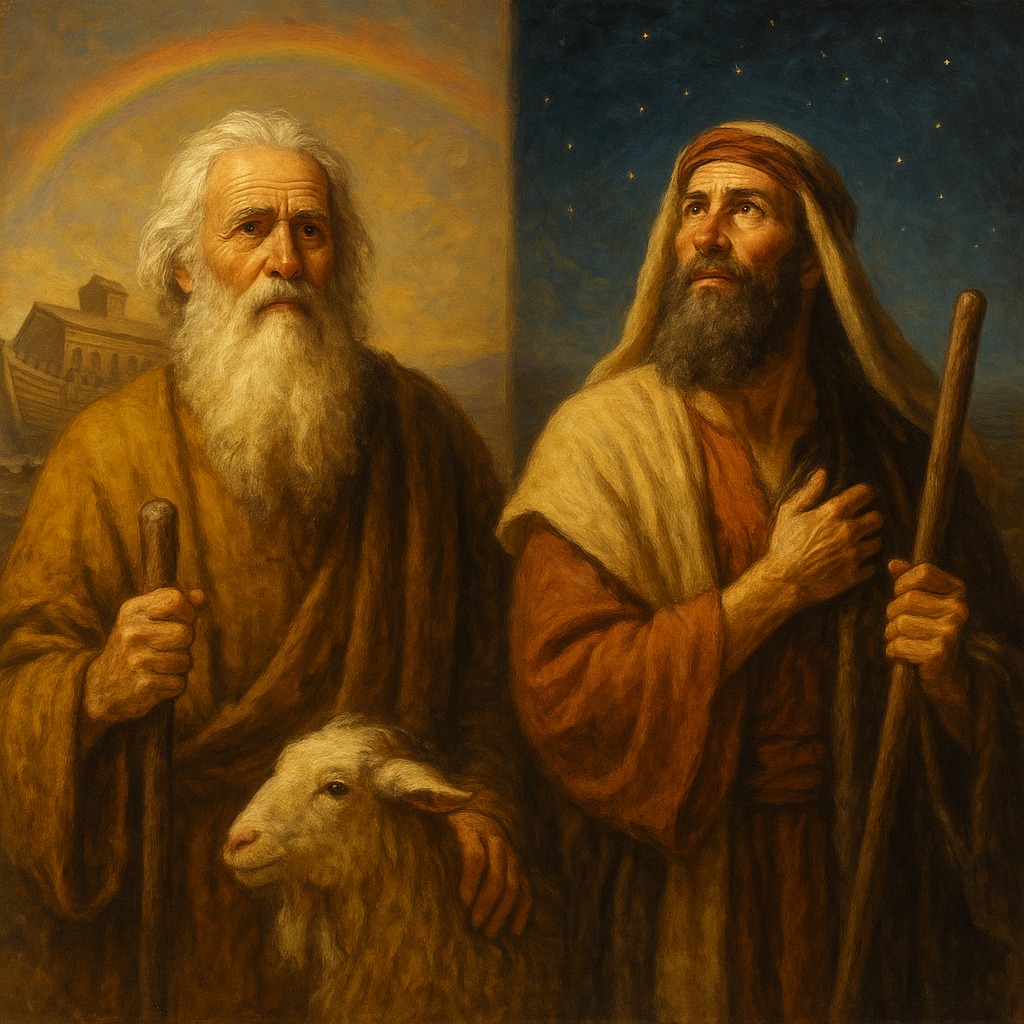
The genealogies of Scripture often appear as long lists of names, yet they serve profound theological and historical purposes. The genealogy from Noah to Abraham in Genesis 10–11 traces God’s covenant promises from the flood to the calling of Abraham, father of Israel. These names reveal God’s preservation of humanity, His judgment of nations, and…
-
Assyria in Prophecy: Biblical References and Modern Connections
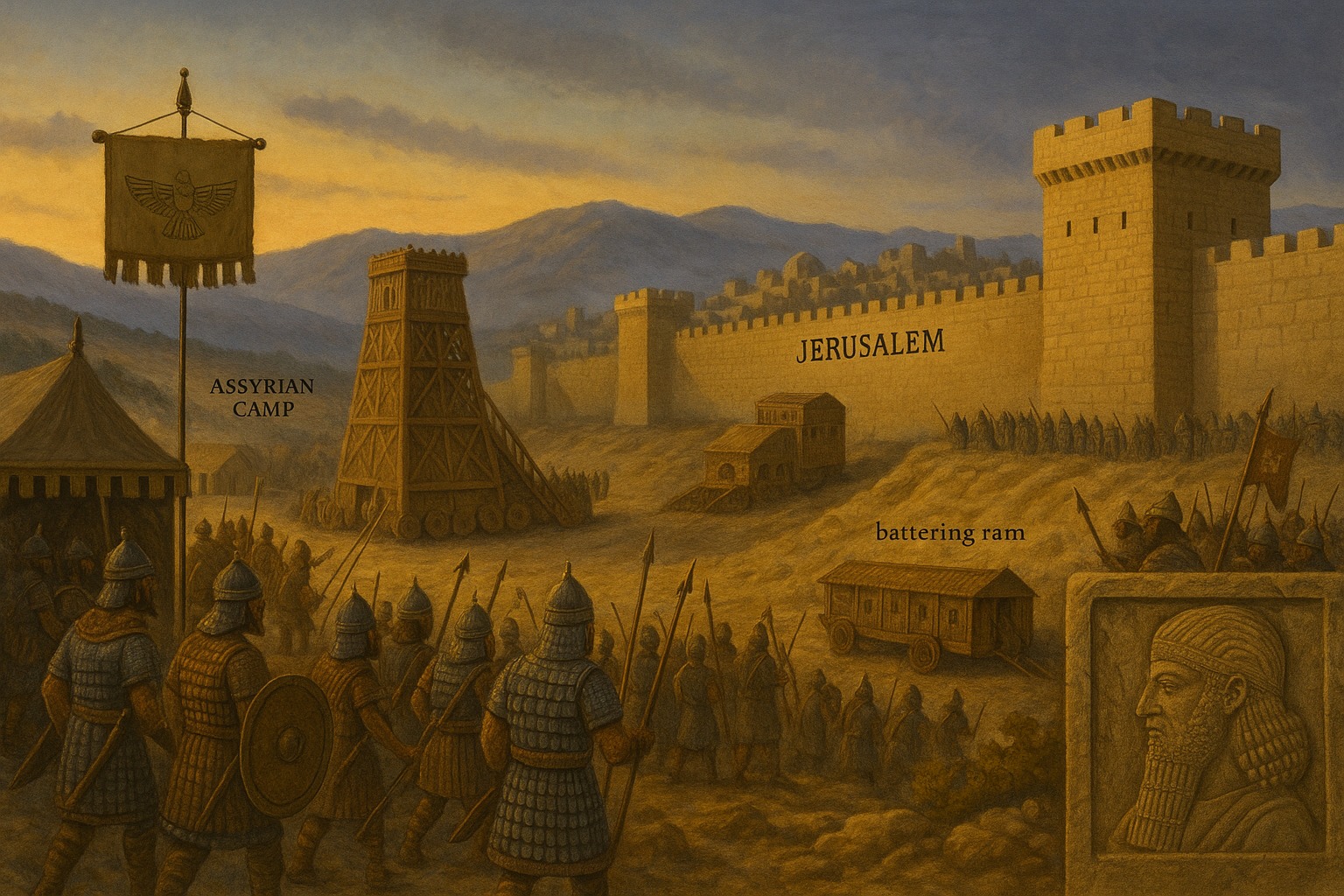
Assyria was one of the most powerful empires of the ancient Near East, dominating from the ninth to the seventh centuries BC. The Bible records Assyria’s rise, its role in disciplining Israel, its arrogance, and its eventual downfall. Beyond history, the prophets also use Assyria symbolically and eschatologically, connecting its story to God’s broader purposes…


