
Topical Studies
-
Unveiling God’s Sovereign Plan: Understanding Biblical Prophecy and Its Fulfillment
-
Tabernacle and Ark: Feasibility, History, and Prophecy
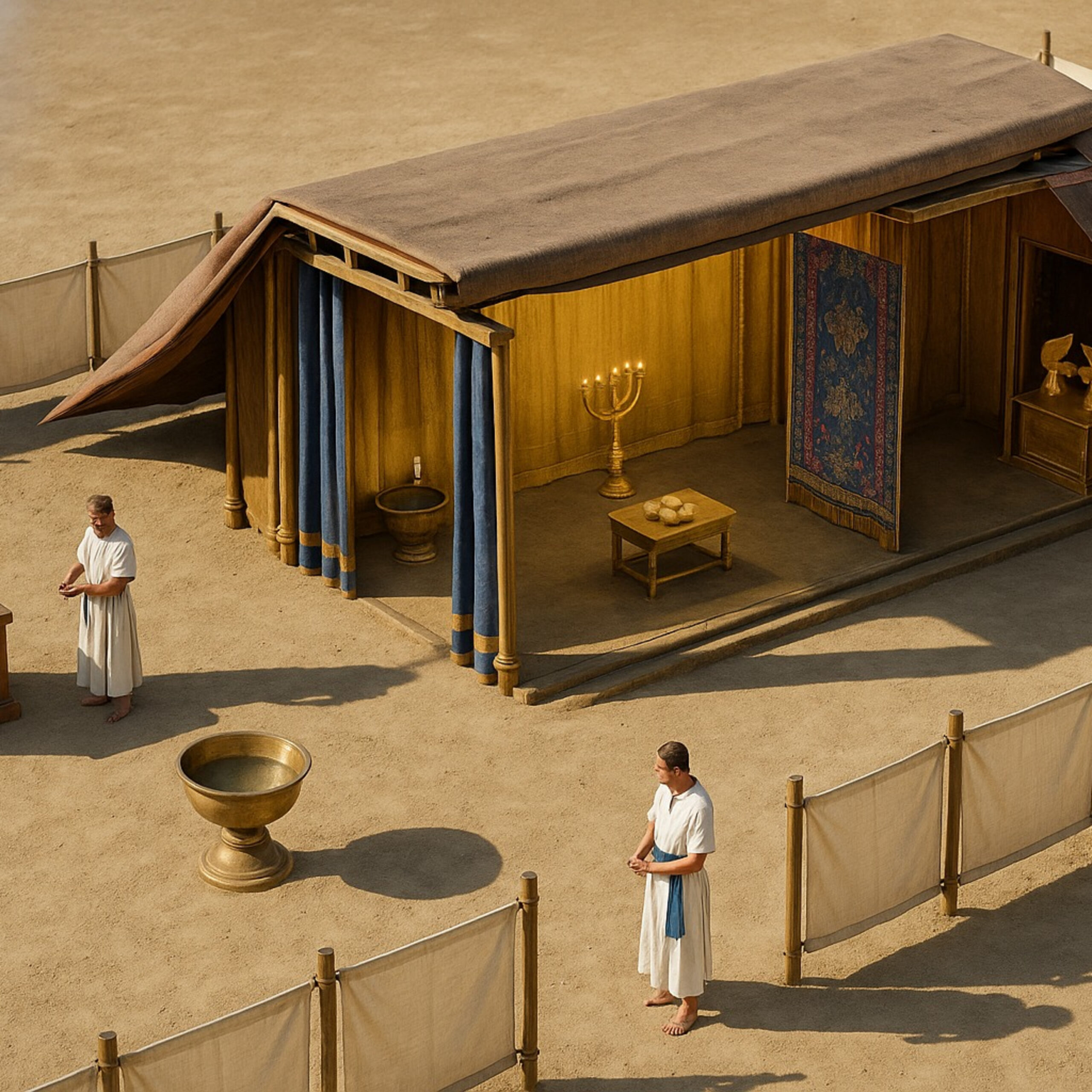
The tabernacle stands as one of the most significant structures in biblical history, not because of grandeur or permanence, but because it symbolized the dwelling of God among His people. In the wilderness, long before the construction of Solomon’s Temple, Israel carried a portable sanctuary designed according to divine revelation. The tabernacle, described in Exodus…
-
The Sovereignty of God: Divine Rule and Human Responsibility in the Biblical Narrative
The sovereignty of God stands as one of the most exalted and comprehensive doctrines in Scripture. It declares that the Lord reigns over all creation with absolute authority, wisdom, and righteousness. God’s sovereignty encompasses His power to create, sustain, direct, and govern all things according to His perfect will. Yet Scripture also affirms that human…
-
The Holiness of God: The Radiant Center of Biblical Theology
The holiness of God stands at the center of biblical revelation. It is not merely one attribute among many but the defining quality through which all other attributes are understood. Scripture presents holiness as the essence of God’s character, expressing His absolute purity, moral perfection, and transcendent majesty. From the burning bush to the visions…
-
The Dead Sea Scrolls: Preserving the Integrity of Scripture Through Millennia
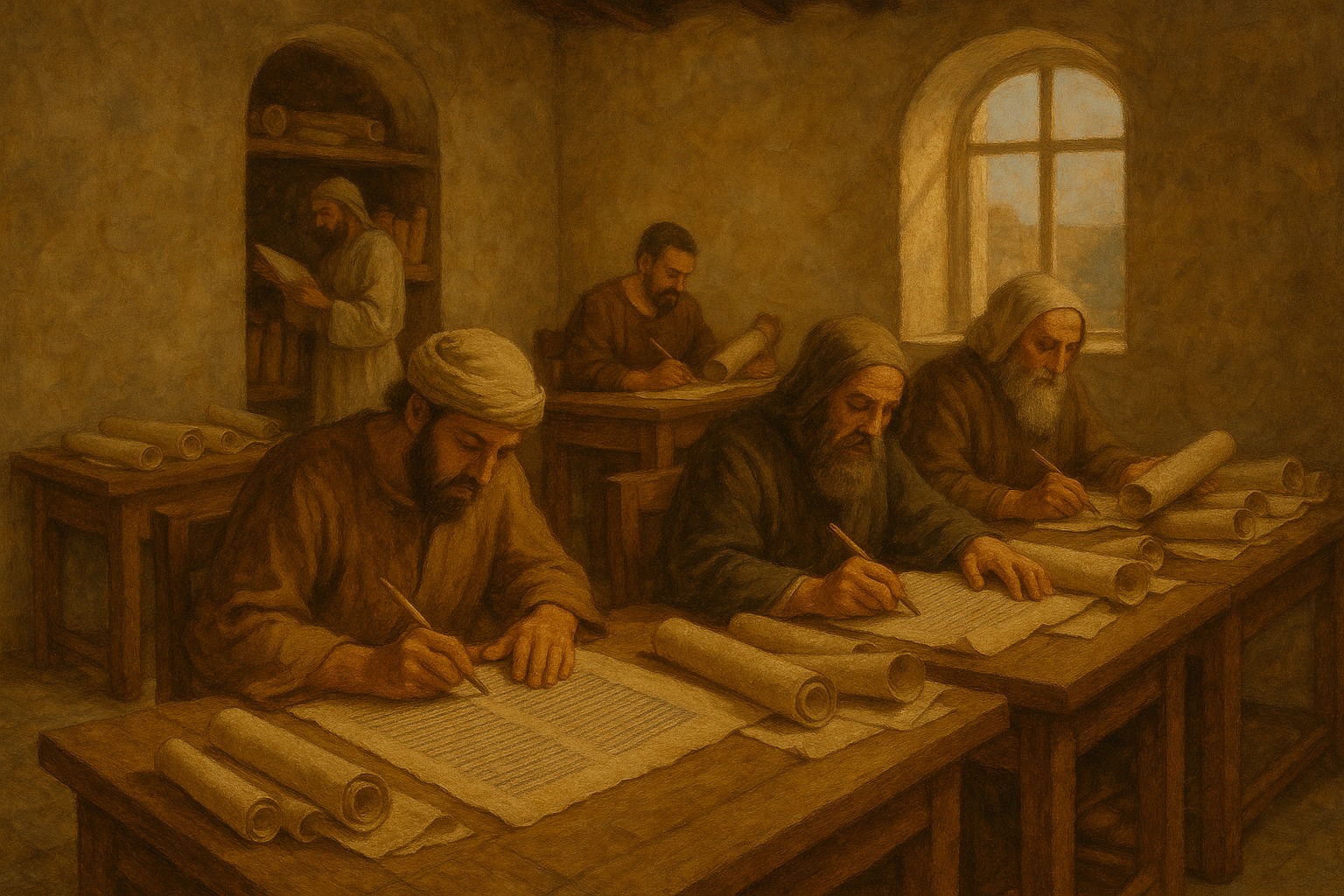
Few archaeological discoveries have had as profound an impact on biblical studies as the Dead Sea Scrolls. Unearthed between 1947 and 1956 in the caves of Qumran near the Dead Sea, these ancient manuscripts provided an unprecedented window into Jewish life, theology, and Scripture during the Second Temple period. Their significance lies not only in…
-
Moses – Lawgiver, Deliverer, and Prophet
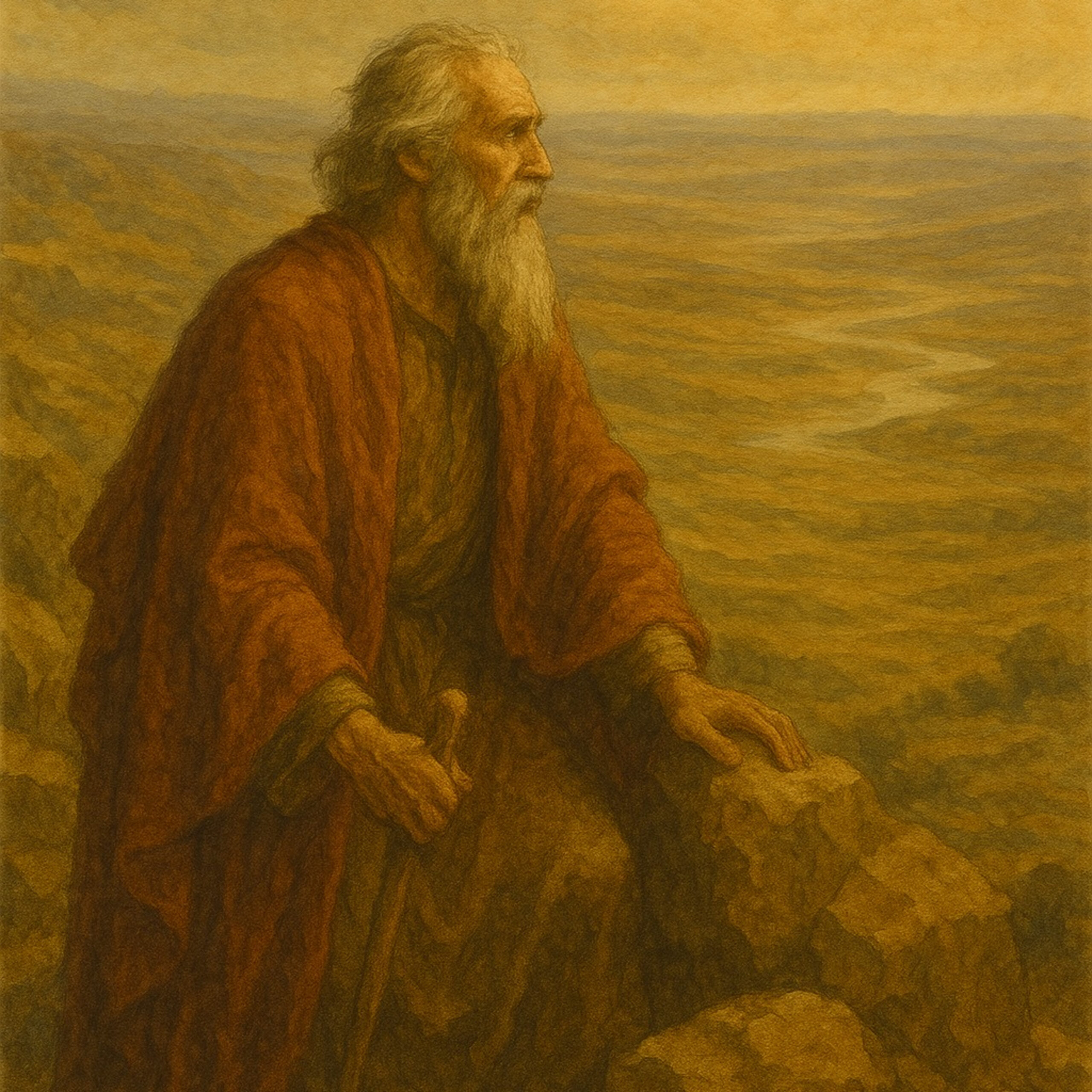
Moses stands as one of the most influential figures in all of Scripture, a man chosen by God to deliver His people from bondage, reveal His law, and mediate His covenant. His life bridges promise and fulfillment, slavery and freedom, law and grace. More than a leader or prophet, Moses prefigures Christ as the Redeemer…
-
Force vs. Person: Unpacking the Holy Spirit’s Identity, Deity, and Power

The Holy Spirit is the most misunderstood and often neglected Person of the Trinity. Many view Him as an impersonal force or divine influence, yet Scripture reveals the Spirit as fully God—personal, eternal, and active in creation, redemption, and the believer’s daily life. He is not merely the power of God but the presence of…
-
The Tabernacle, the Ark, and Archaeological Corroboration of Israel’s Worship in the Wilderness
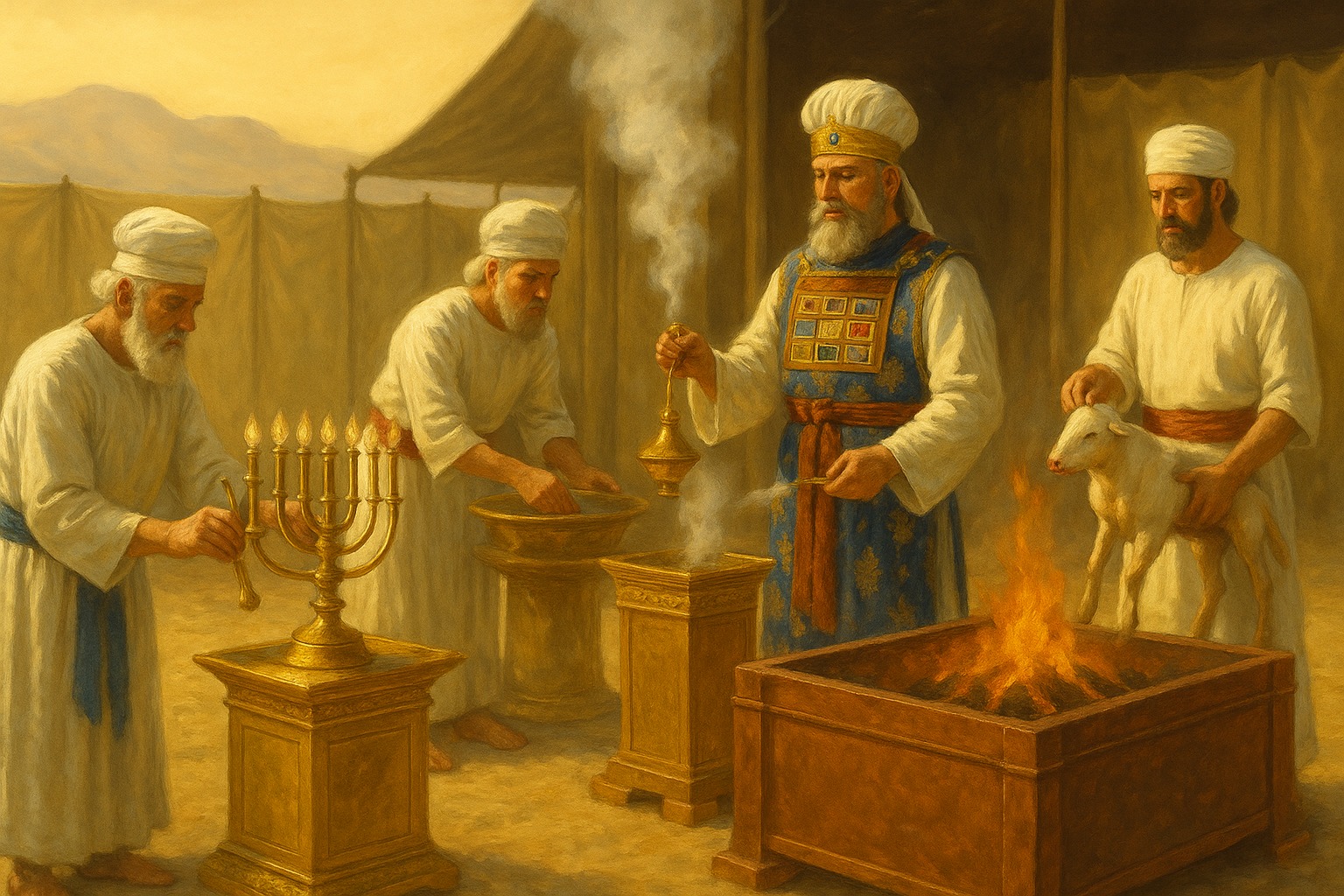
The tabernacle stands as one of the most significant structures in biblical history, not because of grandeur or permanence, but because it symbolized the dwelling of God among His people. In the wilderness, long before the construction of Solomon’s Temple, Israel carried a portable sanctuary designed according to divine revelation.
-
Peter — The Rock of Restoration and Witness of Grace
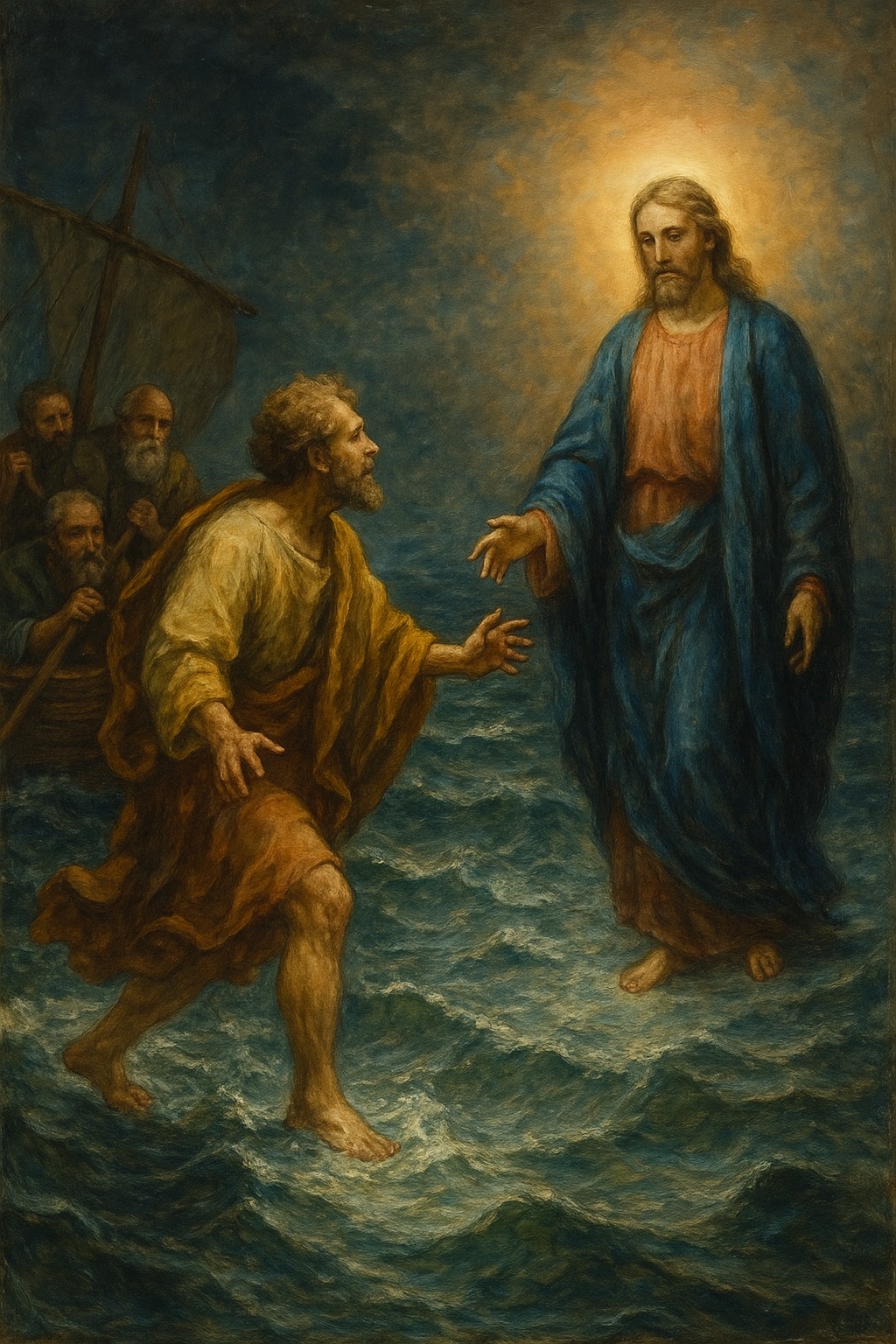
Among the apostles of Jesus Christ, none embodies the journey from weakness to strength more profoundly than Peter. Impulsive yet passionate, bold yet flawed, Peter’s life traces the transformation of an ordinary fisherman into a foundational leader of the early Church. His name, given by Christ, means “rock,” and though he wavered at times, he…
-
Elijah — The Prophet of Fire and the Voice of Revival
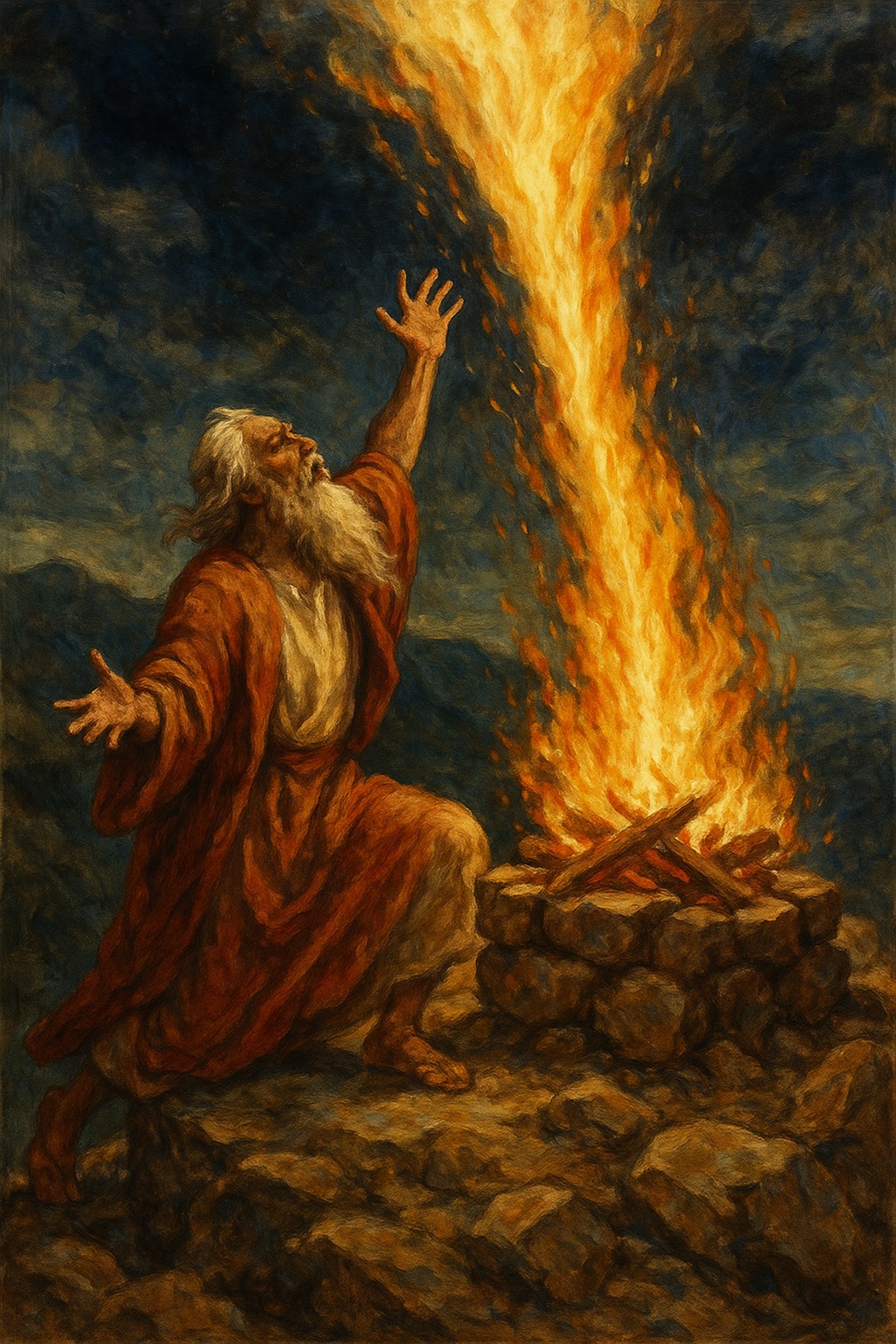
Elijah stands as one of the most powerful and enigmatic figures in the Old Testament. His very name means “My God is the LORD,” and his ministry embodied that declaration in an age of widespread apostasy. Appearing suddenly during the reign of King Ahab, Elijah’s prophetic voice called Israel to repentance, confronted idolatry, and demonstrated…


