
Topical Studies
-
The Coming Millennium: A Biblical Perspective
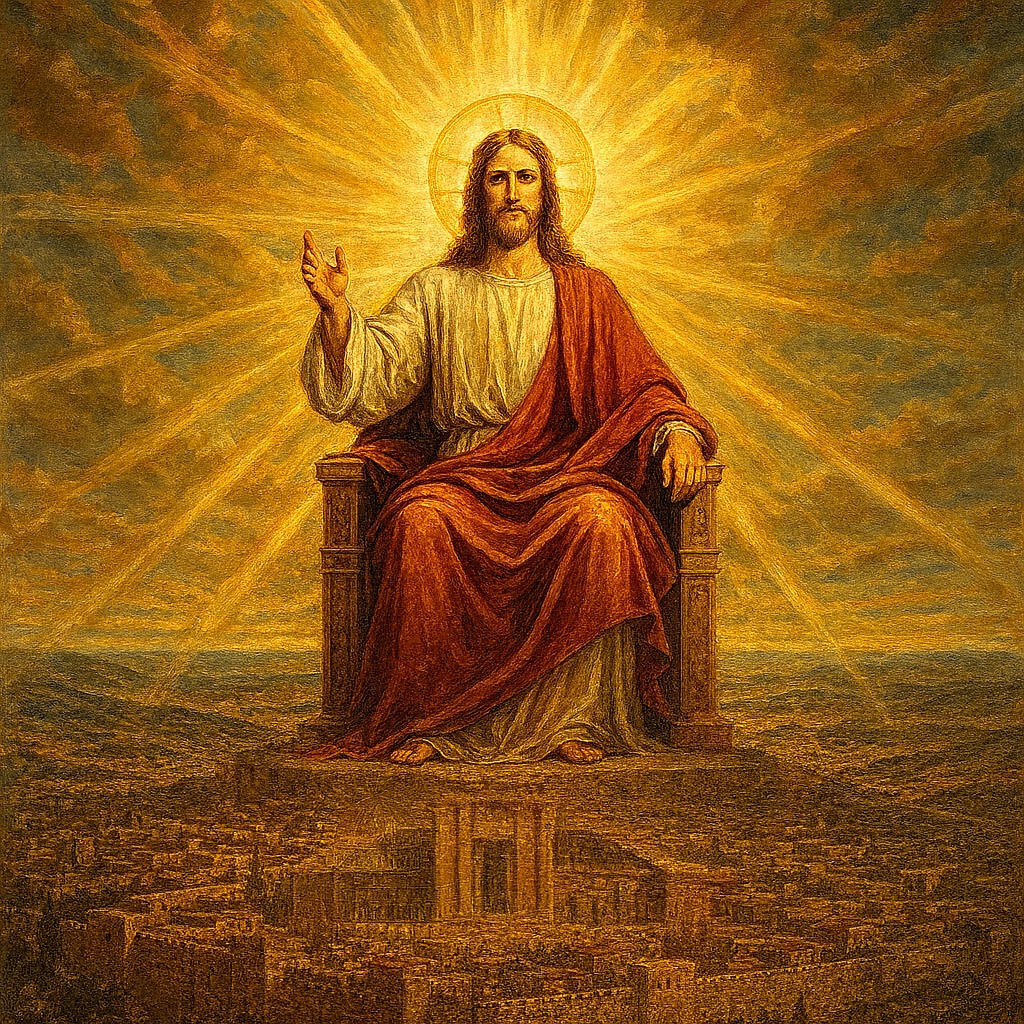
The Millennium represents the anticipated thousand-year reign of Christ on earth, fulfilling God’s promises to Israel and other nations. It features diverse groups, including glorified believers and the 144,000 Jews. This period showcases God’s justice and sovereignty, leading towards the eternal state, affirming hope and encouraging faithfulness among believers.
-
The Rise of the Monarchy in Israel
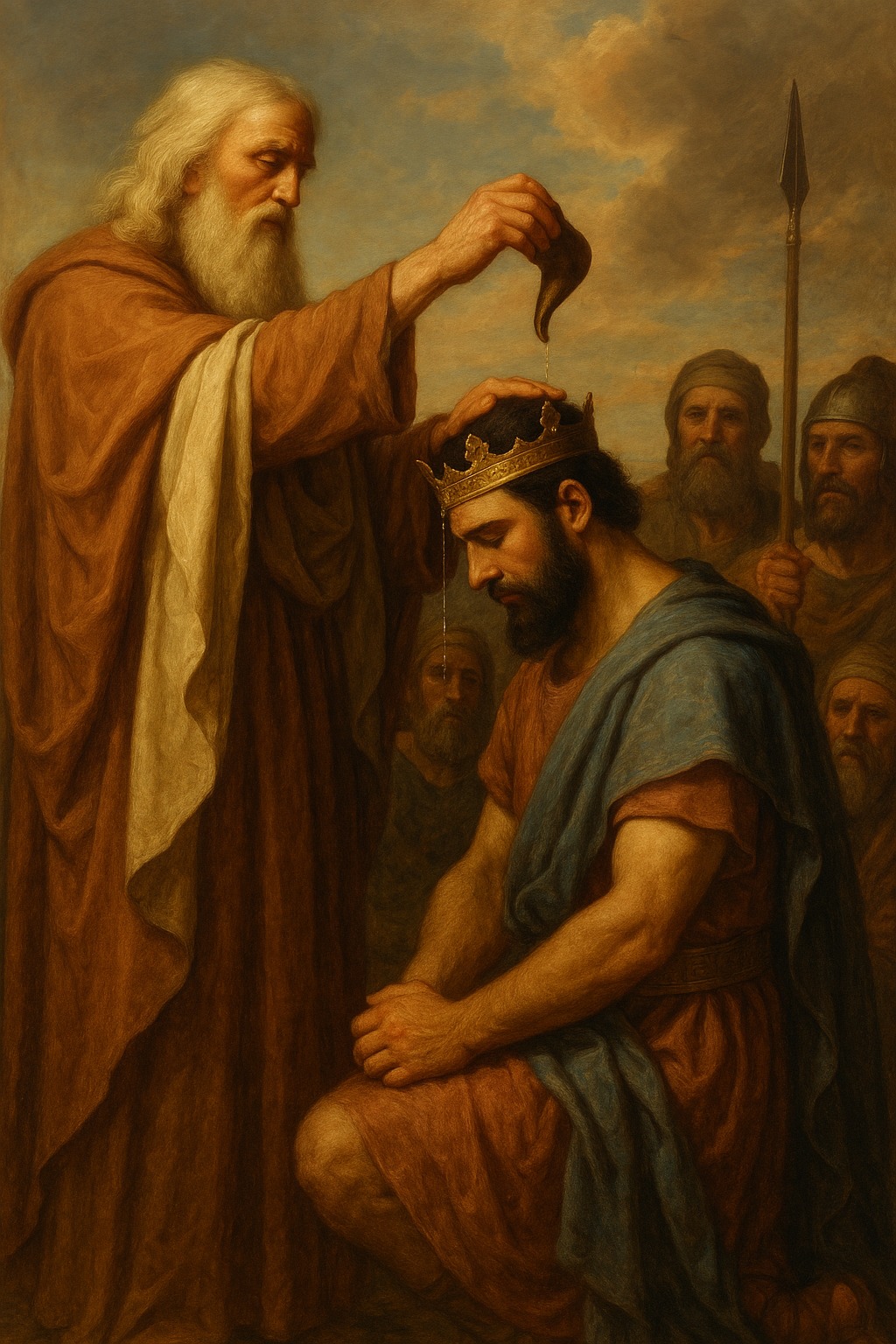
The rise of the monarchy in Israel marked a pivotal moment in biblical history, transitioning from judges to kings, beginning with Saul, followed by David and Solomon. This evolution reflects Israel’s spiritual struggles and God’s enduring covenant. Ultimately, it highlights the importance of obedience and the foreshadowing of Christ, Israel’s true King.
-
The 144,000 and Israel’s Future – A Biblical Exploration
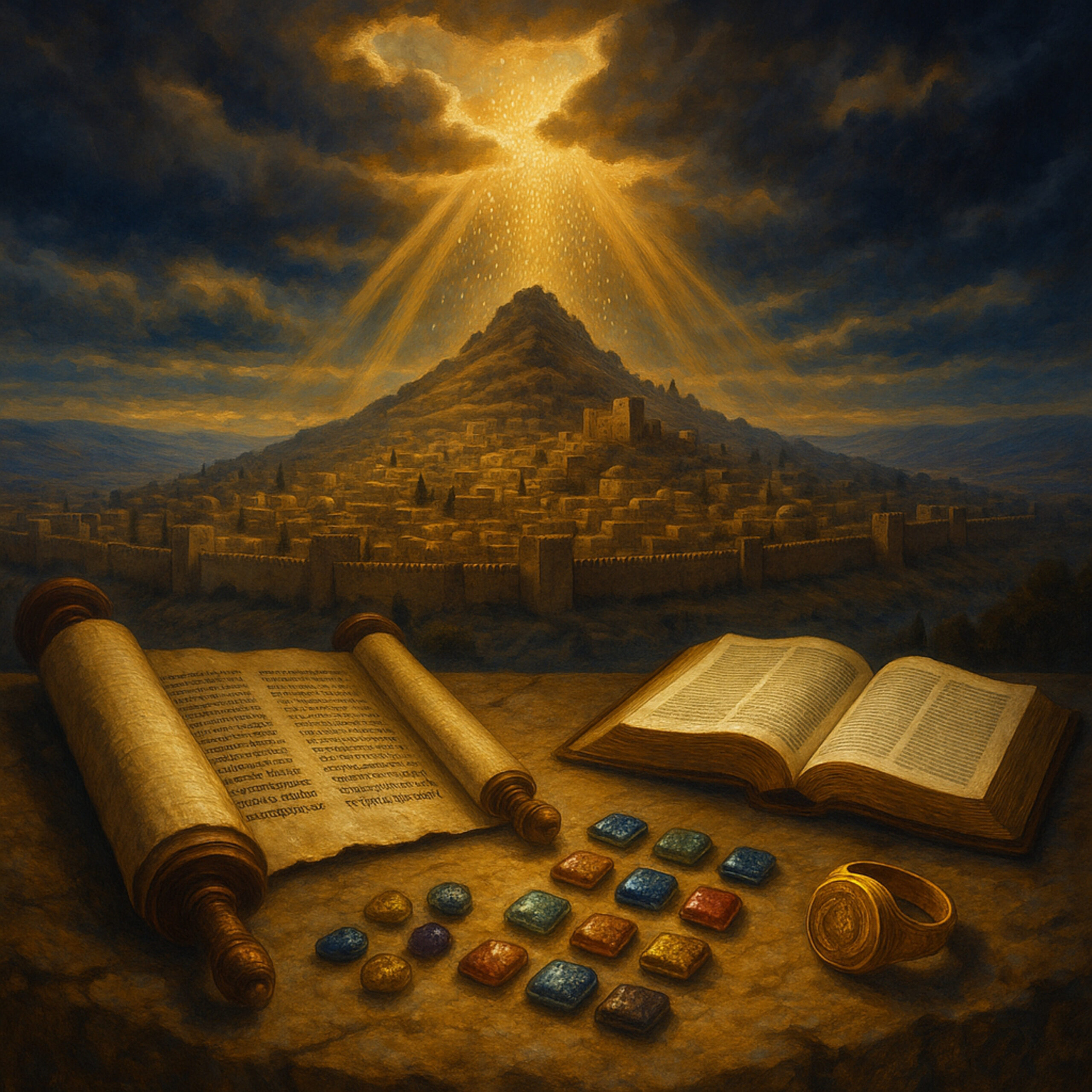
Among the striking images in Revelation is the sealing of 144,000 servants of God. Questions often arise: Who are they? Are they symbolic of the church, or literal descendants of Israel? What is their mission? By examining Revelation alongside Old and New Testament prophecy, we discover that the 144,000 represent a literal remnant of Israel…
-
Ruth’s Moabite Heritage and David’s Line
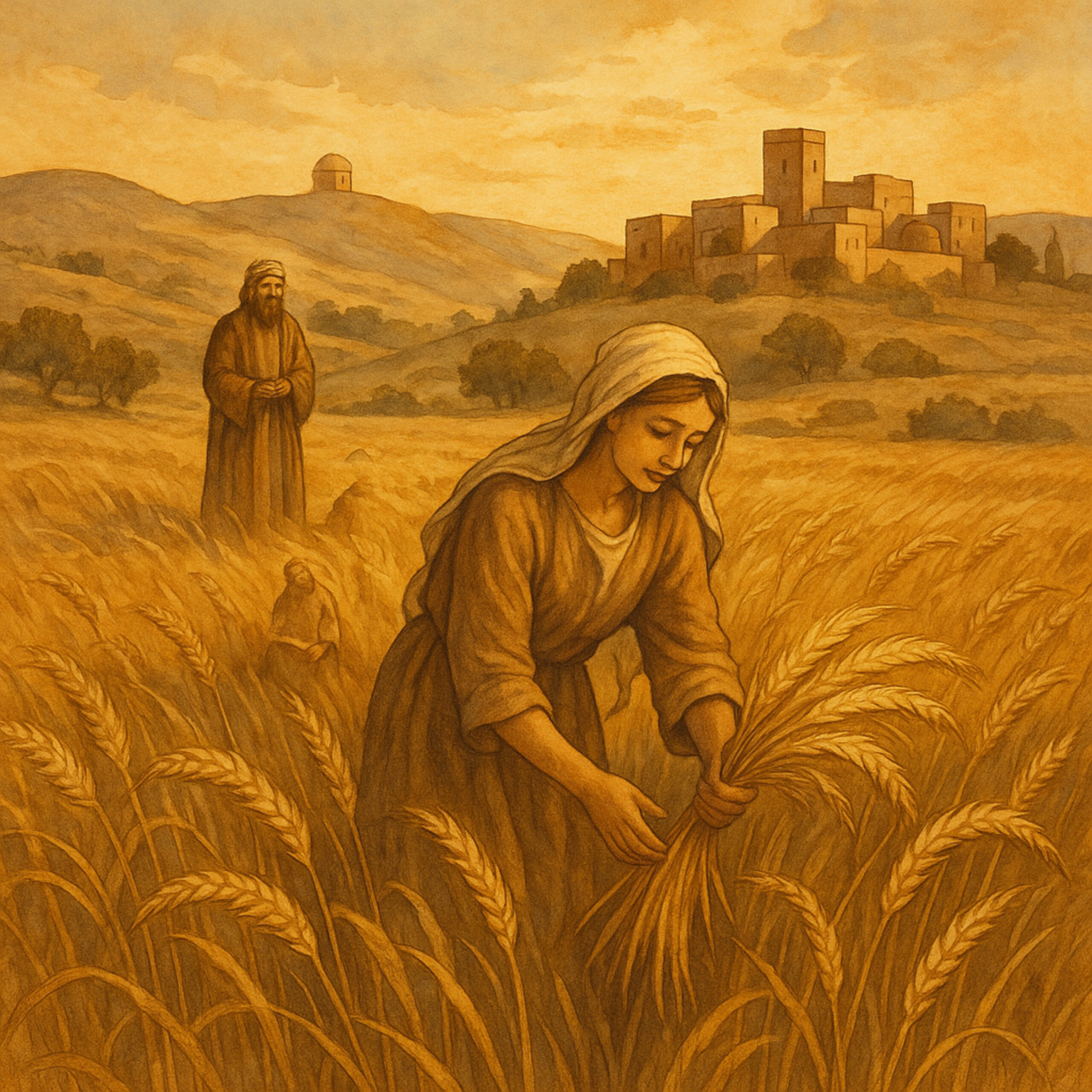
The story of Ruth stands as one of the most remarkable accounts in the Bible, not only for its narrative beauty but also for its theological depth. Ruth, a Moabitess, became the great-grandmother of King David and part of the Messianic line leading to Christ. Her heritage seemed disqualifying: the Moabites originated from Lot’s incestuous…
-
Revelation’s Final Visions and Old Testament Echoes
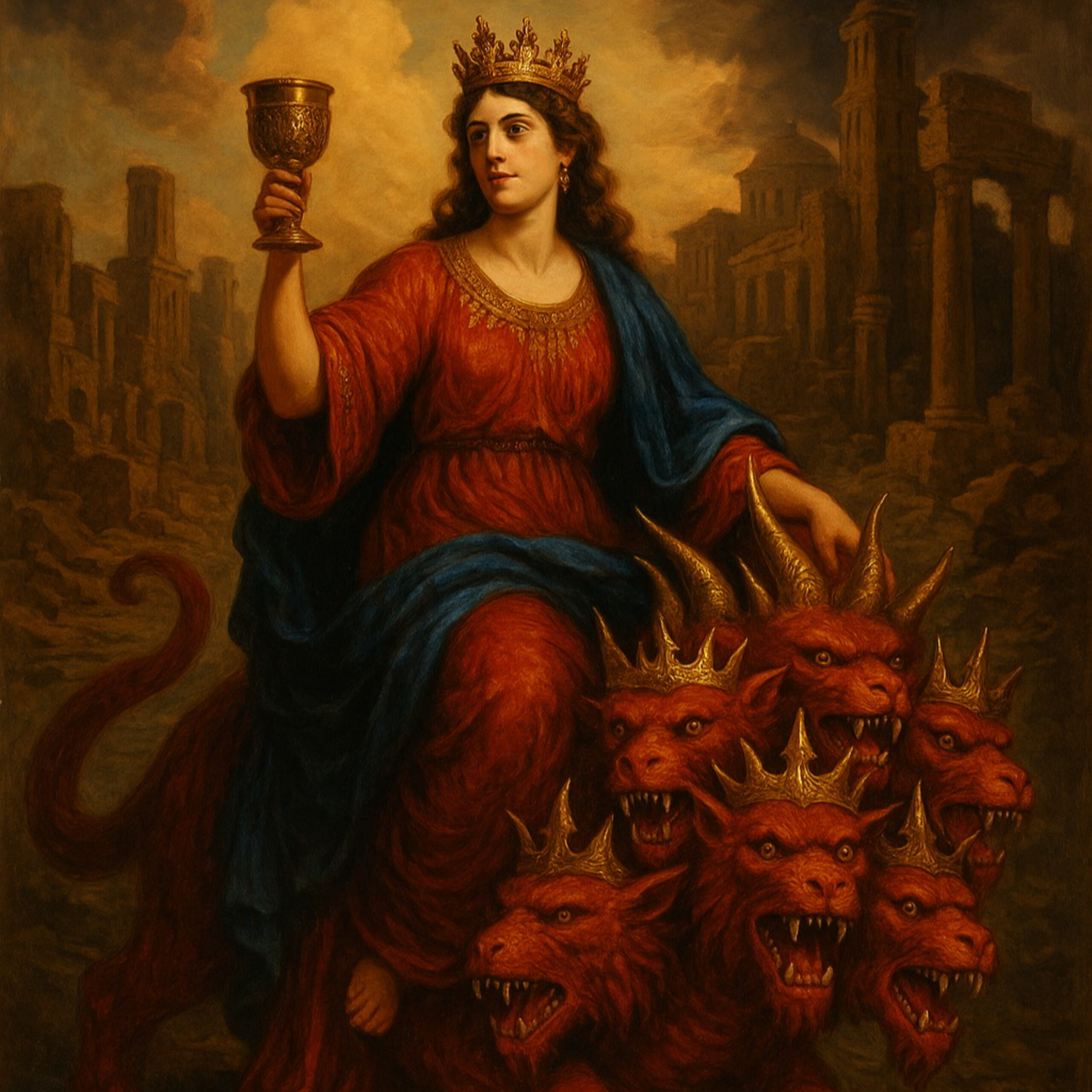
The Book of Revelation, the final book of the Bible, is rich in imagery and language drawn from the Old Testament. From Genesis to Malachi, echoes of earlier prophecies resound in John’s visions. Far from being a new or disconnected revelation, the Apocalypse weaves together centuries of prophecy into one climactic conclusion. Revelation shows the…
-
Prophecies of the Messiah in Isaiah – Introduction
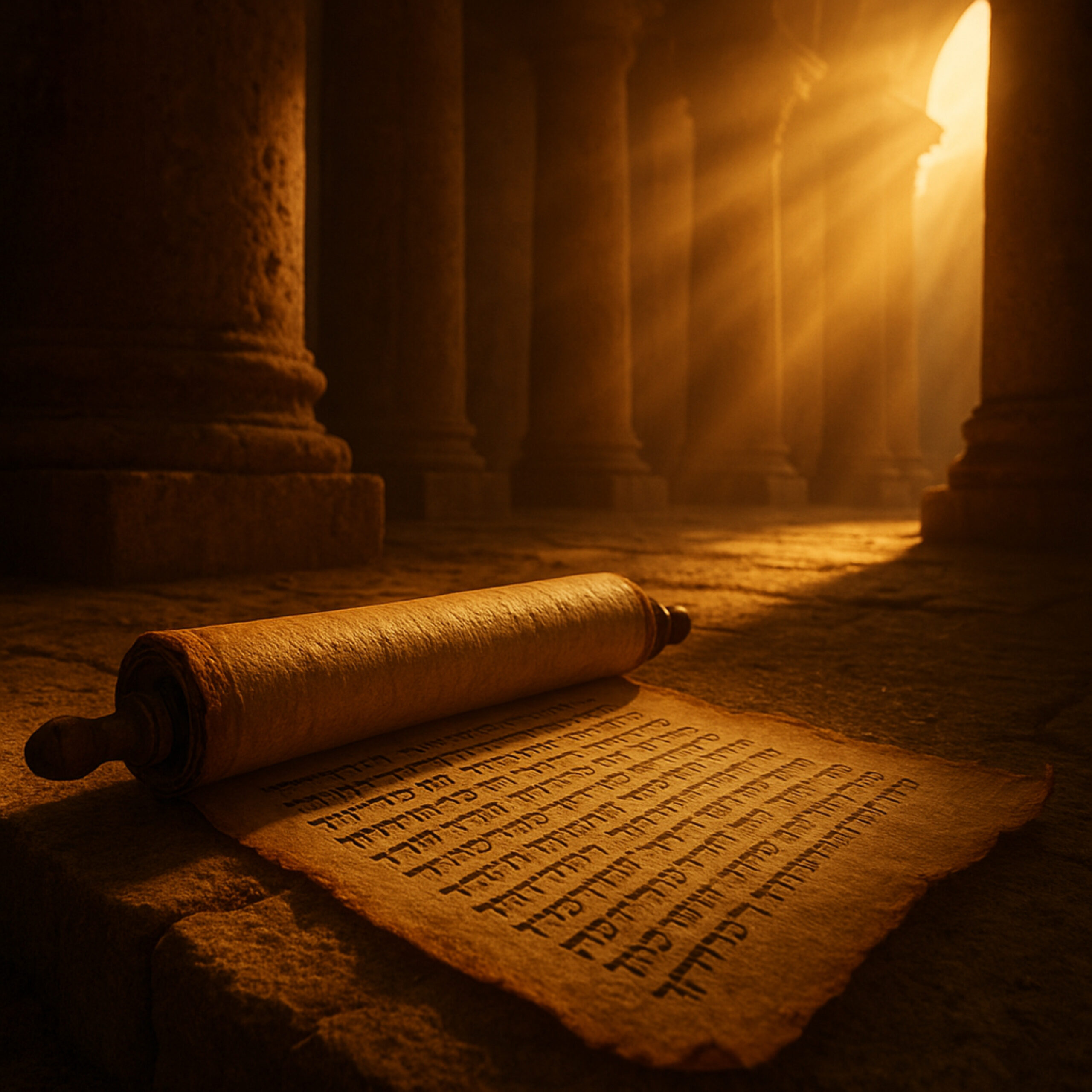
The book of Isaiah stands as one of the most profound prophetic works in the Old Testament. Written over seven centuries before the birth of Christ, it contains some of the clearest and most detailed prophecies about the coming Messiah. Isaiah is often referred to as “the fifth Gospel” due to its rich Messianic themes,…
-
Israel in Egypt and the Exodus
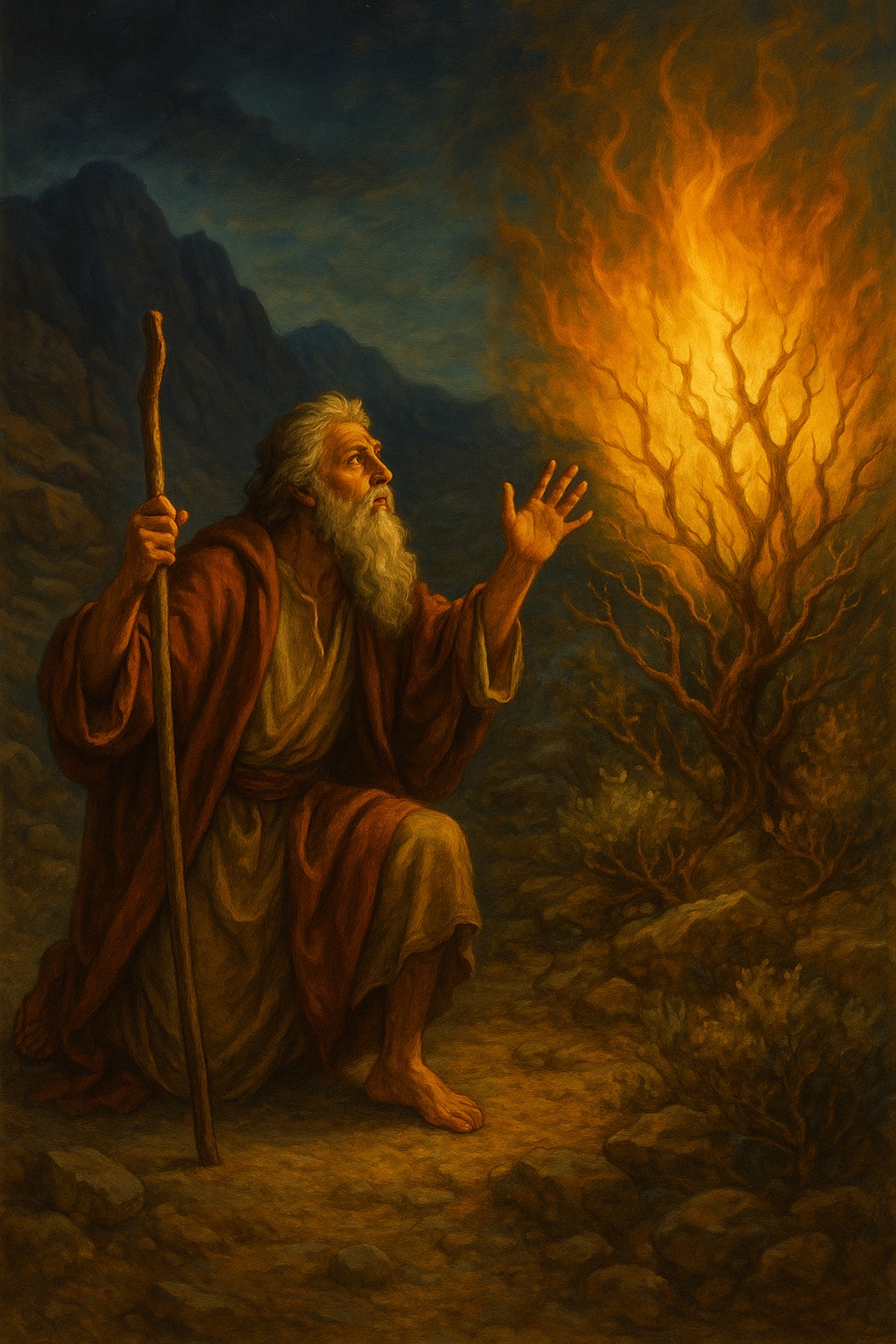
The Exodus is one of the most defining events in biblical history. It marks God’s deliverance of His people from slavery in Egypt and His covenantal formation of Israel as a nation. The narrative stretches from the closing chapters of Genesis through Exodus, and its theological impact reverberates throughout the Old and New Testaments.
-
Revelation’s Final Visions and Old Testament Echoes
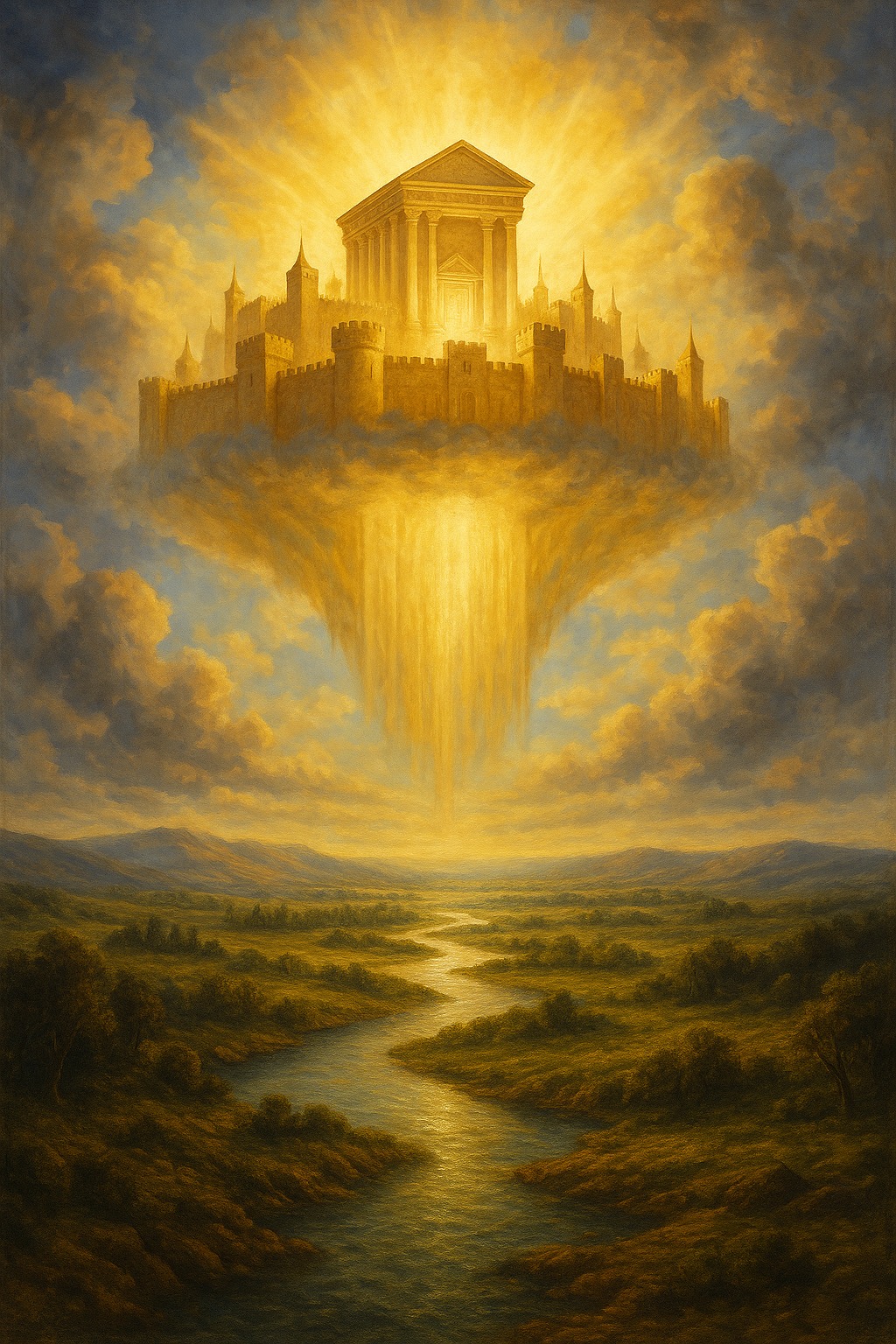
The Book of Revelation, the final book of the Bible, is rich in imagery and language drawn from the Old Testament. From Genesis to Malachi, echoes of earlier prophecies resound in John’s visions. Far from being a new or disconnected revelation, the Apocalypse weaves together centuries of prophecy into one climactic conclusion.
-
Prophecies of the Messiah in Isaiah
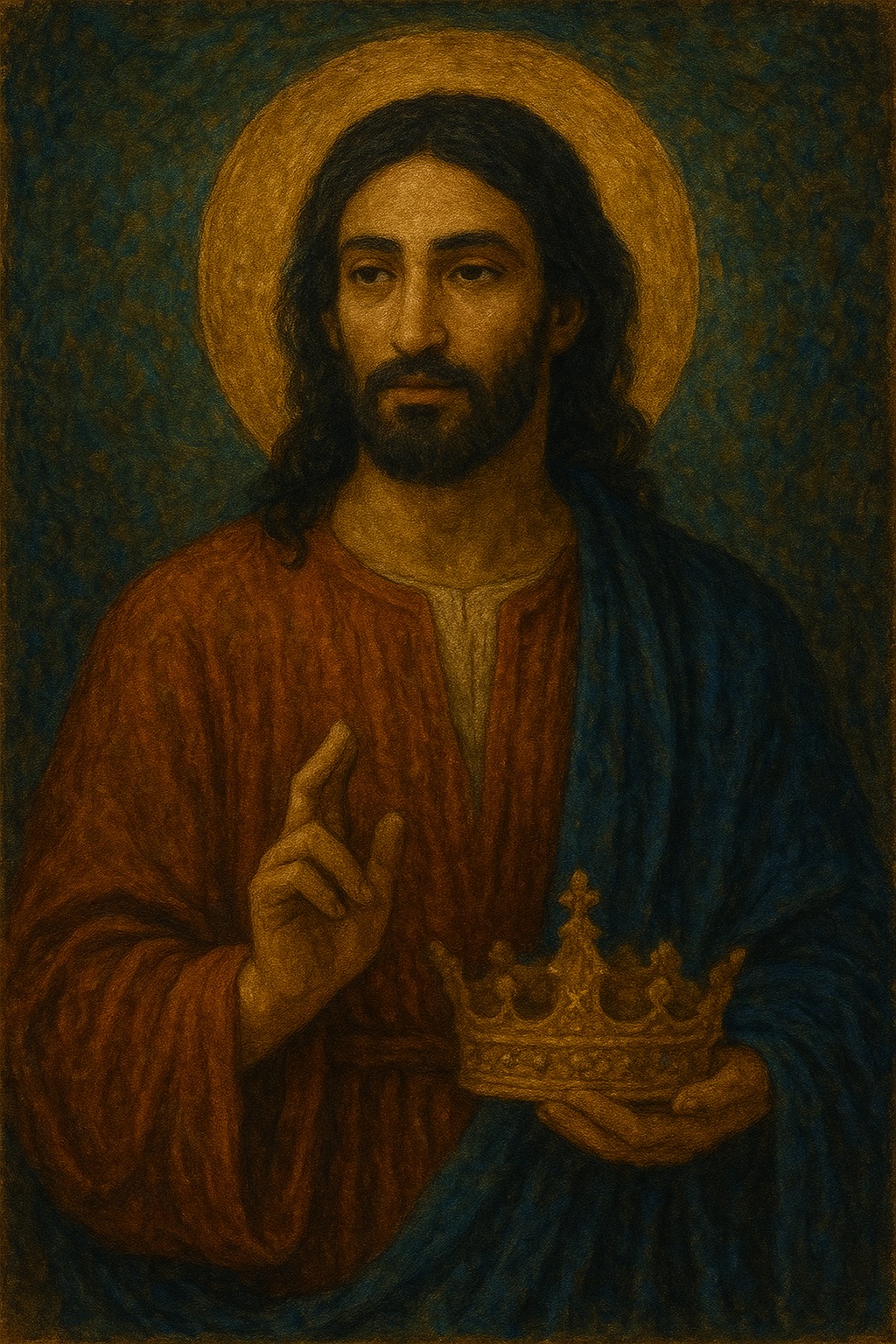
The book of Isaiah stands as one of the most profound prophetic works in the Old Testament. Written over seven centuries before the birth of Christ, it contains some of the clearest and most detailed prophecies about the coming Messiah. Isaiah is often called “the fifth Gospel” because of its rich Messianic themes, ranging from…
-
Archaeology and the Historicity of Israel
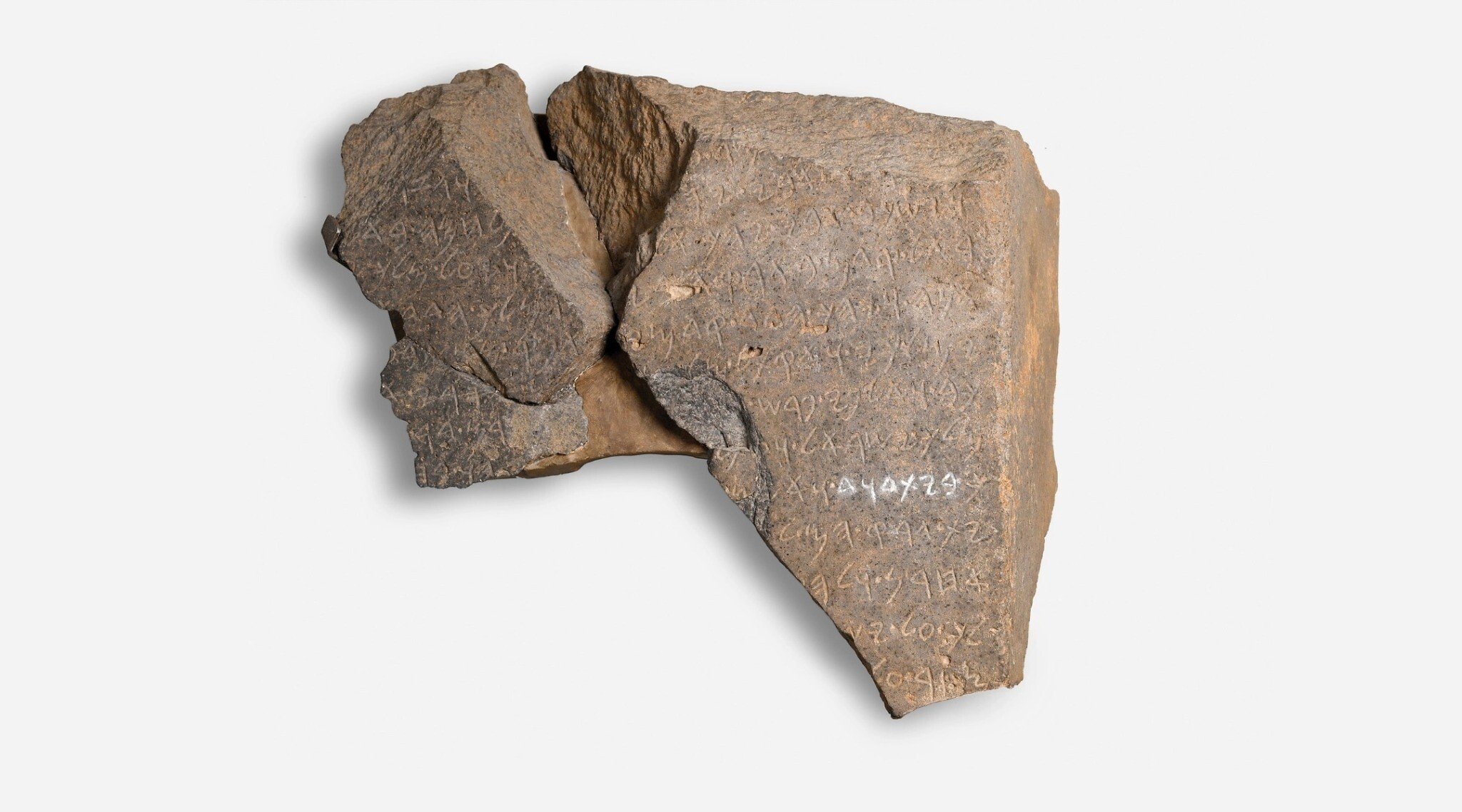
Archaeology has become one of the most powerful tools in understanding the Bible’s historical setting. While archaeology cannot prove every detail of Scripture, discoveries repeatedly confirm the reality of Israel’s existence, the authenticity of its kings, and the accuracy of biblical events. Critics have often doubted Israel’s history, but spades in the ground continue to…


