
Topical Studies
-
The Fall of Jericho: Archaeological Layers and the Sound of Faith
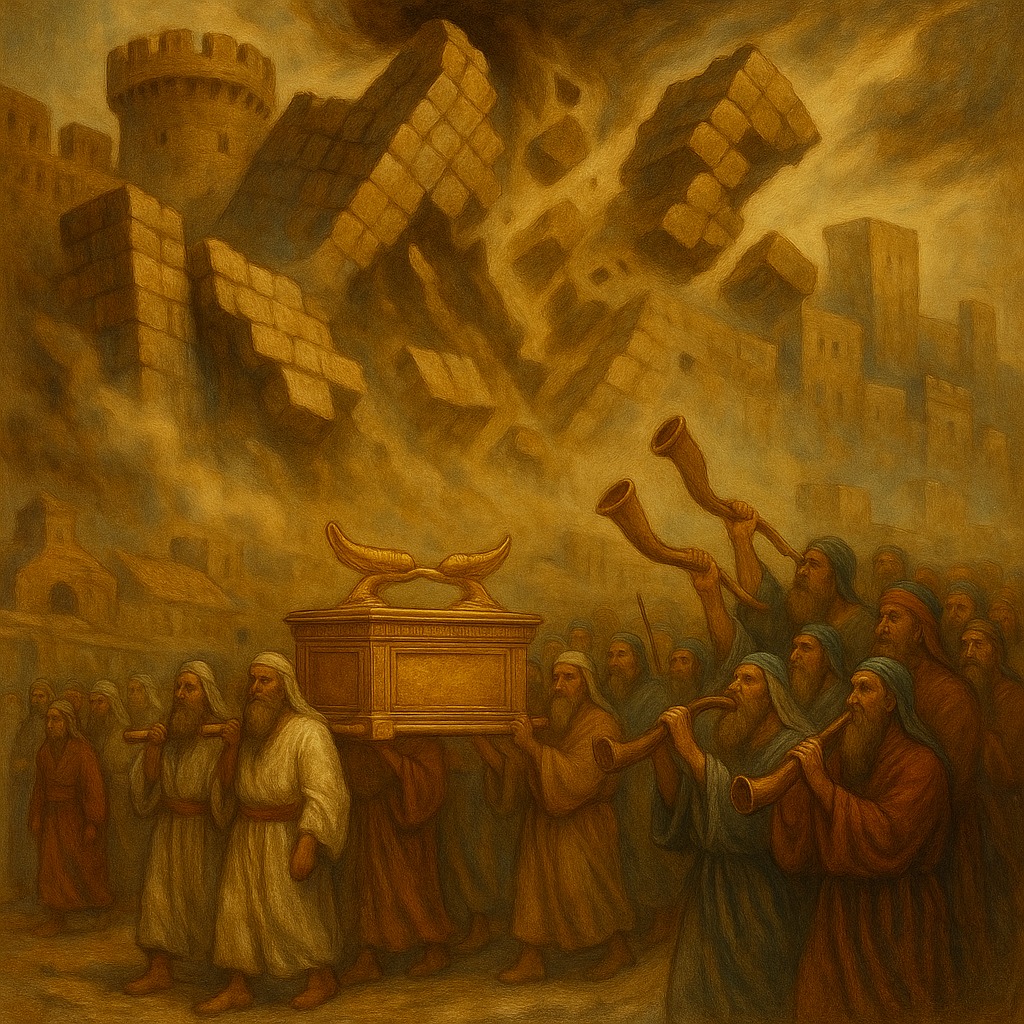
The fall of Jericho remains one of the most dramatic and symbolically charged events in the biblical record. The scene of ancient walls collapsing before the faith-filled obedience of God’s people captures the essence of divine power working through human trust. For centuries, archaeologists and theologians alike have sought to understand how the fortified city…
-
The Bronze Serpent and the Cross: Archaeological Echoes of Healing and Redemption in the Ancient World
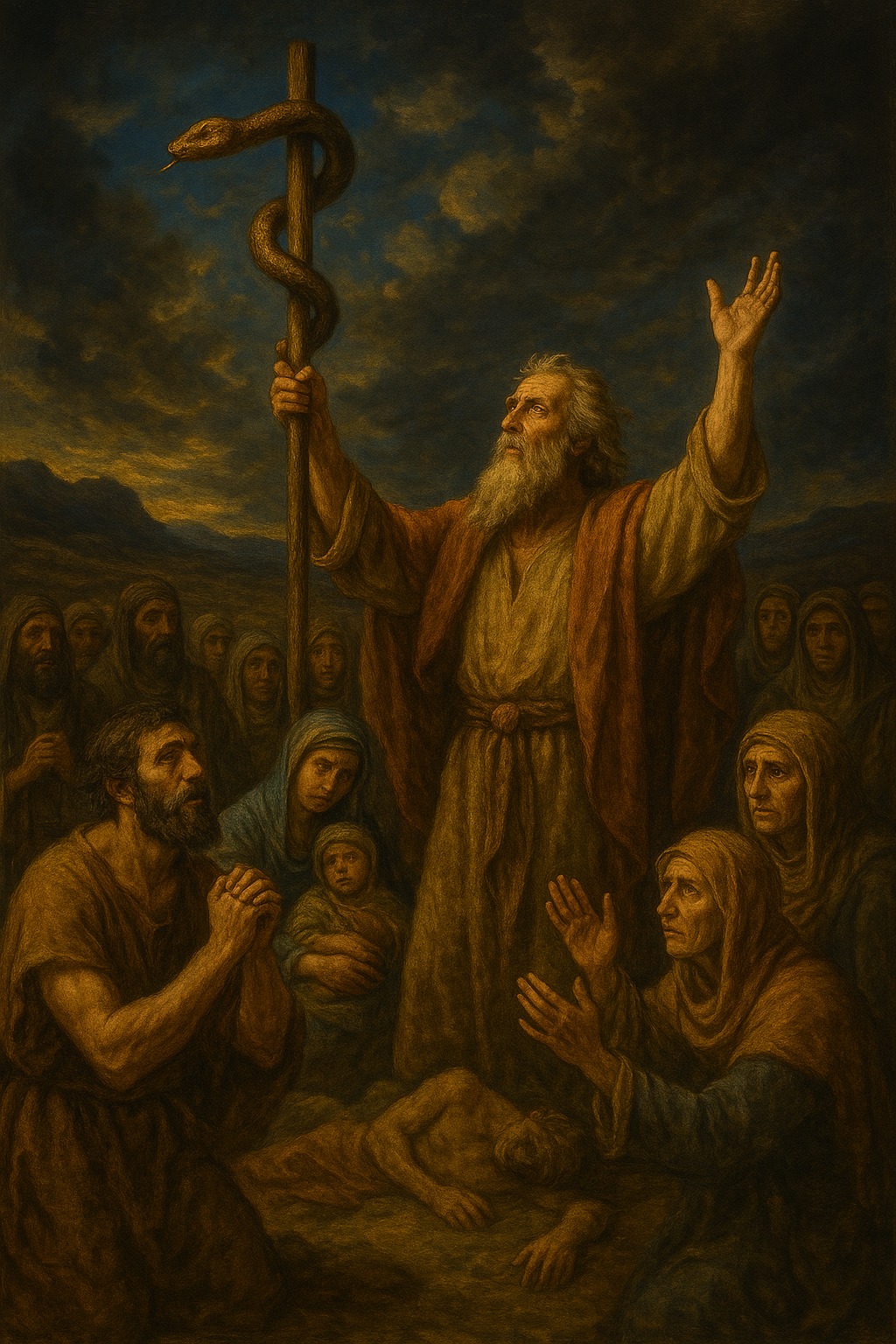
Among the many symbols woven into the tapestry of Scripture, few carry as much paradox and prophetic depth as the bronze serpent raised by Moses in the wilderness. What appears at first as an act of desperation, lifting a bronze image to heal a plague of venomous bites, emerges in the New Testament as one…
-
The Tabernacle, the Ark, and Archaeological Corroboration of Israel’s Worship in the Wilderness
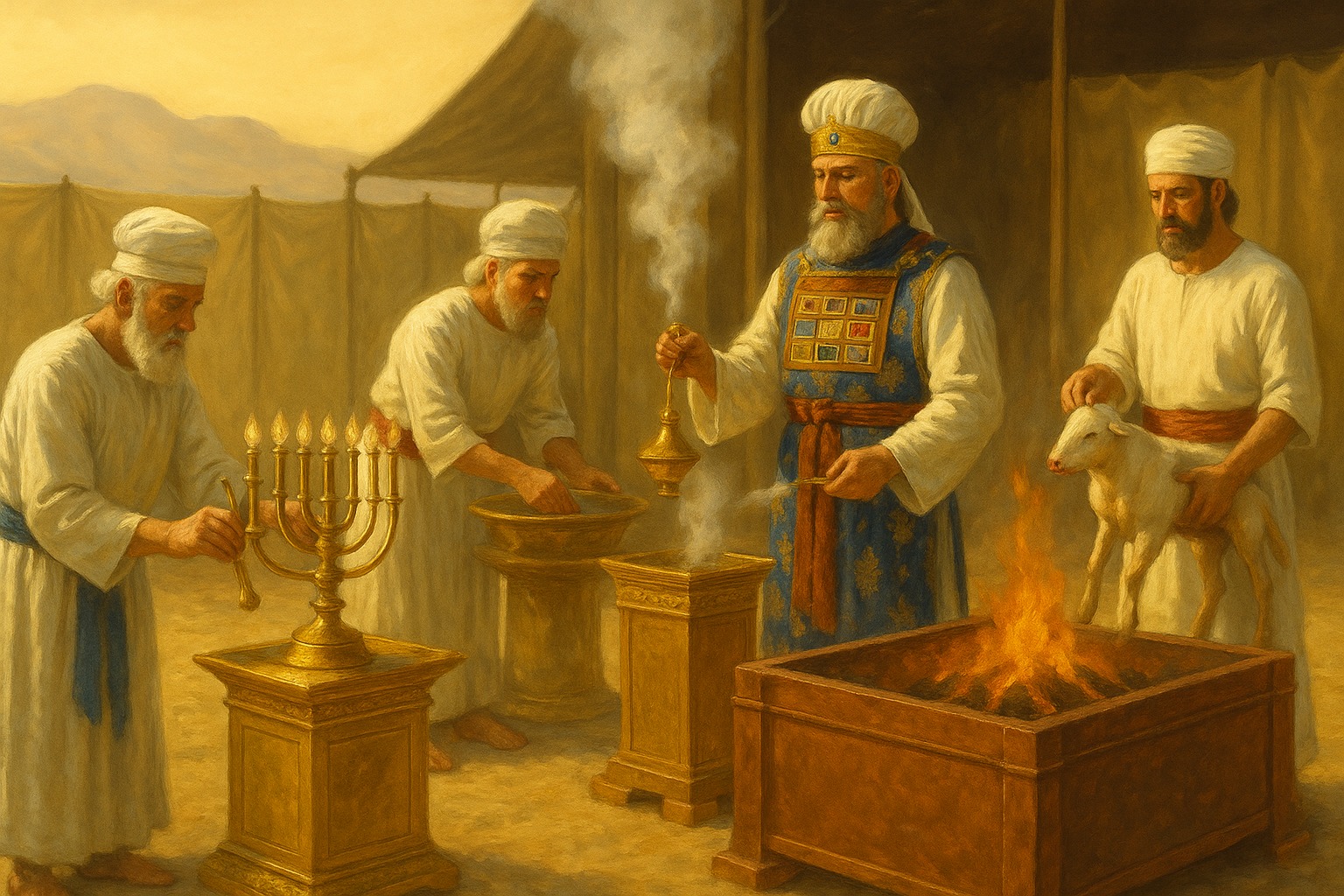
The tabernacle stands as one of the most significant structures in biblical history, not because of grandeur or permanence, but because it symbolized the dwelling of God among His people. In the wilderness, long before the construction of Solomon’s Temple, Israel carried a portable sanctuary designed according to divine revelation.
-
Archaeological Proofs of the Patriarchs and the Early Nation of Israel

The historical reality of the patriarchs, Abraham, Isaac, and Jacob, as well as the early formation of Israel, has long been debated by scholars. Yet over the past century, archaeology has continually illuminated the truth of the biblical record, revealing that the stories of Genesis and Exodus rest not on myth but on authentic history.
-
Peter — The Rock of Restoration and Witness of Grace
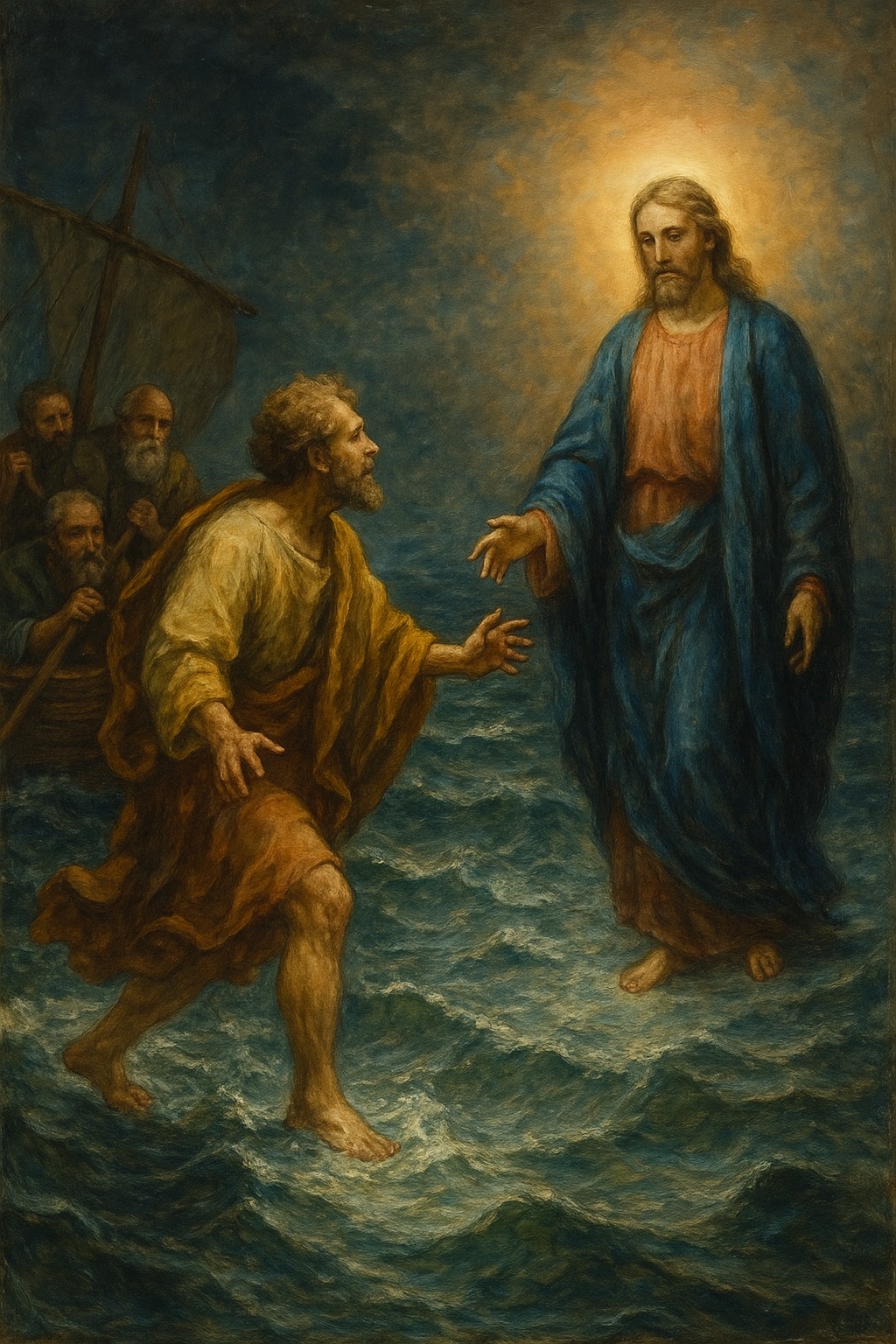
Among the apostles of Jesus Christ, none embodies the journey from weakness to strength more profoundly than Peter. Impulsive yet passionate, bold yet flawed, Peter’s life traces the transformation of an ordinary fisherman into a foundational leader of the early Church. His name, given by Christ, means “rock,” and though he wavered at times, he…
-
The Apocalypse Fulfilling God’s Plan
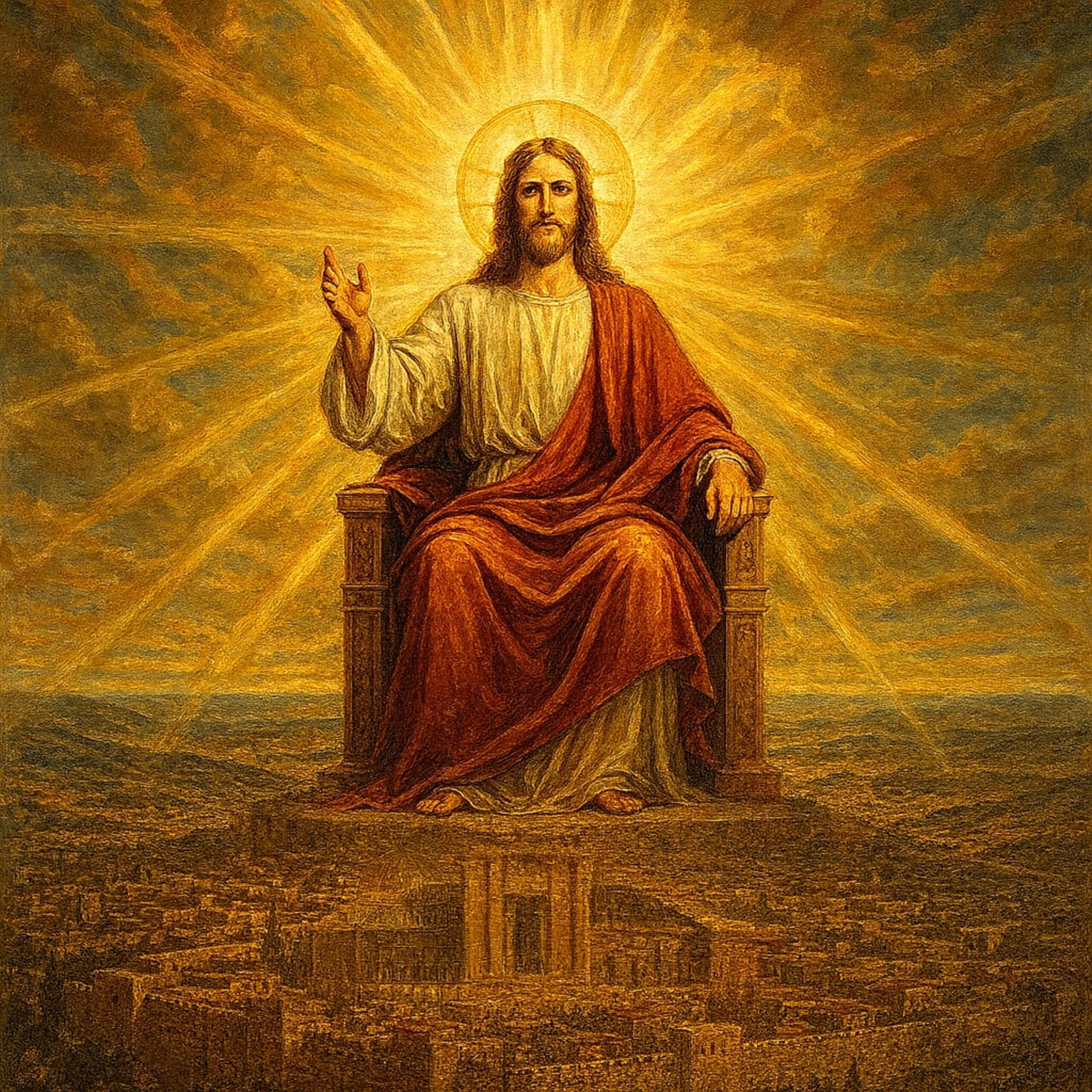
The Book of Revelation, the final book of the Bible, is rich in imagery and language drawn from the Old Testament. From Genesis to Malachi, echoes of earlier prophecies resound in John’s visions. Far from being a new or disconnected revelation, the Apocalypse weaves together centuries of prophecy into one climactic conclusion. Revelation shows the…
-
Elijah — The Prophet of Fire and the Voice of Revival
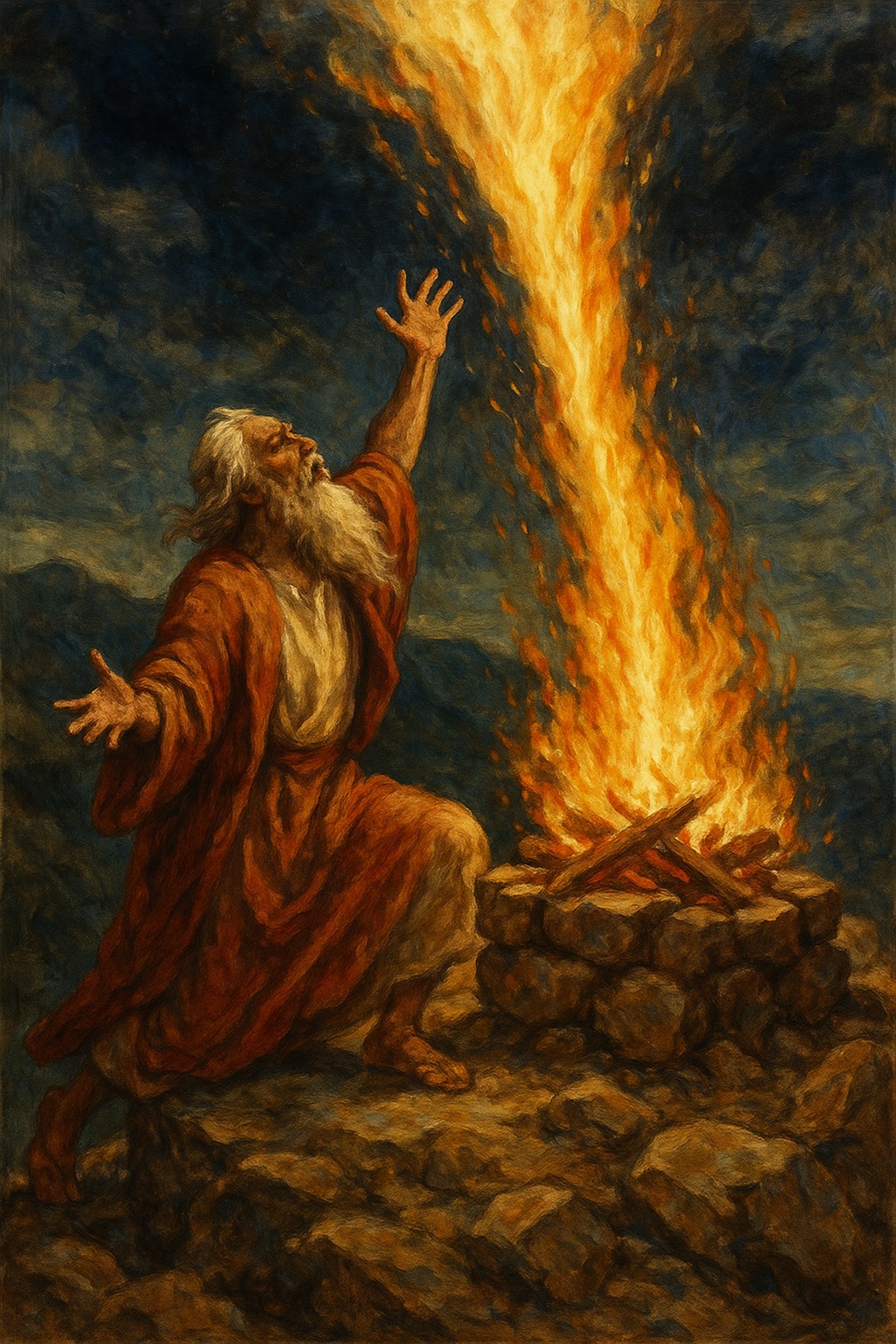
Elijah stands as one of the most powerful and enigmatic figures in the Old Testament. His very name means “My God is the LORD,” and his ministry embodied that declaration in an age of widespread apostasy. Appearing suddenly during the reign of King Ahab, Elijah’s prophetic voice called Israel to repentance, confronted idolatry, and demonstrated…
-
David — The Shepherd King and Covenant Promise
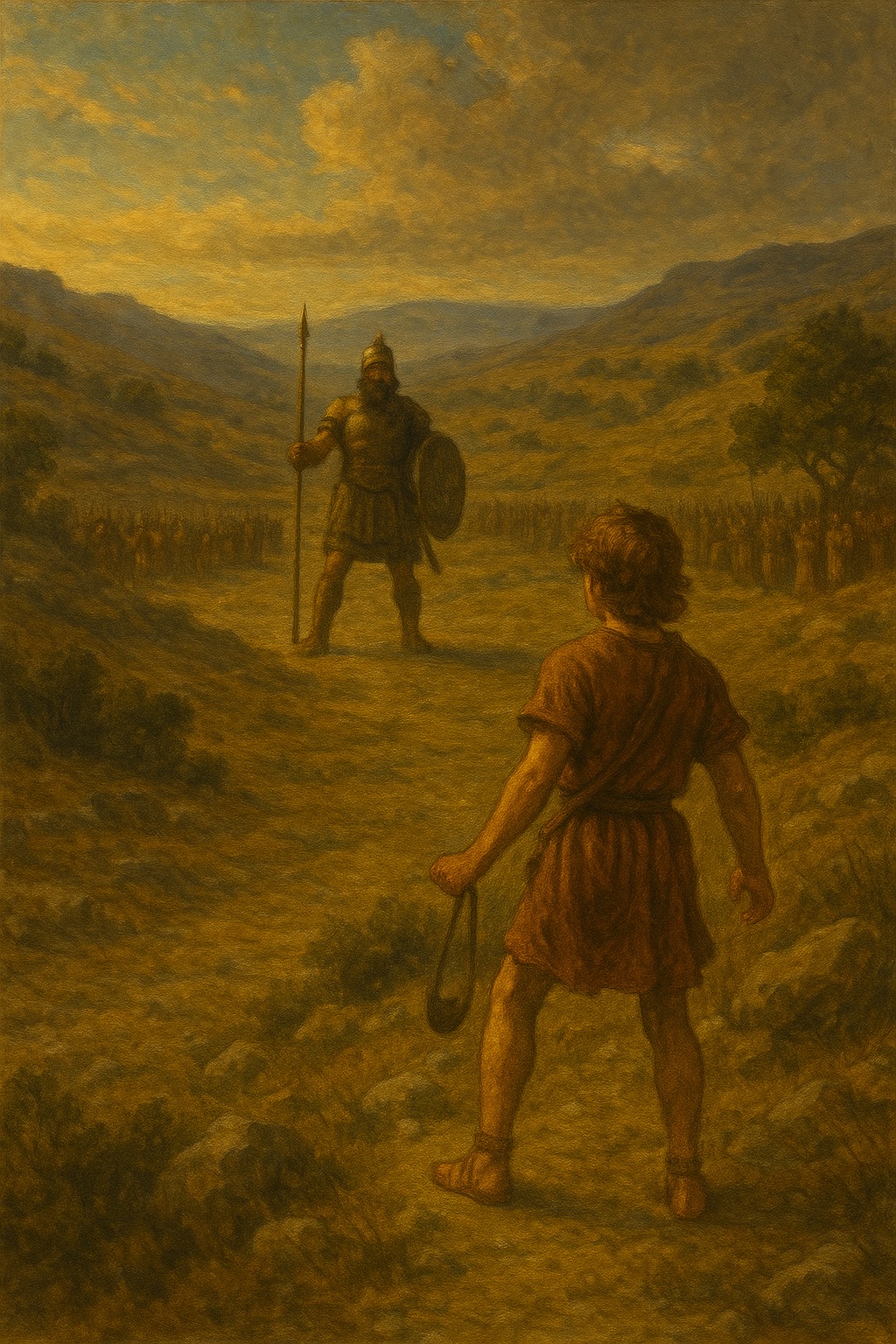
Among all the figures in the Old Testament, David stands uniquely as both warrior and worshiper, shepherd and king. He was the man after God’s own heart (1 Samuel 13:14), chosen not for his appearance or status but for the sincerity of his devotion. Through David, God established an everlasting covenant that pointed directly to…
-
Moses — The Deliverer and Lawgiver
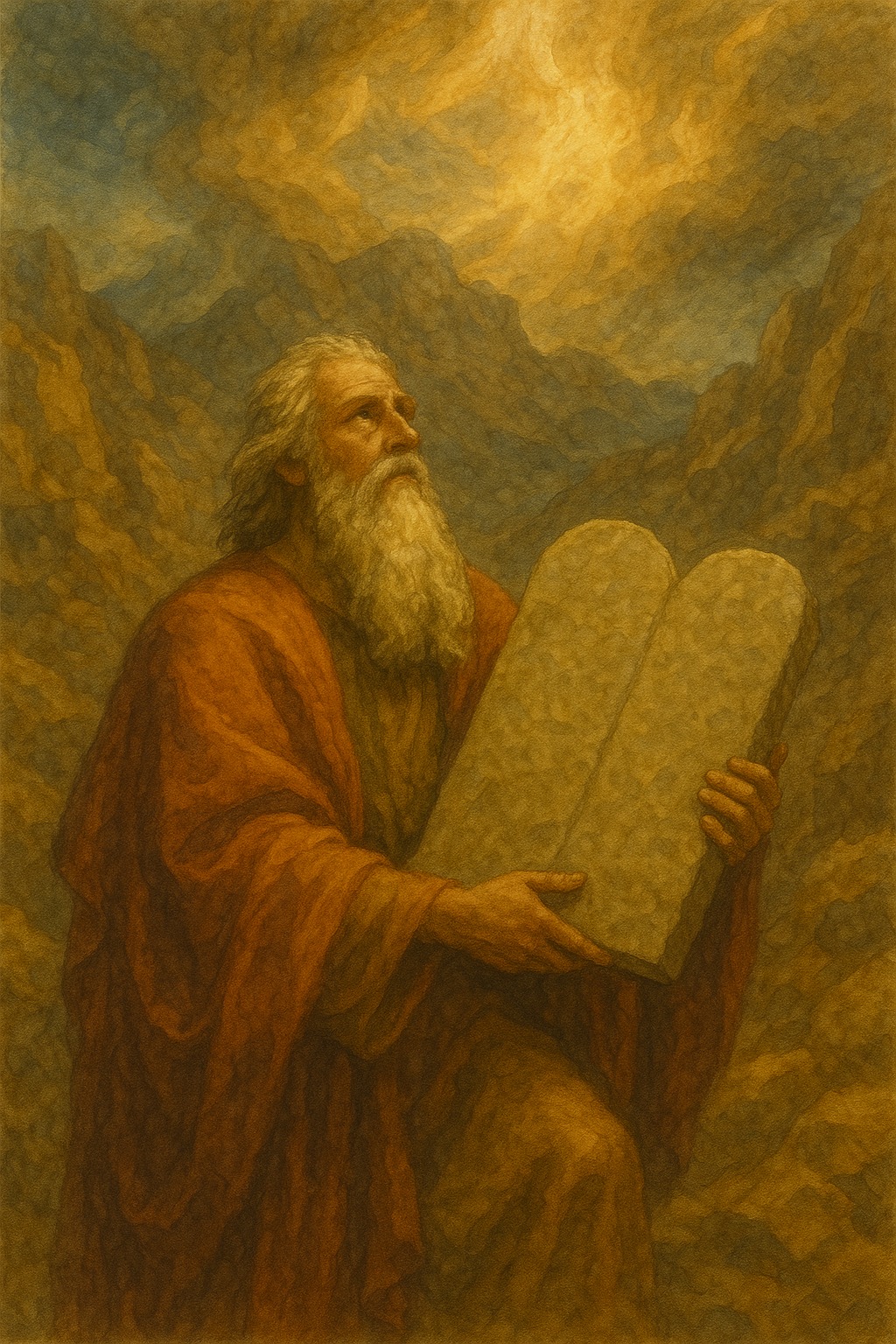
Moses stands as one of the most influential figures in all of Scripture, a man chosen by God to deliver His people from bondage, reveal His law, and mediate His covenant. His life bridges promise and fulfillment, slavery and freedom, law and grace. More than a leader or prophet, Moses prefigures Christ as the Redeemer…
-
Abraham – The Father of Faith
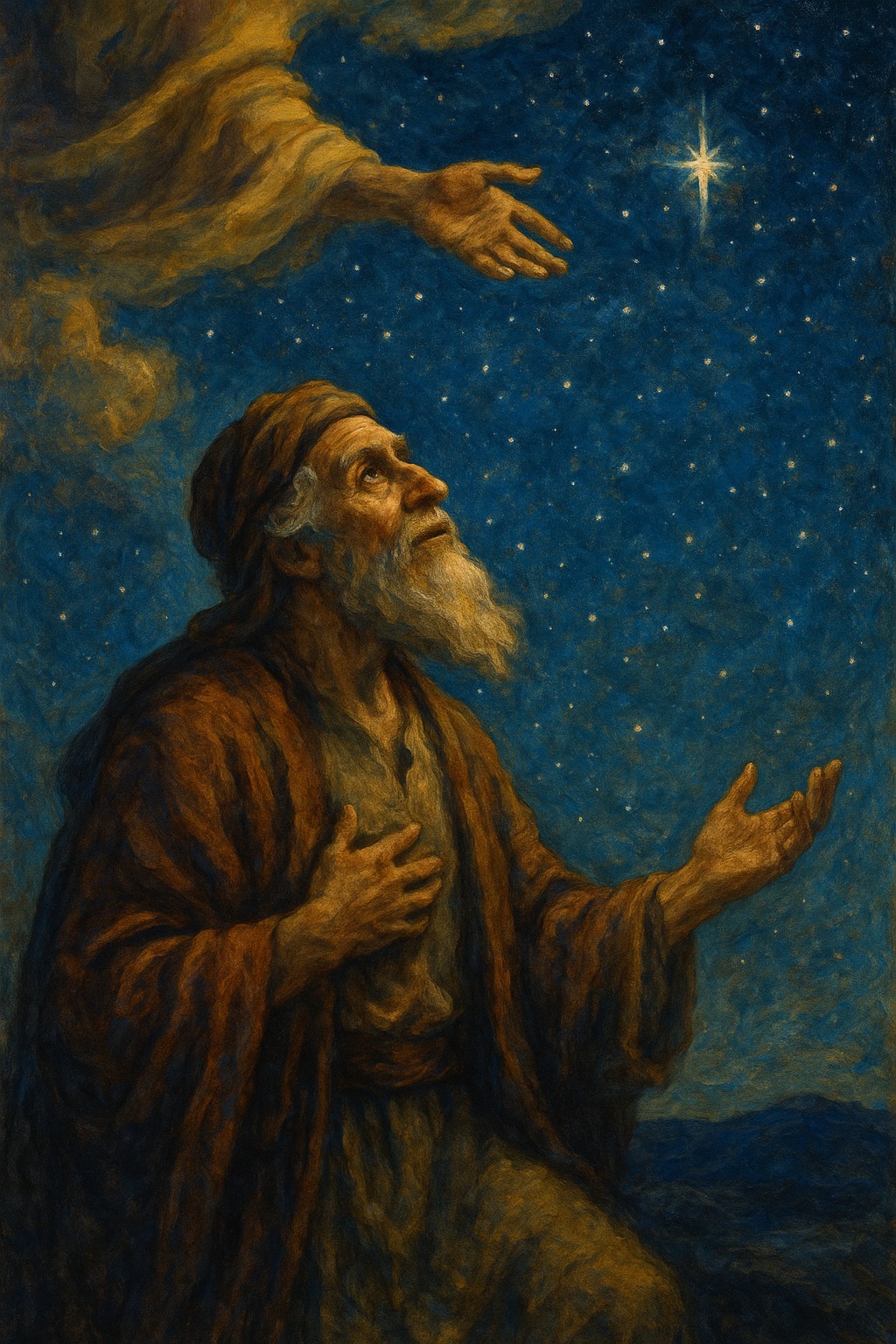
Among all the figures in Scripture, few stand as prominently in both Testaments as Abraham. Known as “the father of faith,” Abraham’s life marks the beginning of God’s covenant relationship with a chosen people through whom all nations would be blessed. His story, beginning in Genesis 12, is the foundation for the unfolding plan of…


