
Topical Studies
-
Abraham – The Blueprint of Unconditional Faith
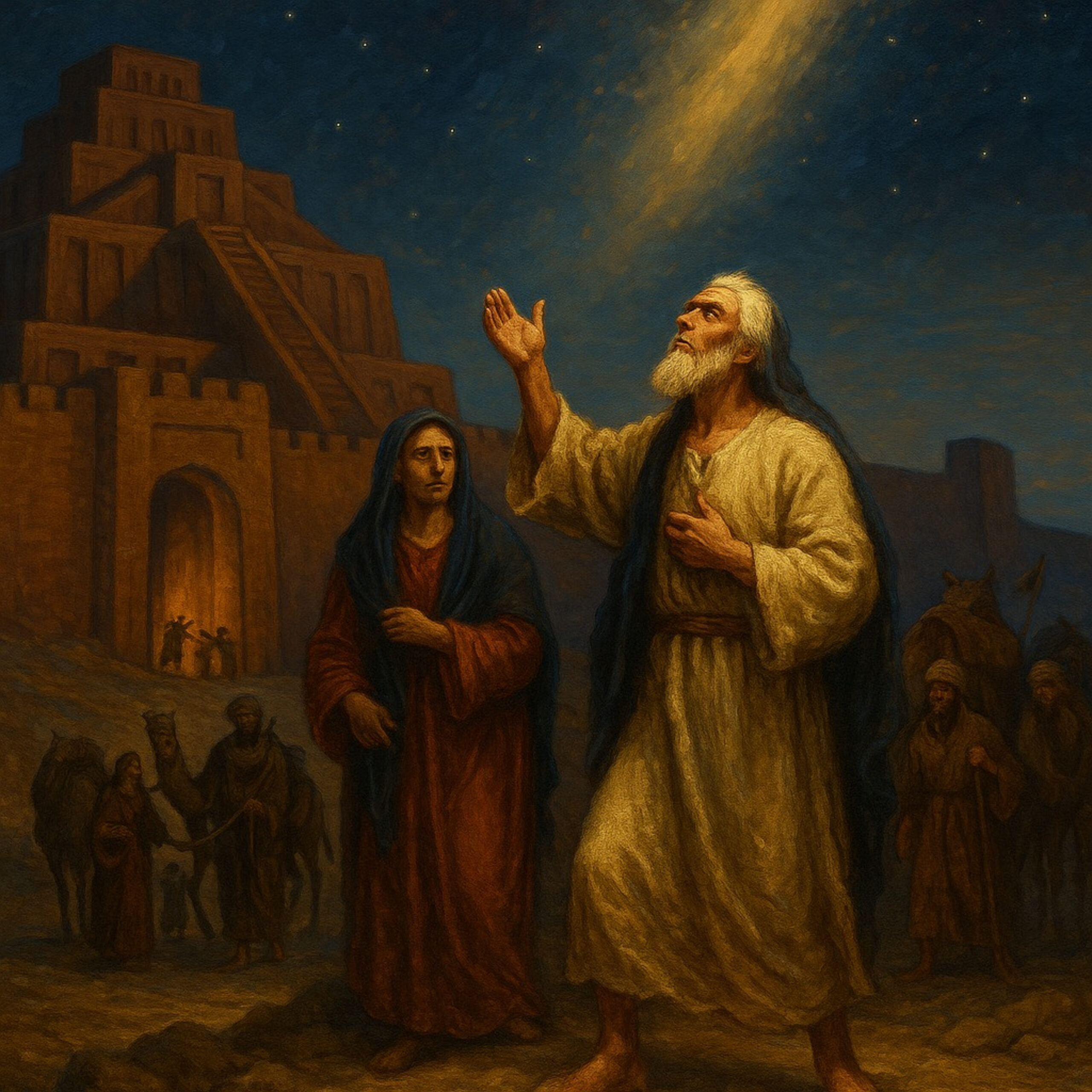
Among all the figures in Scripture, few stand as prominently in both Testaments as Abraham. Known as “the father of faith,” Abraham’s life marks the beginning of God’s covenant relationship with a chosen people through whom all nations would be blessed. His story, beginning in Genesis 12, is the foundation for the unfolding plan of…
-
The Final Roadmap – Unpacking the Dual Phases of Christ’s Return
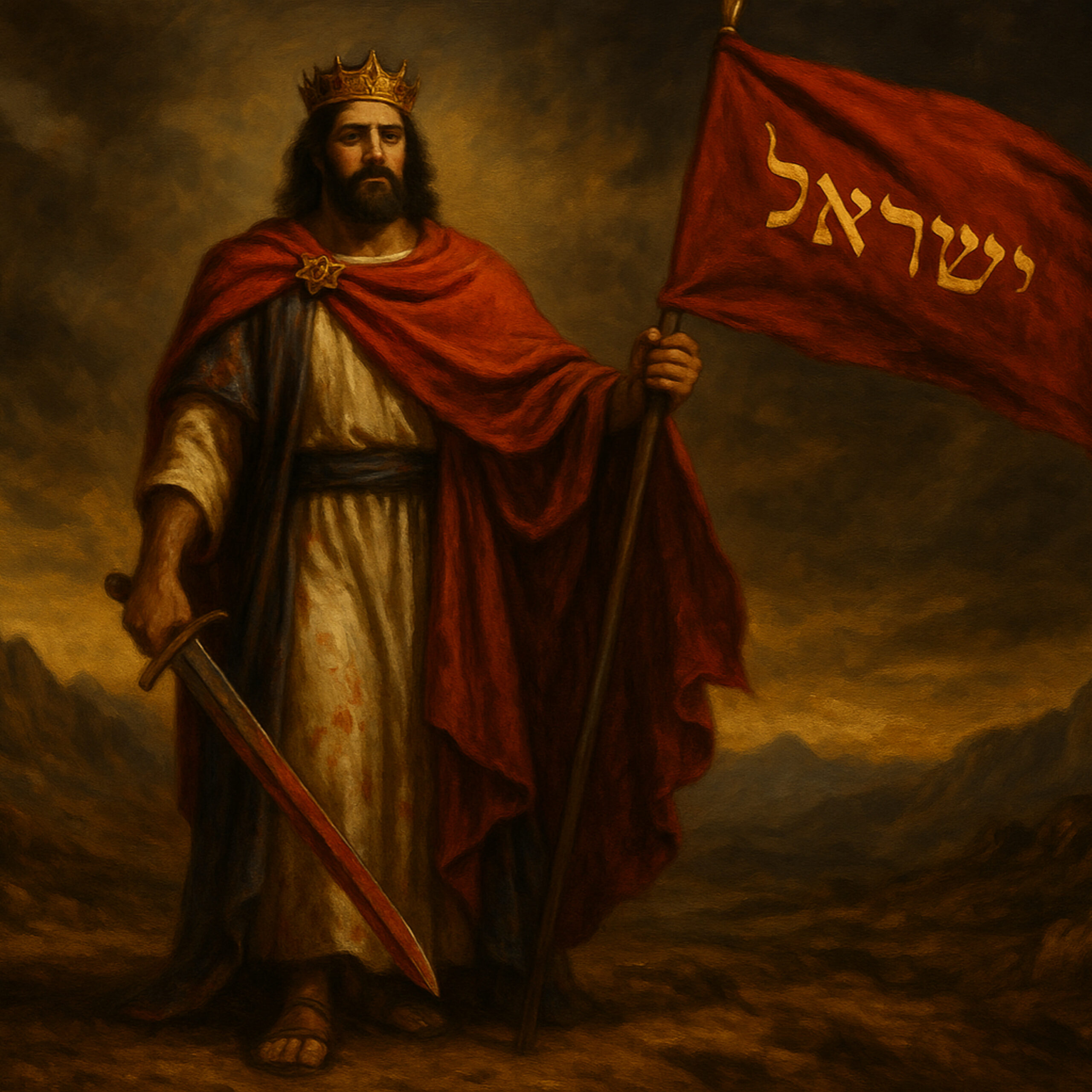
The return of Jesus Christ stands as the blessed hope of all believers and the climax of God’s redemptive plan. From Genesis to Revelation, Scripture points toward this moment when the King of kings will return to establish righteousness, defeat evil, and renew creation. The Second Coming is not merely an event in prophecy; it…
-
Force vs. Person: Unpacking the Holy Spirit’s Identity, Deity, and Power

The Holy Spirit is the most misunderstood and often neglected Person of the Trinity. Many view Him as an impersonal force or divine influence, yet Scripture reveals the Spirit as fully God—personal, eternal, and active in creation, redemption, and the believer’s daily life. He is not merely the power of God but the presence of…
-
One Essence, Three Persons – Deconstructing the Trinity

The doctrine of the Trinity stands at the heart of Christian theology. It defines the nature of God as one Being in three coequal, coeternal Persons: Father, Son, and Holy Spirit. Although the term “Trinity” does not appear in Scripture, the truth it expresses is present throughout both Testaments. From Genesis to Revelation, God reveals…
-
Archaeological Proofs of the Patriarchs and the Early Nation of Israel

The historical reality of the patriarchs, Abraham, Isaac, and Jacob, as well as the early formation of Israel, has long been debated by scholars. Yet over the past century, archaeology has continually illuminated the truth of the biblical record, revealing that the stories of Genesis and Exodus rest not on myth but on authentic history.
-
The Apocalypse Fulfilling God’s Plan
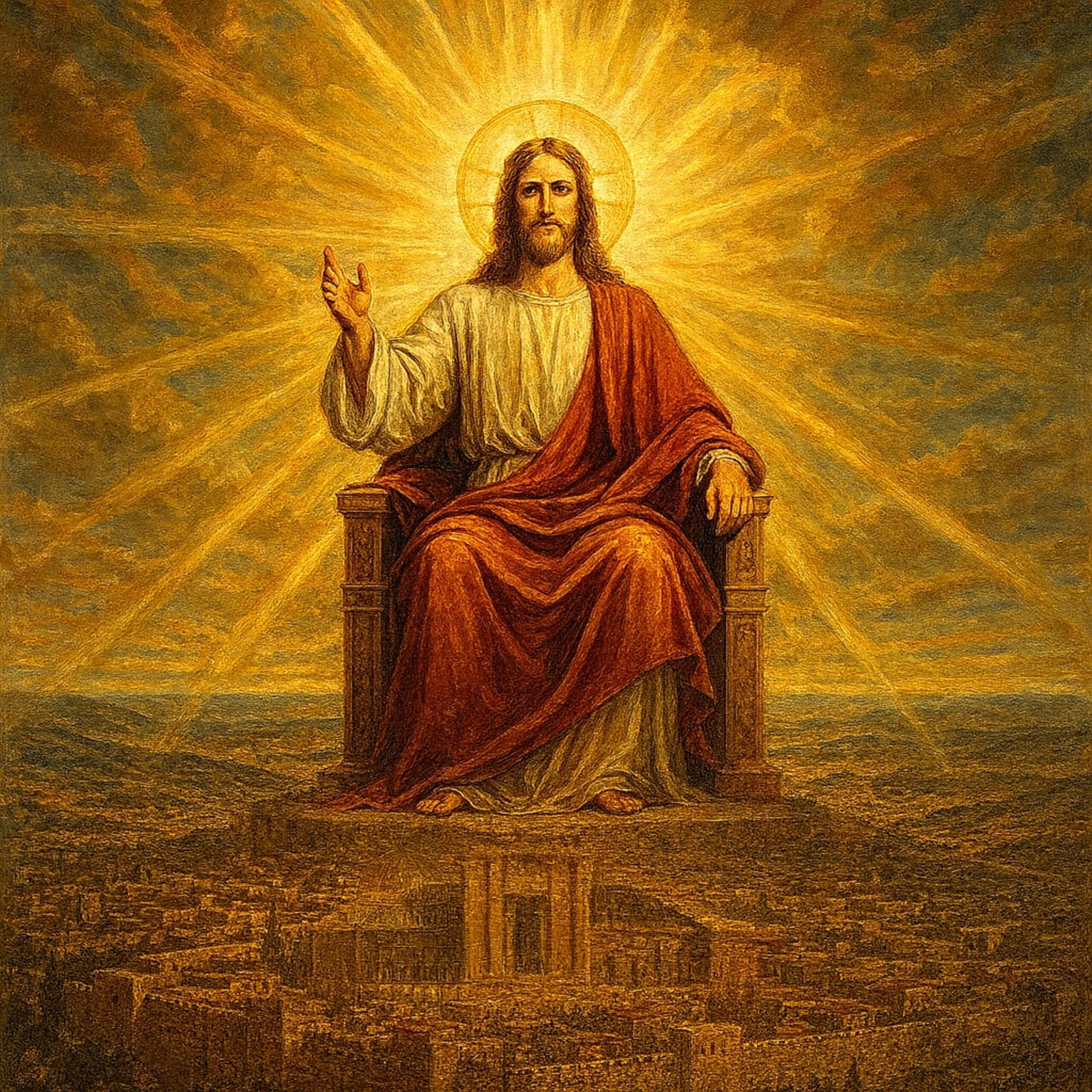
The Book of Revelation, the final book of the Bible, is rich in imagery and language drawn from the Old Testament. From Genesis to Malachi, echoes of earlier prophecies resound in John’s visions. Far from being a new or disconnected revelation, the Apocalypse weaves together centuries of prophecy into one climactic conclusion. Revelation shows the…
-
Israel’s Exodus – The Journey from Egypt
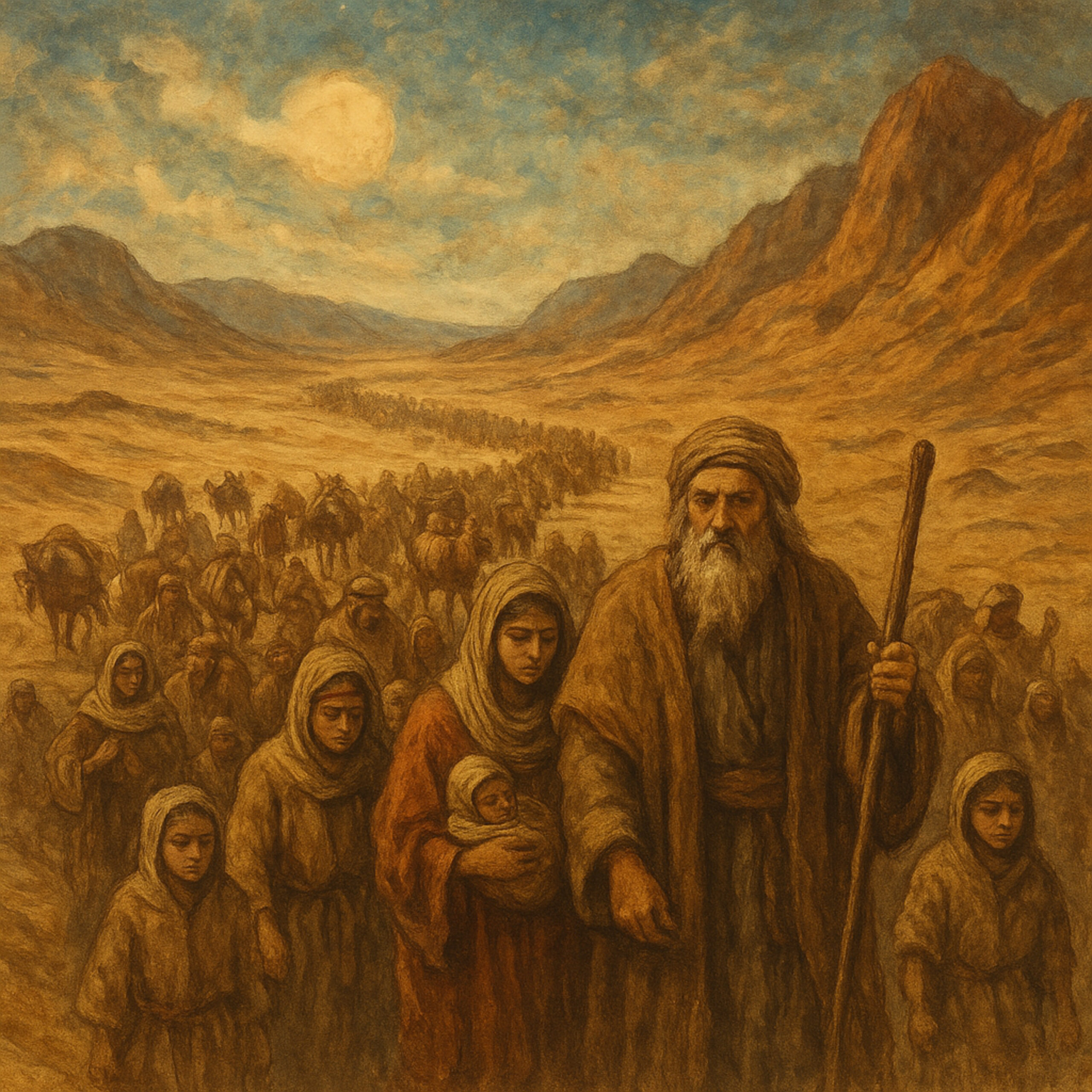
The Exodus is one of the most defining events in biblical history. It marks God’s deliverance of His people from slavery in Egypt and His covenantal formation of Israel as a nation. The narrative stretches from the closing chapters of Genesis through Exodus, and its theological impact reverberates throughout the Old and New Testaments. The…
-
Abraham – The Father of Faith
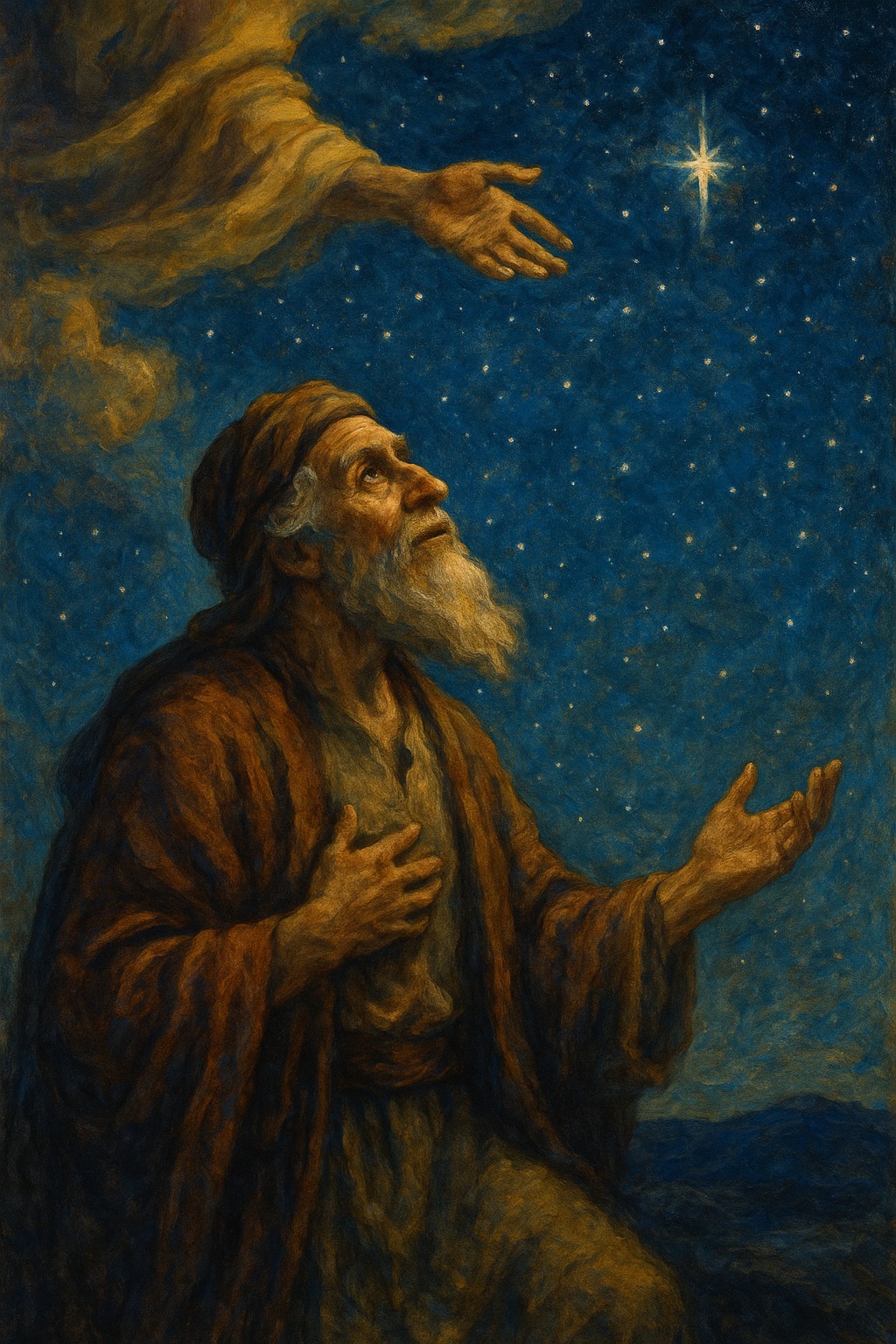
Among all the figures in Scripture, few stand as prominently in both Testaments as Abraham. Known as “the father of faith,” Abraham’s life marks the beginning of God’s covenant relationship with a chosen people through whom all nations would be blessed. His story, beginning in Genesis 12, is the foundation for the unfolding plan of…
-
The Return of Christ and the Final Kingdom

The return of Jesus Christ is central to Christian hope, marking the culmination of God’s redemptive plan. It offers comfort to believers and judgment for the wicked. Key events include the Rapture, Tribulation, and final judgment, ultimately leading to the establishment of God’s eternal kingdom, where peace and righteousness prevail forever.
-
The Person and Work of the Holy Spirit

The Holy Spirit, often misunderstood as an impersonal force, is recognized in Scripture as the personal and divine presence of God within believers. He guides, comforts, and empowers individuals for service, playing a vital role in salvation, sanctification, and communion with God. His indwelling signifies a transformative relationship essential for victorious Christian living.


