
Topical Studies
-
Archaeology Confirms Genesis and Exodus History
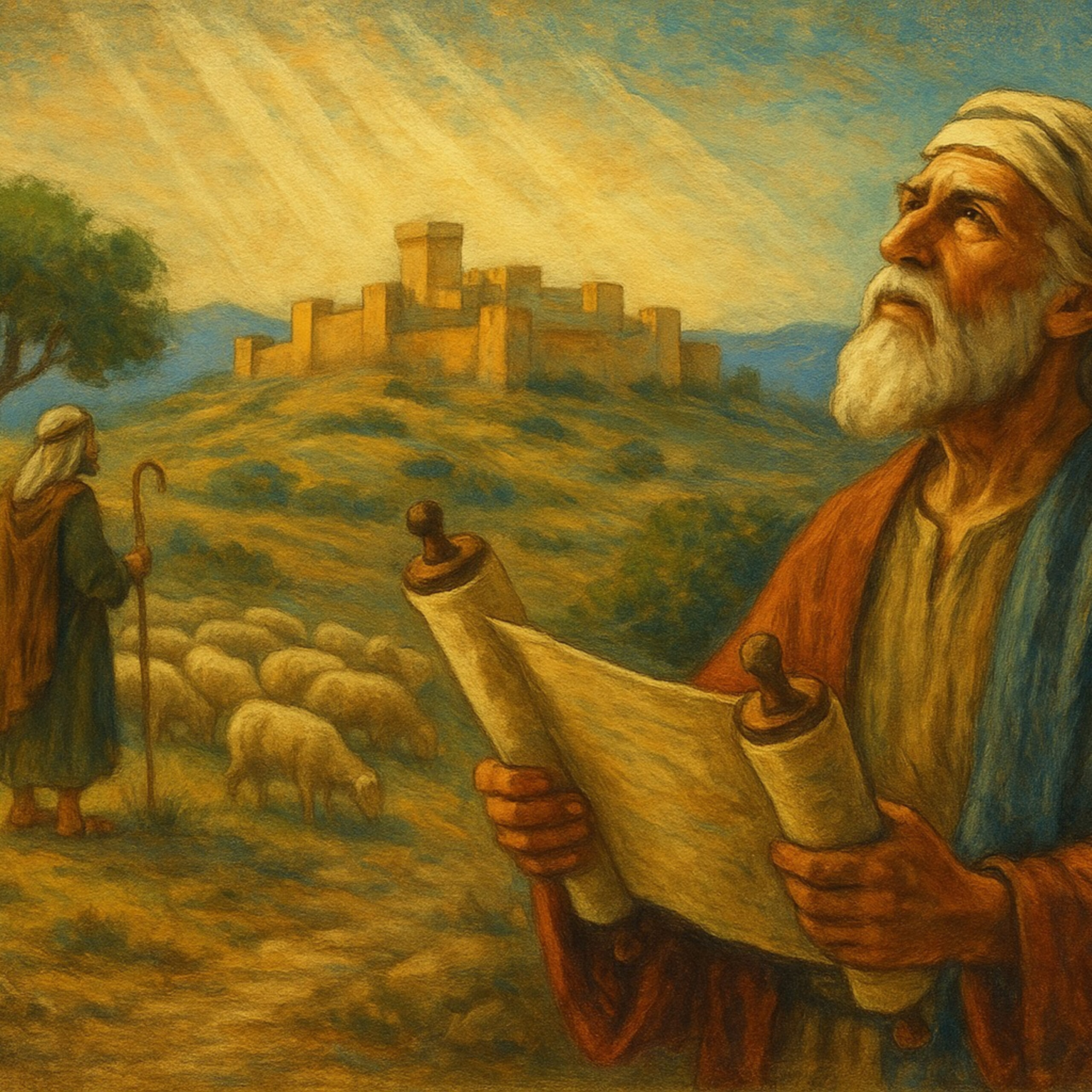
The historical reality of the patriarchs, Abraham, Isaac, and Jacob, as well as the early formation of Israel, has long been a subject of debate among scholars. Yet over the past century, archaeology has continually illuminated the truth of the biblical record, revealing that the stories of Genesis and Exodus rest not on myth but…
-
The Sovereignty of God: Divine Rule and Human Responsibility in the Biblical Narrative
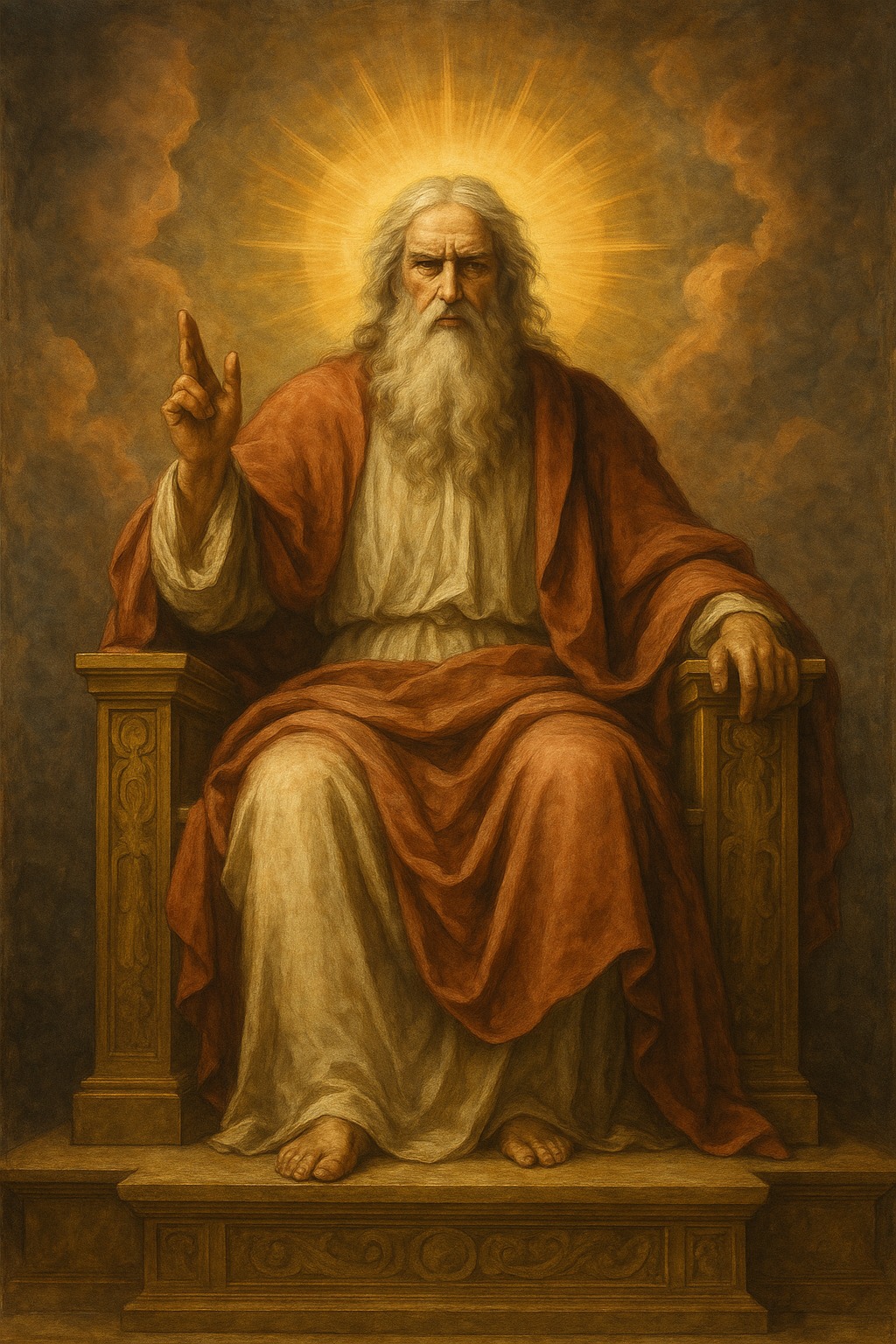
The sovereignty of God stands as one of the most exalted and comprehensive doctrines in Scripture. It declares that the Lord reigns over all creation with absolute authority, wisdom, and righteousness. God’s sovereignty encompasses His power to create, sustain, direct, and govern all things according to His perfect will. Yet Scripture also affirms that human…
-
The Holiness of God: The Radiant Center of Biblical Theology
The holiness of God stands at the center of biblical revelation. It is not merely one attribute among many but the defining quality through which all other attributes are understood. Scripture presents holiness as the essence of God’s character, expressing His absolute purity, moral perfection, and transcendent majesty. From the burning bush to the visions…
-
The Dead Sea Scrolls: Preserving the Integrity of Scripture Through Millennia
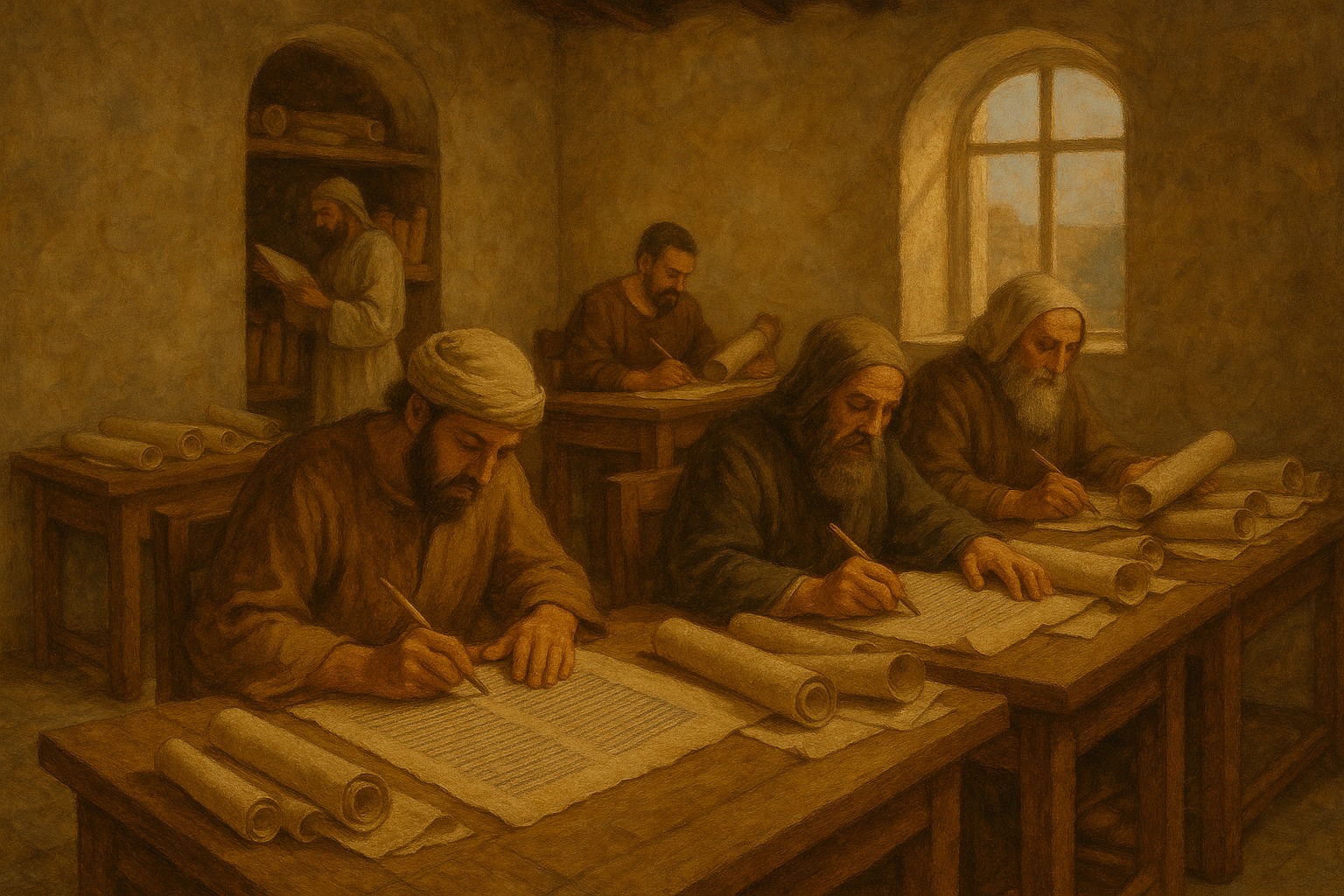
Few archaeological discoveries have had as profound an impact on biblical studies as the Dead Sea Scrolls. Unearthed between 1947 and 1956 in the caves of Qumran near the Dead Sea, these ancient manuscripts provided an unprecedented window into Jewish life, theology, and Scripture during the Second Temple period. Their significance lies not only in…
-
Moses – Lawgiver, Deliverer, and Prophet
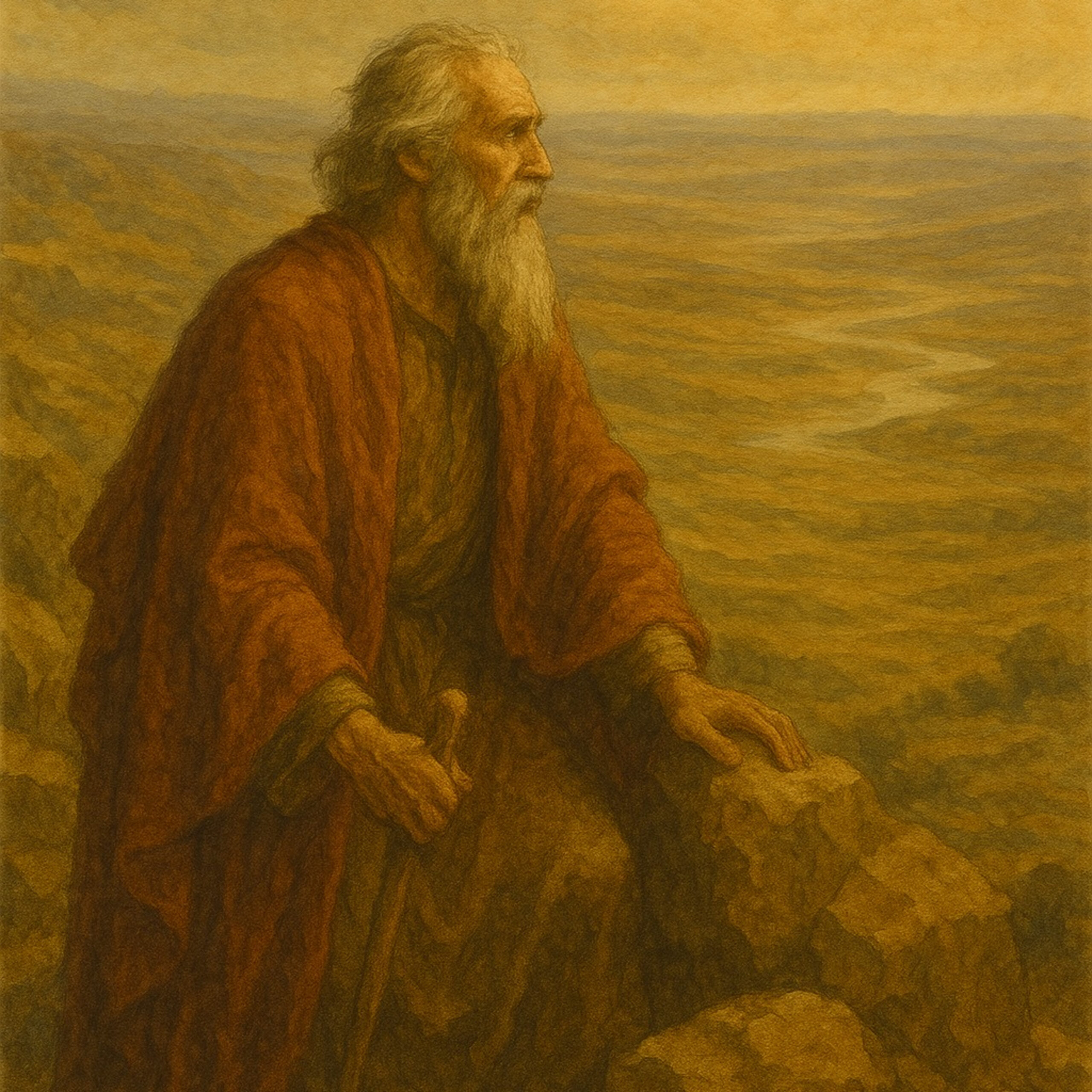
Moses stands as one of the most influential figures in all of Scripture, a man chosen by God to deliver His people from bondage, reveal His law, and mediate His covenant. His life bridges promise and fulfillment, slavery and freedom, law and grace. More than a leader or prophet, Moses prefigures Christ as the Redeemer…
-
The Bronze Serpent and the Cross: Archaeological Echoes of Healing and Redemption in the Ancient World
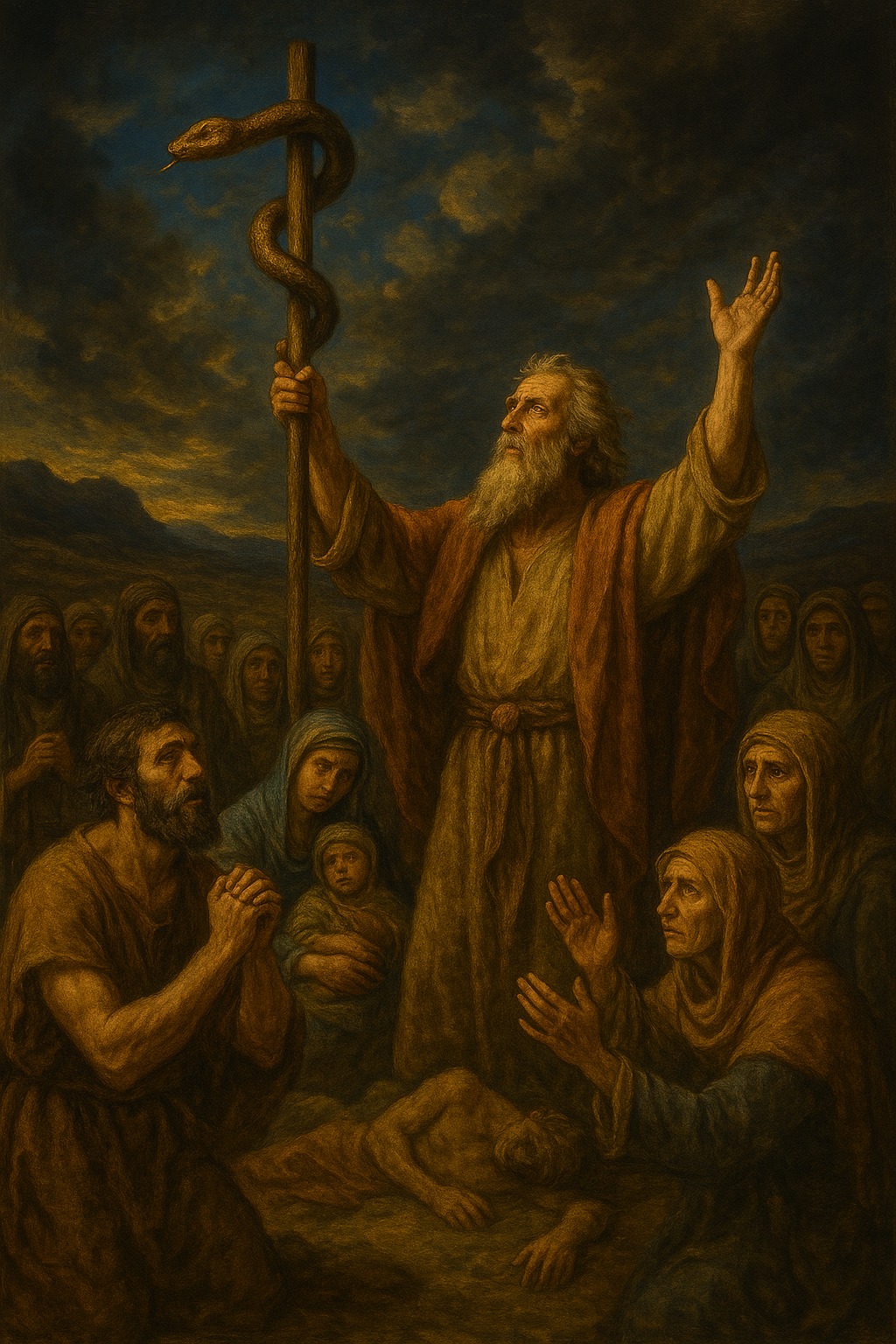
Among the many symbols woven into the tapestry of Scripture, few carry as much paradox and prophetic depth as the bronze serpent raised by Moses in the wilderness. What appears at first as an act of desperation, lifting a bronze image to heal a plague of venomous bites, emerges in the New Testament as one…
-
The Tabernacle, the Ark, and Archaeological Corroboration of Israel’s Worship in the Wilderness
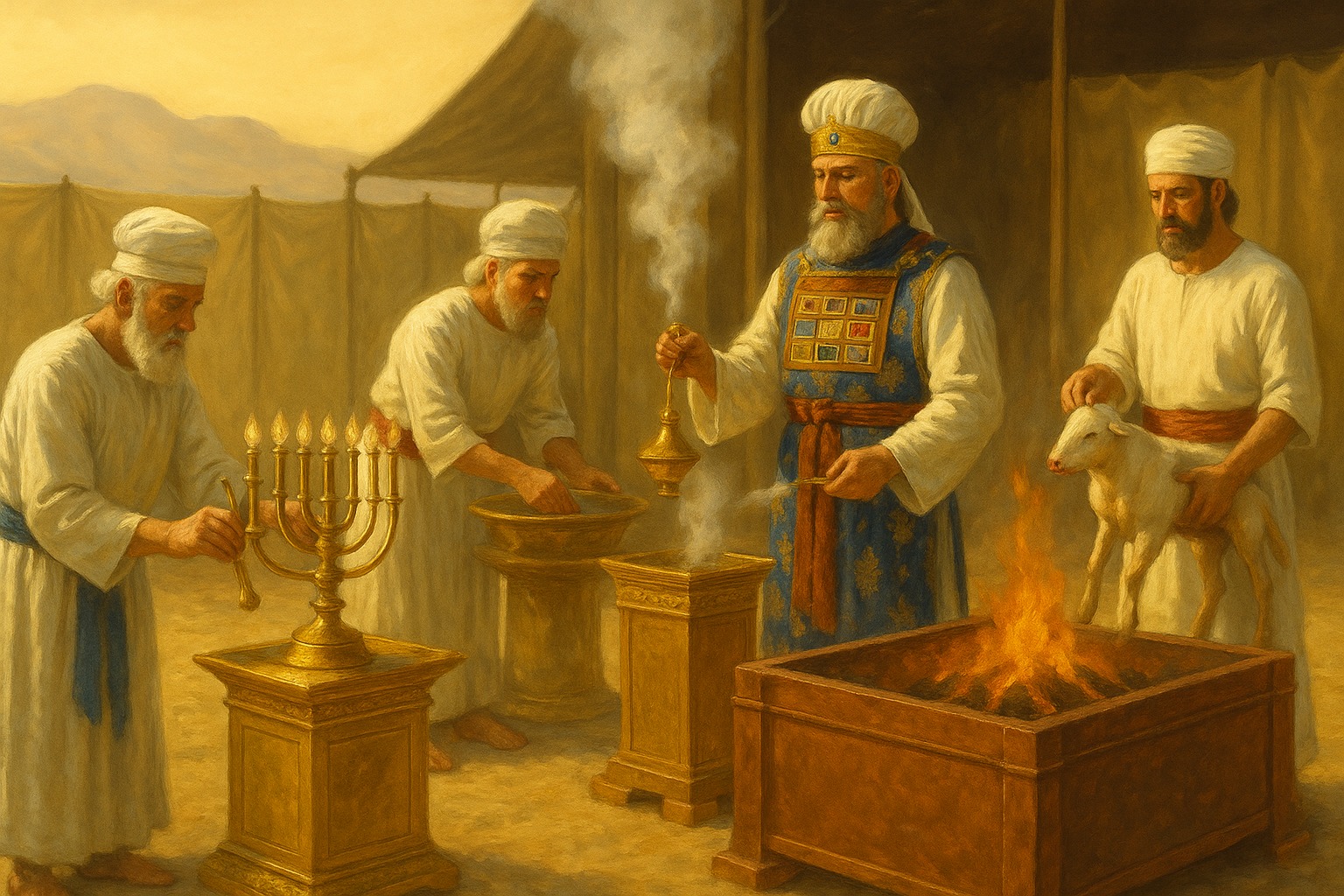
The tabernacle stands as one of the most significant structures in biblical history, not because of grandeur or permanence, but because it symbolized the dwelling of God among His people. In the wilderness, long before the construction of Solomon’s Temple, Israel carried a portable sanctuary designed according to divine revelation.
-
The Historical Reliability of the Exodus and Mount Sinai
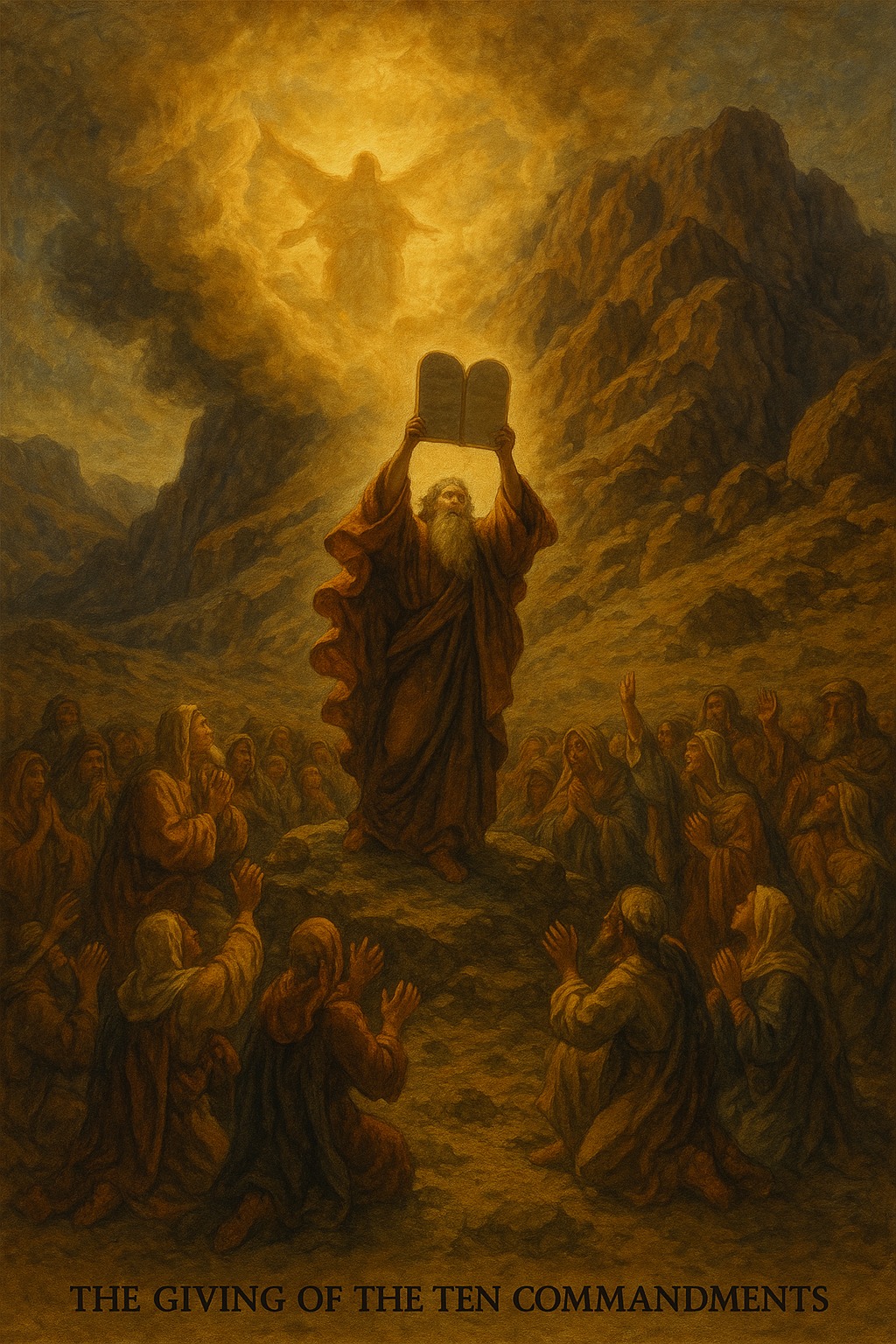
The Exodus stands at the heart of Israel’s national and spiritual identity. It is the story of God’s mighty deliverance, how He brought His people out of bondage in Egypt with a strong hand and an outstretched arm. Yet, modern critics have often dismissed the Exodus as a legend or theological symbolism rather than a…
-
Archaeological Proofs of the Patriarchs and the Early Nation of Israel

The historical reality of the patriarchs, Abraham, Isaac, and Jacob, as well as the early formation of Israel, has long been debated by scholars. Yet over the past century, archaeology has continually illuminated the truth of the biblical record, revealing that the stories of Genesis and Exodus rest not on myth but on authentic history.
-
Israel’s Exodus – The Journey from Egypt
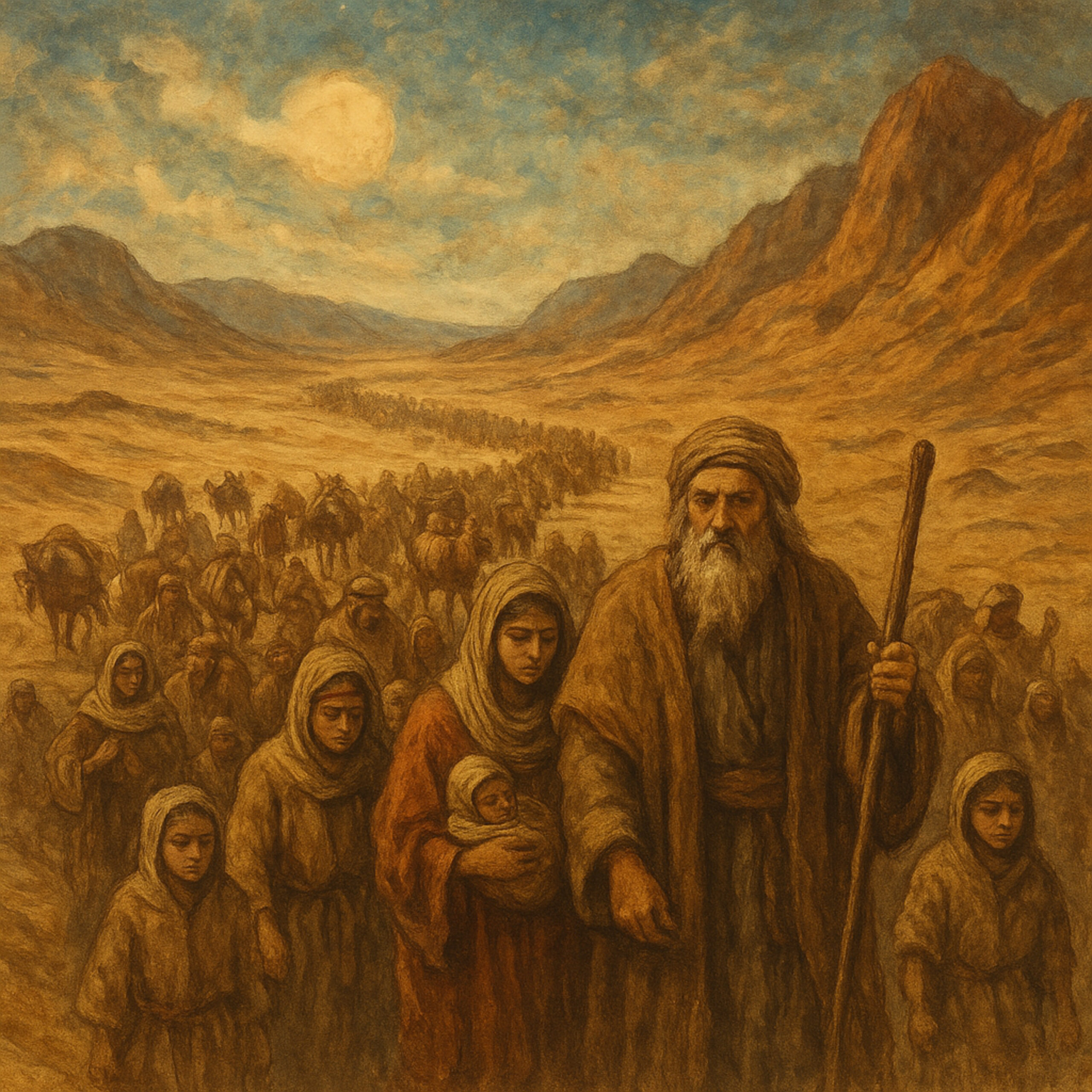
The Exodus is one of the most defining events in biblical history. It marks God’s deliverance of His people from slavery in Egypt and His covenantal formation of Israel as a nation. The narrative stretches from the closing chapters of Genesis through Exodus, and its theological impact reverberates throughout the Old and New Testaments. The…


