
Topical Studies
-
The Person and Work of the Holy Spirit

The Holy Spirit, often misunderstood as an impersonal force, is recognized in Scripture as the personal and divine presence of God within believers. He guides, comforts, and empowers individuals for service, playing a vital role in salvation, sanctification, and communion with God. His indwelling signifies a transformative relationship essential for victorious Christian living.
-
The Trinity – Unity and Diversity in the Godhead

The doctrine of the Trinity is central to Christian theology, describing God as one Being in three coequal Persons: Father, Son, and Holy Spirit. This concept distinguishes biblical faith and deepens understanding of God’s love, unity, and redemptive plan. The Trinity influences worship, the Church, and believers’ lives, inviting participation in divine fellowship.
-
The Nature of God’s Covenant Grace
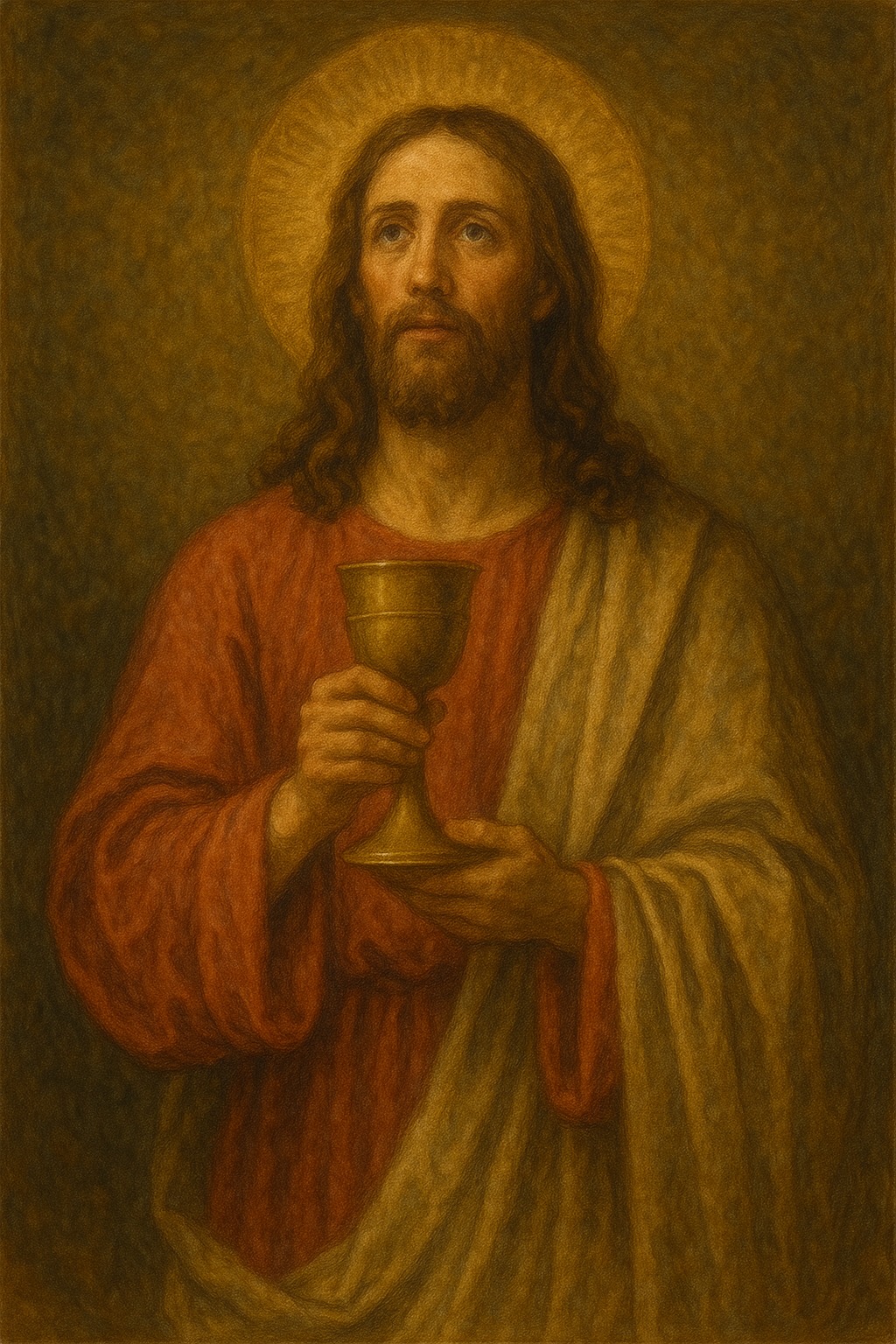
God relates to humanity through covenants, reflecting His redemptive plan throughout biblical history. These agreements, whether conditional or unconditional, showcase God’s faithfulness and grace. The covenants culminate in Christ’s work, offering believers salvation, assurance, and a transformative relationship, emphasizing God’s enduring love and commitment to His people across generations.
-
Be Overcomers – Running the Race

The concept of an “overcomer” in Christianity signifies those who, through faith, obedience, and perseverance, live out their salvation. While all believers are justified through faith, rewards are based on faithfulness evaluated at the Bema Seat of Christ. Overcomers receive distinct eternal blessings, reflecting their commitment to God amidst trials.
-
The Millennium Reign of Christ
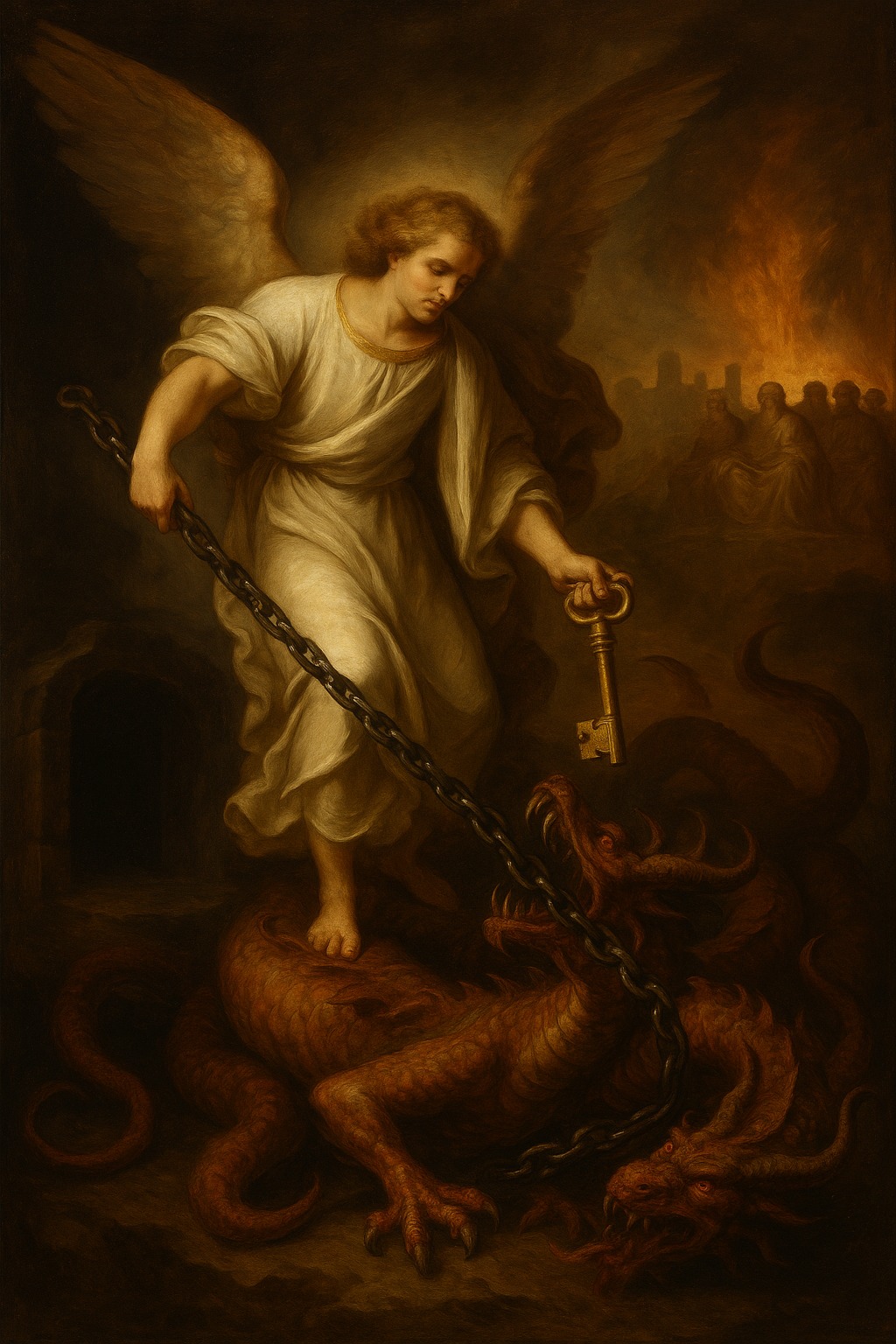
Few prophecies are as hopeful and contested as the thousand-year reign of Christ, known as the Millennium. Revelation 20 describes this period when Satan is bound, Christ reigns on earth, and His saints rule with Him. Some interpret the Millennium symbolically, while others see it as a literal reign still to come. By tracing Old…
-
The 144,000 in Revelation and Israel’s Future
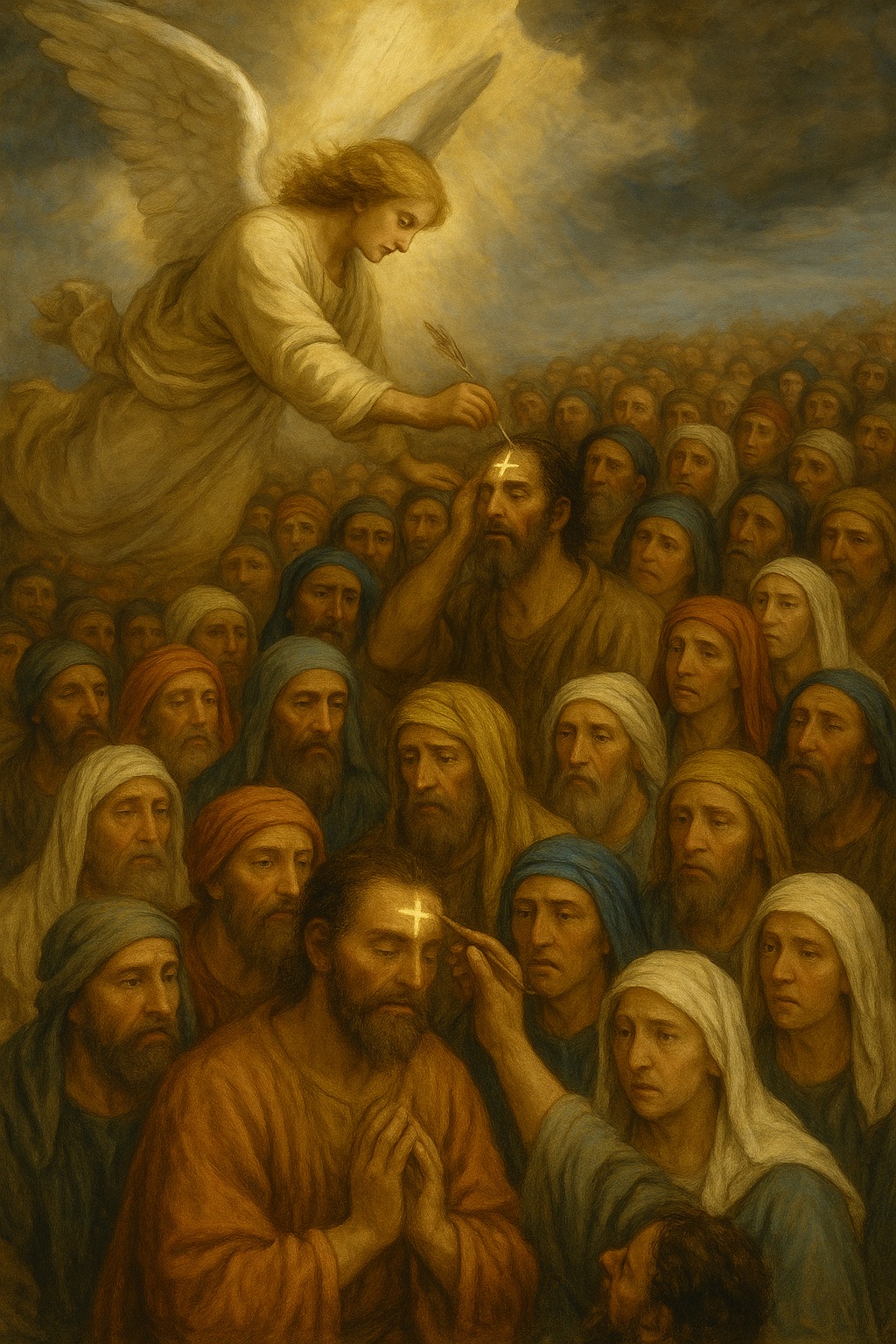
Among the striking images in Revelation is the sealing of 144,000 servants of God. Questions often arise: Who are they? Are they symbolic of the church, or literal descendants of Israel? What is their mission? By examining Revelation alongside Old and New Testament prophecy, we discover that the 144,000 represent a literal remnant of Israel…
-
The Nature of the Antichrist in Scripture

Among the most sobering themes in biblical prophecy is the rise of the Antichrist, the final world ruler who opposes God, deceives the nations, and persecutes His people. The word antichrist appears only in John’s letters, yet the figure is described throughout Scripture under various titles: “the little horn” in Daniel, “the man of sin”…
-
The Nature of Sin and Confession
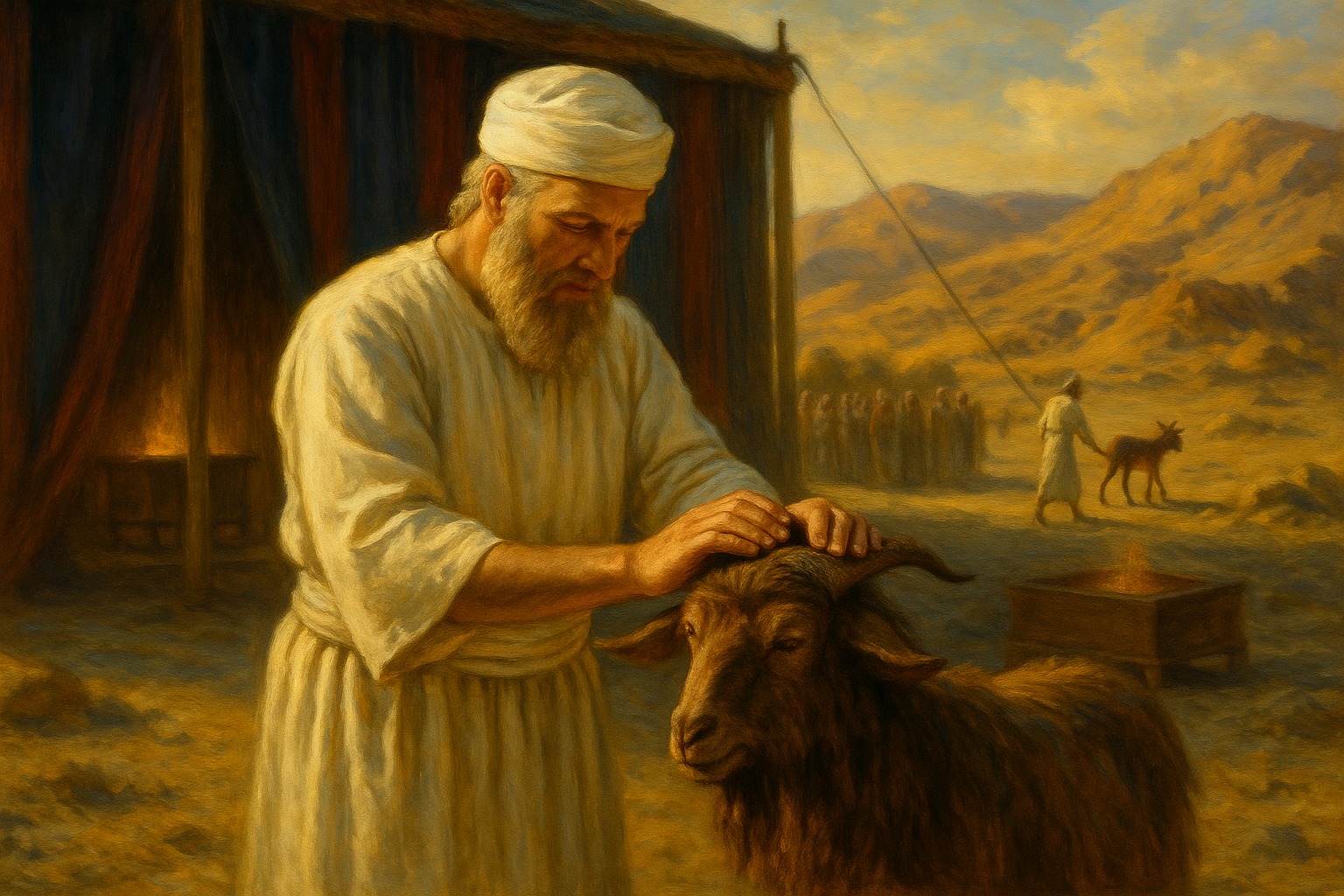
From Genesis to Revelation, the Bible emphasizes the seriousness of sin and the necessity of confession. Sin separates humanity from God, corrupts creation, and brings death. Yet God provides a path of restoration through confession and forgiveness. In the Old Testament, confession was tied to sacrifices and offerings. In the New Testament, confession centers on…
-
Baptism in the Old and New Testaments
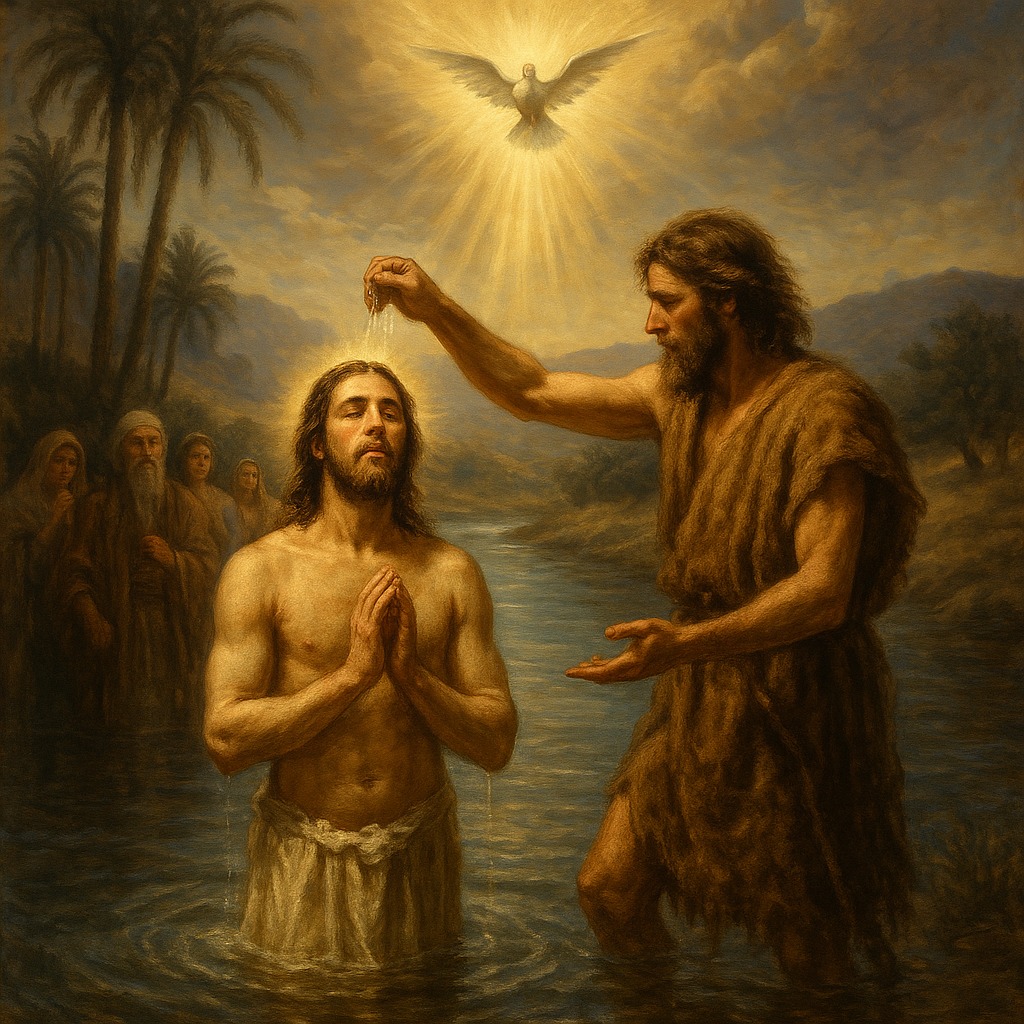
Baptism is one of the most recognized and debated practices in Christianity. While the New Testament clearly emphasizes baptism as a sign of faith and obedience, the roots of the practice can be traced back to the Old Testament through ritual washings, consecrations, and prophetic imagery. To understand baptism biblically, we must explore its foreshadowing…
-
The Unconditional Covenants of God with Israel
The Bible records several covenants God made with His people. Some were conditional, requiring obedience for blessing (e.g., the Mosaic covenant). Others were unconditional, depending solely on God’s faithfulness. Among these, the covenants with Abraham, David, and the promise of the New Covenant stand out as everlasting. These covenants anchor Israel’s history, frame prophecy, and…


